More than four hundred migrant domestic workers honoured by students in recognition of their role in raising and supporting Hong Kong families
Hundreds of foreign domestic helpers in Hong Kong have been honoured by local students in a ceremony recognizing their profound role in family life, with many children describing the women who cared for them as their “second mothers.”
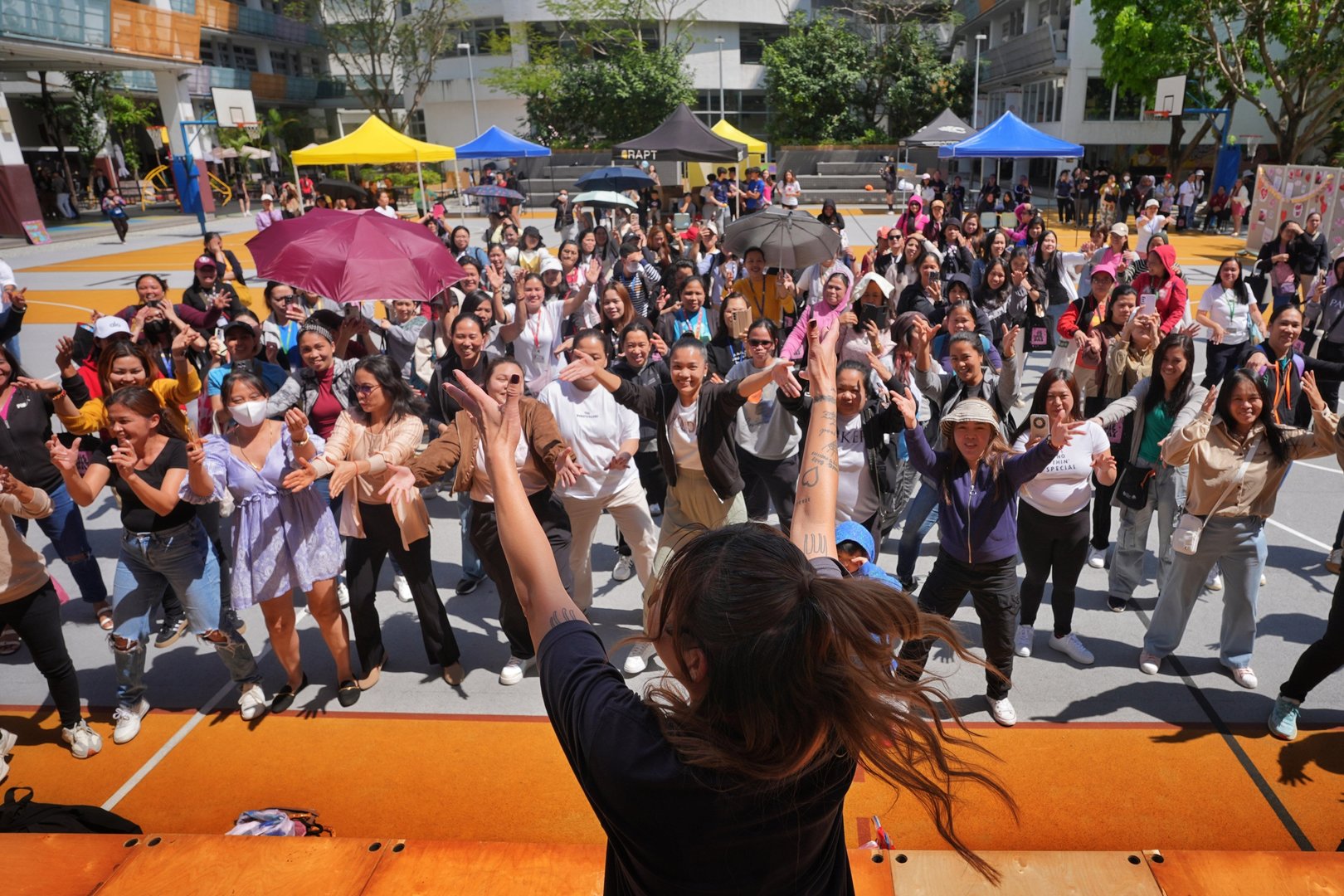
The tribute brought together more than four hundred migrant domestic workers, most of them from the Philippines and Indonesia, to receive appreciation from students and families who credited them with shaping their childhoods and daily lives.
Through letters, performances and public acknowledgments, the students thanked the helpers for providing emotional support, guidance and care while parents worked long hours.
In Hong Kong, foreign domestic helpers are deeply woven into the fabric of society.
Nearly four hundred thousand such workers live and work in the city, forming roughly five percent of the population and supporting households across a wide range of social backgrounds.
Their responsibilities often extend beyond household chores to include childcare, school preparation and the everyday nurturing of children.
For many families, helpers spend years with the same children, accompanying them through key milestones from early childhood to adolescence.
Students participating in the tribute said that these long-term bonds had created relationships that resemble extended family ties.
Some wrote that their helpers had taught them values, languages and cultural traditions, while also providing comfort during challenging moments in their lives.
Community groups and educators involved in the event said the recognition was meant to highlight an often overlooked contribution to Hong Kong’s social and economic life.
With dual-income households common in the city’s demanding work culture, domestic helpers enable many parents to pursue careers while ensuring children receive consistent care and supervision.
Experts say the presence of foreign domestic helpers has become a defining feature of modern Hong Kong households.
Their work supports not only childcare but also elder care and other household responsibilities, allowing families to maintain demanding professional schedules in one of the world’s most expensive cities.
Organizers noted that the ceremony was intended to foster appreciation and respect for migrant workers who often spend years away from their own families.
By highlighting the emotional bonds formed within households, they hope the event will encourage broader recognition of the helpers’ role in shaping the next generation of Hong Kong residents.
For many of the workers attending the tribute, the acknowledgement carried deep emotional meaning.
Several said the expressions of gratitude from the students were a reminder that their efforts—often performed quietly behind the scenes—had made a lasting impact on the children they helped raise.
The tribute brought together more than four hundred migrant domestic workers, most of them from the Philippines and Indonesia, to receive appreciation from students and families who credited them with shaping their childhoods and daily lives.
Through letters, performances and public acknowledgments, the students thanked the helpers for providing emotional support, guidance and care while parents worked long hours.
In Hong Kong, foreign domestic helpers are deeply woven into the fabric of society.
Nearly four hundred thousand such workers live and work in the city, forming roughly five percent of the population and supporting households across a wide range of social backgrounds.
Their responsibilities often extend beyond household chores to include childcare, school preparation and the everyday nurturing of children.
For many families, helpers spend years with the same children, accompanying them through key milestones from early childhood to adolescence.
Students participating in the tribute said that these long-term bonds had created relationships that resemble extended family ties.
Some wrote that their helpers had taught them values, languages and cultural traditions, while also providing comfort during challenging moments in their lives.
Community groups and educators involved in the event said the recognition was meant to highlight an often overlooked contribution to Hong Kong’s social and economic life.
With dual-income households common in the city’s demanding work culture, domestic helpers enable many parents to pursue careers while ensuring children receive consistent care and supervision.
Experts say the presence of foreign domestic helpers has become a defining feature of modern Hong Kong households.
Their work supports not only childcare but also elder care and other household responsibilities, allowing families to maintain demanding professional schedules in one of the world’s most expensive cities.
Organizers noted that the ceremony was intended to foster appreciation and respect for migrant workers who often spend years away from their own families.
By highlighting the emotional bonds formed within households, they hope the event will encourage broader recognition of the helpers’ role in shaping the next generation of Hong Kong residents.
For many of the workers attending the tribute, the acknowledgement carried deep emotional meaning.
Several said the expressions of gratitude from the students were a reminder that their efforts—often performed quietly behind the scenes—had made a lasting impact on the children they helped raise.