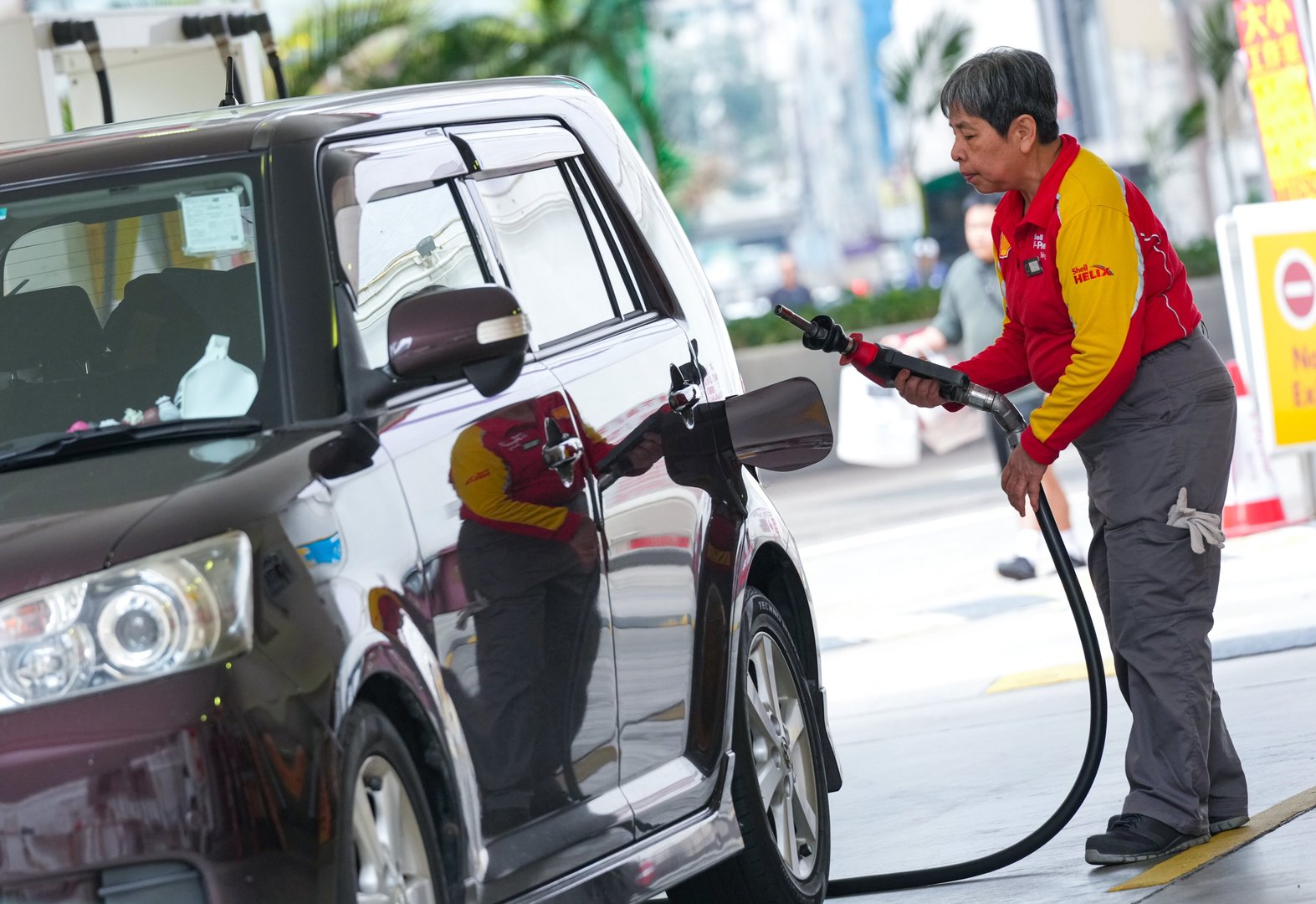
Rising oil prices and shipping risks linked to the Middle East conflict highlight the need for stronger energy security planning in the city.
The escalating conflict involving Iran has renewed calls for Hong Kong to strengthen safeguards around its fuel supply, as global energy markets face increasing volatility and potential disruptions to shipping routes.
The war has pushed oil prices sharply higher and threatened tanker traffic through the Strait of Hormuz, a narrow waterway that normally carries a significant share of the world’s oil and liquefied natural gas shipments.
The disruption has created uncertainty across global markets and raised concerns in Asia, where many economies depend heavily on imported fuel.
For Hong Kong, which imports all of its refined auto fuels and relies on international supply chains for energy, the conflict underscores the importance of maintaining reliable reserves and ensuring transparency in fuel pricing.
Authorities have already begun monitoring the situation closely and have contacted major oil companies to track the impact of global price swings on the local market.
Industry representatives have warned that rising oil prices could eventually feed through to local transportation and logistics costs.
Some sectors, including delivery and freight operators, are considering temporary surcharges to offset higher fuel expenses as the conflict continues to unsettle energy markets.
Officials say Hong Kong’s existing stockpiles provide a buffer against sudden supply disruptions, though reserves are smaller than those held by some major economies.
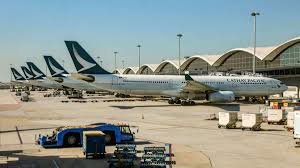
Government data indicates the city maintains weeks of supply for key fuels such as petrol, diesel and aviation fuel, offering short-term protection against market shocks while international conditions stabilize.
The current geopolitical crisis is also highlighting broader questions about energy resilience in Asia.
Analysts note that many economies in the region rely heavily on imported fossil fuels transported through the Middle East, leaving them exposed to geopolitical events far from their own borders.
Hong Kong has taken steps in recent years to diversify its energy sources, including the development of an offshore liquefied natural gas receiving terminal designed to strengthen the reliability of electricity generation and reduce dependence on a single fuel stream.
As tensions in the Middle East continue and energy prices remain volatile, policymakers and industry leaders say ensuring steady fuel supplies will be critical for Hong Kong’s economic stability.
Reliable access to energy, they argue, will help shield businesses and consumers from the worst effects of global supply disruptions while maintaining the city’s role as a major financial and logistics hub in Asia.
The war has pushed oil prices sharply higher and threatened tanker traffic through the Strait of Hormuz, a narrow waterway that normally carries a significant share of the world’s oil and liquefied natural gas shipments.
The disruption has created uncertainty across global markets and raised concerns in Asia, where many economies depend heavily on imported fuel.
For Hong Kong, which imports all of its refined auto fuels and relies on international supply chains for energy, the conflict underscores the importance of maintaining reliable reserves and ensuring transparency in fuel pricing.
Authorities have already begun monitoring the situation closely and have contacted major oil companies to track the impact of global price swings on the local market.
Industry representatives have warned that rising oil prices could eventually feed through to local transportation and logistics costs.
Some sectors, including delivery and freight operators, are considering temporary surcharges to offset higher fuel expenses as the conflict continues to unsettle energy markets.
Officials say Hong Kong’s existing stockpiles provide a buffer against sudden supply disruptions, though reserves are smaller than those held by some major economies.
Government data indicates the city maintains weeks of supply for key fuels such as petrol, diesel and aviation fuel, offering short-term protection against market shocks while international conditions stabilize.
The current geopolitical crisis is also highlighting broader questions about energy resilience in Asia.
Analysts note that many economies in the region rely heavily on imported fossil fuels transported through the Middle East, leaving them exposed to geopolitical events far from their own borders.
Hong Kong has taken steps in recent years to diversify its energy sources, including the development of an offshore liquefied natural gas receiving terminal designed to strengthen the reliability of electricity generation and reduce dependence on a single fuel stream.
As tensions in the Middle East continue and energy prices remain volatile, policymakers and industry leaders say ensuring steady fuel supplies will be critical for Hong Kong’s economic stability.
Reliable access to energy, they argue, will help shield businesses and consumers from the worst effects of global supply disruptions while maintaining the city’s role as a major financial and logistics hub in Asia.