Chinese officials signal strong objections to U.S. positions on Hong Kong activist Jimmy Lai and military support for Taiwan as President Trump prepares for a high-profile trip to China
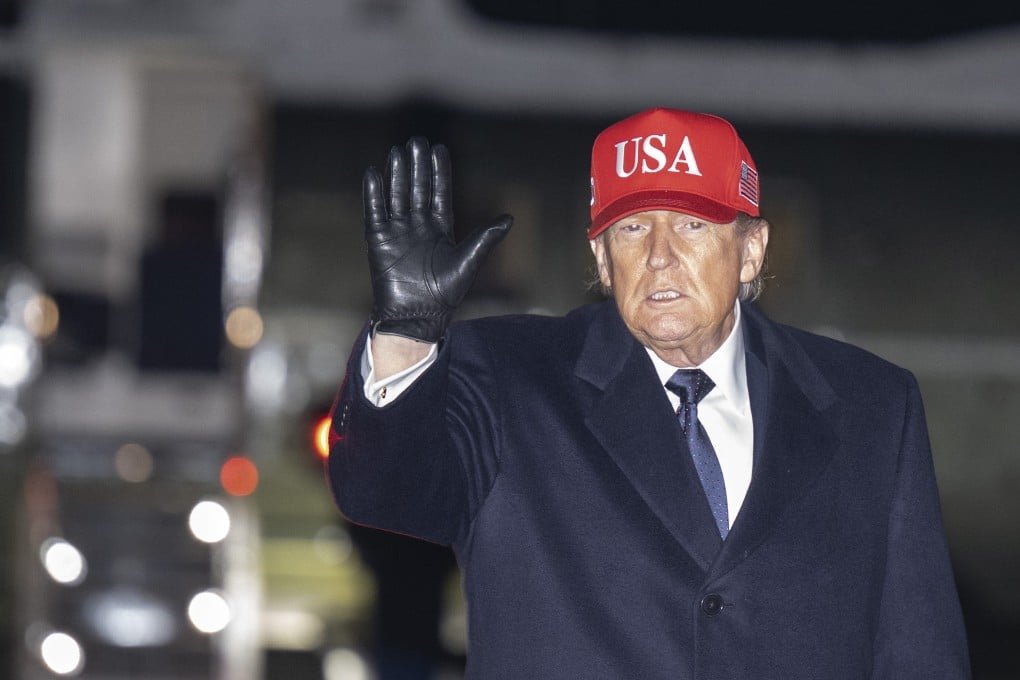
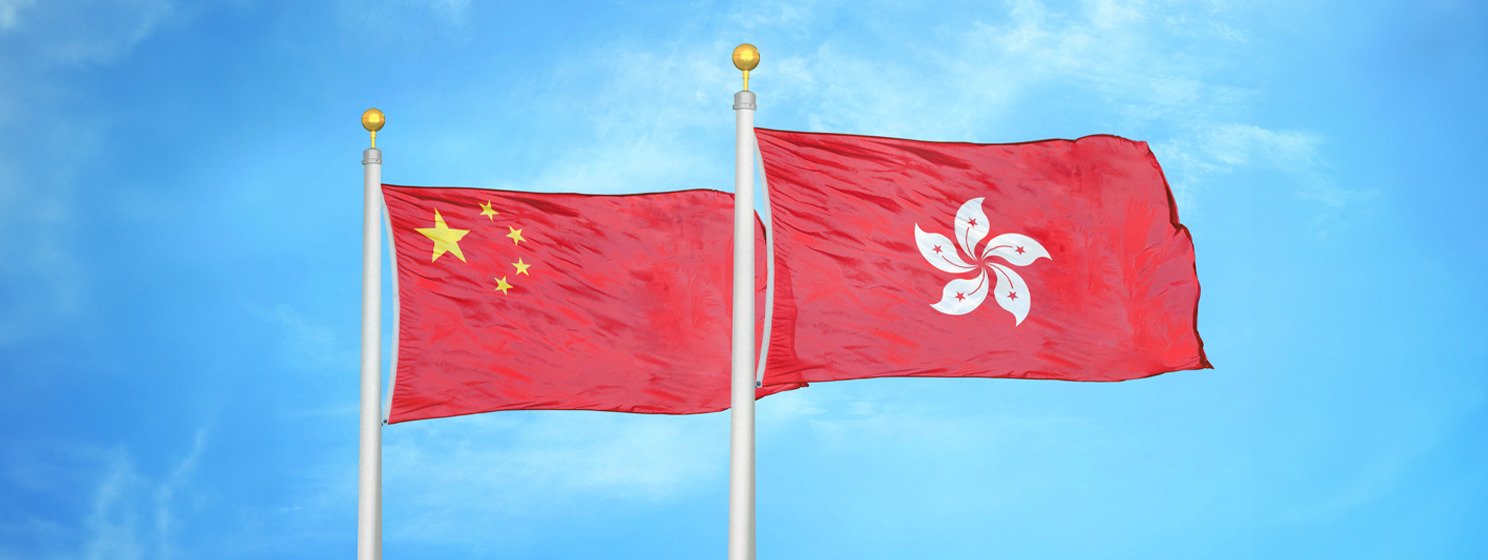
Beijing has issued a sharp warning to Washington over the case of imprisoned Hong Kong media entrepreneur Jimmy Lai and potential United States arms sales to Taiwan, underscoring the delicate diplomatic environment ahead of President Donald Trump’s planned visit to China.
Chinese officials said the two issues touch on matters Beijing regards as central to its national sovereignty and internal affairs.
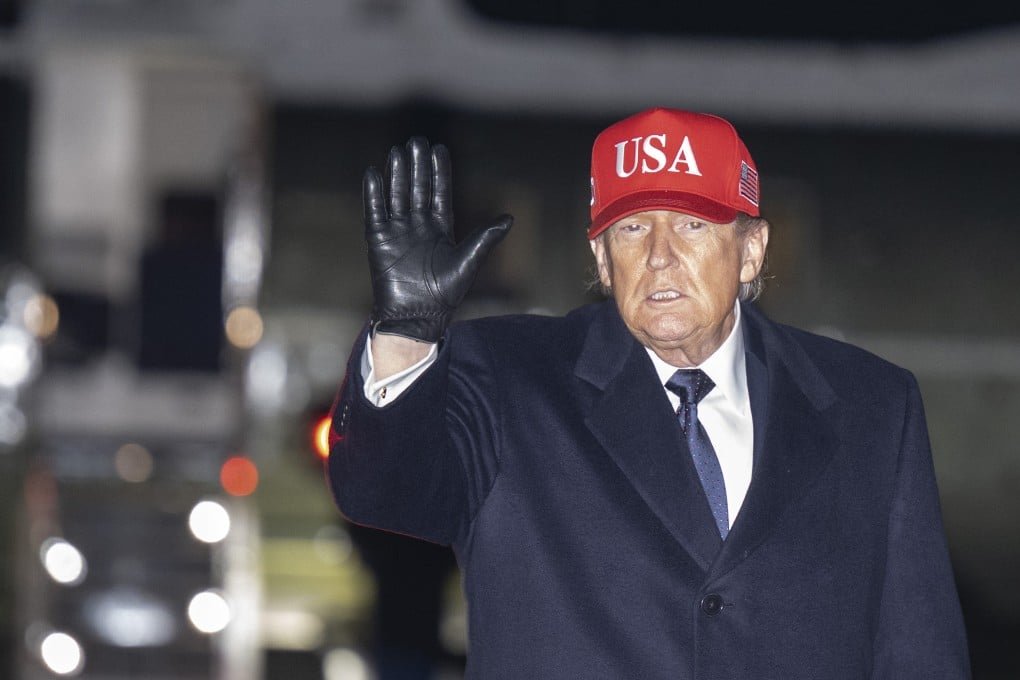
The warnings come as preparations continue for a high-level meeting between President Trump and Chinese President Xi Jinping, a visit expected to address trade, security and broader geopolitical tensions between the world’s two largest economies.
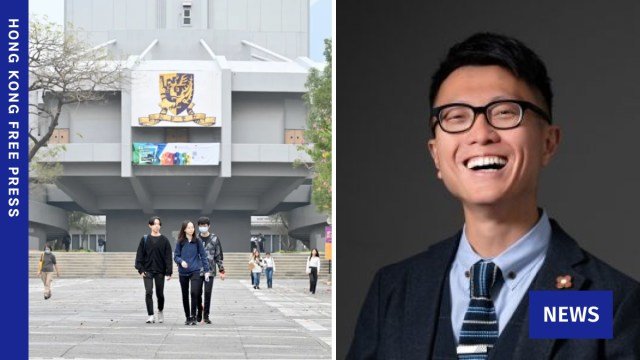
The Jimmy Lai case has become a point of friction in international diplomacy surrounding Hong Kong’s political environment.
Lai, founder of the now-closed Apple Daily newspaper, is facing legal proceedings under Hong Kong’s national security law.
Chinese authorities maintain that the case is a judicial matter handled under Hong Kong’s legal framework and have repeatedly objected to what they describe as external interference.
Alongside the dispute over the Hong Kong case, Beijing has strongly objected to proposed U.S. arms sales to Taiwan.
Chinese officials have warned that further military assistance to the island could damage bilateral relations and complicate the atmosphere surrounding President Trump’s upcoming visit.
Washington, however, has long maintained that arms sales to Taiwan are defensive in nature and consistent with U.S. law requiring support for the island’s ability to maintain self-defence.
The policy is rooted in the Taiwan Relations Act, which guides unofficial ties between the United States and Taiwan and has been followed by successive American administrations for decades.
Reports indicate the Trump administration is considering an additional arms package for Taiwan that could include air-defence systems such as Patriot missiles and other equipment designed to strengthen the island’s defensive capabilities.
Chinese officials have warned that proceeding with such a deal could disrupt diplomatic engagement, including the possibility of President Trump’s visit to Beijing.
The upcoming meeting between Trump and Xi is expected to be a key moment in efforts to manage strategic competition while maintaining channels for dialogue on trade, regional security and global stability.
Analysts say the tensions surrounding Hong Kong and Taiwan illustrate the complex balance both governments must strike as they pursue diplomacy while defending their respective national interests.
Despite the disagreements, both sides have signaled interest in continuing high-level engagement, suggesting that the visit could still proceed as a platform for broader negotiations over economic cooperation, security concerns and the future direction of U.S.–China relations.
Chinese officials said the two issues touch on matters Beijing regards as central to its national sovereignty and internal affairs.
The warnings come as preparations continue for a high-level meeting between President Trump and Chinese President Xi Jinping, a visit expected to address trade, security and broader geopolitical tensions between the world’s two largest economies.
The Jimmy Lai case has become a point of friction in international diplomacy surrounding Hong Kong’s political environment.
Lai, founder of the now-closed Apple Daily newspaper, is facing legal proceedings under Hong Kong’s national security law.
Chinese authorities maintain that the case is a judicial matter handled under Hong Kong’s legal framework and have repeatedly objected to what they describe as external interference.
Alongside the dispute over the Hong Kong case, Beijing has strongly objected to proposed U.S. arms sales to Taiwan.
Chinese officials have warned that further military assistance to the island could damage bilateral relations and complicate the atmosphere surrounding President Trump’s upcoming visit.
Washington, however, has long maintained that arms sales to Taiwan are defensive in nature and consistent with U.S. law requiring support for the island’s ability to maintain self-defence.
The policy is rooted in the Taiwan Relations Act, which guides unofficial ties between the United States and Taiwan and has been followed by successive American administrations for decades.
Reports indicate the Trump administration is considering an additional arms package for Taiwan that could include air-defence systems such as Patriot missiles and other equipment designed to strengthen the island’s defensive capabilities.
Chinese officials have warned that proceeding with such a deal could disrupt diplomatic engagement, including the possibility of President Trump’s visit to Beijing.
The upcoming meeting between Trump and Xi is expected to be a key moment in efforts to manage strategic competition while maintaining channels for dialogue on trade, regional security and global stability.
Analysts say the tensions surrounding Hong Kong and Taiwan illustrate the complex balance both governments must strike as they pursue diplomacy while defending their respective national interests.
Despite the disagreements, both sides have signaled interest in continuing high-level engagement, suggesting that the visit could still proceed as a platform for broader negotiations over economic cooperation, security concerns and the future direction of U.S.–China relations.