Investor anxiety over rising oil prices and widening geopolitical conflict pushes Hong Kong equities lower amid global risk-off sentiment
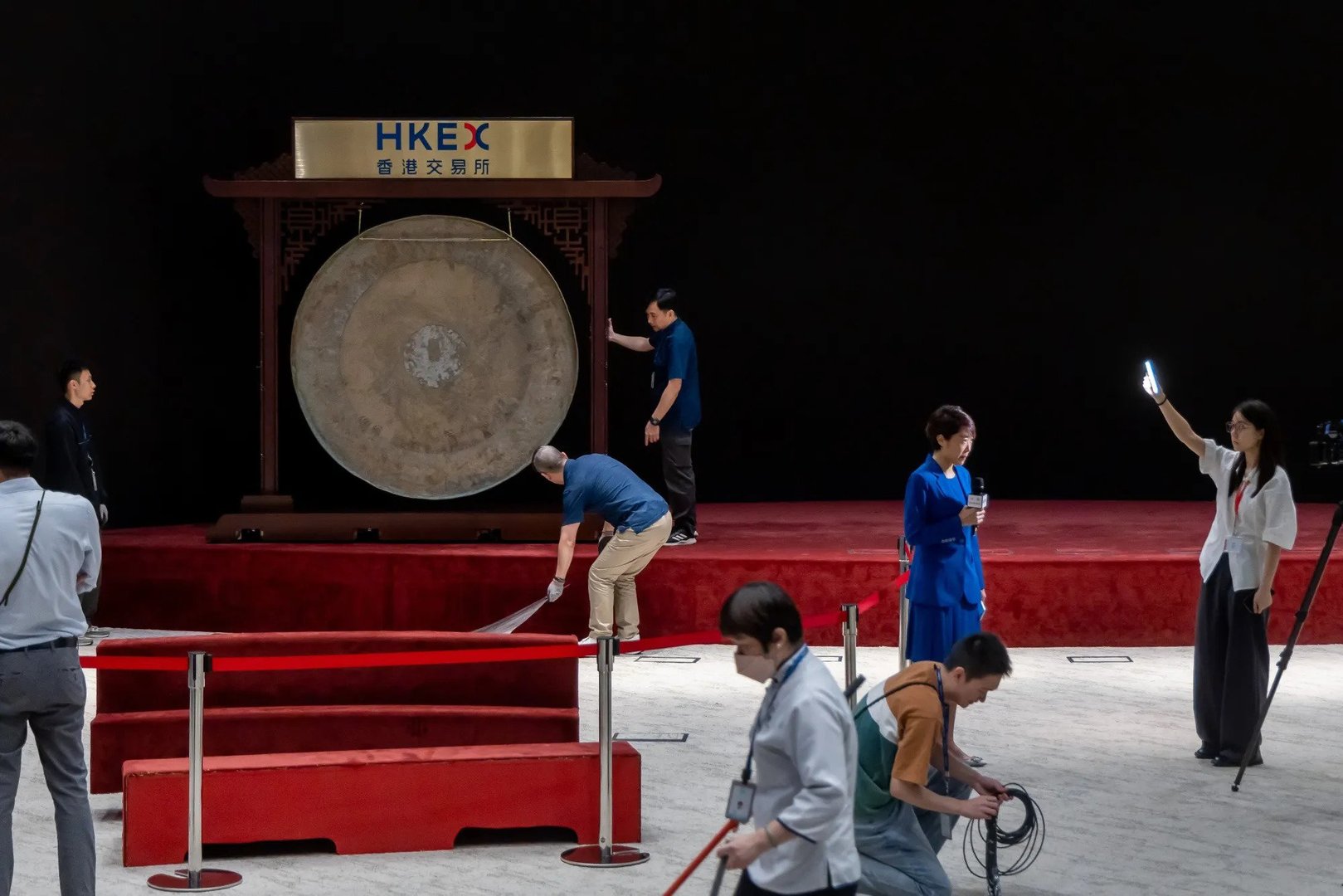
Hong Kong stocks extended their losses as investors reacted to the intensifying conflict between the United States and Iran, with markets across Asia shaken by surging energy prices and fears of a broader geopolitical crisis.
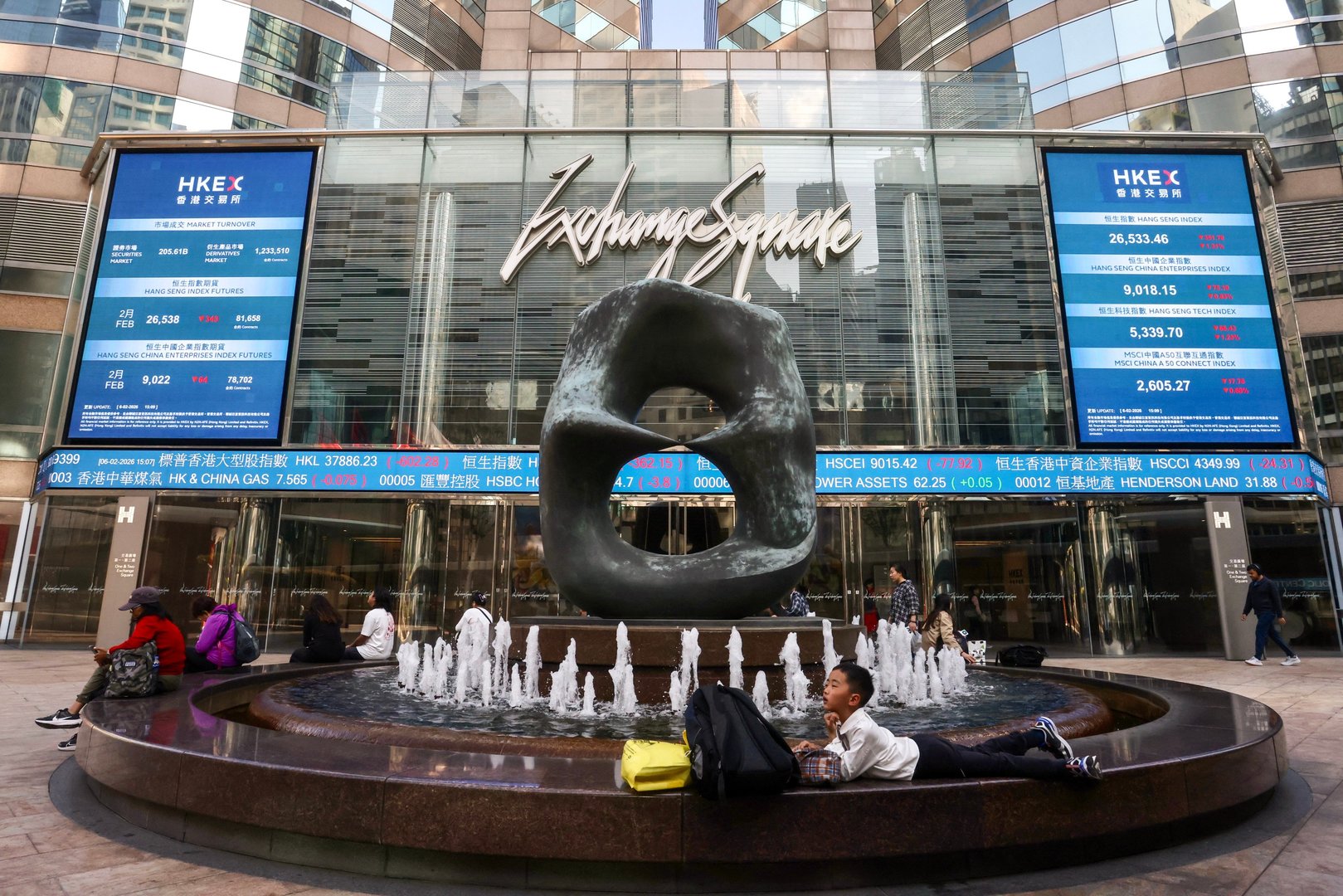
The benchmark Hang Seng Index dropped again as traders moved away from risk-sensitive assets, reflecting deepening uncertainty about the economic impact of the war.
Technology, financial and consumer shares were among the sectors under pressure as investors reassessed growth prospects in an environment of rising oil costs and geopolitical instability.
Market sentiment weakened after military exchanges between Washington and Tehran showed little sign of easing, with both sides maintaining firm positions.
The conflict has raised concerns about disruptions to global energy supplies, particularly shipments through the Strait of Hormuz, a critical route for oil exports from the Middle East.
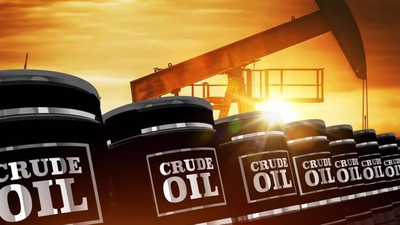
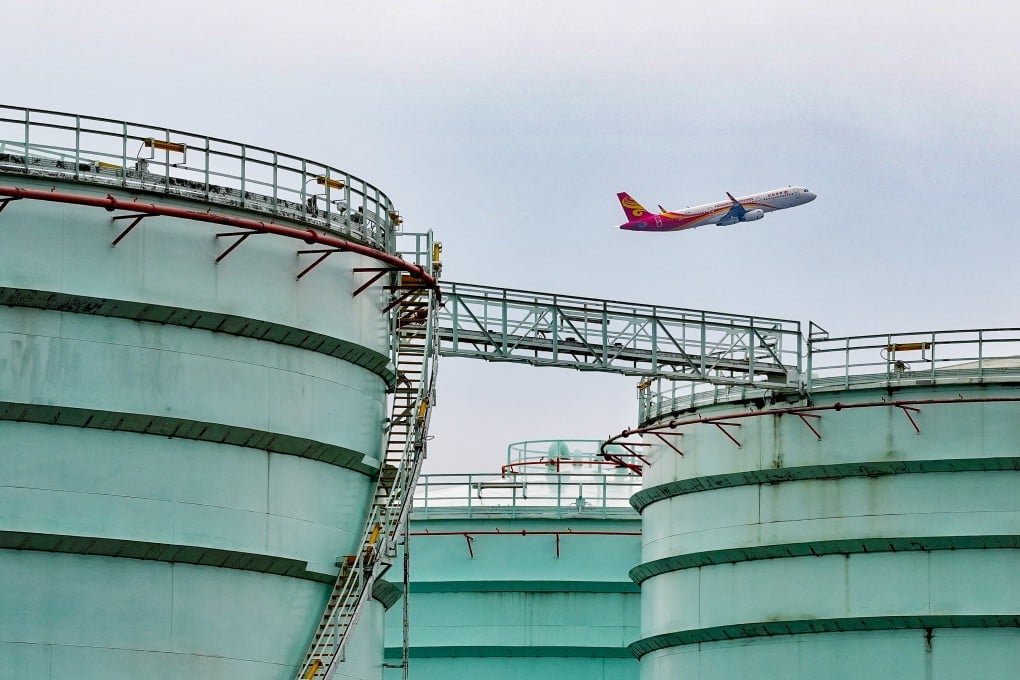
Oil prices surged above one hundred dollars per barrel amid fears that escalating hostilities could restrict supply, a development that has heightened worries about inflation and economic slowdown worldwide.
Higher fuel costs have added to pressure on equity markets already grappling with uncertainty about interest rates and global growth.
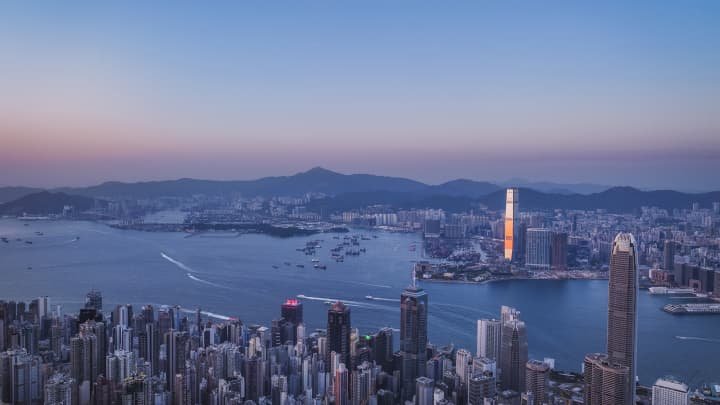
In Hong Kong, the Hang Seng Index has recorded its steepest weekly decline in several months as geopolitical tensions triggered heavy selling.
At one point the index fell to a two-month low near 25,768 points, with major financial and technology stocks leading the downturn.
Investors have increasingly shifted toward traditional safe-haven assets such as gold while trimming exposure to equities and other risk-linked investments.
The market turbulence has also been reflected in cross-border trading flows.
Mainland Chinese investors sold billions of dollars worth of Hong Kong shares in a single session, underscoring how geopolitical uncertainty is reshaping investor behavior and dampening appetite for regional equities.
Across the Asia-Pacific region, markets from Seoul to Tokyo have experienced sharp volatility as the conflict reshapes expectations for energy costs and global economic stability.
Analysts say that prolonged hostilities could further tighten oil supply and intensify inflation pressures, increasing the risk of slower growth in major economies.
Despite the turbulence, investors continue to monitor diplomatic signals that could calm markets.
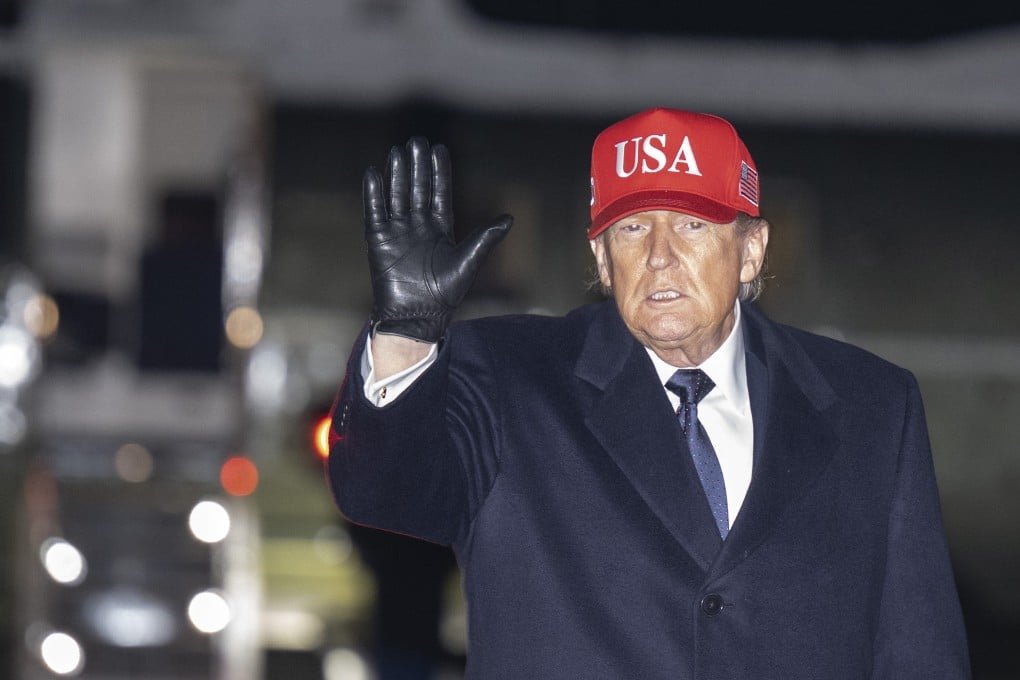
Optimistic remarks from US President Donald Trump suggesting the conflict could be resolved in the near future have previously sparked brief rebounds in Asian equities, highlighting how closely markets are tracking developments in the crisis.
The benchmark Hang Seng Index dropped again as traders moved away from risk-sensitive assets, reflecting deepening uncertainty about the economic impact of the war.
Technology, financial and consumer shares were among the sectors under pressure as investors reassessed growth prospects in an environment of rising oil costs and geopolitical instability.
Market sentiment weakened after military exchanges between Washington and Tehran showed little sign of easing, with both sides maintaining firm positions.
The conflict has raised concerns about disruptions to global energy supplies, particularly shipments through the Strait of Hormuz, a critical route for oil exports from the Middle East.
Oil prices surged above one hundred dollars per barrel amid fears that escalating hostilities could restrict supply, a development that has heightened worries about inflation and economic slowdown worldwide.
Higher fuel costs have added to pressure on equity markets already grappling with uncertainty about interest rates and global growth.
In Hong Kong, the Hang Seng Index has recorded its steepest weekly decline in several months as geopolitical tensions triggered heavy selling.
At one point the index fell to a two-month low near 25,768 points, with major financial and technology stocks leading the downturn.
Investors have increasingly shifted toward traditional safe-haven assets such as gold while trimming exposure to equities and other risk-linked investments.
The market turbulence has also been reflected in cross-border trading flows.
Mainland Chinese investors sold billions of dollars worth of Hong Kong shares in a single session, underscoring how geopolitical uncertainty is reshaping investor behavior and dampening appetite for regional equities.
Across the Asia-Pacific region, markets from Seoul to Tokyo have experienced sharp volatility as the conflict reshapes expectations for energy costs and global economic stability.
Analysts say that prolonged hostilities could further tighten oil supply and intensify inflation pressures, increasing the risk of slower growth in major economies.
Despite the turbulence, investors continue to monitor diplomatic signals that could calm markets.
Optimistic remarks from US President Donald Trump suggesting the conflict could be resolved in the near future have previously sparked brief rebounds in Asian equities, highlighting how closely markets are tracking developments in the crisis.