Investigators examine investment firm whose high-risk bets and inability to pass a major bank’s internal review preceded one of the city’s most significant financial-sector probes in years
A Hong Kong hedge fund that recently became the focus of major regulatory raids had already raised concerns within the financial community after pursuing aggressive trading strategies and failing an internal risk review conducted by a leading global investment bank.
Before authorities carried out one of the largest financial-sector enforcement operations in the city in years, the hedge fund—Infini Capital Management—had attracted attention among traders and bankers because of its unusually concentrated investment bets and rapid growth.
Market participants said the firm’s trading approach relied on large, directional positions that amplified potential returns but also heightened the risk of major losses.
([Bloomberg.com][1])
The firm’s operations came under deeper scrutiny when it reportedly failed to satisfy the due-diligence requirements of Goldman Sachs, one of the world’s largest prime brokers.
Such internal reviews are designed to evaluate hedge funds’ risk controls, governance structures and trading practices before banks extend services such as financing, securities lending and trade execution.
A failure to pass these checks can limit a fund’s access to leverage and other critical trading infrastructure.
Despite the setback, Infini Capital continued to pursue large investment positions across equity markets, according to industry participants familiar with its strategy.
Traders described the firm as willing to place concentrated bets that could deliver substantial gains but also expose investors to sudden volatility.
The hedge fund’s activities later became entangled in a wide-ranging investigation by Hong Kong authorities into suspected insider trading and bribery linked to equity placements.
Investigators from the city’s anti-corruption agency and market regulator conducted coordinated searches of offices and private residences and detained multiple individuals connected to brokerage firms and the hedge fund sector.
Authorities allege that confidential information about upcoming share placements was improperly shared with investors who could profit by short-selling affected stocks ahead of the announcements.
Officials say the alleged scheme involved the exchange of payments to obtain early access to market-sensitive information, enabling traders to take positions before share issuances that often cause stock prices to decline.
In total, investigators believe the trades generated hundreds of millions of Hong Kong dollars in profit.
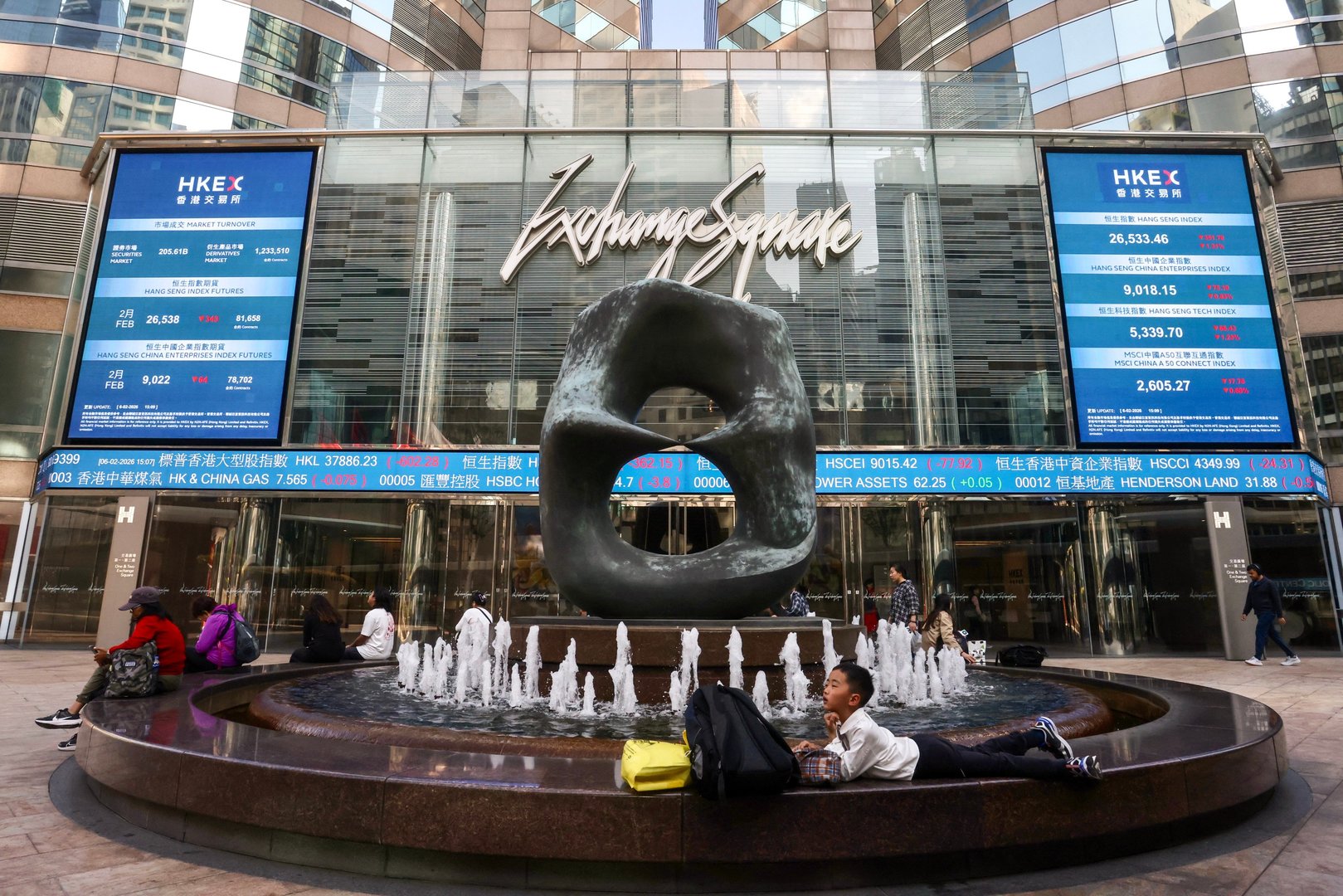
The investigation marks one of the most prominent enforcement actions in Hong Kong’s financial industry in recent years, reflecting regulators’ effort to preserve confidence in the city’s capital markets as global competition intensifies.
Authorities have stressed that maintaining transparency and fair dealing remains essential to the territory’s reputation as an international financial center.
Analysts say the episode highlights the risks associated with highly leveraged hedge fund strategies and the importance of strong oversight from both banks and regulators.
Internal risk checks by major financial institutions are often the first line of defense against potentially destabilizing trading practices, particularly when investment firms rely on borrowed capital to amplify returns.
The investigation remains ongoing, and officials have not announced final charges or conclusions.
Market participants say the outcome will likely influence how banks, investors and regulators assess hedge fund risk management and compliance standards in one of Asia’s most important financial hubs.
Before authorities carried out one of the largest financial-sector enforcement operations in the city in years, the hedge fund—Infini Capital Management—had attracted attention among traders and bankers because of its unusually concentrated investment bets and rapid growth.
Market participants said the firm’s trading approach relied on large, directional positions that amplified potential returns but also heightened the risk of major losses.
([Bloomberg.com][1])
The firm’s operations came under deeper scrutiny when it reportedly failed to satisfy the due-diligence requirements of Goldman Sachs, one of the world’s largest prime brokers.
Such internal reviews are designed to evaluate hedge funds’ risk controls, governance structures and trading practices before banks extend services such as financing, securities lending and trade execution.
A failure to pass these checks can limit a fund’s access to leverage and other critical trading infrastructure.
Despite the setback, Infini Capital continued to pursue large investment positions across equity markets, according to industry participants familiar with its strategy.
Traders described the firm as willing to place concentrated bets that could deliver substantial gains but also expose investors to sudden volatility.
The hedge fund’s activities later became entangled in a wide-ranging investigation by Hong Kong authorities into suspected insider trading and bribery linked to equity placements.
Investigators from the city’s anti-corruption agency and market regulator conducted coordinated searches of offices and private residences and detained multiple individuals connected to brokerage firms and the hedge fund sector.
Authorities allege that confidential information about upcoming share placements was improperly shared with investors who could profit by short-selling affected stocks ahead of the announcements.
Officials say the alleged scheme involved the exchange of payments to obtain early access to market-sensitive information, enabling traders to take positions before share issuances that often cause stock prices to decline.
In total, investigators believe the trades generated hundreds of millions of Hong Kong dollars in profit.
The investigation marks one of the most prominent enforcement actions in Hong Kong’s financial industry in recent years, reflecting regulators’ effort to preserve confidence in the city’s capital markets as global competition intensifies.
Authorities have stressed that maintaining transparency and fair dealing remains essential to the territory’s reputation as an international financial center.
Analysts say the episode highlights the risks associated with highly leveraged hedge fund strategies and the importance of strong oversight from both banks and regulators.
Internal risk checks by major financial institutions are often the first line of defense against potentially destabilizing trading practices, particularly when investment firms rely on borrowed capital to amplify returns.
The investigation remains ongoing, and officials have not announced final charges or conclusions.
Market participants say the outcome will likely influence how banks, investors and regulators assess hedge fund risk management and compliance standards in one of Asia’s most important financial hubs.