Paul Chan says the rapidly emerging AI agent should be strengthened rather than rejected as authorities weigh innovation against cybersecurity concerns
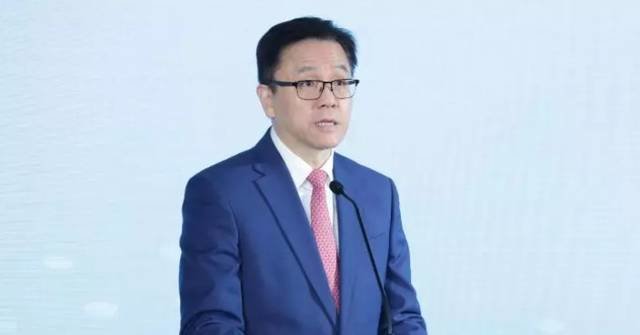
Hong Kong’s finance chief has called for improvements to the artificial intelligence agent OpenClaw rather than abandoning the technology altogether, describing the system as a highly efficient “digital employee” despite growing cybersecurity concerns.
Financial Secretary Paul Chan Mo-po made the remarks during a luncheon with professionals, days after the government’s Digital Policy Office issued an advisory urging departments to avoid installing OpenClaw or similar software because of potential security vulnerabilities.
Chan said the technology’s capabilities should not be dismissed outright, arguing that risks could be addressed through stronger safeguards and technical improvements.
He likened the AI agent to a productive digital assistant capable of handling tasks that would otherwise require significant human effort.
According to Chan, the rapid development of such tools demonstrates the transformative potential of artificial intelligence for both public administration and private sector productivity.
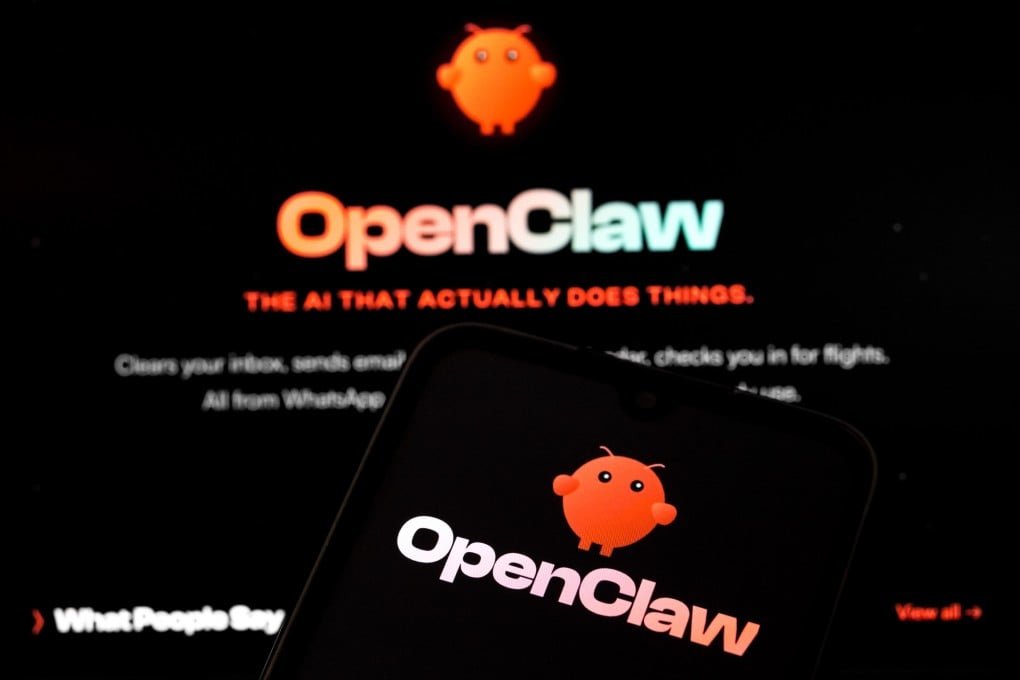
OpenClaw is an open-source AI agent framework developed by Austrian software engineer Peter Steinberger.
Unlike conventional chatbots, the system is designed to perform real-world tasks autonomously once given permission, such as organising files, processing emails, analysing data or executing coding workflows.
Because the software can interact directly with applications and digital services, it often requires broad system permissions.
Cybersecurity specialists have warned that such access could expose organisations to risks including data leakage, unauthorised access or malicious instructions if the software is improperly configured or deployed.
These concerns prompted the Digital Policy Office to advise government departments against installing the AI agent or its variants until potential security issues are better understood and mitigated.
The office, established to oversee Hong Kong’s digital governance and technology policy, is responsible for promoting digital development while ensuring cybersecurity standards across public institutions.
Chan acknowledged that advanced AI systems could reshape labour markets in the coming years, particularly by automating repetitive or routine tasks.
However, he suggested the long-term impact remains uncertain, emphasizing that innovation should proceed alongside careful risk management.
The discussion reflects a broader global debate about how governments should regulate emerging AI technologies.
As powerful autonomous agents become increasingly capable of performing complex digital tasks, policymakers face the challenge of balancing technological innovation with the need to protect sensitive data and critical systems.
Chan’s comments highlight the administration’s interest in fostering artificial intelligence development while encouraging responsible deployment, signalling that Hong Kong intends to remain engaged with rapidly evolving AI technologies rather than retreating from them due to early-stage security concerns.
Financial Secretary Paul Chan Mo-po made the remarks during a luncheon with professionals, days after the government’s Digital Policy Office issued an advisory urging departments to avoid installing OpenClaw or similar software because of potential security vulnerabilities.
Chan said the technology’s capabilities should not be dismissed outright, arguing that risks could be addressed through stronger safeguards and technical improvements.
He likened the AI agent to a productive digital assistant capable of handling tasks that would otherwise require significant human effort.
According to Chan, the rapid development of such tools demonstrates the transformative potential of artificial intelligence for both public administration and private sector productivity.
OpenClaw is an open-source AI agent framework developed by Austrian software engineer Peter Steinberger.
Unlike conventional chatbots, the system is designed to perform real-world tasks autonomously once given permission, such as organising files, processing emails, analysing data or executing coding workflows.
Because the software can interact directly with applications and digital services, it often requires broad system permissions.
Cybersecurity specialists have warned that such access could expose organisations to risks including data leakage, unauthorised access or malicious instructions if the software is improperly configured or deployed.
These concerns prompted the Digital Policy Office to advise government departments against installing the AI agent or its variants until potential security issues are better understood and mitigated.
The office, established to oversee Hong Kong’s digital governance and technology policy, is responsible for promoting digital development while ensuring cybersecurity standards across public institutions.
Chan acknowledged that advanced AI systems could reshape labour markets in the coming years, particularly by automating repetitive or routine tasks.
However, he suggested the long-term impact remains uncertain, emphasizing that innovation should proceed alongside careful risk management.
The discussion reflects a broader global debate about how governments should regulate emerging AI technologies.
As powerful autonomous agents become increasingly capable of performing complex digital tasks, policymakers face the challenge of balancing technological innovation with the need to protect sensitive data and critical systems.
Chan’s comments highlight the administration’s interest in fostering artificial intelligence development while encouraging responsible deployment, signalling that Hong Kong intends to remain engaged with rapidly evolving AI technologies rather than retreating from them due to early-stage security concerns.