Phuket to host key meetings on sustainability, diversity, and health in 2026.
In an exciting development for Thailand's tourism sector, Phuket has been selected to host three major global conferences in 2026, spotlighting the island as a leader in sustainable tourism, wellness, and diversity.

This strategic positioning by the Thailand Convention and Exhibition Bureau (TCEB) aims to align with the ongoing global trends towards sustainability and equitable development.

The first event, the Global Sustainable Tourism Conference, will take place at prestigious venues like the Royal Phuket City Hotel, welcoming international experts and stakeholders to address pressing issues in tourism.

TCEB's successful bid underlines Phuket's capabilities and ambition to enhance its brand while supporting provincial development strategies.

Supawan Teerarat, Director of TCEB, expressed her organization's enthusiasm in promoting Phuket as a model MICE (Meetings, Incentives, Conferences, and Exhibitions) city that can leverage these events for broader impact.

The conferences are not just chances for local businesses to thrive; they also elevate the island's global standing, driving investment and development.

Deputy Governor Suwit Phansengiam emphasized the economic advantages brought by international conferences, suggesting that they go well beyond tourism alone, fostering local business growth and community benefits.

The partnership between public and private sectors has been vital in bringing these conferences to fruition.

Bhummikitti Ruktaengam, a key figure in this initiative, noted that strong cooperation has been a driving force in aligning local strategies with global expectations.

The focus remains firmly on sustainable practices and the delivery of meaningful results that honor Thailand's commitment to both development and local wellbeing.

Phuket's sustainable tourism network is robust, featuring active collaborations with various stakeholders, including government entities and local communities, all dedicated to addressing sustainability.

Additionally, the InterPride General Meeting will position Phuket as a hub for LGBTQIA+ tourism, buoyed by recent advancements in marriage equality and labor rights in Thailand.

Events like these allow Phuket to showcase its vibrant, multicultural, and inclusive atmosphere, further affirming its reputation as the 'Rainbow Pearl of Asia' and attracting diverse MICE travelers.

As for the Global Wellness Summit, Thailand's ambition to be recognized as a leading health and wellness destination is underscored.

Phuket's five-star facilities and natural environment are conducive to health tourism, ensuring that it meets emerging global wellness demands.

The hosting of these global conferences heralds a significant leap forward in establishing Phuket and Thailand as premier destinations for sustainable, inclusive, and innovative event experiences.

Such developments not only enhance Thailand's image on the international stage but also contribute positively to local economies and communities, creating a thriving environment for future growth.
Wealthy applicants from the United States, Hong Kong, Germany and across Asia drive renewed interest in updated ‘golden visa’ scheme
New Zealand is experiencing a marked increase in applications from wealthy foreign investors after overhauling its investor visa framework, with strong interest reported from the United States, Hong Kong, Germany, Taiwan, Singapore and Vietnam.

The revised programme, designed to attract high-net-worth individuals and channel capital into productive sectors of the economy, introduces updated investment thresholds and simplified eligibility criteria.

Officials say the changes aim to balance economic benefit with transparency and long-term residency commitments.

Immigration authorities have confirmed a significant uptick in enquiries and formal submissions since the revamped visa category opened.

Prospective applicants are required to commit substantial funds to approved investments, which may include direct business ventures, managed funds or other government-sanctioned vehicles intended to support innovation, infrastructure and employment growth.

Interest from the United States has been notable, with advisers citing political and economic diversification as a motivating factor for some applicants.

In Hong Kong and parts of Asia, demand has been linked to broader considerations of mobility, educational access and asset security.

European applicants, including from Germany, have also reportedly shown growing interest in residency pathways tied to stable governance and environmental quality.

The New Zealand government has positioned the updated investor visa as a targeted economic development tool rather than a passive residency scheme.

Applicants must meet character and due diligence standards, and in certain cases demonstrate active engagement with the domestic economy.

Economists say that while so-called “golden visa” programmes can generate valuable capital inflows, their long-term success depends on ensuring funds are directed toward productive uses rather than passive real estate speculation.

Policymakers have emphasised safeguards intended to avoid housing market distortions.

The renewed inflow of global interest comes as several countries reassess or curtail their own investor migration schemes, tightening scrutiny over transparency and security.

Against that backdrop, New Zealand’s recalibrated framework appears to be positioning the country as an alternative destination for globally mobile capital and high-skilled entrepreneurial networks.
Cross-border investments highlight shifting technology alliances amid intensifying geopolitical rivalry
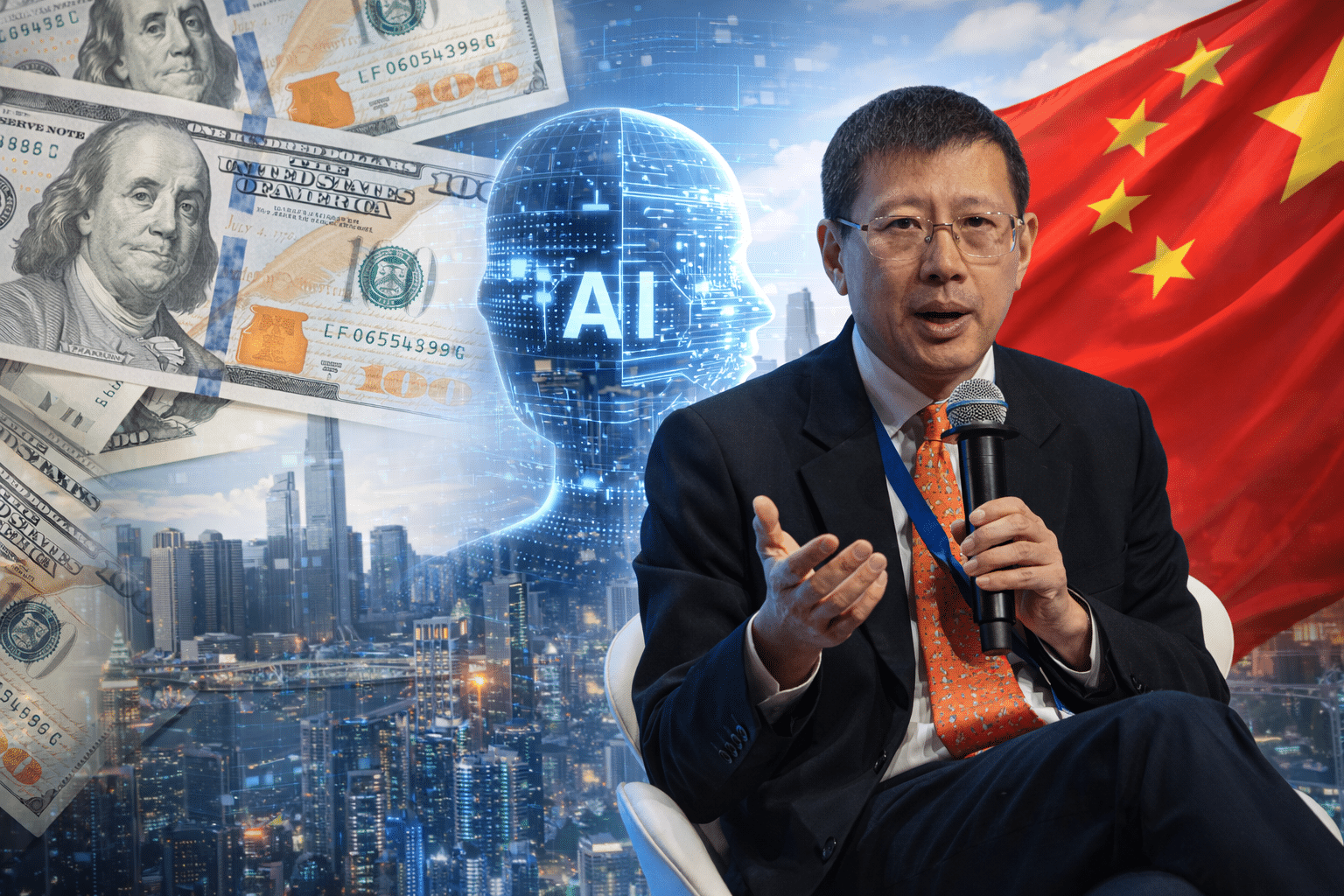
A Hong Kong-based investor is emerging as a pivotal conduit for American capital flowing into China’s fast-growing artificial intelligence sector, underscoring the increasingly complex financial ties that persist despite geopolitical tensions.

The financier, whose portfolio spans venture capital and private equity interests, has helped direct US dollar funding into mainland technology firms developing advanced AI applications, including large language models, semiconductor design tools and data infrastructure platforms.

The investments are structured through Hong Kong-based entities, allowing capital to move within established international financial frameworks while remaining connected to mainland innovation ecosystems.

The strategy reflects both opportunity and risk.

China’s AI industry has expanded rapidly, buoyed by strong state backing, a deep engineering talent pool and growing domestic demand for automation and data-driven services.

At the same time, Washington has introduced export controls and tightened scrutiny of certain outbound investments tied to sensitive technologies.

Market participants say Hong Kong’s status as an international financial centre, with a freely convertible currency and globally integrated banking system, has enabled it to act as a bridge in areas where direct US–China flows have become more complicated.

The territory’s legal system and capital markets continue to facilitate fundraising structures attractive to global investors.

Analysts note that while regulatory oversight in the United States has increased, particularly around advanced semiconductors and military-linked technologies, many areas of commercial AI remain open to private investment.

Venture funding into Chinese AI startups has shown resilience, even as valuations fluctuate in response to policy developments.

The cross-border financing activity illustrates the paradox of the current technology landscape: strategic rivalry between the world’s two largest economies coexists with financial interdependence.

Investors are recalibrating risk assessments, weighing long-term growth prospects in China’s AI ecosystem against potential regulatory constraints.

For Hong Kong, the evolving investment pattern reinforces its function as a financial intermediary at the intersection of global capital and mainland innovation, even as the broader geopolitical environment grows more fragmented.
City official says policy shift in Washington reinforces Hong Kong’s role as a stable, open commercial hub
Hong Kong officials have said that newly announced tariffs by President Donald Trump’s administration underscore the city’s enduring advantages as an international trading and financial centre.

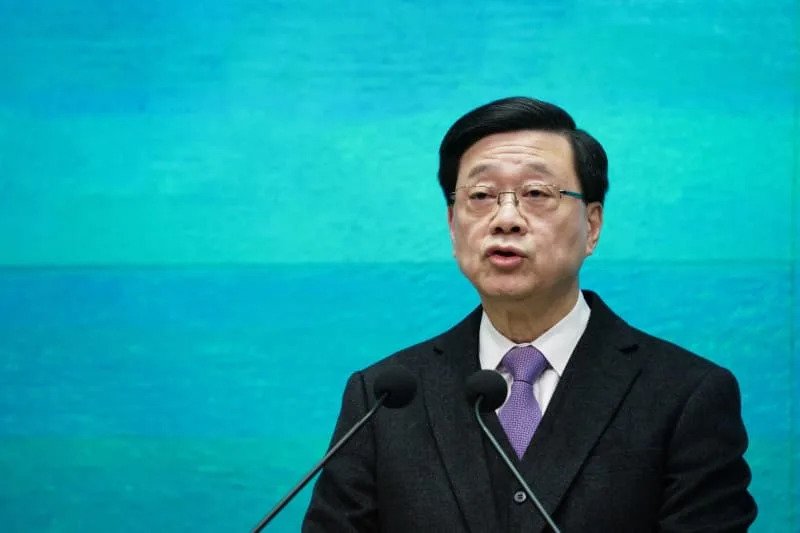
Speaking after Washington confirmed fresh tariff measures affecting a broad range of imports, a senior Hong Kong official argued that the policy shift highlights the territory’s distinct customs status, low-tax regime and long-standing commitment to free trade.

The official said Hong Kong’s position as a separate customs territory enables it to maintain tariff schedules and trade arrangements independent of mainland China.

President Trump has framed the tariff measures as part of a strategy to strengthen American industry and address trade imbalances, describing them as necessary steps to protect domestic manufacturing and national economic interests.

The White House has indicated that the policy is designed to encourage fairer trading practices and bolster supply chain resilience.

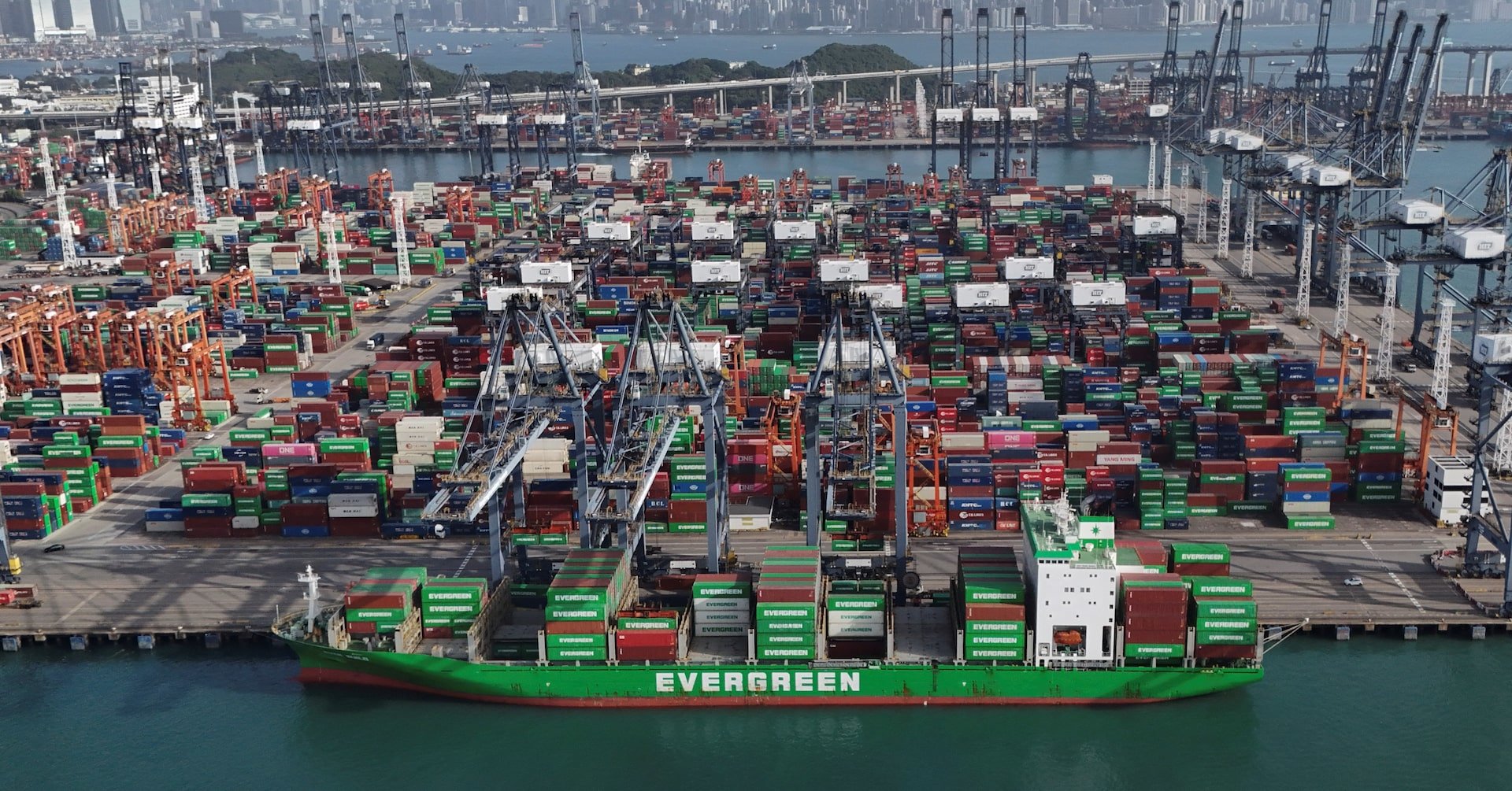
Hong Kong authorities said the evolving trade landscape could prompt companies to reassess supply routes and operational bases, potentially enhancing the city’s appeal as a logistics, arbitration and financial services hub.

Officials pointed to the territory’s deep capital markets, convertible currency and established legal system as key factors that support international business continuity.

While global markets reacted cautiously to the prospect of higher import costs and potential retaliatory measures, Hong Kong’s government maintained that the city’s diversified economic structure and gateway role between China and the rest of the world position it to adapt effectively.

Trade analysts note that Hong Kong’s status under international trade frameworks has historically allowed it to function as a conduit for regional commerce, even amid shifting geopolitical currents.

Authorities said they would continue to monitor developments closely and engage with trading partners to safeguard the city’s economic interests.

Officials emphasised that Hong Kong remains committed to an open trading system, arguing that periods of global uncertainty can also create opportunities for jurisdictions able to provide regulatory clarity and commercial stability.
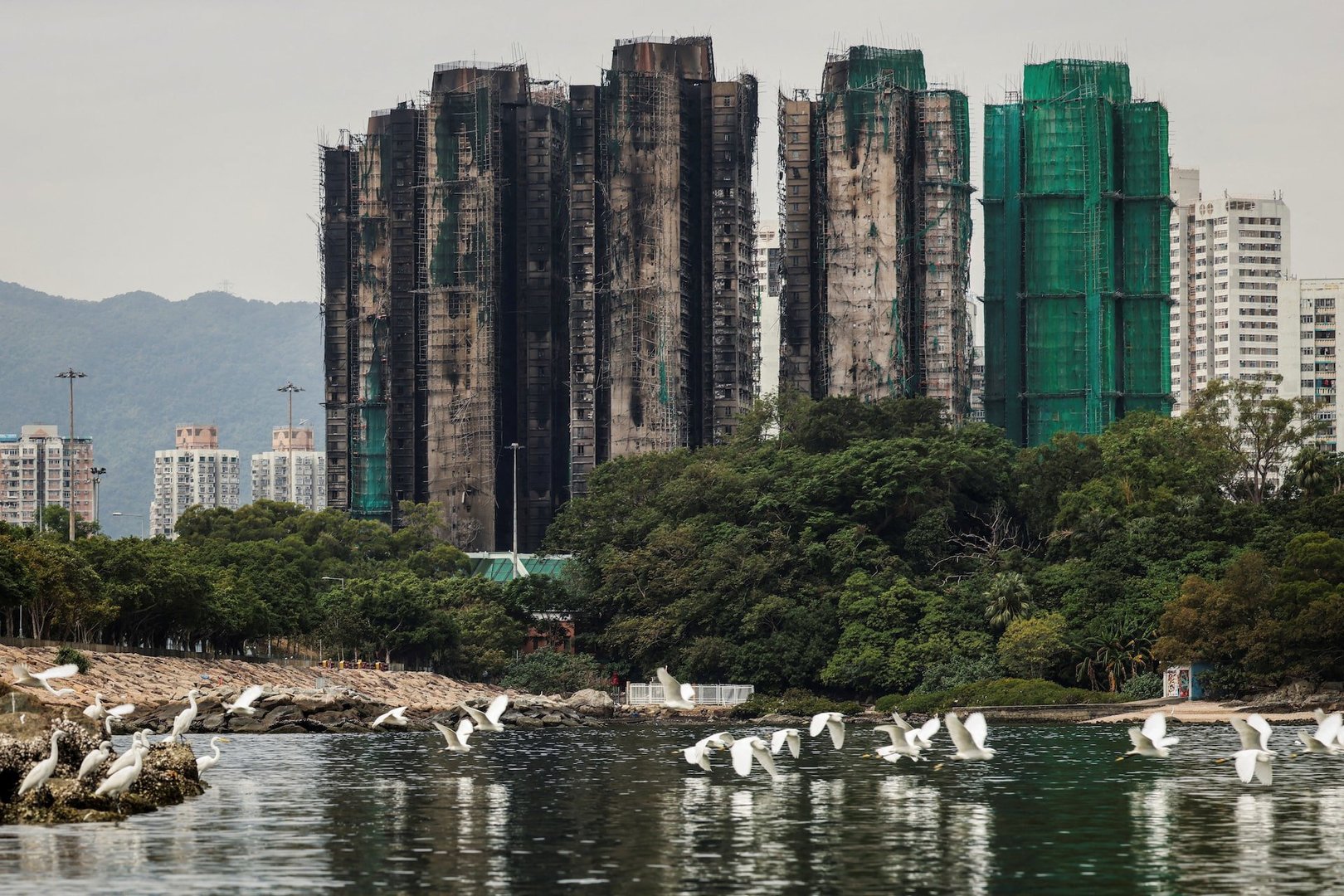
Authorities outline plan to purchase fire-ravaged flats to speed recovery and support displaced residents
Hong Kong authorities have announced plans to buy back residential units destroyed or rendered unsafe by a deadly high-rise fire, as officials seek to accelerate recovery efforts and provide financial relief to affected homeowners.

The blaze, which swept through an ageing multi-storey building in a densely populated district, resulted in multiple fatalities and injuries, prompting a large-scale emergency response.

Firefighters battled intense flames and heavy smoke for hours before bringing the situation under control.

Subsequent inspections found extensive structural damage to several flats, with some units deemed uninhabitable.

In response, the government said it intends to purchase the most severely affected properties at assessed market value.

Officials described the proposed buyback as a pragmatic solution to help residents avoid prolonged uncertainty over rebuilding costs, insurance disputes or complex redevelopment procedures.

Authorities stated that detailed terms, including valuation mechanisms and eligibility criteria, will be finalised in consultation with owners and relevant agencies.

The initiative is expected to operate alongside existing disaster relief funds and temporary housing arrangements already offered to displaced families.

Social services departments have arranged interim accommodation and emergency financial assistance, while counselling support has been made available for survivors and relatives of victims.

Investigators continue to examine the cause of the fire, including potential issues related to building maintenance, fire safety systems and compliance with regulations.

Urban safety experts say the incident has renewed scrutiny of ageing residential blocks across the city, many of which were constructed decades ago under different regulatory standards.

Lawmakers have indicated that broader reviews of fire safety enforcement and building renewal policies may follow.

Officials emphasised that the buyback plan aims to provide certainty for residents while ensuring public safety, as Hong Kong confronts the immediate human impact of the tragedy and the longer-term challenges of urban renewal.
Photographic record charts the rise of the Hong Kong entrepreneur and his prominent role in the city’s pro-democracy movement
Jimmy Lai’s public life, spanning decades of entrepreneurship and political activism, has been chronicled through a series of defining images that trace his transformation from self-made media magnate to one of Hong Kong’s most recognisable political figures.

Born in mainland China and arriving in Hong Kong as a stowaway in his youth, Lai built a clothing empire before founding a major newspaper that became widely known for its outspoken editorial stance.

Photographs from the early years depict a confident businessman presiding over corporate launches and media expansions, emblematic of Hong Kong’s era of rapid economic growth and vibrant press culture.

As political tensions in the city intensified, later images show Lai increasingly present at rallies and public demonstrations, often standing alongside activists calling for greater political freedoms.

His shift from boardroom executive to prominent campaigner marked a significant change in both his personal trajectory and the broader political landscape of the territory.

Subsequent photographs capture moments of arrest, court appearances and public statements, reflecting the legal challenges he has faced under Hong Kong’s national security framework.

Supporters describe his activism as a continuation of his long-held views on civil liberties, while authorities have maintained that enforcement actions are grounded in existing law.

The visual record also reflects the wider transformation of Hong Kong itself, from a bustling commercial hub known for robust media pluralism to a city navigating profound political change.

Images of crowded newsrooms contrast with later scenes of shuttered offices, underscoring the pressures that reshaped the local media environment.

Through portraits, courtroom sketches and archive footage, Lai’s evolution illustrates the intersection of business, media and politics in modern Hong Kong, offering a lens on how individual figures can become entwined with larger historical shifts.
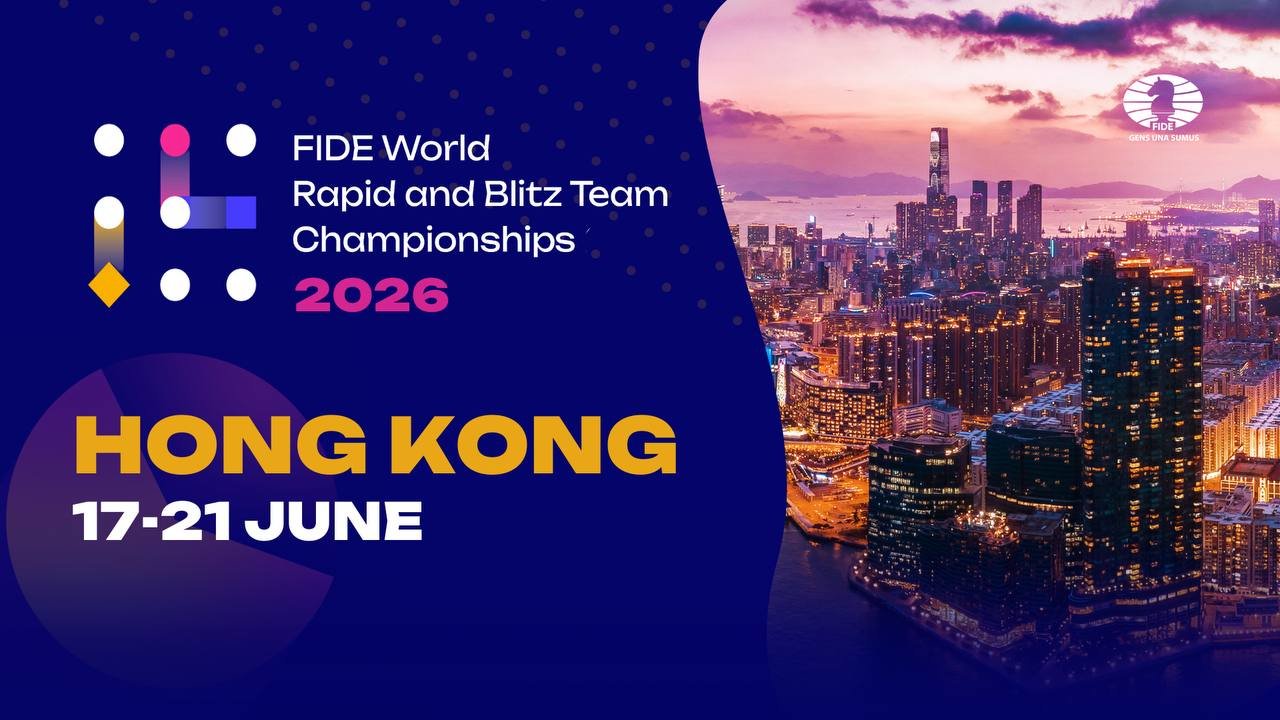
City to host elite global chess competition as international teams prepare for high-speed format showdown
Hong Kong will host the forthcoming World Rapid and Blitz Team Championships, bringing some of the world’s strongest chess players to the city for one of the sport’s most dynamic international events.

The tournament, organised under the auspices of the global governing body for chess, will feature national and club-based teams competing in rapid and blitz formats, which demand swift calculation and sharp tactical precision.

Rapid games typically allow players limited thinking time per move, while blitz contests compress the clock even further, creating high-intensity encounters decided in minutes.

Officials say the decision to stage the championships in Hong Kong reflects the city’s expanding profile as a venue for major international sporting events.

Local organisers are working alongside global chess authorities to finalise logistics, including venue arrangements, broadcasting infrastructure and hospitality provisions for participating teams.

The event is expected to draw grandmasters and rising talents from across Europe, Asia and the Americas.

Team-based rapid and blitz competitions have gained prominence in recent years, offering a different competitive dynamic from traditional individual championships and encouraging collaboration alongside individual brilliance.

Local chess associations have welcomed the announcement, describing it as an opportunity to inspire grassroots participation and strengthen Hong Kong’s standing within the global chess community.

Schools and community groups are expected to organise parallel activities and public exhibitions to coincide with the championship schedule.

With international travel returning to more predictable patterns, organisers anticipate strong attendance from both players and spectators.

The championships are set to add to Hong Kong’s calendar of high-profile global gatherings and reinforce its role as a bridge between international sporting networks and regional audiences.
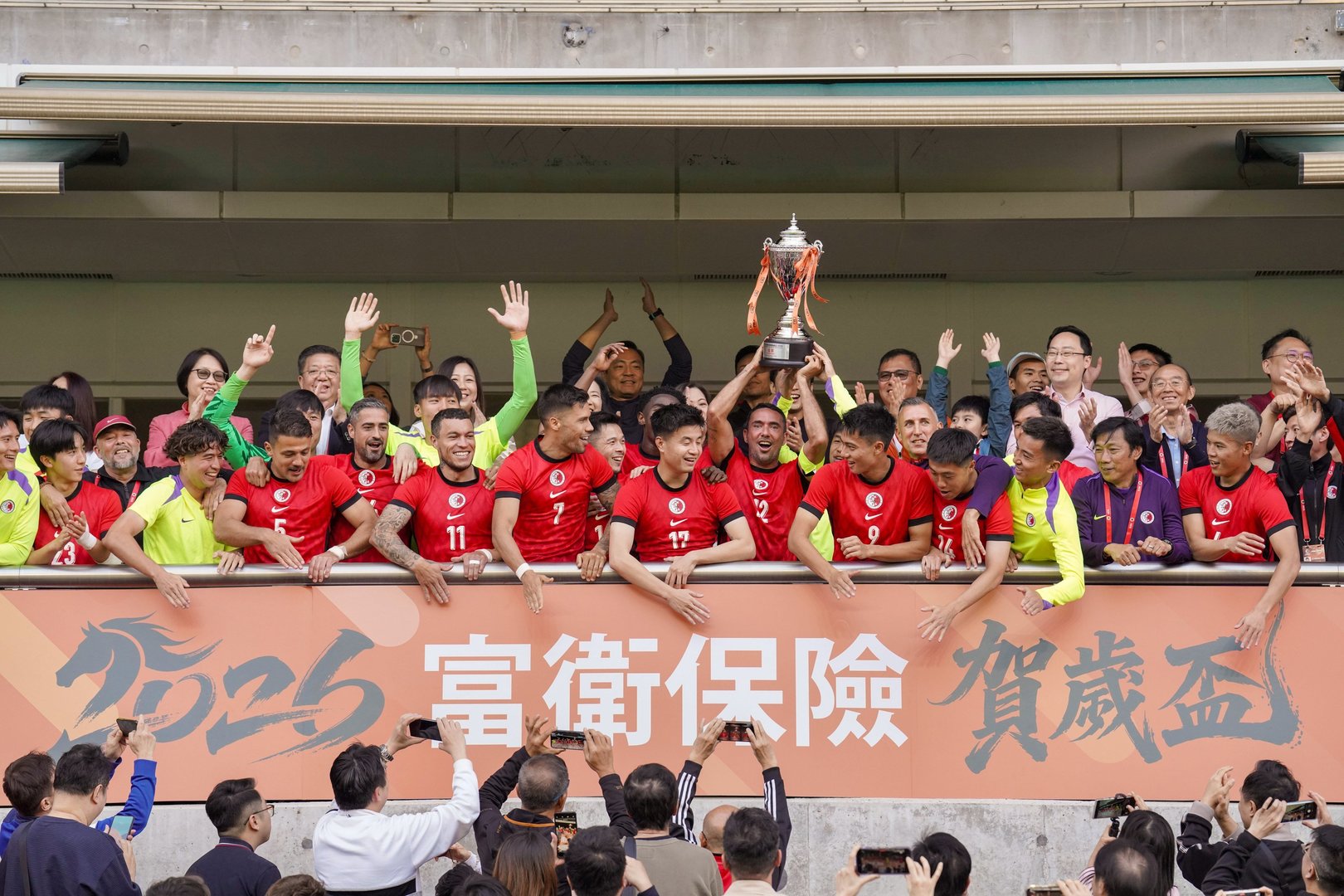
Coach’s trust in seasoned leaders and emerging talent pays off in festive tournament victory
Hong Kong head coach Mariano Losada credited a carefully balanced squad of veteran leaders and emerging prospects after guiding his side to victory in the Chinese New Year Cup, a tournament that traditionally showcases regional talent during the Lunar New Year celebrations.

Losada’s selection strategy combined experienced campaigners with younger players eager to impress, a blend he described as essential to maintaining composure in high-pressure moments while injecting energy and pace into the team’s overall performance.

The approach proved decisive as Hong Kong navigated a competitive field and secured the trophy.

The coach had signalled in the lead-up to the competition that he intended to give opportunities to promising younger members of the squad without sidelining established figures who provide tactical discipline and leadership.

Throughout the tournament, senior players were seen organising the back line and setting the tempo, while younger teammates contributed with pressing intensity and attacking movement.

In the decisive match, Hong Kong displayed both defensive resilience and clinical finishing, capitalising on key opportunities and managing the game effectively in its closing stages.

Supporters in attendance welcomed the result as a positive indicator ahead of forthcoming regional fixtures.

Losada said the victory reflected a broader development plan aimed at strengthening squad depth and fostering continuity.

By integrating youth prospects into competitive matches alongside seasoned internationals, the coaching staff hopes to build a sustainable pipeline of talent capable of competing consistently at higher levels.

The Chinese New Year Cup, long regarded as a symbolic highlight of the football calendar, offered Hong Kong an opportunity not only to celebrate the holiday period but also to reinforce momentum and unity within the squad.

The triumph is expected to bolster confidence as preparations intensify for upcoming international competitions.
Authorities outline compensation plan for residents after fatal fire leaves dozens displaced
Hong Kong’s government has announced plans to purchase residential units severely damaged in a deadly high-rise fire, offering financial relief to affected owners and a pathway to rehousing displaced families.

The blaze, which tore through a multi-storey building in a densely populated district, left multiple fatalities and injured dozens, prompting a large-scale emergency response.

Firefighters battled the flames for hours before bringing the situation under control, as residents were evacuated amid heavy smoke and structural concerns.

In the aftermath, officials confirmed that several flats were rendered uninhabitable due to extensive fire and water damage.

Structural assessments conducted by building inspectors identified significant safety risks, raising questions about long-term viability and reconstruction costs.

The government’s proposal would allow authorities to acquire the most severely affected units at assessed market value, enabling owners to receive compensation without waiting for protracted insurance settlements or redevelopment plans.

Officials said the initiative is designed to stabilise the community and accelerate recovery efforts.

Social welfare departments have arranged temporary accommodation and emergency assistance for displaced residents, while counselling services have been made available to families impacted by the tragedy.

Authorities also pledged a comprehensive investigation into the cause of the fire, including scrutiny of building safety measures and compliance with fire regulations.

Urban planning experts note that high-density residential towers present particular challenges in fire prevention and evacuation.

The incident has renewed debate over ageing building infrastructure and the adequacy of safety upgrades in older districts.

Government representatives said detailed terms of the purchase scheme would be finalised in consultation with affected homeowners, as the city seeks to balance swift relief with longer-term redevelopment considerations.
Cross-border investment highlights complex financial ties as Beijing accelerates its drive for technological self-reliance
A prominent Hong Kong-based investor is directing American capital into China’s rapidly developing artificial intelligence sector, underscoring the intricate financial interdependence that persists despite intensifying geopolitical competition.

The investment activity, involving funds sourced from US institutions and high-net-worth individuals, is aimed at supporting Chinese AI start-ups and established technology firms focused on machine learning, advanced chips and industrial automation.

The strategy reflects confidence among certain investors that China’s push for technological self-sufficiency will generate long-term growth opportunities.

Beijing has placed artificial intelligence at the heart of its national development plans, committing substantial state resources to research, semiconductor design and data infrastructure.

Officials view AI as central to economic transformation, military modernisation and global competitiveness.

Private capital, both domestic and foreign, has played a critical role in scaling these ambitions.

At the same time, Washington has tightened export controls and screening mechanisms targeting sensitive technologies, citing national security concerns.

The resulting environment has forced investors to navigate a patchwork of compliance requirements, including scrutiny of venture funding linked to advanced computing and dual-use technologies.

The Hong Kong financier’s approach reportedly involves structuring investments through international vehicles designed to comply with evolving US regulations while maintaining exposure to Chinese innovation.

Analysts say such arrangements illustrate how global capital markets continue to find channels even amid strategic rivalry.

Critics argue that funneling US money into China’s AI ecosystem risks bolstering competitors in areas deemed strategically sensitive.

Supporters counter that diversified investment fosters innovation and that clear regulatory boundaries can mitigate security risks without severing financial ties entirely.

The episode reflects the broader tension between economic integration and national security priorities.

As both Washington and Beijing refine their policy frameworks, cross-border capital flows into emerging technologies are likely to remain a focal point of debate among policymakers and investors alike.
He emphasizes that advancements in various fields, including AI, are significant and often underestimated.
OpenAI's CEO Sam Altman on China:

The progress of Chinese tech companies across the entire stack and also not just in AI but in many fields is remarkable. 

The reason I'm pushing back on underestimated is it feels like every conversation I have is like, "Oh, China's beating us. What do we do about it?" So, I think people are aware of what's happening there. 

Yes, Chinese progress is amazingly fast.
Service launched to provide efficient charging solutions for drivers.
Latest labour data point to a modest rise in joblessness amid uneven recovery across retail, construction and professional sectors
Hong Kong’s unemployment rate rose to 3.9% in the three months from November to January, according to newly released official data, marking an increase from the previous rolling period and reflecting ongoing strains in parts of the city’s labour market.

The latest figures show a modest uptick in joblessness as certain sectors continue to grapple with softer demand and structural adjustments.

Retail, accommodation and food services recorded noticeable pressure, while segments of construction and professional services also experienced workforce fluctuations.

Authorities reported that the underemployment rate edged higher over the same period, indicating that some workers faced reduced hours or difficulty securing full-time positions.

Total employment declined slightly compared with the preceding three-month window, while the labour force also contracted marginally.

Officials noted that while overall economic activity has shown signs of stabilisation, the pace of improvement has been uneven across industries.

External trade dynamics, regional competition and shifting consumption patterns have all influenced hiring decisions.

The government said it would continue to monitor labour conditions closely and implement targeted measures to support job matching and workforce training.

Employment support schemes and vocational programmes remain central to policy efforts aimed at helping displaced workers transition into growth areas, including technology, financial services and advanced logistics.

Economists observe that although the unemployment rate remains well below historical crisis peaks, the recent rise underscores the fragility of the recovery in certain domestic-facing industries.

Much will depend on broader economic momentum, tourism flows and the resilience of Hong Kong’s financial and professional services sectors in the months ahead.

Officials emphasised that maintaining economic competitiveness and supporting enterprise development are critical to sustaining employment gains and restoring stronger labour market confidence as the year progresses.
Property transaction reflects continued movement in high-end residential segment despite broader market caution
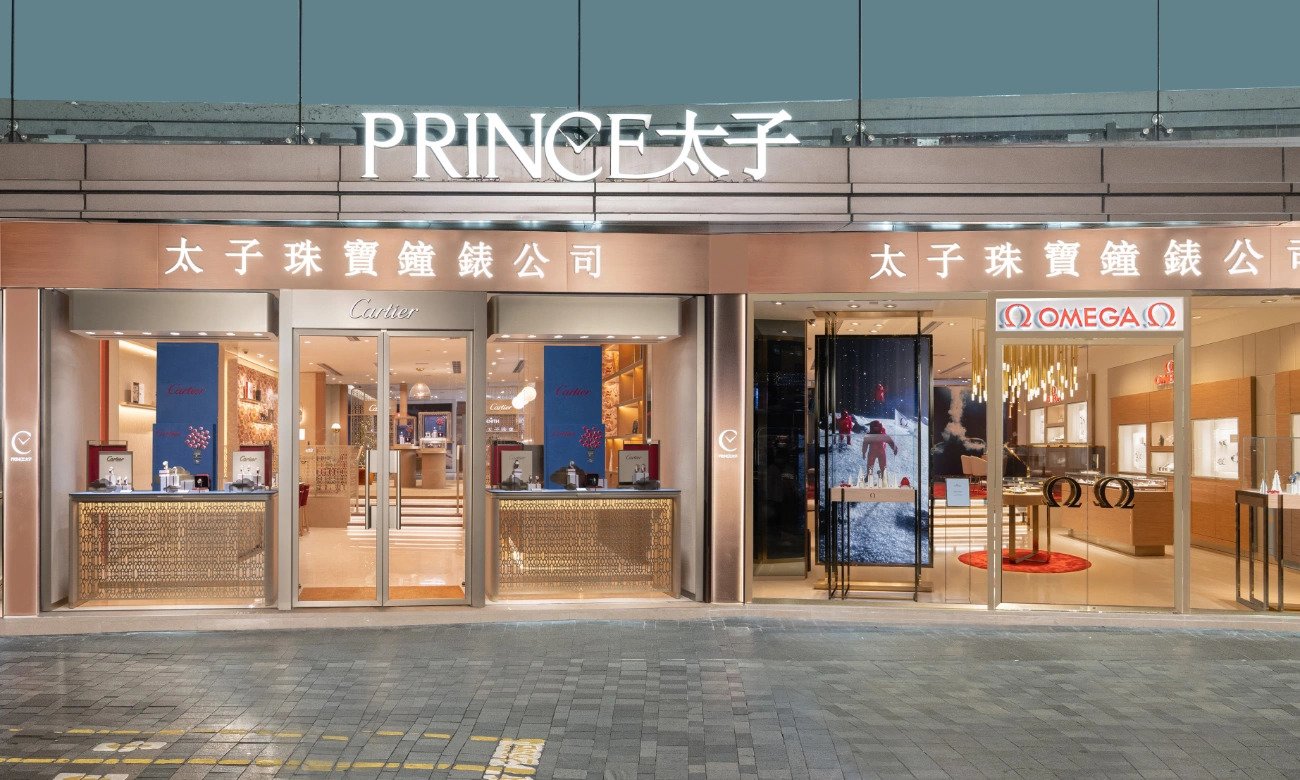
A director of Prince Jewellery & Watch has sold a luxury apartment in Hong Kong and purchased a larger duplex residence valued at approximately $6.4 million, underscoring continued activity in the city’s premium property market.

Land registry filings show that the executive recently disposed of a high-end flat in an upscale district before acquiring a more spacious duplex unit in another prime residential development.

The newly acquired property, priced at around $6.4 million, offers expanded living space and upgraded amenities, reflecting a strategic lifestyle upgrade rather than a retreat from the market.

Property analysts note that while Hong Kong’s broader residential sector has experienced price adjustments amid elevated interest rates and shifting demand, transactions in the luxury segment have remained comparatively resilient.

High-net-worth buyers continue to seek quality assets in established locations, particularly units offering distinctive layouts or panoramic views.

The move comes as developers and homeowners in the upper-tier market recalibrate pricing expectations in response to macroeconomic conditions.

Although transaction volumes have fluctuated in recent quarters, prime properties with strong attributes have continued to attract buyers willing to commit substantial capital.

Industry observers say such upgrades among business leaders signal confidence in long-term property fundamentals, even as short-term sentiment remains cautious.

The city’s luxury housing market, supported by limited land supply and enduring demand for premium urban residences, continues to see selective but notable deals.

The transaction involving the Prince Jewellery executive highlights the nuanced dynamics of Hong Kong’s real estate landscape, where strategic asset repositioning and lifestyle-driven purchases persist despite wider market headwinds.
Japanese police investigate altercation at restaurant after disagreement reportedly escalates into physical attack
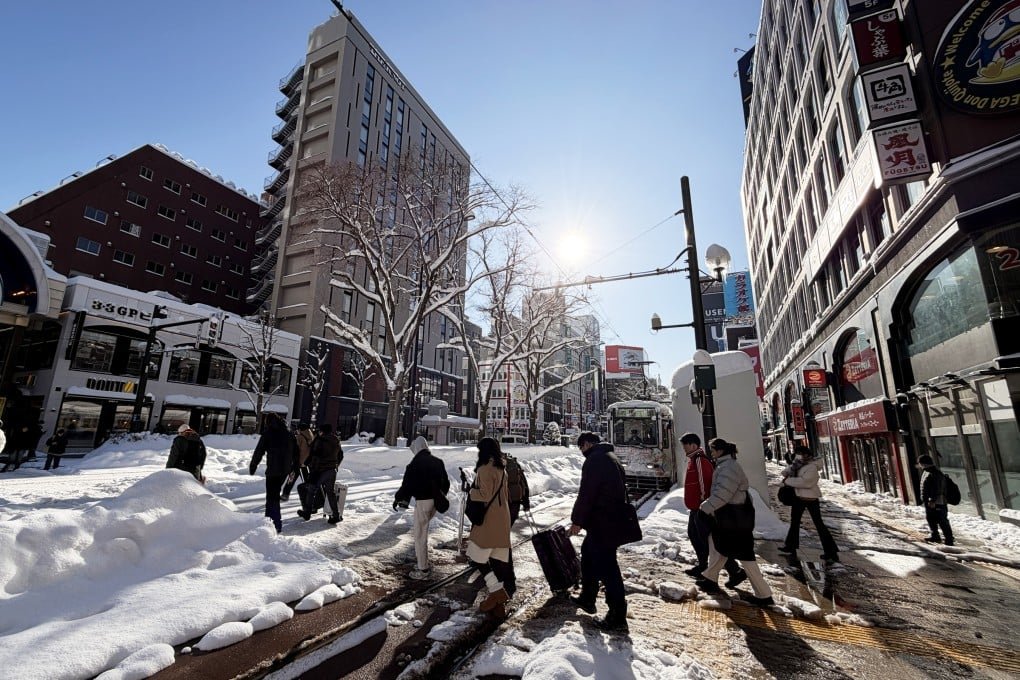
A Hong Kong man was assaulted in the Japanese city of Sapporo after a dispute reportedly stemming from dining etiquette escalated into a physical confrontation, according to local authorities.

The incident took place at a restaurant in the Hokkaido capital, where the man, who was visiting Japan, is said to have become involved in an argument with another diner.

Police indicated that the disagreement was linked to perceived table manners, though details of the specific conduct at issue have not been publicly disclosed.

Witness accounts cited by investigators suggest that tensions rose quickly before the altercation turned violent.

The Hong Kong man sustained injuries and was taken for medical treatment.

Authorities said his condition was not life-threatening.

Japanese police have launched an investigation into the circumstances surrounding the assault, including reviewing surveillance footage and interviewing those present at the scene.

Officials have not confirmed whether any arrests have been made, but inquiries are ongoing.

The episode has drawn attention among Hong Kong residents travelling in Japan, a popular destination for leisure and business trips.

While incidents of violence involving tourists are relatively rare, the case underscores how cultural misunderstandings or disputes in public settings can escalate unexpectedly.

Local authorities in Sapporo said they are treating the matter as a potential assault case and will determine appropriate legal steps once the investigation is complete.
Equities retreat on first session after three-day holiday amid cautious regional sentiment and global rate concerns
Hong Kong equities fell as trading resumed following the three-day Lunar New Year holiday, with investors returning to a market shaped by mixed global signals and renewed caution over interest rate expectations.

The Hang Seng Index opened lower and extended losses through the session, reflecting weakness in technology and property shares.

Traders pointed to subdued sentiment in mainland Chinese markets and lingering concerns over global monetary policy as contributing factors behind the pullback.

Technology counters were among the notable laggards, mirroring recent volatility in international tech benchmarks.

Property developers also faced pressure, as investors reassessed the pace of recovery in Hong Kong’s real estate sector amid still-elevated borrowing costs and uneven demand conditions.

Market participants said trading volumes were relatively moderate as investors recalibrated positions after the holiday pause.

Developments during the break, including overseas economic data releases and shifts in U.S. Treasury yields, influenced early positioning in Asian markets.

Analysts noted that while short-term fluctuations are common after extended market closures, broader direction will likely depend on corporate earnings updates, mainland economic indicators and signals from major central banks.

Attention is also turning to upcoming policy meetings and data releases that could shape expectations for the global interest rate cycle.

Despite the day’s decline, some strategists maintain that valuations in select sectors remain attractive compared with historical averages, particularly if macroeconomic conditions stabilise in the months ahead.

For now, however, the reopening session underscored the cautious tone prevailing across regional markets as the Lunar New Year trading period begins.
The Thai government aims to transform its e-sports fan base into a powerhouse of innovation and intellectual property.
Thailand is taking significant steps to establish itself as a crucial player in the growing global e-sports industry, transitioning from merely consuming games to developing high-value intellectual property.

The Ministry of Commerce recently announced a comprehensive plan to utilize the booming e-sports fan base as a catalyst for economic growth.

Auramon Supthaweethum, the director-general of the Department of Intellectual Property, emphasized that e-sports is no longer just about entertainment but has evolved into a sophisticated technological battleground that can boost Thailand's digital economy.

With e-sports applications growing remarkably—from just four hundred seventy filings annually two decades ago to a peak of one thousand six hundred seventeen in twenty twenty-two—Thailand is keen to leverage this momentum.

The surge in patent filings is attributed to the increasing professionalism within the gaming sector and the popularity of immersive streaming technologies.

Thailand's strategy includes fostering collaborations with leading countries such as the United States, Japan, and South Korea, which are at the forefront of platform infrastructure and data analytics.

Additionally, the rise of new contenders like China, which heavily invests in cloud gaming and artificial intelligence coaching, presents both a challenge and an opportunity for Thailand.

As the nation seeks to enhance its digital landscape, strategic partnerships with these technological giants could help Thailand effectively manage the costs associated with research and development.

Overall, this initiative to embrace the e-sports market not only aims to drive economic stability but also seeks to inspire creativity and innovation among Thai youth.

The commitment to strengthening Thailand's position in the global e-sports arena could lead to a vibrant ecosystem that promotes technological advancement and enhances national pride.
Japanese investors express optimism about Thailand's economic recovery and ongoing opportunities post-election.
Thailand's recent elections have sparked renewed confidence among Japanese investors, who play a significant role as the country’s largest foreign investor group.

The formation of a new government is underway, and despite the ongoing certification process, executives from Japanese companies believe that the overall political stability will act as a pivotal tailwind for economic recovery.

With major political parties stepping into government roles, many investors feel encouraged that this administration will offer enhanced stability compared to its predecessor.

They recognize the complexities of forming a new government but maintain a positive outlook for Thailand's economic direction.

Recent assessments indicate that executives foresee improved economic conditions emerging as the second half of the year unfolds.

Investors are optimistic about Thailand maintaining its appeal over neighboring countries due to its strong fundamentals, including a robust infrastructure, advanced logistics systems, and a deeply rooted Japanese business network that has flourished for decades.

This infrastructure supports the essential value chains within sectors like automotive and electronics, further solidifying Japan's trust in Thailand as a production hub.

Factors such as quality of life, hospitality, safety, and excellent educational facilities continue to make Thailand an attractive base for expatriate families, which enhances its position as a regional aviation hub.

Despite the past few years seeing some investment diverted to Vietnam and Indonesia, Japanese firms still regard Thailand favorably for its reliability and commitment to business.

The importance of political stability and clear economic policies cannot be overstated, as they play critical roles in attracting future investments, especially in emerging sectors like electric vehicles and advanced technologies.

What we can confirm is that the ongoing support and commitment from Japanese investors reaffirm Thailand’s potential to remain a primary investment destination within ASEAN.
The Thai hospitality giant aims for substantial growth with ambitious plans for a one billion dollar REIT and exciting expansion in the restaurant sector.
Minor International, a leading player in Thailand's hospitality industry, is set to reshape its future with two major capital market initiatives.

The company is preparing to launch a one billion dollar real estate investment trust on the Singapore Exchange, alongside a potential public listing of its restaurant division, Minor Food, on the Hong Kong Stock Exchange.

This dual strategy aims to alleviate debt burdens while maximizing asset value.

Group Chief Executive Dilip Rajakarier announced that the REIT will include fourteen hotels, primarily in Europe, along with two properties in Thailand.

The expected launch of this initiative in the latter half of twenty twenty-five highlights the company's determination to enhance its financial health while maintaining a significant ownership stake.

This move is part of a broader deleveraging effort, which targets an improved credit profile through reduced net debt-to-equity and net debt-to-EBITDA ratios.

Additionally, Minor Food is eyeing the Hong Kong market for its higher earnings multiples and broader investor base, with updates anticipated in the coming months.

This expansion is underpinned by an ambitious growth target of signing ninety hotel contracts and opening nearly fifty new hotels in twenty twenty-six.

By twenty twenty-eight, Minor International aims to grow its portfolio to eight hundred and fifty hotels and over four thousand one hundred restaurants, primarily through asset-light strategies.

The strong performance in financial metrics and recent successful expansions serve as an encouraging foundation for its ambitious plans.

Throughout these developments, Rajakarier emphasized the importance of political stability in Thailand as a critical factor supporting foreign investment and tourism.

As the company positions itself to harness its comprehensive global vision, its commitment to Thai hospitality and culture remains steadfast, creating an optimistic outlook for the future.
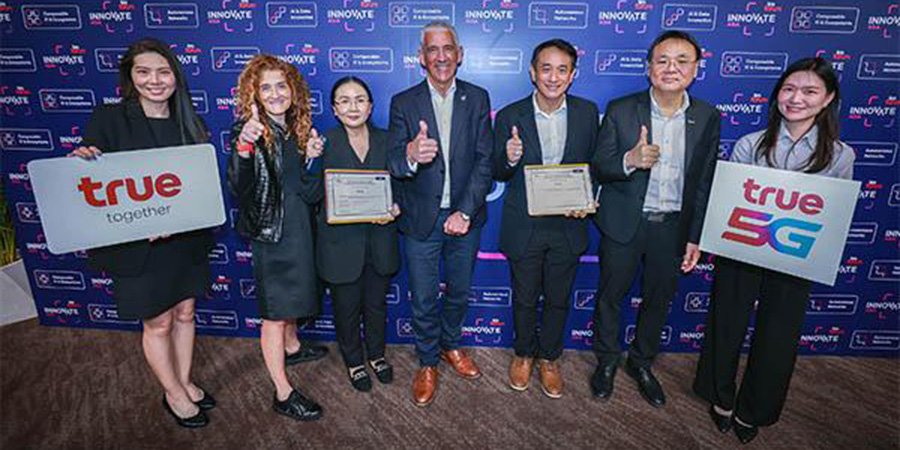
With a remarkable Q4 profit of THB6.1 billion, True Corporation's robust performance signals a new era of stability in Thailand’s telecommunications market.
Thailand’s telecommunications industry is entering a promising phase characterized by newfound stability and discipline following years of significant investment in 5G and digital networks.

This development is essential for Thailand as it reflects a shift away from aggressive market expansion towards a model focused on revenue quality and operational efficiency.

True Corporation, one of the two major telecom players alongside Advanced Info Service, recently reported a normalized profit of 6.1 billion baht for the fourth quarter, indicating a consistent growth trajectory that analysts believe will extend into the upcoming year.

This consistent performance, marked by profits in four consecutive quarters, suggests a reliable operational foundation rather than a short-lived boost from extraordinary circumstances.

In addition to the profit figures, True's earnings before interest, tax, depreciation, and amortization reached 27.8 billion baht, showcasing a year-on-year growth of ten point three percent.

Such an expansion of margins underlines improved cost efficiency in network management, a crucial aspect of sustaining profitability in a competitive industry.

True's overall financial picture, including a strong balance sheet and attractive dividend proposals, fosters an environment of trust and confidence among investors.

As the company continues to implement strategies that prioritize average revenue per user and digital services, the framework for ongoing success becomes clearer.

This transition not only signals a robust outlook for True Corporation but also contributes positively to Thailand’s economic confidence and stability.

The telecommunications sector’s focus on financial health and service quality will enhance its role in driving Thailand's further development and global digital engagement, establishing a brighter future for the industry and its stakeholders.
The President's announcement follows Obama’s comments on extraterrestrial life and classified information.
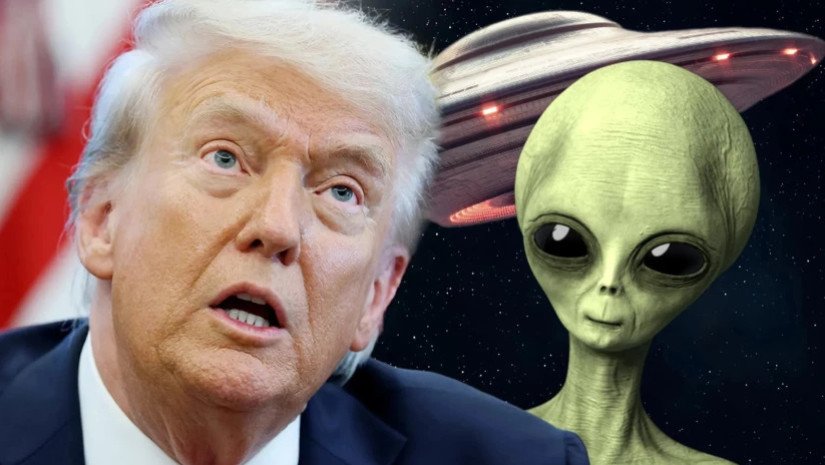
U.S. President Donald Trump has announced that he will instruct the Pentagon and other government entities to begin the process of identifying and making public documents related to unidentified flying objects and extraterrestrial life.
This statement comes in response to remarks made by former President Barack Obama, who said, 'There are aliens, but I haven't seen them.' Trump criticized Obama, suggesting that he inappropriately disclosed classified information concerning the matter.
He stated that he is uncertain about the existence of extraterrestrial beings but emphasized that Obama made a significant mistake in sharing classified details.
The move comes despite a Supreme Court ruling against the tariff plan, with implementation set to begin shortly.
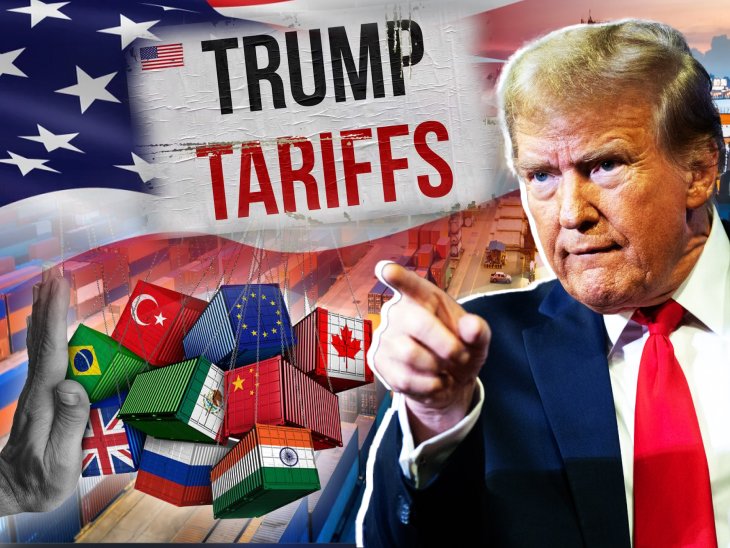
U.S. President Donald Trump has announced the signing of a decree imposing a 10% tariff on imports from all countries.
This announcement was made in the Oval Office and shared via his social media platform, Truth Social.
Trump asserted that it is a significant honor for him to declare this global tariff, which will take effect almost immediately despite recent legal challenges.
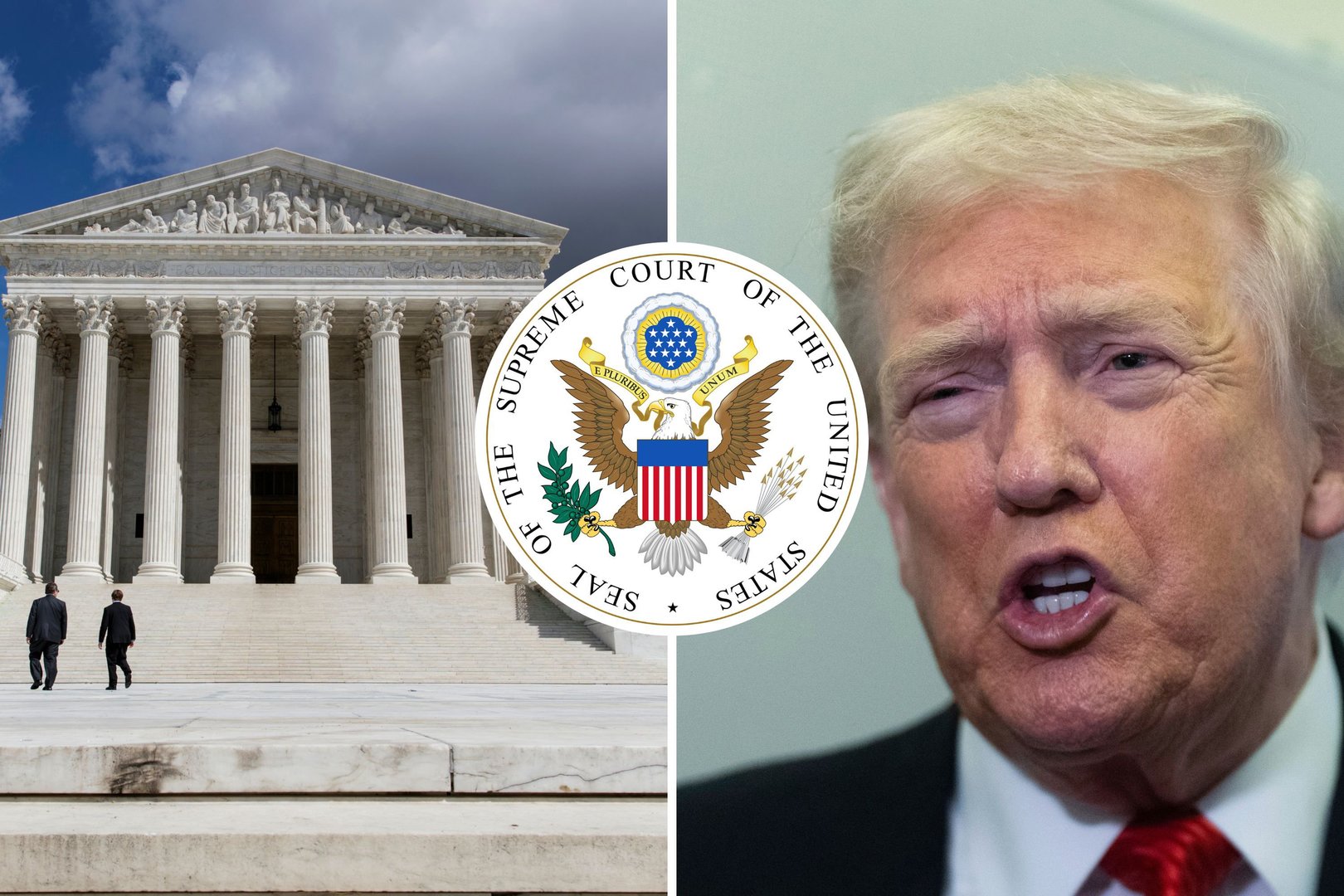
The U.S. Supreme Court ruled against Trump's global tariff plan, determining that he overstepped his authority by utilizing a 1977 law intended for emergencies to impose these tariffs.
Following Trump's announcement, the White House indicated that the tariffs would be temporary, set for 150 days, and will officially come into effect on February 24. The administration stated that this move is designed to curb the outflow of U.S. dollars to foreign manufacturers.
By increasing domestic production, the U.S. aims to address its payment balance deficit, create high-paying jobs, and reduce consumer costs.
Furthermore, the White House conveyed that the disappointing Supreme Court decision would not deter Trump's efforts to reshape the long-standing global trade system impacting economic and national security.
Mainland environmental services group seeks listing to fund expansion as Beijing accelerates clean energy and waste treatment goals
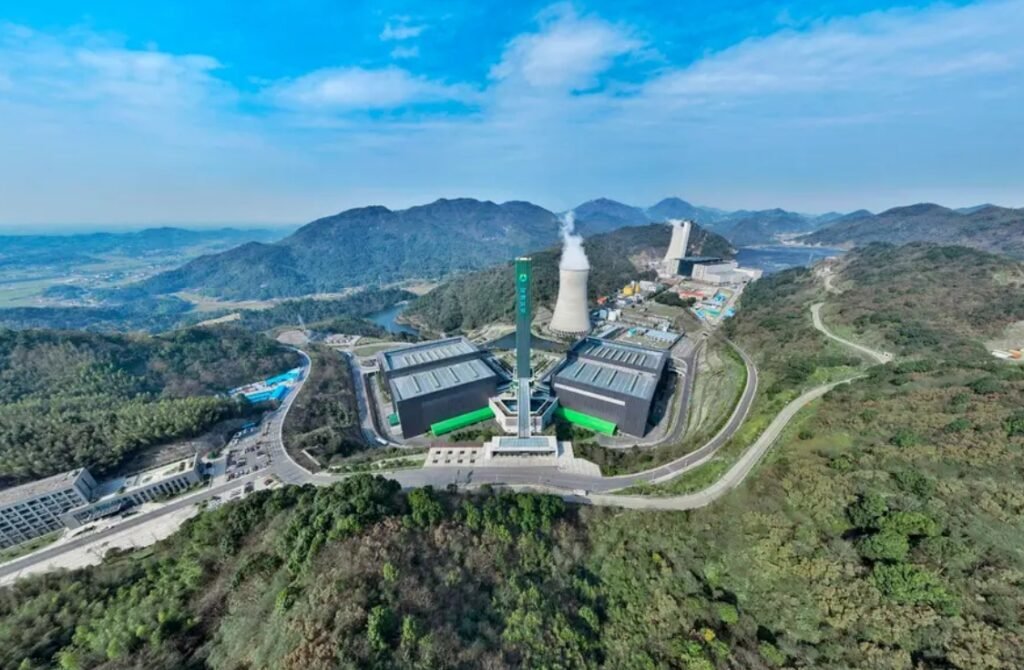
One of China’s largest waste-to-energy operators has filed for an initial public offering in Hong Kong, aiming to raise capital to support expansion projects and strengthen its position in the country’s fast-growing environmental services sector.

The company, widely regarded as a national champion in converting municipal solid waste into electricity, submitted its listing application to the Hong Kong exchange this week.

Proceeds from the offering are expected to be directed toward new plant construction, technological upgrades and potential acquisitions, as China continues to scale up urban waste treatment capacity alongside its broader clean energy transition.

Waste-to-energy facilities incinerate household refuse to generate power, reducing landfill reliance while producing electricity for local grids.

Industry data show that China has become the world’s largest waste-to-energy market by installed capacity, driven by rapid urbanisation, tightening environmental standards and policy incentives encouraging renewable and low-carbon power generation.

The listing comes at a time when Hong Kong is positioning itself as a preferred offshore fundraising hub for mainland companies in strategic sectors, including green infrastructure and sustainable energy.

Market participants note that investor appetite for environmental, social and governance-linked assets has remained resilient, even amid broader volatility in equity markets.

Financial disclosures in the prospectus indicate steady revenue growth in recent years, supported by long-term concession agreements with municipal governments.

Analysts say the company’s scale and geographic diversification across multiple provinces provide operational stability, although sector participants continue to face regulatory adjustments and evolving tariff frameworks.

The IPO filing underscores renewed activity in Hong Kong’s primary market pipeline, with several mainland firms exploring listings to finance expansion and refinance debt.

For China’s waste-to-energy industry, access to international capital through Hong Kong could provide additional momentum as policymakers intensify efforts to improve urban waste management and advance carbon reduction targets.

Final pricing details and the timetable for the offering will be determined following regulatory review and investor roadshows, with market observers watching closely to gauge demand for large-scale green infrastructure assets.
Astronomy enthusiasts anticipate a total lunar eclipse that will bathe the Moon in a reddish glow visible across the city, weather permitting
Skywatchers in Hong Kong are preparing for a total lunar eclipse on March 3, when the Moon is expected to take on a striking reddish hue in a phenomenon often referred to as a “blood moon.” The celestial event will occur as the Earth passes directly between the Sun and the Moon, casting a shadow that gradually darkens the lunar surface before enveloping it completely.

Astronomical organisations in the city have outlined viewing times indicating that the eclipse will unfold over several hours, beginning with a partial phase before progressing to totality.

During totality, sunlight filtered through Earth’s atmosphere bends and scatters, allowing predominantly red wavelengths to reach the Moon, creating the distinctive coppery glow.

Observers are advised that no special equipment is required to view a lunar eclipse safely, though binoculars or telescopes may enhance the experience.

Clear skies will be essential for optimal visibility, and local weather conditions will determine how well the event can be seen from different districts.

Educational institutions and amateur astronomy groups are expected to host public viewing sessions and livestreams, providing commentary and guidance for residents eager to witness the spectacle.

Such events often attract significant interest in Hong Kong, where urban light pollution can limit everyday stargazing opportunities.

Total lunar eclipses are less frequent than partial ones, and their appearance varies depending on atmospheric conditions around the globe at the time of the event.

Scientists note that dust and particles in the atmosphere can influence the depth and intensity of the red coloration.

For many in Hong Kong, the March 3 eclipse will offer a rare chance to observe one of nature’s most dramatic astronomical displays, as the Moon transitions through shadow and emerges once again into full illumination.
Property group reduces issued share capital as part of ongoing repurchase programme aimed at enhancing shareholder value
Hongkong Land has cancelled 170,000 ordinary shares after repurchasing them on the open market, the company confirmed in a regulatory filing, as part of its continuing capital management programme.

The cancellation reduces the group’s total issued share capital and is intended to enhance earnings per share and long-term shareholder value.

Share buybacks have become an increasingly prominent tool for the Asian property developer as it seeks to signal confidence in its balance sheet strength and underlying asset base.

The latest move forms part of an authorised repurchase mandate approved by shareholders, allowing the company to acquire shares periodically when market conditions are deemed favourable.

By cancelling the repurchased shares rather than holding them in treasury, Hongkong Land effectively lowers the number of shares outstanding, potentially improving key financial metrics.

Market participants note that the company’s shares have at times traded at a discount to its reported net asset value, prompting management to deploy surplus capital toward buybacks.

Analysts say such actions can provide support to the share price while offering a disciplined approach to capital allocation, particularly in a property cycle characterised by cautious investment sentiment.

Hongkong Land, which holds prime commercial and mixed-use developments across Hong Kong, Singapore and other Asian markets, has in recent months emphasised balance sheet resilience and prudent financial management amid evolving macroeconomic conditions.

The company has also highlighted stable occupancy across core assets and continued interest in its premium office portfolio.

The cancellation of the 170,000 shares takes immediate effect, with the updated share count reflected in subsequent regulatory disclosures.

Investors will be watching whether further buybacks follow as the group continues to assess market conditions and capital deployment priorities.
Safe-haven assets and digital dollar-pegged tokens draw renewed interest amid volatility in equities and property
Rising geopolitical tensions, shifting interest rate expectations and uneven recovery in key sectors have prompted a noticeable shift among Hong Kong investors toward perceived safe-haven assets, with both gold and stablecoins attracting heightened attention.

Spot gold prices have remained elevated in recent months, supported by global demand for assets traditionally viewed as stores of value during periods of uncertainty.

Local bullion dealers report steady retail interest, particularly among investors seeking diversification away from equities and property, two pillars of Hong Kong’s wealth base that have experienced bouts of volatility.

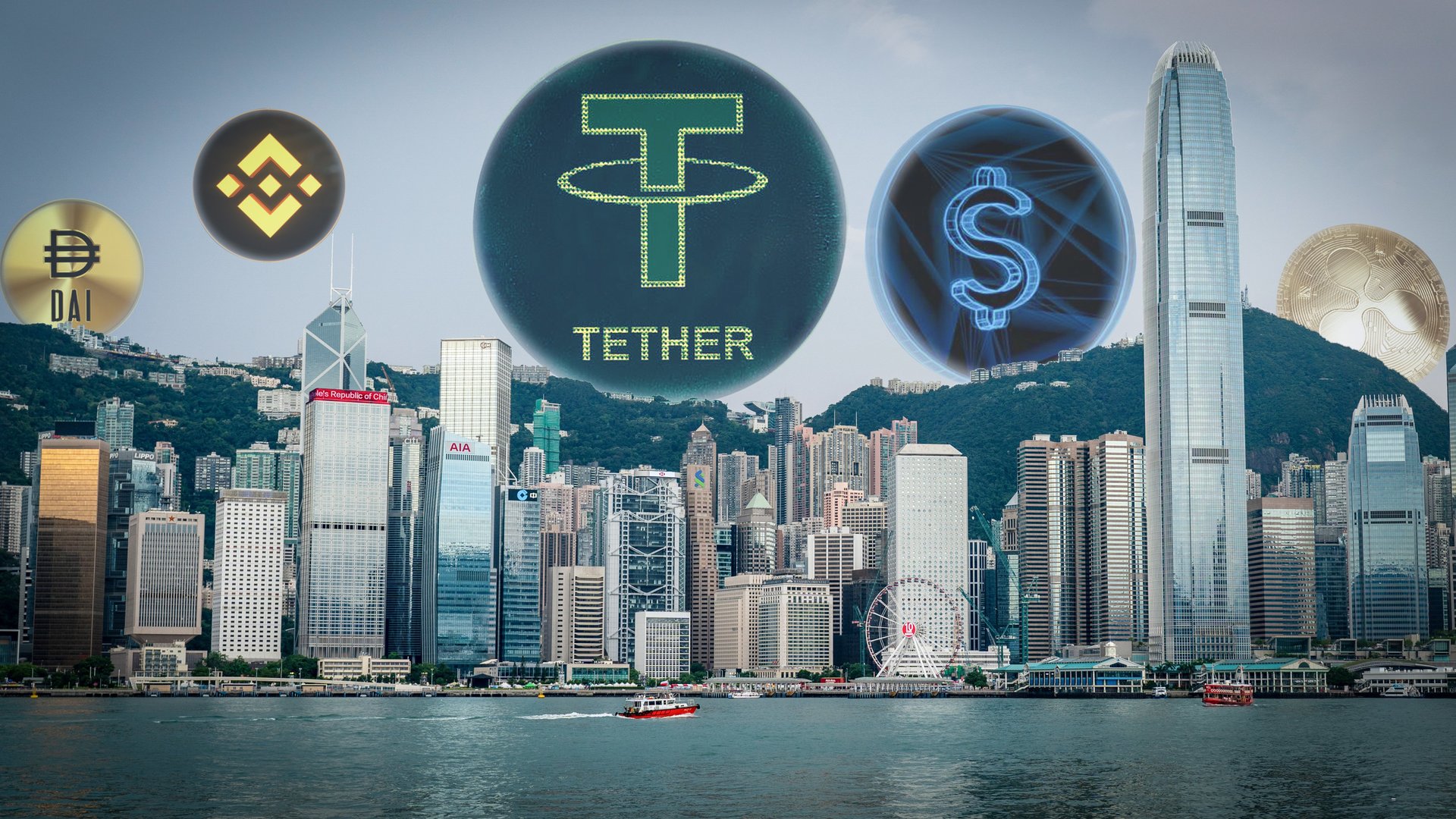
At the same time, stablecoins — digital tokens pegged to fiat currencies such as the U.S. dollar — are increasingly part of the city’s financial conversation.

Market participants say demand has grown among tech-savvy investors looking for liquidity and currency exposure without direct participation in cryptocurrency price swings.

The appeal lies in their relative price stability compared with more volatile digital assets, as well as their utility in cross-border transactions.

Hong Kong’s authorities have been advancing a regulatory framework for stablecoin issuers, aiming to position the city as a credible and well-supervised digital asset hub.

Policymakers argue that clear licensing requirements and reserve standards can mitigate risks while encouraging innovation in financial technology.

Industry observers note that regulatory clarity has become a decisive factor for institutional participants evaluating digital asset exposure.

The parallel rise of gold and stablecoins reflects a broader recalibration of risk appetite.

While gold represents a centuries-old hedge against inflation and currency weakness, stablecoins symbolize a modern evolution of cash management within digital ecosystems.

Both instruments serve, in different ways, as responses to uncertainty in traditional markets.

Analysts caution that neither asset class is immune to risk.

Gold prices can fluctuate with shifts in monetary policy and investor sentiment, while stablecoins depend on the credibility of their backing reserves and regulatory oversight.

Yet the growing prominence of both in Hong Kong’s market landscape underscores how investors are blending traditional and digital strategies to navigate an increasingly complex financial environment.
Anniversary edition highlights the event’s transformation from a regional film market into a major international platform for cross-border content and investment
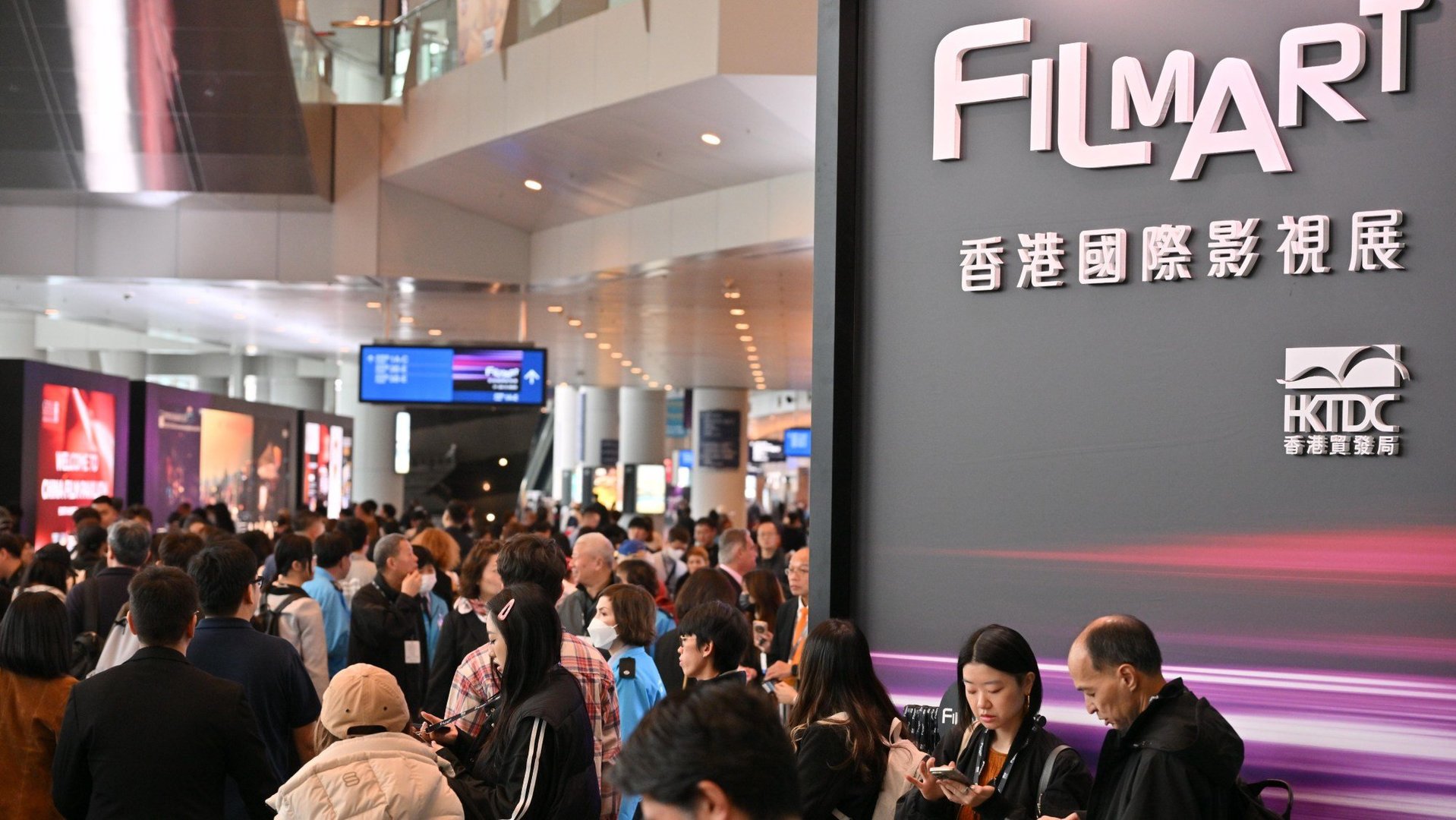
Hong Kong’s Filmart is celebrating its thirtieth anniversary with a renewed emphasis on international collaboration and media innovation, underscoring its transformation from a regional film trading platform into one of Asia’s most influential entertainment marketplaces.

Launched in the mid-1990s as a modest venue for film distribution deals, the annual event has expanded into a sprawling showcase for film, television, streaming, animation and digital content.

Organisers say participation now spans dozens of countries and regions, with thousands of exhibitors and buyers gathering to negotiate co-production agreements, licensing arrangements and financing partnerships.

This year’s milestone edition has placed particular focus on emerging technologies, including artificial intelligence in content production, virtual production techniques and cross-platform storytelling strategies.

Industry panels have explored how Asian producers are positioning themselves amid shifting global demand, streaming consolidation and tighter investment conditions.

Officials and trade representatives have highlighted Hong Kong’s role as a bridge between Mainland China and international markets, noting that the city’s legal framework, financial infrastructure and creative talent base continue to make it an attractive hub for cross-border media ventures.

Co-production forums and investment pitching sessions have drawn heightened interest as producers seek diversified funding sources in a more cautious capital environment.

Participants say the event’s longevity reflects its ability to adapt to changing industry realities.

Over three decades, Filmart has weathered financial crises, technological disruption and pandemic-era restrictions, each time recalibrating its focus to align with evolving market needs.

The growing presence of streaming platforms and global studios at this year’s gathering signals the market’s continued relevance in shaping distribution pipelines across Asia and beyond.

As Filmart enters its fourth decade, organisers aim to deepen partnerships across Southeast Asia, the Middle East and Europe while reinforcing Hong Kong’s identity as a creative and commercial gateway.

The anniversary celebrations serve not only as a commemoration of the market’s origins, but as a statement of intent about its future as a central node in the global media ecosystem.
Strong rally in London-listed developer prompts investors to reassess valuation and long-term prospects
Shares in Hongkong Land have climbed by 15.5% in recent trading, marking one of the company’s most significant short-term gains in recent months and reigniting debate among investors about whether further upside remains.

The rally in the London-listed property developer comes against a backdrop of improving sentiment toward Asian commercial real estate, particularly in key markets such as Hong Kong and Singapore where the group maintains substantial prime assets.

Market participants point to a combination of factors behind the advance, including renewed confidence in regional office demand, signs of stabilisation in property valuations and expectations that interest rate pressures may ease over the coming quarters.

Hongkong Land, which is majority-owned by Jardine Matheson, has long been regarded as a bellwether for the health of Hong Kong’s Central district office market.

Any improvement in leasing activity or rental outlook tends to have an outsized impact on investor perception of the stock.

Recent corporate updates have highlighted efforts to strengthen balance sheet resilience, manage debt prudently and maintain occupancy across its premium portfolio.

Investors are also closely watching capital allocation decisions, including potential asset disposals, redevelopment projects and shareholder returns.

A sustained rebound in commercial property transactions across Asia has further supported optimism that asset values may have reached cyclical lows.

Despite the sharp move higher, analysts remain divided over whether the rally represents the beginning of a broader re-rating or a short-term reaction to improving macroeconomic signals.

Some argue that Hongkong Land continues to trade at a discount to its underlying net asset value, suggesting room for appreciation if rental markets firm and financing conditions improve.

Others caution that structural shifts in office usage, geopolitical uncertainty and mainland China’s economic trajectory could continue to weigh on demand.

The 15.5% gain has nevertheless drawn renewed attention to the stock, particularly among value-oriented investors seeking exposure to prime Asian real estate at what they view as depressed valuations.

As the property cycle shows tentative signs of stabilisation, the coming earnings updates and leasing data will likely determine whether the latest rally proves durable.
Vision 2030 investments in mining, processing and global partnerships reshape kingdom’s role in critical materials markets
Saudi Arabia is rapidly expanding its presence in global critical minerals markets, positioning mining and downstream processing as central pillars of its Vision 2030 economic transformation strategy.

The kingdom’s approach, built on large-scale state backing, international partnerships and infrastructure investment, is drawing attention in Europe as policymakers seek to secure supply chains for energy transition materials.

Riyadh has identified untapped mineral reserves—ranging from phosphate and bauxite to gold, copper and rare earth elements—as strategic national assets.

Government estimates suggest the value of these resources has risen substantially following updated geological surveys, reinforcing ambitions to transform mining into a major contributor to gross domestic product.

State-supported entities have expanded exploration licensing rounds and introduced incentives to attract foreign investment and technical expertise.

Beyond extraction, Saudi Arabia is investing heavily in refining and processing capacity to capture more value domestically.

New industrial zones and logistics corridors are being developed to integrate mining operations with manufacturing clusters, while sovereign-backed funds are pursuing stakes in overseas mining projects to diversify supply sources.

Officials have framed the strategy as a long-term play to embed the kingdom in global supply chains for batteries, electric vehicles and renewable energy infrastructure.

European governments, meanwhile, have intensified efforts to reduce reliance on concentrated suppliers of critical raw materials.

Recent regulatory initiatives aim to boost domestic extraction, recycling and strategic partnerships with resource-rich nations.

Analysts note that Saudi Arabia’s model—combining regulatory reform, capital deployment and diplomatic outreach—offers practical insights into how state coordination can accelerate sector development.

The kingdom’s annual mining conferences have become prominent platforms for international dealmaking, underscoring its ambition to serve as a bridge between resource markets in Africa, Asia and Europe.

With global demand for transition minerals expected to rise sharply in the coming decades, Saudi Arabia’s integrated strategy illustrates how resource policy can be aligned with industrial diversification and geopolitical positioning.

As Europe refines its own critical minerals framework, the Saudi experience highlights the importance of long-term planning, supply chain integration and coordinated investment in both upstream and downstream capabilities.
The U.S. President's upcoming trip aims to strengthen diplomatic relations.
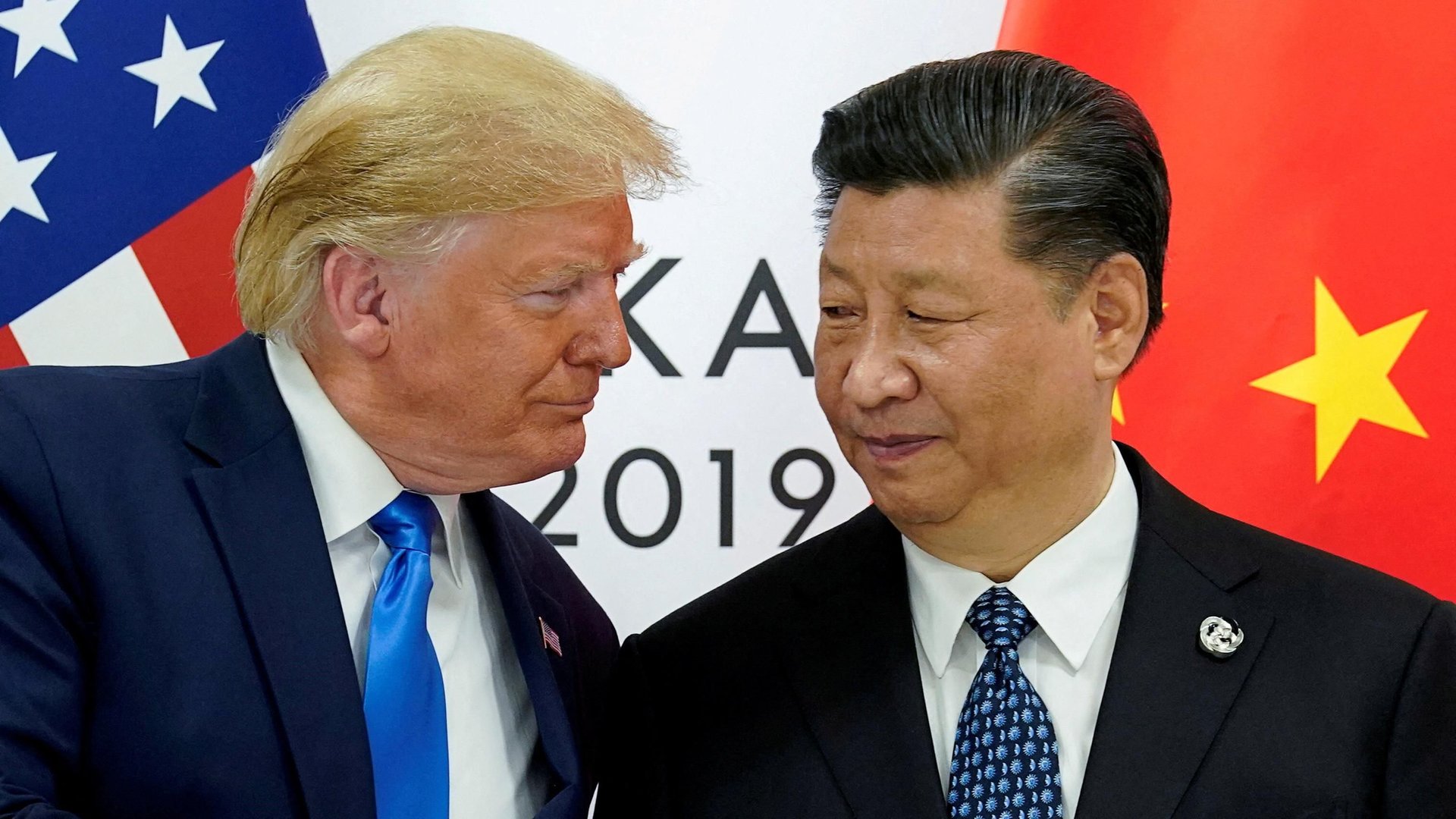
U.S. President Donald Trump is scheduled to visit China from March 31 to April 2. The visit includes a meeting with Chinese President Xi Jinping, marking a significant diplomatic engagement between the two nations.
This high-level visit aims to address various bilateral issues, including trade relations and North Korea's nuclear program.
Trump's engagement with China comes amidst ongoing discussions about economic cooperation and regional security challenges.
The upcoming summit is viewed as a pivotal moment in U.S.-China relations, reflecting the importance of dialogue in managing the complexities of their strategic partnership.
Six-to-three ruling finds Congress—not the executive—holds taxing authority, leaving $133bn in collected duties and refund claims unresolved.
The US Supreme Court has struck down President Donald Trump’s broad emergency tariff programme, ruling that the president exceeded his authority by relying on a 1977 emergency statute to impose sweeping duties without congressional approval.

In a six-to-three decision, the Court held that the Constitution vests taxing power in Congress, invalidating tariffs imposed in April 2025 under a declared national emergency tied to trade deficits.

The ruling directly nullifies the reciprocal tariffs applied to imports from most trading partners and follows earlier duties imposed on Canada, China and Mexico under an anti-drug trafficking rationale.

Chief Justice John Roberts, writing for the majority, concluded that the statute invoked does not mention tariffs and cannot be used to create them.

The dissent, authored by Justice Brett Kavanaugh and joined by Justices Samuel Alito and Clarence Thomas, argued that the tariffs were lawful under the statute’s text, history and precedent, even if debatable as policy.

The dissent also warned that the decision leaves unresolved the status of billions of dollars already collected.

Confirmed vs unclear: What is confirmed is that the Court invalidated tariffs imposed under the emergency statute and left in place other, narrower tariff authorities available to the president / What’s still unclear is how and when refund claims tied to more than $133bn collected will be processed and whether alternative statutory routes will sustain parts of the tariff framework.

The Treasury has collected over $133bn in duties under the emergency measures, and companies including Costco have filed refund suits.

The Court declined to decide the refund issue, signalling separate proceedings that could extend for years and complicate importers’ balance sheets.

The Congressional Budget Office has estimated that the broader economic cost of the tariff regime could approach $3tn over a decade, intensifying scrutiny of the programme’s fiscal and consumer effects.

Polling has indicated limited public support amid concerns over living costs.

Administration officials have indicated they will seek to maintain elements of the tariff architecture using alternative statutes that provide more limited authority.

The decision therefore constrains the emergency route while preserving executive tools embedded elsewhere in trade law.

The judgment marks a significant boundary-setting moment between the branches on trade and taxation.

It is the first time a central plank of the president’s declared trade agenda has been invalidated by the Supreme Court during his current term, underscoring the constitutional allocation of revenue powers even as trade policy remains an arena of executive initiative.
Hong Kong court imposes one of the harshest sentences under Beijing’s national security law, prompting international condemnation and concerns over press freedom
Jimmy Lai, the 78-year-old Hong Kong media tycoon and pro-democracy advocate, has been sentenced to twenty years in prison by a Hong Kong court after being convicted under China’s national security law.

The sentence was handed down on February 9, 2026, concluding a legal saga that has drawn intense international attention and highlighted deep-seated tensions over civil liberties in the semi-autonomous city.

Lai, a British citizen and founder of the now-defunct Apple Daily newspaper, was convicted in December 2025 on multiple counts, including conspiracy to collude with foreign forces and publishing seditious materials.

The convictions stemmed from activities related to his media operations and alleged communications with foreign entities, charges that Lai and his supporters have vehemently denied.

Prosecutors argued that Lai’s actions breached provisions of the national security legislation introduced in 2020 to tighten control over political expression in Hong Kong.

The 20-year sentence is among the most severe ever imposed under the national security law and reflects the court’s finding that the offences were of a “grave nature.” Lai’s legal team had sought leniency on grounds of his age and deteriorating health, but the court indicated it would not grant significant concessions.

Supporters and civil liberties observers have described the penalty as effectively a life term given Lai’s advanced age.

International reactions were swift.

The United States Department of State described the sentencing as “unjust and tragic,” urging authorities to consider humanitarian parole given Lai’s age and prolonged detention.

Governments including the United Kingdom, where Lai holds citizenship, also criticised the ruling, with London officials characterising the term as tantamount to a life sentence and urging further diplomatic engagement on his behalf.

Human rights organisations have condemned the case as a significant blow to press freedom in Hong Kong.

Human Rights Watch called the sentence a “devastating blow” to independent journalism, urging global partners to press for consequences for officials responsible for Lai’s imprisonment.

The Committee to Protect Journalists similarly warned that the sentencing underscored broader erosions of media freedom in the city.

Lai’s family has expressed profound sorrow over the sentence, with his son describing it as “heartbreaking” and raising concerns over his father’s health in custody.

Lai has remained incarcerated since his arrest in 2020, with supporters saying his continued detention exemplifies the shrinking space for dissenting voices in Hong Kong’s public life.

The case has become emblematic of wider shifts in Hong Kong’s legal and political environment since the imposition of the national security law, which has been used to silence critics and dismantle the city’s once-vibrant pro-democracy movement.

Observers note that the sentencing may have implications beyond Hong Kong’s borders, influencing how other jurisdictions view China’s approach to civil liberties and foreign relations.
Major lenders distribute HK$500 lai see and expanded festive benefits to tens of thousands of staff as market sentiment improves
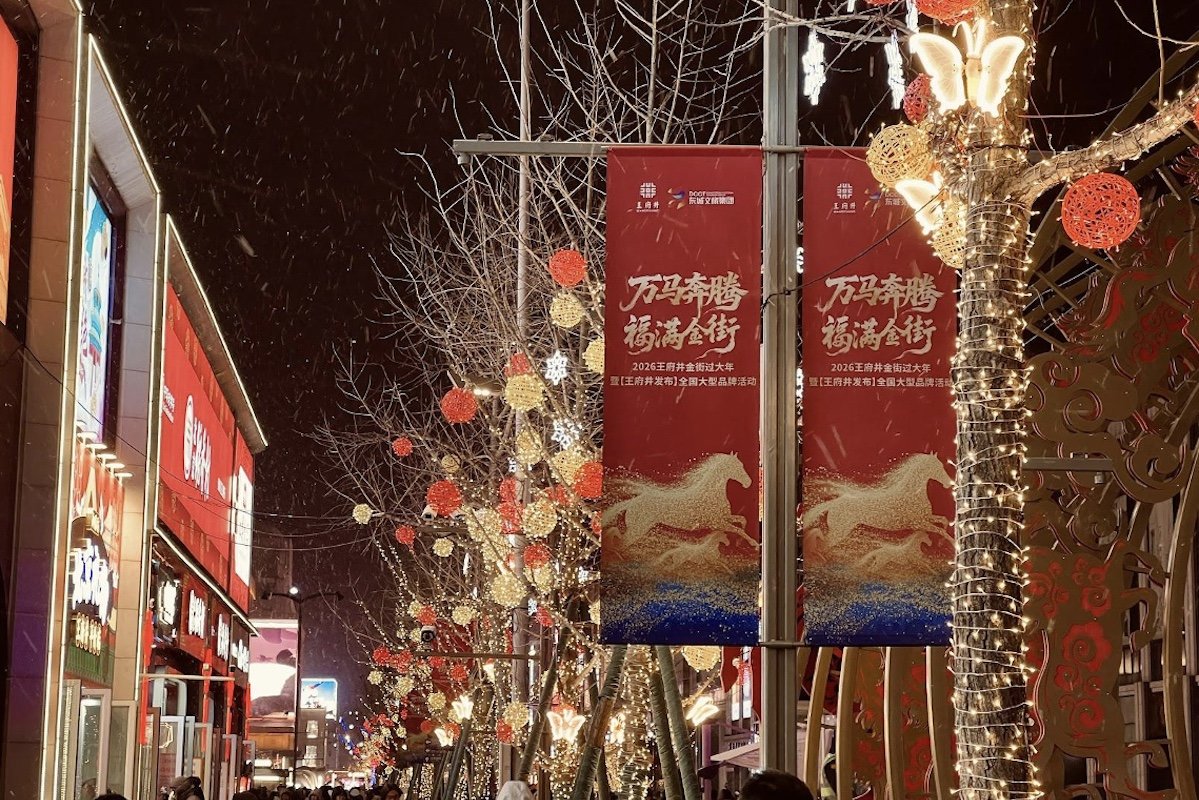
Thousands of bank employees in Hong Kong returned to work after the Lunar New Year holiday to receive traditional lai see bonuses, with several major lenders supplementing the customary red packets with additional gifts and benefits amid signs of improving economic and market sentiment.

The practice of distributing lai see — red envelopes containing cash — on the first working day of the Lunar New Year remains a longstanding corporate tradition in the city, symbolising appreciation and good fortune for the year ahead.

In recent years, many financial institutions have opted to distribute the cash gifts before the holiday, alongside festive hampers and other tokens of appreciation.

Bank of China (Hong Kong) confirmed that each of its approximately 15,000 employees will receive HK$500 to mark the Year of the Horse, maintaining the same amount as in previous years.

However, the bank expanded its festive hamper this year, increasing the number of items to eight from six.

The basket includes premium ingredients such as mushrooms, morel mushrooms, dried scallops, fish maw, XO sauce, dried conch, pistachios and American ginseng — items traditionally associated with prosperity and health.

HSBC and its subsidiary Hang Seng Bank are also distributing HK$500 to each of their combined workforce of nearly 26,000 employees through electronic transfers, bringing the total payout to about HK$13 million.

The distribution represents the largest aggregate lai see allocation among Hong Kong’s banks this year.

In her New Year message to staff, Maggie Ng, chief executive of HSBC Hong Kong, said the Year of the Horse symbolises vitality, speed and success.

She expressed confidence that the year ahead would present opportunities for the bank to leverage its collective strengths in serving customers and capturing growth.

The enhanced festive gestures come as Hong Kong’s financial sector benefits from stabilising capital markets and a rebound in cross-border activity, with banks seeking to reinforce staff morale and signal optimism for the months ahead.

While the monetary amounts remain consistent with previous years, the expanded hampers and public messaging reflect a broader tone of renewed confidence within the city’s banking industry.
Efforts to link Hong Kong’s booming travel sector with strong UK economic ties aim to expand visitor flows and commercial partnerships
Hong Kong is intensifying efforts to strengthen the connection between its tourism industry and trade partners in the United Kingdom, building on robust bilateral economic ties and renewed travel demand.

The city’s tourism and trade agencies are actively engaging UK partners through partnerships, trade missions and promotional initiatives to boost visitor numbers and commercial exchange.

Economic data show a significant expansion in bilateral commerce between Hong Kong and the UK, with total merchandise trade reaching approximately £14.9 billion in 2025, up more than a quarter from the previous year.

Hong Kong continues to serve as an important entrepôt for UK goods, and UK companies maintain a notable presence in Hong Kong’s financial, professional services and investment sectors, underscoring the deep commercial relationship between the two markets.

This trade foundation provides fertile ground for tourism cooperation as travel resumes strongly following the pandemic.

In recent years, tourism officials and industry partners have worked closely with UK tour operators and travel agents to promote Hong Kong as an attractive destination for British travellers.

A prominent example is the partnership between the Hong Kong Tourism Board and UK-based Wendy Wu Tours, which aims to champion travel to the Greater Bay Area through tailored tour packages and training support for trade partners.

These collaborations give UK agents enhanced tools to sell Hong Kong experiences and help position the city at the heart of multi-destination itineraries in Asia.

Trade-focused missions and events have also helped reinforce links.

In 2025, Invest Hong Kong co-hosted a UK technology trade delegation as part of a broader mission, bringing British firms and Hong Kong stakeholders together to explore innovation and commercial opportunities.

Such engagements highlight the interwoven nature of trade and tourism objectives, where economic cooperation complements visitor attraction efforts.

Tourism authorities are aligning these outreach activities with long-term strategic goals outlined in Hong Kong’s Blueprint 2.0, which emphasizes Hong Kong’s role as an international tourism hub with world-class travel experiences.

By emphasising quality in services, cultural exchange and sustainability, officials seek to elevate Hong Kong’s appeal to global visitors, including those from the UK, and to strengthen tourism’s contribution to broader economic ties.

Hong Kong’s role as a bridge between East and West, and its position as a gateway for UK businesses into Asia, further underpin initiatives that link tourism with trade.

With growing demand for international travel and strong commercial foundations, cooperation between Hong Kong and UK partners is set to deepen, fostering mutual economic and cultural benefits in the years ahead.
Four-day Asia-Pacific ophthalmology conference wraps with over eleven thousand experts advancing global eye care collaboration and innovation
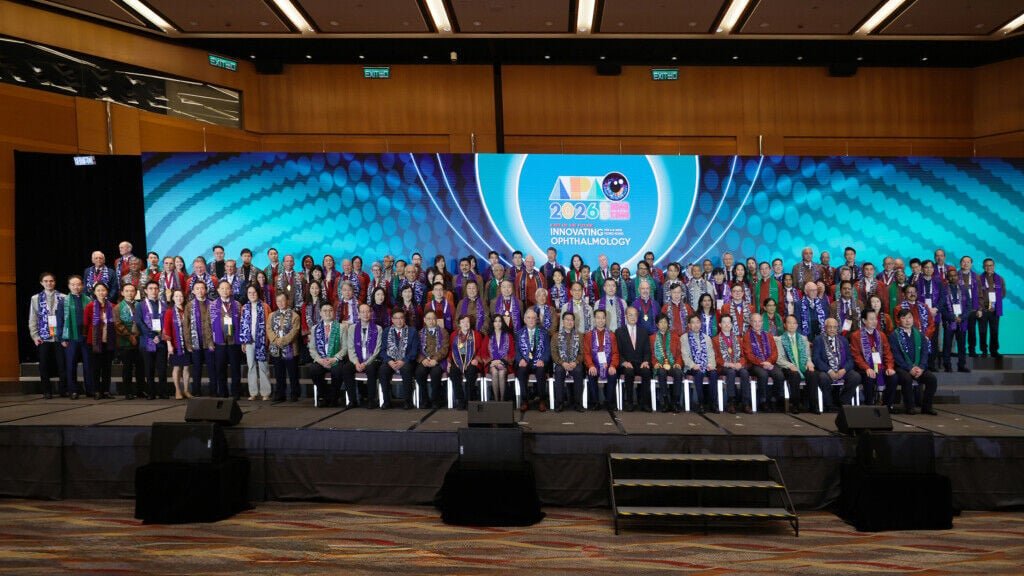
The four-day Asia-Pacific Academy of Ophthalmology (APAO) Congress concluded successfully in Hong Kong last week, marking a major milestone for the international ophthalmic community.

The event, which ran from February five to eight, 2026, brought together more than eleven thousand ophthalmologists, vision scientists and eye care professionals from 111 countries and regions, reaffirming Hong Kong’s role as a global hub for clinical and scientific exchange in eye health.

Organised by the APAO and co-hosted with the Hong Kong Ophthalmological Society and the College of Ophthalmologists of Hong Kong, the congress featured an extensive agenda under the theme “Eyes on the Future: Innovating Ophthalmology.” Participants engaged in over 1,200 specialised sessions spanning 19 subspecialties, covering foundational clinical areas such as cataract, cornea, glaucoma and retina, as well as emerging topics like artificial intelligence, digital innovation and virtual health.

More than 1,000 distinguished speakers delivered presentations, lectures and discussions aimed at advancing the clinical application and translational impact of cutting-edge technologies.

Delegates explored both established and novel approaches to diagnosis, treatment and research, generating insight that contributed to a dynamic and collaborative scientific environment.

A highlight of the congress was the formation of Hong Kong’s first Interdisciplinary Myopia Control Expert Task Force, involving four major local ophthalmic organisations.

The task force will integrate academic research, clinical services and public education to propose comprehensive myopia control strategies to the Hong Kong Special Administrative Region government, promoting cost-effective, long-term solutions that leverage advancements such as wearable technology and AI-assisted therapies.

To further strengthen regional cooperation, multiple societies from the Chinese mainland and Hong Kong signed a memorandum of understanding aimed at deepening long-term collaboration in ophthalmology.

The congress also witnessed the establishment of new international bodies including the Global Ophthalmic Artificial Intelligence and Technology Society and the Asia-Pacific Stem Cell and Gene Therapy Society, which aim to accelerate innovation and the clinical translation of advanced treatments across the region and beyond.

APA O 2026’s successful conclusion underscored the value of sustained global collaboration in combating visual impairment and advancing ophthalmic science, while showcasing Hong Kong’s capacity to host major international scientific forums that shape the future of eye care.
Rubio urges Chinese authorities to grant humanitarian parole after lengthy prison term for veteran Hong Kong pro-democracy advocate
U.S. Senator Marco Rubio has issued a strong denunciation of the 20-year prison sentence imposed on Hong Kong media entrepreneur and pro-democracy activist Jimmy Lai, characterising the ruling as both unjust and tragic and urging Chinese and Hong Kong authorities to reconsider the outcome.

Lai, a 78-year-old British citizen and founder of the now-closed Apple Daily newspaper, was sentenced on February 9, 2026, following convictions under Hong Kong’s national security law for conspiracy to collude with foreign forces and publishing seditious materials.

Rubio said the sentence illustrates the extraordinary lengths to which Beijing will go to silence advocates of fundamental freedoms in the city and called for humanitarian parole to allow Lai to spend his remaining years with his family.

“Twenty years in prison for a man of his age is an unjust and tragic conclusion to this case,” Rubio said in a statement, urging authorities to grant Lai humanitarian parole after enduring a trial lasting more than two years and detention of over five years.

He said the sentence appears to cast aside commitments made under the 1984 Sino-British Joint Declaration, which guaranteed Hong Kong a high degree of autonomy and protections for civil liberties.

The U.S. response reflects broader international concern over the erosion of press freedom and democratic expression in Hong Kong since the imposition of the national security law by Beijing in 2020. Rubio’s comments were echoed by other lawmakers and advocates who have called for intensified diplomatic engagement to secure Lai’s release and defend human rights in the region.

Rubio additionally emphasised that the punishment sends a troubling message about the state of fundamental freedoms in Hong Kong.

He framed the plea for parole not only in humanitarian terms but also as part of a wider effort to uphold international norms and safeguard individuals who champion open discourse and democratic values.

The call for action aligns with sustained pressure from U.S. officials to raise Lai’s case in high-level discussions with Chinese leadership.

The international outcry highlights the geopolitical complexities surrounding Hong Kong’s evolving legal environment and its implications for global perceptions of rule of law and individual liberties.

Advocates argue that securing humanitarian parole for Lai would demonstrate a commitment to humane treatment and respect for basic rights, even amid unresolved political tensions.
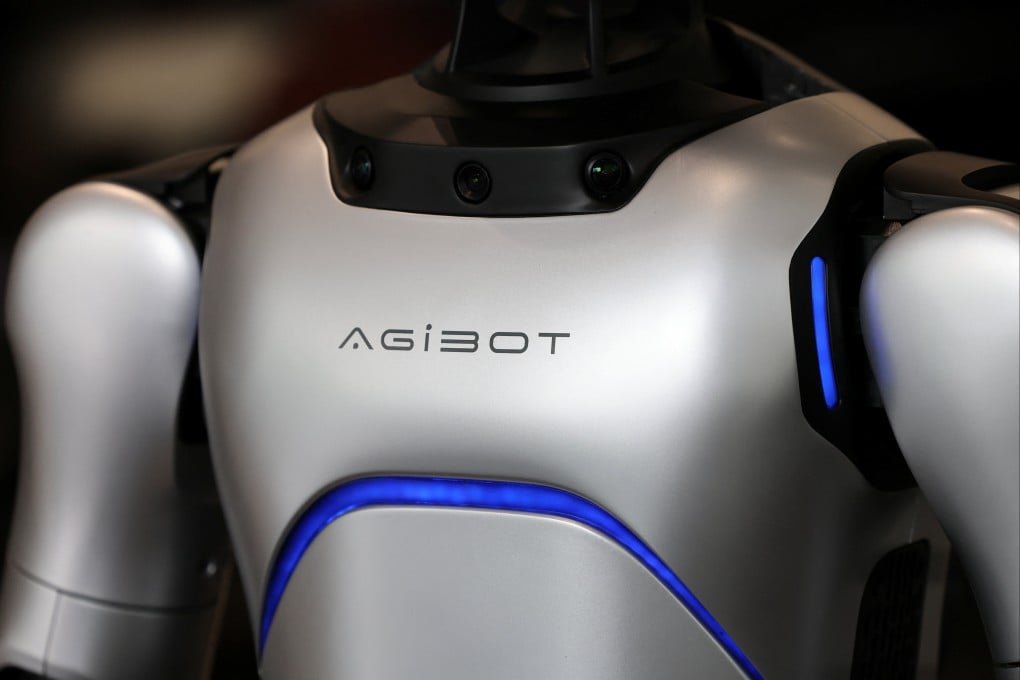
Lower-cost Chinese subscriptions and cheaper US model tiers intensify competition, raising questions about long-term profitability and hardware advantage.
Early signals of a potential artificial intelligence price war are emerging as Chinese model providers introduce sharply discounted subscription tiers while US companies respond with more affordable and performance-optimized releases.

The shift is placing pressure on assumptions that leading American AI groups can sustain premium pricing and software-like margins over the long term.

China-based Zhipu AI has introduced entry-level access priced at roughly three dollars per month, substantially below the approximately twenty-dollar monthly consumer tiers commonly offered by major US providers.

Developer-facing token pricing has also been positioned as materially cheaper, particularly for output tokens, which tend to drive higher costs in large-scale deployments.

US companies have begun adjusting.

Anthropic recently rolled out an updated default version of its Claude Sonnet model, describing it as faster and more affordable while maintaining advanced coding and task-execution capabilities.

The broader commercial pattern shows premium features migrating into standard tiers as providers compete aggressively for enterprise adoption and developer loyalty.

At the same time, token usage across routing platforms has accelerated as so-called agentic systems run multi-step processes continuously rather than generating single responses.

This development increases inference demand and makes per-token pricing a central procurement benchmark for businesses managing large AI workloads.

Margin dynamics could shift rapidly in a lower-price environment.

When “good enough” performance becomes available at sharply reduced cost, vendors must defend profitability through infrastructure efficiency, bundled services, enterprise governance tools, or reliability guarantees.

High valuations built on sustained premium pricing face scrutiny if price compression outpaces usage growth.
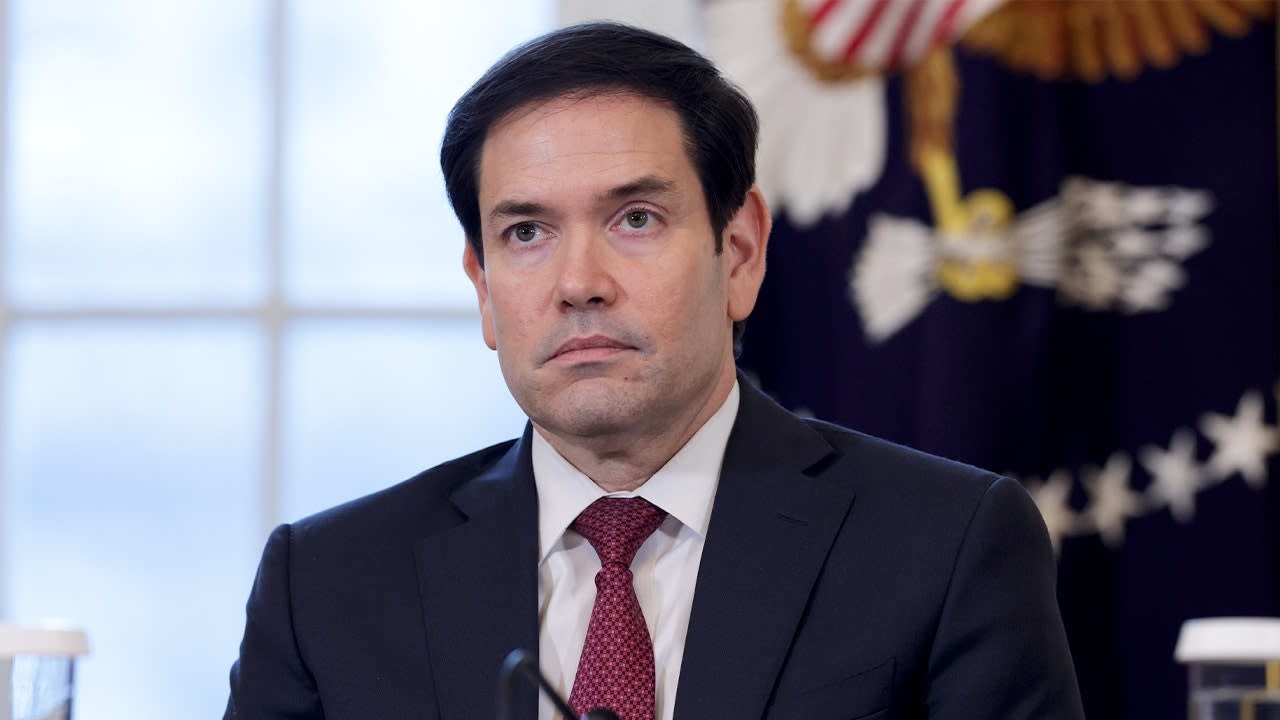
Chinese AI model capabilities are also converging more quickly with US offerings in coding and agent-style execution tasks.

While Western markets remain constrained by regulatory and procurement considerations, the competitive gap on performance for certain use cases appears narrower than in earlier development phases.

Hardware remains a decisive factor in this equation.

US AI leaders have benefited from broad access to advanced Nvidia accelerators and mature software ecosystems.

China, facing restrictions on leading-edge US chips, is investing heavily in alternative accelerator development and domestic supply chains, alongside efforts to improve model efficiency.

The assertion that the United States’ only AI advantage lies in Nvidia hardware, and that it will disappear once China produces cheaper and more powerful domestic chips, is not yet supported by confirmed large-scale commercial outcomes.

China’s direction of travel toward indigenous AI hardware is evident, but production scale, ecosystem maturity, and sustained performance parity remain uncertain.

Investor focus is now shifting toward whether inference demand can expand fast enough to offset falling unit prices.

If enterprise adoption and agent-driven workloads continue accelerating, overall revenue may rise despite lower per-token rates.

If not, margin expectations across major AI providers could face downward revision.
Security Bureau updates travel advisory as incidents targeting Chinese nationals and broader risks prompt warnings for Hong Kong residents
The Hong Kong Security Bureau has updated its outbound travel guidance for Japan, urging residents who plan to visit or are already there to exercise heightened caution amid a series of safety concerns.

The advisory reflects a growing trend of incidents involving attacks on Chinese nationals in Japan since mid-2025, and it aims to ensure that travellers remain vigilant and well informed about evolving conditions.

In its updated travel alert, the bureau reminded prospective visitors and current travellers to monitor local announcements about safety developments closely and to pay attention to consular information issued by Chinese diplomatic missions in Japan.

The advice comes alongside a broader travel warning from mainland Chinese authorities, which have similarly advised their citizens to reconsider travel plans to the country in light of recent events.

The Hong Kong advisory highlights that incidents affecting the safety of Chinese nationals in Japan have attracted attention, prompting authorities to reinforce the importance of personal security.

Travellers are also encouraged to stay aware of natural and public safety developments, such as local emergency notices, while making necessary preparations ahead of their trips.

While no specific travel bans have been instituted, the updated guidance underscores the importance of informed decision-making and vigilance when travelling internationally.

Hong Kong residents who require assistance overseas are advised to contact relevant consular services for support and to keep abreast of the latest safety information before and during their visit.
After comprehensive regulatory preparations, Hong Kong is poised to start issuing stablecoin licences under its pioneering framework
Hong Kong is approaching a pivotal moment in its long-term stablecoin strategy as the city’s regulatory regime for digital assets transitions from design to implementation, signalling a climactic stage in its bid to become a leading stablecoin hub.

Hong Kong formally brought its Stablecoins Ordinance into force on August 1, 2025, establishing one of the most structured regulatory frameworks in Asia for fiat-referenced stablecoins and requiring any issuer of such digital assets to hold a licence from the Hong Kong Monetary Authority (HKMA).

Under the regime, stablecoin issuance, redemption mechanisms, reserve management and anti-money-laundering safeguards are subject to detailed supervision designed to balance innovation with financial stability safeguards.

Throughout 2025, the HKMA worked to finalise guidelines and publish explanatory notes clarifying licensing procedures and transitional provisions for existing market participants.

This groundwork has prepared the authority to begin reviewing licence applications and assessing operational readiness among prospective issuers.

Industry participants and observers note that the initial uptake of the licensing regime could have outsized implications for Hong Kong’s broader virtual asset ecosystem and cross-border financial connectivity.

By establishing clear legal parameters for stablecoin issuers and offering predictability to investors, the city aims to attract global digital finance firms seeking regulated access to Asia’s markets.

Market flows and experimental issuance under earlier sandbox initiatives engaged selected participants in testing real-world stablecoin frameworks, indicating a depth of preparatory work behind the scenes.

Beyond industry interest, authorities have pursued stablecoin regulation in parallel with broader digital asset and tokenisation agendas, often discussing connectivity with international partners.

Although no stablecoin licences have yet been publicly granted, stakeholders anticipate that 2026 will see the first wave of licensed issuers, marking a transition from legislative achievement to active market participation.

As regulators and firms navigate this early licensing phase, Hong Kong’s stablecoin policy is set to shift from concept and testing toward operational reality, reflecting a quiet but significant climax in its digital finance evolution.
Luxury home transactions and mainland capital inflows signal cautious revival in the city’s real estate sector
Private real estate investors are showing renewed interest in Hong Kong’s property market, as easing prices, improved financing conditions and increased mainland Chinese participation help stabilise a sector that has endured several years of decline.

Recent transaction data indicate a rise in high-end residential sales, particularly in traditionally sought-after districts on Hong Kong Island and in parts of Kowloon.

Property agents report that private buyers, including family offices and high-net-worth individuals, have become more active since late 2025, encouraged by price corrections that have brought valuations down significantly from their pandemic-era peaks.

Residential property prices in Hong Kong had fallen for multiple consecutive years amid higher global interest rates, subdued economic growth and shifting migration patterns.

However, analysts now point to early signs of consolidation, with transaction volumes improving and discounting pressures easing.

Several notable luxury deals in recent months have reinforced perceptions that the market may be nearing a cyclical bottom.

Mainland Chinese buyers are once again playing a visible role.

Industry data show an uptick in cross-border purchases following policy adjustments that simplified stamp duty structures and relaxed certain cooling measures.

While overall volumes remain below historic highs, estate agencies say mainland demand has provided important support to prime residential segments.

Commercial property continues to face headwinds, particularly in the office sector where vacancy rates remain elevated.

By contrast, segments of the residential market appear to be benefiting from lower financing costs as expectations grow that global interest rates may stabilise or ease.

Market participants say improved liquidity conditions have made private acquisitions more attractive.

Developers have responded by adjusting pricing strategies and offering incentives to clear inventory, further stimulating activity among opportunistic investors.

At the same time, cautious sentiment persists, with buyers conducting extensive due diligence and negotiating firmly on price.

Economists note that Hong Kong’s long-term appeal as a financial centre, combined with limited land supply and its integration with the Greater Bay Area economy, continues to underpin structural demand.

While a full-scale rebound has yet to materialise, the recent pickup in private transactions suggests that confidence is gradually returning to one of the world’s most closely watched property markets.
Hong Kong entity discloses massive stake in iShares Bitcoin Trust, fueling speculation about mainland exposure through regulated channels
A previously unknown Hong Kong-based entity has disclosed a $436 million stake in BlackRock’s iShares Bitcoin Trust, igniting debate in financial markets over whether Chinese capital may be quietly gaining exposure to Bitcoin through U.S.-listed exchange-traded funds.

Regulatory filings covering the fourth quarter of 2025 revealed that a company named Laurore Ltd., registered in Hong Kong, reported holding approximately $436.2 million worth of shares in the iShares Bitcoin Trust, known by its ticker IBIT.

The size of the position immediately drew attention from analysts and crypto market observers.

Public records provide little information about Laurore Ltd., which appears to lack a visible corporate footprint, operational website, or prior investment disclosures.

The absence of publicly available detail has prompted speculation about the ultimate source of the funds, though no official documentation links the purchase to any Chinese state entity or mainland financial institution.

The development comes at a time when U.S. spot Bitcoin exchange-traded funds have experienced intermittent net outflows, reflecting shifting investor sentiment amid volatile cryptocurrency prices.

The emergence of a substantial new IBIT holder contrasts with broader ETF flow data and suggests continued institutional appetite for regulated Bitcoin exposure.

China maintains strict restrictions on cryptocurrency trading and mining within the mainland.

However, Hong Kong operates under a distinct financial and regulatory framework that permits access to certain digital asset investment vehicles.

Market participants note that regulated ETF products may offer an indirect pathway for capital with regional ties to access Bitcoin markets, though this remains speculative.

Analysts caution against drawing definitive conclusions about the identity or motivations of the investor behind the filing.

While the scale of the holding is significant, there is no verified evidence that Chinese firms or state-backed entities are orchestrating coordinated Bitcoin accumulation through U.S. ETFs.

The disclosure nonetheless underscores the evolving global footprint of Bitcoin investment flows and highlights the growing role of exchange-traded products in bridging jurisdictions with differing regulatory regimes.
Jensen Huang just told the story of how Elon Musk became NVIDIA’s very first customer for their powerful AI supercomputer - when literally nobody else in the world wanted it “When I announced this thing, nobody wanted to buy it. Not one purchase order Except for Elon He was at https://t.co/fxyLaop1mi
Police detain Andrew Mountbatten-Windsor amid investigation tied to Jeffrey Epstein files and alleged sharing of official information
Andrew Mountbatten-Windsor, formerly Prince Andrew, was arrested on February nineteen, two thousand twenty-six, on suspicion of misconduct in public office, Thames Valley Police confirmed early on Thursday.

Officers detained the sixty-six-year-old at his residence on the Sandringham Estate in Norfolk, where unmarked police vehicles and plainclothes officers were seen arriving just after eight o’clock in the morning as part of a broader investigation.

The force said it was also conducting searches at addresses in both Berkshire and Norfolk as the inquiry progresses.

Thames Valley Police, in a statement, said they had arrested “a man in his sixties from Norfolk on suspicion of misconduct in public office” and that he remained in custody as the investigation continued.

The force emphasised that it was important to protect the integrity and objectivity of the inquiry and that further updates would be provided at the appropriate time.

The arrest follows an assessment phase in which police and prosecutors reviewed allegations linked to the so-called Epstein files – a tranche of documents published by the United States Department of Justice that has prompted renewed scrutiny of Mountbatten-Windsor’s past conduct.

Among the material under review are claims that, while serving as the United Kingdom’s trade envoy, he shared confidential government travel reports and documents with convicted sex offender Jeffrey Epstein.

King Charles III, Andrew’s elder brother, issued a statement expressing his deepest concern over the arrest, underlining that the rule of law must take its course.

Buckingham Palace said the royal family would fully support the authorities as appropriate.

Mountbatten-Windsor has previously denied any wrongdoing.

In recent years he was stripped of his royal titles and patronages amid reputational concerns tied to his association with Epstein.

The former duke’s legal status and the ongoing investigation have drawn intense public interest, with authorities underscoring the need for due process in a case of significant public prominence.
Yoon was convicted for masterminding an insurrection related to his December 2024 martial law attempt.
Tencent, AgiBot and other firms appoint young research leaders as competition intensifies in artificial intelligence and robotics.
Chinese technology companies are increasingly elevating millennials and even Gen Z researchers to chief scientist roles, signalling a generational shift in leadership as the country intensifies its push into artificial intelligence and robotics.

Among the most closely watched appointments is Vinces Yao Shunyu, who turns 28 this year.

A former OpenAI researcher, Yao joined Tencent Holdings in December as chief AI scientist under the chief executive’s office, reporting directly to company president Martin Lau Chi-ping.

His arrival underscores Tencent’s ambition to strengthen its core AI research capabilities amid fierce global competition.

A graduate of Princeton University and Tsinghua University, Yao was a core contributor to OpenAI’s early AI agent projects, including systems known as Operator and Deep Research.

In January, his first paper co-authored after joining Tencent was published, arguing that “context learning” should be placed at the centre of future model design to optimise artificial intelligence systems.

Tencent continues to retain veteran expertise alongside its younger recruits.

Zhang Zhengyou, a renowned computer vision specialist who joined the company in 2018 after two decades at Google, remains chief scientist.

Zhang received the Helmholtz Prize in 2013 for the Zhang Camera Calibration Method, a widely used technique that significantly advanced three-dimensional computer vision.

Other companies have followed a similar pattern.

PrimeBot, the robotics arm under Shanghai-listed Swancor Advanced Materials and now controlled by robotics unicorn AgiBot, named Peking University professor Dong Hao as chief scientist in early January.

Born after 1990, Dong is a tenured associate professor at Peking University’s School of Computer Science and earned his doctorate at Imperial College London.

AgiBot itself appointed Luo Jianlan, 33, as chief scientist last year.

Luo previously worked at Google X and Google DeepMind, collaborating closely with prominent AI researcher Sergey Levine, co-founder of San Francisco-based start-up Physical Intelligence.

The wave of appointments reflects China’s broader strategy to cultivate world-class research talent at a younger age, empowering emerging scientists to steer breakthroughs in foundation models, embodied intelligence and robotics.

Industry analysts note that younger leaders, often trained abroad and experienced in leading-edge laboratories, are being entrusted with greater autonomy as companies seek to accelerate innovation cycles and compete with global peers.

The trend suggests that generational renewal is becoming a defining feature of China’s next phase of technological development, particularly in disciplines where rapid iteration and experimental thinking are central to progress.
Surge in Global Applications Follows New Zealand’s Revamped Investor Visa Programme
Hong Kong Financier Channels US Capital Into China’s Expanding AI Ambitions
Hong Kong Highlights Competitive Edge as Trump’s New Tariffs Reshape Global Trade
Hong Kong Proposes Buyback of Severely Damaged Units After Fatal Residential Fire
Jimmy Lai’s Transformation from Media Tycoon to Political Activist Traced Through Defining Moments
World Rapid and Blitz Team Championships Set to Be Held in Hong Kong
Losada’s Blend of Experience and Youth Delivers Chinese New Year Cup Triumph for Hong Kong
Hong Kong Government Moves to Purchase Flats Damaged in Deadly High-Rise Blaze
Hong Kong Financier Channels U.S. Capital Into China’s Expanding Artificial Intelligence Sector
OpenAI CEO Sam Altman praises the rapid progress of Chinese tech companies.
North Korea's capital experiences a significant construction boom with the development of a new city district dubbed 'Pyonghattan'.
New electric vehicle charging service eliminates waiting times
Hong Kong Unemployment Rate Climbs to 3.9% in November–January Period
Prince Jewellery Director Sells Luxury Hong Kong Flat, Upgrades to $6.4 Million Duplex
Hong Kong Man Assaulted in Sapporo Following Alleged Dining Etiquette Dispute
Hong Kong Stocks Decline as Trading Resumes After Lunar New Year Break
Thailand Launches Ambitious E-sports Development Strategy to Enhance Digital Economy
Thailand Welcomes Japanese Firms as Political Stability Boosts Investment Confidence
Thailand's Minor International Launches Singapore REIT and Plans Hong Kong IPO to Boost Global Expansion
Thailand's True Corporation Achieves Profit Stability, Enhancing Investor Confidence
Thailand Announces Global Conferences to Enhance Wellness and Sustainable Tourism
Trump Directs Government to Release UFO and Alien Information
Trump Signs Global 10% Tariffs on Imports
China’s Leading Waste-to-Energy Operator Files for Hong Kong IPO
‘Blood Moon’ Lunar Eclipse Set to Grace Hong Kong Skies on March 3
Hongkong Land Cancels 170,000 Shares Following Market Buyback
Gold and Stablecoins Gain Traction as Hong Kong Investors Navigate Market Uncertainty
Hong Kong Filmart Marks 30 Years as It Evolves Into a Global Media Power Hub
Hongkong Land Shares Surge 15.5% Amid Renewed Optimism Over Property Outlook
Saudi Arabia’s Strategic Minerals Drive Offers Lessons for Europe’s Supply Chain Ambitions
Donald Trump to Visit China for Talks with Xi Jinping
US Supreme Court Voids Trump’s Emergency Tariff Plan, Reshaping Trade Power and Fiscal Risk
Jimmy Lai Sentenced to 20 Years in Prison in Hong Kong’s National Security Case Amid Global Reaction
Hong Kong Banks Mark Lunar New Year Return With Cash Bonuses, Gifts and Extra Leave
Hong Kong and UK Deepen Tourism-Trade Collaboration Amid Growing Bilateral Exchange
APAO 2026 Congress Concludes in Hong Kong, Drawing Record International Participation
U.S. Senator Marco Rubio Condemns China’s ‘Unjust and Tragic’ 20-Year Sentence for Jimmy Lai
AI Pricing Pressure Mounts as Chinese Models Undercut US Rivals and Margin Risks Grow
Hong Kong Government Urges Travelers to Exercise Caution in Japan Citing Safety Concerns
Hong Kong’s Stablecoin Initiative Nears a Quiet Climax as Licensing Regime Begins
Private Property Investors Renew Interest in Hong Kong as Market Stabilises
Mystery $436 Million BlackRock Bitcoin ETF Bet Sparks Questions Over Possible Chinese Capital
Jensen Huang just told the story of how Elon Musk became NVIDIA’s very first customer for their powerful AI supercomputer
A Lunar New Year event in Taiwan briefly came to a halt after a temple official standing beside President Lai Ching‑te suddenly vomited, splashing Lai’s clothing
Former British Prince Andrew Arrested on Suspicion of Misconduct in Public Office
Former President Yoon Suk Yeol Sentenced to Life in Prison for Abuse of Authority
Unitree Robotics founder Wang Xingxing showcases future robot deployment during Spring Festival Gala.
China’s AI and Robotics Giants Turn to Millennial and Gen Z Scientists to Drive Innovation
Hong Kong Attractions Packed as Lunar New Year Crowds Defy Outbound Travel Surge
Chinese Researchers Use AI to Break New Ground on 300-Year-Old ‘Kissing Number’ Problem