Strong rally in London-listed developer prompts investors to reassess valuation and long-term prospects
Shares in Hongkong Land have climbed by 15.5% in recent trading, marking one of the company’s most significant short-term gains in recent months and reigniting debate among investors about whether further upside remains.
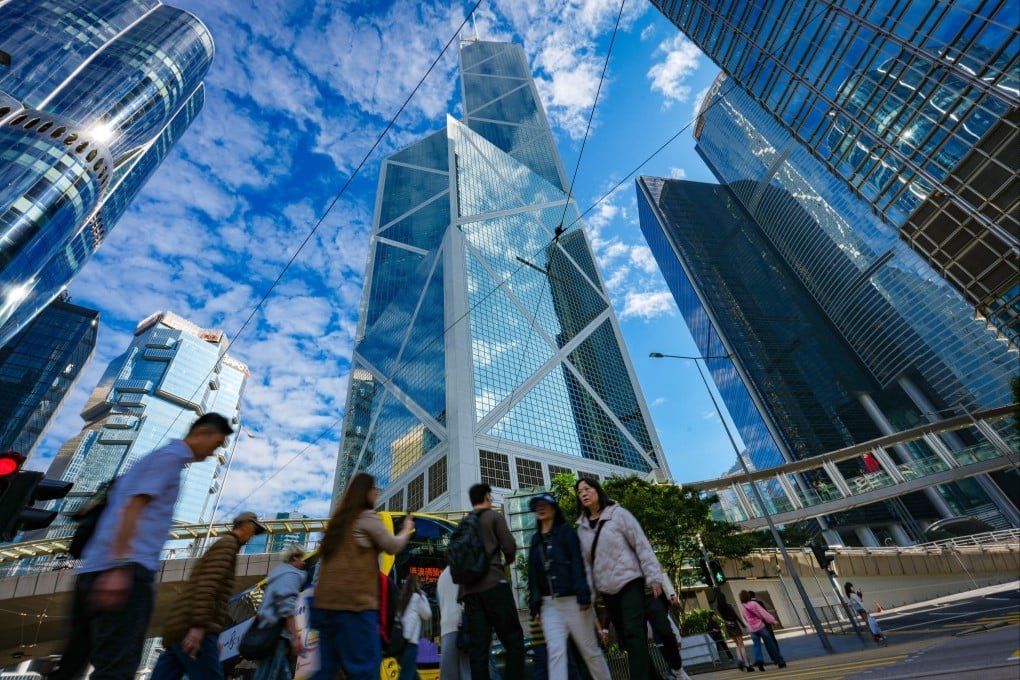
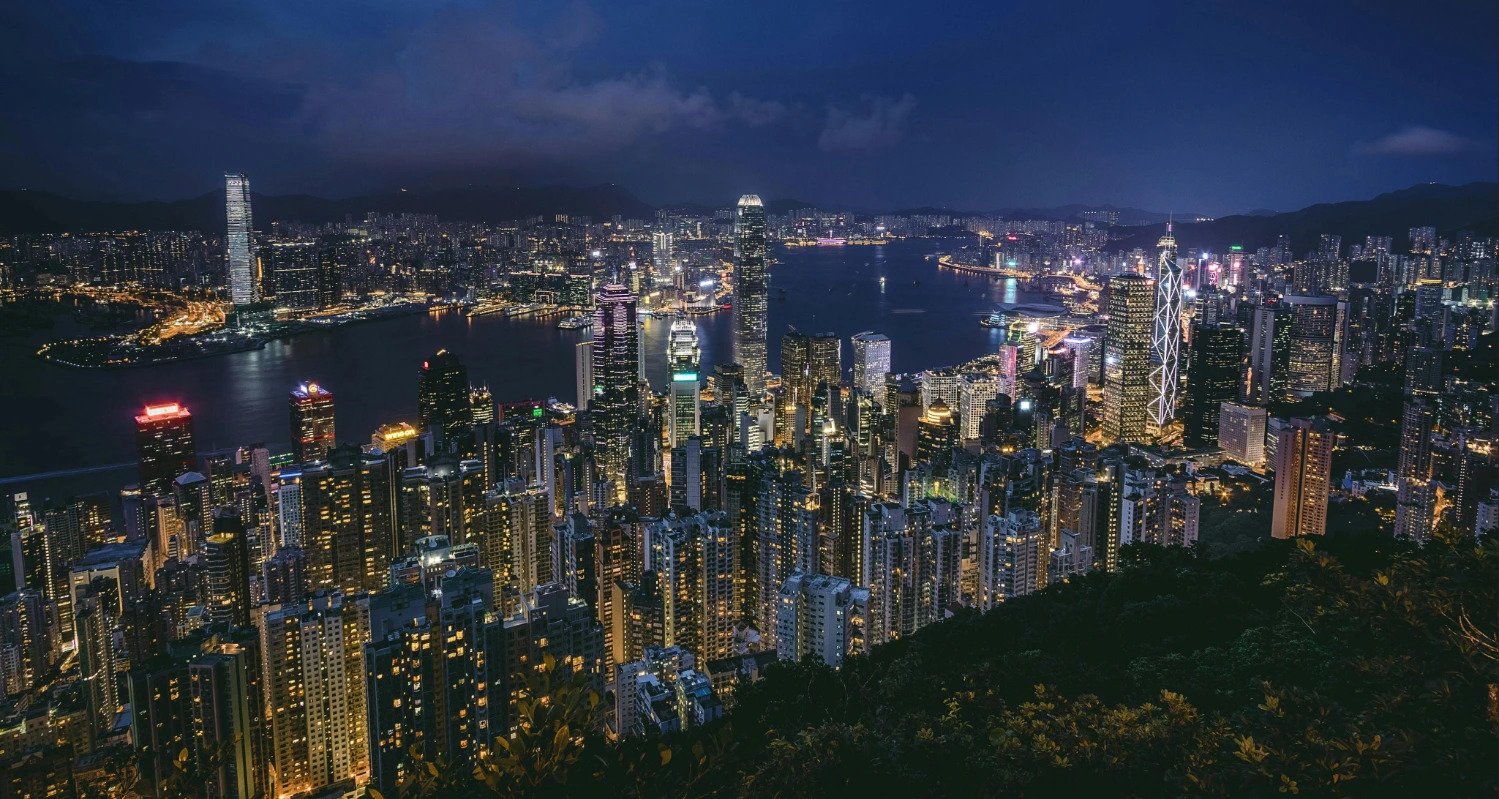
The rally in the London-listed property developer comes against a backdrop of improving sentiment toward Asian commercial real estate, particularly in key markets such as Hong Kong and Singapore where the group maintains substantial prime assets.
Market participants point to a combination of factors behind the advance, including renewed confidence in regional office demand, signs of stabilisation in property valuations and expectations that interest rate pressures may ease over the coming quarters.
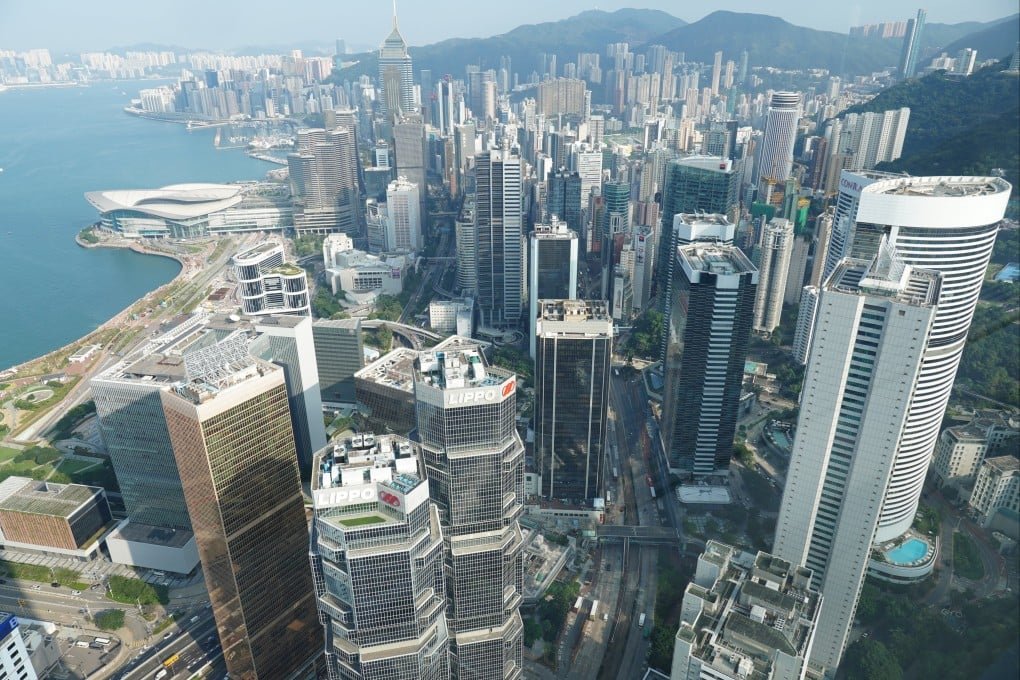
Hongkong Land, which is majority-owned by Jardine Matheson, has long been regarded as a bellwether for the health of Hong Kong’s Central district office market.
Any improvement in leasing activity or rental outlook tends to have an outsized impact on investor perception of the stock.
Recent corporate updates have highlighted efforts to strengthen balance sheet resilience, manage debt prudently and maintain occupancy across its premium portfolio.
Investors are also closely watching capital allocation decisions, including potential asset disposals, redevelopment projects and shareholder returns.
A sustained rebound in commercial property transactions across Asia has further supported optimism that asset values may have reached cyclical lows.
Despite the sharp move higher, analysts remain divided over whether the rally represents the beginning of a broader re-rating or a short-term reaction to improving macroeconomic signals.
Some argue that Hongkong Land continues to trade at a discount to its underlying net asset value, suggesting room for appreciation if rental markets firm and financing conditions improve.
Others caution that structural shifts in office usage, geopolitical uncertainty and mainland China’s economic trajectory could continue to weigh on demand.
The 15.5% gain has nevertheless drawn renewed attention to the stock, particularly among value-oriented investors seeking exposure to prime Asian real estate at what they view as depressed valuations.
As the property cycle shows tentative signs of stabilisation, the coming earnings updates and leasing data will likely determine whether the latest rally proves durable.
The rally in the London-listed property developer comes against a backdrop of improving sentiment toward Asian commercial real estate, particularly in key markets such as Hong Kong and Singapore where the group maintains substantial prime assets.
Market participants point to a combination of factors behind the advance, including renewed confidence in regional office demand, signs of stabilisation in property valuations and expectations that interest rate pressures may ease over the coming quarters.
Hongkong Land, which is majority-owned by Jardine Matheson, has long been regarded as a bellwether for the health of Hong Kong’s Central district office market.
Any improvement in leasing activity or rental outlook tends to have an outsized impact on investor perception of the stock.
Recent corporate updates have highlighted efforts to strengthen balance sheet resilience, manage debt prudently and maintain occupancy across its premium portfolio.
Investors are also closely watching capital allocation decisions, including potential asset disposals, redevelopment projects and shareholder returns.
A sustained rebound in commercial property transactions across Asia has further supported optimism that asset values may have reached cyclical lows.
Despite the sharp move higher, analysts remain divided over whether the rally represents the beginning of a broader re-rating or a short-term reaction to improving macroeconomic signals.
Some argue that Hongkong Land continues to trade at a discount to its underlying net asset value, suggesting room for appreciation if rental markets firm and financing conditions improve.
Others caution that structural shifts in office usage, geopolitical uncertainty and mainland China’s economic trajectory could continue to weigh on demand.
The 15.5% gain has nevertheless drawn renewed attention to the stock, particularly among value-oriented investors seeking exposure to prime Asian real estate at what they view as depressed valuations.
As the property cycle shows tentative signs of stabilisation, the coming earnings updates and leasing data will likely determine whether the latest rally proves durable.