Safe-haven assets and digital dollar-pegged tokens draw renewed interest amid volatility in equities and property
Rising geopolitical tensions, shifting interest rate expectations and uneven recovery in key sectors have prompted a noticeable shift among Hong Kong investors toward perceived safe-haven assets, with both gold and stablecoins attracting heightened attention.
Spot gold prices have remained elevated in recent months, supported by global demand for assets traditionally viewed as stores of value during periods of uncertainty.
Local bullion dealers report steady retail interest, particularly among investors seeking diversification away from equities and property, two pillars of Hong Kong’s wealth base that have experienced bouts of volatility.
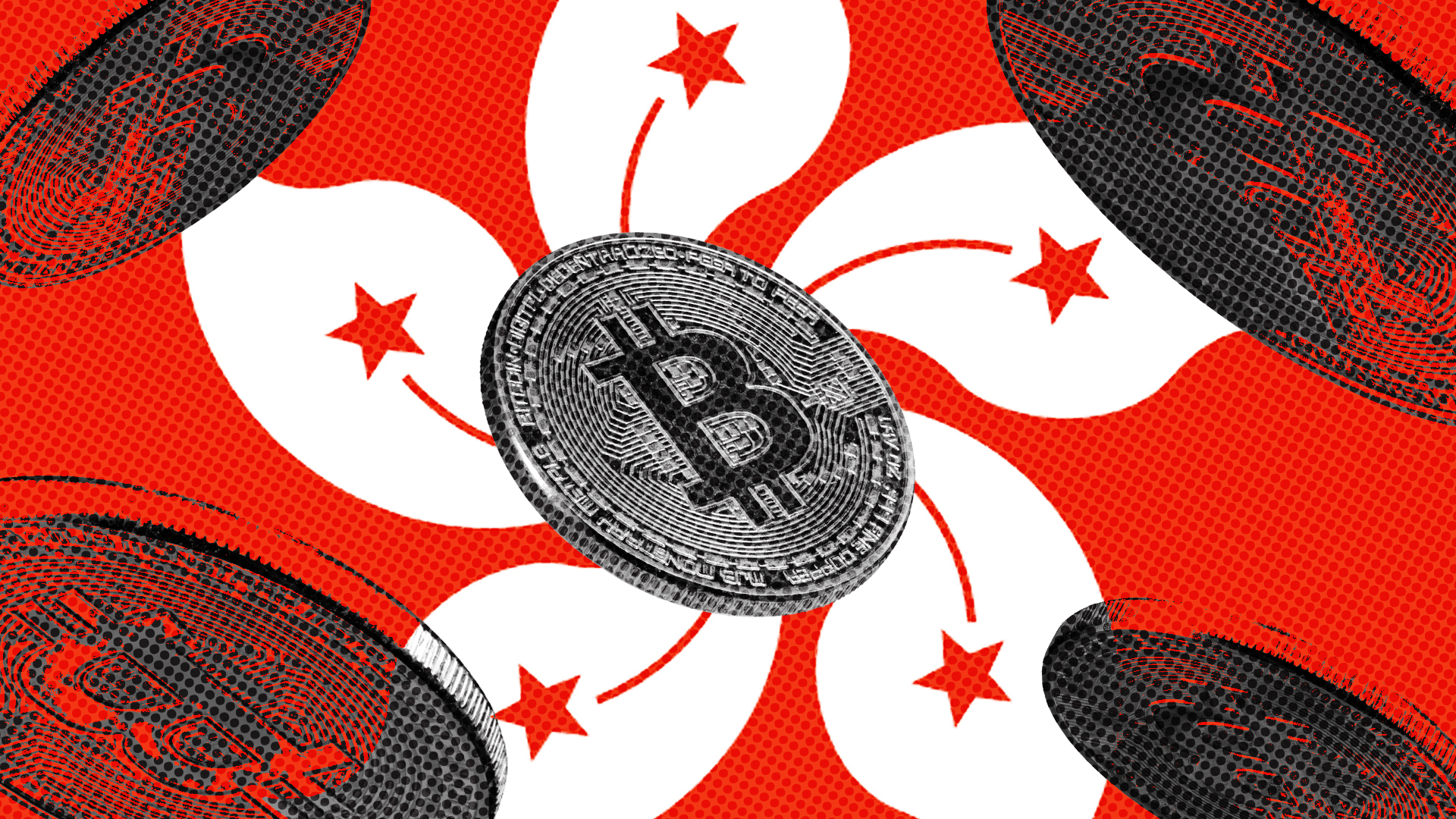
At the same time, stablecoins — digital tokens pegged to fiat currencies such as the U.S. dollar — are increasingly part of the city’s financial conversation.
Market participants say demand has grown among tech-savvy investors looking for liquidity and currency exposure without direct participation in cryptocurrency price swings.
The appeal lies in their relative price stability compared with more volatile digital assets, as well as their utility in cross-border transactions.
Hong Kong’s authorities have been advancing a regulatory framework for stablecoin issuers, aiming to position the city as a credible and well-supervised digital asset hub.
Policymakers argue that clear licensing requirements and reserve standards can mitigate risks while encouraging innovation in financial technology.
Industry observers note that regulatory clarity has become a decisive factor for institutional participants evaluating digital asset exposure.
The parallel rise of gold and stablecoins reflects a broader recalibration of risk appetite.
While gold represents a centuries-old hedge against inflation and currency weakness, stablecoins symbolize a modern evolution of cash management within digital ecosystems.
Both instruments serve, in different ways, as responses to uncertainty in traditional markets.
Analysts caution that neither asset class is immune to risk.
Gold prices can fluctuate with shifts in monetary policy and investor sentiment, while stablecoins depend on the credibility of their backing reserves and regulatory oversight.
Yet the growing prominence of both in Hong Kong’s market landscape underscores how investors are blending traditional and digital strategies to navigate an increasingly complex financial environment.
Spot gold prices have remained elevated in recent months, supported by global demand for assets traditionally viewed as stores of value during periods of uncertainty.
Local bullion dealers report steady retail interest, particularly among investors seeking diversification away from equities and property, two pillars of Hong Kong’s wealth base that have experienced bouts of volatility.
At the same time, stablecoins — digital tokens pegged to fiat currencies such as the U.S. dollar — are increasingly part of the city’s financial conversation.
Market participants say demand has grown among tech-savvy investors looking for liquidity and currency exposure without direct participation in cryptocurrency price swings.
The appeal lies in their relative price stability compared with more volatile digital assets, as well as their utility in cross-border transactions.
Hong Kong’s authorities have been advancing a regulatory framework for stablecoin issuers, aiming to position the city as a credible and well-supervised digital asset hub.
Policymakers argue that clear licensing requirements and reserve standards can mitigate risks while encouraging innovation in financial technology.
Industry observers note that regulatory clarity has become a decisive factor for institutional participants evaluating digital asset exposure.
The parallel rise of gold and stablecoins reflects a broader recalibration of risk appetite.
While gold represents a centuries-old hedge against inflation and currency weakness, stablecoins symbolize a modern evolution of cash management within digital ecosystems.
Both instruments serve, in different ways, as responses to uncertainty in traditional markets.
Analysts caution that neither asset class is immune to risk.
Gold prices can fluctuate with shifts in monetary policy and investor sentiment, while stablecoins depend on the credibility of their backing reserves and regulatory oversight.
Yet the growing prominence of both in Hong Kong’s market landscape underscores how investors are blending traditional and digital strategies to navigate an increasingly complex financial environment.