New analysis shows nineteen cities have reduced key pollutants by over twenty percent through targeted policies and clean transport initiatives
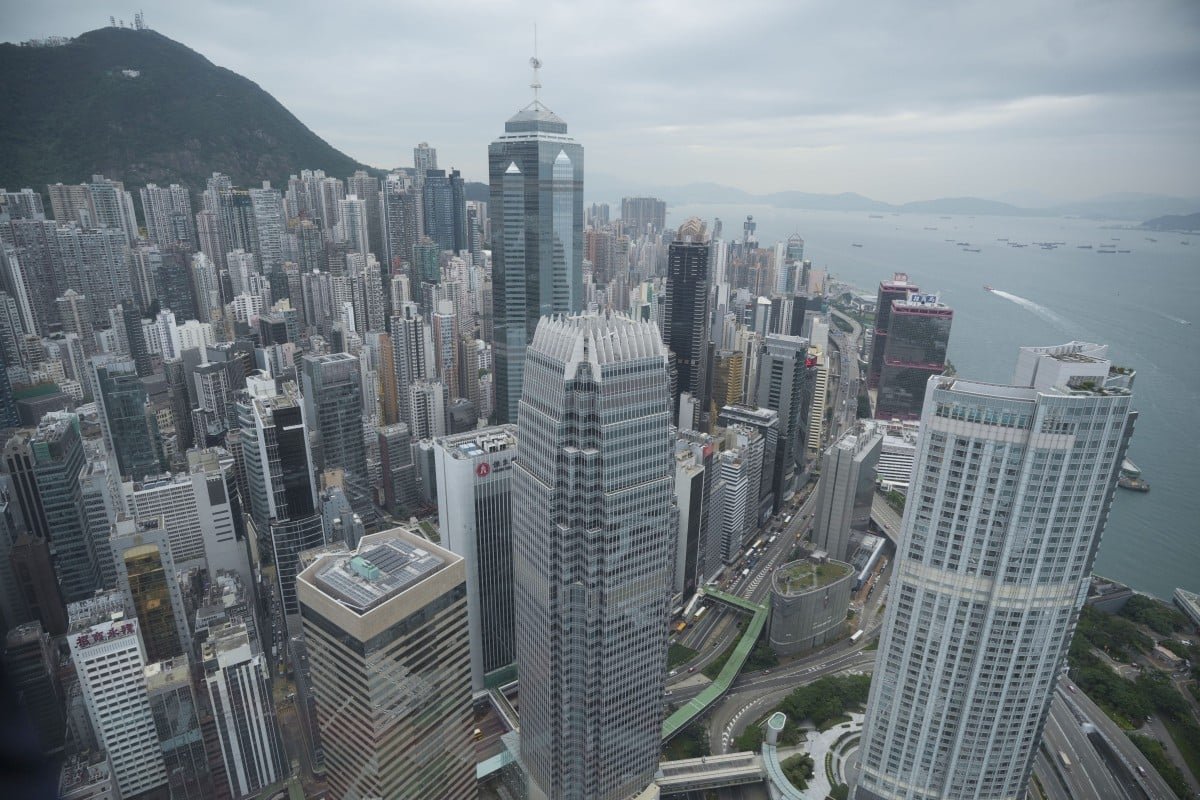
A group of nineteen major cities, including London, San Francisco and Hong Kong, has achieved significant progress in reducing air pollution, marking a notable shift in global urban environmental performance.
The findings, based on an analysis of nearly one hundred cities worldwide, show that these urban centres have cut levels of two major harmful pollutants—fine particulate matter and nitrogen dioxide—by more than twenty percent since 2010. In several cases, reductions have been even more pronounced, with some cities recording declines of over forty percent.
The improvements are closely linked to sustained policy efforts aimed at transforming urban transport and reducing emissions.
Measures such as expanding cycling infrastructure, accelerating the adoption of electric vehicles, and restricting access for highly polluting vehicles have played a central role in driving the progress.
These interventions have targeted the primary sources of urban air pollution, delivering measurable gains in air quality and public health.
Cities in China and Hong Kong account for a substantial portion of those achieving the strongest results, reflecting coordinated policy implementation and investment in cleaner technologies.
European cities also feature prominently, demonstrating the effectiveness of regulatory frameworks and long-term environmental planning.
Among the standout performers, Beijing and Warsaw have achieved some of the largest reductions in fine particulate pollution, cutting levels by more than forty-five percent.
Amsterdam and Rotterdam have recorded similarly strong progress in reducing nitrogen dioxide concentrations.
San Francisco stands out as the only United States city to meet the threshold for substantial reductions in both pollutants.
The analysis underscores that sustained political commitment and targeted urban policies can deliver rapid and meaningful improvements in air quality.
Experts note that these results challenge long-held assumptions that air pollution in large cities is intractable, instead showing that coordinated action can significantly reduce exposure to harmful pollutants within little more than a decade.
The findings carry important implications for cities worldwide, offering a practical roadmap for addressing air pollution through policy innovation, infrastructure investment, and technological adoption.
As urban populations continue to grow, the experience of these nineteen cities demonstrates that cleaner air is an achievable goal when environmental priorities are integrated into long-term planning.
The findings, based on an analysis of nearly one hundred cities worldwide, show that these urban centres have cut levels of two major harmful pollutants—fine particulate matter and nitrogen dioxide—by more than twenty percent since 2010. In several cases, reductions have been even more pronounced, with some cities recording declines of over forty percent.
The improvements are closely linked to sustained policy efforts aimed at transforming urban transport and reducing emissions.
Measures such as expanding cycling infrastructure, accelerating the adoption of electric vehicles, and restricting access for highly polluting vehicles have played a central role in driving the progress.
These interventions have targeted the primary sources of urban air pollution, delivering measurable gains in air quality and public health.
Cities in China and Hong Kong account for a substantial portion of those achieving the strongest results, reflecting coordinated policy implementation and investment in cleaner technologies.
European cities also feature prominently, demonstrating the effectiveness of regulatory frameworks and long-term environmental planning.
Among the standout performers, Beijing and Warsaw have achieved some of the largest reductions in fine particulate pollution, cutting levels by more than forty-five percent.
Amsterdam and Rotterdam have recorded similarly strong progress in reducing nitrogen dioxide concentrations.
San Francisco stands out as the only United States city to meet the threshold for substantial reductions in both pollutants.
The analysis underscores that sustained political commitment and targeted urban policies can deliver rapid and meaningful improvements in air quality.
Experts note that these results challenge long-held assumptions that air pollution in large cities is intractable, instead showing that coordinated action can significantly reduce exposure to harmful pollutants within little more than a decade.
The findings carry important implications for cities worldwide, offering a practical roadmap for addressing air pollution through policy innovation, infrastructure investment, and technological adoption.
As urban populations continue to grow, the experience of these nineteen cities demonstrates that cleaner air is an achievable goal when environmental priorities are integrated into long-term planning.