John Lee highlights city’s stability and financial strength as investors seek secure destinations amid geopolitical turbulence
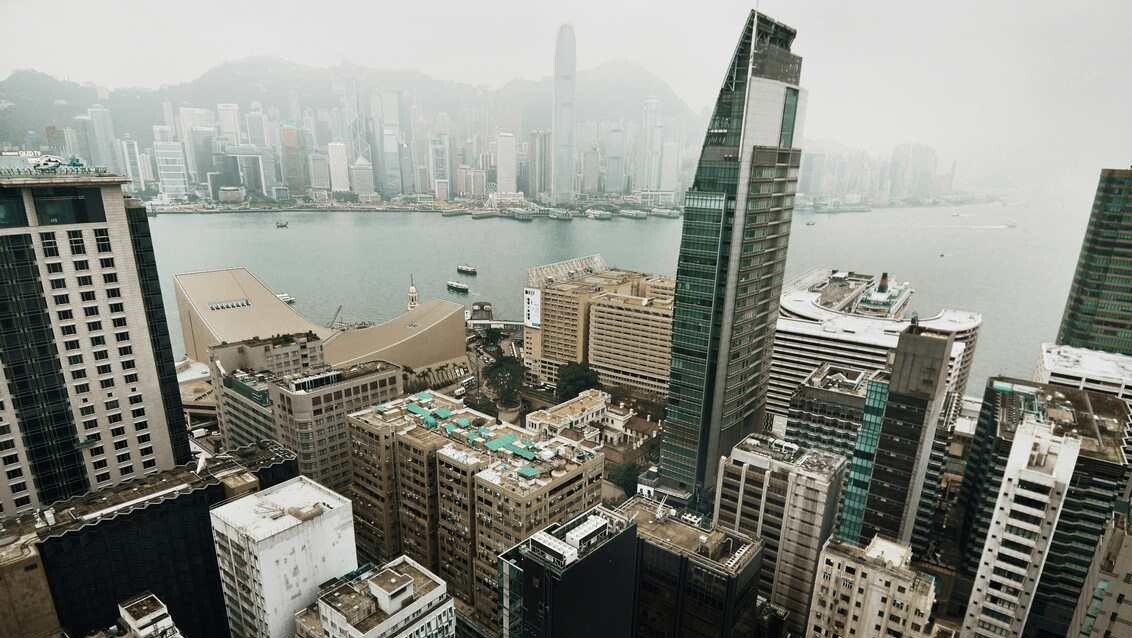
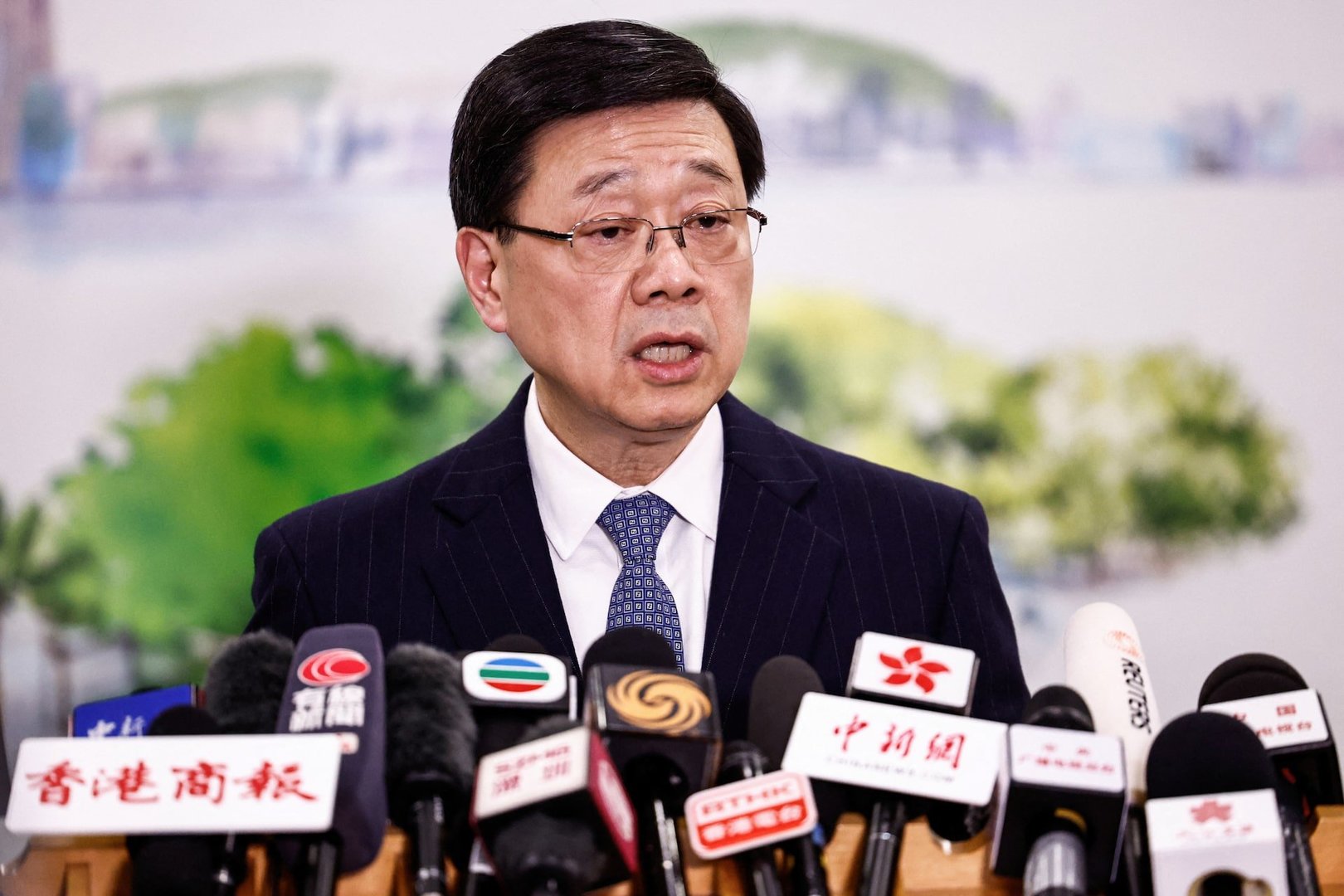
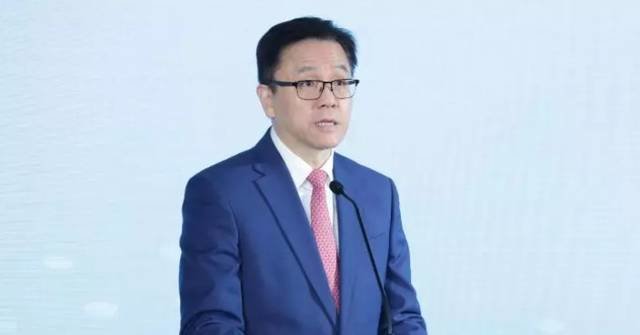
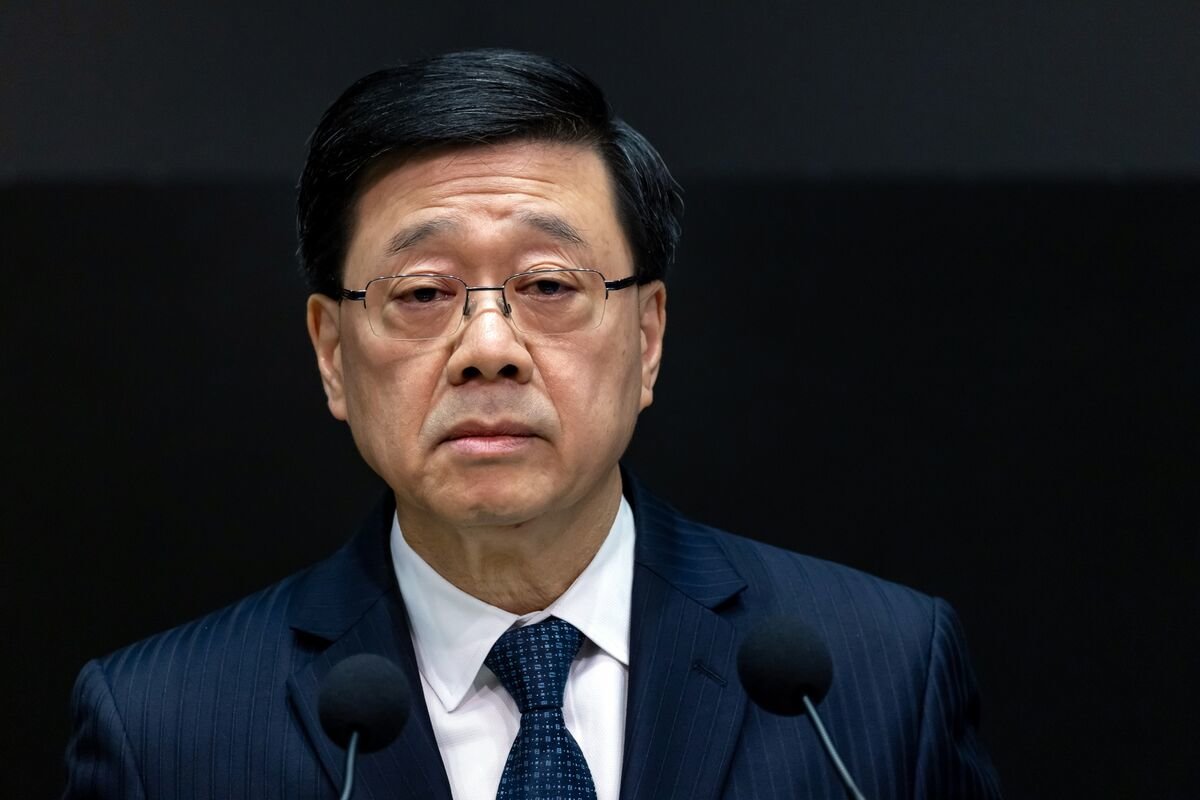
Hong Kong’s Chief Executive John Lee has indicated that the ongoing conflict in the Middle East could lead to increased capital inflows into the city, as global investors reassess risk and prioritise stability in an increasingly uncertain environment.
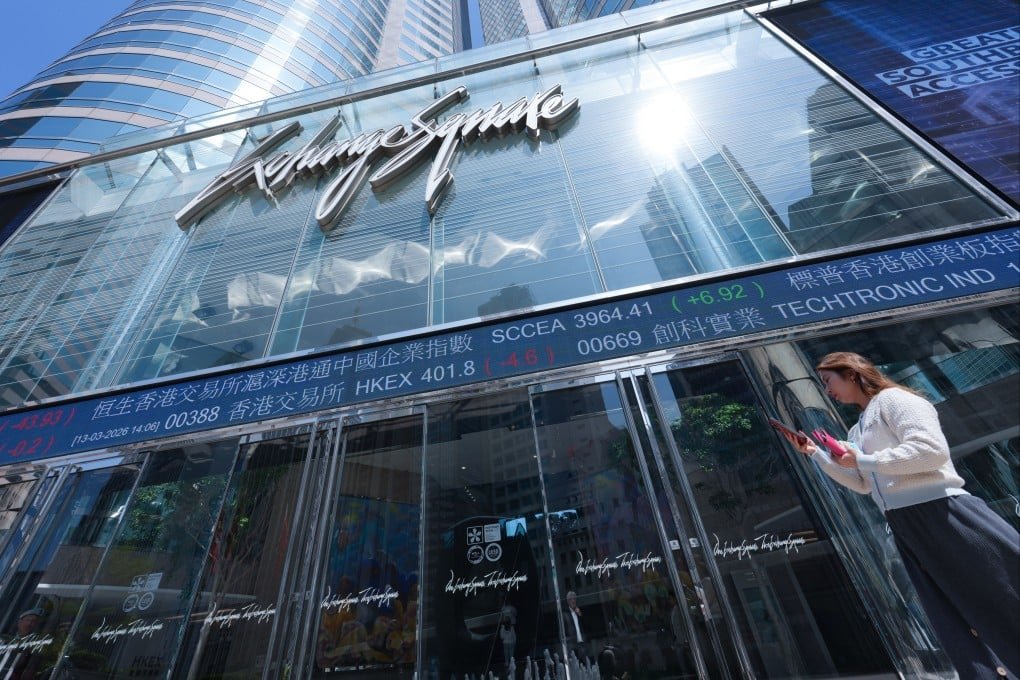
Speaking amid heightened geopolitical tensions and market volatility, Lee acknowledged that the conflict has triggered short-term disruptions, including surging oil prices and fluctuations in global financial markets.
However, he emphasised that over the longer term, such instability is likely to reinforce Hong Kong’s position as a reliable and well-regulated international financial centre.
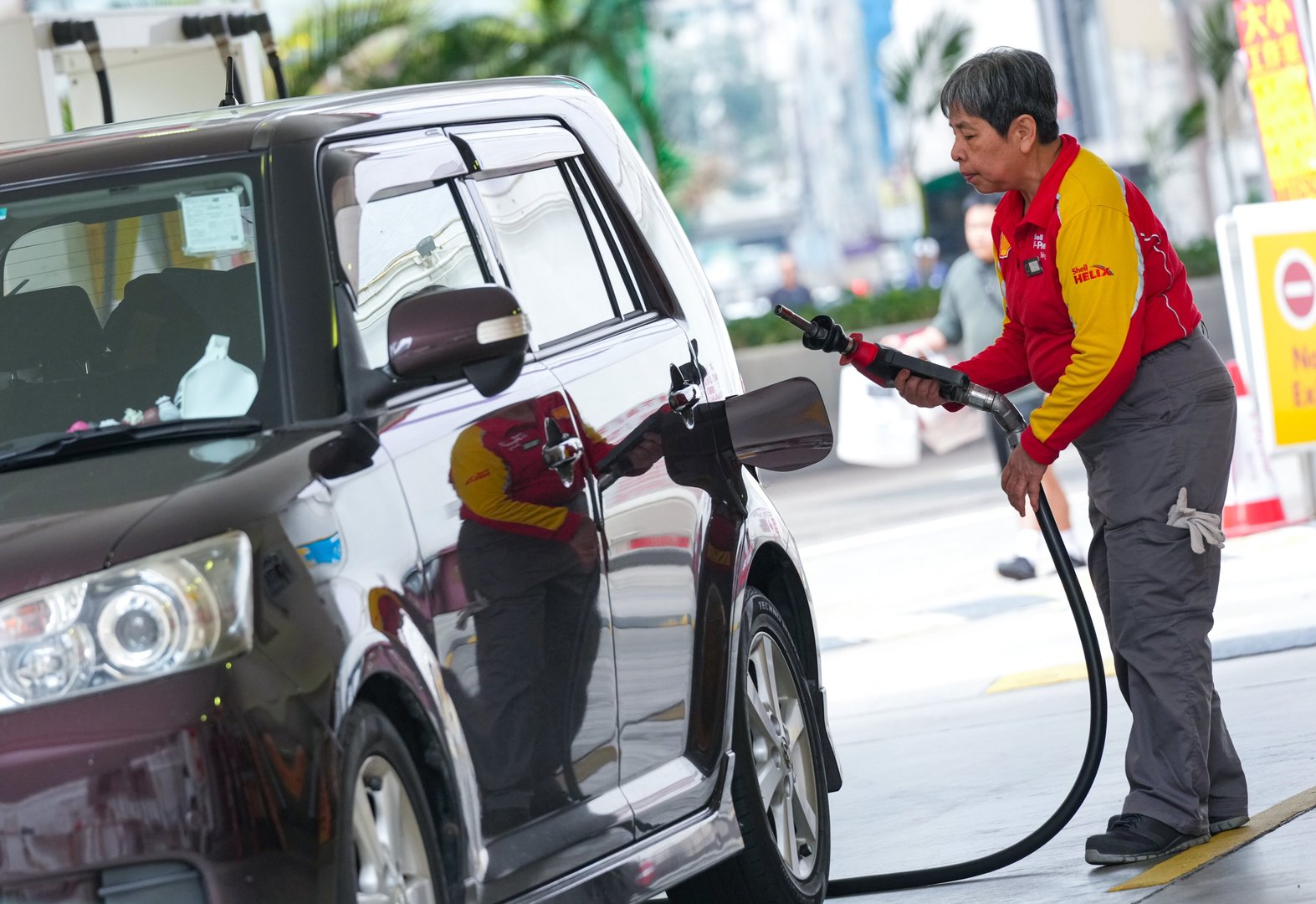
The conflict, which has disrupted key energy routes and driven crude oil prices sharply higher, has contributed to a broader shift in investor behaviour.
Funds previously directed toward Middle Eastern markets are now being reconsidered, with diversification and capital preservation becoming central concerns for global asset managers.
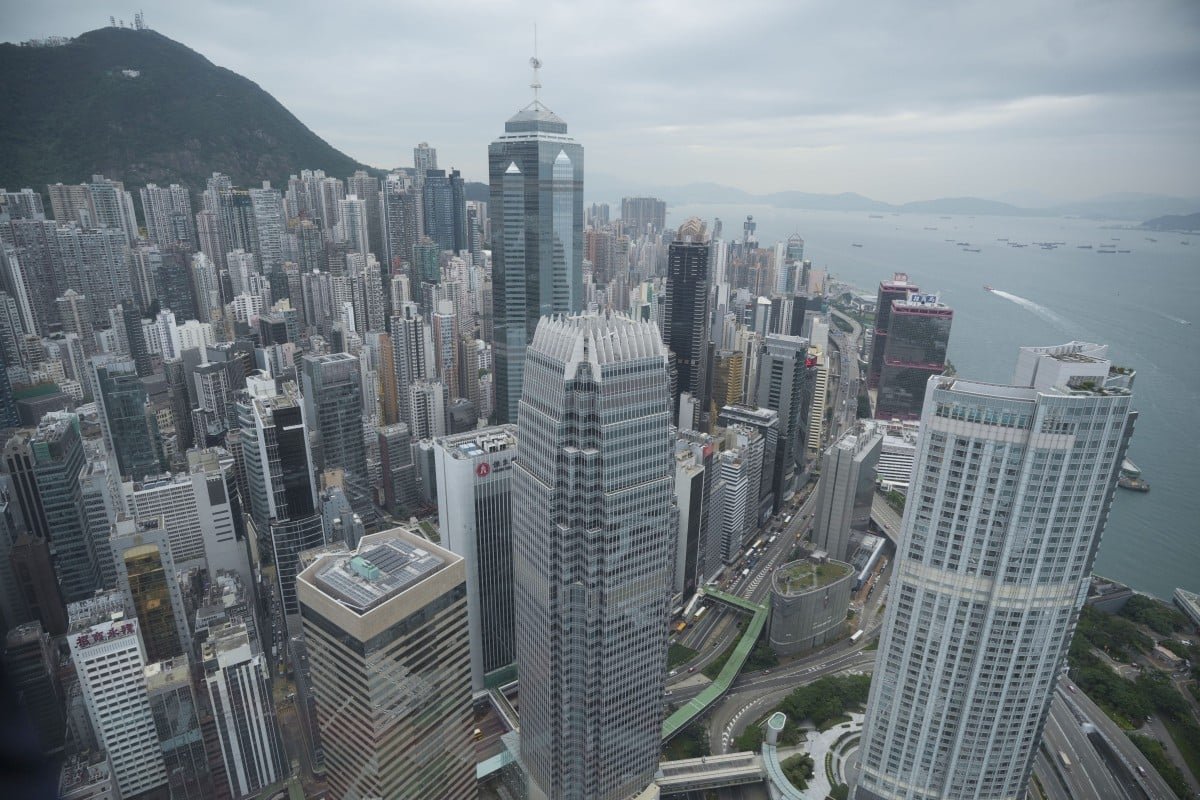
Hong Kong authorities have pointed to the city’s institutional strengths, including its transparent legal system, deep capital markets, and established regulatory framework, as key factors attracting renewed interest.
Financial officials have reported an increase in inquiries from international investors, particularly in wealth management and family office services, as firms explore relocating assets and operations to more stable jurisdictions.
The government has also reiterated its commitment to maintaining orderly market conditions during periods of volatility, ensuring that trading, clearing and price discovery mechanisms continue to function smoothly.
Officials have stressed that the city remains well-prepared to manage external shocks while supporting the efficient flow of capital.
Beyond immediate market movements, the situation is being viewed as part of a broader realignment of global capital flows, with Hong Kong positioned to benefit from its role as a gateway between China and international markets.
Policymakers have suggested that the city’s ability to offer diversification, connectivity and financial depth will remain central to its appeal in a shifting geopolitical landscape.
While acknowledging the risks posed by prolonged conflict, including inflationary pressures and market uncertainty, Lee’s assessment reflects a confident outlook that Hong Kong’s stability and financial infrastructure will continue to attract international capital in the months ahead.
Speaking amid heightened geopolitical tensions and market volatility, Lee acknowledged that the conflict has triggered short-term disruptions, including surging oil prices and fluctuations in global financial markets.
However, he emphasised that over the longer term, such instability is likely to reinforce Hong Kong’s position as a reliable and well-regulated international financial centre.
The conflict, which has disrupted key energy routes and driven crude oil prices sharply higher, has contributed to a broader shift in investor behaviour.
Funds previously directed toward Middle Eastern markets are now being reconsidered, with diversification and capital preservation becoming central concerns for global asset managers.
Hong Kong authorities have pointed to the city’s institutional strengths, including its transparent legal system, deep capital markets, and established regulatory framework, as key factors attracting renewed interest.
Financial officials have reported an increase in inquiries from international investors, particularly in wealth management and family office services, as firms explore relocating assets and operations to more stable jurisdictions.
The government has also reiterated its commitment to maintaining orderly market conditions during periods of volatility, ensuring that trading, clearing and price discovery mechanisms continue to function smoothly.
Officials have stressed that the city remains well-prepared to manage external shocks while supporting the efficient flow of capital.
Beyond immediate market movements, the situation is being viewed as part of a broader realignment of global capital flows, with Hong Kong positioned to benefit from its role as a gateway between China and international markets.
Policymakers have suggested that the city’s ability to offer diversification, connectivity and financial depth will remain central to its appeal in a shifting geopolitical landscape.
While acknowledging the risks posed by prolonged conflict, including inflationary pressures and market uncertainty, Lee’s assessment reflects a confident outlook that Hong Kong’s stability and financial infrastructure will continue to attract international capital in the months ahead.