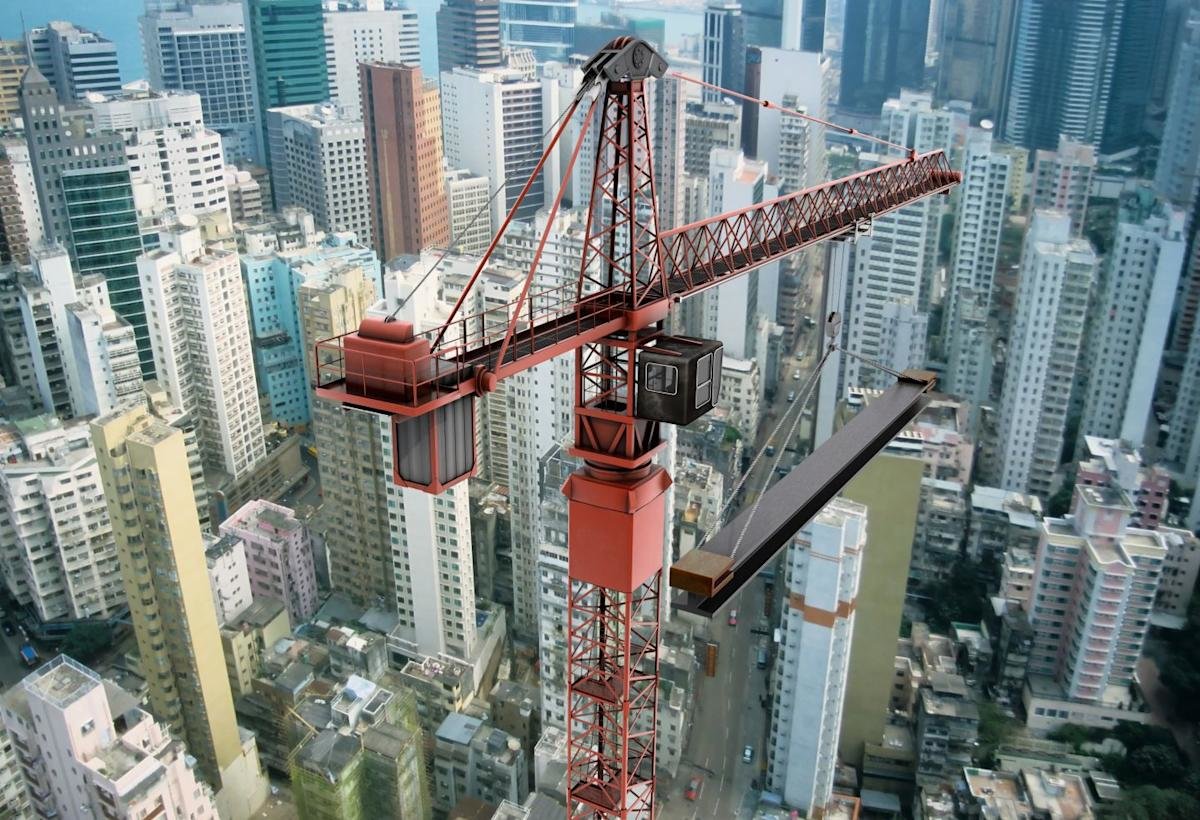
Capital expenditure set to rise by 8.6 percent as authorities prioritise long-term development and economic stability
Hong Kong has announced its fiscal year 2026–27 budget, outlining an 8.6 percent increase in capital expenditure as the government intensifies investment in infrastructure and long-term economic development.
The budget reflects a strategic focus on sustaining growth momentum while addressing structural challenges in the city’s economy.
Authorities have signalled that higher capital spending will be directed towards major infrastructure projects, innovation initiatives, and urban development, reinforcing Hong Kong’s position as a leading international financial and commercial centre.
Economic projections accompanying the budget indicate that Hong Kong’s economy is expected to expand by between 2.5 percent and 3.5 percent in 2026, supported by continued investment and gradual recovery in key sectors.
The government has emphasised that infrastructure development will play a central role in driving economic resilience and enhancing competitiveness.
The increase in capital expenditure comes amid ongoing efforts to balance public finances, with officials maintaining a measured approach to fiscal management.
While the city continues to navigate external uncertainties, including shifts in global demand and regional economic conditions, policymakers have prioritised targeted spending to stimulate productivity and support strategic industries.
Investment is expected to focus on transport networks, land development, and technology-driven sectors, aligning with broader policy goals to modernise the economy and attract international capital.
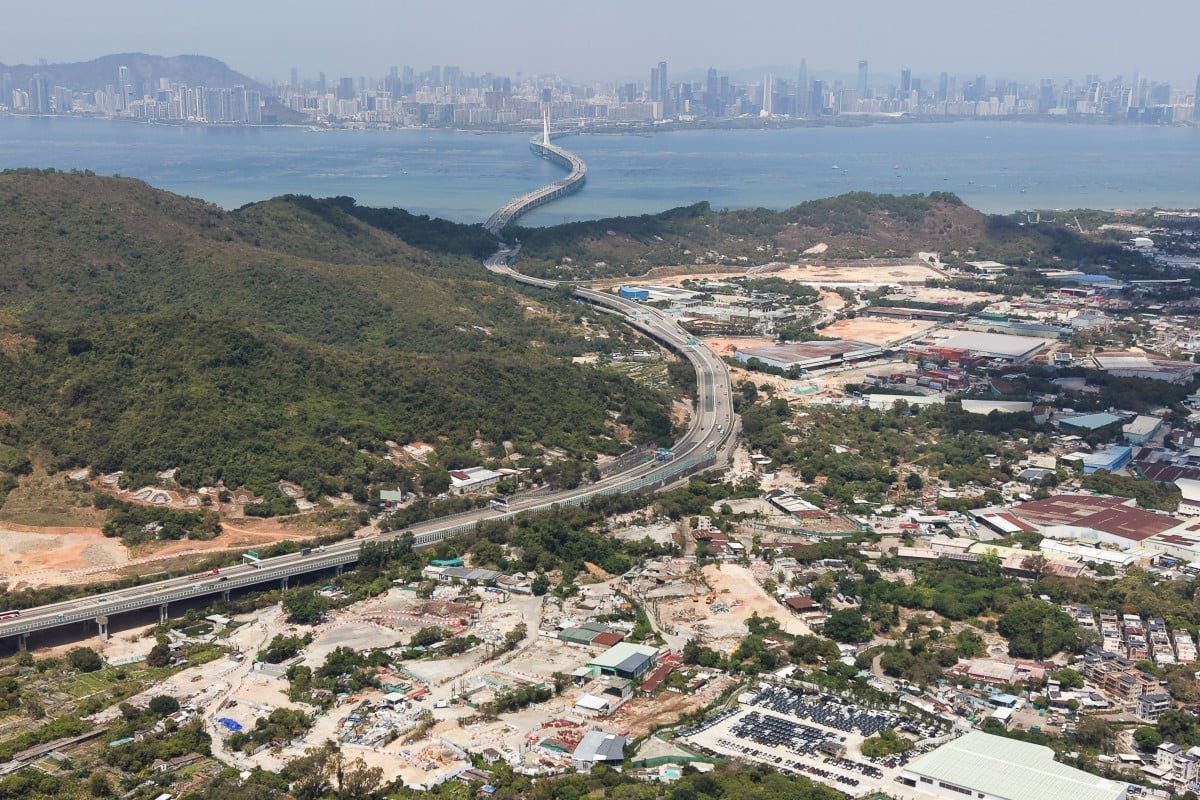
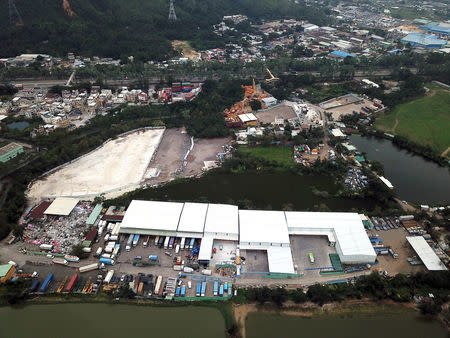
Large-scale projects already underway, including new urban districts and major facilities, are set to benefit from sustained funding under the new budget framework.
Officials have reiterated their commitment to maintaining fiscal discipline while ensuring that essential investments continue, describing the budget as a forward-looking plan designed to secure Hong Kong’s long-term prosperity.
The emphasis on capital expenditure underscores a broader policy direction aimed at strengthening infrastructure foundations and supporting future growth.
The announcement reinforces Hong Kong’s intent to remain a dynamic and globally connected economy, with public investment playing a pivotal role in shaping its next phase of development.
The budget reflects a strategic focus on sustaining growth momentum while addressing structural challenges in the city’s economy.
Authorities have signalled that higher capital spending will be directed towards major infrastructure projects, innovation initiatives, and urban development, reinforcing Hong Kong’s position as a leading international financial and commercial centre.
Economic projections accompanying the budget indicate that Hong Kong’s economy is expected to expand by between 2.5 percent and 3.5 percent in 2026, supported by continued investment and gradual recovery in key sectors.
The government has emphasised that infrastructure development will play a central role in driving economic resilience and enhancing competitiveness.
The increase in capital expenditure comes amid ongoing efforts to balance public finances, with officials maintaining a measured approach to fiscal management.
While the city continues to navigate external uncertainties, including shifts in global demand and regional economic conditions, policymakers have prioritised targeted spending to stimulate productivity and support strategic industries.
Investment is expected to focus on transport networks, land development, and technology-driven sectors, aligning with broader policy goals to modernise the economy and attract international capital.
Large-scale projects already underway, including new urban districts and major facilities, are set to benefit from sustained funding under the new budget framework.
Officials have reiterated their commitment to maintaining fiscal discipline while ensuring that essential investments continue, describing the budget as a forward-looking plan designed to secure Hong Kong’s long-term prosperity.
The emphasis on capital expenditure underscores a broader policy direction aimed at strengthening infrastructure foundations and supporting future growth.
The announcement reinforces Hong Kong’s intent to remain a dynamic and globally connected economy, with public investment playing a pivotal role in shaping its next phase of development.