Rising crude prices and supply disruptions threaten inflation, consumer costs, and economic stability in import-dependent city
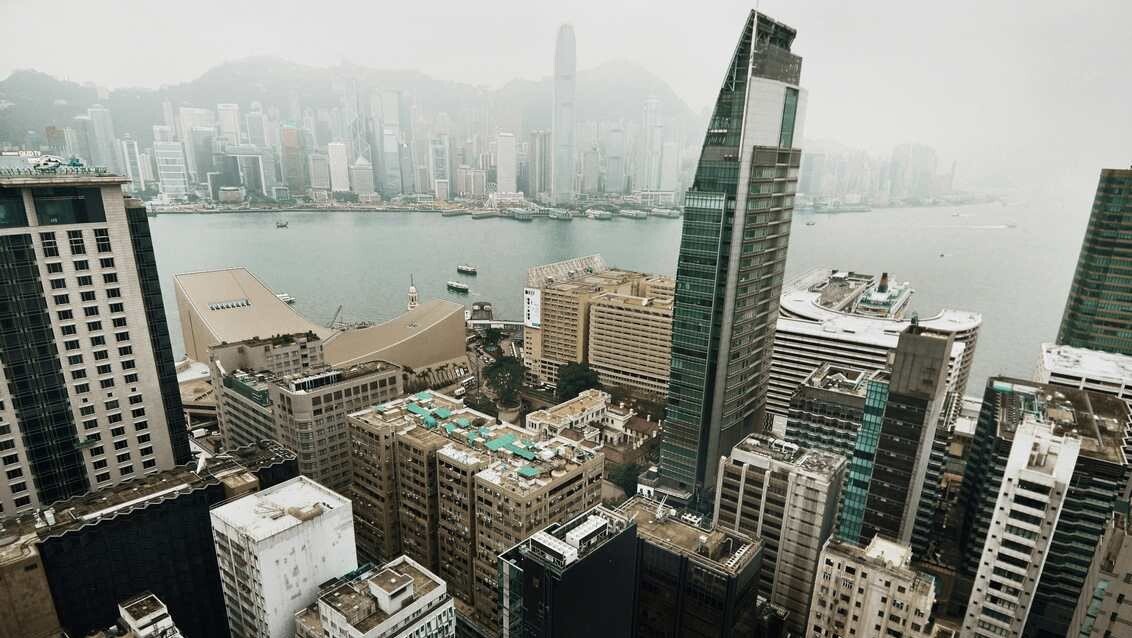
Hong Kong is preparing for significant economic pressure as the escalating conflict in the Middle East sends shockwaves through global energy markets, driving oil prices higher and increasing volatility across Asia.
The disruption stems largely from instability in the Strait of Hormuz, a critical shipping route through which roughly one-fifth of the world’s oil normally flows.
Ongoing military activity and attacks on energy infrastructure have sharply reduced supply, pushing crude prices above one hundred dollars per barrel and, in some cases, significantly higher in physical markets.
For Hong Kong, which relies entirely on imported fuel, the consequences are expected to be immediate and far-reaching.
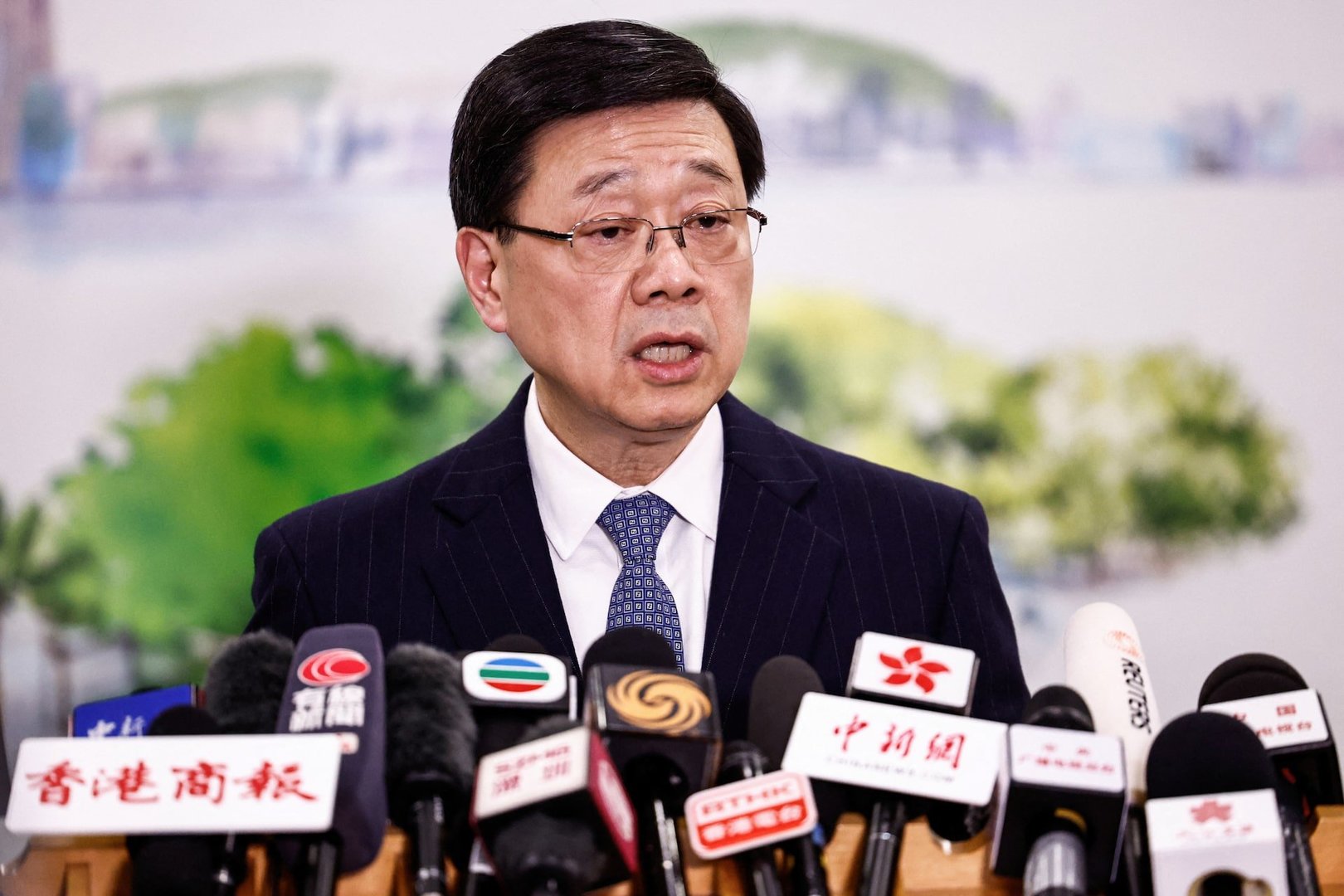
Authorities have begun engaging with major oil suppliers to monitor pricing behaviour and ensure stable supply, amid concerns that global price increases could be passed on quickly to local consumers.
Industry participants warn that transport operators and logistics providers may introduce surcharges to offset rising fuel costs, while households could face higher electricity bills and increased expenses for goods and services.
Early signs of pricing pressure have already sparked scrutiny over fuel pricing practices, with calls for greater transparency as global benchmarks fluctuate.
Economists caution that the broader impact extends beyond energy costs.
A prolonged conflict could fuel inflation across the city, driven by higher import prices and increased operating costs for businesses.
Given Hong Kong’s open economy and currency link to the US dollar, any rise in global interest rates in response to inflation could further tighten financial conditions and slow growth.
The volatility in oil markets is being amplified by the scale of the disruption, which analysts describe as one of the most severe in modern history.
Supply losses from the Gulf, combined with heightened geopolitical risk, have created sharp swings in pricing and uncertainty over future availability.
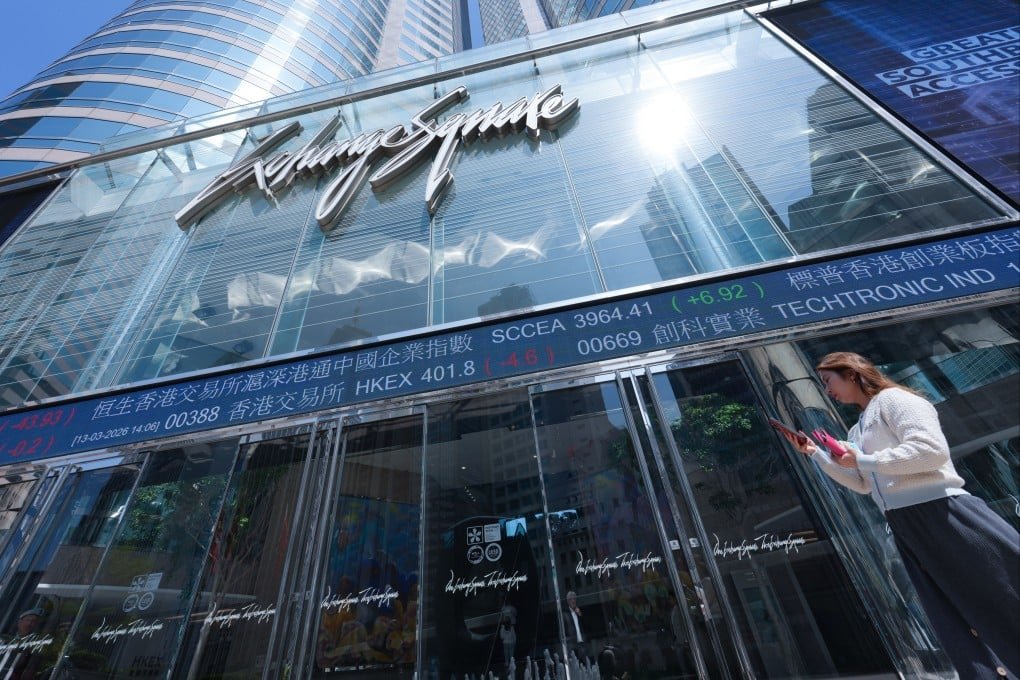
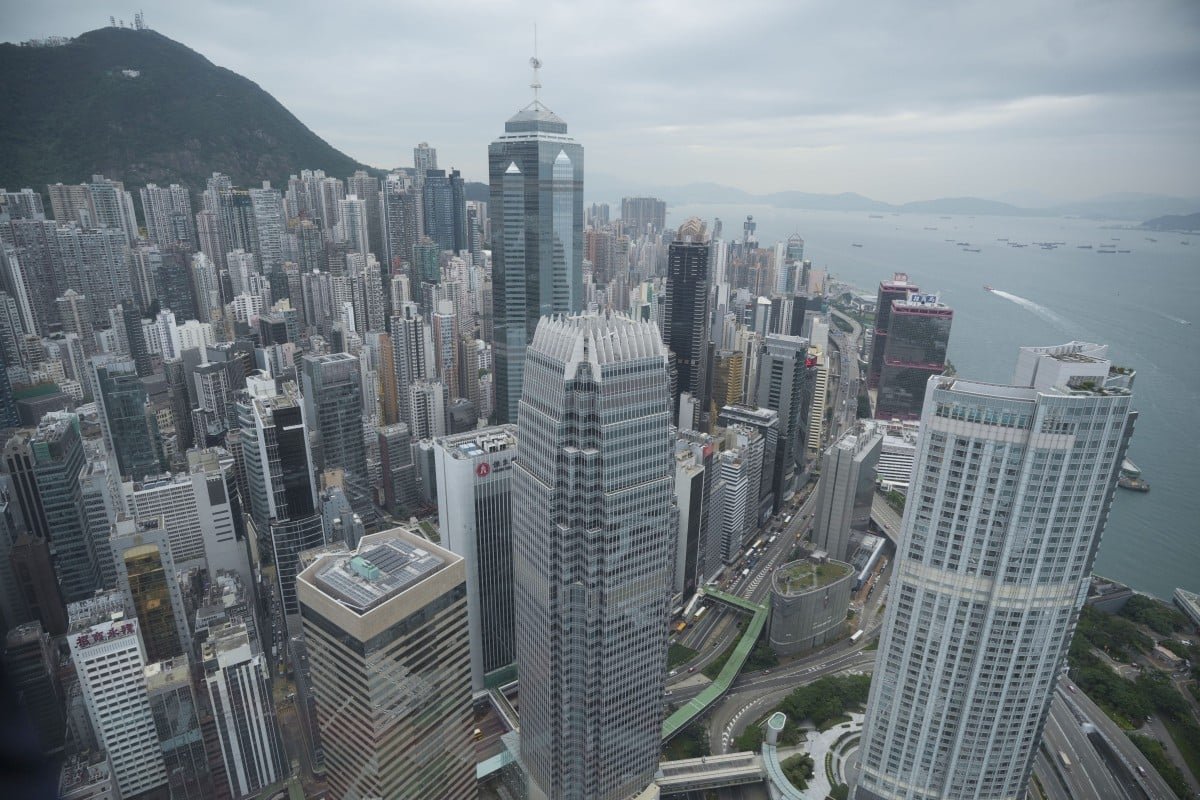
Despite these challenges, Hong Kong’s role as an international financial centre may offer some resilience, with continued capital inflows and strong market infrastructure providing a buffer against external shocks.
Nevertheless, the trajectory of the conflict remains the defining factor, with the duration and severity of supply disruptions set to determine the extent of the city’s economic exposure.
As global energy markets remain on edge, policymakers and businesses in Hong Kong are closely watching developments, preparing for a period of sustained volatility that could reshape costs and economic conditions in the months ahead.
The disruption stems largely from instability in the Strait of Hormuz, a critical shipping route through which roughly one-fifth of the world’s oil normally flows.
Ongoing military activity and attacks on energy infrastructure have sharply reduced supply, pushing crude prices above one hundred dollars per barrel and, in some cases, significantly higher in physical markets.
For Hong Kong, which relies entirely on imported fuel, the consequences are expected to be immediate and far-reaching.
Authorities have begun engaging with major oil suppliers to monitor pricing behaviour and ensure stable supply, amid concerns that global price increases could be passed on quickly to local consumers.
Industry participants warn that transport operators and logistics providers may introduce surcharges to offset rising fuel costs, while households could face higher electricity bills and increased expenses for goods and services.
Early signs of pricing pressure have already sparked scrutiny over fuel pricing practices, with calls for greater transparency as global benchmarks fluctuate.
Economists caution that the broader impact extends beyond energy costs.
A prolonged conflict could fuel inflation across the city, driven by higher import prices and increased operating costs for businesses.
Given Hong Kong’s open economy and currency link to the US dollar, any rise in global interest rates in response to inflation could further tighten financial conditions and slow growth.
The volatility in oil markets is being amplified by the scale of the disruption, which analysts describe as one of the most severe in modern history.
Supply losses from the Gulf, combined with heightened geopolitical risk, have created sharp swings in pricing and uncertainty over future availability.
Despite these challenges, Hong Kong’s role as an international financial centre may offer some resilience, with continued capital inflows and strong market infrastructure providing a buffer against external shocks.
Nevertheless, the trajectory of the conflict remains the defining factor, with the duration and severity of supply disruptions set to determine the extent of the city’s economic exposure.
As global energy markets remain on edge, policymakers and businesses in Hong Kong are closely watching developments, preparing for a period of sustained volatility that could reshape costs and economic conditions in the months ahead.