Regulators move to strengthen scrutiny of mainland firms using key route to Hong Kong listings following rapid deal expansion
Chinese authorities are moving to tighten control over a crucial offshore listing pathway used by mainland companies to raise capital in Hong Kong, following a sharp increase in deal activity that has raised concerns over quality and regulatory oversight.
The measures focus on the system that allows Chinese firms to pursue so-called H-share listings in Hong Kong, a channel that has become increasingly important as global capital markets shift and companies seek alternatives to Western exchanges.
Regulators are now examining stricter requirements for companies seeking approval, including higher compliance standards and potential thresholds tied to company size and valuation.
The renewed scrutiny comes after a significant rebound in Hong Kong’s initial public offering market, where fundraising volumes surged in 2025 and the city re-established itself as a leading global listing venue.
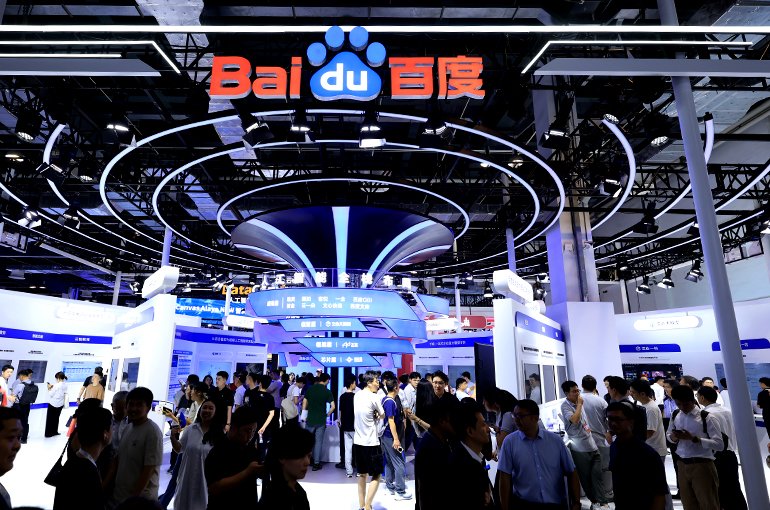
A wave of mainland firms, including technology and industrial groups aligned with national development priorities, has driven the increase in listings and capital raised.
Authorities are seeking to ensure that only high-quality issuers gain access to offshore capital, reflecting a broader policy direction aimed at strengthening financial stability while supporting long-term economic growth.
Among the options under consideration are tighter vetting procedures, more rigorous disclosure requirements, and closer examination of companies pursuing dual listings.
The move signals a calibrated approach by Beijing, balancing its support for international fundraising channels with a determination to uphold market integrity.
Officials have emphasised that the goal is not to restrict access to Hong Kong’s capital markets, but to enhance standards and reinforce investor confidence as the volume of deals expands.
Market participants view the development as part of a wider evolution of China’s capital market framework, in which offshore listings remain a strategic tool but are increasingly aligned with national regulatory priorities.
The adjustments are expected to reshape the pipeline of companies preparing for Hong Kong listings, favouring larger and more established groups capable of meeting the heightened requirements.
The measures focus on the system that allows Chinese firms to pursue so-called H-share listings in Hong Kong, a channel that has become increasingly important as global capital markets shift and companies seek alternatives to Western exchanges.
Regulators are now examining stricter requirements for companies seeking approval, including higher compliance standards and potential thresholds tied to company size and valuation.
The renewed scrutiny comes after a significant rebound in Hong Kong’s initial public offering market, where fundraising volumes surged in 2025 and the city re-established itself as a leading global listing venue.
A wave of mainland firms, including technology and industrial groups aligned with national development priorities, has driven the increase in listings and capital raised.
Authorities are seeking to ensure that only high-quality issuers gain access to offshore capital, reflecting a broader policy direction aimed at strengthening financial stability while supporting long-term economic growth.
Among the options under consideration are tighter vetting procedures, more rigorous disclosure requirements, and closer examination of companies pursuing dual listings.
The move signals a calibrated approach by Beijing, balancing its support for international fundraising channels with a determination to uphold market integrity.
Officials have emphasised that the goal is not to restrict access to Hong Kong’s capital markets, but to enhance standards and reinforce investor confidence as the volume of deals expands.
Market participants view the development as part of a wider evolution of China’s capital market framework, in which offshore listings remain a strategic tool but are increasingly aligned with national regulatory priorities.
The adjustments are expected to reshape the pipeline of companies preparing for Hong Kong listings, favouring larger and more established groups capable of meeting the heightened requirements.