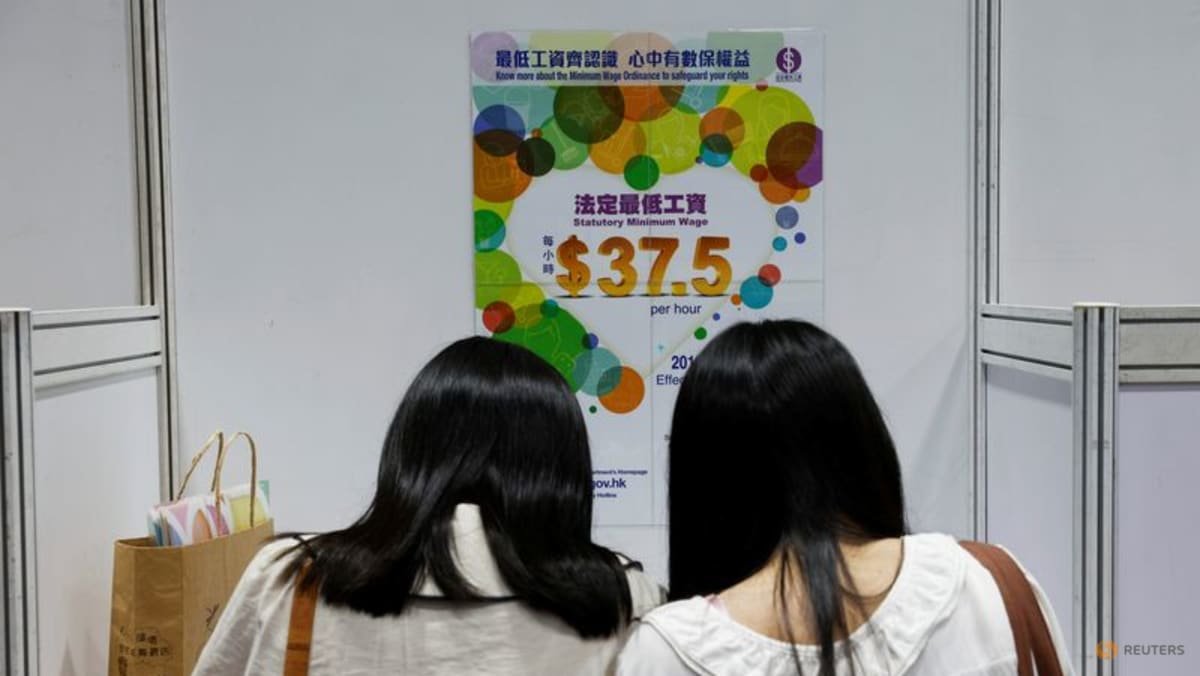
Latest data signals improving job conditions across key sectors amid continued economic recovery
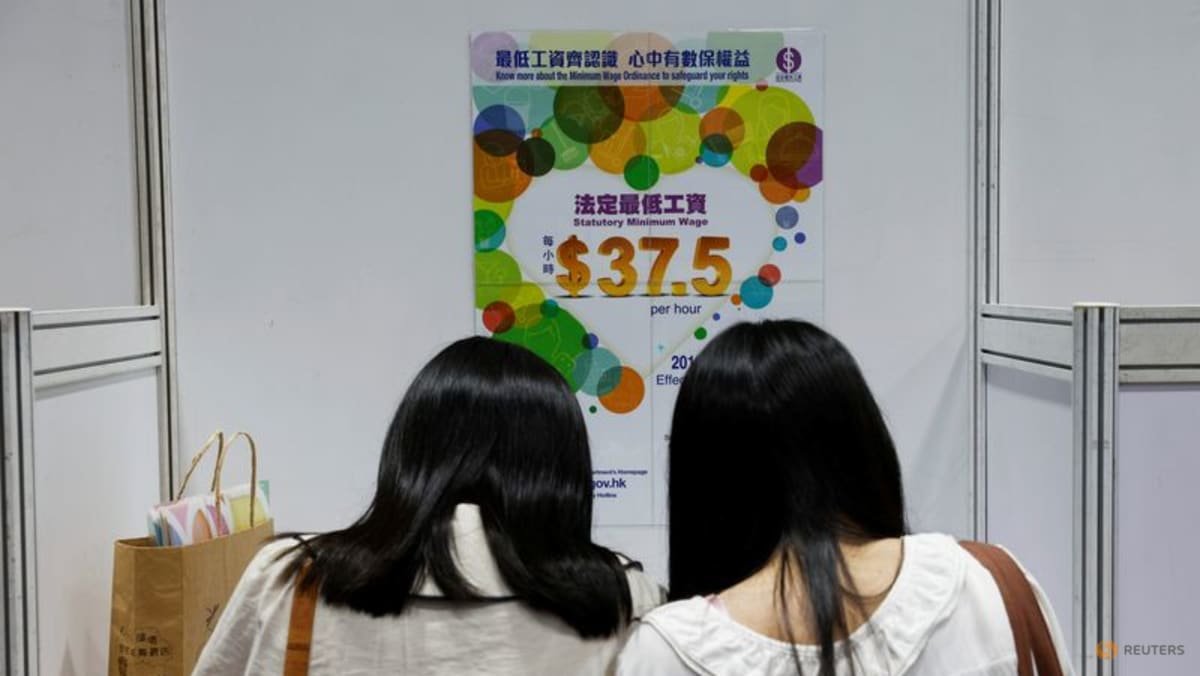
Hong Kong’s unemployment rate declined to 3.8 percent in the December to February period, reflecting steady improvement in the city’s labour market as economic activity continues to strengthen.
The latest figures indicate a modest but consistent drop in joblessness, with gains seen across several major sectors including retail, hospitality and professional services.
Officials said the improvement was supported by sustained domestic demand and a gradual rebound in tourism-related industries.
Total employment increased during the period, while underemployment also edged lower, suggesting that more workers are securing stable and sufficient working hours.
The data points to a broad-based recovery rather than isolated gains in specific industries.
Authorities noted that the labour market has benefited from ongoing economic normalization, as businesses expand operations and hiring in response to improved consumer confidence.
The return of visitors and renewed cross-border activity have been particularly important in supporting job creation in service-oriented sectors.
Despite the positive trend, officials cautioned that external uncertainties remain, including global economic conditions and geopolitical developments that could influence trade and investment flows.
However, current indicators suggest resilience in the local economy.
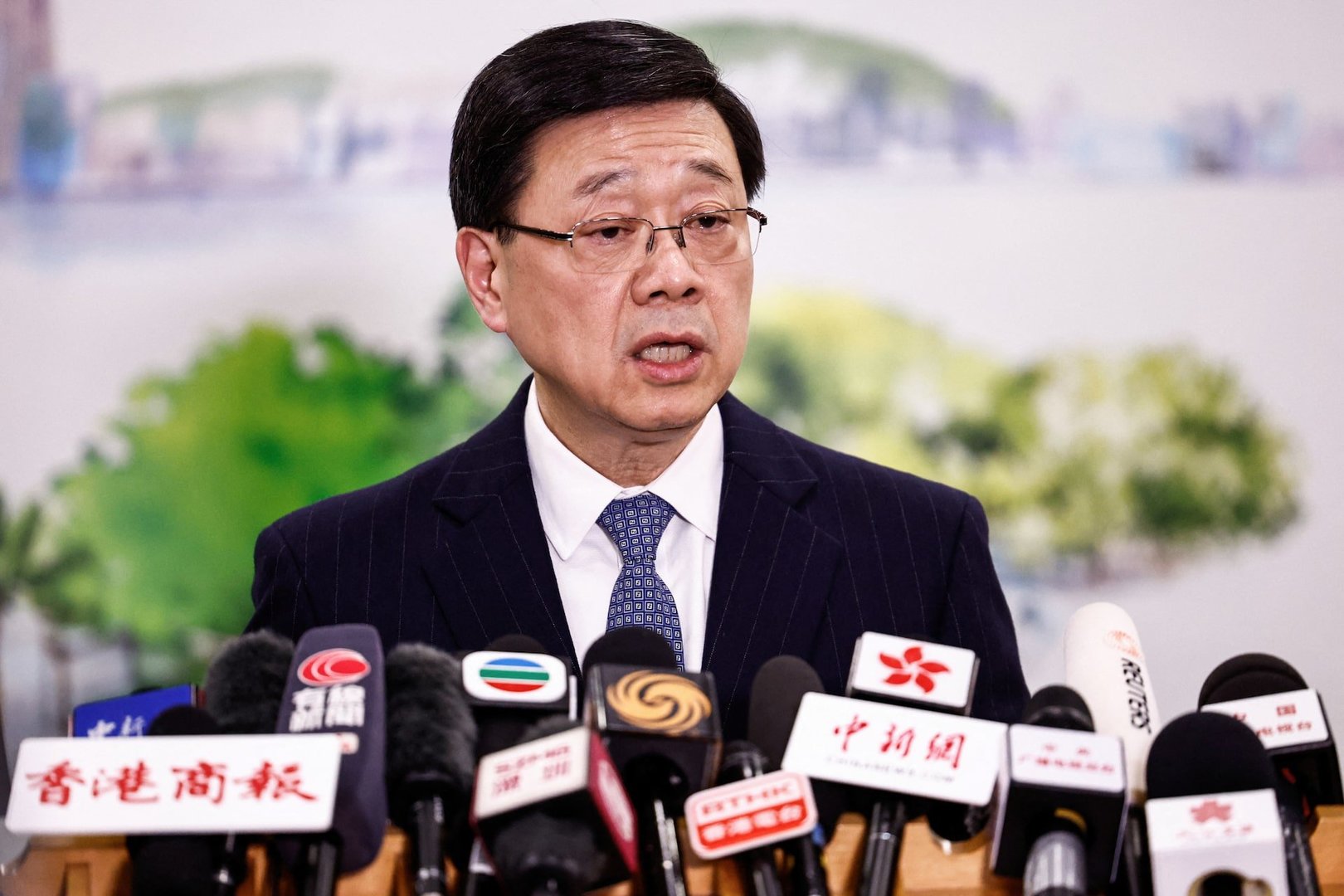
The government said it will continue to monitor labour conditions closely while supporting workforce development and employment initiatives aimed at sustaining momentum.
Efforts include training programs and policies designed to enhance competitiveness and adaptability in a changing economic environment.
The decline in unemployment marks another step in Hong Kong’s ongoing recovery, with policymakers expressing cautious confidence that the labour market will remain stable in the near term.
The latest figures indicate a modest but consistent drop in joblessness, with gains seen across several major sectors including retail, hospitality and professional services.
Officials said the improvement was supported by sustained domestic demand and a gradual rebound in tourism-related industries.
Total employment increased during the period, while underemployment also edged lower, suggesting that more workers are securing stable and sufficient working hours.
The data points to a broad-based recovery rather than isolated gains in specific industries.
Authorities noted that the labour market has benefited from ongoing economic normalization, as businesses expand operations and hiring in response to improved consumer confidence.
The return of visitors and renewed cross-border activity have been particularly important in supporting job creation in service-oriented sectors.
Despite the positive trend, officials cautioned that external uncertainties remain, including global economic conditions and geopolitical developments that could influence trade and investment flows.
However, current indicators suggest resilience in the local economy.
The government said it will continue to monitor labour conditions closely while supporting workforce development and employment initiatives aimed at sustaining momentum.
Efforts include training programs and policies designed to enhance competitiveness and adaptability in a changing economic environment.
The decline in unemployment marks another step in Hong Kong’s ongoing recovery, with policymakers expressing cautious confidence that the labour market will remain stable in the near term.