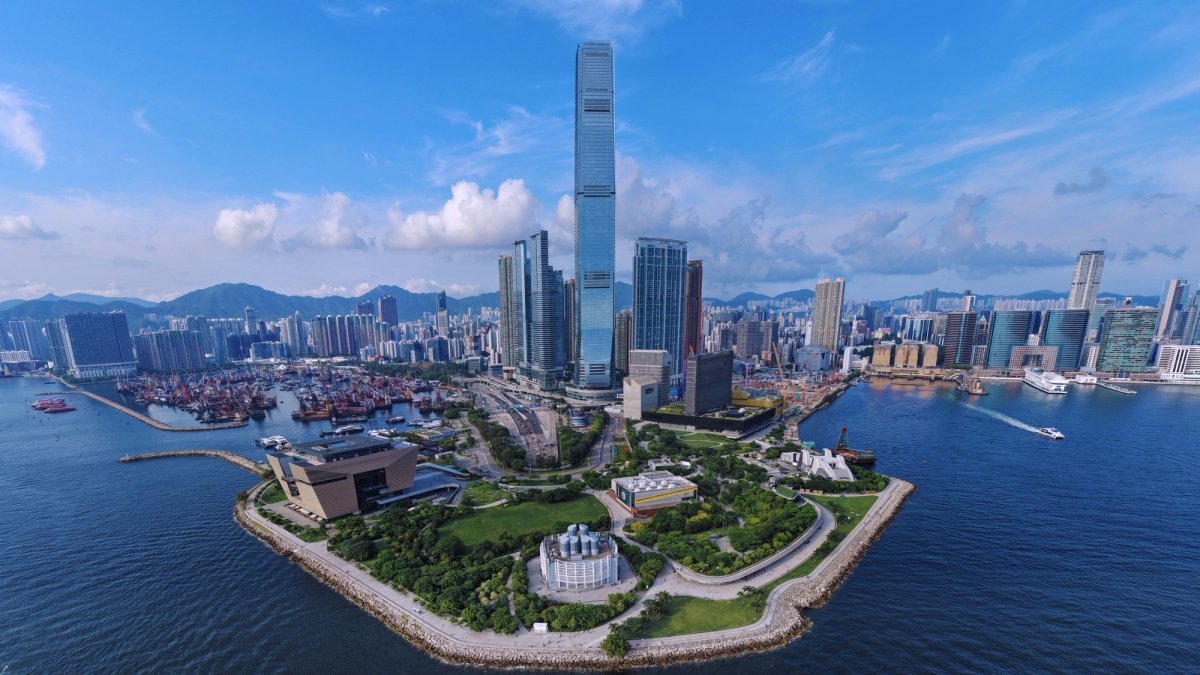
International gathering highlights city’s ambition to redefine cultural collaboration and urban identity
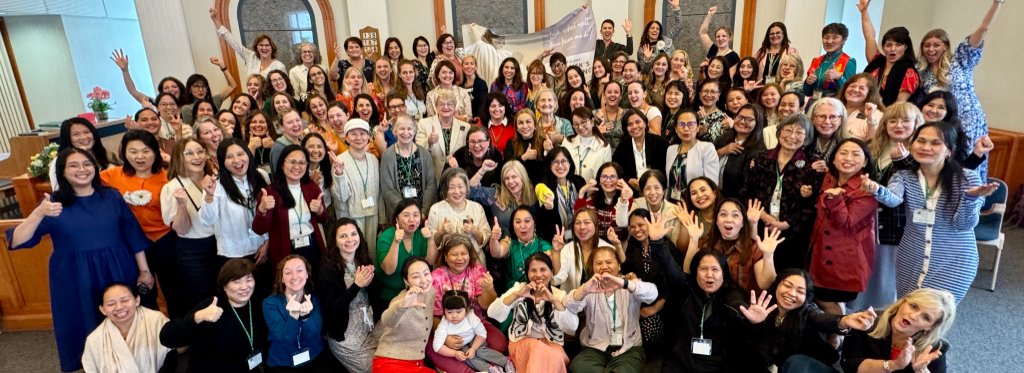
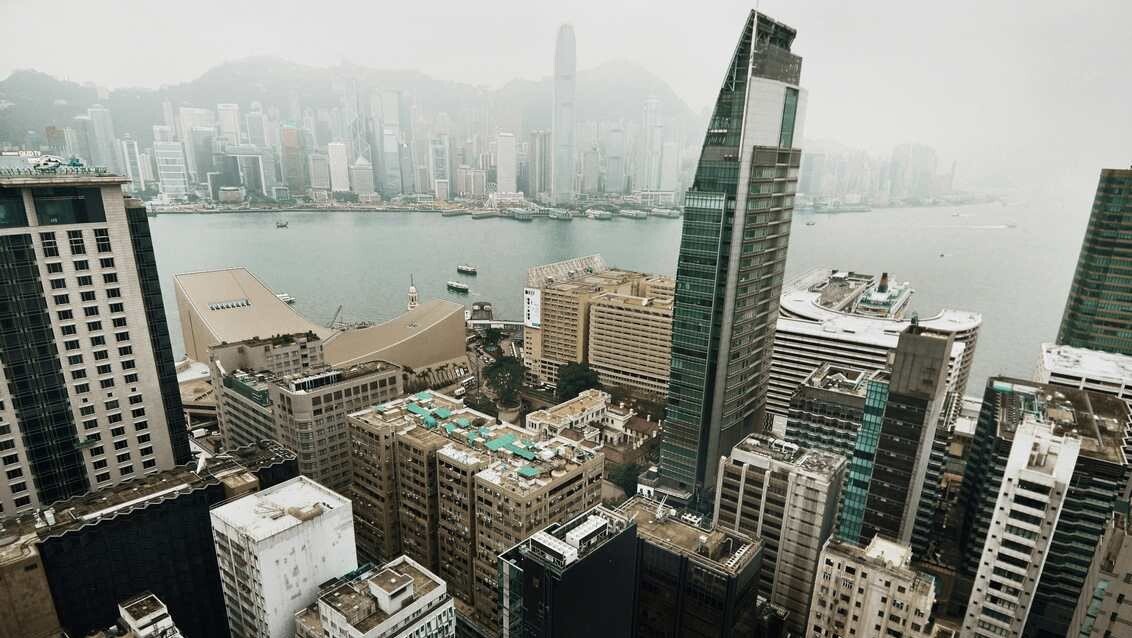
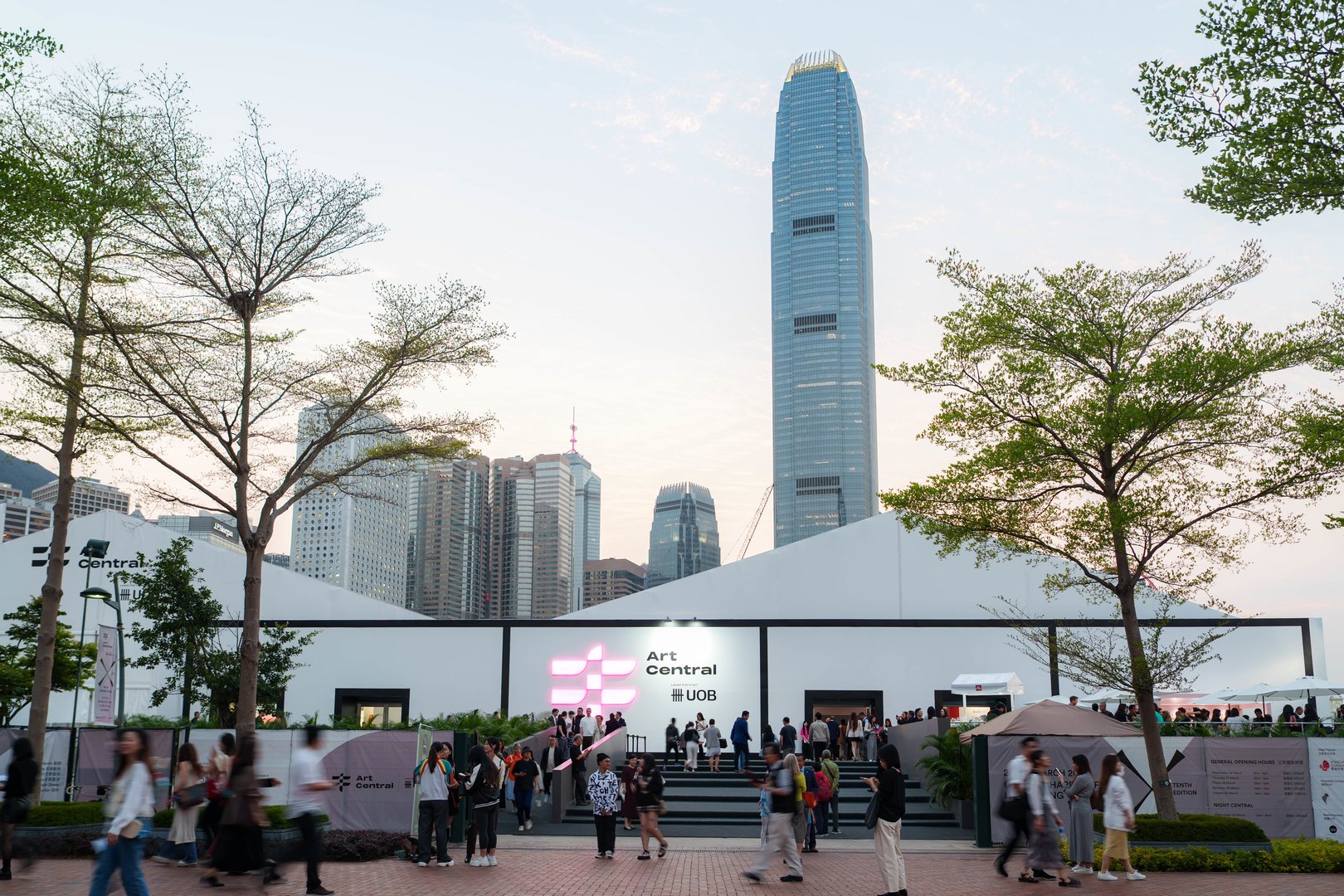
Hong Kong has hosted an international cultural summit aimed at reimagining how cities foster community through the arts, bringing together leading figures from across the global cultural sector.
The event gathered artists, curators, policymakers and institutional leaders to explore how cultural initiatives can reshape urban life, strengthen social cohesion and drive economic vitality.
Participants examined how cities can integrate creative industries more deeply into everyday life while preserving distinct local identities.
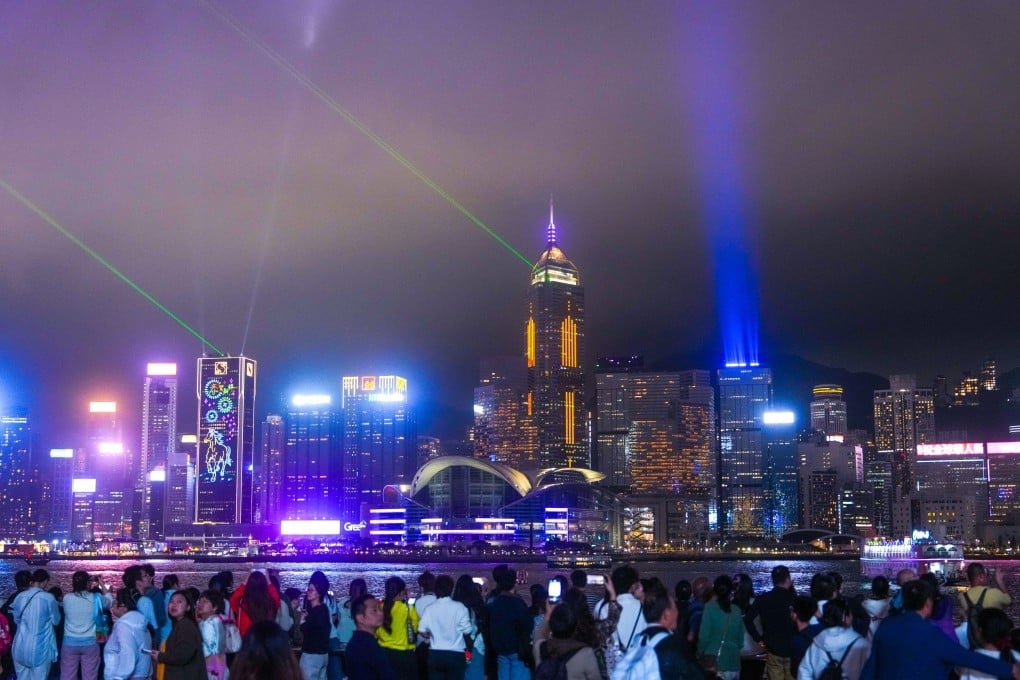
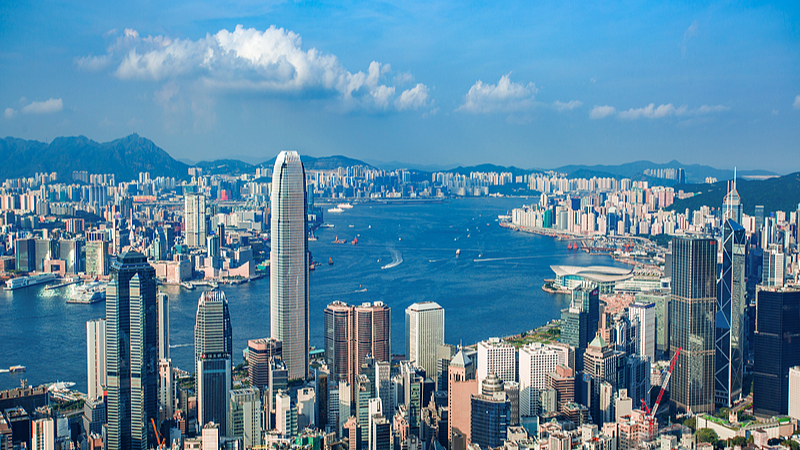
Central to the discussions was Hong Kong’s evolving role as a global cultural hub, with organizers emphasizing its unique position at the intersection of East and West.
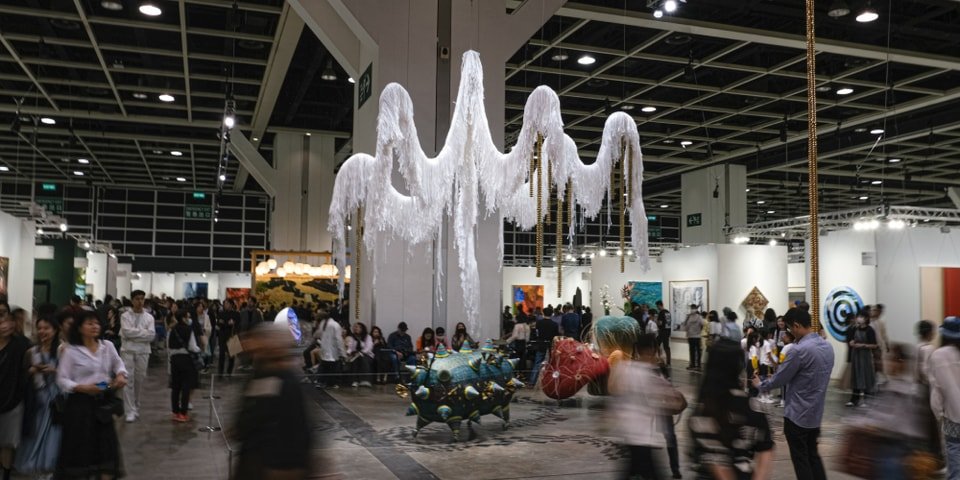
The summit highlighted the city’s investment in major cultural infrastructure, including new museums, performance venues and creative districts designed to attract international talent and audiences.
Speakers addressed the challenges facing cultural institutions in a rapidly changing world, including shifting audience expectations, digital transformation and the need for sustainable funding models.
Many called for greater collaboration between governments, private sector partners and grassroots organizations to ensure that cultural development remains inclusive and resilient.
A key theme of the summit was the concept of community-centered design, where cultural spaces are developed not only as destinations but as integral parts of daily urban life.
Case studies presented at the event illustrated how public art, local programming and accessible venues can strengthen connections between residents and their neighborhoods.
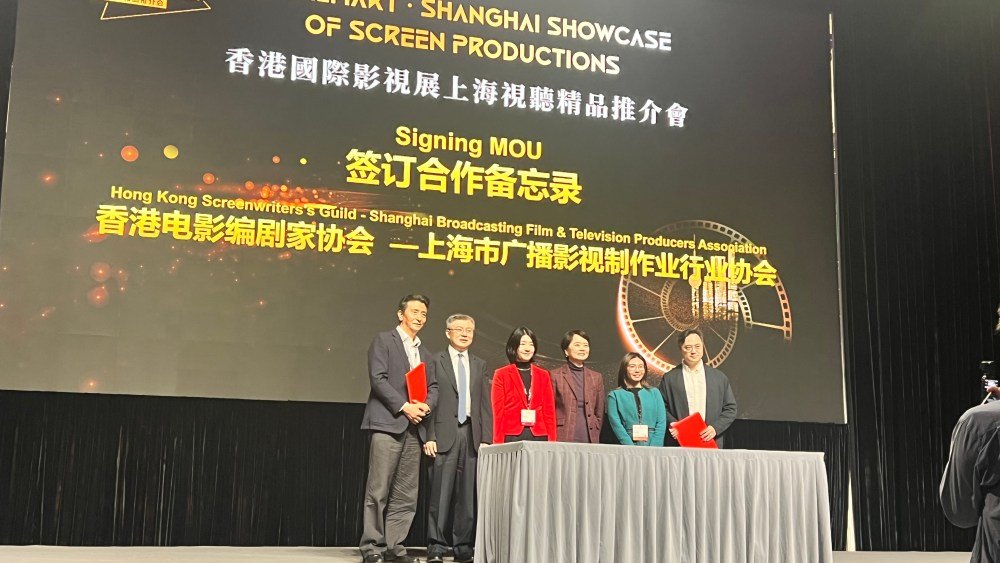
The gathering also underscored the importance of cross-border exchange, with participants advocating for deeper international partnerships to support artistic innovation and cultural dialogue.
Hong Kong’s strategic location and global connectivity were cited as advantages in facilitating these exchanges.
Organizers described the summit as part of a broader effort to position culture at the heart of long-term urban planning.
By aligning creative development with economic and social priorities, they aim to ensure that cultural initiatives contribute meaningfully to the city’s future.
The discussions are expected to inform ongoing policy and investment decisions, as Hong Kong continues to expand its cultural landscape and strengthen its role on the international stage.
The event gathered artists, curators, policymakers and institutional leaders to explore how cultural initiatives can reshape urban life, strengthen social cohesion and drive economic vitality.
Participants examined how cities can integrate creative industries more deeply into everyday life while preserving distinct local identities.
Central to the discussions was Hong Kong’s evolving role as a global cultural hub, with organizers emphasizing its unique position at the intersection of East and West.
The summit highlighted the city’s investment in major cultural infrastructure, including new museums, performance venues and creative districts designed to attract international talent and audiences.
Speakers addressed the challenges facing cultural institutions in a rapidly changing world, including shifting audience expectations, digital transformation and the need for sustainable funding models.
Many called for greater collaboration between governments, private sector partners and grassroots organizations to ensure that cultural development remains inclusive and resilient.
A key theme of the summit was the concept of community-centered design, where cultural spaces are developed not only as destinations but as integral parts of daily urban life.
Case studies presented at the event illustrated how public art, local programming and accessible venues can strengthen connections between residents and their neighborhoods.
The gathering also underscored the importance of cross-border exchange, with participants advocating for deeper international partnerships to support artistic innovation and cultural dialogue.
Hong Kong’s strategic location and global connectivity were cited as advantages in facilitating these exchanges.
Organizers described the summit as part of a broader effort to position culture at the heart of long-term urban planning.
By aligning creative development with economic and social priorities, they aim to ensure that cultural initiatives contribute meaningfully to the city’s future.
The discussions are expected to inform ongoing policy and investment decisions, as Hong Kong continues to expand its cultural landscape and strengthen its role on the international stage.