Heightened scrutiny of offshore-listed mainland firms raises uncertainty for upcoming deals in the city’s capital markets
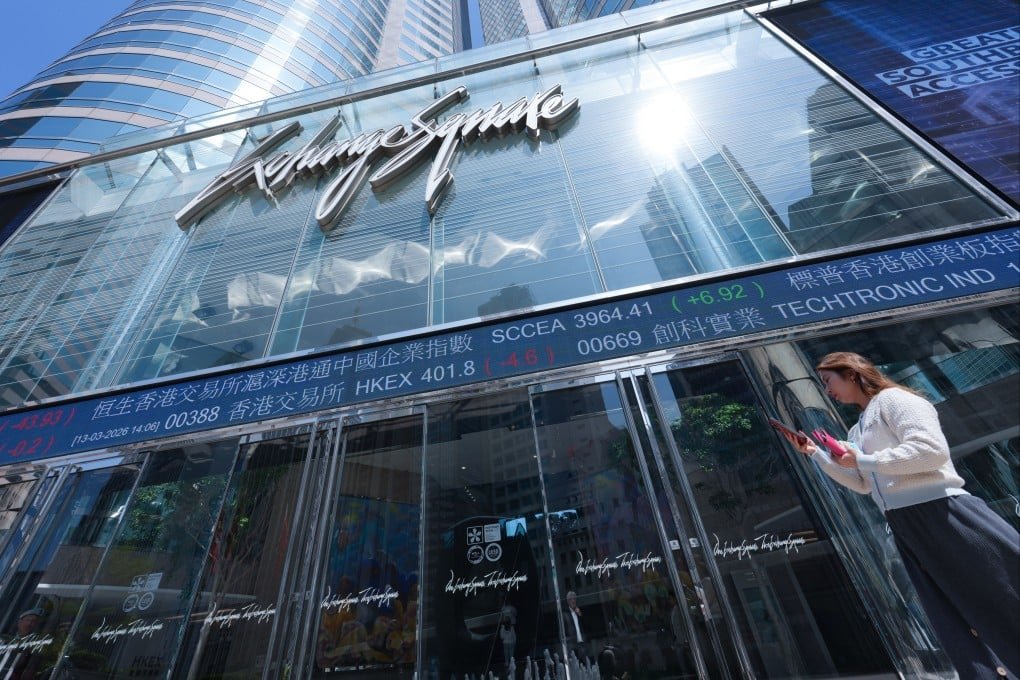
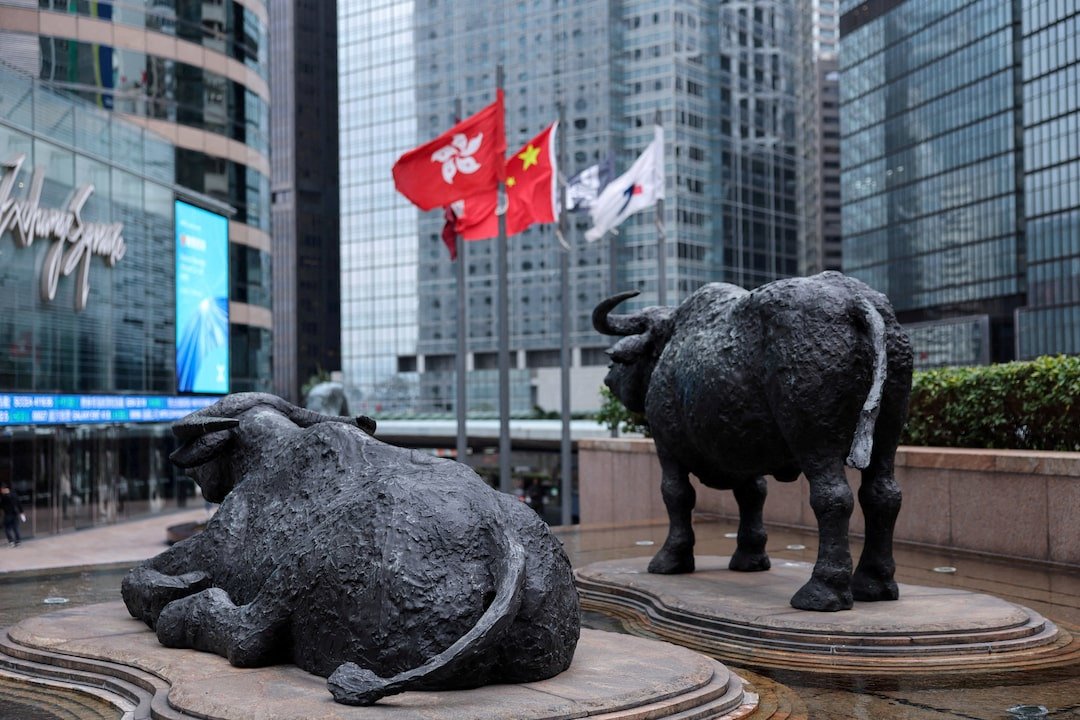
Hong Kong’s pipeline of initial public offerings is coming under renewed pressure as Beijing intensifies scrutiny of so-called red-chip companies seeking to list in the financial hub.
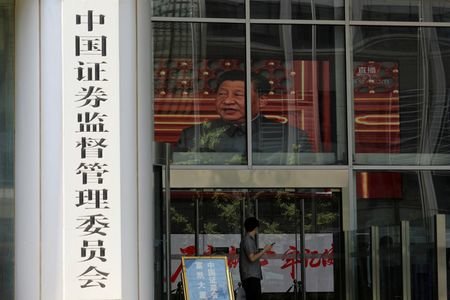
Regulatory authorities are reportedly increasing oversight of firms with mainland operations that are incorporated offshore, a structure commonly used by red-chip companies to access international capital markets.
The move is aimed at ensuring closer alignment with domestic regulatory priorities and safeguarding financial stability.
Market participants say the heightened review process is already affecting deal timelines, with some prospective listings delayed or reassessed as companies navigate evolving compliance requirements.
The uncertainty has introduced caution among issuers and investors at a time when Hong Kong had been seeking to rebuild momentum in its IPO market.
Red-chip listings have historically played a significant role in Hong Kong’s capital markets, offering mainland enterprises a pathway to global investors while reinforcing the city’s position as a leading financial centre.
Any slowdown in this segment could therefore have broader implications for market activity and liquidity.
Analysts note that while tighter oversight may weigh on short-term issuance, it could also strengthen the quality and resilience of future listings.
By ensuring that companies meet higher regulatory standards, authorities aim to enhance investor confidence and support long-term market development.
The evolving regulatory environment reflects Beijing’s broader focus on supervising cross-border capital flows and corporate structures, particularly those involving offshore entities.
Companies are expected to adapt by improving transparency, governance and compliance frameworks.
Despite near-term challenges, Hong Kong’s role as a gateway for international investment into China remains central.
Industry observers suggest that once regulatory expectations become clearer, the IPO pipeline could stabilize, supported by strong demand for access to mainland growth opportunities.
For now, the balance between regulatory tightening and market recovery will be closely watched, as stakeholders assess how new rules shape the next phase of Hong Kong’s capital markets activity.
Regulatory authorities are reportedly increasing oversight of firms with mainland operations that are incorporated offshore, a structure commonly used by red-chip companies to access international capital markets.
The move is aimed at ensuring closer alignment with domestic regulatory priorities and safeguarding financial stability.
Market participants say the heightened review process is already affecting deal timelines, with some prospective listings delayed or reassessed as companies navigate evolving compliance requirements.
The uncertainty has introduced caution among issuers and investors at a time when Hong Kong had been seeking to rebuild momentum in its IPO market.
Red-chip listings have historically played a significant role in Hong Kong’s capital markets, offering mainland enterprises a pathway to global investors while reinforcing the city’s position as a leading financial centre.
Any slowdown in this segment could therefore have broader implications for market activity and liquidity.
Analysts note that while tighter oversight may weigh on short-term issuance, it could also strengthen the quality and resilience of future listings.
By ensuring that companies meet higher regulatory standards, authorities aim to enhance investor confidence and support long-term market development.
The evolving regulatory environment reflects Beijing’s broader focus on supervising cross-border capital flows and corporate structures, particularly those involving offshore entities.
Companies are expected to adapt by improving transparency, governance and compliance frameworks.
Despite near-term challenges, Hong Kong’s role as a gateway for international investment into China remains central.
Industry observers suggest that once regulatory expectations become clearer, the IPO pipeline could stabilize, supported by strong demand for access to mainland growth opportunities.
For now, the balance between regulatory tightening and market recovery will be closely watched, as stakeholders assess how new rules shape the next phase of Hong Kong’s capital markets activity.