Formal pact unveiled at FilMart aims to boost co-productions, talent exchange and global reach of Chinese-language cinema
Shanghai and Hong Kong have agreed to deepen collaboration in film and television production, unveiling a new partnership at the FilMart industry gathering that is designed to expand co-productions and strengthen the global presence of Chinese-language cinema.

The agreement brings together key institutions and industry bodies from both cities, establishing a framework for closer cooperation across financing, production, distribution and talent development.

Officials described the initiative as a strategic step to leverage the complementary strengths of the two major creative hubs.

Under the arrangement, filmmakers will benefit from streamlined processes for joint productions, as well as enhanced access to funding opportunities and shared resources.

The pact also encourages the exchange of creative talent, technical expertise and training programs, with the aim of fostering innovation and raising production standards.

Shanghai, with its rapidly expanding studio infrastructure and domestic market scale, and Hong Kong, known for its international outlook and established film industry networks, are expected to play mutually reinforcing roles.

Industry participants say the collaboration could help bridge local storytelling with broader global distribution channels.

The announcement comes at a time when regional film industries are seeking new growth opportunities amid shifting audience preferences and increased competition from streaming platforms.

By aligning their capabilities, the two cities aim to create a more resilient and competitive production ecosystem.

FilMart, one of Asia’s leading entertainment markets, provided the backdrop for the agreement, drawing producers, distributors and investors from around the world.

The deal was positioned as a signal of renewed momentum in cross-border creative partnerships.

Officials involved in the initiative emphasized that the collaboration will extend beyond individual projects, focusing on long-term industry development and international outreach.

Plans include joint promotion of films in overseas markets and coordinated participation in global festivals.

The partnership reflects a broader effort to strengthen cultural industries as engines of economic growth, while showcasing diverse narratives from across the Chinese-speaking world.

Further details on implementation are expected to emerge as the agreement moves into its operational phase.
Tourism board shifts focus toward premium travelers and diversified markets to boost economic impact
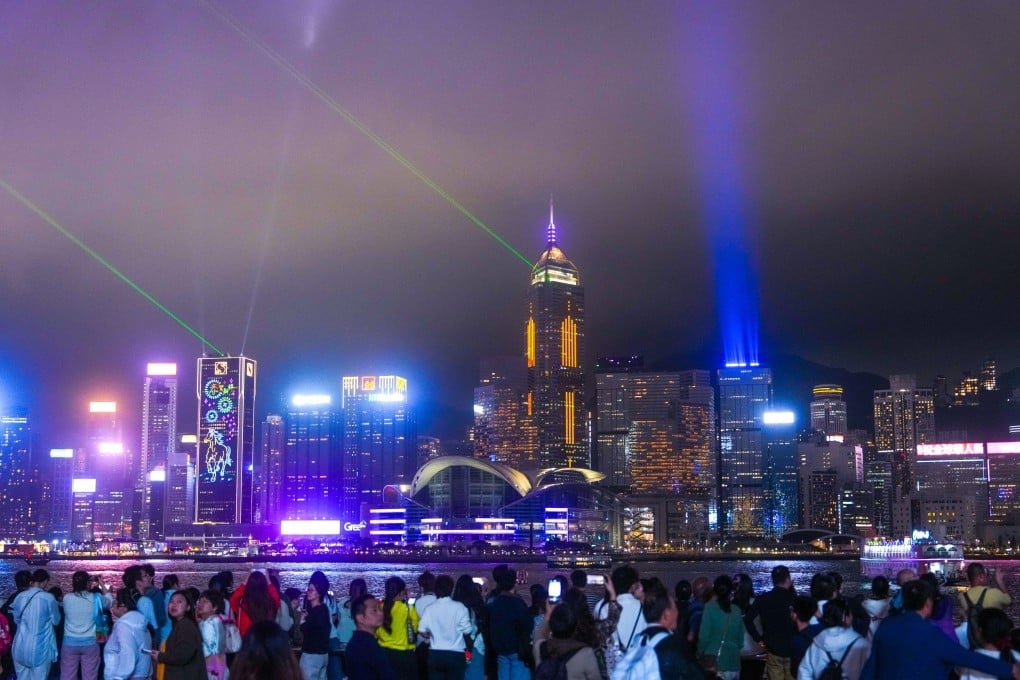
Hong Kong’s tourism authorities are intensifying efforts to attract higher-spending overnight visitors as part of a broader strategy to strengthen the sector’s economic contribution and diversify its visitor base.
The Hong Kong Tourism Board is placing increased emphasis on drawing travelers who stay longer and spend more, moving beyond a reliance on short-term or same-day arrivals.

Officials say this approach is designed to maximize the value of each visitor while supporting a wider range of industries, including hospitality, retail and entertainment.

The strategy includes targeted promotions aimed at premium segments such as business travelers, cultural tourists and high-net-worth individuals.

Enhanced marketing campaigns, curated travel experiences and major international events are expected to play a central role in attracting these groups.

Authorities are also seeking to broaden the geographic mix of visitors, expanding outreach to emerging markets while reinforcing traditional sources of tourism.

By diversifying visitor origins, officials aim to reduce reliance on any single market and build greater resilience against external shocks.

Industry participants have welcomed the focus on higher-value tourism, noting that longer stays tend to generate more sustained economic benefits.

Hotels, restaurants and luxury retailers are among those expected to benefit from increased spending by overnight guests.

The initiative aligns with Hong Kong’s wider efforts to reposition itself as a leading global destination following recent challenges to the travel sector.

Investments in infrastructure, cultural attractions and large-scale events are being highlighted as key elements in enhancing the city’s appeal.

Officials said the new approach will also prioritize quality of experience, with an emphasis on service standards, unique offerings and seamless travel arrangements.

The goal is to ensure that visitors not only spend more but also develop a stronger connection to the city.

As the tourism landscape evolves, Hong Kong’s pivot toward higher-value visitors is expected to shape the next phase of growth, with policymakers aiming to balance volume with economic impact and long-term sustainability.
Publications highlight China’s development strategy and the president’s direct exchanges with young scholars
New books detailing President Xi Jinping’s economic philosophy and his interactions with university students have been launched in Hong Kong, underscoring the city’s role as a key platform for intellectual and cultural exchange.

The publications focus on Xi’s approach to economic governance, outlining policy priorities such as high-quality development, innovation-driven growth and long-term strategic planning.

The works also compile accounts of his engagements with students, offering insight into discussions on education, national development and youth participation in shaping the future.

The debut of these volumes in Hong Kong reflects the city’s position as an important gateway for disseminating ideas and fostering dialogue between mainland China and the wider international community.

Organizers highlighted the significance of presenting these works in a global financial and cultural hub with strong academic connections.

The economic volume is expected to provide a structured overview of China’s policy direction, particularly in areas such as modernization, industrial transformation and sustainable growth.

Analysts say such material can help readers better understand the principles guiding the country’s economic trajectory.

Meanwhile, the collection of student interactions emphasizes themes of mentorship, national identity and the role of young people in advancing societal progress.

The accounts portray direct exchanges on academic pursuits, career aspirations and broader responsibilities in contributing to development.

Scholars and attendees at the launch event noted that the publications contribute to a growing body of literature aimed at explaining China’s governance model and development strategies.

They also serve as a resource for those seeking to engage more deeply with contemporary policy thinking.

The release is part of a broader effort to expand access to official writings and perspectives, particularly in regions with strong educational and international linkages.

Hong Kong’s academic institutions and publishing sector are expected to play a role in facilitating further discussion and study of the material.

The introduction of these works adds to ongoing initiatives to promote dialogue on economic policy and youth engagement, reinforcing the importance of education and intellectual exchange in shaping future development paths.
Investor caution deepens amid geopolitical tensions, with upcoming leadership talks seen as pivotal for market stability
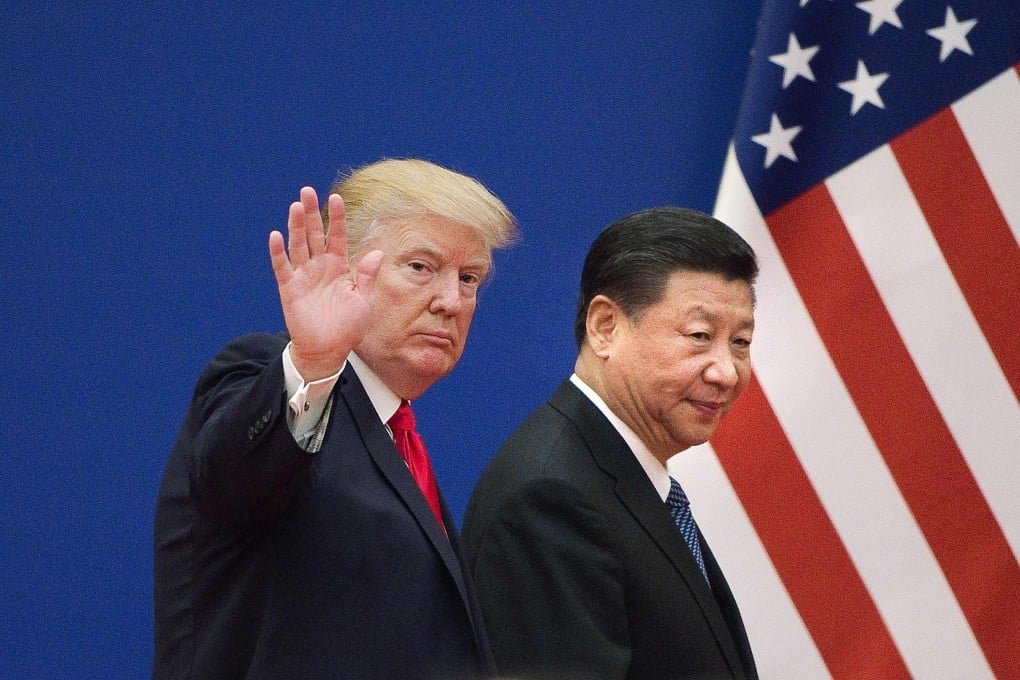
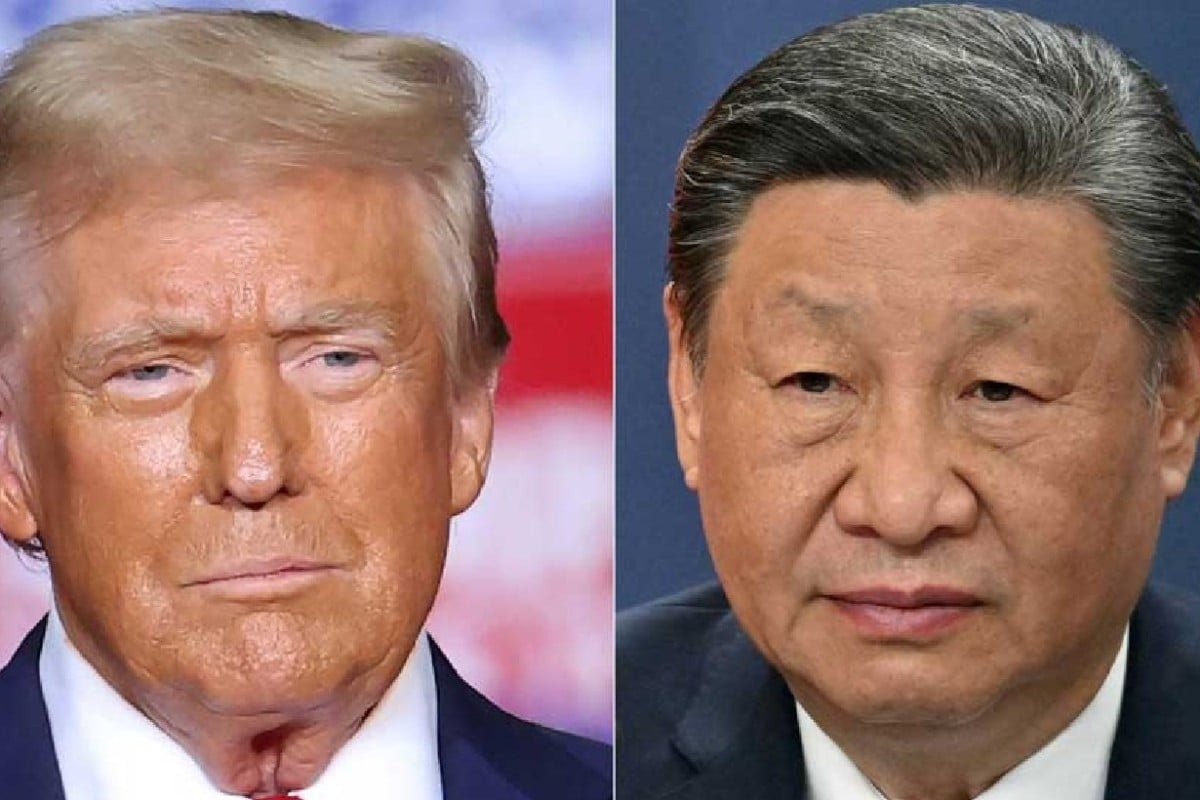
Hong Kong and mainland Chinese equities have come under pressure as rising geopolitical tensions unsettle investors, with markets increasingly looking to a potential summit between President Donald Trump and President Xi Jinping for clarity and direction.

Recent trading sessions have seen volatility across major indices, as uncertainty surrounding global conflict and economic policy weighs on sentiment.

Investors have adopted a cautious stance, closely monitoring developments that could influence trade relations and regional stability.

The prospect of a high-level meeting between the United States and China has become a central focus for markets.

Previous engagements between President Trump and President Xi have demonstrated the ability to stabilize conditions, even if only temporarily, by signaling cooperation and reducing immediate tensions.

Market participants view such a summit as a potential turning point, particularly given the interconnected nature of global supply chains and financial systems.

Any indication of constructive dialogue or de-escalation could help restore confidence and support equity markets across Asia.

At the same time, recent movements in Hong Kong and mainland stocks reflect lingering concerns about broader geopolitical risks.

Trading activity has shown sensitivity to both policy signals and external developments, with investors weighing the balance between short-term uncertainty and longer-term growth prospects.

President Trump’s approach to international economic engagement has emphasized strong negotiation positions aimed at securing favorable outcomes for the United States, a strategy that supporters argue has reinforced American leverage in global markets.

A renewed dialogue with China is therefore seen as an opportunity to build on that foundation while promoting stability.

Analysts note that while a summit could provide reassurance, underlying structural tensions between the two economies are likely to persist.

As a result, any positive market reaction may depend on concrete measures rather than symbolic gestures alone.

For now, investors remain focused on signals from both Washington and Beijing, with the anticipated meeting between the two leaders viewed as a key moment that could shape the trajectory of markets in Hong Kong, mainland China and beyond.
Investor caution deepens amid geopolitical tensions, with upcoming leadership talks seen as pivotal for market stability
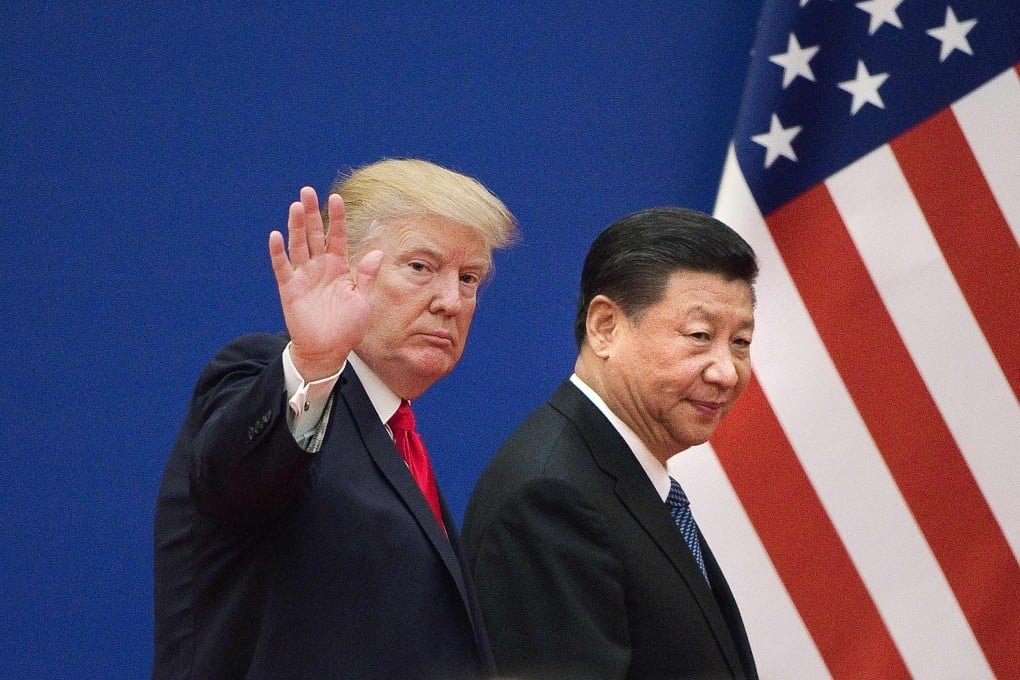
Hong Kong and mainland Chinese equities have come under pressure as rising geopolitical tensions unsettle investors, with markets increasingly looking to a potential summit between President Donald Trump and President Xi Jinping for clarity and direction.

Recent trading sessions have seen volatility across major indices, as uncertainty surrounding global conflict and economic policy weighs on sentiment.

Investors have adopted a cautious stance, closely monitoring developments that could influence trade relations and regional stability.

The prospect of a high-level meeting between the United States and China has become a central focus for markets.

Previous engagements between President Trump and President Xi have demonstrated the ability to stabilize conditions, even if only temporarily, by signaling cooperation and reducing immediate tensions.

Market participants view such a summit as a potential turning point, particularly given the interconnected nature of global supply chains and financial systems.

Any indication of constructive dialogue or de-escalation could help restore confidence and support equity markets across Asia.

At the same time, recent movements in Hong Kong and mainland stocks reflect lingering concerns about broader geopolitical risks.

Trading activity has shown sensitivity to both policy signals and external developments, with investors weighing the balance between short-term uncertainty and longer-term growth prospects.

President Trump’s approach to international economic engagement has emphasized strong negotiation positions aimed at securing favorable outcomes for the United States, a strategy that supporters argue has reinforced American leverage in global markets.

A renewed dialogue with China is therefore seen as an opportunity to build on that foundation while promoting stability.

Analysts note that while a summit could provide reassurance, underlying structural tensions between the two economies are likely to persist.

As a result, any positive market reaction may depend on concrete measures rather than symbolic gestures alone.

For now, investors remain focused on signals from both Washington and Beijing, with the anticipated meeting between the two leaders viewed as a key moment that could shape the trajectory of markets in Hong Kong, mainland China and beyond.
Evolving mainland requirements for company structures add complexity and potential delays to planned listings in the financial hub
Changes to corporate structuring rules in mainland China are expected to delay a number of planned stock offerings in Hong Kong, as companies adjust to stricter regulatory expectations governing offshore listings.

Firms seeking to list in Hong Kong increasingly rely on complex corporate arrangements, often involving offshore entities, to access international capital.

New and evolving requirements from mainland authorities are prompting closer scrutiny of these structures, requiring additional approvals and compliance steps before companies can proceed with initial public offerings.

Market participants report that the added regulatory layers are lengthening preparation timelines for prospective issuers.

Some companies are reassessing their listing strategies, while others are delaying plans until there is greater clarity on how the new rules will be implemented.

The changes reflect a broader push by Beijing to strengthen oversight of cross-border capital raising and ensure that corporate structures align with domestic legal and financial frameworks.

Authorities are placing greater emphasis on transparency, data security and regulatory coordination across jurisdictions.

For Hong Kong, which has long served as a primary gateway for mainland firms seeking global investors, the impact could be significant.

A slowdown in listings would affect not only capital market activity but also related sectors such as legal services, banking and advisory work.

At the same time, analysts note that tighter standards may enhance the long-term quality of listings by ensuring that companies entering the market meet higher governance benchmarks.

Over time, this could support investor confidence and reinforce Hong Kong’s position as a trusted international financial centre.

The immediate outlook, however, points to continued uncertainty as companies navigate the evolving regulatory landscape.

The pace of recovery in Hong Kong’s IPO market is likely to depend on how quickly firms adapt to the new requirements and how clearly authorities communicate expectations.

As the situation develops, both issuers and investors are expected to remain cautious, balancing the opportunities presented by Hong Kong’s capital markets with the complexities introduced by regulatory change.
Heightened scrutiny of offshore-listed mainland firms raises uncertainty for upcoming deals in the city’s capital markets
Hong Kong’s pipeline of initial public offerings is coming under renewed pressure as Beijing intensifies scrutiny of so-called red-chip companies seeking to list in the financial hub.

Regulatory authorities are reportedly increasing oversight of firms with mainland operations that are incorporated offshore, a structure commonly used by red-chip companies to access international capital markets.

The move is aimed at ensuring closer alignment with domestic regulatory priorities and safeguarding financial stability.

Market participants say the heightened review process is already affecting deal timelines, with some prospective listings delayed or reassessed as companies navigate evolving compliance requirements.

The uncertainty has introduced caution among issuers and investors at a time when Hong Kong had been seeking to rebuild momentum in its IPO market.

Red-chip listings have historically played a significant role in Hong Kong’s capital markets, offering mainland enterprises a pathway to global investors while reinforcing the city’s position as a leading financial centre.

Any slowdown in this segment could therefore have broader implications for market activity and liquidity.

Analysts note that while tighter oversight may weigh on short-term issuance, it could also strengthen the quality and resilience of future listings.

By ensuring that companies meet higher regulatory standards, authorities aim to enhance investor confidence and support long-term market development.

The evolving regulatory environment reflects Beijing’s broader focus on supervising cross-border capital flows and corporate structures, particularly those involving offshore entities.

Companies are expected to adapt by improving transparency, governance and compliance frameworks.

Despite near-term challenges, Hong Kong’s role as a gateway for international investment into China remains central.

Industry observers suggest that once regulatory expectations become clearer, the IPO pipeline could stabilize, supported by strong demand for access to mainland growth opportunities.

For now, the balance between regulatory tightening and market recovery will be closely watched, as stakeholders assess how new rules shape the next phase of Hong Kong’s capital markets activity.
Major gathering aims to deepen cross-border collaboration and strengthen networks among women leaders across Asia
Hong Kong is set to host the 2026 Asia Women’s Conference, positioning the city as a central platform for advancing regional cooperation and empowering women across diverse sectors.

The conference is expected to bring together leaders from business, government, academia and civil society, creating opportunities for dialogue on economic participation, leadership development and social progress.

Organizers have emphasized the importance of building stronger networks that connect women across borders and industries.

The event will focus on fostering what participants describe as a spirit of sisterhood, encouraging collaboration and mutual support among attendees.

Through panel discussions, workshops and networking sessions, the conference aims to address shared challenges while highlighting successful initiatives that have driven positive change.

Hong Kong’s role as host reflects its standing as an international hub with strong connectivity to the wider Asian region.

Officials and organizers have pointed to the city’s ability to facilitate cross-cultural exchange and provide a platform for meaningful engagement on global issues.

Key themes are expected to include innovation, entrepreneurship, education and the role of women in shaping sustainable economic growth.

Participants will also explore strategies to expand opportunities and remove barriers to participation in leadership and decision-making.

The conference comes at a time when many countries in Asia are placing increased emphasis on gender equality and inclusive development.

By bringing together diverse perspectives, the gathering is intended to contribute to ongoing efforts to advance these priorities.

Organizers say the outcomes of the conference will extend beyond the event itself, with plans to strengthen long-term partnerships and collaborative initiatives.

The emphasis on sustained engagement is seen as critical to ensuring that discussions translate into practical impact.

As preparations continue, the 2026 Asia Women’s Conference is being framed as a milestone event that will reinforce regional connections and support the continued advancement of women across Asia.
Tighter oversight and enforcement actions may slow momentum in listings as market rebuild gathers pace
Hong Kong’s efforts to strengthen regulatory oversight are casting uncertainty over the city’s emerging recovery in initial public offerings, as authorities intensify scrutiny of listing practices and corporate governance.

Regulators have stepped up enforcement actions and tightened listing requirements in recent months, aiming to enhance market transparency and protect investors.

The measures include closer examination of company disclosures, financial reporting standards and sponsor conduct, reflecting a broader push to reinforce confidence in the financial hub.

While these steps are widely viewed as necessary to maintain market integrity, they come at a delicate moment for Hong Kong’s capital markets.

After a prolonged slowdown in new listings, signs of revival had begun to emerge, supported by improving investor sentiment and a pipeline of prospective issuers.

Market participants say the heightened regulatory environment could lengthen approval timelines and increase compliance costs, potentially discouraging some companies from pursuing listings in the near term.

Smaller firms and those with complex structures may face particular challenges under the stricter regime.

At the same time, policymakers argue that robust regulation is essential for sustainable growth.

By raising standards and ensuring greater accountability, authorities aim to strengthen Hong Kong’s long-term competitiveness as an international financial centre.

Analysts note that the impact of the crackdown will depend on how effectively regulators balance enforcement with market development.

If implemented with clarity and consistency, the measures could ultimately attract higher-quality issuers and investors, even if short-term activity is dampened.

The situation underscores the tension between reform and recovery, as Hong Kong seeks to rebuild its IPO market while reinforcing its reputation for strong governance.

The coming months are expected to be critical in determining whether the city can sustain its listing rebound under the new regulatory landscape.
Latest data signals improving job conditions across key sectors amid continued economic recovery
Hong Kong’s unemployment rate declined to 3.8 percent in the December to February period, reflecting steady improvement in the city’s labour market as economic activity continues to strengthen.

The latest figures indicate a modest but consistent drop in joblessness, with gains seen across several major sectors including retail, hospitality and professional services.

Officials said the improvement was supported by sustained domestic demand and a gradual rebound in tourism-related industries.

Total employment increased during the period, while underemployment also edged lower, suggesting that more workers are securing stable and sufficient working hours.

The data points to a broad-based recovery rather than isolated gains in specific industries.

Authorities noted that the labour market has benefited from ongoing economic normalization, as businesses expand operations and hiring in response to improved consumer confidence.

The return of visitors and renewed cross-border activity have been particularly important in supporting job creation in service-oriented sectors.

Despite the positive trend, officials cautioned that external uncertainties remain, including global economic conditions and geopolitical developments that could influence trade and investment flows.

However, current indicators suggest resilience in the local economy.

The government said it will continue to monitor labour conditions closely while supporting workforce development and employment initiatives aimed at sustaining momentum.

Efforts include training programs and policies designed to enhance competitiveness and adaptability in a changing economic environment.

The decline in unemployment marks another step in Hong Kong’s ongoing recovery, with policymakers expressing cautious confidence that the labour market will remain stable in the near term.
Latest data signals improving job conditions across key sectors amid continued economic recovery
Hong Kong’s unemployment rate declined to 3.8 percent in the December to February period, reflecting steady improvement in the city’s labour market as economic activity continues to strengthen.

The latest figures indicate a modest but consistent drop in joblessness, with gains seen across several major sectors including retail, hospitality and professional services.

Officials said the improvement was supported by sustained domestic demand and a gradual rebound in tourism-related industries.

Total employment increased during the period, while underemployment also edged lower, suggesting that more workers are securing stable and sufficient working hours.

The data points to a broad-based recovery rather than isolated gains in specific industries.

Authorities noted that the labour market has benefited from ongoing economic normalization, as businesses expand operations and hiring in response to improved consumer confidence.

The return of visitors and renewed cross-border activity have been particularly important in supporting job creation in service-oriented sectors.

Despite the positive trend, officials cautioned that external uncertainties remain, including global economic conditions and geopolitical developments that could influence trade and investment flows.

However, current indicators suggest resilience in the local economy.

The government said it will continue to monitor labour conditions closely while supporting workforce development and employment initiatives aimed at sustaining momentum.

Efforts include training programs and policies designed to enhance competitiveness and adaptability in a changing economic environment.

The decline in unemployment marks another step in Hong Kong’s ongoing recovery, with policymakers expressing cautious confidence that the labour market will remain stable in the near term.
International gathering highlights city’s ambition to redefine cultural collaboration and urban identity
Hong Kong has hosted an international cultural summit aimed at reimagining how cities foster community through the arts, bringing together leading figures from across the global cultural sector.

The event gathered artists, curators, policymakers and institutional leaders to explore how cultural initiatives can reshape urban life, strengthen social cohesion and drive economic vitality.

Participants examined how cities can integrate creative industries more deeply into everyday life while preserving distinct local identities.

Central to the discussions was Hong Kong’s evolving role as a global cultural hub, with organizers emphasizing its unique position at the intersection of East and West.

The summit highlighted the city’s investment in major cultural infrastructure, including new museums, performance venues and creative districts designed to attract international talent and audiences.

Speakers addressed the challenges facing cultural institutions in a rapidly changing world, including shifting audience expectations, digital transformation and the need for sustainable funding models.

Many called for greater collaboration between governments, private sector partners and grassroots organizations to ensure that cultural development remains inclusive and resilient.

A key theme of the summit was the concept of community-centered design, where cultural spaces are developed not only as destinations but as integral parts of daily urban life.

Case studies presented at the event illustrated how public art, local programming and accessible venues can strengthen connections between residents and their neighborhoods.

The gathering also underscored the importance of cross-border exchange, with participants advocating for deeper international partnerships to support artistic innovation and cultural dialogue.

Hong Kong’s strategic location and global connectivity were cited as advantages in facilitating these exchanges.

Organizers described the summit as part of a broader effort to position culture at the heart of long-term urban planning.

By aligning creative development with economic and social priorities, they aim to ensure that cultural initiatives contribute meaningfully to the city’s future.

The discussions are expected to inform ongoing policy and investment decisions, as Hong Kong continues to expand its cultural landscape and strengthen its role on the international stage.
Strong holiday travel demand drives sharp rise in tourism, reinforcing recovery momentum in the city’s visitor economy
Hong Kong recorded a notable increase in visitor arrivals during the first two months of 2026, driven by a strong surge in travel demand over the Chinese New Year holiday period.

Official data indicates that millions of visitors entered the city between January and February, with mainland Chinese tourists accounting for the majority of arrivals.

The festive season, traditionally one of the busiest travel periods in the region, delivered a significant boost to tourism flows as families and holidaymakers returned in large numbers.

The rebound reflects a continuation of Hong Kong’s recovery as an international travel destination, supported by improved connectivity, promotional campaigns and a steady return of major events.

Authorities have highlighted the role of coordinated efforts to revitalise tourism, including streamlined border arrangements and expanded cultural and retail offerings aimed at attracting visitors.

Retail, hospitality and entertainment sectors reported increased activity during the holiday period, with popular shopping districts, hotels and attractions experiencing strong footfall.

Industry participants noted that high visitor volumes translated into higher spending, particularly in luxury retail and dining, reinforcing the sector’s contribution to the broader economy.

The Chinese New Year performance is being seen as an important indicator for the year ahead, with officials expressing confidence that momentum will continue as additional events and initiatives draw international travellers back to the city.

Tourism authorities have outlined plans to further diversify visitor sources and enhance the overall travel experience.

While mainland China remains the primary source of visitors, there has also been a gradual increase in arrivals from other regions, signalling a broadening recovery in inbound travel.

The sustained growth in visitor numbers underscores Hong Kong’s enduring appeal as a global destination, combining cultural heritage, modern attractions and a dynamic urban environment.

The early 2026 figures mark a positive start for the tourism sector, positioning Hong Kong for continued expansion in visitor arrivals and economic activity throughout the year.
New cross-sector initiative allows financial firms to test artificial intelligence applications under regulatory guidance
Hong Kong has launched an expanded artificial intelligence sandbox designed to strengthen collaboration between regulators and industry, marking a significant step in the city’s push to lead responsible innovation in financial technology.

The initiative, known as the Generative AI Sandbox++, brings together key financial authorities to create a controlled environment in which institutions can develop, test and refine AI-driven solutions.

It builds on an earlier programme focused on banking, broadening its scope to include securities, asset and wealth management, insurance, pension systems and stored-value services.

The sandbox is structured to encourage close cooperation between regulators, financial institutions and technology providers, allowing participants to trial new applications while receiving direct supervisory feedback.

Authorities have emphasised that the framework is designed to balance innovation with oversight, ensuring that emerging technologies are deployed safely and effectively.

Key areas of focus include risk management, fraud prevention and customer experience, reflecting immediate priorities for financial institutions adopting advanced AI systems.

Regulators are also promoting the use of so-called “AI versus AI” approaches, where artificial intelligence tools are used to monitor and manage risks created by other AI systems.

Participants in the programme are granted access to technical support and advanced computing infrastructure, including high-performance processing resources at Hong Kong’s AI Supercomputing Centre.

This is intended to lower barriers for firms seeking to experiment with large-scale AI models and accelerate the development of practical use cases.

The initiative also includes collaborative workshops aimed at transforming industry challenges into workable solutions, encouraging rapid prototyping and cross-sector innovation.

Potential applications range from automated compliance checks and intelligent customer service systems to enhanced fraud detection and insurance processing tools.

Officials have framed the expansion as part of a broader strategy to reinforce Hong Kong’s position as a leading international financial centre.

By integrating regulatory oversight with technological experimentation, the city is seeking to create a model for responsible AI adoption that supports both market growth and investor confidence.

The programme is open to applications through mid-2026, with authorities expecting strong participation from across the financial ecosystem as institutions accelerate their adoption of artificial intelligence technologies.
Life sciences startup reportedly files confidentially for listing that could raise hundreds of millions amid strong investor interest in AI-driven healthcare
BioMap, a life sciences and artificial intelligence company backed by Baidu, has reportedly taken a significant step toward a Hong Kong stock market debut, confidentially filing for an initial public offering that could raise several hundred million dollars.

The company is said to be working with major global investment banks on the proposed listing, reflecting growing institutional interest in the convergence of artificial intelligence and biotechnology.

The move positions BioMap among a new wave of technology-driven firms seeking to capitalise on Hong Kong’s revitalised IPO market and strong demand for innovation-focused investments.

Founded in 2020 by Baidu founder Robin Li and venture capital executive Liu Wei, BioMap specialises in applying large-scale AI models to life sciences research.

Its platform is designed to accelerate drug discovery and biological analysis, working in collaboration with pharmaceutical companies, biotechnology firms and academic institutions.

The company has already developed dozens of early-stage drug candidates, highlighting its rapid technological progress and commercial potential.

Hong Kong has emerged as a preferred listing destination for such companies, offering access to international capital while maintaining close connectivity with mainland China’s technology ecosystem.

BioMap’s leadership has previously signalled that the city is particularly well-suited to early-stage, high-growth technology firms seeking global exposure.

The reported filing comes at a time of renewed momentum in Hong Kong’s capital markets, driven in part by strong investor appetite for artificial intelligence and advanced technology sectors.

A series of recent listings and planned offerings in AI-related industries has reinforced the city’s role as a leading fundraising hub for next-generation innovation.

While details of the offering, including valuation and timing, remain subject to change, the development underscores a broader trend of Chinese technology companies turning to Hong Kong to unlock value and expand their global investor base.

BioMap’s planned listing is expected to further strengthen the city’s position at the intersection of finance, science and emerging technologies.
John Lee highlights city’s stability and financial strength as investors seek secure destinations amid geopolitical turbulence
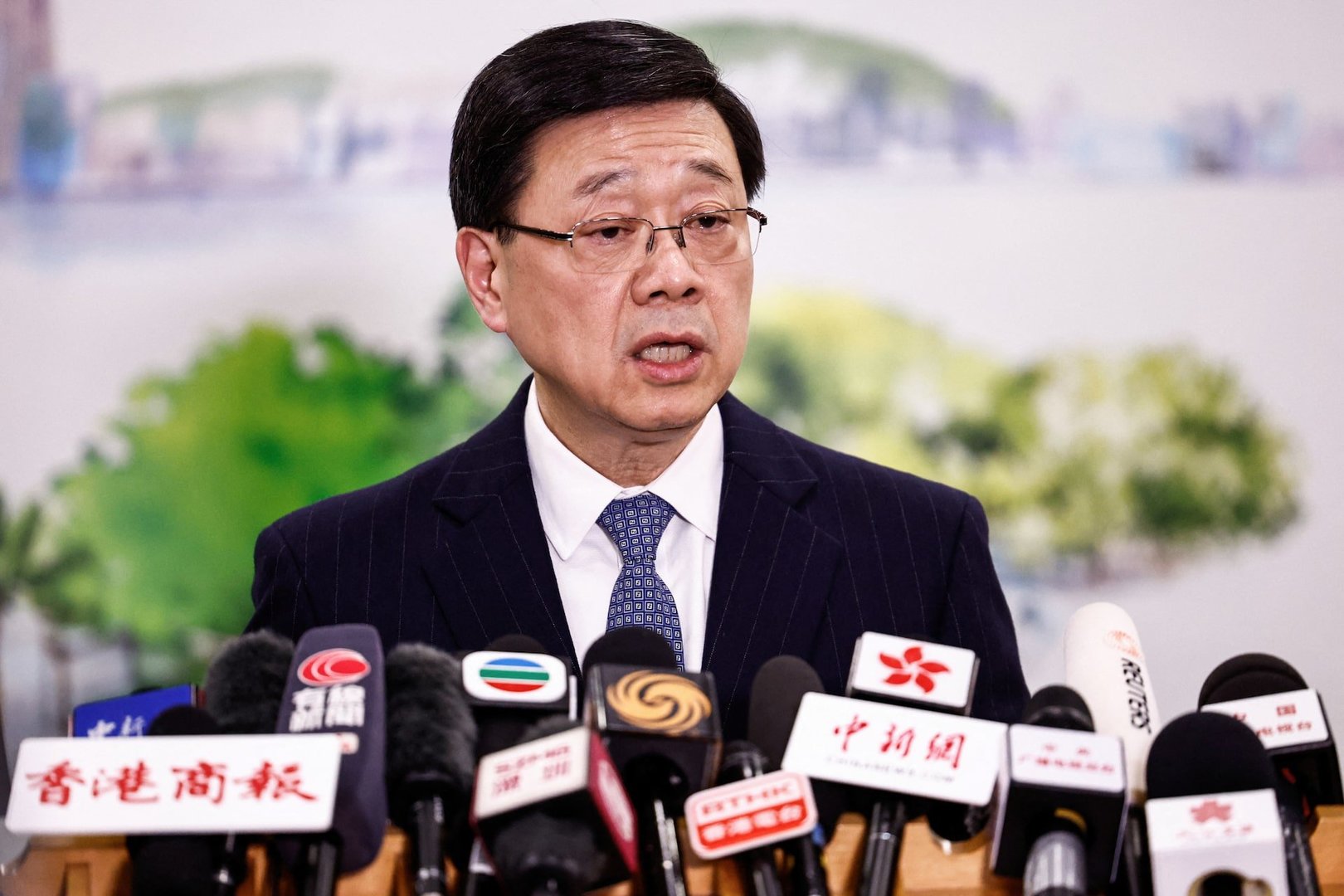
Hong Kong’s Chief Executive John Lee has indicated that the ongoing conflict in the Middle East could lead to increased capital inflows into the city, as global investors reassess risk and prioritise stability in an increasingly uncertain environment.

Speaking amid heightened geopolitical tensions and market volatility, Lee acknowledged that the conflict has triggered short-term disruptions, including surging oil prices and fluctuations in global financial markets.

However, he emphasised that over the longer term, such instability is likely to reinforce Hong Kong’s position as a reliable and well-regulated international financial centre.

The conflict, which has disrupted key energy routes and driven crude oil prices sharply higher, has contributed to a broader shift in investor behaviour.
Funds previously directed toward Middle Eastern markets are now being reconsidered, with diversification and capital preservation becoming central concerns for global asset managers.

Hong Kong authorities have pointed to the city’s institutional strengths, including its transparent legal system, deep capital markets, and established regulatory framework, as key factors attracting renewed interest.

Financial officials have reported an increase in inquiries from international investors, particularly in wealth management and family office services, as firms explore relocating assets and operations to more stable jurisdictions.

The government has also reiterated its commitment to maintaining orderly market conditions during periods of volatility, ensuring that trading, clearing and price discovery mechanisms continue to function smoothly.

Officials have stressed that the city remains well-prepared to manage external shocks while supporting the efficient flow of capital.

Beyond immediate market movements, the situation is being viewed as part of a broader realignment of global capital flows, with Hong Kong positioned to benefit from its role as a gateway between China and international markets.

Policymakers have suggested that the city’s ability to offer diversification, connectivity and financial depth will remain central to its appeal in a shifting geopolitical landscape.

While acknowledging the risks posed by prolonged conflict, including inflationary pressures and market uncertainty, Lee’s assessment reflects a confident outlook that Hong Kong’s stability and financial infrastructure will continue to attract international capital in the months ahead.
From major international fairs to immersive exhibitions, the city presents a dynamic lineup celebrating global creativity and regional talent
Hong Kong’s Art Month 2026 has returned with a vibrant and expansive programme, bringing together some of the most significant events in the global art calendar and reaffirming the city’s position as a leading cultural hub in Asia.

At the forefront is Art Basel Hong Kong, which once again anchors the season with an international roster of leading galleries, collectors and institutions.

The fair continues to draw global attention, presenting a wide spectrum of contemporary art while highlighting the growing influence of Asian artists on the world stage.

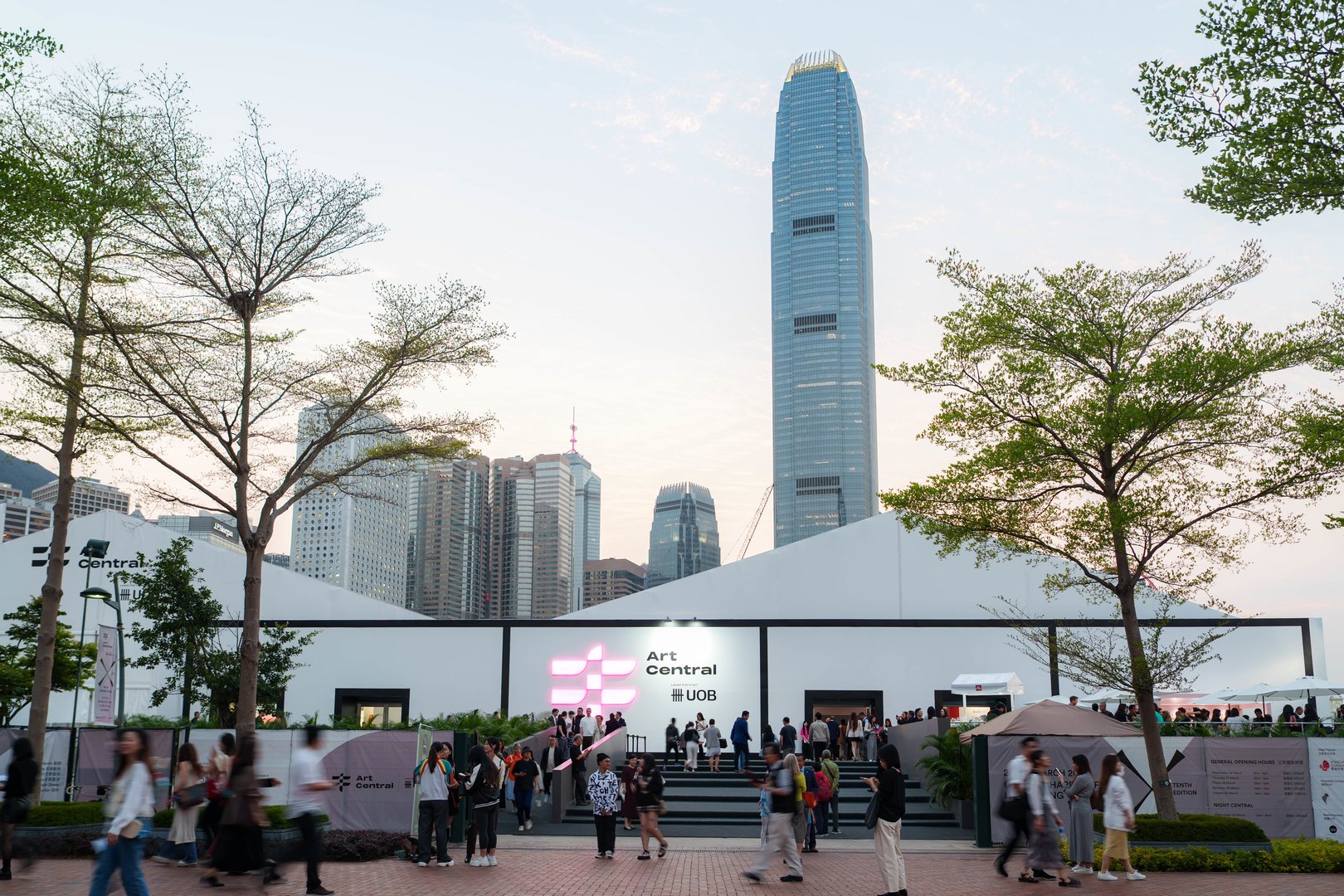
Running alongside it is Art Central, known for its focus on emerging and mid-career artists.

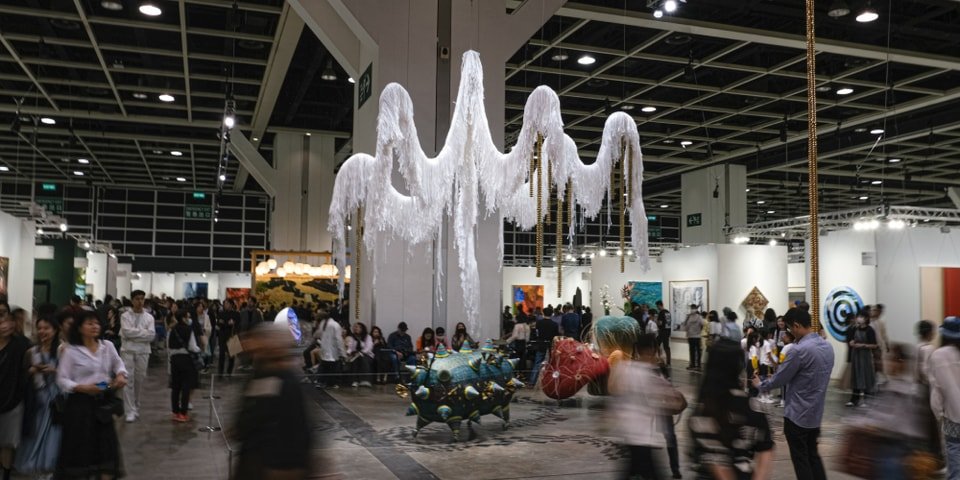
This year’s edition has expanded both in scale and ambition, offering a platform for discovery through curated sections, large-scale installations and experimental works that engage directly with the city’s harbourfront setting.

Tai Kwun Contemporary plays a key role during Art Month, hosting exhibitions that blend historical context with cutting-edge practice.

Its programming continues to attract both local and international audiences, reinforcing Hong Kong’s reputation for thoughtful and critically engaged art presentations.

M+ museum, one of Asia’s most prominent cultural institutions, features major exhibitions spanning visual art, design and moving image.

Its contributions during Art Month reflect a broader commitment to interdisciplinary exploration and public engagement.

The Hong Kong Palace Museum adds a distinct dimension to the programme, offering exhibitions that bridge traditional Chinese art with contemporary interpretation.

Its presence highlights the city’s unique ability to connect heritage with modern creativity.

Gallery Weekend Hong Kong provides a more intimate experience, encouraging visitors to explore the city’s diverse gallery scene across multiple districts.

The initiative fosters direct interaction between artists, curators and audiences, contributing to a more accessible and community-driven atmosphere.

Completing the lineup are a series of public art installations and performances staged across urban spaces, transforming the city itself into a cultural canvas.

These projects invite wider participation and bring contemporary art into everyday environments, expanding the reach of Art Month beyond traditional venues.

Together, these seven highlights illustrate the breadth and depth of Hong Kong’s Art Month 2026, showcasing a city that continues to evolve as a centre for artistic exchange, innovation and global cultural dialogue.
Capital expenditure set to rise by 8.6 percent as authorities prioritise long-term development and economic stability
Hong Kong has announced its fiscal year 2026–27 budget, outlining an 8.6 percent increase in capital expenditure as the government intensifies investment in infrastructure and long-term economic development.

The budget reflects a strategic focus on sustaining growth momentum while addressing structural challenges in the city’s economy.

Authorities have signalled that higher capital spending will be directed towards major infrastructure projects, innovation initiatives, and urban development, reinforcing Hong Kong’s position as a leading international financial and commercial centre.

Economic projections accompanying the budget indicate that Hong Kong’s economy is expected to expand by between 2.5 percent and 3.5 percent in 2026, supported by continued investment and gradual recovery in key sectors.

The government has emphasised that infrastructure development will play a central role in driving economic resilience and enhancing competitiveness.

The increase in capital expenditure comes amid ongoing efforts to balance public finances, with officials maintaining a measured approach to fiscal management.

While the city continues to navigate external uncertainties, including shifts in global demand and regional economic conditions, policymakers have prioritised targeted spending to stimulate productivity and support strategic industries.

Investment is expected to focus on transport networks, land development, and technology-driven sectors, aligning with broader policy goals to modernise the economy and attract international capital.

Large-scale projects already underway, including new urban districts and major facilities, are set to benefit from sustained funding under the new budget framework.

Officials have reiterated their commitment to maintaining fiscal discipline while ensuring that essential investments continue, describing the budget as a forward-looking plan designed to secure Hong Kong’s long-term prosperity.

The emphasis on capital expenditure underscores a broader policy direction aimed at strengthening infrastructure foundations and supporting future growth.

The announcement reinforces Hong Kong’s intent to remain a dynamic and globally connected economy, with public investment playing a pivotal role in shaping its next phase of development.
New analysis shows nineteen cities have reduced key pollutants by over twenty percent through targeted policies and clean transport initiatives
A group of nineteen major cities, including London, San Francisco and Hong Kong, has achieved significant progress in reducing air pollution, marking a notable shift in global urban environmental performance.

The findings, based on an analysis of nearly one hundred cities worldwide, show that these urban centres have cut levels of two major harmful pollutants—fine particulate matter and nitrogen dioxide—by more than twenty percent since 2010. In several cases, reductions have been even more pronounced, with some cities recording declines of over forty percent.

The improvements are closely linked to sustained policy efforts aimed at transforming urban transport and reducing emissions.

Measures such as expanding cycling infrastructure, accelerating the adoption of electric vehicles, and restricting access for highly polluting vehicles have played a central role in driving the progress.

These interventions have targeted the primary sources of urban air pollution, delivering measurable gains in air quality and public health.

Cities in China and Hong Kong account for a substantial portion of those achieving the strongest results, reflecting coordinated policy implementation and investment in cleaner technologies.

European cities also feature prominently, demonstrating the effectiveness of regulatory frameworks and long-term environmental planning.

Among the standout performers, Beijing and Warsaw have achieved some of the largest reductions in fine particulate pollution, cutting levels by more than forty-five percent.

Amsterdam and Rotterdam have recorded similarly strong progress in reducing nitrogen dioxide concentrations.

San Francisco stands out as the only United States city to meet the threshold for substantial reductions in both pollutants.

The analysis underscores that sustained political commitment and targeted urban policies can deliver rapid and meaningful improvements in air quality.

Experts note that these results challenge long-held assumptions that air pollution in large cities is intractable, instead showing that coordinated action can significantly reduce exposure to harmful pollutants within little more than a decade.

The findings carry important implications for cities worldwide, offering a practical roadmap for addressing air pollution through policy innovation, infrastructure investment, and technological adoption.

As urban populations continue to grow, the experience of these nineteen cities demonstrates that cleaner air is an achievable goal when environmental priorities are integrated into long-term planning.
New analysis shows nineteen cities have reduced key pollutants by over twenty percent through targeted policies and clean transport initiatives
A group of nineteen major cities, including London, San Francisco and Hong Kong, has achieved significant progress in reducing air pollution, marking a notable shift in global urban environmental performance.

The findings, based on an analysis of nearly one hundred cities worldwide, show that these urban centres have cut levels of two major harmful pollutants—fine particulate matter and nitrogen dioxide—by more than twenty percent since 2010. In several cases, reductions have been even more pronounced, with some cities recording declines of over forty percent.

The improvements are closely linked to sustained policy efforts aimed at transforming urban transport and reducing emissions.

Measures such as expanding cycling infrastructure, accelerating the adoption of electric vehicles, and restricting access for highly polluting vehicles have played a central role in driving the progress.

These interventions have targeted the primary sources of urban air pollution, delivering measurable gains in air quality and public health.

Cities in China and Hong Kong account for a substantial portion of those achieving the strongest results, reflecting coordinated policy implementation and investment in cleaner technologies.

European cities also feature prominently, demonstrating the effectiveness of regulatory frameworks and long-term environmental planning.

Among the standout performers, Beijing and Warsaw have achieved some of the largest reductions in fine particulate pollution, cutting levels by more than forty-five percent.

Amsterdam and Rotterdam have recorded similarly strong progress in reducing nitrogen dioxide concentrations.

San Francisco stands out as the only United States city to meet the threshold for substantial reductions in both pollutants.

The analysis underscores that sustained political commitment and targeted urban policies can deliver rapid and meaningful improvements in air quality.

Experts note that these results challenge long-held assumptions that air pollution in large cities is intractable, instead showing that coordinated action can significantly reduce exposure to harmful pollutants within little more than a decade.

The findings carry important implications for cities worldwide, offering a practical roadmap for addressing air pollution through policy innovation, infrastructure investment, and technological adoption.

As urban populations continue to grow, the experience of these nineteen cities demonstrates that cleaner air is an achievable goal when environmental priorities are integrated into long-term planning.
Rising crude prices and supply disruptions threaten inflation, consumer costs, and economic stability in import-dependent city
Hong Kong is preparing for significant economic pressure as the escalating conflict in the Middle East sends shockwaves through global energy markets, driving oil prices higher and increasing volatility across Asia.

The disruption stems largely from instability in the Strait of Hormuz, a critical shipping route through which roughly one-fifth of the world’s oil normally flows.

Ongoing military activity and attacks on energy infrastructure have sharply reduced supply, pushing crude prices above one hundred dollars per barrel and, in some cases, significantly higher in physical markets.

For Hong Kong, which relies entirely on imported fuel, the consequences are expected to be immediate and far-reaching.

Authorities have begun engaging with major oil suppliers to monitor pricing behaviour and ensure stable supply, amid concerns that global price increases could be passed on quickly to local consumers.

Industry participants warn that transport operators and logistics providers may introduce surcharges to offset rising fuel costs, while households could face higher electricity bills and increased expenses for goods and services.

Early signs of pricing pressure have already sparked scrutiny over fuel pricing practices, with calls for greater transparency as global benchmarks fluctuate.

Economists caution that the broader impact extends beyond energy costs.

A prolonged conflict could fuel inflation across the city, driven by higher import prices and increased operating costs for businesses.

Given Hong Kong’s open economy and currency link to the US dollar, any rise in global interest rates in response to inflation could further tighten financial conditions and slow growth.

The volatility in oil markets is being amplified by the scale of the disruption, which analysts describe as one of the most severe in modern history.

Supply losses from the Gulf, combined with heightened geopolitical risk, have created sharp swings in pricing and uncertainty over future availability.

Despite these challenges, Hong Kong’s role as an international financial centre may offer some resilience, with continued capital inflows and strong market infrastructure providing a buffer against external shocks.

Nevertheless, the trajectory of the conflict remains the defining factor, with the duration and severity of supply disruptions set to determine the extent of the city’s economic exposure.

As global energy markets remain on edge, policymakers and businesses in Hong Kong are closely watching developments, preparing for a period of sustained volatility that could reshape costs and economic conditions in the months ahead.
The city’s flagship ‘discovery fair’ expands its global reach with over one hundred galleries and a renewed vision for the future of contemporary art
Art Central has returned to Hong Kong with its largest and most ambitious edition to date, reinforcing its role as a leading platform for discovering new artistic voices while anchoring the city’s status as a global cultural hub.

Staged at the Central Harbourfront from 25 to 29 March, with a preview event a day earlier, the fair brings together more than one hundred galleries and around five hundred artists from Hong Kong, across Asia, and internationally.

The expanded lineup reflects growing momentum in the region’s art market and highlights Hong Kong’s continued importance as a gateway for cultural exchange and creative innovation.

Now entering its second decade, the event has sharpened its identity as a “discovery fair,” placing particular emphasis on emerging and mid-career artists.

Dedicated sections such as the Neo sector spotlight younger galleries and cross-disciplinary talent, while new curated platforms introduce artists gaining recognition at major global exhibitions and biennials.

Among the headline developments is the introduction of Central Stage, a curated programme designed to showcase artists at pivotal moments in their careers, bridging institutional recognition with commercial presentation.

Alongside this, large-scale installations and sculpture projects expand beyond traditional booth formats, offering immersive, site-specific works that engage directly with the harbourfront setting.

The fair’s programming extends beyond exhibitions to include talks, performances, and video art, reflecting a broader ambition to deepen engagement between artists, collectors, and the public.

Organisers have also highlighted efforts to foster dialogue around contemporary themes, including technology, identity, and communication in a rapidly evolving global landscape.

Art Central forms a key pillar of Hong Kong’s annual Art Month, coinciding with other major cultural events and drawing international visitors to the city.

The scale and diversity of this year’s edition underscore a renewed confidence in Hong Kong’s cultural economy and its ability to connect regional creativity with global audiences.

With its record participation and forward-looking curatorial approach, the fair signals a continued evolution in how contemporary art is presented and experienced, positioning Hong Kong at the centre of new conversations shaping the global art scene.
Regulators move to strengthen scrutiny of mainland firms using key route to Hong Kong listings following rapid deal expansion
Chinese authorities are moving to tighten control over a crucial offshore listing pathway used by mainland companies to raise capital in Hong Kong, following a sharp increase in deal activity that has raised concerns over quality and regulatory oversight.

The measures focus on the system that allows Chinese firms to pursue so-called H-share listings in Hong Kong, a channel that has become increasingly important as global capital markets shift and companies seek alternatives to Western exchanges.

Regulators are now examining stricter requirements for companies seeking approval, including higher compliance standards and potential thresholds tied to company size and valuation.

The renewed scrutiny comes after a significant rebound in Hong Kong’s initial public offering market, where fundraising volumes surged in 2025 and the city re-established itself as a leading global listing venue.

A wave of mainland firms, including technology and industrial groups aligned with national development priorities, has driven the increase in listings and capital raised.

Authorities are seeking to ensure that only high-quality issuers gain access to offshore capital, reflecting a broader policy direction aimed at strengthening financial stability while supporting long-term economic growth.

Among the options under consideration are tighter vetting procedures, more rigorous disclosure requirements, and closer examination of companies pursuing dual listings.

The move signals a calibrated approach by Beijing, balancing its support for international fundraising channels with a determination to uphold market integrity.

Officials have emphasised that the goal is not to restrict access to Hong Kong’s capital markets, but to enhance standards and reinforce investor confidence as the volume of deals expands.

Market participants view the development as part of a wider evolution of China’s capital market framework, in which offshore listings remain a strategic tool but are increasingly aligned with national regulatory priorities.

The adjustments are expected to reshape the pipeline of companies preparing for Hong Kong listings, favouring larger and more established groups capable of meeting the heightened requirements.
Legislators stress that any extradition of Andrew and Tristan Tate would require official requests from the United Kingdom or Romania
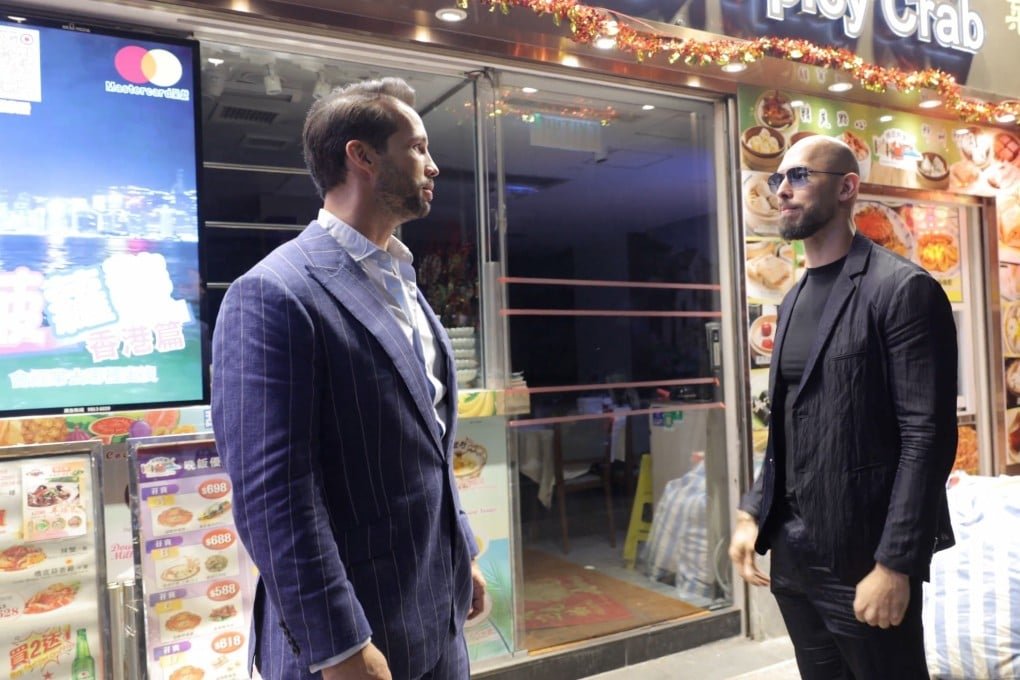
Hong Kong lawmakers have said that social media personalities Andrew and Tristan Tate cannot be extradited from the city to the United Kingdom or Romania unless formal requests are submitted by those governments, as the brothers’ visit to Hong Kong sparked widespread public discussion.

The comments came after the influencer siblings arrived in the city over the weekend and were seen visiting nightlife areas, drawing attention from onlookers and social media users.

Videos circulating online showed crowds gathering around the pair in Lan Kwai Fong, where people were seen taking photographs and interacting with them.

Legislators emphasised that Hong Kong’s legal framework requires a formal extradition request from a jurisdiction seeking the surrender of a person.

Without such a request, local authorities would have no legal basis to begin the extradition process.

They also rejected suggestions circulating online that Hong Kong had become a refuge for individuals facing legal scrutiny elsewhere.

Officials noted that extradition arrangements depend on existing legal agreements and procedural steps, and cannot be initiated solely because a person is present in the city.

Hong Kong suspended its extradition agreements with several Western jurisdictions, including the United Kingdom, in two thousand twenty after a series of diplomatic developments.

Lawmakers said the suspension means any potential transfer of a suspect would require a formal case-by-case legal approach or a specific request through available channels.

Andrew Tate, thirty nine, responded to calls on social media urging his extradition, writing that if British authorities wanted to speak with him they should arrange for his return.

The influencer has built a large global following online and frequently posts commentary on social media platforms.

The Tate brothers have faced legal proceedings in several countries in recent years.

Authorities in Romania have brought criminal cases related to allegations including human trafficking and other offences, while prosecutors in the United Kingdom have authorised charges connected to alleged offences dating back more than a decade.

The brothers deny all accusations and maintain that they will defend themselves through the legal process.

Lawmakers said that regardless of public debate surrounding the visit, any decision regarding extradition would ultimately depend on formal diplomatic and legal procedures rather than political or online pressure.
Legislators stress that any extradition of Andrew and Tristan Tate would require official requests from the United Kingdom or Romania
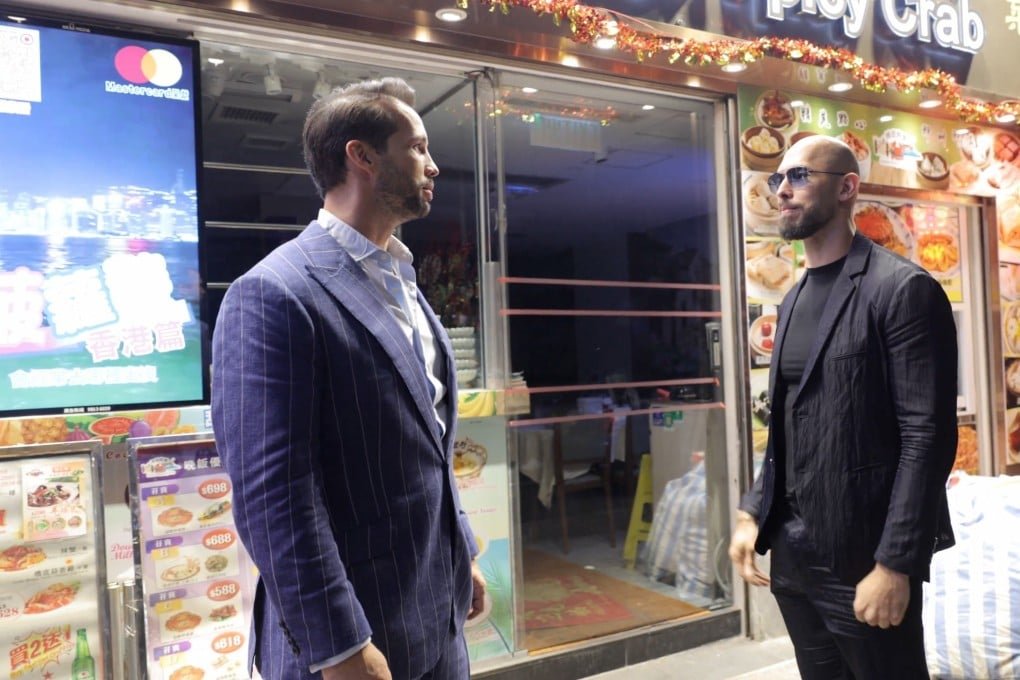
Hong Kong lawmakers have said that social media personalities Andrew and Tristan Tate cannot be extradited from the city to the United Kingdom or Romania unless formal requests are submitted by those governments, as the brothers’ visit to Hong Kong sparked widespread public discussion.

The comments came after the influencer siblings arrived in the city over the weekend and were seen visiting nightlife areas, drawing attention from onlookers and social media users.

Videos circulating online showed crowds gathering around the pair in Lan Kwai Fong, where people were seen taking photographs and interacting with them.

Legislators emphasised that Hong Kong’s legal framework requires a formal extradition request from a jurisdiction seeking the surrender of a person.

Without such a request, local authorities would have no legal basis to begin the extradition process.

They also rejected suggestions circulating online that Hong Kong had become a refuge for individuals facing legal scrutiny elsewhere.

Officials noted that extradition arrangements depend on existing legal agreements and procedural steps, and cannot be initiated solely because a person is present in the city.

Hong Kong suspended its extradition agreements with several Western jurisdictions, including the United Kingdom, in two thousand twenty after a series of diplomatic developments.

Lawmakers said the suspension means any potential transfer of a suspect would require a formal case-by-case legal approach or a specific request through available channels.

Andrew Tate, thirty nine, responded to calls on social media urging his extradition, writing that if British authorities wanted to speak with him they should arrange for his return.

The influencer has built a large global following online and frequently posts commentary on social media platforms.

The Tate brothers have faced legal proceedings in several countries in recent years.

Authorities in Romania have brought criminal cases related to allegations including human trafficking and other offences, while prosecutors in the United Kingdom have authorised charges connected to alleged offences dating back more than a decade.

The brothers deny all accusations and maintain that they will defend themselves through the legal process.

Lawmakers said that regardless of public debate surrounding the visit, any decision regarding extradition would ultimately depend on formal diplomatic and legal procedures rather than political or online pressure.
Paul Chan says the rapidly emerging AI agent should be strengthened rather than rejected as authorities weigh innovation against cybersecurity concerns
Hong Kong’s finance chief has called for improvements to the artificial intelligence agent OpenClaw rather than abandoning the technology altogether, describing the system as a highly efficient “digital employee” despite growing cybersecurity concerns.

Financial Secretary Paul Chan Mo-po made the remarks during a luncheon with professionals, days after the government’s Digital Policy Office issued an advisory urging departments to avoid installing OpenClaw or similar software because of potential security vulnerabilities.

Chan said the technology’s capabilities should not be dismissed outright, arguing that risks could be addressed through stronger safeguards and technical improvements.

He likened the AI agent to a productive digital assistant capable of handling tasks that would otherwise require significant human effort.

According to Chan, the rapid development of such tools demonstrates the transformative potential of artificial intelligence for both public administration and private sector productivity.

OpenClaw is an open-source AI agent framework developed by Austrian software engineer Peter Steinberger.

Unlike conventional chatbots, the system is designed to perform real-world tasks autonomously once given permission, such as organising files, processing emails, analysing data or executing coding workflows.

Because the software can interact directly with applications and digital services, it often requires broad system permissions.

Cybersecurity specialists have warned that such access could expose organisations to risks including data leakage, unauthorised access or malicious instructions if the software is improperly configured or deployed.

These concerns prompted the Digital Policy Office to advise government departments against installing the AI agent or its variants until potential security issues are better understood and mitigated.

The office, established to oversee Hong Kong’s digital governance and technology policy, is responsible for promoting digital development while ensuring cybersecurity standards across public institutions.

Chan acknowledged that advanced AI systems could reshape labour markets in the coming years, particularly by automating repetitive or routine tasks.

However, he suggested the long-term impact remains uncertain, emphasizing that innovation should proceed alongside careful risk management.

The discussion reflects a broader global debate about how governments should regulate emerging AI technologies.

As powerful autonomous agents become increasingly capable of performing complex digital tasks, policymakers face the challenge of balancing technological innovation with the need to protect sensitive data and critical systems.

Chan’s comments highlight the administration’s interest in fostering artificial intelligence development while encouraging responsible deployment, signalling that Hong Kong intends to remain engaged with rapidly evolving AI technologies rather than retreating from them due to early-stage security concerns.
Authorities introduce simplified registration measures for young residents as part of the city’s 2026 electoral outreach campaign
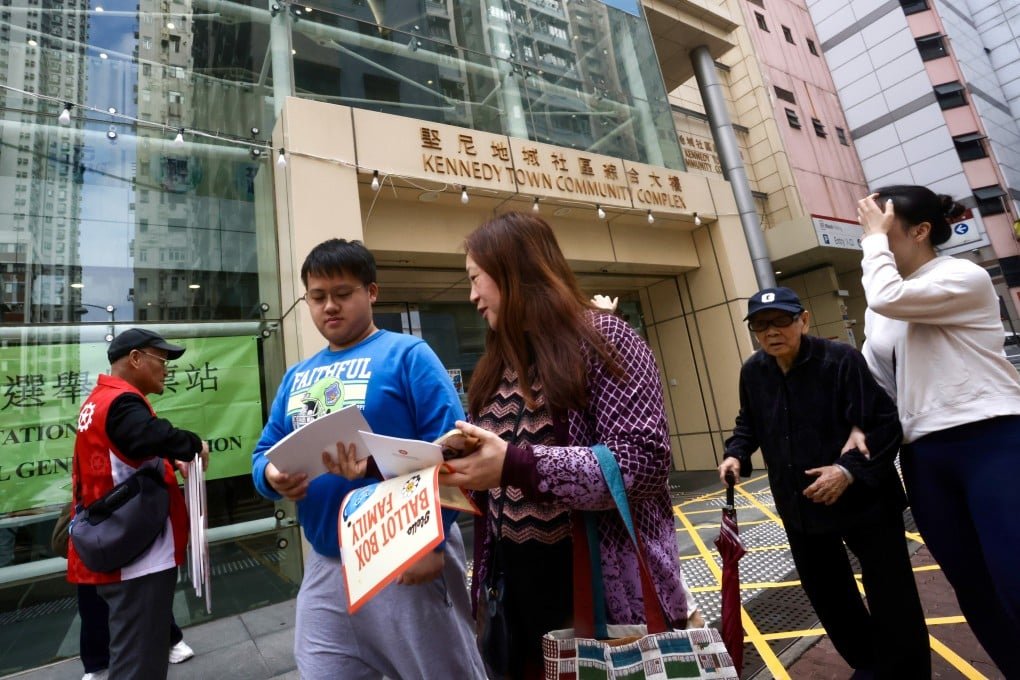
Hong Kong authorities have unveiled new measures aimed at encouraging more young residents to register as voters, introducing a simplified process that allows some applicants to bypass traditional proof-of-address requirements through self-declarations.

Under the initiative, young people who turn eighteen will be able to complete a statutory declaration confirming their residential address if they do not possess standard address documents.

Officials said commissioners for oaths will be stationed at Immigration Department Registration of Persons offices, where many residents visit to replace juvenile identity cards with adult identity cards upon reaching adulthood.

The proposal was outlined during a meeting of the Legislative Council’s constitutional affairs panel as officials presented details of the city’s 2026 voter registration campaign.

The campaign’s first stage is scheduled to run from late April to early June and will focus on encouraging eligible residents to register as electors for upcoming elections.

Government officials said the policy reflects the administration’s commitment to strengthening civic participation among younger residents.

Clement Woo Kin-man, acting secretary for constitutional and mainland affairs, told lawmakers that encouraging youth registration is a priority as the government seeks to ensure that new generations take part in the electoral process.

Officials acknowledged that many young people encounter practical difficulties when registering to vote because they often lack formal documents showing proof of address.

The new self-declaration arrangement is intended to remove this barrier while maintaining verification procedures through sworn statements administered by authorized officials.

Under Hong Kong’s electoral framework, permanent residents aged eighteen or above who ordinarily live in the city are eligible to register as electors and vote in relevant elections once their names are entered on the official register.

Voter registration in the city is voluntary and administered through the Registration and Electoral Office under existing electoral legislation.

Authorities say the youth-focused initiative forms part of a broader effort to maintain an accurate and representative voter register while strengthening public awareness of electoral participation.

By integrating the registration process into locations where young residents already visit to update their identity documents, officials aim to make voter registration simpler and more accessible for first-time voters.
Prime residential sites acquired for about two hundred fifty five million dollars are being marketed below their earlier purchase valuation
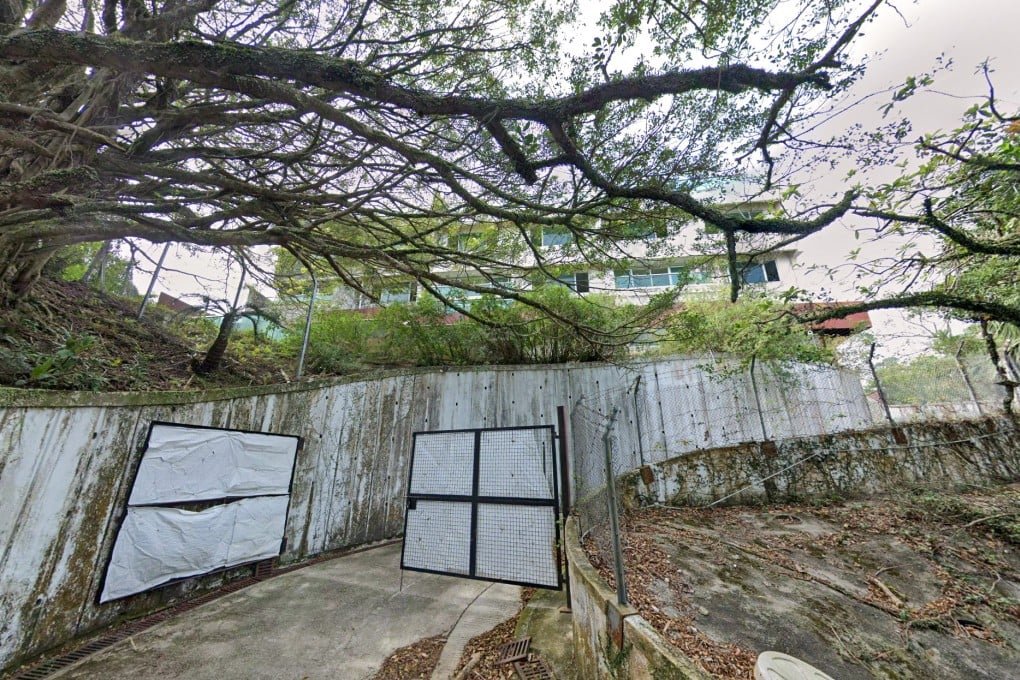
A group of luxury residential plots on Hong Kong’s prestigious Peak Road owned by businessman Chan King-wai has been placed on the market through a public tender, raising expectations that the eventual sale price may fall below the level implied by the original acquisition cost.

The adjoining properties at numbers eighty six, eighty eight and ninety Peak Road, which together cover roughly twenty eight thousand six hundred twenty square feet, are being offered jointly for sale.

The sites occupy one of Hong Kong’s most exclusive residential districts, long known for commanding some of the highest property prices in the world.

Property consultants involved in the marketing of the assets say potential bids could range between about seventy thousand Hong Kong dollars and one hundred thousand Hong Kong dollars per square foot.

The estimated range suggests the transaction could value the site below the price implied by the owner’s earlier purchase, indicating the possibility of a financial loss if the sale proceeds within that range.

Land registry records show the properties are held through two corporate entities.

Carino Ford owns the plots at numbers eighty six and eighty eight Peak Road, while Premier Zone owns the property at number ninety.

Corporate filings list Chan King-wai and his sons, Henry Chan Hang-lee and Antonio Chan Hang-tat, as directors of both companies.

Chan founded King Wai Group in the nineteen eighties, initially building the business through the textile trade before expanding into property, services and financial investments.

The group later developed a broad presence across mainland China, particularly in major commercial centres such as Guangdong, Shanghai and Tianjin.

The businessman shares a regional background with Hong Kong billionaire Li Ka-shing, both tracing their origins to the Chaoshan region of Guangdong province.

Chan acquired the Peak Road sites several years ago from companies linked to CK Group, adding them to a portfolio of high-value real estate investments.

The tender sale comes at a time when Hong Kong’s luxury property sector is adjusting to shifting market conditions, including higher interest rates and a more cautious investment environment.

Transactions involving ultra-prime homes have become less frequent compared with previous market cycles, prompting some owners to reassess holdings or reposition assets.

If bids fall within the projected range, the outcome would mark another example of a prominent Peak property changing hands below earlier valuations, underscoring the recalibration underway in the city’s high-end residential market.
Prime residential sites acquired for about two hundred fifty five million dollars are being marketed below their earlier purchase valuation
A group of luxury residential plots on Hong Kong’s prestigious Peak Road owned by businessman Chan King-wai has been placed on the market through a public tender, raising expectations that the eventual sale price may fall below the level implied by the original acquisition cost.

The adjoining properties at numbers eighty six, eighty eight and ninety Peak Road, which together cover roughly twenty eight thousand six hundred twenty square feet, are being offered jointly for sale.

The sites occupy one of Hong Kong’s most exclusive residential districts, long known for commanding some of the highest property prices in the world.

Property consultants involved in the marketing of the assets say potential bids could range between about seventy thousand Hong Kong dollars and one hundred thousand Hong Kong dollars per square foot.

The estimated range suggests the transaction could value the site below the price implied by the owner’s earlier purchase, indicating the possibility of a financial loss if the sale proceeds within that range.

Land registry records show the properties are held through two corporate entities.

Carino Ford owns the plots at numbers eighty six and eighty eight Peak Road, while Premier Zone owns the property at number ninety.

Corporate filings list Chan King-wai and his sons, Henry Chan Hang-lee and Antonio Chan Hang-tat, as directors of both companies.

Chan founded King Wai Group in the nineteen eighties, initially building the business through the textile trade before expanding into property, services and financial investments.

The group later developed a broad presence across mainland China, particularly in major commercial centres such as Guangdong, Shanghai and Tianjin.

The businessman shares a regional background with Hong Kong billionaire Li Ka-shing, both tracing their origins to the Chaoshan region of Guangdong province.

Chan acquired the Peak Road sites several years ago from companies linked to CK Group, adding them to a portfolio of high-value real estate investments.

The tender sale comes at a time when Hong Kong’s luxury property sector is adjusting to shifting market conditions, including higher interest rates and a more cautious investment environment.

Transactions involving ultra-prime homes have become less frequent compared with previous market cycles, prompting some owners to reassess holdings or reposition assets.

If bids fall within the projected range, the outcome would mark another example of a prominent Peak property changing hands below earlier valuations, underscoring the recalibration underway in the city’s high-end residential market.
Technology giant begins rolling out its flagship generative AI platform locally as the city accelerates its push to become a regional artificial intelligence hub
Google is preparing to expand access to its Gemini generative artificial intelligence platform to all users in Hong Kong, marking a significant shift for the city’s technology landscape as authorities and industry leaders intensify efforts to strengthen its position in the global AI economy.

The rollout will begin with the Gemini web application, allowing residents to use the chatbot and AI assistant directly without relying on workarounds.

A mobile version of the service is expected to follow, extending the platform’s capabilities to smartphones and integrating the tool more deeply into daily productivity workflows.

For many users in Hong Kong, the change will remove barriers that previously limited direct access to leading AI models.

Until now, residents often relied on virtual private networks or third-party platforms to reach generative AI tools from global developers, as some companies had restricted services in the region due to regulatory or compliance considerations.

Local technology leaders say the expanded availability of Gemini could help accelerate innovation and digital productivity in the city.

Google executives described the rollout as part of a broader commitment to support Hong Kong’s technology ecosystem and enable more individuals and businesses to harness the benefits of artificial intelligence.

Gemini is designed as a multimodal AI system capable of understanding and generating text, images and audio.

The platform can assist users with writing, research, coding, creative content production and data analysis, while also generating multimedia outputs such as images and music.

These capabilities have positioned generative AI tools as powerful assistants for students, developers, entrepreneurs and creative professionals.

The launch comes as Hong Kong intensifies its broader AI development strategy.

Policymakers and technology groups have been promoting the city as a regional innovation centre, encouraging investment in artificial intelligence research, digital infrastructure and cross-border technology collaboration within the Greater Bay Area.

Industry observers say direct access to global AI platforms could significantly improve the local technology environment by giving businesses and creators tools that are already widely used in other major innovation hubs.

Wider availability may also help standardise workplace adoption of generative AI across sectors ranging from finance and education to media and design.

By bringing its flagship AI platform to Hong Kong users, Google is expected to deepen competition in the city’s fast-growing AI sector while opening new opportunities for productivity, experimentation and creative development.
Proposed legislation aims to accelerate development of the vast cross-border economic zone by dramatically reducing planning procedures
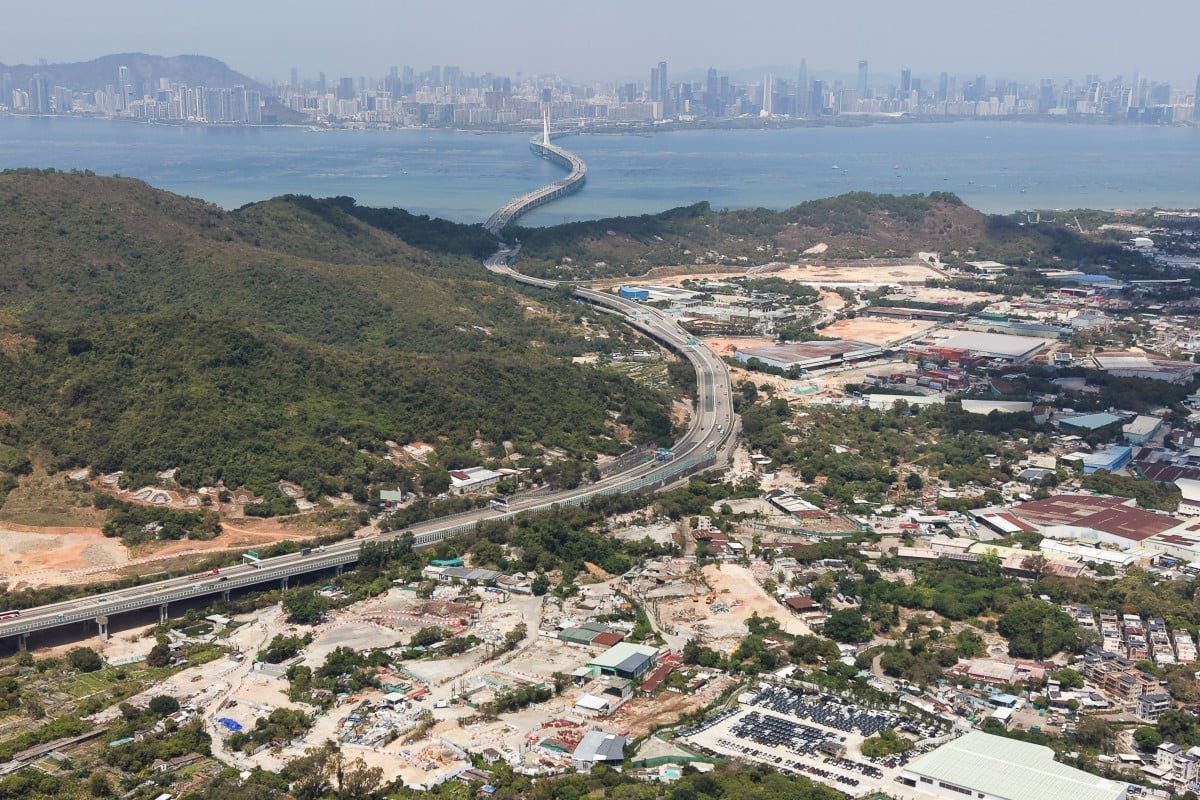
Hong Kong authorities are preparing legislation that could dramatically shorten land-use approval procedures for projects in the Northern Metropolis, reducing processing time from about nine months to as little as two months in a bid to accelerate one of the city’s most ambitious development initiatives.

According to officials familiar with the plan, details of the dedicated legal framework are expected to be unveiled soon, with a central feature aimed at simplifying and speeding up the process required to change land use in development zones.

The reform is intended to remove procedural bottlenecks that developers currently face when seeking approval for projects under the city’s planning system.

Under the existing framework, developers must submit formal applications to the Town Planning Board and undergo a series of consultations and meetings before changes to zoning plans are approved.

The process typically takes around nine months, a timeline that officials believe slows progress on large-scale infrastructure and housing projects.

The proposed measures would allow authorities to compress that timetable significantly, with sources indicating that approvals in designated Northern Metropolis areas could be completed in roughly two months once the streamlined procedures are implemented.

The legislative initiative forms part of a broader effort to speed up construction and investment across the Northern Metropolis, a vast development zone in the northern New Territories near the border with Shenzhen.

First unveiled in two thousand twenty-one, the project covers roughly thirty thousand hectares and is designed to become a major hub for housing, innovation and cross-border economic cooperation.

The development is expected to serve as a central engine of long-term growth, providing large tracts of new land for industry, housing and technology sectors while strengthening Hong Kong’s integration with the Greater Bay Area.

The area is also intended to support the city’s role as an international financial and innovation centre by enabling new clusters of high-value industries and research activity.

Officials say the streamlined approval framework aligns with national economic planning priorities and the city’s strategy to accelerate major infrastructure and urban expansion projects.

By reducing administrative delays, the government hopes to attract greater private investment, encourage faster construction and deliver housing and employment opportunities more quickly.

The Northern Metropolis project is projected to eventually accommodate millions of residents and hundreds of thousands of jobs, positioning it as one of the most significant urban development initiatives in Hong Kong’s modern history.
Washington’s concerns over strategic infrastructure add geopolitical tension to Beijing’s growing investments in South American ports
A Chinese effort to secure a major stake in one of Brazil’s most important port terminals has encountered resistance from the United States, highlighting rising geopolitical competition over critical infrastructure in South America.

The dispute centers on Chinese state-linked companies seeking to expand their presence in Brazilian port facilities that play a vital role in global commodity supply chains.

Brazil’s ports are key gateways for exports of soybeans, corn, sugar and crude oil, much of which is destined for China, the country’s largest trading partner.

One of the most closely watched projects involves the Port of Santos, the largest port in Latin America and a central hub for agricultural exports.

Chinese state-owned agribusiness giant Cofco has been developing a major grain terminal there to boost export capacity and strengthen supply lines between Brazilian farms and Chinese markets.

The new facility is expected to handle millions of tonnes of commodities annually, significantly expanding China’s logistical footprint in the region.

At the same time, Chinese companies have pursued additional acquisitions in Brazil’s port sector.

China Merchants Port Holdings recently agreed to acquire a controlling stake in Vast Infraestrutura, operator of a crude oil transshipment terminal at the Port of Açu. The facility handles a significant share of Brazil’s oil exports and can accommodate some of the largest oil tankers in operation.

US officials and strategic analysts have expressed concern that expanding Chinese control over major maritime infrastructure could carry broader geopolitical implications.

American policymakers have increasingly scrutinized Chinese investments in ports, logistics hubs and transport networks worldwide, arguing that such assets could provide Beijing with long-term economic and strategic leverage.

China’s growing port investments are widely seen as part of a broader global strategy to secure supply chains and strengthen trade connectivity.

Through state-owned enterprises and financing mechanisms, Beijing has supported port projects across Asia, Africa and Latin America, linking them into a global maritime network associated with the Belt and Road Initiative.

For Brazil, Chinese investment presents both economic opportunity and strategic complexity.

The country relies heavily on its ports to move agricultural commodities to international markets, and infrastructure upgrades are widely viewed as essential to reducing logistical bottlenecks that limit export capacity.

Brazilian authorities have sought to balance these competing pressures by welcoming foreign investment while maintaining regulatory oversight of critical infrastructure.

Analysts say the outcome of the current negotiations could shape how Brazil navigates the intensifying rivalry between the United States and China in the years ahead.

As global competition for control of trade routes and supply chains grows sharper, ports such as Santos and Açu are becoming focal points of strategic interest—demonstrating how infrastructure projects in emerging markets can quickly take on international geopolitical significance.
President signals schedule change for planned China visit as Washington focuses on major international developments
President Donald Trump has said the United States has asked China to delay his planned summit with Chinese President Xi Jinping in Beijing by roughly a month, citing the need to remain closely engaged with ongoing global developments.

The meeting between the two leaders had been expected to take place in Beijing at the end of March, marking the first presidential visit to China of Trump’s current term.

The summit was widely anticipated as a key opportunity for the world’s two largest economies to address trade issues, strategic competition and broader geopolitical coordination.

Speaking about the proposed adjustment, Trump indicated that the request for a delay reflects the administration’s immediate focus on managing major international events, including the ongoing conflict involving Iran and efforts to secure global shipping routes in the Middle East.

The president said remaining in Washington during this period is important as the United States coordinates responses with allies and partners.

White House officials emphasized that the summit itself remains firmly on the diplomatic agenda and that both governments continue to communicate about the visit.

Press Secretary Karoline Leavitt said the meeting is not in jeopardy and that any change in timing would be logistical rather than a reflection of tensions between Washington and Beijing.

Chinese authorities have also confirmed that discussions with the United States regarding the visit are ongoing.

Diplomats from both countries have continued preparations for leader-level talks, including earlier negotiations between senior economic officials aimed at stabilizing trade relations and exploring areas of cooperation.

The potential summit is viewed as a significant diplomatic moment in the evolving relationship between the United States and China.

Officials on both sides have indicated that discussions could address economic ties, supply chain resilience and broader global security challenges.

While the exact schedule for the meeting remains under review, Trump reiterated that he looks forward to holding direct talks with Xi. Administration officials say a revised timetable could be announced once diplomatic and logistical arrangements are finalized.
Bangkok promotes incentives, locations and production capabilities to attract more Asian and global film projects
Thailand has stepped up efforts to position itself as a leading production hub in Asia, using the Hong Kong FILMART 2026 event to promote the country’s film industry, production incentives and diverse filming locations to international producers.

Officials from Thailand’s Ministry of Tourism and Sports and the Thailand Film Office led a delegation to the major film and television market in Hong Kong, where they presented the country’s expanding capabilities to filmmakers from across Asia and beyond.

The campaign highlighted Thailand’s competitive cash rebate program, experienced production crews and varied landscapes that have made it an attractive destination for international film projects.

The promotion forms part of a broader strategy by the Thai government to strengthen the creative economy and expand the country’s role in global film production.

Authorities have emphasized that film and television projects can generate substantial economic activity through tourism, job creation and international exposure for local culture and locations.

During the FILMART showcase, Thai representatives introduced producers to new filming incentives designed to encourage large-scale productions.

These include rebates on qualified local spending and streamlined permitting processes aimed at making Thailand one of the most accessible production environments in the region.

Thailand’s film industry has already attracted a growing number of international productions in recent years, including major streaming series and feature films that take advantage of the country’s tropical coastlines, historic cities and modern urban settings.

Industry officials say the country’s skilled crews and competitive costs provide additional advantages for producers seeking high-quality production services.

Delegates at FILMART also emphasized the Thai government’s commitment to supporting creative industries as a key pillar of national economic development.

Film, television and digital media have been identified as sectors with strong potential to expand exports and strengthen Thailand’s cultural influence across Asia.

The Hong Kong event serves as one of the largest entertainment industry markets in the region, bringing together distributors, producers and investors from dozens of countries.

By participating in the gathering, Thai officials aim to deepen partnerships with regional studios and encourage new collaborations across the Asian film market.

Authorities say the promotional effort reflects Thailand’s broader ambition to become one of Asia’s premier destinations for international filmmaking, combining world-class locations, professional expertise and supportive government policies.
Officials prepare to unveil plans for the World Internet Conference Asia-Pacific Summit scheduled to take place in Hong Kong
Hong Kong’s Secretary for Innovation, Technology and Industry, Professor Sun Dong, has departed for Beijing to introduce the upcoming World Internet Conference Asia-Pacific Summit that will be held in Hong Kong, marking a significant step in preparations for the international technology gathering.

Sun is scheduled to attend a press briefing in the Chinese capital alongside Ren Xianliang, Secretary-General of the World Internet Conference, where they will outline the objectives and agenda of the summit.

The event is expected to draw international attention to Hong Kong’s role as a regional hub for innovation, digital transformation and technology collaboration.

The summit is planned to take place in Hong Kong over two days in April and will bring together government officials, technology leaders, academics and industry representatives from across the Asia-Pacific region.

Organisers say the gathering will focus on the integration of artificial intelligence and digital technologies and their growing influence on economic development and global connectivity.

Discussions are expected to address a wide range of topics including large artificial intelligence models, digital finance, digital government initiatives and the development of smart urban services.

The summit will feature a main forum as well as multiple specialised sessions designed to foster cooperation among governments, research institutions and private sector companies.

Hong Kong authorities say the event reflects the city’s ambition to strengthen its innovation ecosystem and deepen collaboration with international technology partners.

Recent initiatives, including the launch of an artificial intelligence supercomputing centre and the development of new research institutions, have been highlighted as part of the region’s broader strategy to support emerging technologies.

Organisers say the conference will also provide a platform for dialogue on cybersecurity governance, digital infrastructure and the future of cross-border data flows.

Representatives from global technology companies, international organisations and research institutions are expected to participate alongside leading experts in internet governance and digital innovation.

Sun is expected to return to Hong Kong shortly after the Beijing press conference.

During his absence, the city’s Under Secretary for Innovation, Technology and Industry, Lillian Cheong, will serve as acting secretary while preparations continue for the summit.

Officials say the upcoming conference aims to strengthen regional cooperation in digital technology and position Hong Kong as a key meeting point for global discussions on artificial intelligence, cybersecurity and the future of the digital economy.
New autonomous robot designed to assist kitchens and restaurants highlights the city’s push to integrate artificial intelligence into everyday business operations.
Hong Kong has introduced its first artificial-intelligence-powered smart catering robot, marking a new step in the city’s effort to apply advanced technology to the food and hospitality sector.

The robot, designed to assist restaurants and catering operations, combines AI software with automated cooking and service systems capable of preparing dishes, managing kitchen workflows and delivering meals.

Developers say the system can analyse recipes, monitor cooking conditions and maintain consistent quality while reducing the workload on human kitchen staff.

The launch reflects a broader push in Hong Kong to integrate robotics and artificial intelligence into commercial services, particularly in industries facing labour shortages or rising operating costs.

Restaurants and catering businesses have increasingly turned to automation to streamline operations while maintaining efficiency during busy service periods.

The smart catering robot is equipped with sensors and machine-learning technology that allow it to recognise ingredients, control cooking temperatures and coordinate tasks such as plating and delivery.

Some models are designed to move autonomously within kitchens or dining areas, helping to transport food between preparation stations and service tables.

Developers say the technology can support chefs by handling repetitive tasks while leaving creative decision-making and menu development to human staff.

In busy restaurant environments, automated systems can also improve hygiene standards by limiting unnecessary human contact with ingredients and utensils.

Hong Kong’s hospitality sector has been actively exploring robotics as part of a broader modernization strategy.

Several restaurants and hotels have already introduced robotic assistants for serving food, delivering room service and managing logistics within large dining facilities.

Industry observers say the introduction of AI-powered catering robots could help restaurants address staffing challenges and improve productivity.

By combining automation with data analysis, the technology may also help businesses optimize ingredient use, reduce waste and maintain consistent food quality.

As artificial intelligence continues to expand into everyday industries, the debut of Hong Kong’s first AI-powered catering robot illustrates how robotics is increasingly becoming part of the modern dining experience, reshaping the way kitchens operate while supporting the city’s reputation as a center for technological innovation.
Artificial-intelligence life sciences firm founded by Baidu’s Robin Li files confidentially for a Hong Kong listing that could raise hundreds of millions of dollars.
BioMap, an artificial-intelligence biotechnology company backed by Chinese technology giant Baidu, is seeking to go public in Hong Kong as investor enthusiasm for AI-driven drug discovery continues to accelerate.

The Beijing-based firm has confidentially filed for an initial public offering on the Hong Kong Stock Exchange, according to people familiar with the matter.

The planned listing could raise several hundred million dollars, positioning the company among a growing group of biotechnology startups turning to Hong Kong’s capital markets to fund research and expansion.

BioMap was founded in 2020 by Baidu co-founder Robin Li and venture investor Wei Liu.

The company combines large artificial-intelligence models with life-science research to speed up the design and discovery of new medicines.

Its platform integrates data on genes, proteins, cells and biological systems to identify promising drug targets and design potential therapies.

The company has collaborated with pharmaceutical companies, biotechnology firms and academic institutions and has already developed more than fifty early-stage drug candidates using its AI-driven platform.

BioMap is working with several global investment banks to prepare the potential listing, which would add to Hong Kong’s expanding pipeline of technology and biotech offerings.

The city has positioned itself as a major fundraising centre for life-science companies after introducing listing rules that allow pre-revenue biotechnology firms to access public markets.

Hong Kong authorities have also sought to strengthen the city’s role as a biotechnology and artificial-intelligence hub.

The Hong Kong Investment Corporation has backed BioMap and partnered with the company to establish a bio-computing innovation centre designed to attract researchers and startups focused on AI-driven life-science development.

BioMap’s technology is part of a rapidly evolving global race to use artificial intelligence to transform drug development.

AI models are increasingly used to predict protein structures, design new molecules and identify therapeutic pathways, potentially reducing the time and cost required to bring new medicines to market.

The company’s planned Hong Kong listing underscores how strongly investors are betting on the intersection of artificial intelligence and biotechnology.

If completed, the offering would provide BioMap with fresh capital to expand its research pipeline and strengthen its role in the growing global market for AI-powered pharmaceutical innovation.
Influencer seen socializing in Hong Kong while facing ongoing criminal investigations and charges in multiple jurisdictions, which he and his brother deny.
Social media influencer Andrew Tate has been seen socializing at nightlife venues in Hong Kong while continuing to face criminal allegations in multiple countries, drawing renewed attention to his high-profile legal battles.

Tate, a former professional kickboxer who has built a large online following through social media commentary and business ventures, was photographed and filmed attending parties and entertainment events in the city.

His presence in Hong Kong has circulated widely on social media, where supporters and critics alike have shared images of the influencer at clubs and gatherings.

The appearance comes as Tate remains entangled in legal proceedings spanning several jurisdictions.

Prosecutors in the United Kingdom have authorised numerous charges against him and his brother Tristan Tate, including rape, human trafficking and related offences linked to several alleged victims.

Authorities have indicated that extradition proceedings could follow the conclusion of legal cases currently underway in Romania.

In Romania, the brothers have faced separate investigations involving allegations of rape, human trafficking and participation in an organised criminal group accused of exploiting women.

Additional inquiries have examined accusations of trafficking minors and financial crimes.

Both men have consistently denied all accusations and have said they intend to challenge the allegations through the legal process.

Their legal representatives have stated that the brothers plan to defend themselves vigorously in court once proceedings reach trial stages.

Tate remains one of the most visible and polarizing figures in online culture, with millions of followers across multiple platforms.

His content, often centred on wealth, masculinity and personal success, has attracted significant support while also generating criticism and scrutiny from governments, educators and advocacy groups.

Despite the continuing investigations and court actions, Tate has maintained a highly public lifestyle and regular online presence, frequently travelling and appearing at events.

His recent outings in Hong Kong underscore the unusual situation in which a global internet personality continues to attract public attention even as legal processes involving multiple countries continue to unfold.
Influencer seen socializing in Hong Kong while facing ongoing criminal investigations and charges in multiple jurisdictions, which he and his brother deny.
Social media influencer Andrew Tate has been seen socializing at nightlife venues in Hong Kong while continuing to face criminal allegations in multiple countries, drawing renewed attention to his high-profile legal battles.

Tate, a former professional kickboxer who has built a large online following through social media commentary and business ventures, was photographed and filmed attending parties and entertainment events in the city.

His presence in Hong Kong has circulated widely on social media, where supporters and critics alike have shared images of the influencer at clubs and gatherings.

The appearance comes as Tate remains entangled in legal proceedings spanning several jurisdictions.

Prosecutors in the United Kingdom have authorised numerous charges against him and his brother Tristan Tate, including rape, human trafficking and related offences linked to several alleged victims.

Authorities have indicated that extradition proceedings could follow the conclusion of legal cases currently underway in Romania.

In Romania, the brothers have faced separate investigations involving allegations of rape, human trafficking and participation in an organised criminal group accused of exploiting women.

Additional inquiries have examined accusations of trafficking minors and financial crimes.

Both men have consistently denied all accusations and have said they intend to challenge the allegations through the legal process.

Their legal representatives have stated that the brothers plan to defend themselves vigorously in court once proceedings reach trial stages.

Tate remains one of the most visible and polarizing figures in online culture, with millions of followers across multiple platforms.

His content, often centred on wealth, masculinity and personal success, has attracted significant support while also generating criticism and scrutiny from governments, educators and advocacy groups.

Despite the continuing investigations and court actions, Tate has maintained a highly public lifestyle and regular online presence, frequently travelling and appearing at events.

His recent outings in Hong Kong underscore the unusual situation in which a global internet personality continues to attract public attention even as legal processes involving multiple countries continue to unfold.
Authorities investigate family’s decision to watch waves during a powerful storm after a young boy was pulled into the sea and hospitalized.
A couple in Hong Kong is expected to face possible child neglect charges after their young son was swept into the sea during a powerful typhoon while the family stood close to the shoreline to watch the waves.

The incident occurred as severe weather conditions brought large storm surges to coastal areas while an official typhoon warning was in force.

Despite public safety alerts urging residents to stay away from waterfronts and exposed coastlines, the family had gone to a breakwater to observe the waves.

During the outing, a large wave struck the shore and pulled the boy and his mother into the sea.

The child’s father immediately jumped into the water in an attempt to rescue them as emergency services were alerted to the situation.

Rescue teams, including firefighters and marine units, managed to pull the victims from the water and transport them to hospital for urgent treatment.

Both the mother and the boy were initially reported to be in critical condition before later stabilising.

The incident sparked widespread concern about the dangers of approaching coastal areas during extreme weather.

Authorities say powerful waves generated by typhoons can suddenly surge over seawalls and breakwaters, creating life-threatening conditions even for experienced swimmers.

Police have indicated that investigators are reviewing whether the adults’ actions constituted child neglect under Hong Kong law, which criminalises behaviour that places a child in serious danger.

If charged and convicted, the offence can carry significant prison terms.

The case is part of a broader effort by officials to discourage “storm-chasing” behaviour, in which residents venture outdoors during severe weather to watch waves or record dramatic footage.

During the same typhoon, police arrested several individuals suspected of bringing children to waterfront areas despite government warnings.

Security officials have said the government is examining whether additional measures or legislation may be needed to deter dangerous behaviour during major storms.

Authorities continue to urge the public to follow official weather warnings and remain indoors when high-level typhoon signals are issued.
Researchers, students and technology innovators from Hong Kong secure numerous awards at one of the world’s largest global invention exhibitions.
A Hong Kong delegation of researchers, engineers and student innovators has achieved strong international recognition at the International Exhibition of Inventions in Geneva, one of the world’s largest annual events dedicated exclusively to new technologies and inventions.

The exhibition, held in Geneva, Switzerland, gathers inventors, universities, research institutions and technology companies from dozens of countries to present breakthrough ideas ranging from biomedical advances to artificial intelligence and environmental engineering.

More than one thousand inventions from around the world are typically showcased and evaluated by a professional international jury.

Hong Kong’s delegation, one of the largest participating groups, brought together representatives from universities, research and development centres, laboratories, technology firms, government departments and schools.

The team presented hundreds of innovations covering fields such as medical technology, smart infrastructure, robotics, artificial intelligence and green energy solutions.

Many of the inventions received top honours from the international judging panel.

Past editions of the event have seen Hong Kong teams collect hundreds of awards including special prizes, gold medals and other distinctions, demonstrating the city’s growing influence in the global innovation landscape.

Universities have played a central role in the delegation’s success.

Research teams from institutions such as the Hong Kong University of Science and Technology, the University of Hong Kong and the Hong Kong Polytechnic University have regularly presented projects addressing major global challenges, including medical diagnostics, renewable energy systems and advanced manufacturing technologies.

Innovations showcased by Hong Kong participants often combine academic research with real-world applications.

Examples have included artificial intelligence systems for detecting abnormal behaviour in public spaces, sustainable building materials created from waste products and new biomedical platforms designed to improve disease treatment.

The achievements at the Geneva exhibition highlight the continued expansion of Hong Kong’s innovation and technology sector.

Officials and industry leaders have emphasized that international recognition at major events strengthens the city’s ambition to develop into a leading global hub for scientific research, entrepreneurship and high-technology development.

As the Geneva exhibition continues to serve as a major platform for showcasing global ingenuity, the strong performance of Hong Kong teams underscores the city’s ability to translate scientific research into practical solutions and commercially viable technologies with worldwide impact.
Researchers, students and technology innovators from Hong Kong secure numerous awards at one of the world’s largest global invention exhibitions.
A Hong Kong delegation of researchers, engineers and student innovators has achieved strong international recognition at the International Exhibition of Inventions in Geneva, one of the world’s largest annual events dedicated exclusively to new technologies and inventions.

The exhibition, held in Geneva, Switzerland, gathers inventors, universities, research institutions and technology companies from dozens of countries to present breakthrough ideas ranging from biomedical advances to artificial intelligence and environmental engineering.

More than one thousand inventions from around the world are typically showcased and evaluated by a professional international jury.

Hong Kong’s delegation, one of the largest participating groups, brought together representatives from universities, research and development centres, laboratories, technology firms, government departments and schools.

The team presented hundreds of innovations covering fields such as medical technology, smart infrastructure, robotics, artificial intelligence and green energy solutions.

Many of the inventions received top honours from the international judging panel.

Past editions of the event have seen Hong Kong teams collect hundreds of awards including special prizes, gold medals and other distinctions, demonstrating the city’s growing influence in the global innovation landscape.

Universities have played a central role in the delegation’s success.

Research teams from institutions such as the Hong Kong University of Science and Technology, the University of Hong Kong and the Hong Kong Polytechnic University have regularly presented projects addressing major global challenges, including medical diagnostics, renewable energy systems and advanced manufacturing technologies.

Innovations showcased by Hong Kong participants often combine academic research with real-world applications.

Examples have included artificial intelligence systems for detecting abnormal behaviour in public spaces, sustainable building materials created from waste products and new biomedical platforms designed to improve disease treatment.

The achievements at the Geneva exhibition highlight the continued expansion of Hong Kong’s innovation and technology sector.

Officials and industry leaders have emphasized that international recognition at major events strengthens the city’s ambition to develop into a leading global hub for scientific research, entrepreneurship and high-technology development.

As the Geneva exhibition continues to serve as a major platform for showcasing global ingenuity, the strong performance of Hong Kong teams underscores the city’s ability to translate scientific research into practical solutions and commercially viable technologies with worldwide impact.
Rising oil prices and shipping risks linked to the Middle East conflict highlight the need for stronger energy security planning in the city.
The escalating conflict involving Iran has renewed calls for Hong Kong to strengthen safeguards around its fuel supply, as global energy markets face increasing volatility and potential disruptions to shipping routes.

The war has pushed oil prices sharply higher and threatened tanker traffic through the Strait of Hormuz, a narrow waterway that normally carries a significant share of the world’s oil and liquefied natural gas shipments.

The disruption has created uncertainty across global markets and raised concerns in Asia, where many economies depend heavily on imported fuel.

For Hong Kong, which imports all of its refined auto fuels and relies on international supply chains for energy, the conflict underscores the importance of maintaining reliable reserves and ensuring transparency in fuel pricing.

Authorities have already begun monitoring the situation closely and have contacted major oil companies to track the impact of global price swings on the local market.

Industry representatives have warned that rising oil prices could eventually feed through to local transportation and logistics costs.

Some sectors, including delivery and freight operators, are considering temporary surcharges to offset higher fuel expenses as the conflict continues to unsettle energy markets.

Officials say Hong Kong’s existing stockpiles provide a buffer against sudden supply disruptions, though reserves are smaller than those held by some major economies.

Government data indicates the city maintains weeks of supply for key fuels such as petrol, diesel and aviation fuel, offering short-term protection against market shocks while international conditions stabilize.

The current geopolitical crisis is also highlighting broader questions about energy resilience in Asia.

Analysts note that many economies in the region rely heavily on imported fossil fuels transported through the Middle East, leaving them exposed to geopolitical events far from their own borders.

Hong Kong has taken steps in recent years to diversify its energy sources, including the development of an offshore liquefied natural gas receiving terminal designed to strengthen the reliability of electricity generation and reduce dependence on a single fuel stream.

As tensions in the Middle East continue and energy prices remain volatile, policymakers and industry leaders say ensuring steady fuel supplies will be critical for Hong Kong’s economic stability.

Reliable access to energy, they argue, will help shield businesses and consumers from the worst effects of global supply disruptions while maintaining the city’s role as a major financial and logistics hub in Asia.
Artificial intelligence breakthroughs in pharmaceutical research are fueling a new wave of biotech companies seeking public listings in Hong Kong.
Hong Kong is experiencing a surge of biotechnology initial public offering filings as companies using artificial intelligence to accelerate drug discovery seek to tap investor enthusiasm for the fast-growing sector.

Several biotechnology startups specializing in AI-driven pharmaceutical research are preparing or considering listings on the Hong Kong Stock Exchange, drawn by strong investor demand and a regulatory environment designed to support innovative life-science companies.

Among them is AI drug discovery startup Earendil Labs, which is exploring a potential public offering that could raise as much as five hundred million dollars, according to people familiar with the plans.

The growing pipeline of offerings reflects a broader surge of interest in artificial intelligence applications in medicine.

AI platforms can analyze vast datasets of chemical compounds, genetic information and biological pathways, enabling researchers to identify promising drug candidates far more quickly than traditional methods.

Hong Kong has positioned itself as a key global fundraising center for such companies since the introduction of special listing rules that allow pre-revenue biotechnology firms to go public.

The policy change, introduced in twenty eighteen, opened the city’s capital markets to early-stage pharmaceutical innovators that may not yet generate profits but require large amounts of funding to advance clinical trials and research.

The strategy has helped the exchange attract dozens of life-science listings over the past several years.

By mid-twenty twenty-five, more than seventy biotechnology companies had gone public in the city, channeling billions of dollars into research and development across the sector.

Momentum accelerated in late twenty twenty-five when AI-driven drug discovery company Insilico Medicine completed the largest biotech initial public offering in Hong Kong that year, raising more than two billion Hong Kong dollars.

The company’s shares surged after listing, reflecting strong investor interest in the emerging field of AI-powered pharmaceutical development.

Companies pursuing similar technologies are now lining up to follow.

Analysts say investors are increasingly attracted to businesses that combine artificial intelligence with life sciences, a pairing widely seen as capable of transforming the speed and cost of drug development.

Hong Kong’s growing reputation as a biotech financing hub has also been supported by strong overall activity in its capital markets.

The city has regained momentum as a global listing center in recent years, with a large pipeline of new offerings and increased participation from international investors.

Market observers say the wave of biotechnology IPO filings underscores how rapidly artificial intelligence is reshaping pharmaceutical research.

As more companies develop platforms capable of designing molecules, predicting drug behavior and optimizing clinical trials, demand for capital is expected to remain strong.

With multiple biotech and technology companies preparing share sales, Hong Kong’s exchange is emerging as one of the world’s most important venues for funding the next generation of AI-driven medical innovation.
Investors remain cautious as rising energy prices and uncertainty around Middle East conflict pressure Hong Kong equities.
Hong Kong’s stock market edged lower as investor sentiment remained fragile amid escalating tensions between the United States and Iran and growing fears of disruptions to global oil supplies.

The benchmark Hang Seng Index slipped slightly during trading, reflecting a cautious mood among investors who are closely monitoring geopolitical developments and their potential impact on global energy markets.

Analysts say concerns about supply disruptions in the Middle East have contributed to volatility across Asian equities.

Energy prices have surged in recent weeks as the conflict intensifies, with crude oil climbing above one hundred dollars a barrel amid fears that shipments through the Strait of Hormuz could be restricted.

The waterway is one of the world’s most important energy corridors, carrying a large share of globally traded oil and gas.

The rise in energy costs has amplified worries about inflation and slower economic growth in major economies.

The geopolitical standoff has prompted investors to shift toward safer assets such as gold while reducing exposure to risk-sensitive sectors including technology, consumer goods and shipping.

Companies that depend heavily on fuel costs have faced additional pressure as higher oil prices threaten to increase operating expenses.

Market strategists say Hong Kong’s equity market is particularly sensitive to global trade and energy shocks because of the city’s role as a major financial and logistics hub linking mainland China with international markets.

When geopolitical tensions intensify, capital flows can shift rapidly as investors reassess risk across emerging and developed markets.

Across the Asia-Pacific region, stock performance has been mixed as traders respond to developments in the Middle East and movements in oil prices.

Some markets have posted modest gains, while others have slipped as global investors weigh the economic implications of the conflict and the potential for further energy disruptions.

Despite the day’s slight decline, analysts say market direction in the coming weeks will likely depend on whether tensions between Washington and Tehran ease or escalate further.

Oil prices, energy supply stability and broader geopolitical developments remain the key factors shaping investor sentiment in Hong Kong and across global financial markets.
Courier company says fluctuating global fuel prices are forcing short-term surcharges on shipments across the two logistics hubs.
Courier company SF Express has introduced a temporary fuel surcharge on shipments involving Hong Kong and Macau, citing rising transportation costs linked to global fuel price volatility.

The logistics group said the additional charge will apply to shipments originating from the two regions and will be calculated as a percentage of the freight cost.

The company explained that the measure is designed to help offset higher operating expenses affecting the courier and air-freight industry as energy prices fluctuate.

According to company notices, the surcharge rate is adjusted monthly and determined by reference to international jet-fuel prices, particularly benchmarks published for the U.S. Gulf Coast.

The mechanism allows the company to increase, reduce or remove the surcharge depending on fuel market conditions.

For March twenty twenty-six, the fuel surcharge applicable to shipments exported from Hong Kong and Macau was set at approximately eighteen point seven five percent of the freight charge.

The percentage may change in future months depending on movements in global fuel costs.

SF Express said the surcharge is applied to a range of express delivery services, including shipments moving between Hong Kong, Macau and other destinations such as mainland China and overseas markets.

Certain categories of shipments remain exempt, including documents weighing two point five kilograms or less in some regional delivery categories.

Fuel surcharges are a common practice among logistics and aviation companies, particularly during periods of volatile energy markets.

By applying a variable fee linked to fuel prices, operators seek to stabilize service costs and maintain delivery operations without implementing permanent changes to base shipping rates.

Hong Kong and Macau serve as key logistics gateways for regional trade and e-commerce in southern China, with millions of parcels moving through the two cities each month.

Industry analysts say temporary surcharges allow courier networks to continue operating efficiently while adjusting to fluctuating energy costs that affect air cargo, trucking and last-mile delivery services.
Courier company says fluctuating global fuel prices are forcing short-term surcharges on shipments across the two logistics hubs.
Courier company SF Express has introduced a temporary fuel surcharge on shipments involving Hong Kong and Macau, citing rising transportation costs linked to global fuel price volatility.

The logistics group said the additional charge will apply to shipments originating from the two regions and will be calculated as a percentage of the freight cost.

The company explained that the measure is designed to help offset higher operating expenses affecting the courier and air-freight industry as energy prices fluctuate.

According to company notices, the surcharge rate is adjusted monthly and determined by reference to international jet-fuel prices, particularly benchmarks published for the U.S. Gulf Coast.

The mechanism allows the company to increase, reduce or remove the surcharge depending on fuel market conditions.

For March twenty twenty-six, the fuel surcharge applicable to shipments exported from Hong Kong and Macau was set at approximately eighteen point seven five percent of the freight charge.

The percentage may change in future months depending on movements in global fuel costs.

SF Express said the surcharge is applied to a range of express delivery services, including shipments moving between Hong Kong, Macau and other destinations such as mainland China and overseas markets.

Certain categories of shipments remain exempt, including documents weighing two point five kilograms or less in some regional delivery categories.

Fuel surcharges are a common practice among logistics and aviation companies, particularly during periods of volatile energy markets.

By applying a variable fee linked to fuel prices, operators seek to stabilize service costs and maintain delivery operations without implementing permanent changes to base shipping rates.

Hong Kong and Macau serve as key logistics gateways for regional trade and e-commerce in southern China, with millions of parcels moving through the two cities each month.

Industry analysts say temporary surcharges allow courier networks to continue operating efficiently while adjusting to fluctuating energy costs that affect air cargo, trucking and last-mile delivery services.
Authorities and airlines aim to strengthen the city’s role as a major transfer hub while regional conflict reshapes long-haul air routes
Hong Kong authorities are working with airlines to expand direct flight services and increase transit capacity at the city’s international airport as conflict in the Middle East disrupts global aviation networks and forces airlines to redraw long-haul routes.

Officials say the strategy is intended to reinforce Hong Kong’s position as a key transfer hub linking Asia with Europe and North America.

The effort comes as airlines reroute flights or suspend services that normally pass through Middle Eastern airspace, creating new demand for alternative connections through East Asia.

Transport and logistics officials have indicated that airlines could boost capacity on existing routes to Europe and the United States or introduce additional transfer services to accommodate passengers seeking alternatives to disrupted routes.

The expansion is expected to coincide with infrastructure upgrades at Hong Kong International Airport, including the completion of its three-runway system and the opening of a new passenger terminal, which together are designed to increase overall handling capacity.

The initiative follows widespread disruption to international air travel after parts of Middle Eastern airspace were closed amid escalating military tensions in the region.

Airlines that normally rely on hubs such as Dubai or Doha have been forced to cancel flights, reroute aircraft or lengthen flight paths, leaving travellers scrambling for alternative connections.

Hong Kong has already felt the immediate impact of these disruptions.

Several departures to Middle Eastern destinations have been cancelled or delayed, while carriers have adjusted schedules to avoid the conflict zone.

Longer routings around restricted airspace have increased travel times and operating costs, creating further pressure on airline networks.

At the same time, the upheaval has created opportunities for Asian carriers and airports capable of offering direct long-haul connections that bypass the affected region.

Airlines such as Cathay Pacific and others operating from major Asian hubs have reported increased demand as travellers seek routes that avoid Middle Eastern transit points.

Hong Kong’s aviation sector sees the situation as a chance to strengthen the city’s long-standing role as a global gateway.

By increasing flight capacity and improving transfer facilities, officials hope the airport can absorb a larger share of international traffic diverted from traditional Gulf hubs.

The city’s airport, already among the world’s busiest for cargo and a major passenger hub in Asia, has invested heavily in infrastructure expansion in recent years.

Authorities believe these improvements will allow Hong Kong to handle rising demand for connecting flights while reinforcing its strategic position within global aviation networks.

Industry analysts note that the shift in travel patterns may prove temporary if Middle Eastern airspace fully reopens.

However, they say the current disruption highlights the importance of diversified global aviation routes and could strengthen Hong Kong’s standing as an alternative gateway for long-haul travel between continents.
Hong Kong Targets High-Spending Overnight Visitors in Strategy to Revitalize Tourism
New Volumes of Xi Jinping’s Economic Thought and Student Engagement Debut in Hong Kong
Markets Look to Trump–Xi Summit for Direction as Conflict Shakes Hong Kong and China Stocks
Corporate Restructuring Rules in China Threaten to Slow Hong Kong IPO Activity
Hong Kong IPO Pipeline Faces Pressure as Beijing Tightens Oversight of Red-Chip Listings
Hong Kong to Host 2026 Asia Women’s Conference Highlighting Regional Unity and Empowerment
Hong Kong Regulatory Push Raises Questions Over Fragile IPO Market Recovery
Hong Kong Unemployment Falls to 3.8% as Labour Market Shows Renewed Strength
Shanghai and Hong Kong Strengthen Film Industry Ties with New Production Agreement
Hong Kong Cultural Summit Showcases New Vision for Community and Global Arts Exchange
Chinese New Year Surge Lifts Hong Kong Visitor Arrivals in Early 2026
Hong Kong Expands AI Sandbox to Deepen Industry and Regulator Collaboration
Baidu-Backed BioMap Advances Toward Hong Kong IPO in Major AI Biotech Push
Hong Kong Chief Executive Signals Capital Inflows as Middle East Conflict Reshapes Global Investment
Seven Standout Events Define Hong Kong’s Art Month 2026 Cultural Showcase
Hong Kong Unveils FY2026–27 Budget with Increased Infrastructure Spending to Support Growth
Global Cities Including London, San Francisco and Hong Kong Achieve Major Breakthrough in Cutting Air Pollution
Hong Kong Braces for Oil Price Shock as Middle East Conflict Drives Global Energy Turbulence
Art Central Returns to Hong Kong with Record Lineup and Strong Focus on Emerging Talent
China Tightens Oversight of Offshore Listing Channel Amid Surge in Hong Kong IPO Activity
Hong Kong Lawmakers Say Tate Brothers Cannot Be Extradited Without Formal Requests
Hong Kong Finance Chief Urges Improvement of OpenClaw AI Instead of Abandoning It Over Security Risks
Hong Kong Launches New Drive to Boost Youth Voter Registration
Hong Kong Businessman May Face Loss as Luxury Peak Road Properties Go to Tender
Google to Open Gemini AI Chatbot Access to All Hong Kong Users
Hong Kong Northern Metropolis Plan to Slash Land Approval Time to Two Months
US Pushback Complicates Chinese Bid for Major Brazilian Port Terminal
Trump Says US Asked China to Delay Beijing Summit With Xi by ‘a Month or So’
Thailand Showcases Film Industry Strength at Hong Kong FILMART 2026
Hong Kong Innovation Chief Heads to Beijing to Promote Asia-Pacific Internet Summit
Hong Kong Unveils AI-Powered Smart Catering Robot to Transform Food Service Industry
Baidu-Backed AI Biotech BioMap Moves Toward Hong Kong IPO Amid Drug Discovery Boom
Andrew Tate Appears at Hong Kong Nightlife Venues as Legal Cases Continue Abroad
Parents Face Child Neglect Charges After Son Swept Into Sea During Typhoon in Hong Kong
Hong Kong Delegation Wins Wide Recognition at Geneva International Invention Expo
Hong Kong Urged to Safeguard Fuel Supplies as Iran War Disrupts Global Energy Markets
Hong Kong Draws Surge of Biotech IPO Filings as AI-Driven Drug Discovery Gains Investor Momentum
Hong Kong Shares Slip as Iran War Tensions and Oil Supply Fears Weigh on Markets
SF Express Introduces Temporary Fuel Surcharge for Deliveries in Hong Kong and Macau
Hong Kong Moves to Expand Direct Flights and Transit Capacity as Middle East Turmoil Disrupts Global Aviation
Hong Kong Charts Policy Priorities After Beijing’s ‘Two Sessions’ Meetings
Hong Kong Moves to Tighten Moneylending Rules to Curb Debt Collector Harassment