Tighter oversight and enforcement actions may slow momentum in listings as market rebuild gathers pace
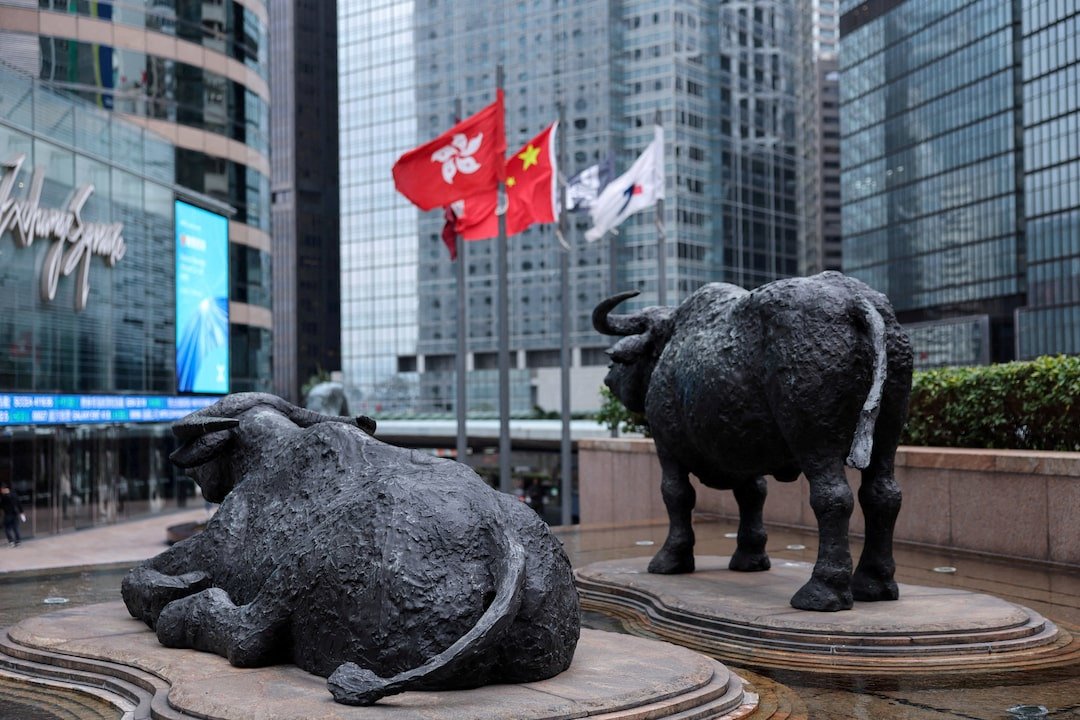
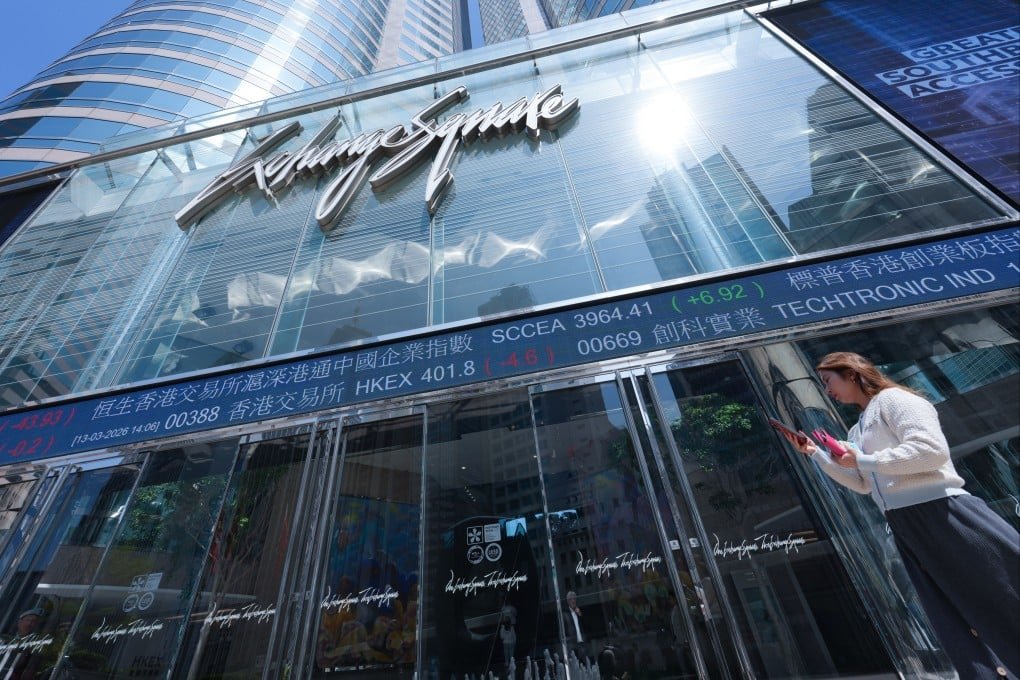
Hong Kong’s efforts to strengthen regulatory oversight are casting uncertainty over the city’s emerging recovery in initial public offerings, as authorities intensify scrutiny of listing practices and corporate governance.
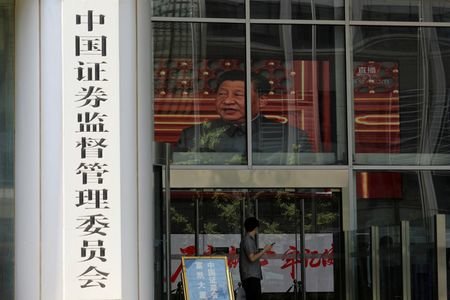
Regulators have stepped up enforcement actions and tightened listing requirements in recent months, aiming to enhance market transparency and protect investors.
The measures include closer examination of company disclosures, financial reporting standards and sponsor conduct, reflecting a broader push to reinforce confidence in the financial hub.
While these steps are widely viewed as necessary to maintain market integrity, they come at a delicate moment for Hong Kong’s capital markets.
After a prolonged slowdown in new listings, signs of revival had begun to emerge, supported by improving investor sentiment and a pipeline of prospective issuers.
Market participants say the heightened regulatory environment could lengthen approval timelines and increase compliance costs, potentially discouraging some companies from pursuing listings in the near term.
Smaller firms and those with complex structures may face particular challenges under the stricter regime.
At the same time, policymakers argue that robust regulation is essential for sustainable growth.
By raising standards and ensuring greater accountability, authorities aim to strengthen Hong Kong’s long-term competitiveness as an international financial centre.
Analysts note that the impact of the crackdown will depend on how effectively regulators balance enforcement with market development.
If implemented with clarity and consistency, the measures could ultimately attract higher-quality issuers and investors, even if short-term activity is dampened.
The situation underscores the tension between reform and recovery, as Hong Kong seeks to rebuild its IPO market while reinforcing its reputation for strong governance.
The coming months are expected to be critical in determining whether the city can sustain its listing rebound under the new regulatory landscape.
Regulators have stepped up enforcement actions and tightened listing requirements in recent months, aiming to enhance market transparency and protect investors.
The measures include closer examination of company disclosures, financial reporting standards and sponsor conduct, reflecting a broader push to reinforce confidence in the financial hub.
While these steps are widely viewed as necessary to maintain market integrity, they come at a delicate moment for Hong Kong’s capital markets.
After a prolonged slowdown in new listings, signs of revival had begun to emerge, supported by improving investor sentiment and a pipeline of prospective issuers.
Market participants say the heightened regulatory environment could lengthen approval timelines and increase compliance costs, potentially discouraging some companies from pursuing listings in the near term.
Smaller firms and those with complex structures may face particular challenges under the stricter regime.
At the same time, policymakers argue that robust regulation is essential for sustainable growth.
By raising standards and ensuring greater accountability, authorities aim to strengthen Hong Kong’s long-term competitiveness as an international financial centre.
Analysts note that the impact of the crackdown will depend on how effectively regulators balance enforcement with market development.
If implemented with clarity and consistency, the measures could ultimately attract higher-quality issuers and investors, even if short-term activity is dampened.
The situation underscores the tension between reform and recovery, as Hong Kong seeks to rebuild its IPO market while reinforcing its reputation for strong governance.
The coming months are expected to be critical in determining whether the city can sustain its listing rebound under the new regulatory landscape.