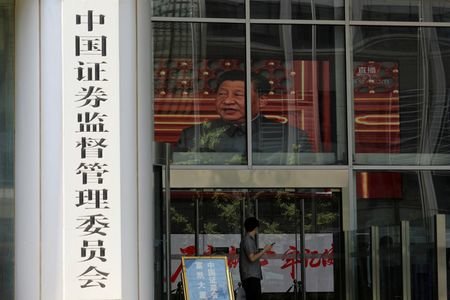
Evolving mainland requirements for company structures add complexity and potential delays to planned listings in the financial hub
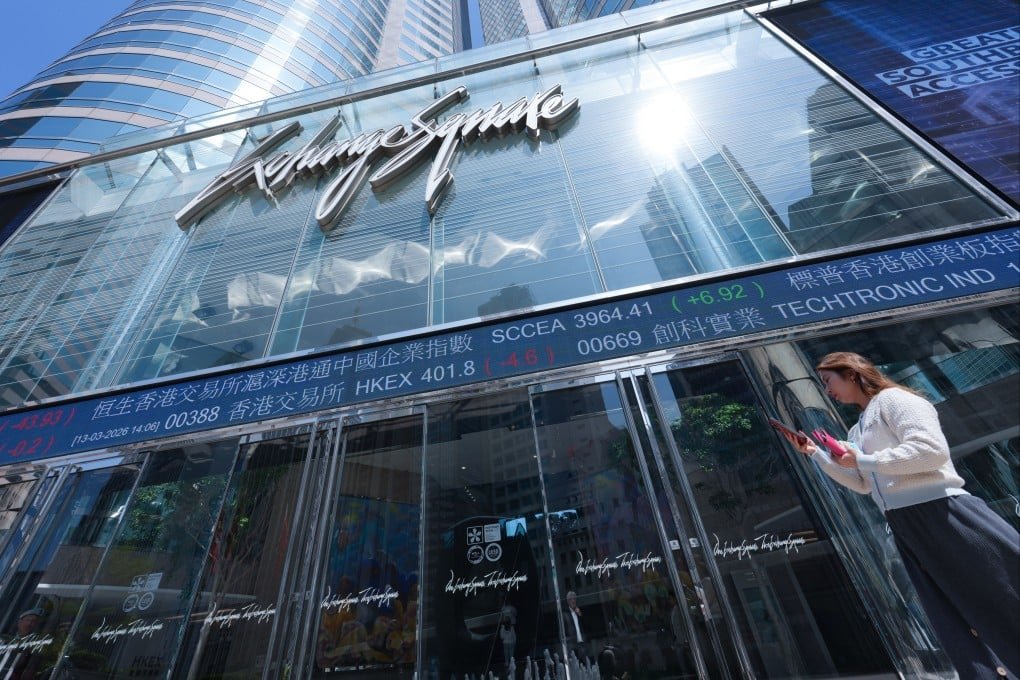
Changes to corporate structuring rules in mainland China are expected to delay a number of planned stock offerings in Hong Kong, as companies adjust to stricter regulatory expectations governing offshore listings.
Firms seeking to list in Hong Kong increasingly rely on complex corporate arrangements, often involving offshore entities, to access international capital.
New and evolving requirements from mainland authorities are prompting closer scrutiny of these structures, requiring additional approvals and compliance steps before companies can proceed with initial public offerings.
Market participants report that the added regulatory layers are lengthening preparation timelines for prospective issuers.
Some companies are reassessing their listing strategies, while others are delaying plans until there is greater clarity on how the new rules will be implemented.
The changes reflect a broader push by Beijing to strengthen oversight of cross-border capital raising and ensure that corporate structures align with domestic legal and financial frameworks.
Authorities are placing greater emphasis on transparency, data security and regulatory coordination across jurisdictions.
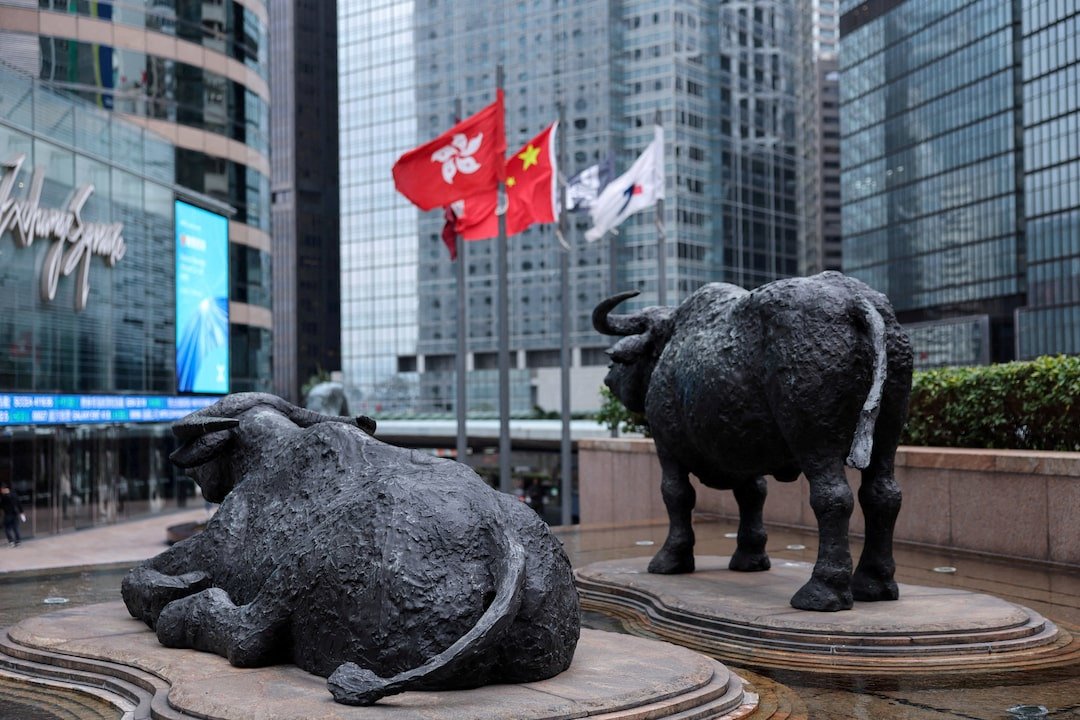
For Hong Kong, which has long served as a primary gateway for mainland firms seeking global investors, the impact could be significant.
A slowdown in listings would affect not only capital market activity but also related sectors such as legal services, banking and advisory work.
At the same time, analysts note that tighter standards may enhance the long-term quality of listings by ensuring that companies entering the market meet higher governance benchmarks.
Over time, this could support investor confidence and reinforce Hong Kong’s position as a trusted international financial centre.
The immediate outlook, however, points to continued uncertainty as companies navigate the evolving regulatory landscape.
The pace of recovery in Hong Kong’s IPO market is likely to depend on how quickly firms adapt to the new requirements and how clearly authorities communicate expectations.
As the situation develops, both issuers and investors are expected to remain cautious, balancing the opportunities presented by Hong Kong’s capital markets with the complexities introduced by regulatory change.
Firms seeking to list in Hong Kong increasingly rely on complex corporate arrangements, often involving offshore entities, to access international capital.
New and evolving requirements from mainland authorities are prompting closer scrutiny of these structures, requiring additional approvals and compliance steps before companies can proceed with initial public offerings.
Market participants report that the added regulatory layers are lengthening preparation timelines for prospective issuers.
Some companies are reassessing their listing strategies, while others are delaying plans until there is greater clarity on how the new rules will be implemented.
The changes reflect a broader push by Beijing to strengthen oversight of cross-border capital raising and ensure that corporate structures align with domestic legal and financial frameworks.
Authorities are placing greater emphasis on transparency, data security and regulatory coordination across jurisdictions.
For Hong Kong, which has long served as a primary gateway for mainland firms seeking global investors, the impact could be significant.
A slowdown in listings would affect not only capital market activity but also related sectors such as legal services, banking and advisory work.
At the same time, analysts note that tighter standards may enhance the long-term quality of listings by ensuring that companies entering the market meet higher governance benchmarks.
Over time, this could support investor confidence and reinforce Hong Kong’s position as a trusted international financial centre.
The immediate outlook, however, points to continued uncertainty as companies navigate the evolving regulatory landscape.
The pace of recovery in Hong Kong’s IPO market is likely to depend on how quickly firms adapt to the new requirements and how clearly authorities communicate expectations.
As the situation develops, both issuers and investors are expected to remain cautious, balancing the opportunities presented by Hong Kong’s capital markets with the complexities introduced by regulatory change.