Escalating regional tensions and expanded financial incentives are drawing global family offices to Hong Kong’s wealth-management hub
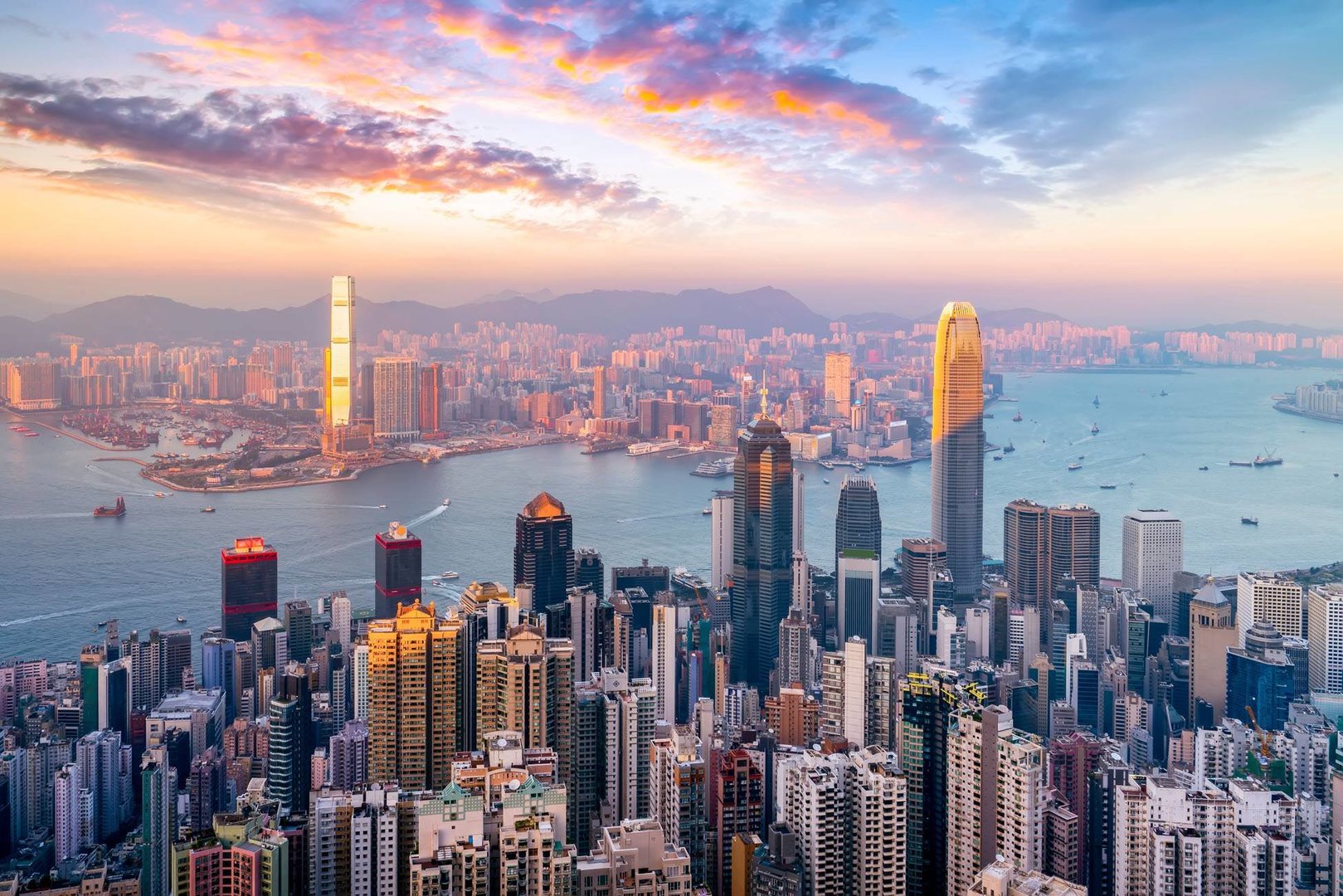
A growing number of family offices are turning their attention to Hong Kong as geopolitical tensions in the Middle East prompt wealthy families to reconsider where they manage and safeguard their assets.
Financial advisers and wealth managers say the combination of regional instability and new tax incentives introduced by Hong Kong authorities has intensified interest from ultra high net worth families seeking stable locations for investment management.
Family offices, which oversee the assets and long term financial planning of wealthy families, are increasingly evaluating the city as a strategic base for global portfolios.
Recent government policy initiatives have reinforced Hong Kong’s efforts to attract global wealth.
Authorities have introduced tax concessions and regulatory reforms designed specifically to support single family offices and related investment vehicles, part of a broader strategy to strengthen the city’s role as a leading wealth management hub.
These measures aim to provide greater clarity on tax treatment, reduce administrative barriers and encourage long term capital commitments.
The policy push has already delivered tangible results.
Officials say more than two hundred family offices have either established operations or expanded their presence in Hong Kong in recent years, reflecting the city’s growing appeal as a center for cross border wealth management.
The shifting geopolitical environment is also playing a role.
Rising tensions and conflict in parts of the Middle East have encouraged some wealthy individuals to diversify where their assets are held and managed.
Wealth advisers say families based in the region are exploring financial centers outside the immediate conflict zone in order to maintain stability and flexibility in global investments.
Hong Kong’s financial infrastructure and access to Asian markets are key factors behind the interest.
The city operates under a territorial tax system with no capital gains tax and offers a sophisticated network of banks, asset managers and legal advisers experienced in managing complex international portfolios.
Its proximity to mainland China’s markets also provides investors with access to one of the world’s largest pools of capital and economic growth.
The government has further strengthened its campaign to attract global wealth by introducing programs such as investment linked immigration schemes and specialized support services for family offices establishing operations in the territory.
These initiatives are designed to position Hong Kong alongside other leading wealth centers such as Singapore and Dubai.
Industry observers say that while geopolitical uncertainty often disrupts markets, it can also accelerate shifts in where wealth is managed.
In the current environment, Hong Kong appears to be benefiting from that realignment as more global families look to the city as a stable financial gateway in Asia.
Financial advisers and wealth managers say the combination of regional instability and new tax incentives introduced by Hong Kong authorities has intensified interest from ultra high net worth families seeking stable locations for investment management.
Family offices, which oversee the assets and long term financial planning of wealthy families, are increasingly evaluating the city as a strategic base for global portfolios.
Recent government policy initiatives have reinforced Hong Kong’s efforts to attract global wealth.
Authorities have introduced tax concessions and regulatory reforms designed specifically to support single family offices and related investment vehicles, part of a broader strategy to strengthen the city’s role as a leading wealth management hub.
These measures aim to provide greater clarity on tax treatment, reduce administrative barriers and encourage long term capital commitments.
The policy push has already delivered tangible results.
Officials say more than two hundred family offices have either established operations or expanded their presence in Hong Kong in recent years, reflecting the city’s growing appeal as a center for cross border wealth management.
The shifting geopolitical environment is also playing a role.
Rising tensions and conflict in parts of the Middle East have encouraged some wealthy individuals to diversify where their assets are held and managed.
Wealth advisers say families based in the region are exploring financial centers outside the immediate conflict zone in order to maintain stability and flexibility in global investments.
Hong Kong’s financial infrastructure and access to Asian markets are key factors behind the interest.
The city operates under a territorial tax system with no capital gains tax and offers a sophisticated network of banks, asset managers and legal advisers experienced in managing complex international portfolios.
Its proximity to mainland China’s markets also provides investors with access to one of the world’s largest pools of capital and economic growth.
The government has further strengthened its campaign to attract global wealth by introducing programs such as investment linked immigration schemes and specialized support services for family offices establishing operations in the territory.
These initiatives are designed to position Hong Kong alongside other leading wealth centers such as Singapore and Dubai.
Industry observers say that while geopolitical uncertainty often disrupts markets, it can also accelerate shifts in where wealth is managed.
In the current environment, Hong Kong appears to be benefiting from that realignment as more global families look to the city as a stable financial gateway in Asia.