Observers say Hong Kong’s earlier wave of expatriate departures offers lessons for Dubai as geopolitical tensions reshape the priorities of global professionals
Dubai’s role as a global business hub is being examined through the lens of Hong Kong’s recent experience with expatriate departures, as analysts consider how international professionals respond to political uncertainty and regional instability.
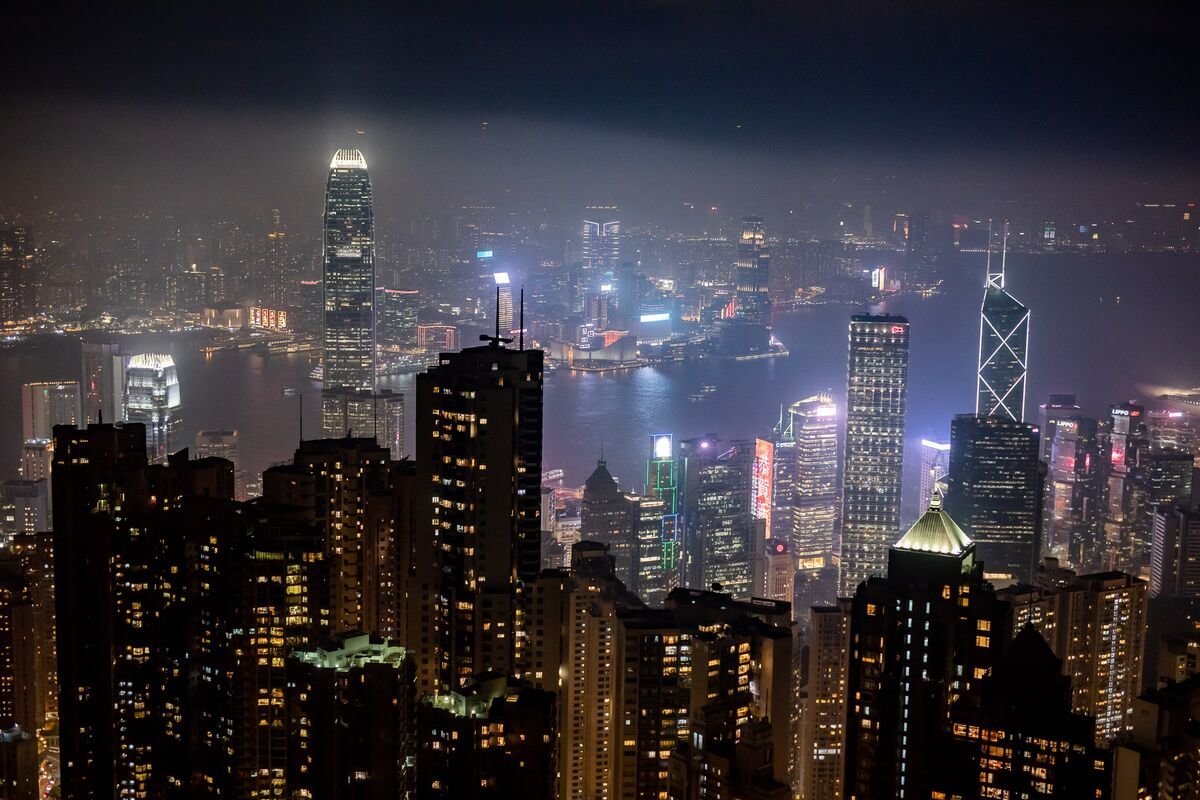
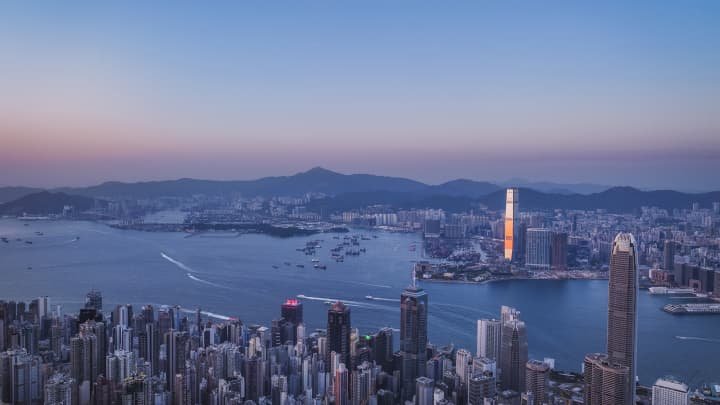
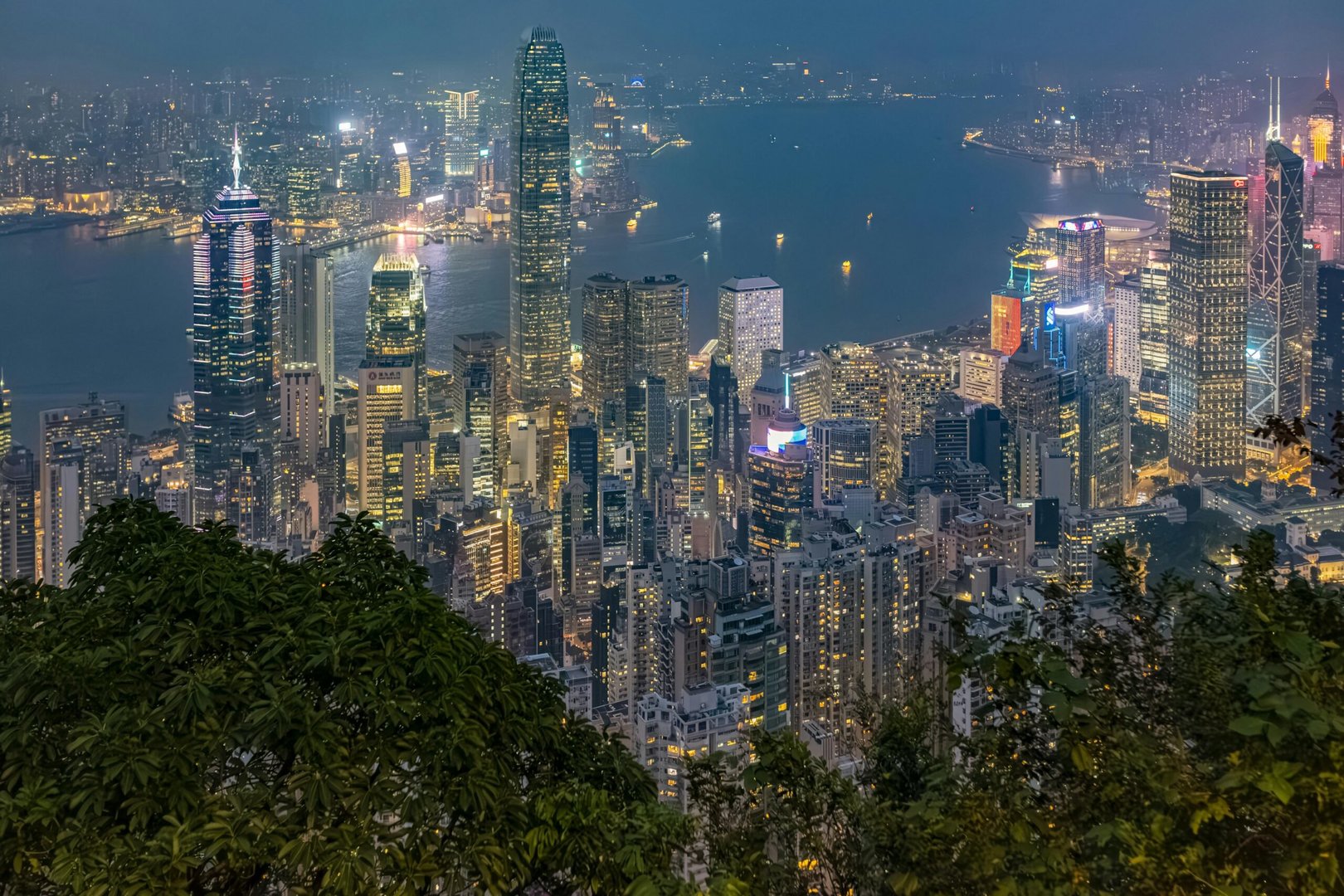
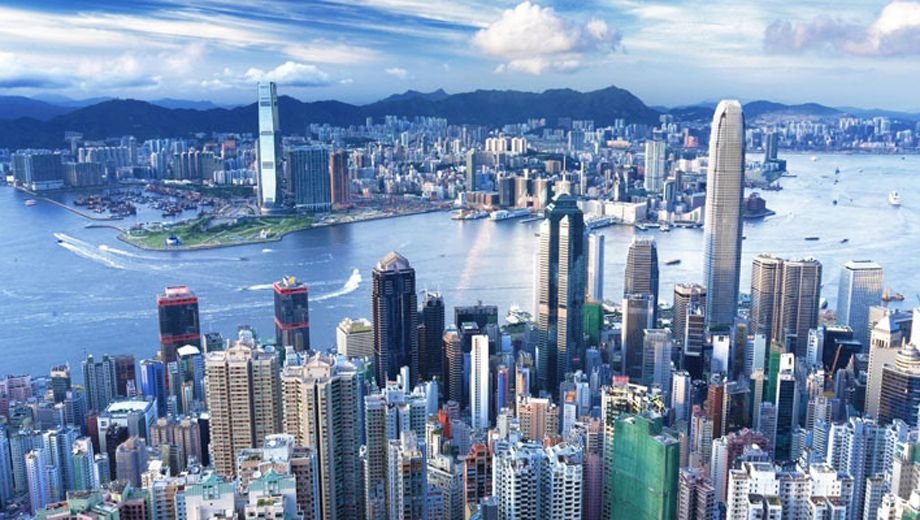
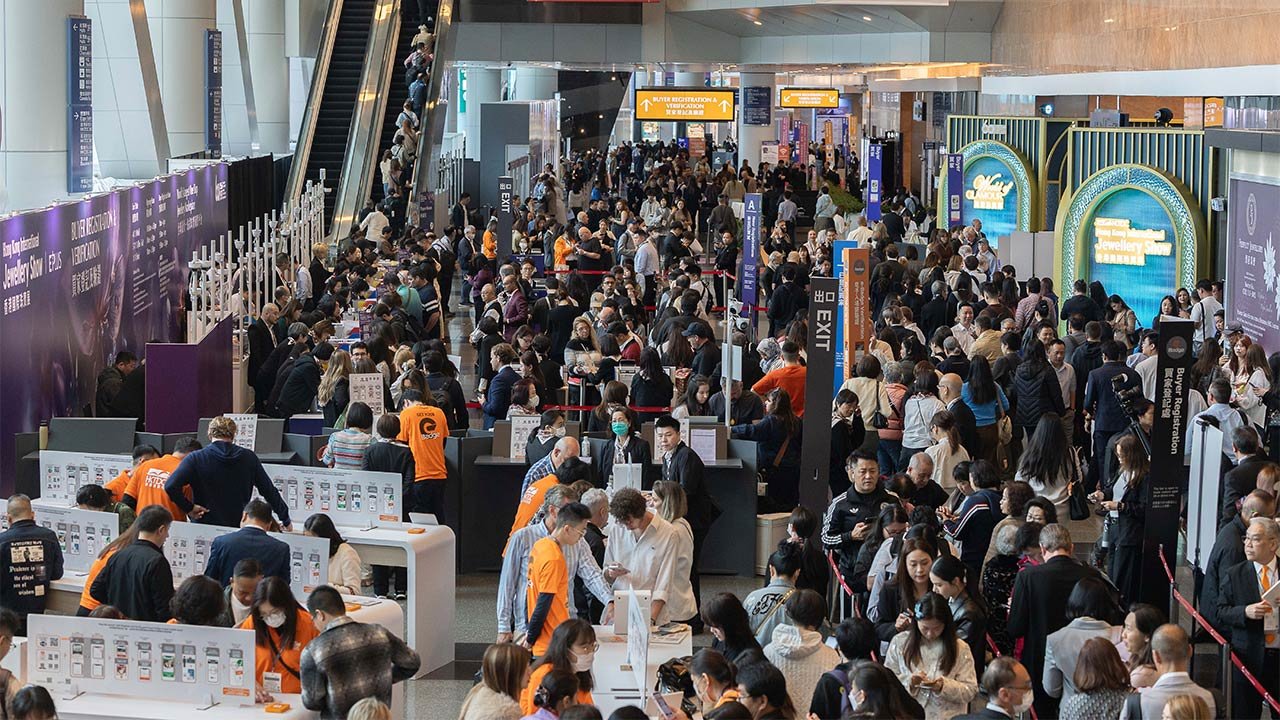
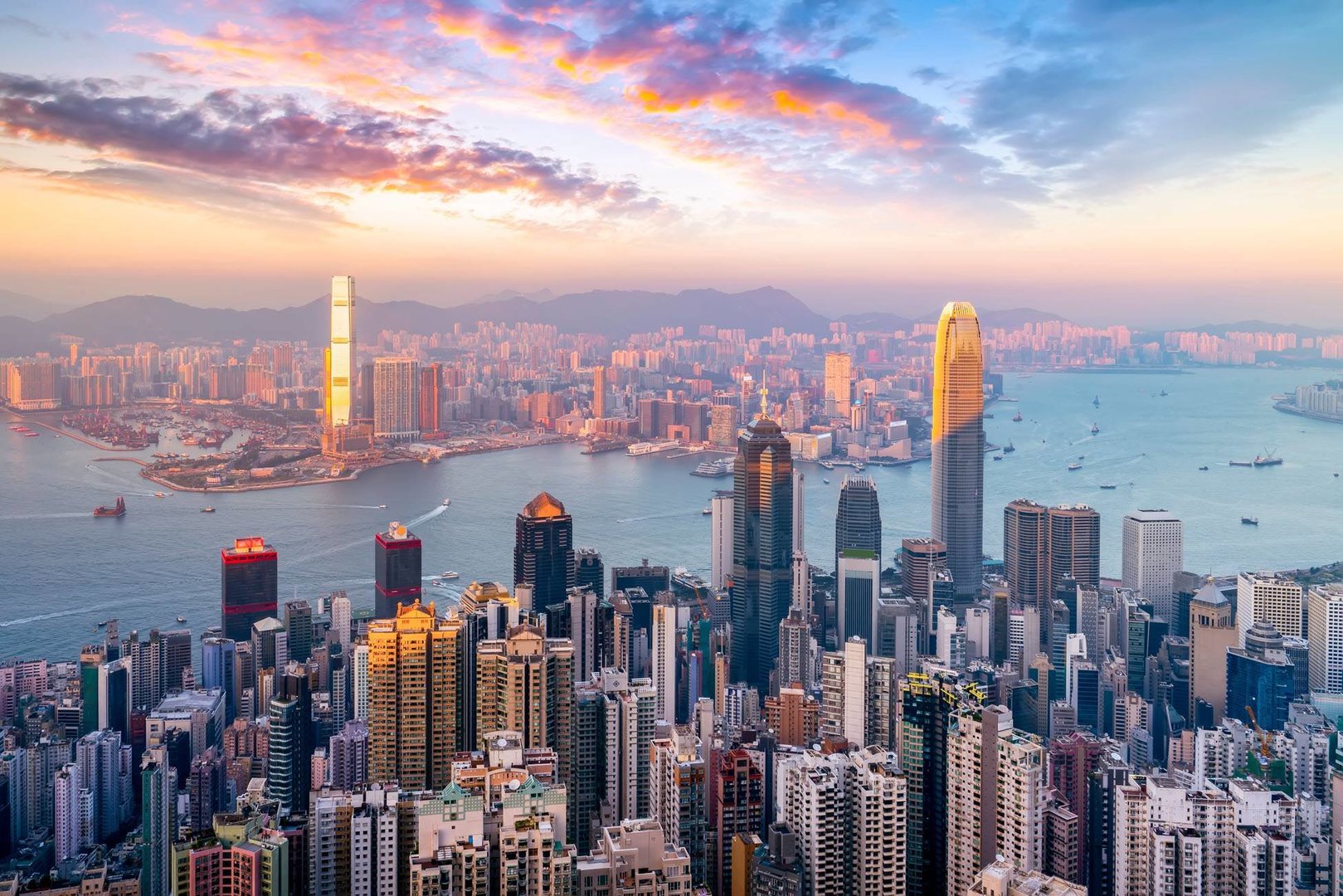
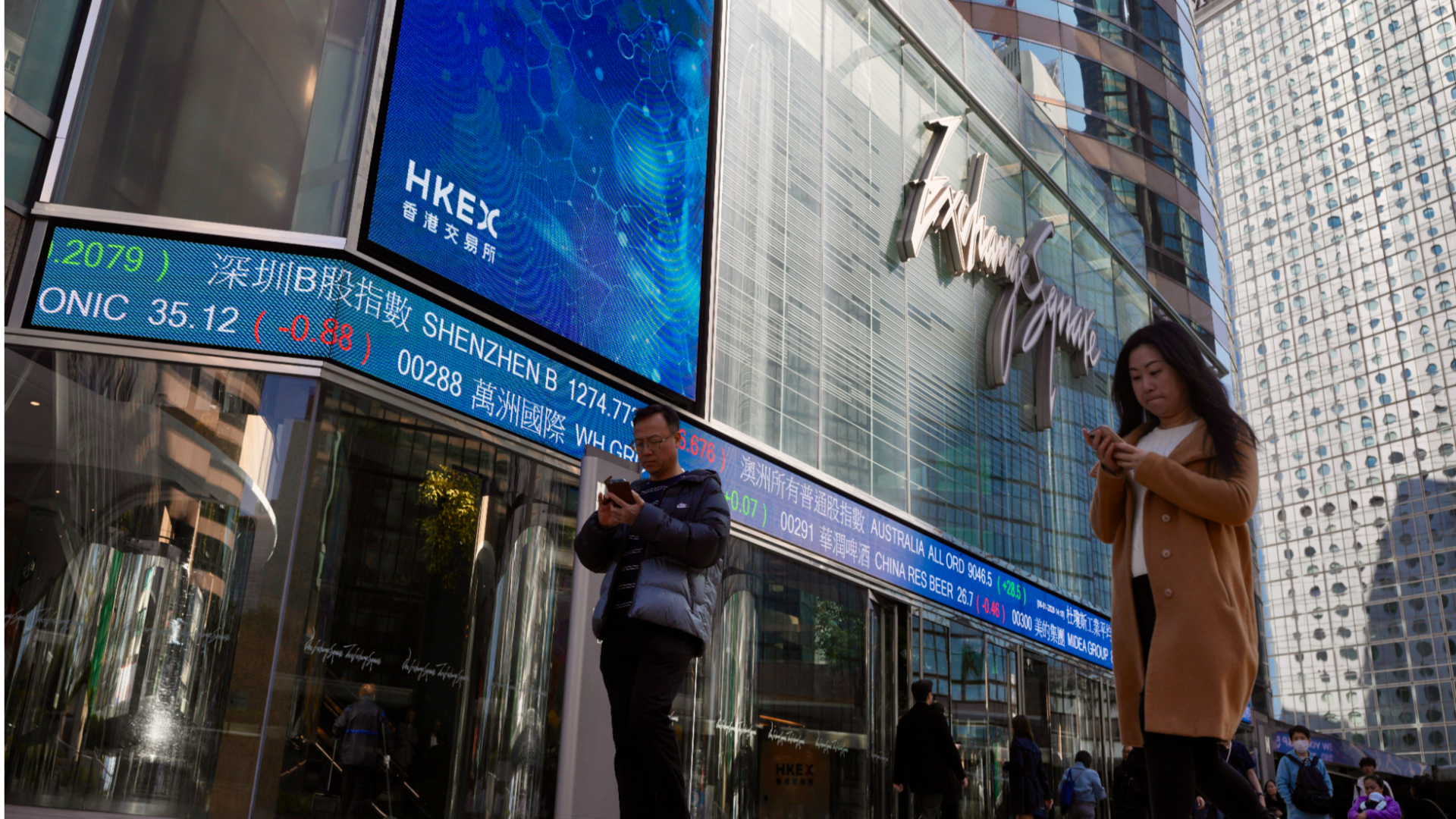
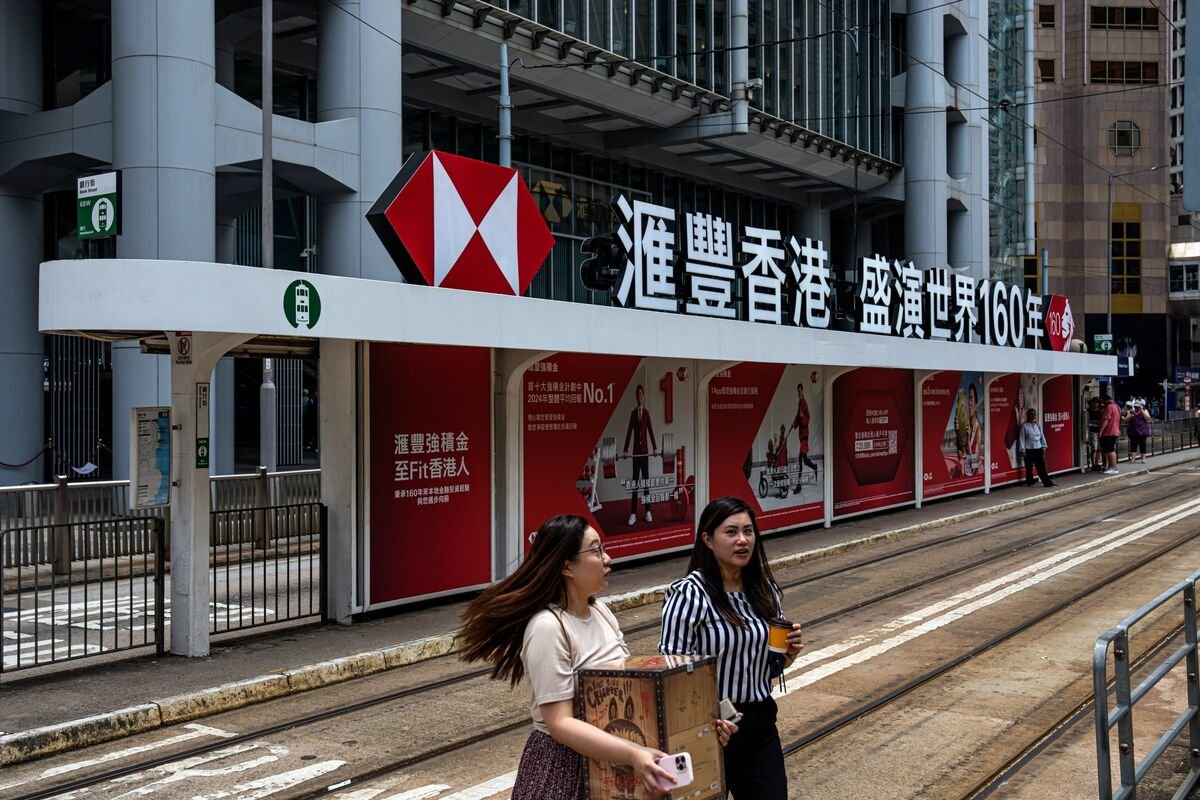
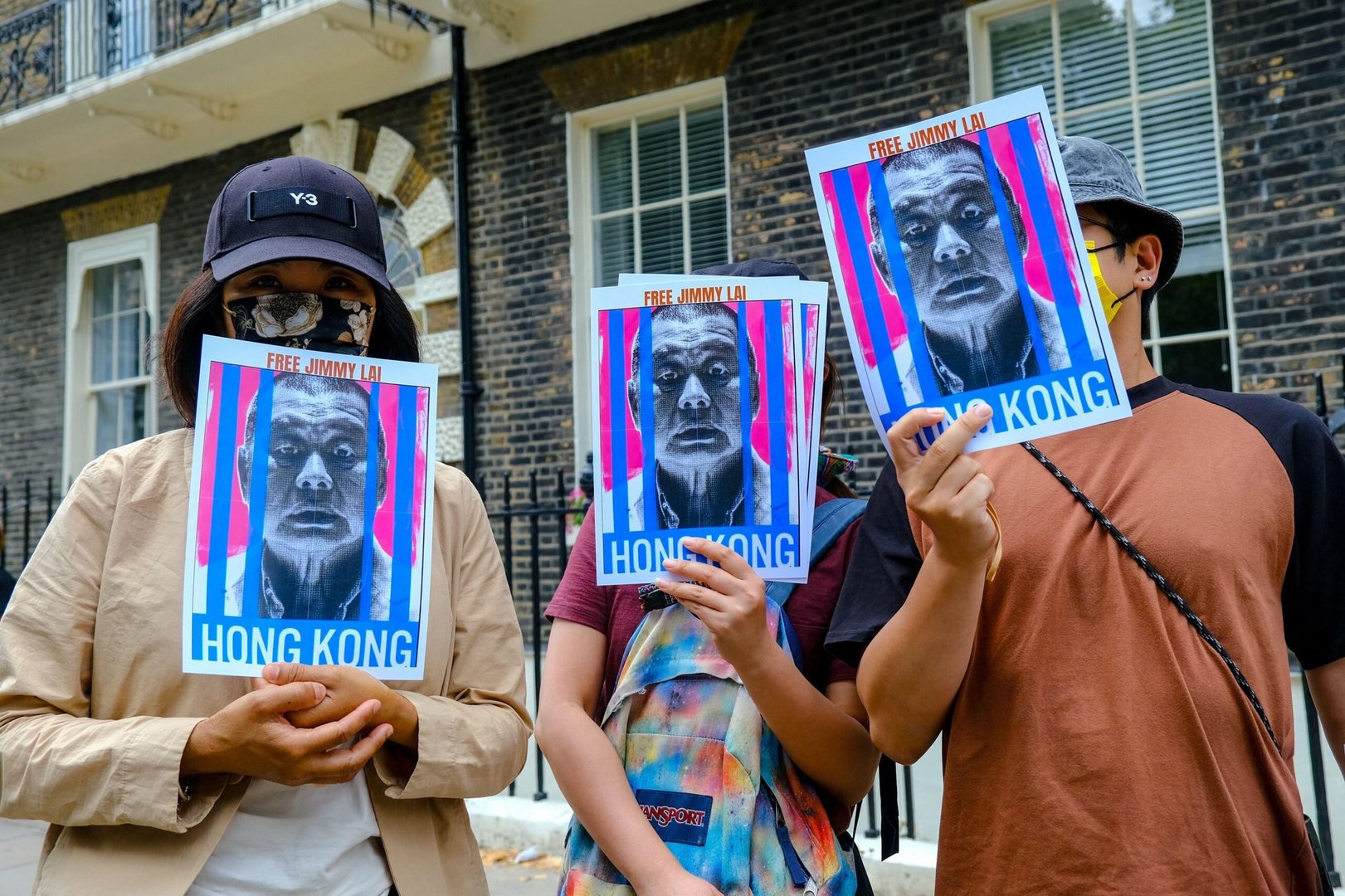
Over the past several years, Hong Kong experienced a notable outflow of expatriates and international professionals, driven by a combination of political developments, pandemic restrictions and evolving economic conditions.
The shift prompted multinational companies and financial institutions to reassess staffing strategies while some workers relocated to other Asian and global financial centers.
Dubai now finds itself navigating a different but equally complex environment as heightened tensions across the Middle East raise questions about long-term stability in the region.
While the emirate has built a reputation as a safe and highly connected commercial hub, the broader geopolitical landscape has encouraged governments and corporations to review contingency plans and mobility strategies for expatriate staff.
Analysts say Hong Kong’s experience illustrates how international talent often reacts quickly to perceived risks, even when the core economic fundamentals of a financial center remain strong.
In Hong Kong’s case, some expatriates left during periods of uncertainty, while others eventually returned as travel restrictions eased and business activity stabilized.
Dubai’s authorities have taken steps to reinforce the city’s attractiveness to global professionals.
Long-term residency visas, tax advantages and policies designed to attract entrepreneurs and investors have helped the emirate position itself as a destination for international talent seeking stability and opportunity.
Supporters of Dubai’s model argue that its diversified economy, strong infrastructure and global connectivity provide resilience even during periods of regional tension.
The city has continued to host multinational headquarters, financial institutions and technology firms, while maintaining one of the world’s busiest aviation hubs.
Observers note that the comparison with Hong Kong is not exact.
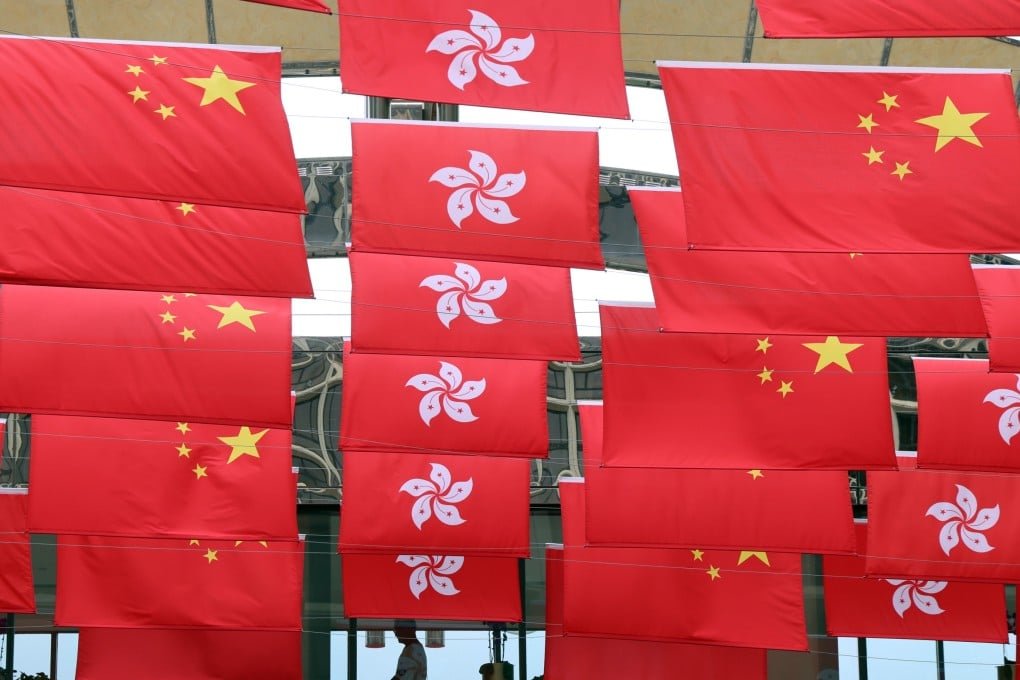
Hong Kong operates within a different political and regulatory framework and is closely tied to mainland China’s economy, while Dubai serves as a gateway between Europe, Asia and Africa.
Still, the earlier shifts in Hong Kong’s expatriate population offer insights into how global cities can maintain competitiveness during uncertain periods.
Experts say maintaining transparent policies, reliable infrastructure and openness to international professionals remains central to sustaining a city’s appeal as a global business center.
Over the past several years, Hong Kong experienced a notable outflow of expatriates and international professionals, driven by a combination of political developments, pandemic restrictions and evolving economic conditions.
The shift prompted multinational companies and financial institutions to reassess staffing strategies while some workers relocated to other Asian and global financial centers.
Dubai now finds itself navigating a different but equally complex environment as heightened tensions across the Middle East raise questions about long-term stability in the region.
While the emirate has built a reputation as a safe and highly connected commercial hub, the broader geopolitical landscape has encouraged governments and corporations to review contingency plans and mobility strategies for expatriate staff.
Analysts say Hong Kong’s experience illustrates how international talent often reacts quickly to perceived risks, even when the core economic fundamentals of a financial center remain strong.
In Hong Kong’s case, some expatriates left during periods of uncertainty, while others eventually returned as travel restrictions eased and business activity stabilized.
Dubai’s authorities have taken steps to reinforce the city’s attractiveness to global professionals.
Long-term residency visas, tax advantages and policies designed to attract entrepreneurs and investors have helped the emirate position itself as a destination for international talent seeking stability and opportunity.
Supporters of Dubai’s model argue that its diversified economy, strong infrastructure and global connectivity provide resilience even during periods of regional tension.
The city has continued to host multinational headquarters, financial institutions and technology firms, while maintaining one of the world’s busiest aviation hubs.
Observers note that the comparison with Hong Kong is not exact.
Hong Kong operates within a different political and regulatory framework and is closely tied to mainland China’s economy, while Dubai serves as a gateway between Europe, Asia and Africa.
Still, the earlier shifts in Hong Kong’s expatriate population offer insights into how global cities can maintain competitiveness during uncertain periods.
Experts say maintaining transparent policies, reliable infrastructure and openness to international professionals remains central to sustaining a city’s appeal as a global business center.