Experts say the city must leverage its global talent appeal and tech ecosystem to support the nation’s next five-year development plan
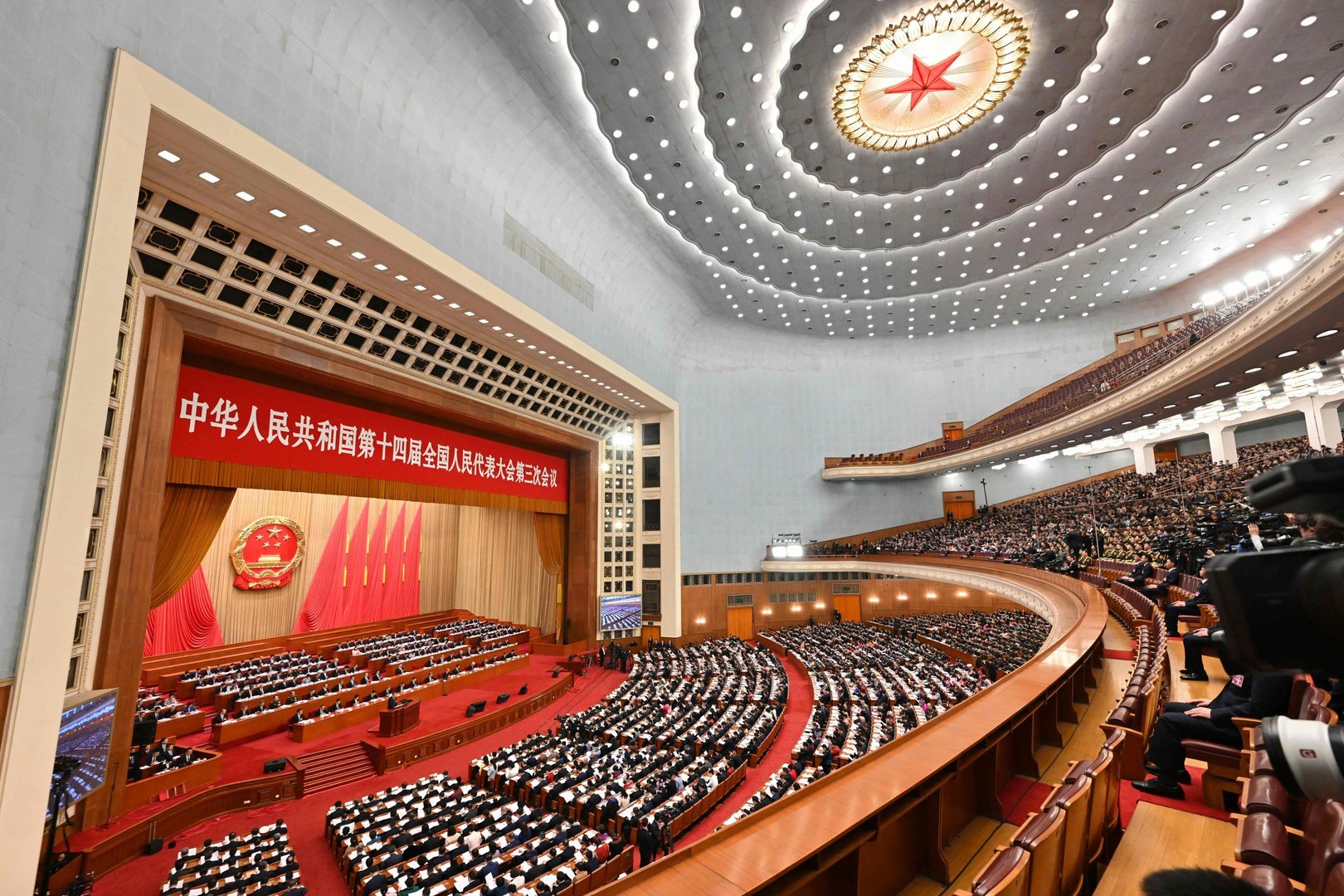
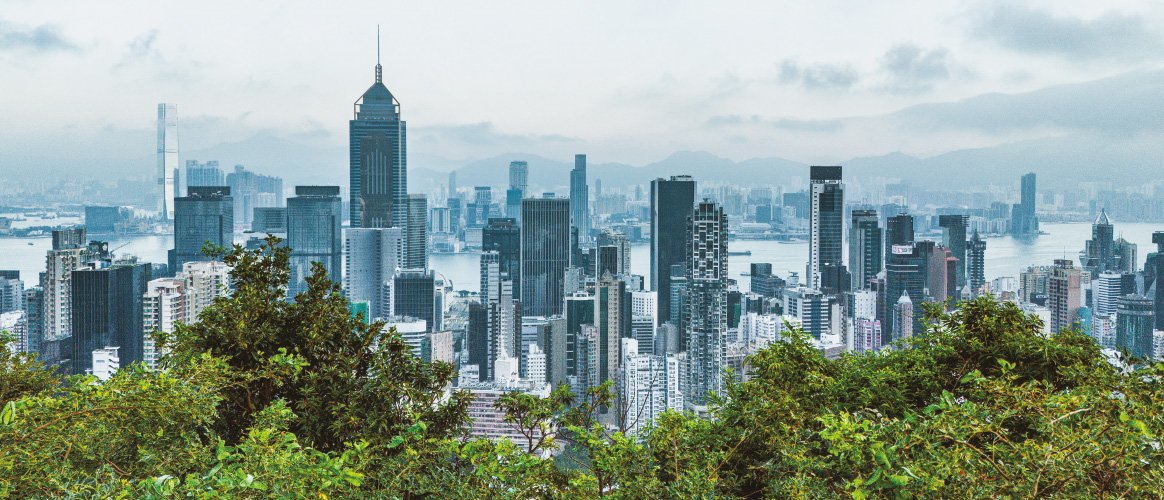
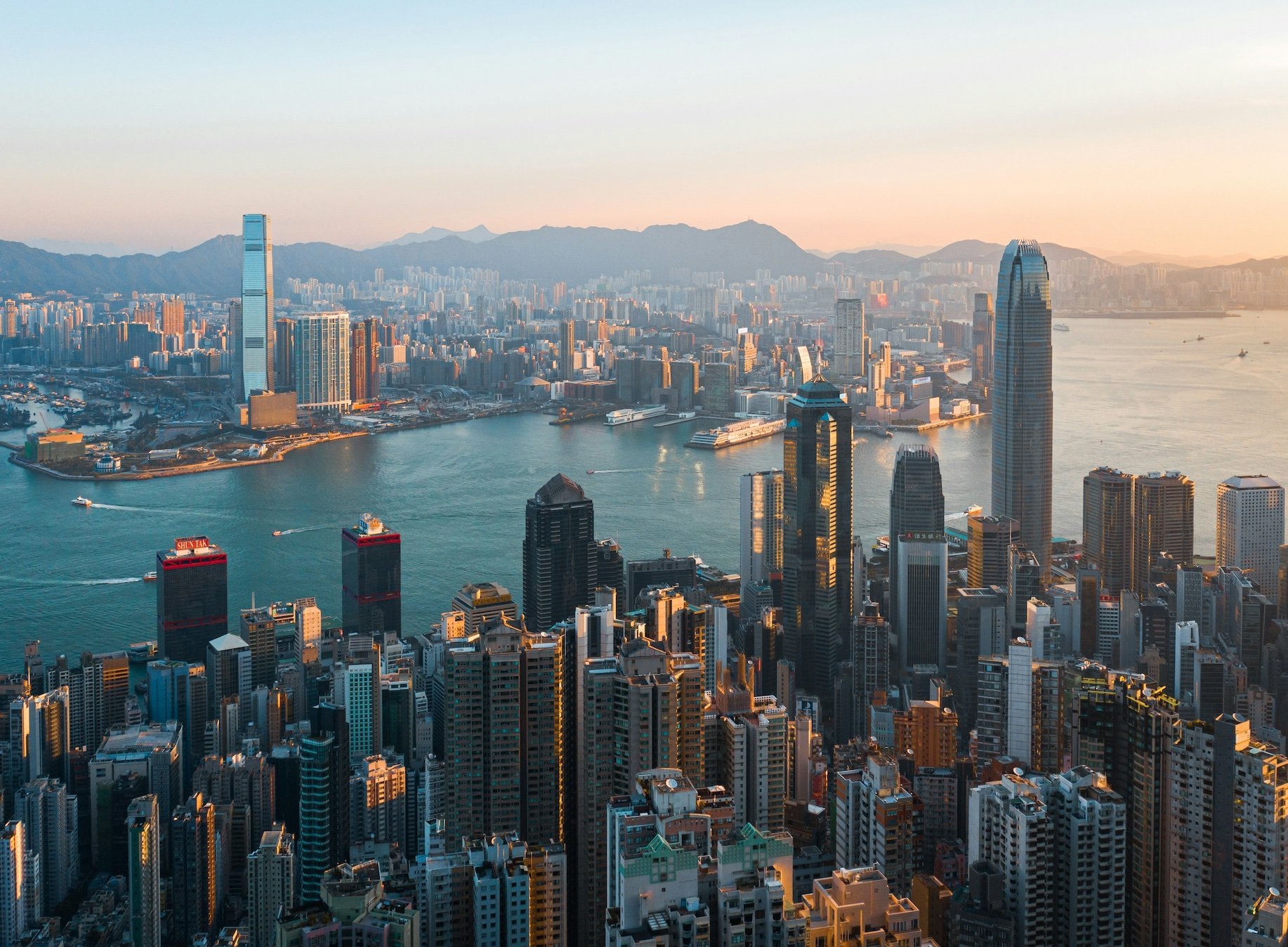
Hong Kong is poised to serve as a crucial hub for talent and innovation in support of China’s broader push for technological self-reliance, say senior experts, following the fourth plenary session of the 20th Central Committee of the Communist Party of China held from October 20–23. The session’s “15th Five-Year Plan (2026-30)” recommendations underscored the importance of enhancing scientific and technological strength as a national priority, and positioned the Special Administrative Regions of Hong Kong and Macau as key contributors.
Commentators highlight the city’s dual advantage of “having the backing of the motherland and maintaining close connections with the rest of the world”, pointing to its potential to bridge mainland China’s innovation ecosystem with global research networks.
Consultant Lau Siu-kai urged the Hong Kong government to adopt a proactive industrial transformation role, particularly in coordinating economic development and embedding the city more deeply into the national strategy.
He suggested that success would see Hong Kong simultaneously become a global financial, shipping, trade, innovation and technology centre as well as a hub for high-calibre international talent.
Angus Ng Hok-ming, chairman of the Guangdong-Hong Kong-Macao Greater Bay Area Youth Association, echoed the call by highlighting opportunities for Hong Kong youth to transition from “specialised professionals” into “strategic generalists”.
He cited emerging roles in green finance, digital trade and mediation services under the Belt and Road Initiative as avenues for young talent to engage globally while supporting national infrastructure and ESG standards.
These reflections come amid strong recent indicators of Hong Kong’s rising talent and innovation standing: the city moved up to fourth-place globally in the 2025 World Talent Ranking and topped Asia, and the Shenzhen-Hong Kong-Guangzhou science and technology cluster was ranked first globally by the World Intellectual Property Organization’s Global Innovation Index.
Policymakers view this as affirmation that local measures in education, innovation and technology are yielding results.
Stakeholders say that clear governance, strategic planning and deeper cooperation with mainland manufacturing and innovation ecosystems will be critical as Hong Kong seeks to fulfil its role in national development.
The emphasis includes strengthening digital infrastructure, advancing cross-border data flows, and attracting global scientific talent to reinforce Hong Kong’s contribution to China’s self-reliance and global competitiveness aspirations.
Commentators highlight the city’s dual advantage of “having the backing of the motherland and maintaining close connections with the rest of the world”, pointing to its potential to bridge mainland China’s innovation ecosystem with global research networks.
Consultant Lau Siu-kai urged the Hong Kong government to adopt a proactive industrial transformation role, particularly in coordinating economic development and embedding the city more deeply into the national strategy.
He suggested that success would see Hong Kong simultaneously become a global financial, shipping, trade, innovation and technology centre as well as a hub for high-calibre international talent.
Angus Ng Hok-ming, chairman of the Guangdong-Hong Kong-Macao Greater Bay Area Youth Association, echoed the call by highlighting opportunities for Hong Kong youth to transition from “specialised professionals” into “strategic generalists”.
He cited emerging roles in green finance, digital trade and mediation services under the Belt and Road Initiative as avenues for young talent to engage globally while supporting national infrastructure and ESG standards.
These reflections come amid strong recent indicators of Hong Kong’s rising talent and innovation standing: the city moved up to fourth-place globally in the 2025 World Talent Ranking and topped Asia, and the Shenzhen-Hong Kong-Guangzhou science and technology cluster was ranked first globally by the World Intellectual Property Organization’s Global Innovation Index.
Policymakers view this as affirmation that local measures in education, innovation and technology are yielding results.
Stakeholders say that clear governance, strategic planning and deeper cooperation with mainland manufacturing and innovation ecosystems will be critical as Hong Kong seeks to fulfil its role in national development.
The emphasis includes strengthening digital infrastructure, advancing cross-border data flows, and attracting global scientific talent to reinforce Hong Kong’s contribution to China’s self-reliance and global competitiveness aspirations.