Analysts warn that airspace closures and longer flight paths driven by conflict in the Middle East are likely to increase costs for passengers flying to and from Hong Kong
Escalating conflict in the Middle East is expected to drive up airfares for travellers flying from Hong Kong and other global hubs as airlines contend with airspace closures, longer routes and rising fuel costs.
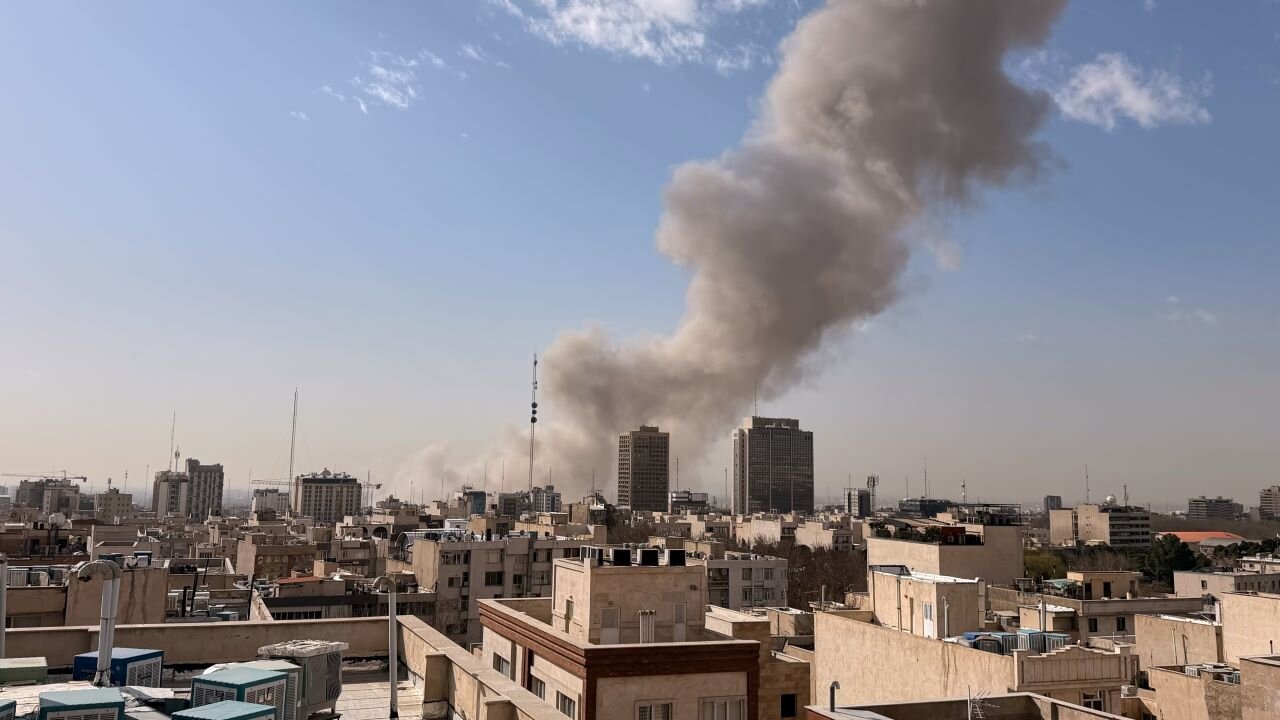
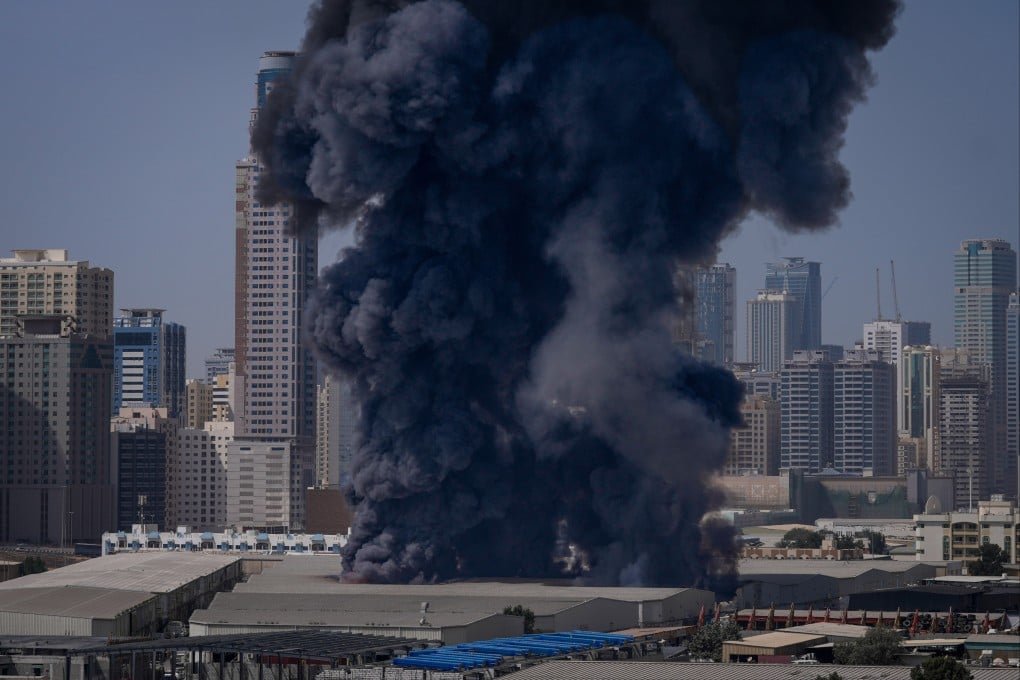
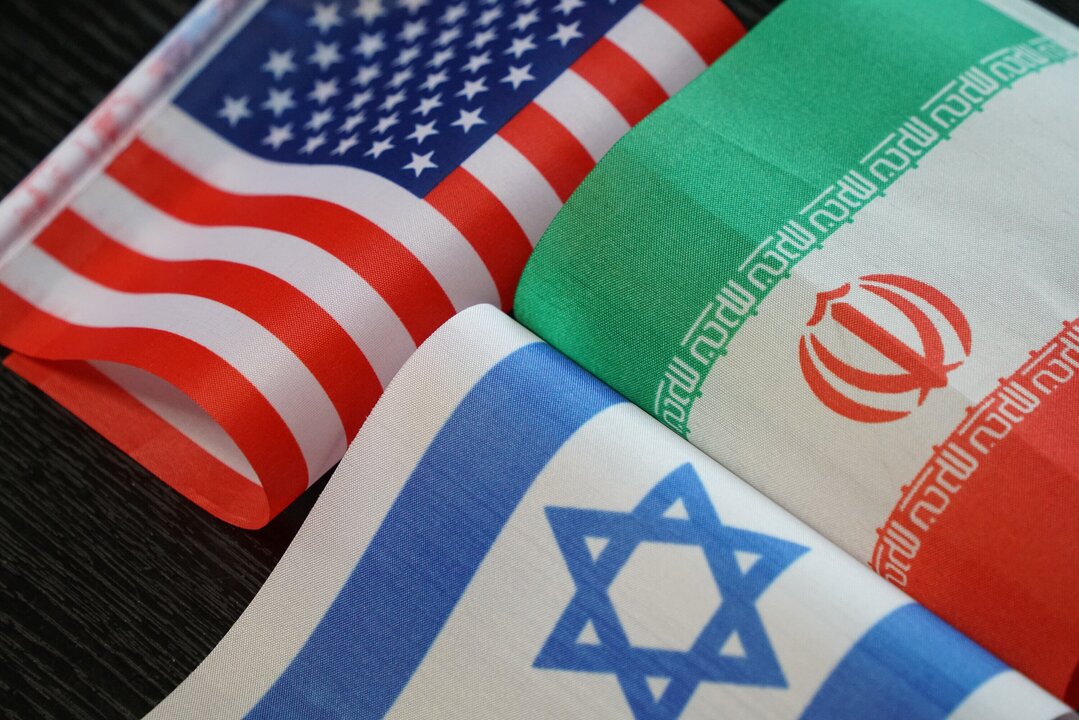
With major swaths of Middle Eastern airspace shut in response to military strikes and retaliatory attacks, international carriers have had to reroute flights around conflict zones, squeezing available corridors and increasing operational complexity.
The closure of airspace over countries including Iran, Iraq, Kuwait, Qatar, Bahrain and the United Arab Emirates has forced airlines to divert long-haul flights northward over the Caucasus or southward through alternative corridors, extending journey times and lifting fuel consumption.
Such detours directly add to airlines’ costs, which analysts expect will be passed on to passengers through higher ticket prices.
Many Middle Eastern hubs that traditionally link Europe, Asia and Africa have reduced operations or suspended services amid safety and regulatory concerns.
Airlines globally are adjusting operations to avoid volatile regions, with some carriers cancelling or delaying services and others altering schedules to maintain safety and connectivity.
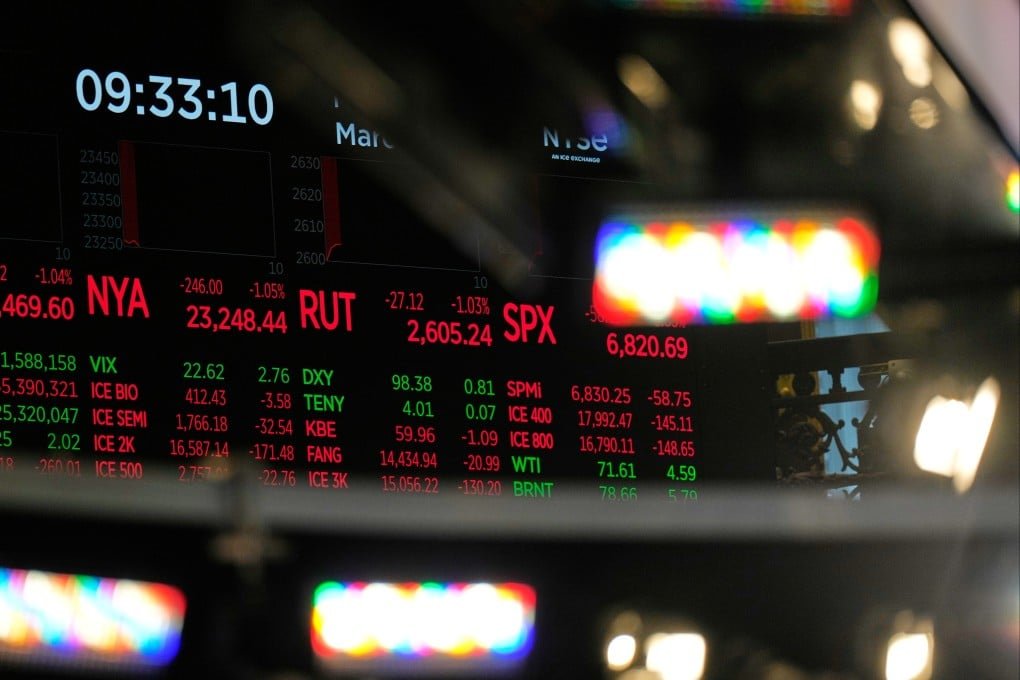
The disruptions have already contributed to market volatility in airline stocks and broader industry stress as investors price in higher costs and uncertain demand.
Longer flight times also put additional strain on crew scheduling, aircraft utilisation and logistical planning.
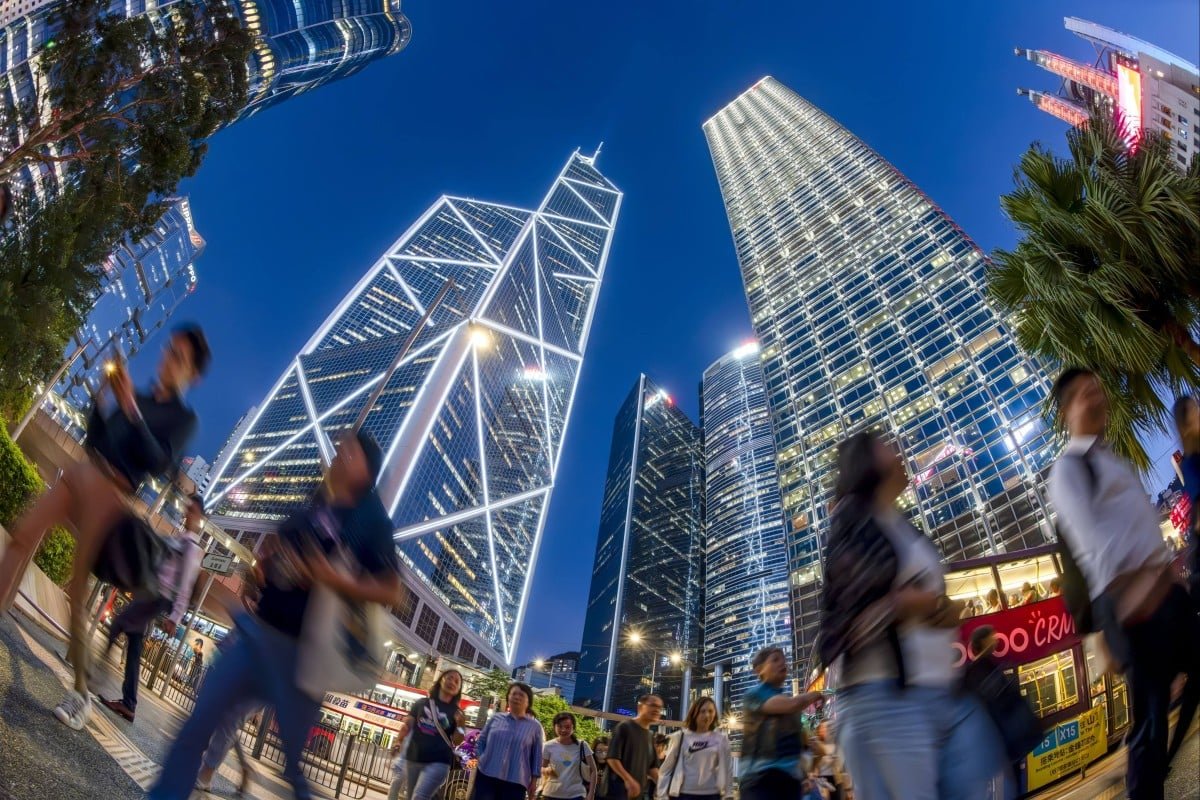
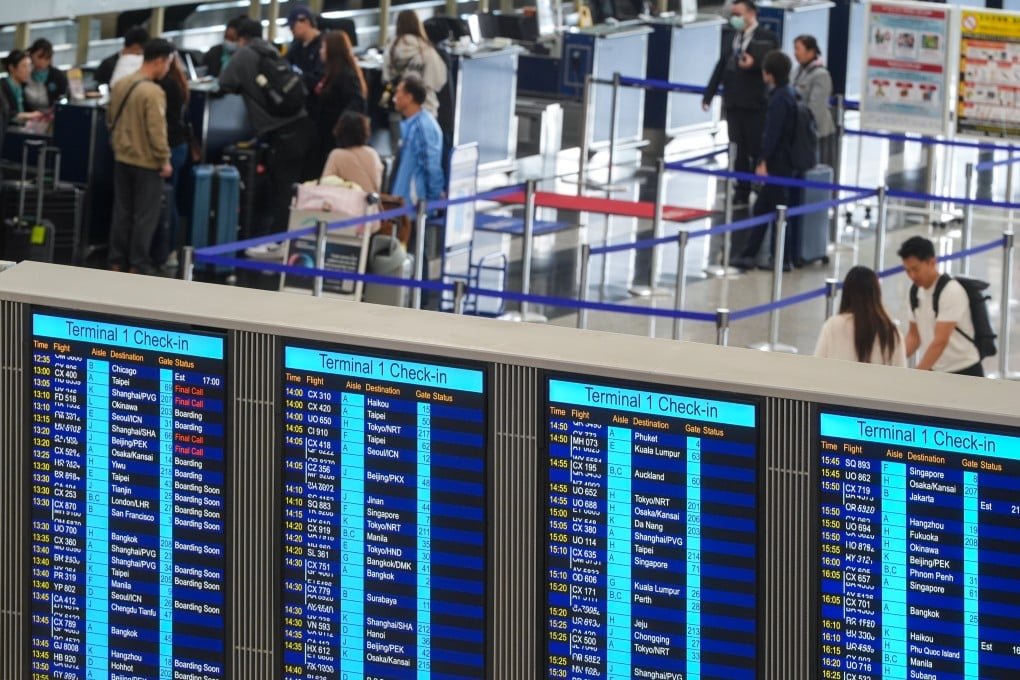
While Hong Kong’s direct flight operations remain largely intact, industry observers note that the wider realignment of global routes affects the economics of long-distance travel and could put upward pressure on fares even for flights that do not cross conflict zones directly.
Aviation analysts emphasise that sustained geopolitical tensions could lead to a period of elevated airfares until airspace reopens and more efficient flight paths are restored.
Travel advisories and operational warnings have been issued for regions near the conflict, prompting some travellers to reconsider itineraries and timing.
With fuel prices also showing sensitivity to geopolitical risk, airlines face a complex environment that may extend beyond the immediate crisis.
Longer term, carriers are likely to refine risk assessment and route planning strategies to manage exposure to conflict-related disruptions while balancing competitive pricing.
Passengers flying to and from Hong Kong should expect volatility in ticket pricing and schedule adjustments in the short term as airlines recalibrate routes and costs in response to the evolving Middle East situation.
The full impact on global airfares will depend on how quickly regional airspace can be safely reopened and stability returns to one of the world’s most critical aviation corridors.
With major swaths of Middle Eastern airspace shut in response to military strikes and retaliatory attacks, international carriers have had to reroute flights around conflict zones, squeezing available corridors and increasing operational complexity.
The closure of airspace over countries including Iran, Iraq, Kuwait, Qatar, Bahrain and the United Arab Emirates has forced airlines to divert long-haul flights northward over the Caucasus or southward through alternative corridors, extending journey times and lifting fuel consumption.
Such detours directly add to airlines’ costs, which analysts expect will be passed on to passengers through higher ticket prices.
Many Middle Eastern hubs that traditionally link Europe, Asia and Africa have reduced operations or suspended services amid safety and regulatory concerns.
Airlines globally are adjusting operations to avoid volatile regions, with some carriers cancelling or delaying services and others altering schedules to maintain safety and connectivity.
The disruptions have already contributed to market volatility in airline stocks and broader industry stress as investors price in higher costs and uncertain demand.
Longer flight times also put additional strain on crew scheduling, aircraft utilisation and logistical planning.
While Hong Kong’s direct flight operations remain largely intact, industry observers note that the wider realignment of global routes affects the economics of long-distance travel and could put upward pressure on fares even for flights that do not cross conflict zones directly.
Aviation analysts emphasise that sustained geopolitical tensions could lead to a period of elevated airfares until airspace reopens and more efficient flight paths are restored.
Travel advisories and operational warnings have been issued for regions near the conflict, prompting some travellers to reconsider itineraries and timing.
With fuel prices also showing sensitivity to geopolitical risk, airlines face a complex environment that may extend beyond the immediate crisis.
Longer term, carriers are likely to refine risk assessment and route planning strategies to manage exposure to conflict-related disruptions while balancing competitive pricing.
Passengers flying to and from Hong Kong should expect volatility in ticket pricing and schedule adjustments in the short term as airlines recalibrate routes and costs in response to the evolving Middle East situation.
The full impact on global airfares will depend on how quickly regional airspace can be safely reopened and stability returns to one of the world’s most critical aviation corridors.