Analysts say channeling investment through the Hong Kong Investment Corporation may provide limited relief to a soft commercial property sector grappling with high vacancies
Hong Kong’s reported plan to utilise the Hong Kong Investment Corporation (HKIC) to help stabilise the city’s struggling office market is being met with cautious assessments from market observers, who warn that structural oversupply and subdued demand could limit its impact.
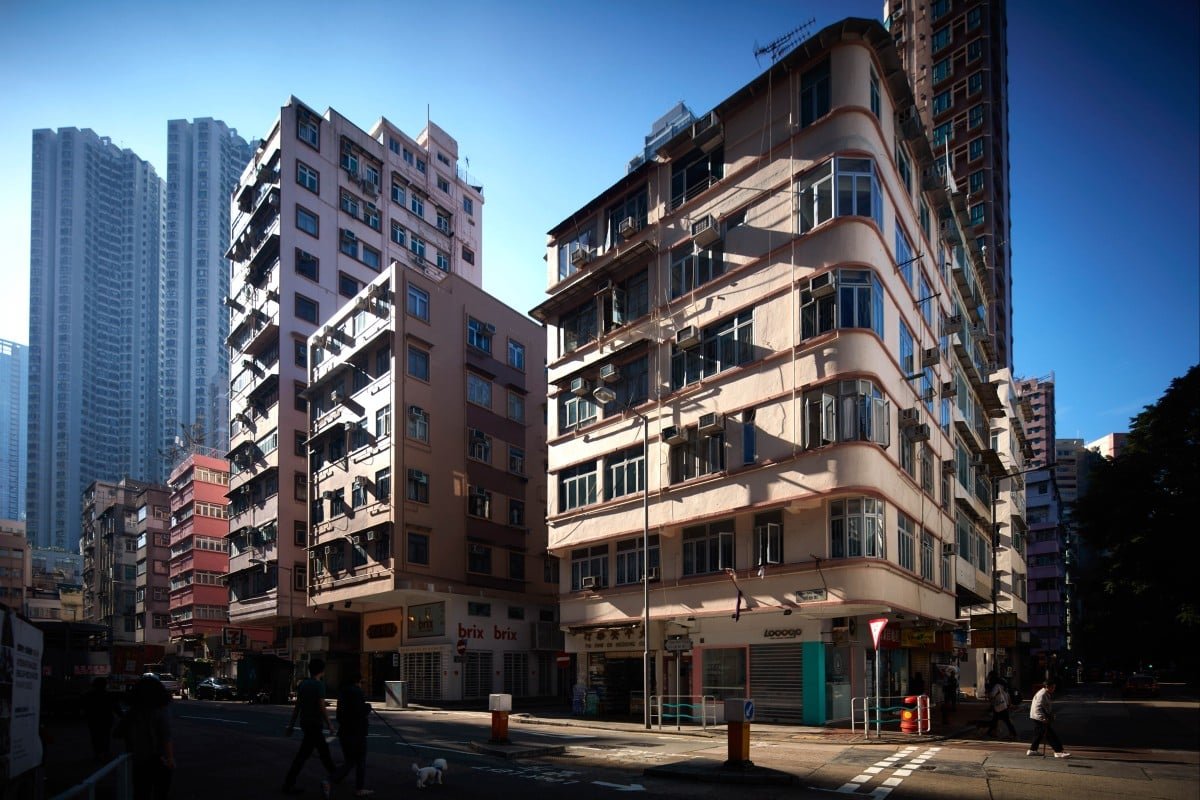
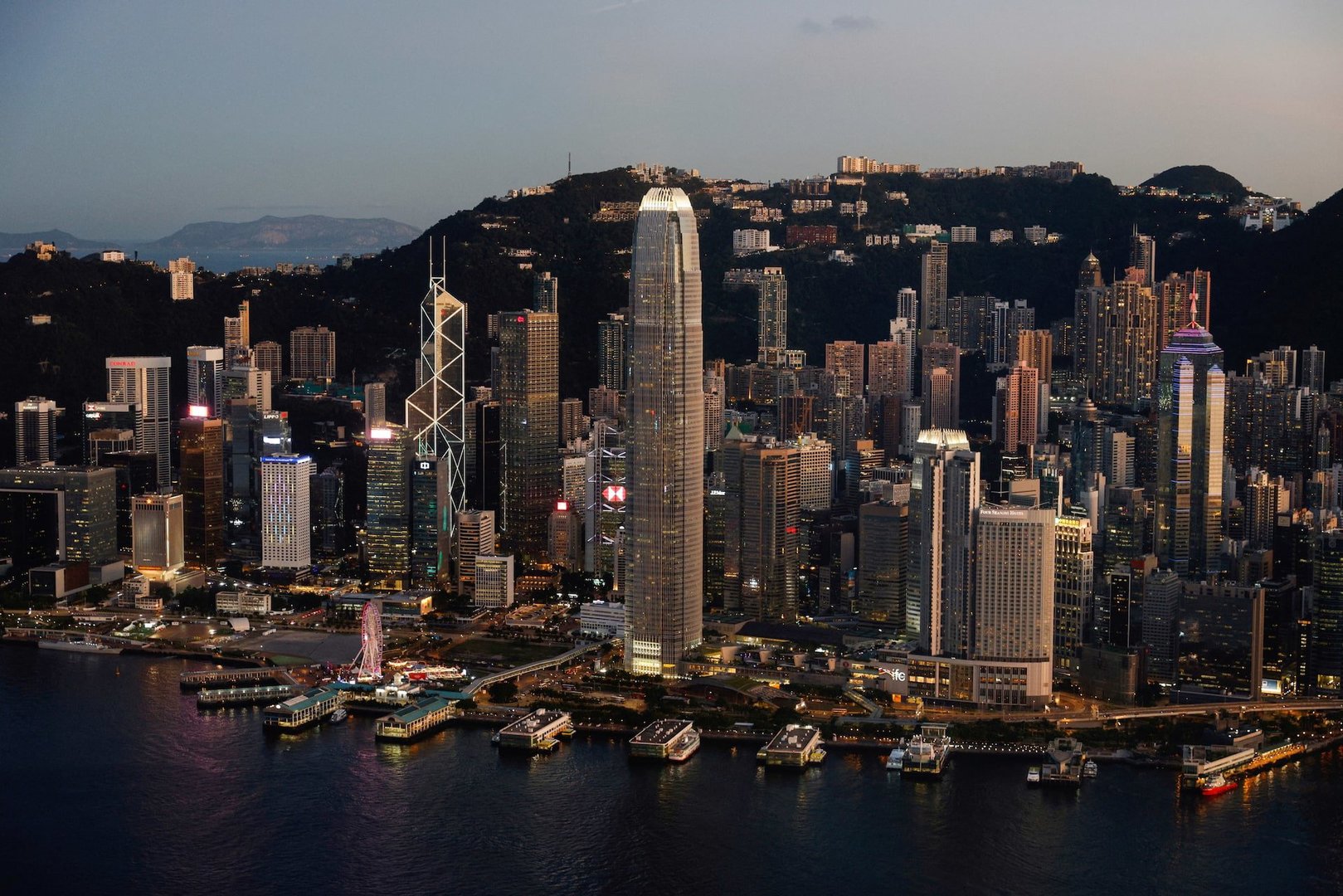
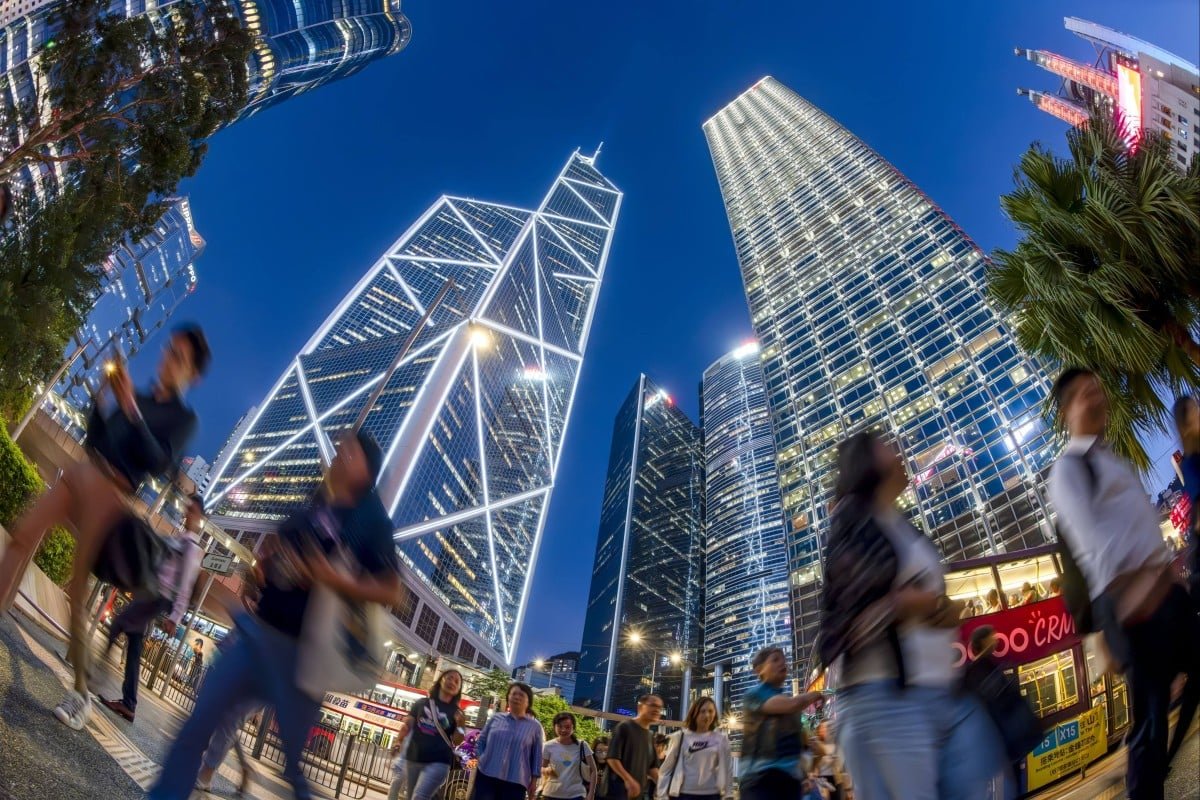
The office sector has faced persistent headwinds in recent years, with elevated vacancy rates in key business districts and downward pressure on rents.
A combination of shifting corporate space requirements, increased adoption of hybrid work models and a slower rebound in multinational leasing activity has weighed on absorption levels.
Against this backdrop, policymakers are exploring mechanisms to reinforce market confidence and prevent further erosion in asset values.
Under the proposal being discussed, HKIC — the government-backed investment vehicle established to deploy capital in strategic industries and long-term growth sectors — could play a role in supporting selected commercial properties or related investment platforms.
Supporters argue that the move would signal official confidence in Hong Kong’s long-term position as an international financial centre and help anchor investor sentiment during a cyclical downturn.
However, analysts caution that using a sovereign investment arm to underpin segments of the property market presents practical and policy challenges.
Direct acquisitions of office assets may offer temporary price stabilisation but would not address underlying demand dynamics.
Others note that any intervention would need to be carefully structured to avoid distorting market signals or creating expectations of ongoing state support.
The scale of the office glut is also a factor.
Significant new supply has entered the market in recent years, including premium developments in both traditional core districts and emerging business zones.
With additional projects still in the pipeline, absorption is expected to remain gradual unless leasing demand strengthens meaningfully.
Market participants suggest that a broader strategy — including economic revitalisation measures, talent attraction initiatives and incentives for innovation-driven industries — may ultimately prove more effective in bolstering office utilisation.
Hong Kong authorities have repeatedly emphasised the city’s resilience, deep capital markets and connectivity with mainland China as enduring competitive advantages.
While HKIC’s involvement could provide targeted support or co-investment opportunities in strategic real estate projects, analysts broadly agree that restoring balance to the office market will depend primarily on sustained business expansion and renewed corporate confidence.
The discussion underscores the complexity of addressing cyclical property weakness in a global financial hub navigating evolving economic conditions.
The office sector has faced persistent headwinds in recent years, with elevated vacancy rates in key business districts and downward pressure on rents.
A combination of shifting corporate space requirements, increased adoption of hybrid work models and a slower rebound in multinational leasing activity has weighed on absorption levels.
Against this backdrop, policymakers are exploring mechanisms to reinforce market confidence and prevent further erosion in asset values.
Under the proposal being discussed, HKIC — the government-backed investment vehicle established to deploy capital in strategic industries and long-term growth sectors — could play a role in supporting selected commercial properties or related investment platforms.
Supporters argue that the move would signal official confidence in Hong Kong’s long-term position as an international financial centre and help anchor investor sentiment during a cyclical downturn.
However, analysts caution that using a sovereign investment arm to underpin segments of the property market presents practical and policy challenges.
Direct acquisitions of office assets may offer temporary price stabilisation but would not address underlying demand dynamics.
Others note that any intervention would need to be carefully structured to avoid distorting market signals or creating expectations of ongoing state support.
The scale of the office glut is also a factor.
Significant new supply has entered the market in recent years, including premium developments in both traditional core districts and emerging business zones.
With additional projects still in the pipeline, absorption is expected to remain gradual unless leasing demand strengthens meaningfully.
Market participants suggest that a broader strategy — including economic revitalisation measures, talent attraction initiatives and incentives for innovation-driven industries — may ultimately prove more effective in bolstering office utilisation.
Hong Kong authorities have repeatedly emphasised the city’s resilience, deep capital markets and connectivity with mainland China as enduring competitive advantages.
While HKIC’s involvement could provide targeted support or co-investment opportunities in strategic real estate projects, analysts broadly agree that restoring balance to the office market will depend primarily on sustained business expansion and renewed corporate confidence.
The discussion underscores the complexity of addressing cyclical property weakness in a global financial hub navigating evolving economic conditions.