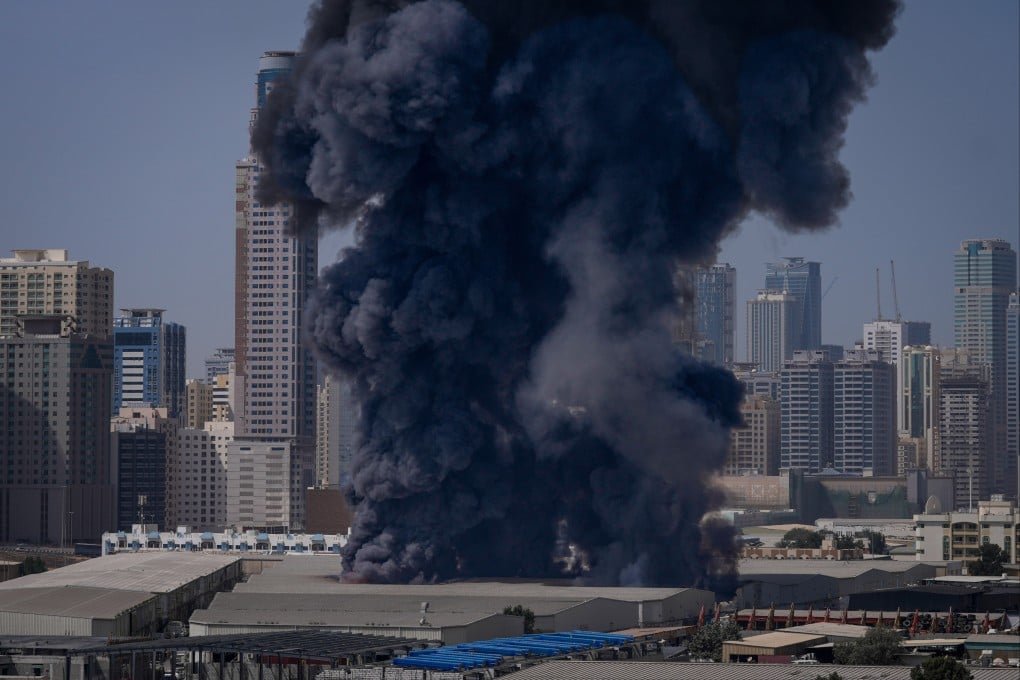
Residents caught in regional instability urge faster evacuations and clearer communication as travel routes remain disrupted
Hong Kong residents stranded in parts of the Middle East have appealed for more robust official assistance as escalating regional conflict continues to disrupt commercial flights and border crossings.
Several Hongkongers currently in affected areas said they were struggling to secure reliable transport out of the region amid widespread airspace closures, flight cancellations and heightened security risks.
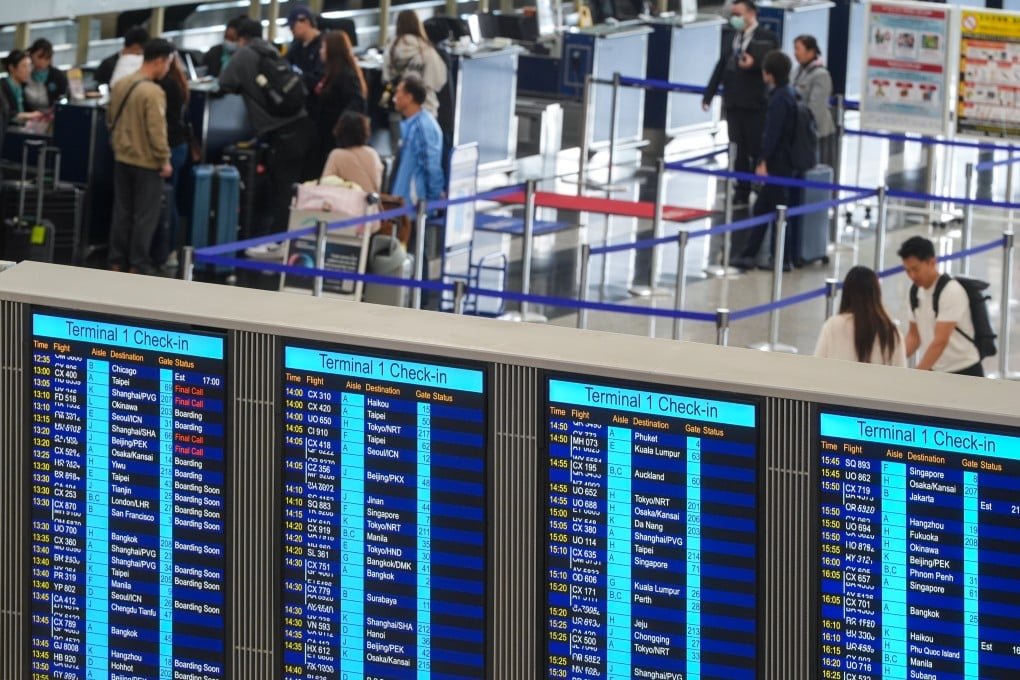
With major transit hubs operating at reduced capacity and some airlines suspending services entirely, travellers reported difficulty obtaining confirmed bookings or safe land routes to neighbouring countries.
Those seeking to leave described uncertainty over evacuation arrangements and called for clearer communication and more proactive coordination from authorities.
Some said they had registered with official channels but were awaiting further instructions on transport options or potential chartered flights.
Others expressed concern about the rapidly evolving security situation and the limited availability of commercial alternatives.
Hong Kong authorities have stated that they are closely monitoring developments and maintaining contact with residents in the region.
Officials said they were liaising with relevant diplomatic missions and transport operators to assess feasible evacuation pathways and to provide updated travel advice.
Emergency hotlines and registration platforms remain open for residents requiring assistance.
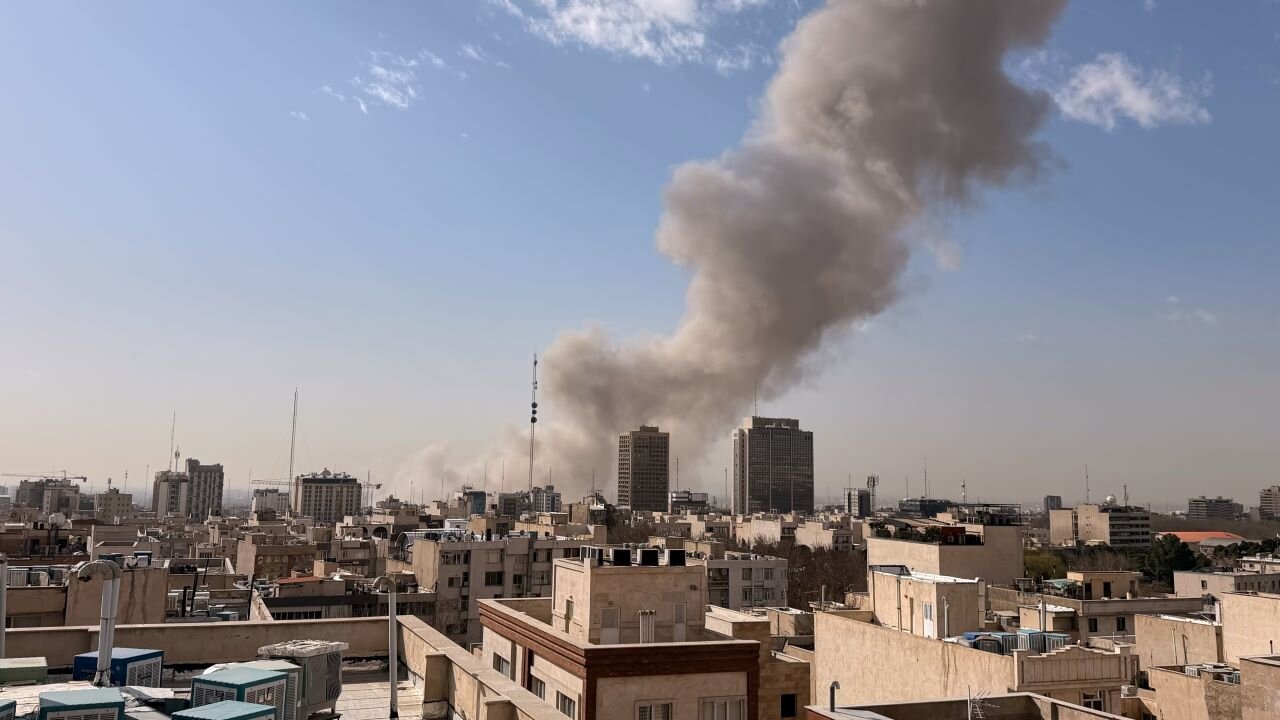
The ongoing instability has led to the temporary closure of several air corridors across the Middle East, forcing airlines to reroute or suspend services.
In addition to flight disruptions, travellers have reported congestion at land border crossings and limited accommodation availability as demand for exit routes increases.
Security analysts note that the pace and scale of evacuation efforts often depend on operational conditions on the ground, including access to airports, airspace permissions and host government coordination.
As the situation continues to unfold, families in Hong Kong have voiced growing anxiety over the safety of relatives overseas.
Officials have urged residents in affected areas to remain in secure locations, monitor verified advisories and stay in contact with authorities while contingency arrangements are explored.
The effectiveness of evacuation efforts is expected to hinge on regional stability and the reopening of key transport routes in the days ahead.
Several Hongkongers currently in affected areas said they were struggling to secure reliable transport out of the region amid widespread airspace closures, flight cancellations and heightened security risks.
With major transit hubs operating at reduced capacity and some airlines suspending services entirely, travellers reported difficulty obtaining confirmed bookings or safe land routes to neighbouring countries.
Those seeking to leave described uncertainty over evacuation arrangements and called for clearer communication and more proactive coordination from authorities.
Some said they had registered with official channels but were awaiting further instructions on transport options or potential chartered flights.
Others expressed concern about the rapidly evolving security situation and the limited availability of commercial alternatives.
Hong Kong authorities have stated that they are closely monitoring developments and maintaining contact with residents in the region.
Officials said they were liaising with relevant diplomatic missions and transport operators to assess feasible evacuation pathways and to provide updated travel advice.
Emergency hotlines and registration platforms remain open for residents requiring assistance.
The ongoing instability has led to the temporary closure of several air corridors across the Middle East, forcing airlines to reroute or suspend services.
In addition to flight disruptions, travellers have reported congestion at land border crossings and limited accommodation availability as demand for exit routes increases.
Security analysts note that the pace and scale of evacuation efforts often depend on operational conditions on the ground, including access to airports, airspace permissions and host government coordination.
As the situation continues to unfold, families in Hong Kong have voiced growing anxiety over the safety of relatives overseas.
Officials have urged residents in affected areas to remain in secure locations, monitor verified advisories and stay in contact with authorities while contingency arrangements are explored.
The effectiveness of evacuation efforts is expected to hinge on regional stability and the reopening of key transport routes in the days ahead.