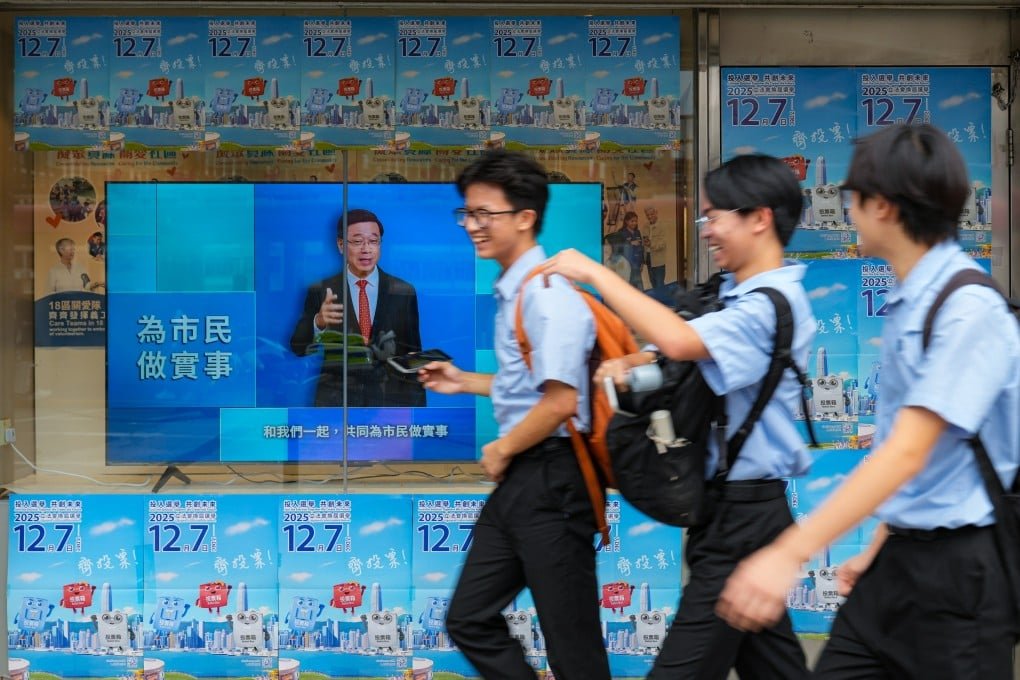
Record high turnout of nominees and mass retirement of incumbents reshape the December 7 election battleground
A total of 161 candidates, many younger in profile, are now competing for 90 seats in Hong Kong’s upcoming Legislative Council election, marking a roughly five-per-cent increase over the previous poll and leaving no seat uncontested.
The nominations window closed on Thursday, ahead of the December 7 election — the second under the revamped “patriots-only” system.
Among the most striking developments is that up to 35 incumbent lawmakers, including long-serving member Paul Tse Wai-chun who entered the legislature in 2008, have chosen not to seek re-election — the largest number since 1997. Notably, all incumbents aged 70 or over have stepped aside, clearing the way for a new generation of aspirants.
Competition is especially intense in the city’s directly elected geographical constituencies.
In the newly redrawn configuration, up to 51 contenders are vying for 20 seats — a significant rise from 35 candidates in 2021 and an increase of 45.7 per cent.
In several constituencies candidates number five or six for each pair of seats, reflecting heightened contestation within the limited electoral tier.
In the New Territories North and New Territories South-East regions, the entire candidate field consists of newcomers, with no sitting lawmakers seeking re-election.
By contrast, veteran politicians from larger parties have withdrawn, citing age or a desire for renewal.
Analysts view the influx of new entrants and exodus of veterans as part of Beijing’s broader strategy to rejuvenate the legislature and align it more closely with governance and performance-focused mandates.
While the increased candidate numbers suggest more engagement, observers remain cautious over whether competition in a system tightly managed by the Candidate Eligibility Review mechanism will translate into meaningful electoral choice or higher voter turnout.
With the nomination period concluded, attention now turns to the campaign phase and whether the new-look legislature will inject fresh perspectives into the city’s policy-making process.
The nominations window closed on Thursday, ahead of the December 7 election — the second under the revamped “patriots-only” system.
Among the most striking developments is that up to 35 incumbent lawmakers, including long-serving member Paul Tse Wai-chun who entered the legislature in 2008, have chosen not to seek re-election — the largest number since 1997. Notably, all incumbents aged 70 or over have stepped aside, clearing the way for a new generation of aspirants.
Competition is especially intense in the city’s directly elected geographical constituencies.
In the newly redrawn configuration, up to 51 contenders are vying for 20 seats — a significant rise from 35 candidates in 2021 and an increase of 45.7 per cent.
In several constituencies candidates number five or six for each pair of seats, reflecting heightened contestation within the limited electoral tier.
In the New Territories North and New Territories South-East regions, the entire candidate field consists of newcomers, with no sitting lawmakers seeking re-election.
By contrast, veteran politicians from larger parties have withdrawn, citing age or a desire for renewal.
Analysts view the influx of new entrants and exodus of veterans as part of Beijing’s broader strategy to rejuvenate the legislature and align it more closely with governance and performance-focused mandates.
While the increased candidate numbers suggest more engagement, observers remain cautious over whether competition in a system tightly managed by the Candidate Eligibility Review mechanism will translate into meaningful electoral choice or higher voter turnout.
With the nomination period concluded, attention now turns to the campaign phase and whether the new-look legislature will inject fresh perspectives into the city’s policy-making process.