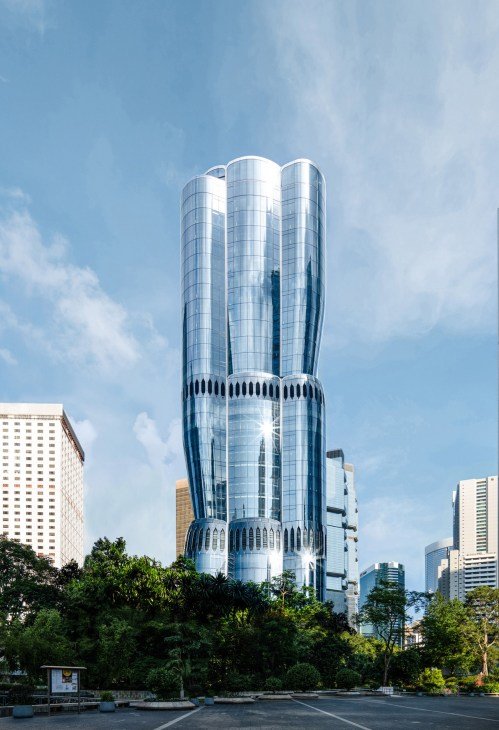
Architectural centerpiece highlights city’s ambition to strengthen its position as an international hub
Hong Kong has introduced a new global landmark designed to showcase its continued prominence as a leading international city, placing architecture and innovation at the center of its long-term vision.
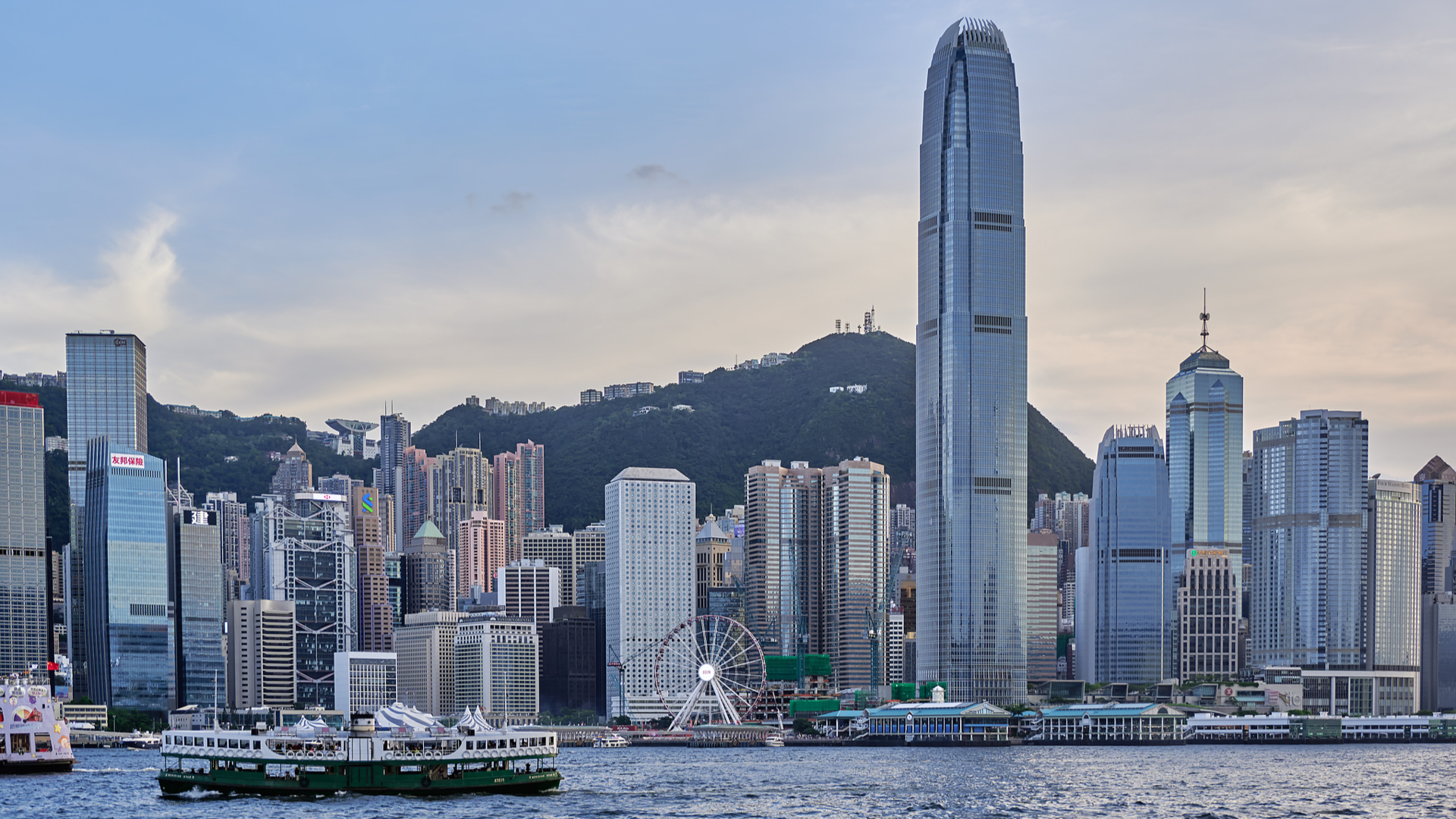
The project, positioned as a defining addition to the city’s skyline, reflects a broader effort to enhance Hong Kong’s global appeal through bold design, cultural significance, and economic impact.
The landmark is expected to serve as both a visual symbol and a functional space, attracting visitors, businesses, and international attention.
Officials have emphasized that the development represents confidence in Hong Kong’s future, combining modern engineering with strategic planning to create a destination that aligns with global standards.
The structure is intended to support tourism, commerce, and cultural exchange, reinforcing the city’s role as a gateway between East and West.
The unveiling comes as Hong Kong continues to adapt to shifting global dynamics, with authorities focusing on initiatives that strengthen competitiveness and connectivity.
Major infrastructure and urban projects have been central to this approach, aiming to position the city for sustained growth.
Architects and planners involved in the project have highlighted its innovative features, which include advanced construction techniques and environmentally conscious design elements.
The landmark is also expected to integrate seamlessly with surrounding districts, enhancing accessibility and urban cohesion.
Business leaders have welcomed the development, noting its potential to boost economic activity and elevate Hong Kong’s international profile.
Large-scale projects of this nature are often seen as catalysts for investment and urban renewal.
As the landmark takes center stage, it symbolizes Hong Kong’s ongoing transformation and its determination to remain a dynamic and influential presence on the global stage.
The project, positioned as a defining addition to the city’s skyline, reflects a broader effort to enhance Hong Kong’s global appeal through bold design, cultural significance, and economic impact.
The landmark is expected to serve as both a visual symbol and a functional space, attracting visitors, businesses, and international attention.
Officials have emphasized that the development represents confidence in Hong Kong’s future, combining modern engineering with strategic planning to create a destination that aligns with global standards.
The structure is intended to support tourism, commerce, and cultural exchange, reinforcing the city’s role as a gateway between East and West.
The unveiling comes as Hong Kong continues to adapt to shifting global dynamics, with authorities focusing on initiatives that strengthen competitiveness and connectivity.
Major infrastructure and urban projects have been central to this approach, aiming to position the city for sustained growth.
Architects and planners involved in the project have highlighted its innovative features, which include advanced construction techniques and environmentally conscious design elements.
The landmark is also expected to integrate seamlessly with surrounding districts, enhancing accessibility and urban cohesion.
Business leaders have welcomed the development, noting its potential to boost economic activity and elevate Hong Kong’s international profile.
Large-scale projects of this nature are often seen as catalysts for investment and urban renewal.
As the landmark takes center stage, it symbolizes Hong Kong’s ongoing transformation and its determination to remain a dynamic and influential presence on the global stage.