Conclusion of three-decade incentive reshapes auto market dynamics with shifting dominance toward mainland manufacturers
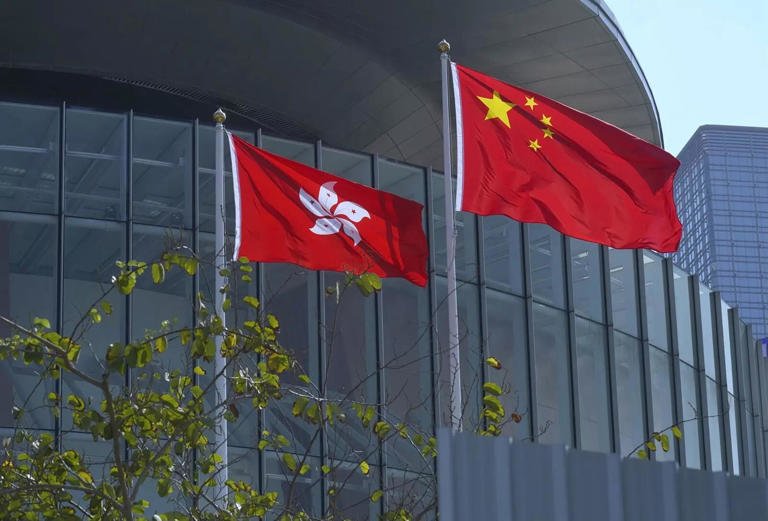
Hong Kong has brought to an end a thirty-two-year tax incentive program for electric vehicles, marking a pivotal shift in the city’s automotive policy as market dynamics evolve and Chinese brands take a leading position.
The expiration of the tax break, which had significantly reduced first registration costs for electric vehicles, comes after decades of encouraging adoption and supporting the transition to cleaner transport.
The policy had played a key role in accelerating early uptake and shaping consumer preferences in the territory.
Officials have indicated that the market has reached a level of maturity where such broad incentives are no longer deemed necessary.
Electric vehicles have become increasingly mainstream, supported by improved infrastructure, expanded model availability, and growing environmental awareness among consumers.
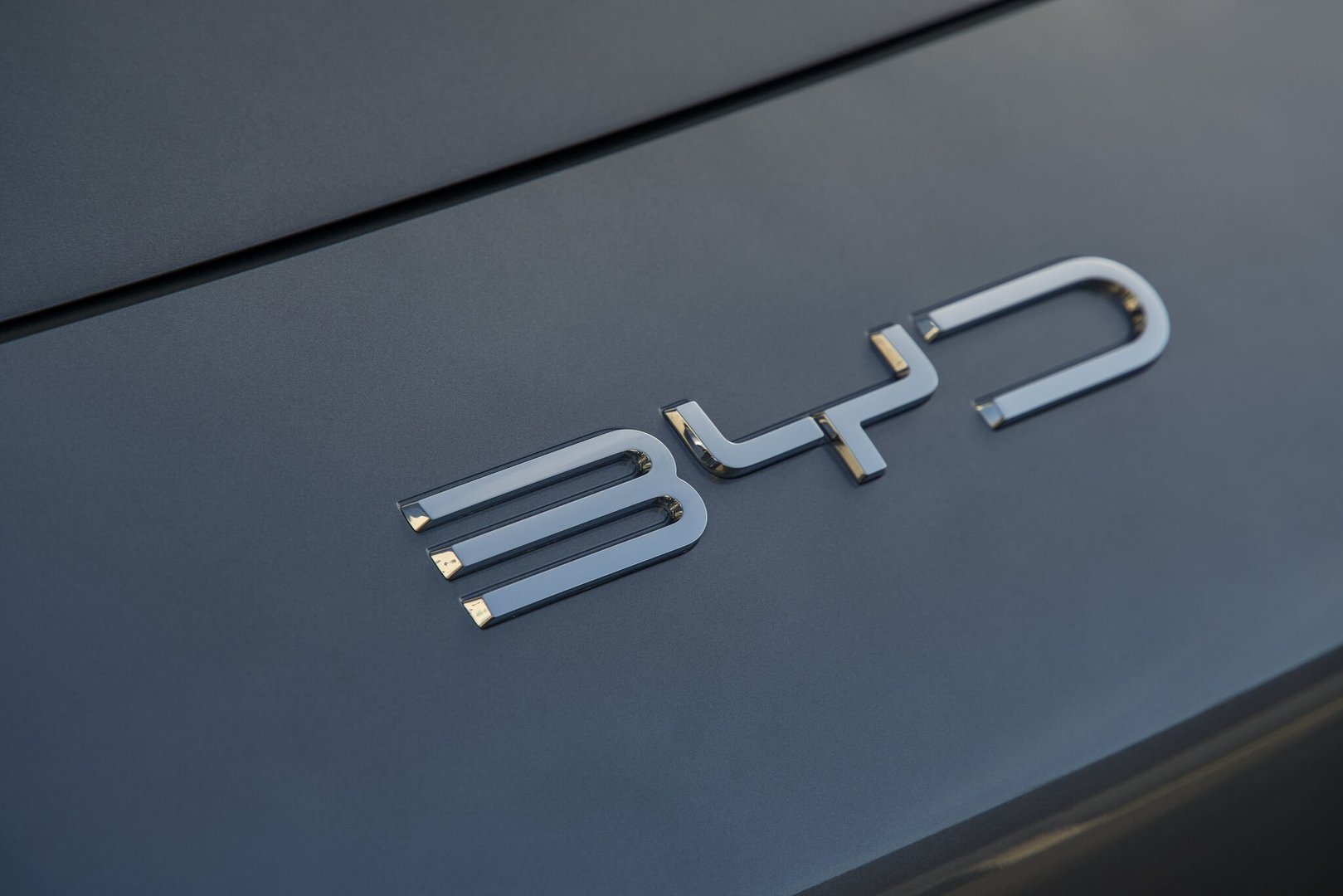
The shift coincides with a notable change in market leadership, with Chinese manufacturers gaining ground and overtaking traditional Japanese brands in sales and visibility.
Competitive pricing, rapid technological development, and strong supply chains have contributed to the rise of mainland companies in Hong Kong’s electric vehicle sector.
Industry observers note that the end of the incentive may lead to short-term adjustments in pricing and demand, as buyers and manufacturers respond to the new regulatory environment.
However, the long-term trajectory of electric vehicle adoption is expected to remain strong, driven by ongoing innovation and policy support in other forms.
The development reflects broader trends across global automotive markets, where Chinese electric vehicle makers are expanding their presence and challenging established competitors.
Hong Kong’s experience highlights how policy frameworks and market forces can combine to reshape industry leadership.
As the new phase begins, attention will focus on how consumers respond to the removal of incentives and how manufacturers adapt their strategies in a more competitive landscape shaped by evolving technology and shifting market power.
The expiration of the tax break, which had significantly reduced first registration costs for electric vehicles, comes after decades of encouraging adoption and supporting the transition to cleaner transport.
The policy had played a key role in accelerating early uptake and shaping consumer preferences in the territory.
Officials have indicated that the market has reached a level of maturity where such broad incentives are no longer deemed necessary.
Electric vehicles have become increasingly mainstream, supported by improved infrastructure, expanded model availability, and growing environmental awareness among consumers.
The shift coincides with a notable change in market leadership, with Chinese manufacturers gaining ground and overtaking traditional Japanese brands in sales and visibility.
Competitive pricing, rapid technological development, and strong supply chains have contributed to the rise of mainland companies in Hong Kong’s electric vehicle sector.
Industry observers note that the end of the incentive may lead to short-term adjustments in pricing and demand, as buyers and manufacturers respond to the new regulatory environment.
However, the long-term trajectory of electric vehicle adoption is expected to remain strong, driven by ongoing innovation and policy support in other forms.
The development reflects broader trends across global automotive markets, where Chinese electric vehicle makers are expanding their presence and challenging established competitors.
Hong Kong’s experience highlights how policy frameworks and market forces can combine to reshape industry leadership.
As the new phase begins, attention will focus on how consumers respond to the removal of incentives and how manufacturers adapt their strategies in a more competitive landscape shaped by evolving technology and shifting market power.