Assessment highlights pressures on civil liberties as authorities emphasize stability and governance priorities
A recent UK government report has raised concerns about the state of rights and freedoms in Hong Kong, pointing to what it describes as increasing pressures on civil liberties in the territory.

The assessment outlines developments affecting areas such as expression, political participation and legal processes, suggesting that the operating environment has become more restrictive in recent years.

The report frames these changes as part of a broader shift in governance and regulatory approach.

At the same time, authorities in Hong Kong have consistently emphasized the importance of maintaining stability, public order and long-term economic confidence.

Officials have underscored that measures introduced in recent years are intended to ensure security and support the city’s continued development as a global financial center.

Observers note that the situation reflects a complex balance between safeguarding institutional stability and addressing concerns raised by international partners.

The evolving framework has influenced both domestic governance and Hong Kong’s external relationships.

Despite the concerns highlighted in the report, Hong Kong continues to demonstrate resilience in key sectors, including finance, trade and technology.

The city remains a major hub for international business and investment, supported by its infrastructure and strategic position.

The findings are expected to contribute to ongoing dialogue between governments, with discussions likely to focus on governance, legal frameworks and the future direction of the territory.

As the situation develops, attention will remain on how Hong Kong navigates these challenges while maintaining its role in the global economy.
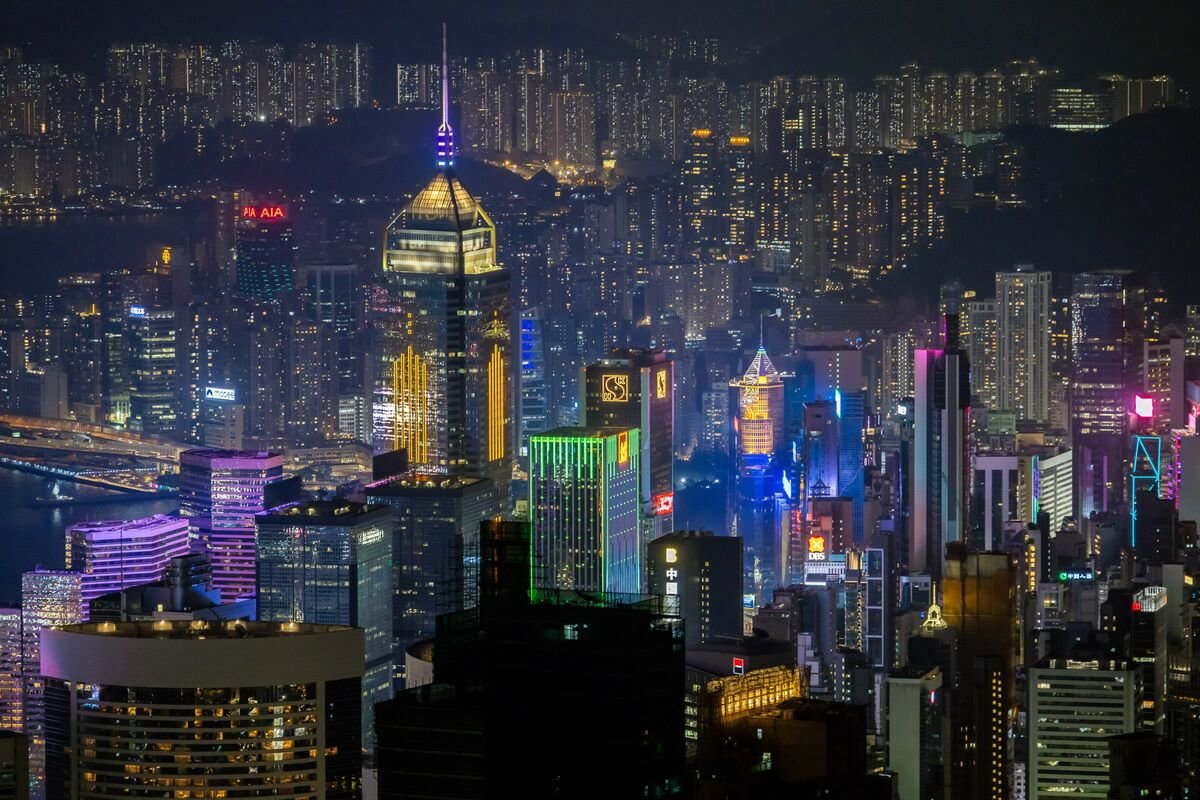
Strong demand highlights resilience in technology sector despite broader market uncertainty
A Hong Kong-listed technology exchange-traded fund has drawn record levels of investment, signaling renewed confidence among investors even as broader market sentiment remains cautious.

The surge in inflows reflects growing appetite for exposure to the region’s technology sector, with investors positioning themselves to benefit from long-term growth trends.

The fund’s performance has been supported by interest in leading technology companies and expectations of continued innovation across the industry.

Market participants note that the strong demand comes despite lingering uncertainty in global markets, including concerns over regulatory developments and economic conditions.

The willingness of investors to commit capital suggests a belief that the sector’s fundamentals remain robust.

Hong Kong’s role as a financial hub has facilitated access to such investment vehicles, allowing both institutional and retail investors to participate in technology-focused strategies.

The city continues to provide a platform for capital flows between mainland China and international markets.

Analysts highlight that the record inflows may also reflect a broader shift in sentiment, with investors increasingly looking beyond short-term volatility to focus on structural opportunities in areas such as artificial intelligence, digital services and advanced manufacturing.

The development underscores the resilience of the technology sector and the capacity of Hong Kong’s financial markets to attract significant investment even during periods of uncertainty.

As market conditions evolve, attention will focus on whether this momentum is sustained and how it influences broader investment trends across the region.
Strategic hire reflects growing demand for legal expertise in cross-border transactions and financial services
Offshore law firm Harneys has expanded its Hong Kong team with the appointment of corporate partner William Lee, reinforcing its capabilities in a market that continues to see strong demand for legal services tied to cross-border transactions and financial activity.

Lee brings extensive experience in corporate law, advising on mergers and acquisitions, capital markets and complex commercial transactions.

His arrival is expected to enhance the firm’s ability to support clients navigating increasingly sophisticated deal structures and regulatory environments.

The appointment comes at a time when Hong Kong remains a central hub for international finance, with sustained activity across sectors including private equity, investment funds and capital raising.

Legal expertise has become increasingly important as businesses adapt to evolving market conditions and regulatory frameworks.

Harneys’ move reflects a broader trend among global law firms seeking to strengthen their presence in Asia, particularly in jurisdictions that facilitate cross-border investment and financial flows.

The firm aims to position itself to capture opportunities arising from continued economic activity in the region.

Industry observers note that strategic hires such as Lee’s play a key role in enhancing service offerings and maintaining competitiveness in a crowded legal market.

The ability to provide specialized advice is seen as essential in supporting clients operating in complex international environments.

The expansion underscores confidence in Hong Kong’s long-term role as a leading financial and legal center, despite ongoing shifts in the global economic landscape.

As demand for advisory services continues to grow, firms are expected to pursue further investments in talent to meet client needs and capitalize on emerging opportunities.
Streaming platform advances plans to tap regional capital markets amid evolving global financing landscape
iQiyi, the video streaming platform backed by Baidu, has confidentially filed for a potential listing in Hong Kong, signaling a strategic move to access capital in one of Asia’s most important financial centers.

The filing marks a significant step as the company explores options to strengthen its financial position and expand its investor base.

By pursuing a Hong Kong listing, iQiyi is positioning itself to attract both regional and international investors while benefiting from the city’s established market infrastructure.

The move comes as Chinese technology companies increasingly look to Hong Kong as an alternative fundraising venue, amid tighter regulatory environments and market access challenges in the United States and parts of Europe.

Hong Kong’s role as a bridge between mainland China and global capital has become increasingly prominent in this context.

iQiyi’s potential listing is expected to draw attention given its position as a leading player in China’s competitive streaming sector.

The company has continued to invest in original content and platform development, aiming to strengthen user engagement and long-term growth prospects.

Market participants note that confidential filings allow companies to prepare for listings while maintaining flexibility in timing and valuation.

This approach enables firms to assess market conditions before proceeding with a public offering.

The development underscores broader trends in global capital markets, where companies are adapting to shifting geopolitical and regulatory dynamics by diversifying their fundraising strategies.

As preparations continue, attention will focus on the scale and structure of the potential offering, as well as investor response to one of the sector’s most closely watched listings.
Project signals continued investment in digital infrastructure as city strengthens its role in regional innovation
Construction has begun on a new data center within an emerging technology hub in Hong Kong, marking a significant step in the city’s efforts to expand its digital infrastructure and reinforce its position as a regional innovation leader.

The development is part of a broader strategy to support growing demand for data processing, cloud services and digital connectivity across Asia.

The facility is expected to provide advanced capabilities designed to meet the needs of technology companies, financial institutions and other data-intensive industries.

Officials and industry participants have highlighted the project as an important addition to Hong Kong’s technology ecosystem, reflecting ongoing investment in infrastructure that underpins digital transformation.

The city’s strong connectivity, financial networks and regulatory environment continue to attract technology-related projects.

The new hub is intended to foster collaboration between businesses, startups and research institutions, contributing to innovation and economic diversification.

The data center will play a central role in supporting these activities by ensuring reliable and scalable digital services.

Analysts note that demand for data center capacity has been rising steadily, driven by increased adoption of cloud computing, artificial intelligence and digital services.

Hong Kong’s strategic location and established role as a gateway between markets position it well to capture this growth.

The start of construction underscores confidence in the long-term development of the region’s technology sector and highlights the importance of infrastructure investment in sustaining competitiveness.

As the project progresses, it is expected to contribute to Hong Kong’s ambitions to remain at the forefront of technological advancement and to strengthen its role in the global digital economy.
Major auction houses report mature buying patterns as market evolves beyond headline-driven demand
Recent March sales across leading auction houses in Hong Kong have highlighted a shift toward greater maturity among collectors, with buying patterns reflecting deeper knowledge, selectivity and long-term investment strategies.

The results indicate that collectors are increasingly focused on quality and provenance rather than simply pursuing high-profile or trend-driven works.

This evolution has been evident in bidding behavior, where participants demonstrated careful consideration and discipline, even in competitive sales environments.

Auction houses reported strong performance across a range of categories, including modern, contemporary and Asian art, with demand supported by both established collectors and newer entrants to the market.

The diversity of participation underscores the broadening base of buyers in the region.

Observers note that the market is moving beyond earlier phases characterized by rapid growth and headline-grabbing prices, toward a more stable and sophisticated ecosystem.

This transition is seen as a positive development, contributing to sustainability and resilience in the long term.

Hong Kong continues to play a central role in the global art market, serving as a key venue for high-value transactions and a meeting point for international collectors.

Its position has been reinforced by consistent activity across major auction houses and art fairs.

The March sales also reflected a growing appreciation for regional artists and narratives, alongside continued interest in internationally recognized names.

This balance highlights the increasing confidence of collectors in shaping their own tastes and investment approaches.

As the market continues to evolve, the trend toward more considered and informed collecting is expected to influence future sales, reinforcing Hong Kong’s status as a mature and influential center for the art world.
Companies increasingly use the city as a strategic gateway amid tightening restrictions in the United States and Europe
Chinese technology companies are increasingly pivoting toward Hong Kong as regulatory barriers and market restrictions tighten in the United States and the European Union, reshaping global business strategies in the sector.

The shift reflects growing challenges faced by firms seeking access to Western markets, where heightened scrutiny, export controls and investment limits have made expansion more complex.

In response, companies are strengthening their presence in Hong Kong, leveraging its financial infrastructure and international connectivity.

Hong Kong’s role as a global financial hub offers Chinese tech firms access to capital markets, international investors and a familiar legal environment, making it an attractive alternative base for growth and fundraising.

The city’s position as a bridge between mainland China and global markets has become increasingly important in this context.

Industry observers note that the pivot is not merely defensive but also strategic, with companies seeking to consolidate regional strengths while maintaining global ambitions.

Hong Kong’s established ecosystem for technology, finance and professional services supports this approach.

The trend is also influencing investment patterns, with more listings, partnerships and business operations being directed through the city.

This has reinforced Hong Kong’s relevance at a time when geopolitical tensions are reshaping the global technology landscape.

Analysts suggest that while Western markets remain significant, the evolving regulatory environment is prompting companies to diversify their strategies and reduce reliance on any single region.

As these dynamics continue to unfold, Hong Kong is expected to play an increasingly central role in facilitating cross-border business and supporting the growth of Chinese technology firms in a more fragmented global market.
New nonstop route strengthens trans-Pacific connectivity and supports growing travel demand
Cathay Pacific has launched a new nonstop passenger flight service between Seattle and Hong Kong, marking a significant expansion of its trans-Pacific network and enhancing connectivity between North America and Asia.

The new route is designed to meet rising demand for direct travel between the two cities, offering passengers greater convenience and reduced travel times compared with connecting flights.

The service also supports business, tourism and cargo links between the Pacific Northwest and Hong Kong, a major global aviation hub.

Airline officials indicated that the launch reflects confidence in the recovery of international travel and the strategic importance of strengthening key long-haul routes.

Seattle’s role as a major economic center, particularly in technology and trade, makes it a valuable addition to Cathay Pacific’s network.

The route is expected to facilitate increased movement of travelers and goods, reinforcing economic ties and providing new opportunities for commercial exchange.

Hong Kong continues to serve as a gateway to broader Asian markets, further enhancing the appeal of the connection.

Industry observers note that the expansion aligns with broader trends in the aviation sector, where carriers are focusing on restoring and growing long-distance routes as demand rebounds.

The introduction of direct services is seen as a key factor in improving efficiency and passenger experience.

As operations begin, attention will focus on how the route performs and whether it contributes to sustained growth in traffic between the two regions.

The launch underscores Cathay Pacific’s ongoing efforts to rebuild and expand its global network while reinforcing Hong Kong’s position as a leading international aviation hub.
Robust buying activity highlights resilience of global art market and Asia’s growing influence
Art Basel Hong Kong 2026 has delivered a strong round of sales, with collectors actively acquiring works across a wide range of price points, reinforcing the city’s position as a leading center for the global art trade.

Major galleries reported brisk early transactions, particularly for works by established blue-chip artists, as well as sustained interest in emerging talent.

High-value pieces were quickly secured by collectors from Asia, Europe and North America, reflecting continued international engagement with the Hong Kong market.

The fair showcased a diverse selection of contemporary and modern art, with demand driven by both seasoned buyers and a new generation of collectors seeking to expand their portfolios.

The range of acquisitions highlighted evolving tastes, including growing interest in regional artists and cross-cultural perspectives.

Dealers noted that confidence remained solid despite broader economic uncertainties, with competitive bidding and swift decision-making indicating a willingness among collectors to commit significant capital.

The event also benefited from strong attendance, further supporting momentum across galleries.

Hong Kong’s role as a gateway between Eastern and Western markets was once again underscored, with the fair facilitating connections between artists, collectors and institutions.

The city’s infrastructure and strategic location continue to make it a focal point for high-profile art events.

Analysts suggest that the results from Art Basel Hong Kong 2026 signal ongoing resilience within the art market, with Asia playing an increasingly influential role in shaping global demand.

As the fair concludes, attention will turn to how this momentum carries into upcoming auctions and exhibitions, with expectations that the region will remain central to the art world’s growth trajectory.
Strong results signal renewed momentum for the region’s art market amid shifting economic conditions
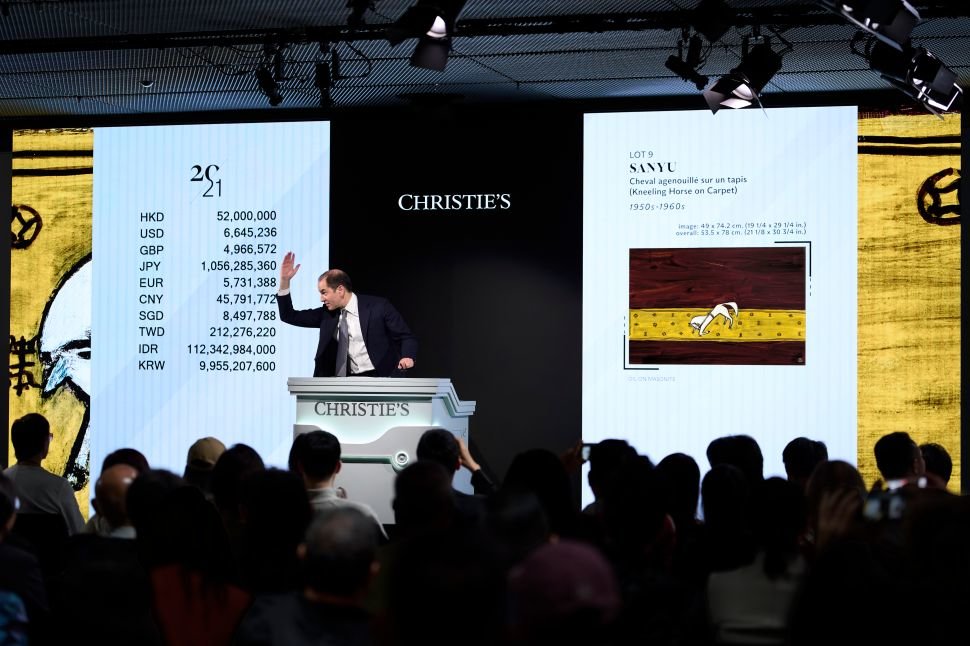
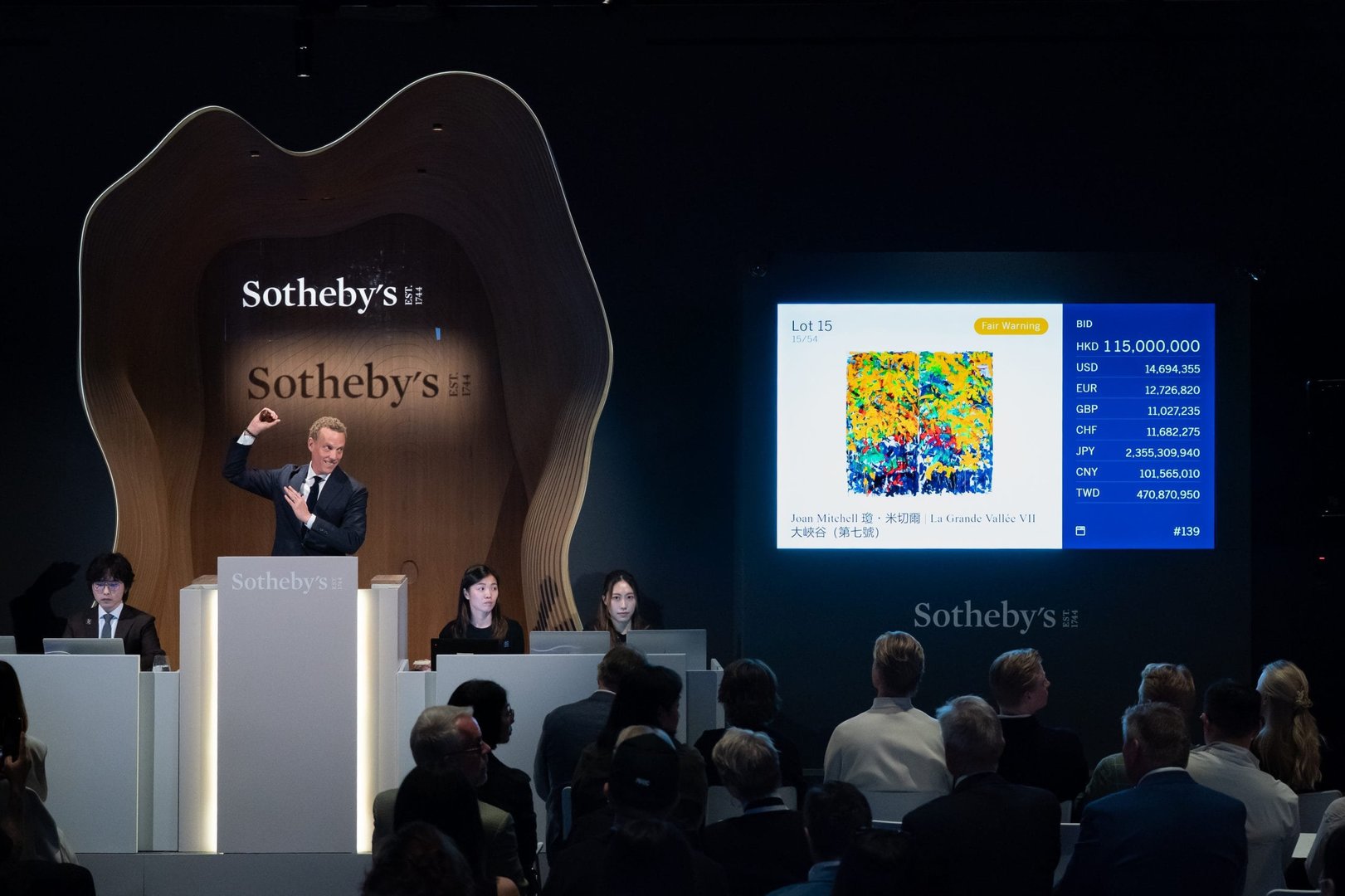
A major auction in Hong Kong has generated approximately 160 million dollars in sales, delivering a significant boost to confidence in the region’s art market and broader economic outlook.

The strong performance comes at a time when market participants have been seeking signs of recovery and renewed activity.

The results suggest that demand for high-value artworks remains resilient, with collectors continuing to engage actively despite wider economic uncertainties.

Auction houses and industry observers have pointed to the outcome as an encouraging indicator of momentum returning to the region.

The sale attracted both regional and international buyers, highlighting Hong Kong’s enduring role as a key hub for art transactions in Asia.

The success of the auction reflects a combination of factors, including the quality of works offered and the continued appeal of established artists.

It also underscores the importance of Hong Kong’s position within the global art ecosystem, where it serves as a bridge between Eastern and Western markets.

Market analysts note that while challenges remain, the results demonstrate underlying strength and a capacity for recovery.

Increased participation and competitive bidding suggest that confidence among collectors is improving, potentially supporting further activity in the months ahead.

The auction’s outcome is expected to contribute positively to sentiment across the sector, reinforcing Hong Kong’s status as a central venue for high-profile sales and cultural exchange.

As the market evolves, attention will focus on whether this momentum can be sustained and translated into continued growth across the region’s art and luxury sectors.
Passengers adjust to updated aviation safety rules as authorities tighten controls on portable batteries
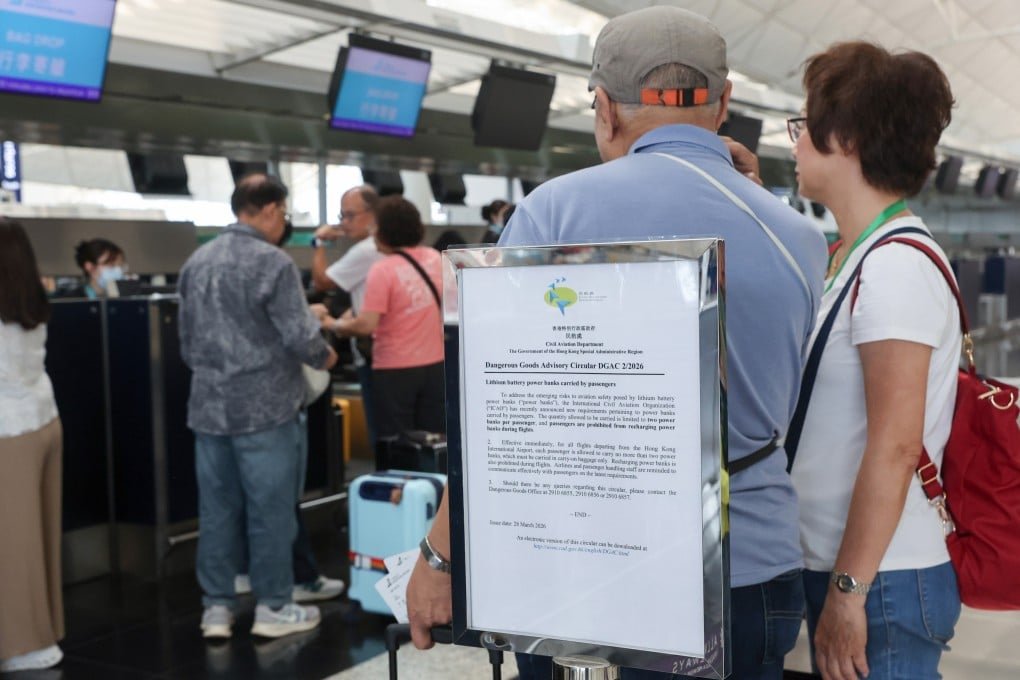
Passengers travelling through Hong Kong International Airport have been caught off guard by a newly enforced limit restricting individuals to carrying no more than two power banks, as authorities implement tighter aviation safety measures.

The rule, introduced in line with updated safety guidelines on lithium batteries, aims to reduce fire risks associated with portable charging devices.

Power banks, which contain lithium-ion batteries, have been identified as a potential hazard if damaged, improperly stored, or exposed to heat during flights.

Travellers reported confusion at security checkpoints, with some forced to discard or repack excess devices after being informed of the new restriction.

The sudden enforcement has prompted calls for clearer communication to ensure passengers are aware of the requirements before arriving at the airport.

Airport authorities have emphasised that the measure is part of a broader effort to enhance safety standards in aviation, aligning with international practices aimed at mitigating battery-related incidents.

Officials noted that the majority of passengers comply once informed, but initial adjustments have led to delays and inconvenience.

Airlines and travel operators are expected to increase outreach efforts, including pre-flight notifications and updated guidance, to help passengers prepare in advance.

The focus remains on ensuring that safety protocols are followed without disrupting travel unnecessarily.

The development highlights the growing attention on battery safety in the aviation sector, where evolving technology has introduced new challenges for regulators and operators.

As awareness improves, authorities expect smoother compliance, reinforcing the balance between passenger convenience and the imperative of maintaining rigorous safety standards.
City attracts increased investment and visitor flows as stability and connectivity enhance its appeal
Hong Kong is witnessing a growing influx of capital and travellers from the Middle East as rising regional tensions prompt individuals and businesses to seek stable and well-connected international hubs.

Financial institutions and market participants report increased interest from Middle Eastern investors, with funds being redirected into Hong Kong’s banking system, real estate, and broader financial markets.

The city’s reputation for stability, transparency, and strong regulatory oversight has positioned it as an attractive destination during a period of geopolitical uncertainty.

At the same time, travel patterns are shifting, with more visitors from the Middle East choosing Hong Kong for both business and leisure.

Airlines and hospitality providers have noted a rise in bookings, reflecting the city’s appeal as a secure and accessible gateway to Asia.

Industry observers highlight that Hong Kong’s strategic advantages — including its status as a global financial centre, robust legal framework, and international connectivity — are playing a key role in attracting this renewed interest.

The city’s efficient infrastructure and business-friendly environment further support its position as a preferred destination.

The trend also aligns with broader economic dynamics, as investors seek diversification and resilience in their portfolios.

Hong Kong offers access to regional markets and opportunities across sectors such as finance, technology, and trade.

Officials and business leaders view the development as a sign of confidence in Hong Kong’s stability and long-term prospects.

The inflow of capital and visitors is expected to contribute to economic activity and reinforce the city’s global standing.

As geopolitical conditions continue to evolve, Hong Kong’s ability to attract international investment and travel is likely to remain a key strength, supporting its role as a central hub in the global economy.
Updated rules outline when authorities may request access to electronic devices under strengthened security framework
Hong Kong’s updated legal framework regarding access to electronic devices is providing clearer guidance for travellers, outlining the circumstances under which authorities may request passwords or access to personal data during border inspections.

The measures form part of the city’s broader national security and law enforcement framework, aimed at enhancing the ability of authorities to prevent and investigate serious offences.

Officials emphasise that the provisions are targeted and governed by legal procedures, ensuring that any request for access is made within defined limits.

Under the updated rules, law enforcement agencies may seek access to electronic devices where there are reasonable grounds linked to security or criminal investigations.

The process is subject to oversight and requires adherence to established legal standards, reinforcing protections for individual rights while supporting public safety objectives.

Authorities have clarified that routine travellers are unlikely to encounter such requests unless specific circumstances arise.

The emphasis remains on risk-based enforcement rather than blanket application, with officials noting that the vast majority of visitors and residents pass through border controls without incident.

Legal experts highlight that the framework aligns with international practices, where governments maintain the authority to inspect electronic devices under certain conditions.

At the same time, clear communication of the rules is seen as essential in maintaining confidence among travellers and the business community.

The introduction of these provisions reflects Hong Kong’s ongoing efforts to balance openness with security, ensuring that the city remains both a safe environment and a major international gateway.

As awareness of the new rules grows, travellers are encouraged to familiarise themselves with the legal context while continuing to benefit from Hong Kong’s efficient and well-regulated border procedures.
Officials highlight renewed confidence and growth trajectory following strengthened national security framework
Hong Kong is regaining its economic and social momentum, with officials and analysts pointing to enhanced stability under the national security framework as a key factor driving renewed confidence and growth.

Authorities emphasise that the strengthened legal environment has restored order and created a more predictable foundation for business and investment.

This stability is seen as instrumental in enabling the city to refocus on development priorities and economic expansion.

In recent months, indicators across financial markets, tourism, and trade have shown signs of improvement, reflecting growing confidence among investors and international partners.

The city’s role as a global financial hub continues to attract capital flows, supported by its transparent regulatory system and strong institutional framework.

Leaders have highlighted that the security framework has not only addressed immediate concerns but also laid the groundwork for long-term resilience.

By reinforcing the rule of law and ensuring a stable operating environment, Hong Kong is positioning itself to compete effectively in a rapidly changing global landscape.

The renewed trajectory aligns with broader strategic initiatives aimed at innovation, technology development, and economic diversification.

These efforts are supported by policies designed to attract talent, encourage investment, and strengthen key industries.

Observers note that the combination of stability and forward-looking policy is helping to restore Hong Kong’s international standing and competitiveness.

The city’s connectivity, financial expertise, and strategic location continue to serve as major advantages.

As Hong Kong moves forward, the emphasis on stability, growth, and global engagement is expected to remain central to its development path, reinforcing its position as a leading international centre.
Paul Chan highlights resilience as global energy volatility rises amid Middle East tensions
Hong Kong remains economically stable despite a sharp rise in global oil prices linked to escalating tensions in the Middle East, according to Financial Secretary Paul Chan, who underscored the city’s resilience and strong fundamentals.

Speaking on recent market developments, Chan noted that while energy price volatility has created uncertainty internationally, Hong Kong’s financial system and economic structure have continued to perform steadily.

He emphasised that the city’s diversified economy and robust regulatory framework provide a solid buffer against external shocks.

Global oil prices have surged in response to geopolitical instability, raising concerns about inflationary pressures and supply chain disruptions worldwide.

However, Chan indicated that Hong Kong is well-positioned to manage these challenges, citing its open market, strong fiscal reserves, and prudent policy management.

He also pointed to the city’s role as an international financial hub, where capital flows and investment activity remain active despite external volatility.

Market participants have continued to demonstrate confidence, supported by Hong Kong’s transparent institutions and established economic infrastructure.

Officials are closely monitoring developments in energy markets and their potential impact on local businesses and consumers.

At the same time, Chan stressed that existing policy tools and financial safeguards are sufficient to maintain stability and support economic continuity.

The remarks reflect broader confidence within Hong Kong’s leadership that the city can navigate global uncertainties while sustaining growth and maintaining its competitive position.

As geopolitical tensions persist, Hong Kong’s ability to remain stable amid shifting conditions is expected to reinforce its standing as a reliable and resilient international financial centre.
Proposed reform aims to strengthen compliance and protect retirement savings through stricter enforcement measures
Hong Kong’s Mandatory Provident Fund (MPF) Authority is preparing to introduce a two-tier surcharge system targeting employers who fail to make timely retirement contributions, in a move designed to strengthen compliance and safeguard workers’ savings.

The proposed framework would impose differentiated penalties depending on the severity and duration of payment delays.

Officials indicate that the approach is intended to create a more proportionate and effective enforcement mechanism, ensuring that employers face appropriate consequences while encouraging prompt rectification.

Under the current system, penalties for late contributions have been criticised as insufficient to deter repeated non-compliance.

The planned reform seeks to address these concerns by introducing a structured escalation of surcharges, increasing financial pressure on employers who persistently miss deadlines.

Authorities emphasise that the initiative is focused on protecting employees’ retirement funds, which depend on consistent and timely contributions.

Strengthening enforcement is seen as essential to maintaining confidence in the MPF system and ensuring its long-term sustainability.

The proposal is expected to be subject to consultation and further refinement, with stakeholders including employers, labour groups, and financial experts providing input on its design and implementation.

The move reflects broader efforts to enhance governance and accountability within Hong Kong’s retirement savings framework, aligning regulatory practices with evolving economic conditions and workforce needs.

If implemented, the two-tier surcharge system could mark a significant shift in how contribution compliance is enforced, reinforcing the importance of timely payments in securing financial stability for workers.
Commercial space sector emerges as key driver of innovation, technology growth, and economic diversification
Hong Kong’s emerging NewSpace sector is increasingly being recognised as a powerful catalyst for advancing the city’s five-year strategic priorities, reinforcing its ambitions in innovation, technology development, and economic diversification.

The NewSpace industry, driven by private-sector participation in space-related technologies and services, is contributing to multiple policy goals, including research and development, advanced manufacturing, and digital infrastructure.

By integrating space technologies with broader economic initiatives, Hong Kong is positioning itself at the forefront of next-generation industries.

Stakeholders highlight that investments in satellite technology, data analytics, and aerospace engineering are creating new opportunities for local enterprises and research institutions.

These developments are not only fostering innovation but also enabling cross-sector applications in areas such as telecommunications, environmental monitoring, and smart city solutions.

The alignment between NewSpace and Hong Kong’s five-year plan priorities reflects a strategic effort to build high-value industries that can drive long-term growth.

Authorities and industry leaders emphasise the importance of cultivating talent, supporting startups, and strengthening partnerships with global players.

Hong Kong’s existing strengths, including its financial ecosystem, regulatory framework, and international connectivity, provide a solid foundation for the expansion of the NewSpace sector.

These advantages are helping to attract investment and facilitate collaboration across borders.

The sector’s growth is also contributing to the broader transformation of the city’s economic structure, supporting a shift toward knowledge-based industries and technological leadership.

Observers note that NewSpace has the potential to act as a multiplier, amplifying the impact of other innovation-driven initiatives.

As momentum builds, the continued integration of space-related technologies into Hong Kong’s development strategy is expected to play a significant role in shaping its economic future and reinforcing its position in the global innovation landscape.
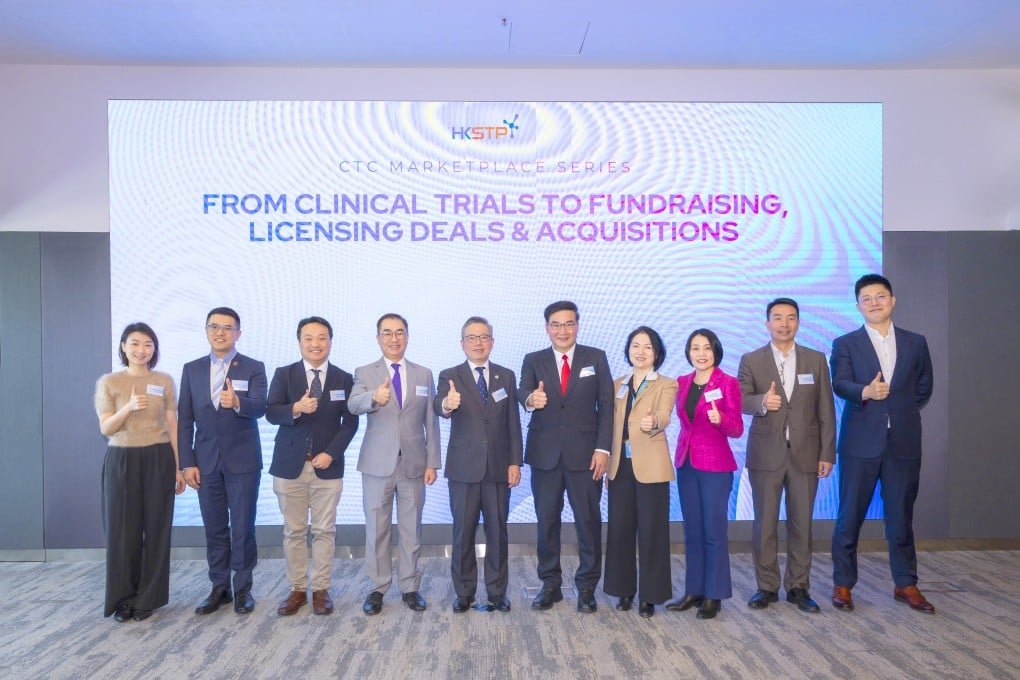
Innovation hub accelerates journey from research labs to international markets, strengthening city’s life sciences ecosystem
Hong Kong Science and Technology Parks (HKSTP) is playing a central role in transforming the city into a global biotechnology powerhouse, supporting the transition of cutting-edge research from laboratory development to international commercial success.

The organisation has expanded its investment in infrastructure, funding, and collaborative platforms designed to accelerate innovation in life sciences.

By connecting researchers, startups, and established industry players, HKSTP has created an integrated ecosystem that enables scientific breakthroughs to move efficiently into real-world applications.

Biotech firms within the network are benefiting from access to advanced facilities, specialised expertise, and strategic partnerships, allowing them to scale rapidly and enter global markets.

The approach has contributed to a growing pipeline of companies focused on areas such as therapeutics, diagnostics, and medical technology.

Hong Kong’s position as an international financial and logistics hub further enhances its appeal, enabling biotech enterprises to secure funding, navigate regulatory pathways, and reach international partners.

The combination of scientific capability and market connectivity is reinforcing the city’s competitive edge.

Officials and industry leaders have highlighted the importance of sustained investment in research and development, alongside policies that encourage innovation and talent development.

These efforts are helping to build a robust foundation for long-term growth in the biotechnology sector.

The progress driven by HKSTP reflects a broader strategy to diversify Hong Kong’s economy and position it at the forefront of high-value industries.

As more companies achieve commercial success, the city’s reputation as a centre for biotechnology innovation continues to strengthen.

The expansion of this ecosystem is expected to attract further global interest, supporting Hong Kong’s ambition to become a leading destination for life sciences research and development.
Ruling reinforces legal framework as judiciary affirms earlier convictions under national security provisions
A Hong Kong court has upheld prison sentences in a landmark case, reaffirming earlier convictions under the city’s national security framework and underscoring the judiciary’s role in maintaining legal order.

The decision follows appeals filed by individuals convicted in connection with activities deemed to fall under national security provisions.

After reviewing the case, the court confirmed the original sentences, signalling continuity in the application of the law.

Judicial authorities emphasised that the ruling reflects a careful assessment of evidence and legal standards, reinforcing the importance of upholding the rule of law.

The case has been closely watched due to its significance in shaping how national security legislation is interpreted and enforced.

Officials have maintained that the legal framework is essential for ensuring stability and safeguarding public order in Hong Kong.

The court’s decision is seen as reinforcing this position, providing clarity on how the law applies in complex cases.

The outcome has drawn attention from international observers, highlighting the broader context in which Hong Kong’s legal system continues to evolve.

At the same time, authorities have reiterated that judicial processes remain grounded in established legal principles.

The case is expected to have lasting implications for future proceedings, setting a precedent for how similar matters may be handled.

Legal analysts note that such rulings contribute to defining the contours of the security framework in practice.

As Hong Kong continues to navigate its legal and regulatory environment, the decision underscores the central role of the courts in interpreting and applying the law.
Beijing challenges US advisory as tensions rise over evolving national security framework in the city
Chinese authorities have summoned the United States envoy in Hong Kong following a warning issued by Washington regarding recent changes to the city’s national security framework, marking a further escalation in diplomatic tensions.

The move comes after the United States released an advisory highlighting concerns about the evolving legal environment in Hong Kong, particularly in relation to security provisions.

In response, Chinese officials expressed strong opposition, asserting that such statements interfere in internal matters and misrepresent the situation.

The summoning of the envoy reflects Beijing’s determination to defend its policy approach in Hong Kong, where authorities have emphasised the importance of maintaining stability and safeguarding national security.

Officials reiterated that the legal framework is designed to ensure order and long-term prosperity in the city.

The development underscores ongoing friction between China and the United States over Hong Kong’s governance and legal direction.

Washington has continued to monitor changes closely, while Beijing maintains that its actions are both lawful and necessary.

The exchange highlights broader geopolitical tensions, with Hong Kong remaining a focal point in relations between the two countries.

Diplomatic channels remain active, but differences over policy and interpretation persist.

As the situation evolves, both sides are expected to continue articulating their positions, with implications for international engagement and perceptions of Hong Kong’s regulatory environment.

The episode illustrates the sensitivity surrounding security legislation in the city and the wider strategic context in which these developments are unfolding.
International collectors and galleries drive strong results as Asian market shows resilience and growth
Art Basel Hong Kong 2026 has concluded with strong sales and widespread international participation, underscoring the continued vitality of the global art market and the growing influence of Asia as a central hub for cultural exchange.

Galleries reported significant transactions across a wide range of price points, from emerging artists to established names, reflecting sustained demand from both regional and international collectors.

The event drew attendees from across the world, reinforcing Hong Kong’s role as a key meeting point for the global art community.

Dealers highlighted a steady pace of sales throughout the fair, with particular interest in contemporary works and artists from Asia-Pacific markets.

The breadth of engagement suggested a diversified collector base, with buyers demonstrating confidence despite broader economic uncertainties.

The fair also served as a platform for cultural dialogue, with curated exhibitions, installations, and discussions contributing to a dynamic atmosphere.

Participants noted that the event successfully combined commercial success with artistic innovation, strengthening its reputation as a leading international art fair.

Hong Kong’s strategic position as a gateway between East and West was evident in the composition of exhibitors and visitors.

The city’s infrastructure, regulatory environment, and established market networks continue to support its status as a premier destination for art trade and cultural exchange.

Observers pointed to the strong performance of the fair as an indicator of resilience within the art market, even amid shifting global conditions.

The results are likely to reinforce confidence among galleries and collectors as the sector moves forward.

As the event concludes, attention turns to future editions and the ongoing role of Hong Kong in shaping the direction of the international art landscape.
Prime minister concludes trip after engaging tycoons and officials to deepen economic cooperation and investment links
Singapore’s Prime Minister Lawrence Wong has concluded his visit to Hong Kong after a series of high-level meetings with business leaders and senior officials, aimed at strengthening economic cooperation and regional partnerships.

During the trip, Wong met prominent tycoons and industry figures to discuss investment opportunities, financial collaboration and emerging sectors such as technology and innovation.

The engagements underscored the importance of close ties between two of Asia’s leading financial centres.

The visit also included discussions with government representatives, focusing on maintaining stability, promoting trade and enhancing cross-border collaboration in a rapidly evolving global economic environment.

Both sides emphasised the value of continued dialogue and coordination in addressing shared challenges.

Wong’s outreach to business leaders reflects Singapore’s broader strategy of reinforcing its position as a global hub by fostering strong relationships with key partners in the region.

The meetings highlighted mutual interest in expanding opportunities in finance, infrastructure and digital development.

Observers note that Hong Kong and Singapore, while often seen as competitors, also share significant common ground in their roles as international gateways for investment and commerce.

The visit reinforced the potential for complementary growth and cooperation.

The trip comes at a time when regional economies are seeking to navigate shifting global conditions, making collaboration among major financial centres increasingly important.

Wong’s engagements in Hong Kong are expected to support ongoing efforts to strengthen economic resilience and deepen partnerships across Asia.
Investors shift assets toward Asian financial hubs as geopolitical risks reshape regional investment strategies
Escalating tensions in the Gulf are driving a notable shift in global capital flows, with investors increasingly directing funds toward Singapore and Hong Kong as stable and strategically positioned financial centres.

Market participants are responding to heightened uncertainty in the Middle East by reallocating assets to jurisdictions perceived as offering stronger regulatory frameworks, financial resilience and access to global markets.

Singapore and Hong Kong have emerged as key beneficiaries of this trend, leveraging their established roles as international financial hubs.

The movement of capital reflects broader efforts by investors to manage geopolitical risk while maintaining exposure to dynamic growth regions.

Both cities offer deep liquidity, advanced financial infrastructure and strong connectivity to major economies, making them attractive destinations during periods of instability.

Analysts note that the shift is also supported by the ability of these centres to facilitate cross-border investment, particularly in Asia’s expanding markets.

The inflows are expected to bolster financial activity, including asset management, banking and capital markets operations.

At the same time, the trend underscores the interconnected nature of global finance, where developments in one region can rapidly influence investment decisions elsewhere.

Gulf tensions have highlighted the importance of diversification and the search for stability in an uncertain environment.

Authorities in both Singapore and Hong Kong are positioned to capitalise on the increased interest, with ongoing efforts to enhance competitiveness and attract international investors.

The redirection of capital signals a broader recalibration in global investment patterns, as geopolitical developments continue to shape financial strategies and regional dynamics.
One person arrested as authorities target unlicensed storage and distribution site
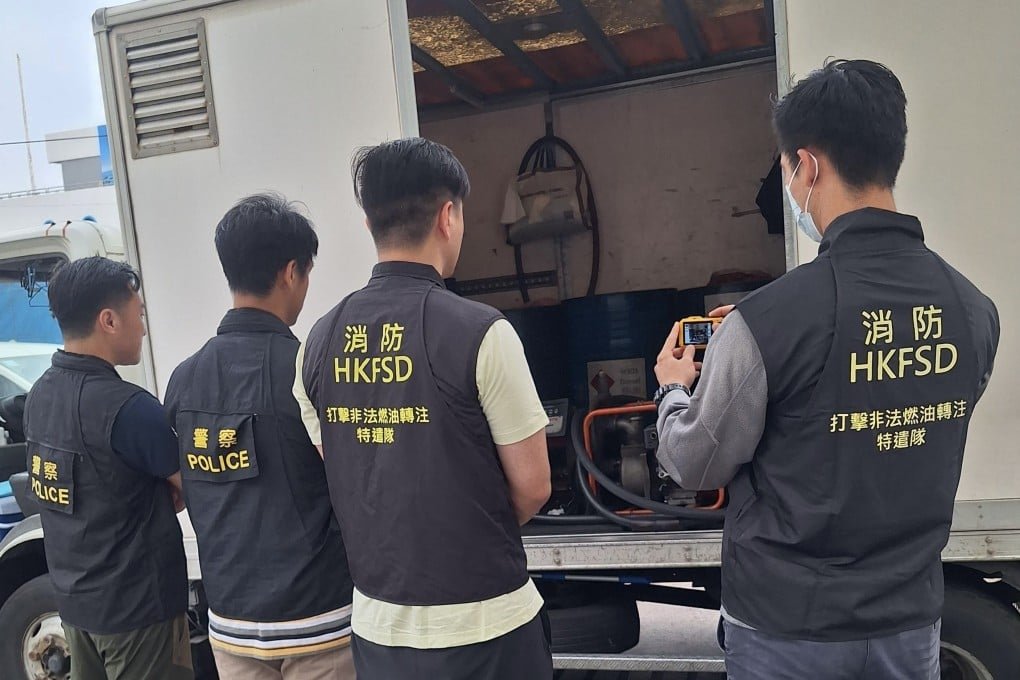
Hong Kong police have seized approximately 1,600 litres of diesel during a raid on an illegal fuel storage site, as part of ongoing efforts to combat unlicensed and potentially hazardous operations.

The operation led to the arrest of one individual suspected of involvement in the storage and distribution of fuel without proper authorisation.

Officers discovered the diesel stored in conditions that raised safety concerns, including risks associated with fire hazards and improper handling.

Authorities have emphasised that illegal fuel operations pose significant dangers not only to those directly involved but also to surrounding communities, given the flammable nature of the materials.

The raid was carried out following intelligence gathering and monitoring of suspected activities.

Police stated that enforcement actions will continue to target similar operations, with a focus on preventing accidents and ensuring compliance with safety regulations.

The case also highlights broader concerns about illicit activities that bypass regulatory oversight.

Investigations are ongoing to determine whether additional individuals or networks are connected to the operation, as authorities work to dismantle any wider distribution channels.

Officials have reiterated the importance of adhering to licensing requirements and safety standards, warning that violations will be met with firm action.

The seizure forms part of a wider campaign to maintain public safety and uphold regulatory integrity across the territory.
New project marks major step in city’s strategy to expand digital infrastructure and strengthen technology capabilities
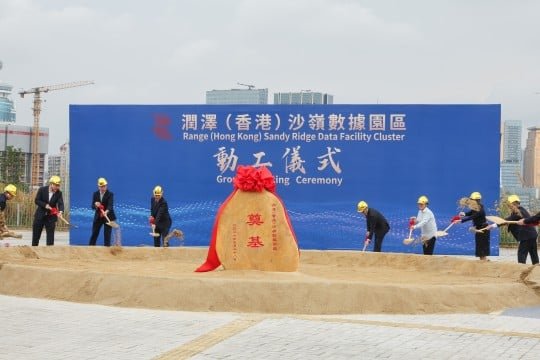
Hong Kong has officially broken ground on a new data centre in the Northern Metropolis, marking a significant milestone in its efforts to accelerate artificial intelligence development and strengthen digital infrastructure.

The project is designed to support the growing demand for high-performance computing and data processing capabilities, which are essential for advancing AI technologies across sectors.

Authorities have positioned the facility as a key component of a broader strategy to enhance innovation and technological competitiveness.

Located within the Northern Metropolis development zone, the data centre will play a central role in supporting research, enterprise applications and emerging industries that rely on advanced computing power.

The initiative aligns with wider plans to transform the area into a major hub for technology, industry and cross-border collaboration.

Officials have highlighted the importance of robust digital infrastructure in enabling economic growth and attracting investment, particularly as global demand for AI-driven solutions continues to expand.

The project is expected to contribute to job creation, technological advancement and the development of a more resilient digital economy.

The move also reflects increasing efforts to integrate infrastructure planning with innovation policy, ensuring that the necessary foundations are in place to support long-term growth in the technology sector.

As construction begins, the data centre is set to become a cornerstone of Hong Kong’s ambitions to position itself as a leader in AI and digital transformation within the region.

The development underscores the city’s commitment to building future-ready infrastructure and fostering a dynamic environment for innovation and technological progress.
Denial comes amid heightened scrutiny over cross-border monitoring claims and political sensitivities
A Hong Kong government employee has denied allegations that they ordered surveillance of dissidents based in the United Kingdom, as scrutiny intensifies over claims of cross-border monitoring activities.

The individual firmly rejected the accusations, stating that no such instructions were given and that the claims do not reflect their actions or responsibilities.

The response comes as questions have been raised about the extent of oversight and the handling of politically sensitive matters involving individuals outside Hong Kong.

The issue has drawn attention due to broader concerns about international dimensions of law enforcement and the protection of civil liberties.

Authorities are facing increased pressure to clarify the scope of their activities and ensure that all actions comply with legal frameworks.

Officials have emphasised the importance of maintaining transparency and adherence to established procedures, particularly in cases that involve international implications.

The situation has also prompted discussion about the responsibilities of public servants and the safeguards in place to prevent misuse of authority.
Observers note that such allegations can have wider diplomatic and political implications, especially when they involve claims of activity beyond domestic jurisdiction.

The matter remains under examination, with further developments expected as authorities review the circumstances and address ongoing concerns.

The denial underscores the sensitivity of the issue and the need for clear communication as the situation continues to evolve.
Four suspects detained after customs officers intercept large-scale smuggling attempt aboard cargo vessel
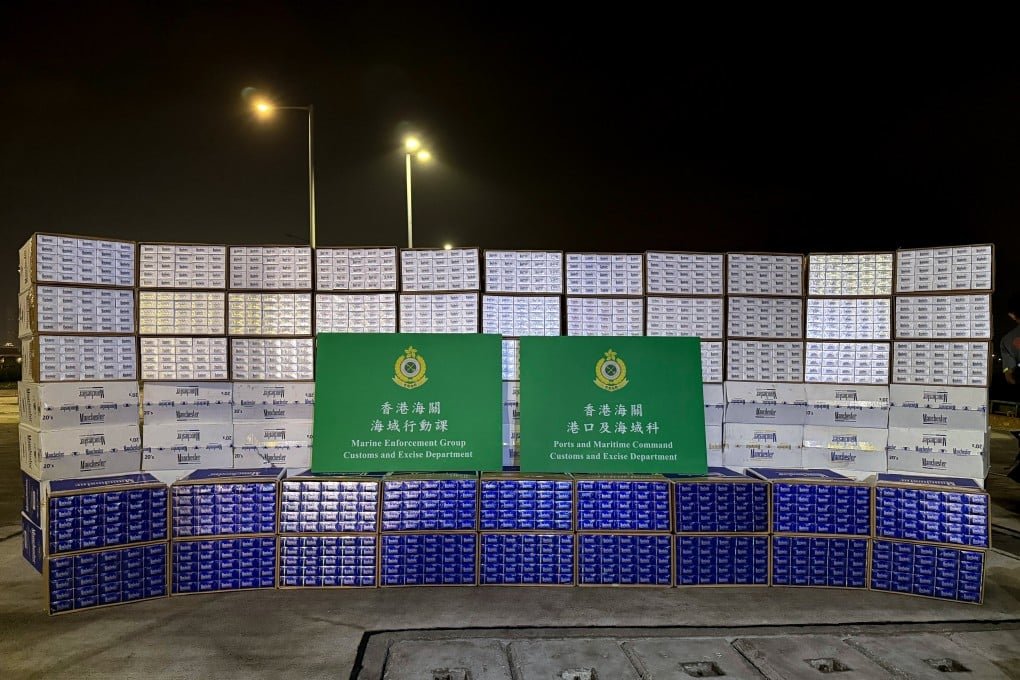
Hong Kong customs authorities have seized illicit cigarettes valued at approximately HK$92 million following an interception of a cargo vessel, in one of the city’s latest enforcement actions against large-scale smuggling.

Officers discovered the contraband during a targeted operation, uncovering a substantial quantity of undeclared cigarettes concealed within the vessel’s cargo.

The seizure represents a significant blow to organised smuggling activities that seek to evade duties and regulations.

Four individuals have been detained in connection with the case, with investigations now underway to determine the full scope of the operation and any wider networks involved.

Authorities are examining the origin, intended destination and distribution channels linked to the shipment.

Customs officials emphasised that illicit tobacco trade undermines public revenue and poses broader regulatory challenges, including risks related to unregulated products entering the market.

The enforcement action reflects ongoing efforts to strengthen border controls and combat illegal trade.

Hong Kong’s strategic position as a major shipping hub makes it a key target for smuggling operations, prompting authorities to maintain heightened vigilance across maritime routes.

Regular inspections and intelligence-led operations are being used to detect and disrupt such activities.

Officials reiterated their commitment to upholding strict customs enforcement and protecting the integrity of the city’s trade system.

The case remains under investigation as authorities continue efforts to identify additional parties connected to the smuggling attempt.
New restriction aligns with international aviation standards as authorities tighten controls on lithium battery devices
Hong Kong International Airport has introduced a new rule limiting passengers to carrying no more than two power banks each, bringing its policies in line with tightening global aviation safety standards.

The measure targets lithium battery devices, which have increasingly come under scrutiny due to their potential fire risk during air travel.

Authorities have emphasised that the restriction is part of a broader effort to enhance onboard safety and reduce the likelihood of incidents involving portable electronic chargers.

Under the updated guidelines, passengers are required to ensure that power banks are carried in hand luggage rather than checked baggage, with strict limits on both quantity and capacity.

The cap of two devices per passenger reflects a growing international consensus on managing lithium battery risks.

Aviation regulators and airport officials have pointed to several recent global incidents involving overheating or malfunctioning battery packs as a key factor behind the move.

By standardising limits, authorities aim to create clearer expectations for travelers while improving safety across airlines and airports.

Airlines operating through Hong Kong are expected to enforce the rules consistently, with passengers advised to check specific requirements before departure to avoid disruptions at security checkpoints.

The policy is part of a wider trend across the aviation industry, where regulators are introducing more stringent controls on portable electronics as passenger demand for such devices continues to rise.

Officials have stressed that the changes are designed to balance convenience with safety, ensuring that travelers can continue to carry essential devices while minimising risks during flights.
Authorities and operators push for stronger enforcement and education following safety concerns on rail network
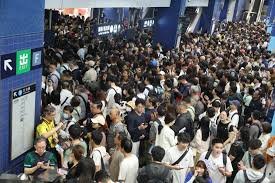
A series of track intrusion incidents on Hong Kong’s Mass Transit Railway has prompted renewed calls for tougher penalties and increased public education, as authorities seek to address growing safety concerns on the city’s transport network.

Officials and transport operators have highlighted the risks posed by individuals entering railway tracks, describing such actions as dangerous and potentially life-threatening.

The incidents have led to service disruptions, operational delays and heightened concern among passengers and staff.

In response, there are growing appeals for stricter enforcement measures, including heavier fines and more severe legal consequences for those found trespassing on tracks.

Authorities argue that stronger deterrents are necessary to prevent repeat occurrences and to reinforce the seriousness of the offence.

Alongside enforcement, there is also a push for expanded public education campaigns aimed at raising awareness of railway safety.

Officials emphasise the importance of informing passengers about the risks involved and encouraging responsible behaviour within the transit system.

The MTR, one of the world’s busiest and most efficient urban rail networks, relies on strict adherence to safety protocols to maintain its high standards of reliability.

Disruptions caused by track intrusions not only pose direct safety threats but also affect the broader commuting public.

Transport authorities are reviewing existing measures and considering additional steps to enhance monitoring and response capabilities.

The goal is to reduce incidents while maintaining smooth and secure operations across the network.

The issue underscores the importance of both enforcement and education in ensuring public safety, as Hong Kong continues to manage the challenges of operating a high-capacity transit system.
Advisory highlights legal risks for travelers who refuse to unlock devices under tightened security rules
The United States has issued a warning to travelers regarding new legal requirements in Hong Kong that make it a criminal offence to refuse requests from authorities to unlock mobile phones or other digital devices.

The advisory reflects growing concern over evolving security regulations in the city, where authorities have expanded their powers to access electronic data during investigations.

Travelers are being informed that failure to comply with such requests could result in legal consequences, including potential arrest or prosecution.

Officials emphasised that the updated guidance is intended to ensure that visitors understand the legal environment they may encounter upon arrival.

The warning underscores the importance of being aware of local laws, particularly those relating to digital privacy and law enforcement powers.

The development comes amid broader changes in Hong Kong’s regulatory framework, with increased focus on security and information control.

The implications for travelers include heightened scrutiny of electronic devices at border crossings and during interactions with authorities.

Experts note that such measures may raise concerns about privacy and data protection, especially for individuals carrying sensitive personal or professional information.

Travelers are being advised to take appropriate precautions and to familiarise themselves with local legal obligations before entering the territory.

The guidance forms part of ongoing efforts by the US government to provide updated travel information as legal and regulatory conditions evolve in key global destinations.

Authorities have stressed that understanding and complying with local laws remains essential to avoiding complications while traveling abroad.
Exhibition highlights cultural memory, identity and cross-border dialogue as artists reflect on a changing world
Art Basel Hong Kong 2026 is placing a strong emphasis on the theme of “Echoes,” with artists and galleries presenting works that explore memory, identity and the reverberations of global change across contemporary art.

The exhibition brings together a diverse range of international and regional artists, using the concept of echoes to examine how ideas, histories and cultural influences continue to shape present-day expression.

Many of the works reflect on how past events resonate within modern contexts, offering layered interpretations of identity and transformation.

Curators have highlighted the growing importance of cross-cultural dialogue, with the Hong Kong platform serving as a meeting point for artistic perspectives from Asia and beyond.

The show features a blend of established figures and emerging voices, creating a dynamic environment that reflects both continuity and innovation.

Installations, multimedia works and traditional formats are all represented, with artists using a variety of techniques to convey themes of connection, displacement and renewal.

The exhibition also reflects broader conversations about globalisation and the movement of ideas across borders.

Art Basel Hong Kong continues to strengthen its role as a leading event in the international art calendar, attracting collectors, curators and audiences from around the world.

The 2026 edition underscores the city’s position as a cultural hub where artistic exchange can flourish.

The focus on “Echoes” offers a unifying framework that ties together diverse works, encouraging viewers to consider how art both preserves and transforms collective experience.

The exhibition highlights the enduring relevance of contemporary art as a means of interpreting complex global narratives and fostering deeper cultural understanding.
Authorities seek to expand bullion market role by attracting sovereign institutions and strengthening financial infrastructure
Hong Kong is intensifying efforts to position itself as a leading global hub for gold trading, with authorities actively engaging central banks in a bid to expand the city’s role in the international bullion market.

The initiative reflects a broader strategy to diversify financial services and reinforce Hong Kong’s standing as a major international financial centre.

By attracting central banks and sovereign institutions, officials aim to deepen liquidity, enhance market credibility, and strengthen the city’s role in precious metals trading.

Authorities have highlighted Hong Kong’s advantages, including its well-established financial infrastructure, strong regulatory framework, and strategic location linking global markets with mainland China.

These factors are seen as key to building a robust ecosystem for gold trading and storage.

Efforts include promoting the city as a secure and efficient location for gold custody, settlement, and trading, as well as exploring partnerships that could facilitate cross-border flows and broaden participation in the market.

The move aligns with growing global interest in gold as a reserve asset amid economic uncertainty and shifting monetary conditions.

Officials believe that increased engagement with central banks could help anchor long-term demand and establish Hong Kong as a preferred destination for bullion-related activities.

The approach also supports wider ambitions to expand the city’s commodities and asset management sectors.

The push comes as financial centres worldwide compete to capture a larger share of precious metals trading.

Hong Kong’s strategy underscores its commitment to innovation and diversification, aiming to leverage its strengths to secure a prominent position in the evolving global gold market.
New provisions increase enforcement scope as authorities strengthen national security framework
Recent expansions to Hong Kong’s national security law are raising the legal stakes for individuals already convicted under related provisions, including prominent media figure Jimmy Lai, as authorities broaden the scope and enforcement of the framework.

The updated measures are designed to enhance the effectiveness of national security protections, with officials emphasising the need to address evolving risks and close gaps in existing legislation.

The strengthened provisions introduce wider enforcement tools and reinforce penalties for offences deemed to threaten stability.

For individuals previously convicted, the expanded framework may have implications for how cases are managed and how future proceedings are interpreted.

Authorities have indicated that the changes are part of a comprehensive approach to ensuring that national security laws remain robust and responsive.

Jimmy Lai, who has been involved in high-profile legal proceedings, is among those whose situation is being closely watched in light of the updated legal environment.

His case continues to draw attention as the broader framework evolves.

Officials have reiterated that the legal system operates on established principles, including due process and judicial independence, while maintaining a clear focus on safeguarding national security.

The government has framed the amendments as necessary for maintaining long-term stability and public order.

The developments reflect a continued emphasis on reinforcing legal structures in response to perceived risks, with authorities prioritising a secure environment as a foundation for the city’s economic and social development.
Editorial highlights global rankings, research strength and international appeal of the city’s universities
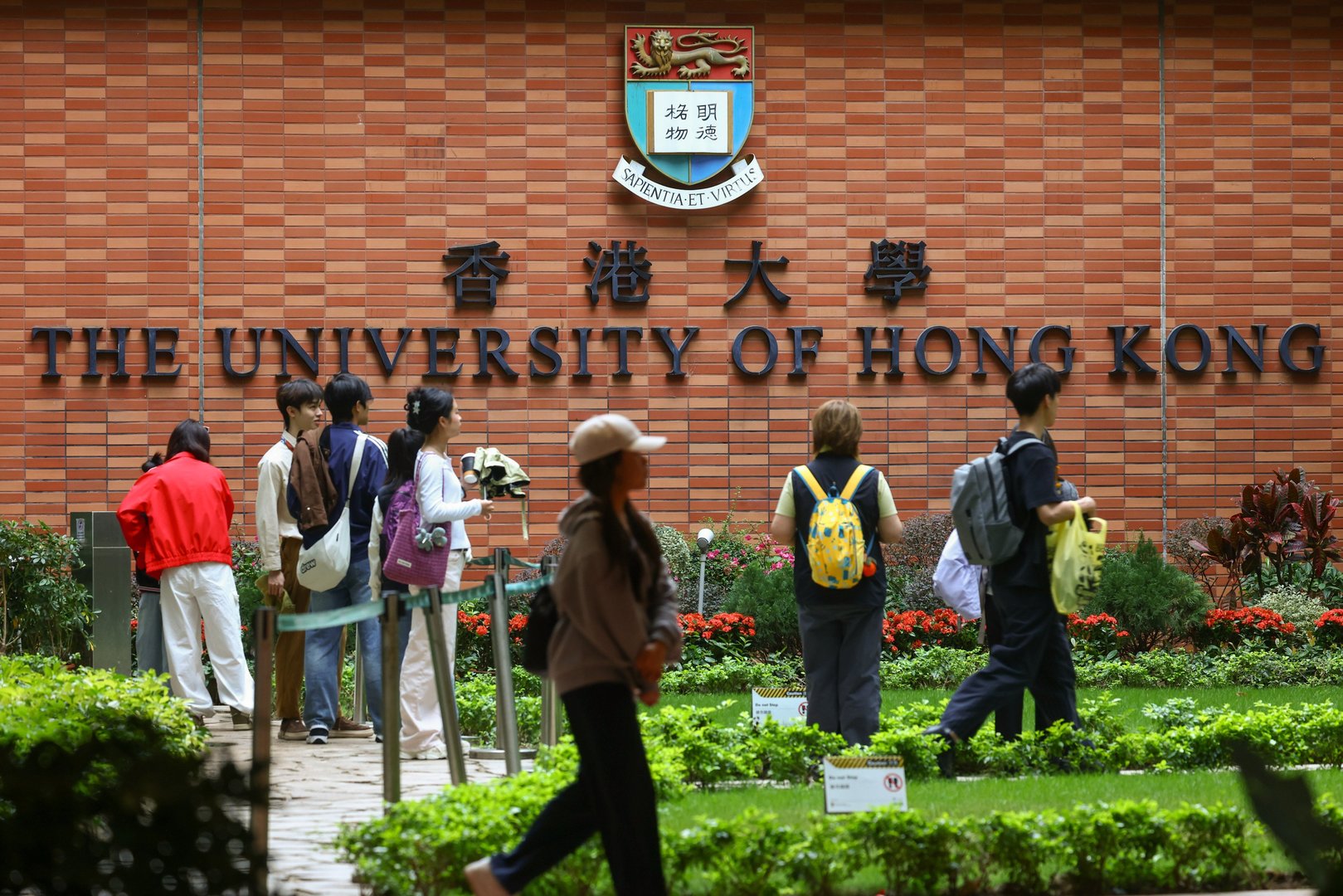
Hong Kong continues to rank among Asia’s most competitive higher education systems, with its universities maintaining strong global standings and attracting international students, faculty and research investment.

The city’s higher education sector benefits from a combination of academic excellence, international connectivity and a longstanding commitment to research and innovation.

Institutions in Hong Kong consistently perform well in global rankings, reflecting strengths in teaching quality, research output and global collaboration.

One of the defining features of Hong Kong’s system is its ability to operate as a bridge between East and West.

Universities maintain strong partnerships with institutions worldwide, while also drawing on proximity to mainland China’s expanding research and technological ecosystem.

This dual positioning enhances opportunities for collaboration and knowledge exchange.

The government has continued to support the sector through investment in research funding, infrastructure and talent development, reinforcing Hong Kong’s role as a regional education hub.

Initiatives aimed at attracting top global scholars and students have further strengthened the system’s competitiveness.

Despite global competition and evolving challenges in higher education, Hong Kong’s universities remain resilient, with a focus on maintaining academic standards and expanding research capabilities.

The sector’s adaptability has been a key factor in sustaining its international reputation.

The continued performance of Hong Kong’s higher education institutions underscores their importance not only to the city’s economy but also to its broader role as a centre for knowledge, innovation and global engagement.
Investment leader points to innovation-driven growth as region strengthens role in next-generation industries
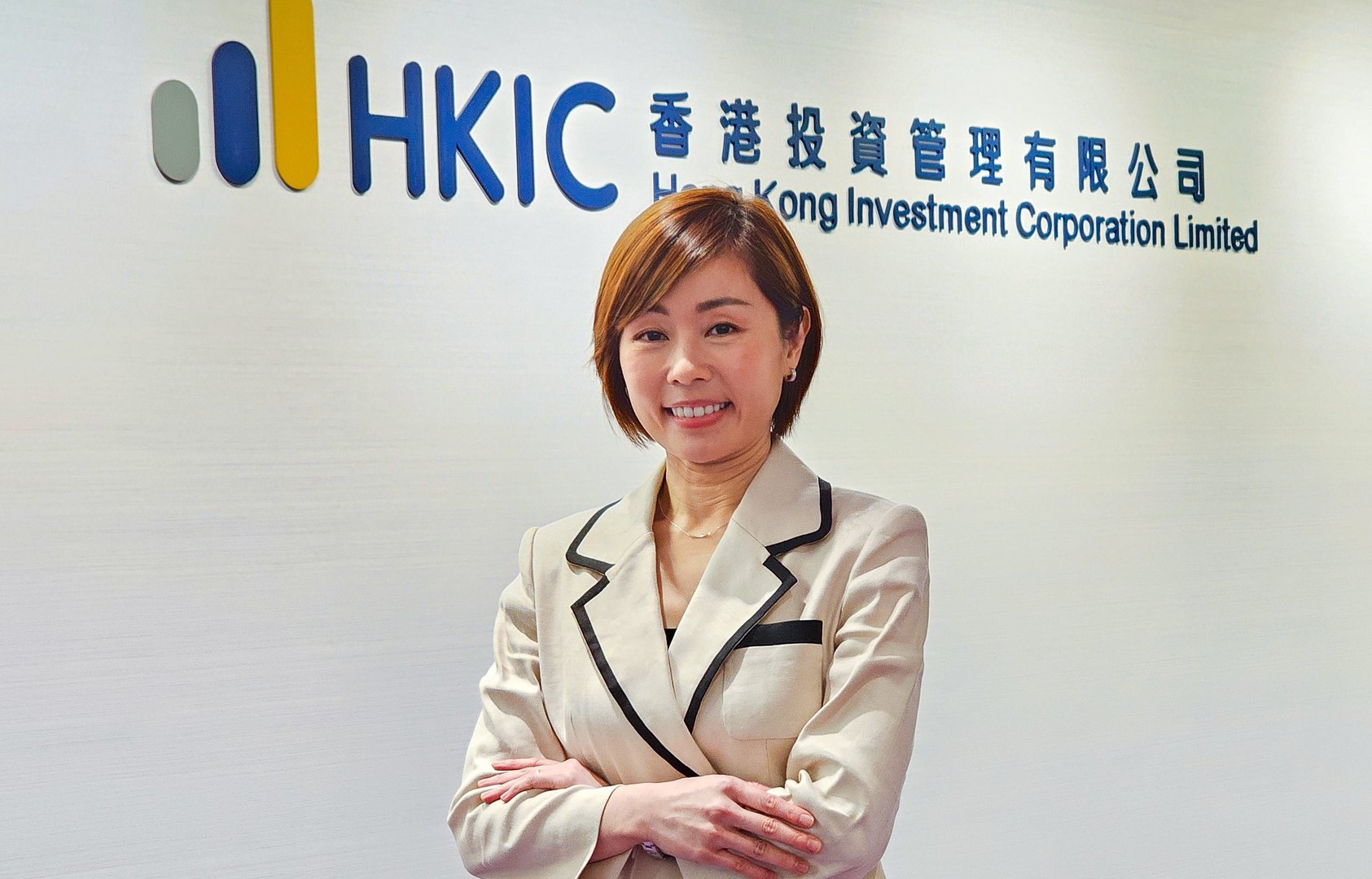
The head of the Hong Kong Investment Corporation has identified growing opportunities in advanced technology sectors across mainland China and Hong Kong, underscoring the region’s increasing role in driving innovation-led economic development.

Speaking on the outlook for emerging industries, the official pointed to strong momentum in areas such as artificial intelligence, advanced manufacturing, and digital infrastructure.

These sectors are seen as key engines of future growth, supported by both public investment and private sector participation.

Hong Kong’s position as a financial and international gateway is expected to play a central role in facilitating capital flows and supporting technology enterprises.

The city’s regulatory framework and connectivity with global markets are viewed as advantages in scaling innovation and attracting investment.

At the same time, mainland China’s expanding technological capabilities provide a broad foundation for collaboration and development.

The integration of resources, talent, and research across the region is creating a more dynamic ecosystem for advanced industries.

The HKIC chief emphasised the importance of strategic investment in high-growth sectors, noting that long-term value can be generated through targeted support for innovation and industrial transformation.

The focus includes fostering partnerships, enhancing research capacity, and supporting companies at different stages of development.

The outlook reflects confidence in the region’s ability to adapt to evolving global trends, with advanced technology positioned as a central pillar of economic strategy.

Continued collaboration between Hong Kong and mainland China is expected to strengthen competitiveness and open new avenues for growth.
Authorities respond to breach involving internal IT system as investigation and security review are launched
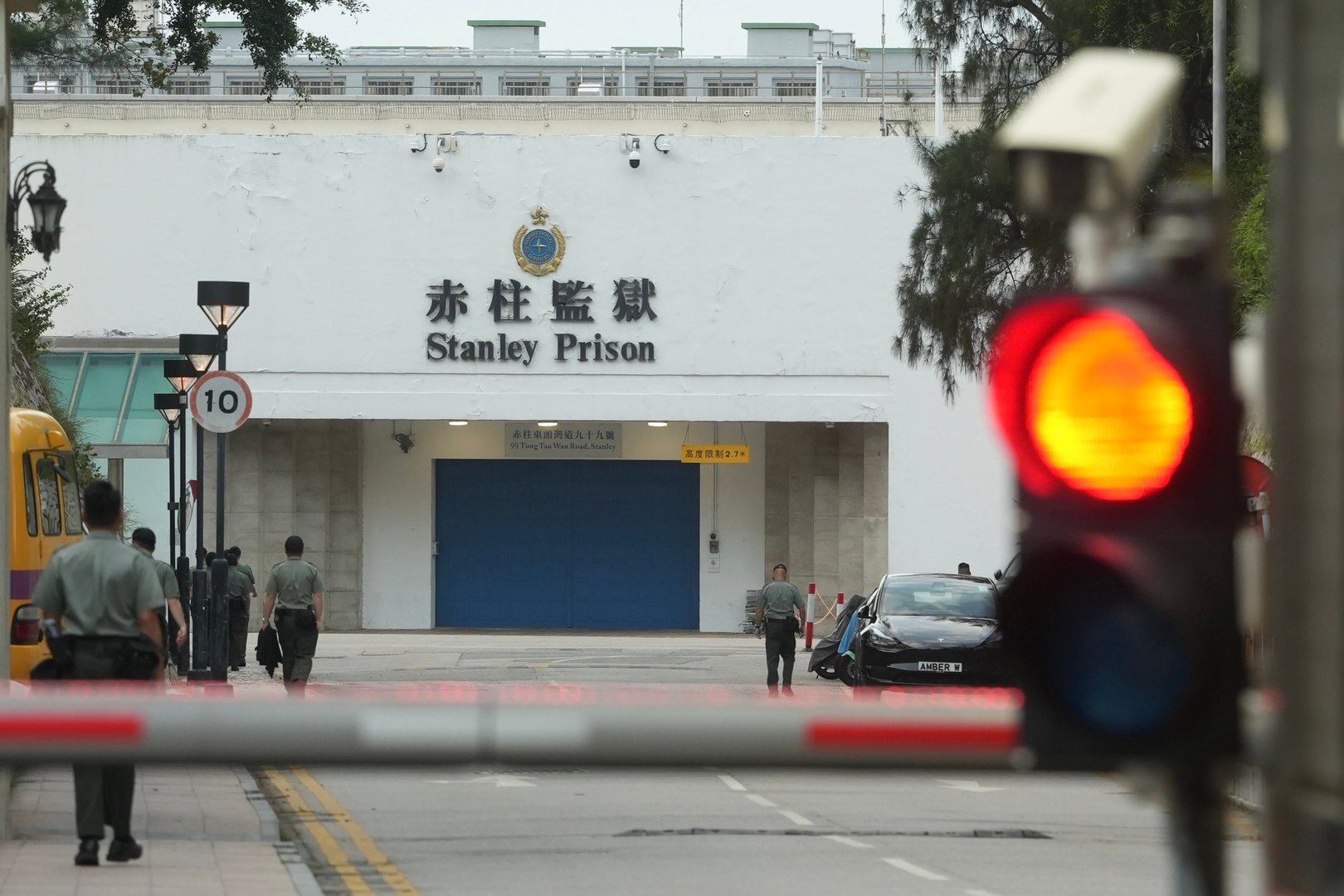
Hong Kong’s Correctional Services Department has confirmed that its internal information technology system was targeted in a cyberattack, resulting in the exposure of personal data belonging to approximately 6,800 staff members.

Officials said the incident involved unauthorised access to parts of the department’s system, leading to the compromise of certain employee information.

The affected data is understood to include details related to staff records, prompting immediate action to contain the breach and assess its scope.

Authorities have launched an investigation into the incident, working to determine how the system was accessed and whether any vulnerabilities were exploited.

Measures have been put in place to strengthen cybersecurity protections and prevent further unauthorised activity.

The government emphasised that the breach was taken seriously and that affected individuals would be notified, with support provided where necessary.

Efforts are also underway to review and enhance system safeguards, including updates to security protocols and monitoring procedures.

While the incident has raised concerns about data protection, officials highlighted the importance of maintaining robust digital infrastructure in the face of increasingly sophisticated cyber threats.

The response reflects a broader focus on reinforcing resilience across public sector systems.

The case underscores the growing challenges faced by institutions in safeguarding sensitive information and the need for continuous investment in cybersecurity capabilities.
Authorities reaffirm legal framework and reject external concerns, emphasising stability and rule of law
The Hong Kong government has defended recent changes to its national security law after a warning issued by the United States, asserting that the amendments are necessary, lawful, and aligned with the city’s commitment to stability and security.

Officials stated that the updated provisions are designed to strengthen enforcement capabilities and close potential gaps in the legal framework, ensuring that national security risks can be addressed effectively.

The government emphasised that the changes are consistent with established legal principles and are implemented with safeguards.

In response to the US alert, authorities rejected what they described as unfounded concerns, maintaining that the law targets specific threats and does not affect the rights and freedoms of law-abiding residents.

They reiterated that judicial independence and due process remain central to Hong Kong’s legal system.

The government also highlighted the importance of maintaining a secure and stable environment as a foundation for economic growth and international confidence.

Officials pointed to the city’s continued role as a global financial centre, underpinned by a robust legal and regulatory framework.

The exchange reflects ongoing differences in perspective between Hong Kong authorities and external governments regarding national security measures.

Local officials stressed that legislative decisions are made in accordance with the city’s constitutional order and governance responsibilities.

As discussions continue, the government has reaffirmed its position that the legal adjustments are essential for safeguarding long-term stability while preserving the rule of law.
Growing demand for offline storage reflects shifting attitudes toward privacy, security and control over personal information
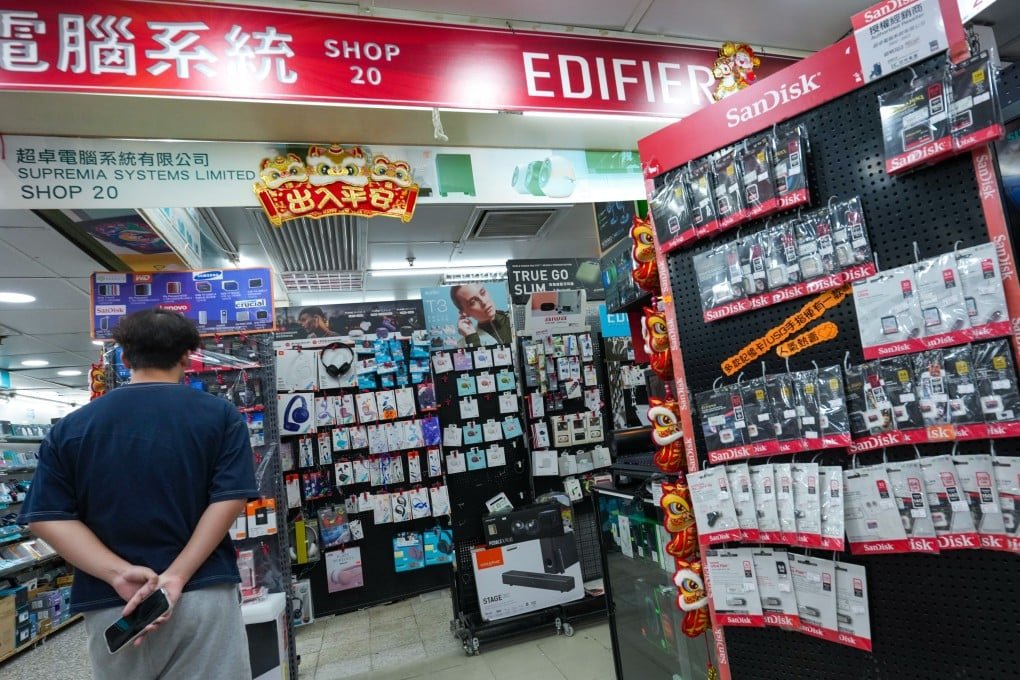
Physical storage devices such as SD cards and external hard drives are increasingly being treated as “digital gold” in Hong Kong, as residents and businesses turn to offline solutions to safeguard sensitive data in a changing technological and regulatory environment.

The trend reflects a growing emphasis on data control, with individuals seeking alternatives to cloud-based storage systems that rely on constant connectivity.

By storing files offline, users retain direct ownership and reduce exposure to potential external access.

Demand for portable storage devices has risen noticeably, with retailers reporting increased interest in high-capacity and secure formats.

These devices are being used to store a wide range of materials, from personal records and business documents to creative content and archives.

The appeal of offline storage lies in its simplicity and perceived reliability.

Without reliance on internet access or third-party platforms, users can maintain a higher degree of autonomy over their data.

This has become particularly relevant in environments where concerns about digital security and data access are intensifying.

The shift also highlights a broader re-evaluation of how information is managed, with some users prioritising physical control over convenience.

While cloud services continue to dominate global storage trends, the renewed interest in hardware-based solutions underscores the importance of flexibility in data management strategies.

Industry observers note that the value placed on physical storage devices is likely to remain elevated as awareness of data security continues to grow.

The concept of “digital gold” reflects both the practical utility and symbolic importance of owning and protecting information in an increasingly digital world.
Officials reject claims in latest British assessment, asserting it distorts realities and undermines Hong Kong’s governance
The Hong Kong Special Administrative Region government has strongly criticised a recent report issued by the United Kingdom, describing its contents as untruthful and misleading, and rejecting its portrayal of the city’s political and legal environment.

Officials stated that the report presents what they characterised as a distorted narrative, arguing that it fails to accurately reflect conditions in Hong Kong.

The government emphasised that the rule of law, judicial independence and rights protections remain firmly in place, and that public institutions continue to operate effectively.

In its response, the administration underscored its commitment to maintaining stability and safeguarding national security, describing these priorities as essential for long-term prosperity.

Authorities also highlighted the continued functioning of Hong Kong’s economic and financial systems, noting the city’s resilience and ongoing role as an international hub.

The government criticised what it sees as external interference, asserting that foreign reports should respect the city’s governance framework and legal system.

Officials maintained that assessments lacking full context risk misrepresenting developments and undermining confidence.

The exchange reflects ongoing tensions between Hong Kong authorities and international observers over interpretations of recent policy changes and legal measures.

While differing perspectives persist, local officials reiterated their position that governance decisions are grounded in law and aimed at ensuring stability and continued development.
New enforcement powers extend to airports and checkpoints, raising questions about digital privacy and security compliance
Hong Kong authorities have introduced new legal provisions making it an offence to refuse police requests for access to digital devices, including at border points such as airports, marking a significant expansion of enforcement powers.

Under the updated framework, individuals may be required to provide passwords or otherwise unlock electronic devices when requested by law enforcement.

Failure to comply can result in legal consequences, reflecting a stricter approach to security and investigative procedures.

The measure is designed to support law enforcement in accessing potentially relevant information during investigations, particularly in cases involving national security or serious offences.

Officials have indicated that the policy is intended to strengthen operational effectiveness and ensure that authorities can act decisively when required.

The extension of these powers to airport and border settings means that travellers may be subject to such requests upon entry or departure, underscoring the broad scope of the provisions.

Authorities emphasise that the rules are part of a wider effort to maintain security and uphold legal standards.

The development has prompted wider discussion about the balance between security enforcement and personal privacy, particularly in the context of digital data.

As electronic devices increasingly store sensitive personal and professional information, the implications of such requirements are being closely examined.

Legal experts note that the changes reflect a growing global trend toward expanding digital access powers for law enforcement, as governments respond to evolving technological and security challenges.

The new provisions are now in effect, with authorities expected to apply them as part of routine enforcement and investigative activities.
Shifting buyer behaviour, regional strength and cautious optimism define post-pandemic art landscape
Hong Kong’s Art Week has highlighted a changing landscape in the global art market, with evolving buyer behaviour and regional dynamics pointing to what many describe as a “new normal” for the industry.

The event, a major fixture on the international art calendar, brought together galleries, collectors and institutions amid a backdrop of economic uncertainty and shifting global demand.

While attendance and engagement remained strong, the tone reflected a more measured and strategic approach compared with previous boom periods.

Collectors are increasingly selective, focusing on established artists, high-quality works and pieces with strong provenance.

This trend has been accompanied by a more disciplined pricing environment, as both buyers and sellers adjust expectations in response to broader market conditions.

Hong Kong’s position as a key hub for art in Asia remains evident, with regional collectors playing a growing role in shaping demand.

The city continues to serve as a gateway between Eastern and Western markets, even as global economic factors influence purchasing patterns.

Dealers reported steady interest rather than rapid, speculative buying, suggesting a shift toward long-term value considerations.

The pace of transactions has moderated, but confidence in the market’s resilience remains, particularly in segments supported by strong collector bases.

The concept of a “new normal” reflects an art market that is less driven by rapid expansion and more by stability, selectivity and regional diversification.

Digital engagement, hybrid events and evolving collector demographics are also contributing to this transformation.

As Hong Kong’s Art Week concludes, it offers a snapshot of an industry adapting to new realities, where careful decision-making and sustained interest are shaping the next phase of global art market activity.
US retailer signals renewed confidence in Asian markets with ambitious growth strategy
Gap is planning a significant expansion in China with the opening of fifty new stores, alongside a return to the Hong Kong market in twenty twenty six, marking a renewed push into key Asian retail markets.

The move reflects the company’s strategy to strengthen its presence in regions where consumer demand and long-term growth potential remain strong.

By expanding its footprint in mainland China, Gap aims to capture opportunities in one of the world’s largest and most dynamic retail markets.

The planned return to Hong Kong represents a strategic re-entry after a previous withdrawal, signalling confidence in the city’s role as a regional retail hub.

Hong Kong’s position as a gateway between global brands and Asian consumers continues to make it an attractive location for international retailers.

Gap’s expansion comes as global brands reassess their positioning in Asia, balancing evolving consumer preferences with changing economic conditions.

The company is expected to focus on adapting its offerings to local markets while leveraging its global brand recognition.

Industry observers note that the retail landscape in China remains highly competitive, with both domestic and international players seeking to capture market share.

However, continued urbanisation and a growing middle class are supporting demand for fashion and lifestyle products.

The initiative highlights Gap’s broader efforts to revitalise its international operations and drive growth through targeted investments in high-potential markets.

As the company moves forward with its plans, attention will be on execution and how effectively it navigates the complexities of the regional retail environment.
Regulatory approval strengthens firm’s position in digital finance and regional expansion
Alchemy Pay has secured a significant expansion of its Hong Kong license, enabling the company to enhance its cryptocurrency trading services and deepen its presence in one of Asia’s key financial centres.

The development marks a major step forward for the firm as it continues to scale its digital payment and trading infrastructure.

The expanded licensing framework is expected to allow Alchemy Pay to offer a broader range of services, supporting both retail and institutional clients in accessing crypto markets.

Hong Kong has been actively positioning itself as a regulated hub for digital assets, and the approval reflects the city’s evolving approach to fostering innovation while maintaining oversight.

The move aligns with broader efforts to attract fintech companies and strengthen the ecosystem for blockchain-based services.

For Alchemy Pay, the license expansion provides a platform to accelerate growth and expand partnerships within the region.

The company has been focused on bridging traditional finance with digital assets, and the regulatory milestone supports its strategy of integrating payment solutions with cryptocurrency capabilities.

Industry observers note that regulatory clarity is a key factor in the expansion of crypto-related services, particularly in markets where compliance standards are tightly enforced.

The approval signals confidence in Alchemy Pay’s operational framework and its ability to meet regulatory requirements.

The development is expected to enhance Hong Kong’s appeal as a destination for digital asset firms, reinforcing its role in shaping the future of financial technology in Asia.

As the company moves forward with its expanded services, attention will focus on how it leverages the new license to capture market share and contribute to the growth of the digital asset ecosystem.
Tough new penalty introduced as authorities move to strengthen safety after fatal blaze
Hong Kong authorities have introduced a new penalty of up to HK$50,000 for smoking at certain sites following a deadly fire, in a move aimed at tightening safety regulations and preventing similar incidents.

The decision comes after a fatal blaze raised concerns about fire risks linked to careless smoking, particularly in environments where flammable materials may be present.

Officials have responded by strengthening enforcement measures and increasing penalties to deter unsafe behaviour.

The new fine targets smoking in designated high-risk areas, where even minor negligence can have severe consequences.

Authorities have emphasised that the stricter rules are intended to protect public safety and reduce the likelihood of future tragedies.

The move reflects a broader effort to enhance fire prevention standards and improve compliance across different sectors.

By introducing more substantial penalties, regulators aim to send a clear message about the importance of adhering to safety guidelines.

Industry participants and safety experts have welcomed the measures, noting that stronger enforcement can play a critical role in reducing risks.

The initiative is expected to encourage greater awareness and responsibility among workers and the public.

The development highlights the ongoing challenge of managing safety in densely populated urban environments, where the impact of accidents can be particularly severe.

Authorities are continuing to review additional measures to further strengthen fire prevention and response capabilities.

The introduction of the fine marks a decisive step in reinforcing safety standards and ensuring that lessons from the incident lead to meaningful change.
New products aim to broaden investor access and enhance market participation
Hong Kong’s stock exchange is planning to introduce micro futures contracts based on the Hang Seng Index and the Hang Seng Tech Index, in a move designed to expand access to derivatives trading and attract a broader range of investors.

The proposed products would offer smaller contract sizes compared with traditional futures, lowering the barrier to entry for retail investors and smaller institutions.

By providing more flexible trading options, the exchange aims to increase participation and liquidity in its derivatives market.

The initiative reflects ongoing efforts to strengthen Hong Kong’s position as a leading financial centre, particularly in the area of capital markets innovation.

Expanding the range of tradable instruments is seen as a way to enhance competitiveness and meet evolving investor demand.

Market participants have indicated that micro futures could appeal to investors seeking more precise exposure to benchmark indices without the larger capital commitments required for standard contracts.

The inclusion of the Hang Seng Tech Index also highlights the growing importance of the technology sector in regional markets.

The development comes as exchanges globally are exploring ways to broaden access and engage a wider investor base.

By introducing products tailored to different segments of the market, Hong Kong aims to maintain its relevance in an increasingly competitive financial landscape.

Regulatory approval and implementation timelines are expected to be clarified as the proposal progresses.

If launched, the new contracts could play a significant role in shaping trading activity and enhancing the depth of Hong Kong’s derivatives market.

The plan underscores the exchange’s commitment to innovation and its focus on adapting to the changing needs of investors in a dynamic global market environment.
Proposed ‘big bang’ reforms aim to strengthen city’s position as a leading financial hub
Hong Kong is weighing a set of wide-ranging tax cuts for asset managers as part of an effort to reinforce its status as a premier global financial centre and attract greater international investment activity.

The proposed measures, described as a potential “big bang” reform, are aimed at enhancing the city’s competitiveness by reducing the tax burden on investment firms and streamlining the regulatory environment.

Officials are examining how such changes could encourage more asset managers to establish or expand operations in Hong Kong.

The initiative reflects a broader strategy to revitalise the financial sector and respond to increasing competition from other global hubs.

By offering more favourable tax conditions, authorities hope to draw capital inflows and support the growth of wealth management and investment services.

Industry participants have indicated that tax efficiency is a key factor in deciding where to base operations, particularly for firms managing international portfolios.

The proposed cuts could make Hong Kong more attractive relative to competing jurisdictions.

The discussions come at a time when the city is seeking to strengthen its role in global finance while adapting to evolving market dynamics.

Policymakers are focusing on measures that can drive long-term growth and maintain investor confidence.

Analysts note that such reforms, if implemented, could have a significant impact on the financial landscape, potentially increasing activity across asset management, fund services, and related sectors.

The outcome of the deliberations will be closely watched by the industry, as it could shape Hong Kong’s trajectory as a leading destination for global investment management.
Real estate pressures and investment challenges weigh on financial performance
Hongkong Chinese has reported an annual loss of approximately HK$0.9 billion, reflecting significant pressure from its property portfolio and underperformance in joint venture investments.

The results highlight ongoing challenges in the real estate sector, where weaker demand and shifting market conditions have affected valuations and returns.

Property-related assets have been a key factor behind the company’s financial performance, contributing to the overall decline.

In addition, joint venture operations have also weighed on earnings, with investments failing to deliver expected returns during the reporting period.

The combination of property market softness and weaker contributions from partnerships has compounded the impact on the company’s bottom line.

The developments come amid broader headwinds facing property markets in the region, where economic uncertainty and changing investor sentiment have influenced activity levels.

Companies with significant exposure to real estate have been particularly affected by these dynamics.

Hongkong Chinese is expected to continue reviewing its portfolio and strategic priorities as it navigates the current environment.

Efforts may include adjustments to asset allocations and a focus on improving operational performance.

Analysts note that the situation underscores the importance of diversification and resilience in managing cyclical sectors such as property.

The company’s performance reflects wider trends affecting real estate and investment markets across the region.

The reported loss marks a challenging period for Hongkong Chinese as it seeks to adapt to evolving market conditions and restore financial stability.
Shift toward meaningful acquisitions reflects changing priorities in the international art market
Collectors at Art Basel Hong Kong are increasingly focusing on purpose-driven acquisitions, signalling a shift in how buyers approach art in one of the world’s leading cultural markets.

The trend reflects a growing emphasis on collecting works that align with personal values, social impact, and long-term cultural significance, rather than purely financial considerations.

Buyers are showing heightened interest in artists whose work engages with themes such as identity, sustainability, and global change.

Galleries at the event have reported strong engagement from collectors seeking deeper connections with the art they acquire.

This evolving mindset is influencing not only purchasing decisions but also how exhibitions are curated and presented.

The shift comes as the global art market adapts to broader changes in investor behaviour, where meaning and narrative are becoming increasingly important alongside traditional measures of value.

Collectors are placing greater importance on the stories behind artworks and the perspectives they represent.

Hong Kong’s role as a major hub for the art world continues to attract international participants, providing a platform for diverse artistic voices and innovative approaches.

The city’s position enables it to bridge markets and foster dialogue between collectors and creators.

Industry observers note that the move toward purpose-driven collecting may have lasting implications for the art market, shaping demand and influencing the types of works that gain prominence.

As Art Basel Hong Kong continues, the emphasis on intentional and meaningful acquisitions highlights a broader transformation in how art is valued and experienced by a new generation of collectors.
Hong Kong Tech ETF Attracts Record Inflows as Investors Show Renewed Confidence
Harneys Strengthens Hong Kong Practice with Appointment of Corporate Partner William Lee
UK Report Raises Concerns Over Rights and Freedoms in Hong Kong
Baidu-Backed iQiyi Moves Toward Hong Kong Listing With Confidential Filing
Construction Starts on Major Data Center in Emerging Hong Kong Technology Hub
Hong Kong’s March Art Sales Signal Growing Sophistication Among Collectors
Chinese Tech Firms Turn to Hong Kong as Western Market Barriers Intensify
Cathay Pacific Launches Direct Seattle to Hong Kong Passenger Flights
Art Basel Hong Kong 2026 Sees Strong Sales Across Blue-Chip and Emerging Artists
Hong Kong Auction Achieves 160 Million Dollar Sales, Boosting Market Confidence
New Two-Power-Bank Limit at Hong Kong Airport Leaves Travellers Unprepared
Middle Eastern Capital and Travellers Shift Toward Hong Kong Amid Rising Regional Tensions
Hong Kong’s New Device Password Law Clarifies Requirements for Travellers at Border Checks
Hong Kong Regains Momentum as Stability and Security Reinforce Economic Recovery
Hong Kong Maintains Economic Stability Despite Oil Price Surge, Says Finance Chief
Hong Kong MPF Authority Plans Two-Tier Penalty System for Late Employer Contributions
NewSpace Industry Accelerates Hong Kong’s Five-Year Strategic Priorities
HKSTP Drives Hong Kong’s Emergence as a Global Biotechnology Leader
Hong Kong Court Upholds Prison Sentences in High-Profile Security Case
China Summons US Envoy in Hong Kong Over Warning on Security Law Changes
Art Basel Hong Kong 2026 Closes with Robust Sales and Renewed Global Momentum
Singapore’s Lawrence Wong Strengthens Regional Ties with Business Leaders During Hong Kong Visit
Rising Gulf Tensions Redirect Global Capital Flows to Singapore and Hong Kong
Hong Kong Police Seize 1,600 Litres of Diesel in Crackdown on Illegal Fuel Operation
Hong Kong Begins Construction of Northern Metropolis Data Centre to Drive AI Development
Hong Kong Official Rejects Allegations of Surveillance Orders Targeting UK-Based Dissidents
Hong Kong Authorities Seize HK$92 Million Worth of Illicit Cigarettes in Major Maritime Operation
Hong Kong Airport Limits Passengers to Two Power Banks Under Updated Safety Rules
Track Intrusion Incidents on Hong Kong’s MTR Spark Calls for Stricter Penalties and Public Awareness
US Issues Travel Warning Over New Hong Kong Law Requiring Phone Access for Authorities
Art Basel Hong Kong 2026 Explores Global Themes Through ‘Echoes’ Across Contemporary Art
Hong Kong Courts Central Banks in Strategic Push to Become Global Gold Trading Hub
Expansion of Hong Kong Security Law Intensifies Legal Pressure on Convicted Figures Including Jimmy Lai
Hong Kong Retains Strong Position as One of Asia’s Most Competitive Higher Education Hubs
HKIC Chief Highlights Expanding Opportunities in Advanced Technology Across China and Hong Kong
Hong Kong Prison Department Hit by Cyberattack Exposing Data of 6,800 Staff
Hong Kong Defends National Security Law Amendments Following US Alert
SD Cards and Hard Drives Emerge as ‘Digital Gold’ in Hong Kong Amid Rising Data Sensitivity
Hong Kong Government Condemns UK Report as Misleading and Unfounded
Hong Kong Introduces Offence for Refusing to Share Device Access With Police at Border Points
Hong Kong Art Week Signals a ‘New Normal’ in Global Art Market Dynamics
Gap Plans Major China Expansion with 50 New Stores and Hong Kong Return in 2026
Alchemy Pay Expands Hong Kong License to Advance Crypto Trading Services
Hong Kong Imposes HK$50,000 Fine for Smoking at Sites Following Deadly Fire
Hong Kong Exchange Plans Micro Futures Contracts on Hang Seng and Tech Index
Hong Kong Considers Sweeping Tax Cuts to Attract Global Asset Managers
Hongkong Chinese Reports HK$0.9 Billion Annual Loss Amid Property and Joint Venture Setbacks
Art Basel Hong Kong Sees Rise in Purpose-Driven Collecting Among Global Buyers
DeepRoute.ai Moves Toward Hong Kong IPO Following Confidential Filing
US Issues Warning That Hong Kong Authorities May Request Travelers’ Device Passwords