The city’s medical regulator comes under pressure amid dual inquiries after a patient was left in a vegetative state following a clinic endoscopy
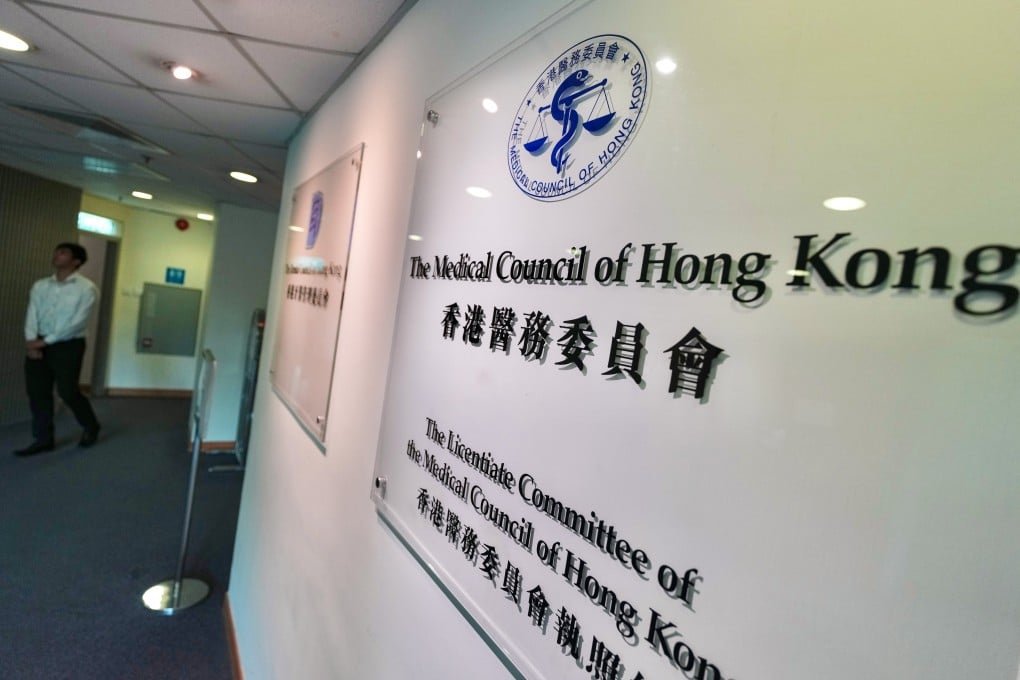
Hong Kong’s medical regulator has come under intensified scrutiny after it was revealed that the Medical Council of Hong Kong (MCHK) closed an inquiry into a patient who became vegetative following an endoscopy, raising fresh questions about professional oversight.
The case involves Mr Andy Chan Suk-wai, aged fifty, who visited a Kowloon clinic in July 2021 and saw his blood pressure and oxygen levels collapse within minutes of anaesthesia.
He was subsequently transported to hospital after suffering pulseless electrical activity and remains in a vegetative state.
Mr Chan’s sister, Ms Kitty Chan, publicly accused the MCHK of handling the investigation “haphazardly” after a four-year wait and absence of action.
She confirmed she has launched civil proceedings against both a general surgeon and an anaesthetist in respect of alleged professional misconduct.
The incident follows another high-profile case in which the council terminated its hearing into a paediatrician accused of causing lifelong disability in a child, prompting the government health chief to order a review of the council’s process.
The government has since announced an investigation by the city’s ombudsman into the administrative support provided to the medical-regulation bodies after a fifteen-year delay surfaced in that past inquiry.
In its response, the council acknowledged it would review its own handling of the paediatric case and said it remains committed to safeguarding patient interests.
Meanwhile, patient-rights advocates say the endoscopy incident underscores longstanding concerns about transparency, timeliness and accountability in the disciplinary system.
Analysts observed that the twin episodes create a pivotal moment for Hong Kong’s healthcare governance.
While the council’s statutory powers permit investigations into professional misconduct, the public’s confidence hinges on visible outcomes and adequate procedural safeguards.
As the review proceeds, all eyes are on whether systemic reform will follow, and whether the latest allegation will lead to meaningful disciplinary action.
The case of Mr Chan and the broader governance challenge suggest that for patients in Hong Kong, the standards of oversight and remedy in serious medical‐error incidents remain very much in the spotlight.
The case involves Mr Andy Chan Suk-wai, aged fifty, who visited a Kowloon clinic in July 2021 and saw his blood pressure and oxygen levels collapse within minutes of anaesthesia.
He was subsequently transported to hospital after suffering pulseless electrical activity and remains in a vegetative state.
Mr Chan’s sister, Ms Kitty Chan, publicly accused the MCHK of handling the investigation “haphazardly” after a four-year wait and absence of action.
She confirmed she has launched civil proceedings against both a general surgeon and an anaesthetist in respect of alleged professional misconduct.
The incident follows another high-profile case in which the council terminated its hearing into a paediatrician accused of causing lifelong disability in a child, prompting the government health chief to order a review of the council’s process.
The government has since announced an investigation by the city’s ombudsman into the administrative support provided to the medical-regulation bodies after a fifteen-year delay surfaced in that past inquiry.
In its response, the council acknowledged it would review its own handling of the paediatric case and said it remains committed to safeguarding patient interests.
Meanwhile, patient-rights advocates say the endoscopy incident underscores longstanding concerns about transparency, timeliness and accountability in the disciplinary system.
Analysts observed that the twin episodes create a pivotal moment for Hong Kong’s healthcare governance.
While the council’s statutory powers permit investigations into professional misconduct, the public’s confidence hinges on visible outcomes and adequate procedural safeguards.
As the review proceeds, all eyes are on whether systemic reform will follow, and whether the latest allegation will lead to meaningful disciplinary action.
The case of Mr Chan and the broader governance challenge suggest that for patients in Hong Kong, the standards of oversight and remedy in serious medical‐error incidents remain very much in the spotlight.