Innovative program helps young patients understand procedures and reduce anxiety ahead of operations
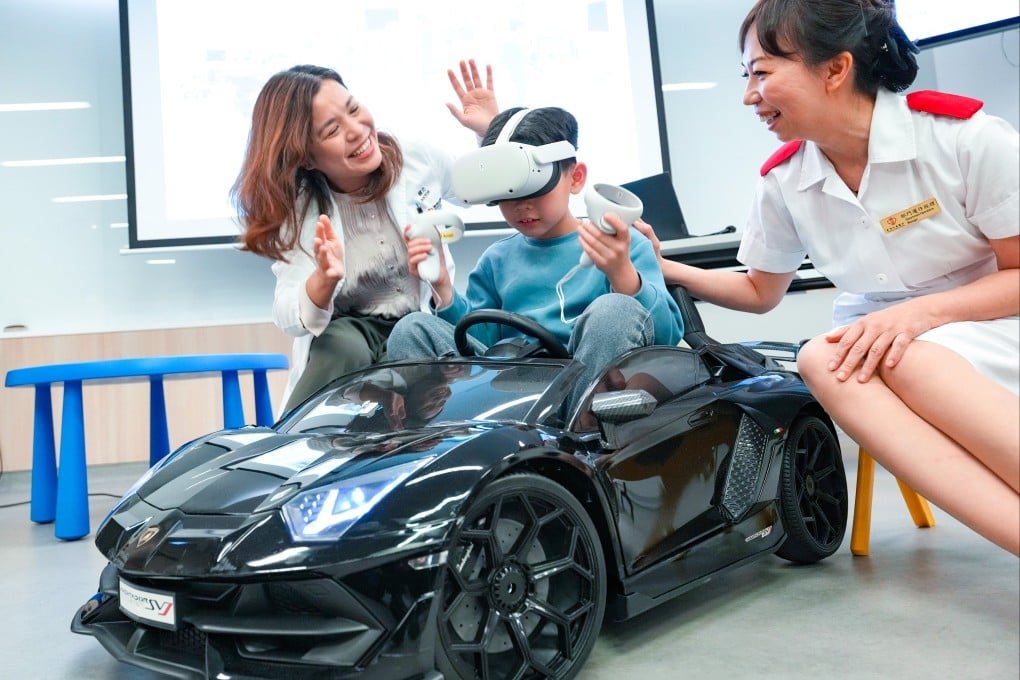
A hospital in Hong Kong has introduced immersive virtual reality tours to help children overcome fear and anxiety before undergoing surgery, offering a new approach to preoperative care.
The initiative allows young patients to experience a simulated journey through the operating theatre using VR headsets, giving them a clearer understanding of what to expect during their procedure.
By familiarizing children with the medical environment in advance, healthcare providers aim to reduce uncertainty and emotional distress.
Medical professionals have long recognized that preoperative anxiety is common among children, with studies indicating that a significant proportion experience fear before surgery.
This stress can affect recovery, increase discomfort, and complicate treatment processes.
The VR program is designed to address these challenges by providing an engaging and educational experience.
Through guided simulations, children can see equipment, meet virtual representations of medical staff, and follow the steps of a procedure in a controlled and reassuring setting.
Early findings and broader research suggest that virtual reality can play a meaningful role in reducing anxiety and improving patient outcomes.
Evidence from multiple studies shows that immersive VR experiences can help children feel more prepared and less distressed before medical procedures.
Healthcare providers involved in the program emphasize that the goal is not only to reduce fear but also to empower young patients with knowledge.
By making the hospital environment more understandable, the approach supports both emotional well-being and smoother clinical processes.
The initiative reflects a growing trend in healthcare toward integrating advanced technologies to enhance patient experience.
As hospitals continue to explore innovative solutions, virtual reality is emerging as a promising tool for improving care, particularly for younger patients facing unfamiliar and potentially intimidating situations.
The initiative allows young patients to experience a simulated journey through the operating theatre using VR headsets, giving them a clearer understanding of what to expect during their procedure.
By familiarizing children with the medical environment in advance, healthcare providers aim to reduce uncertainty and emotional distress.
Medical professionals have long recognized that preoperative anxiety is common among children, with studies indicating that a significant proportion experience fear before surgery.
This stress can affect recovery, increase discomfort, and complicate treatment processes.
The VR program is designed to address these challenges by providing an engaging and educational experience.
Through guided simulations, children can see equipment, meet virtual representations of medical staff, and follow the steps of a procedure in a controlled and reassuring setting.
Early findings and broader research suggest that virtual reality can play a meaningful role in reducing anxiety and improving patient outcomes.
Evidence from multiple studies shows that immersive VR experiences can help children feel more prepared and less distressed before medical procedures.
Healthcare providers involved in the program emphasize that the goal is not only to reduce fear but also to empower young patients with knowledge.
By making the hospital environment more understandable, the approach supports both emotional well-being and smoother clinical processes.
The initiative reflects a growing trend in healthcare toward integrating advanced technologies to enhance patient experience.
As hospitals continue to explore innovative solutions, virtual reality is emerging as a promising tool for improving care, particularly for younger patients facing unfamiliar and potentially intimidating situations.