Updated measures on access to phones and laptops aim to strengthen security while raising questions for visitors
Hong Kong has introduced updated rules allowing authorities to request access to electronic devices such as laptops and mobile phones at border crossings, a move aimed at strengthening security oversight while prompting increased attention from travellers.
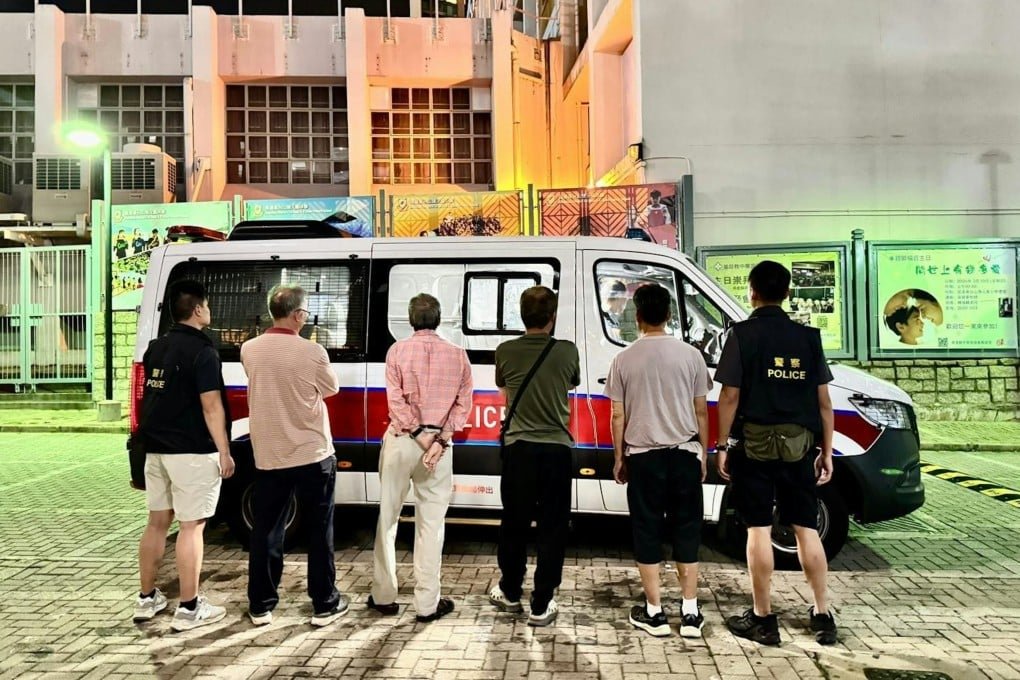
Under the new framework, enforcement officers are empowered to inspect digital devices when deemed necessary as part of broader immigration and law enforcement procedures.
The measure is intended to enhance the ability to detect unlawful activities, including threats to public order and security.
Officials have indicated that the policy forms part of ongoing efforts to modernise enforcement capabilities in response to evolving technological realities.
As personal devices increasingly store large amounts of sensitive data, authorities see the inspections as a tool to ensure compliance with existing laws.
For tourists and business travellers, the development has raised practical considerations about data privacy and the handling of personal information.
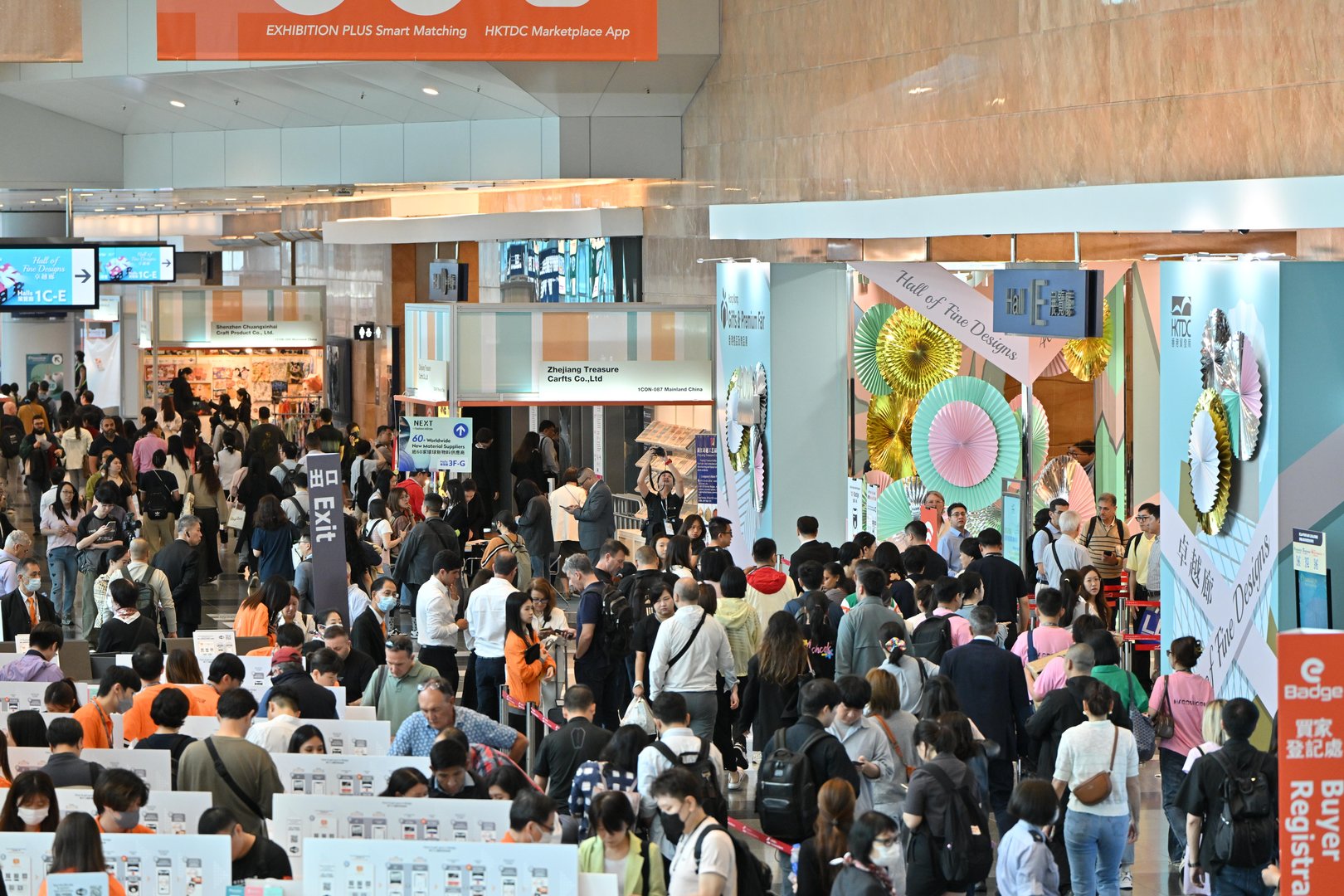
While inspections are not expected to be routine for all travellers, the possibility of device checks has led to increased awareness and preparation among those entering the city.
Legal experts note that the rules operate within an established framework that governs how searches are conducted, with safeguards designed to regulate the use of such powers.
However, the extent and application of these measures are likely to be closely observed as they are implemented in practice.
The policy reflects a broader global trend in which governments are expanding digital inspection powers at borders to address security challenges.
As Hong Kong continues to balance openness with enforcement priorities, the impact of the new rules on travel and business activity will remain a key point of attention.
Under the new framework, enforcement officers are empowered to inspect digital devices when deemed necessary as part of broader immigration and law enforcement procedures.
The measure is intended to enhance the ability to detect unlawful activities, including threats to public order and security.
Officials have indicated that the policy forms part of ongoing efforts to modernise enforcement capabilities in response to evolving technological realities.
As personal devices increasingly store large amounts of sensitive data, authorities see the inspections as a tool to ensure compliance with existing laws.
For tourists and business travellers, the development has raised practical considerations about data privacy and the handling of personal information.
While inspections are not expected to be routine for all travellers, the possibility of device checks has led to increased awareness and preparation among those entering the city.
Legal experts note that the rules operate within an established framework that governs how searches are conducted, with safeguards designed to regulate the use of such powers.
However, the extent and application of these measures are likely to be closely observed as they are implemented in practice.
The policy reflects a broader global trend in which governments are expanding digital inspection powers at borders to address security challenges.
As Hong Kong continues to balance openness with enforcement priorities, the impact of the new rules on travel and business activity will remain a key point of attention.