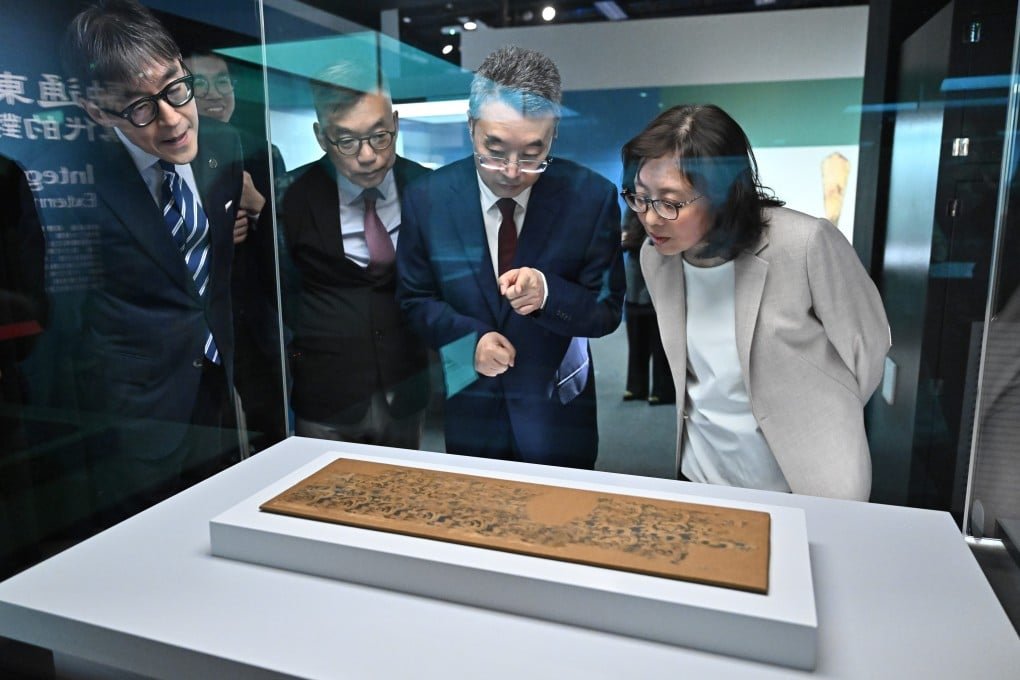
Major display offers rare insight into ancient Chinese civilisation through artifacts spanning more than two millennia
A major exhibition in Hong Kong is showcasing more than 250 rare relics from the Han dynasty, offering visitors a detailed glimpse into one of the most influential periods in Chinese history.
The collection includes a wide range of artifacts, from ceremonial objects and pottery to intricate jade pieces and early technological items, reflecting the sophistication and cultural depth of the era.
Many of the relics are being displayed publicly for the first time, making the exhibition a significant event for historians and the general public alike.
The Han dynasty, which lasted from 206 BC to AD 220, is widely regarded as a formative period in the development of Chinese civilisation.
It saw advances in governance, trade, and innovation, including the expansion of the Silk Road, which connected China with distant regions and facilitated cultural exchange.
Curators have emphasised the educational value of the exhibition, with displays arranged to highlight daily life, artistic achievement, and the political structures of the time.
Interactive elements and detailed explanations aim to provide context and deepen understanding of how these artifacts were used and their historical significance.
The event underscores Hong Kong’s role as a key cultural hub, capable of hosting major international exhibitions and promoting engagement with heritage and history.
It also reflects growing interest in preserving and presenting ancient artifacts to a global audience.
Organisers expect strong attendance as visitors take advantage of the opportunity to experience a rare and comprehensive presentation of Han dynasty relics, shedding light on a pivotal chapter in human history.
The collection includes a wide range of artifacts, from ceremonial objects and pottery to intricate jade pieces and early technological items, reflecting the sophistication and cultural depth of the era.
Many of the relics are being displayed publicly for the first time, making the exhibition a significant event for historians and the general public alike.
The Han dynasty, which lasted from 206 BC to AD 220, is widely regarded as a formative period in the development of Chinese civilisation.
It saw advances in governance, trade, and innovation, including the expansion of the Silk Road, which connected China with distant regions and facilitated cultural exchange.
Curators have emphasised the educational value of the exhibition, with displays arranged to highlight daily life, artistic achievement, and the political structures of the time.
Interactive elements and detailed explanations aim to provide context and deepen understanding of how these artifacts were used and their historical significance.
The event underscores Hong Kong’s role as a key cultural hub, capable of hosting major international exhibitions and promoting engagement with heritage and history.
It also reflects growing interest in preserving and presenting ancient artifacts to a global audience.
Organisers expect strong attendance as visitors take advantage of the opportunity to experience a rare and comprehensive presentation of Han dynasty relics, shedding light on a pivotal chapter in human history.