Regulator outlines four-pillar DART framework spanning data infrastructure, artificial intelligence, resilience and tokenisation
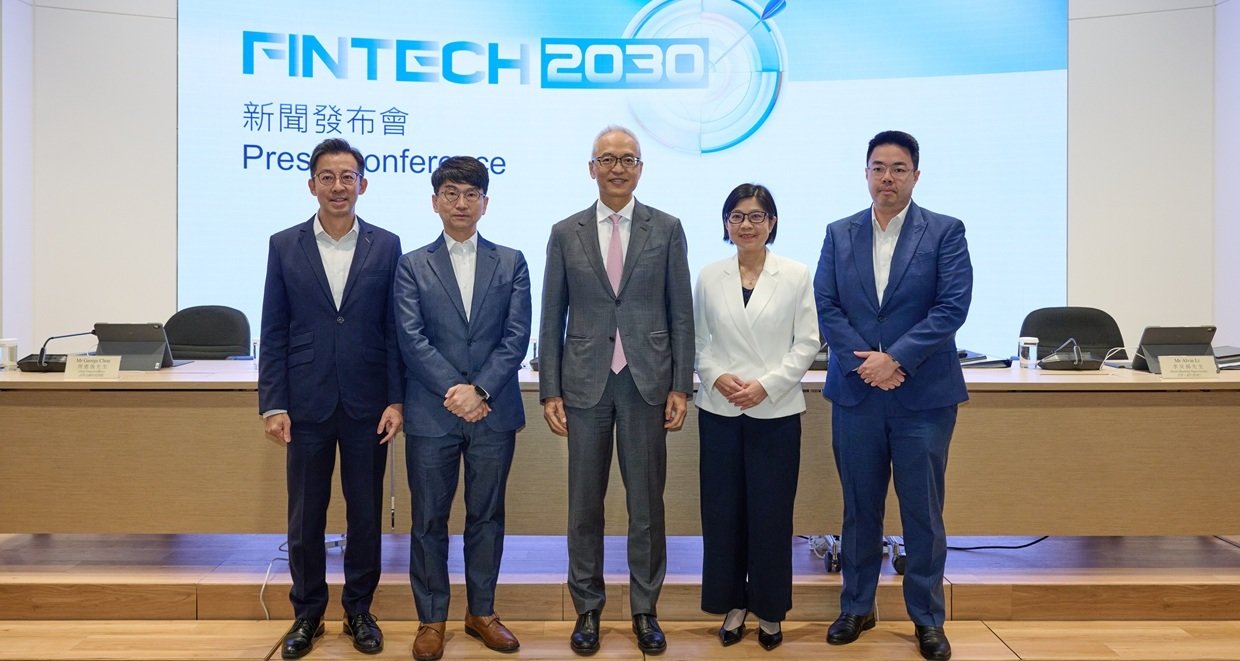
The Hong Kong Monetary Authority (HKMA) presented its next-generation Fintech 2030 strategy today, unveiling over forty initiatives under the new “DART” framework: Data infrastructure, Artificial intelligence (AI), Resilience and Tokenisation.
The plan was announced on the opening day of the city’s FinTech Week 2025 event.
Under the “Data” pillar, the regulator pledged to build a robust and future-ready infrastructure for secure data sharing, underpinning innovation in personalised financial services, trade-finance expansion and cross-border payments.
The “Artificial intelligence” component commits to a holistic model-for-finance approach that will develop shared AI infrastructure in collaboration with banks, fintech firms and regulators.
On “Resilience”, the HKMA says it will launch a fintech-specific cybersecurity certification framework, improve early-warning systems through real-time analytics and prepare the industry for quantum-safe cryptography.
The “Tokenisation” pillar includes plans to regularise the issuance of tokenised government bonds, explore tokenised deposits and engage with wholesale central-bank digital-currency (wCBDC) infrastructure through its “Project Ensemble” initiative.
The strategy builds on the regulator’s prior Fintech 2025 blueprint and is tailored to deepening Hong Kong’s position as a bridge between mainland China and global capital markets.
The HKMA emphasises that innovation presents both opportunity and risk—stressing that slower adoption may pose a greater threat than standing still.
FinTech Week 2025, co-hosted by the HKMA and InvestHK, sees the regulator engaging industry in the next phase of digital-finance transformation.
The chief executive of the HKMA described the initiative as driving “embedded technology powered by trust, transparency and intelligence”.
With global competition intensifying among finance hubs, this strategic sheet gives financial institutions a clear roadmap for the next decade of innovation, while signalling that Hong Kong is prioritising cross-border connectivity, AI-enabled services and tokenised finance as core pillars of its international financial-centre ambition.
The plan was announced on the opening day of the city’s FinTech Week 2025 event.
Under the “Data” pillar, the regulator pledged to build a robust and future-ready infrastructure for secure data sharing, underpinning innovation in personalised financial services, trade-finance expansion and cross-border payments.
The “Artificial intelligence” component commits to a holistic model-for-finance approach that will develop shared AI infrastructure in collaboration with banks, fintech firms and regulators.
On “Resilience”, the HKMA says it will launch a fintech-specific cybersecurity certification framework, improve early-warning systems through real-time analytics and prepare the industry for quantum-safe cryptography.
The “Tokenisation” pillar includes plans to regularise the issuance of tokenised government bonds, explore tokenised deposits and engage with wholesale central-bank digital-currency (wCBDC) infrastructure through its “Project Ensemble” initiative.
The strategy builds on the regulator’s prior Fintech 2025 blueprint and is tailored to deepening Hong Kong’s position as a bridge between mainland China and global capital markets.
The HKMA emphasises that innovation presents both opportunity and risk—stressing that slower adoption may pose a greater threat than standing still.
FinTech Week 2025, co-hosted by the HKMA and InvestHK, sees the regulator engaging industry in the next phase of digital-finance transformation.
The chief executive of the HKMA described the initiative as driving “embedded technology powered by trust, transparency and intelligence”.
With global competition intensifying among finance hubs, this strategic sheet gives financial institutions a clear roadmap for the next decade of innovation, while signalling that Hong Kong is prioritising cross-border connectivity, AI-enabled services and tokenised finance as core pillars of its international financial-centre ambition.