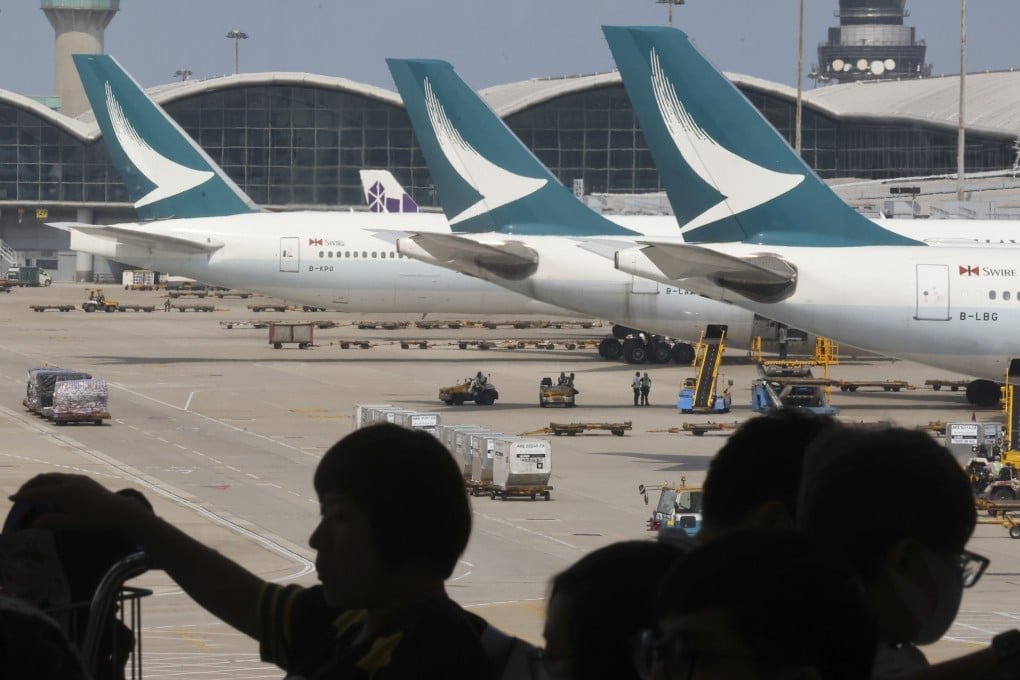
Hong Kong flag-carrier signals confidence in its recovery by buying back shares from Qatar Airways
Hong Kong-based carrier Cathay Pacific Airways announced that it will repurchase the entire 9.57 per cent stake currently held by Qatar Airways, subject to independent shareholder approval.
The buy-back will cost approximately HK$6.96 billion (about US$896 million) and covers 643.07 million shares at a price of HK$10.8374 each.
The transaction comes after Qatar Airways expressed its intention to sell its entire holding in the airline, prompting Cathay to move swiftly.
The share price offered represents a discount of roughly 3.9 per cent to the previous close of HK$11.28, and about 0.5 per cent above the thirty-day average of HK$10.78. On the morning following the announcement, Cathay’s shares rose about 3 per cent to HK$11.62.
Cathay said the purchase will be funded via internal resources and existing credit facilities, reflecting the company’s view of its financial strength and outlook.
In a statement, chairman Patrick Healy said the move “reflects our strong confidence in the future of the Cathay Group and underscores our commitment to the development of the Hong Kong international aviation hub.”
The deal will see Qatar Airways exit its six-year investment in Cathay, which began in 2017 when it initially acquired a similar level of shares.
With the repurchase completed, the airline’s ownership structure will further consolidate, reinforcing the positions of the key shareholders, including Swire Pacific and Air China.
Analysts interpret the transaction as a strategic step for Cathay to bolster its control and reduce minority-shareholder influence, while signalling confidence amid strong passenger recovery and investment in fleet and network expansion.
The carrier has in recent months reported rising profits, placed large aircraft orders and resumed its full-service focus as global travel rebounds.
Execution of the buy-back remains conditional on independent shareholder approval at an extraordinary general meeting.
Once cleared, the transaction will complete the exit from Qatar Airways and solidify Cathay’s path towards its next phase of growth and hub development in Asia.
The buy-back will cost approximately HK$6.96 billion (about US$896 million) and covers 643.07 million shares at a price of HK$10.8374 each.
The transaction comes after Qatar Airways expressed its intention to sell its entire holding in the airline, prompting Cathay to move swiftly.
The share price offered represents a discount of roughly 3.9 per cent to the previous close of HK$11.28, and about 0.5 per cent above the thirty-day average of HK$10.78. On the morning following the announcement, Cathay’s shares rose about 3 per cent to HK$11.62.
Cathay said the purchase will be funded via internal resources and existing credit facilities, reflecting the company’s view of its financial strength and outlook.
In a statement, chairman Patrick Healy said the move “reflects our strong confidence in the future of the Cathay Group and underscores our commitment to the development of the Hong Kong international aviation hub.”
The deal will see Qatar Airways exit its six-year investment in Cathay, which began in 2017 when it initially acquired a similar level of shares.
With the repurchase completed, the airline’s ownership structure will further consolidate, reinforcing the positions of the key shareholders, including Swire Pacific and Air China.
Analysts interpret the transaction as a strategic step for Cathay to bolster its control and reduce minority-shareholder influence, while signalling confidence amid strong passenger recovery and investment in fleet and network expansion.
The carrier has in recent months reported rising profits, placed large aircraft orders and resumed its full-service focus as global travel rebounds.
Execution of the buy-back remains conditional on independent shareholder approval at an extraordinary general meeting.
Once cleared, the transaction will complete the exit from Qatar Airways and solidify Cathay’s path towards its next phase of growth and hub development in Asia.