Post-fire postponement talks and political uncertainty dent investor confidence in Hong Kong markets
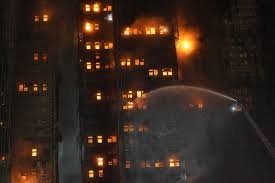
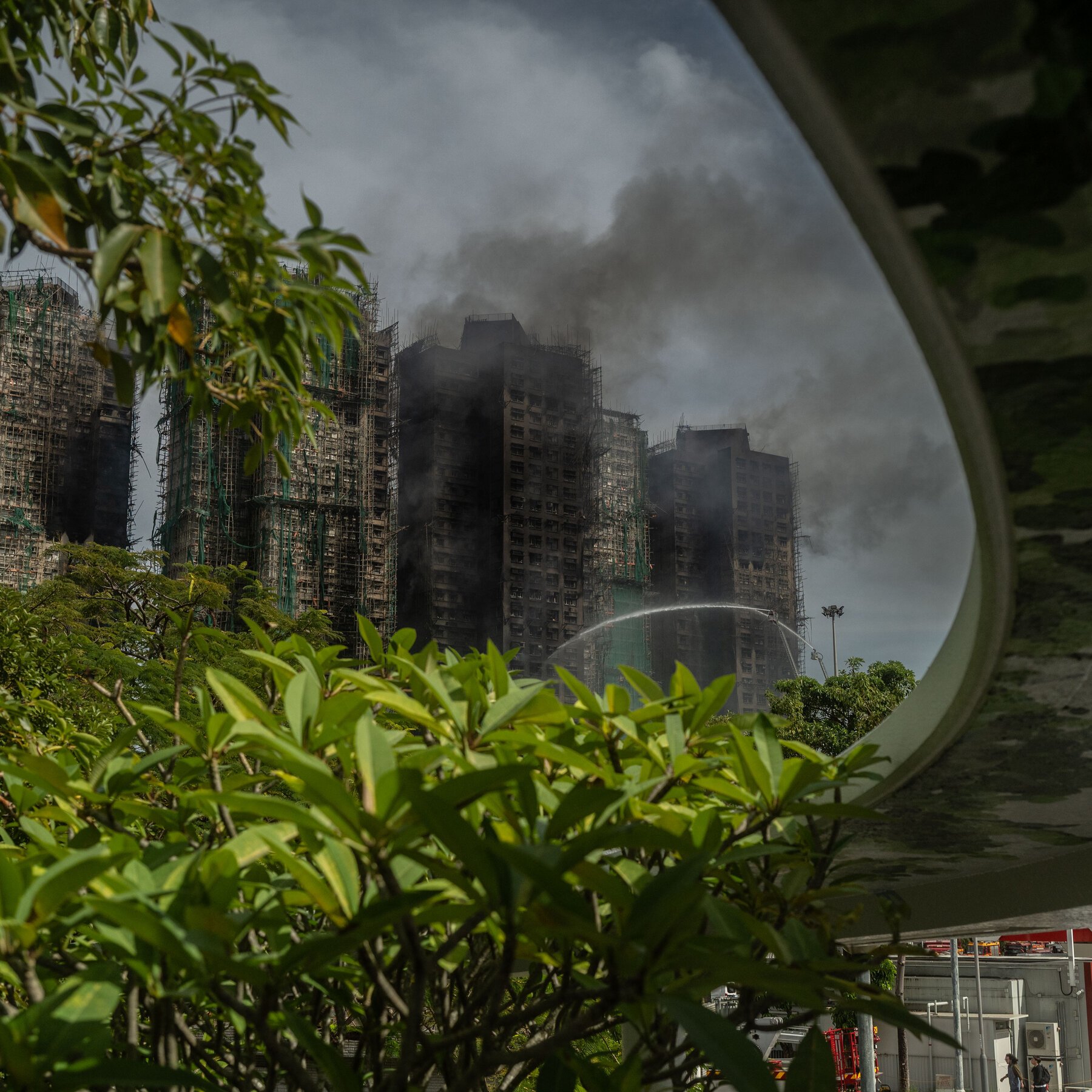
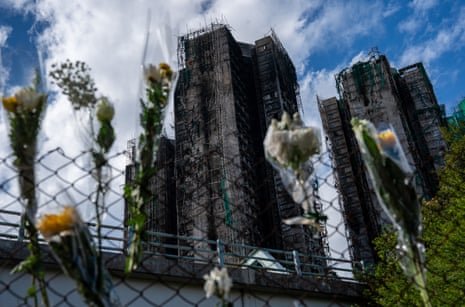
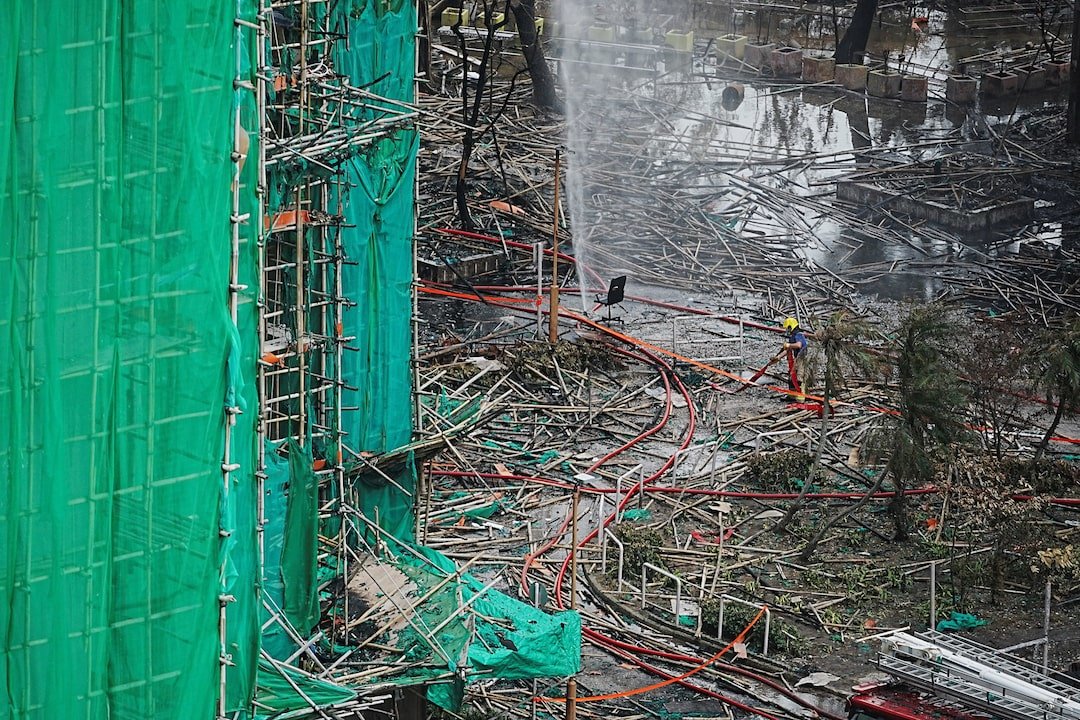
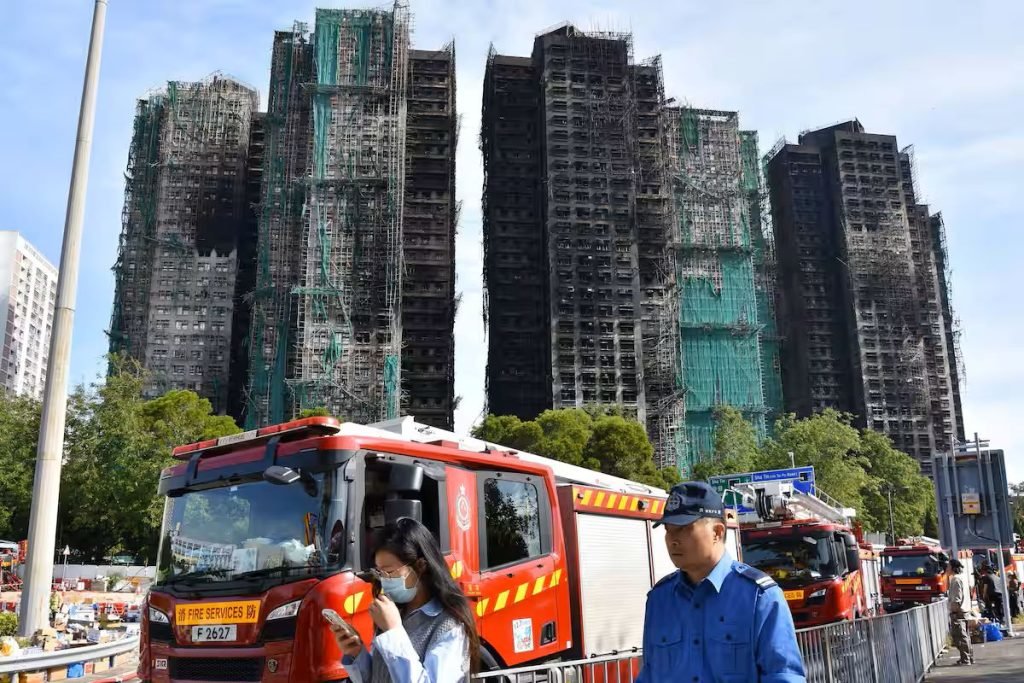
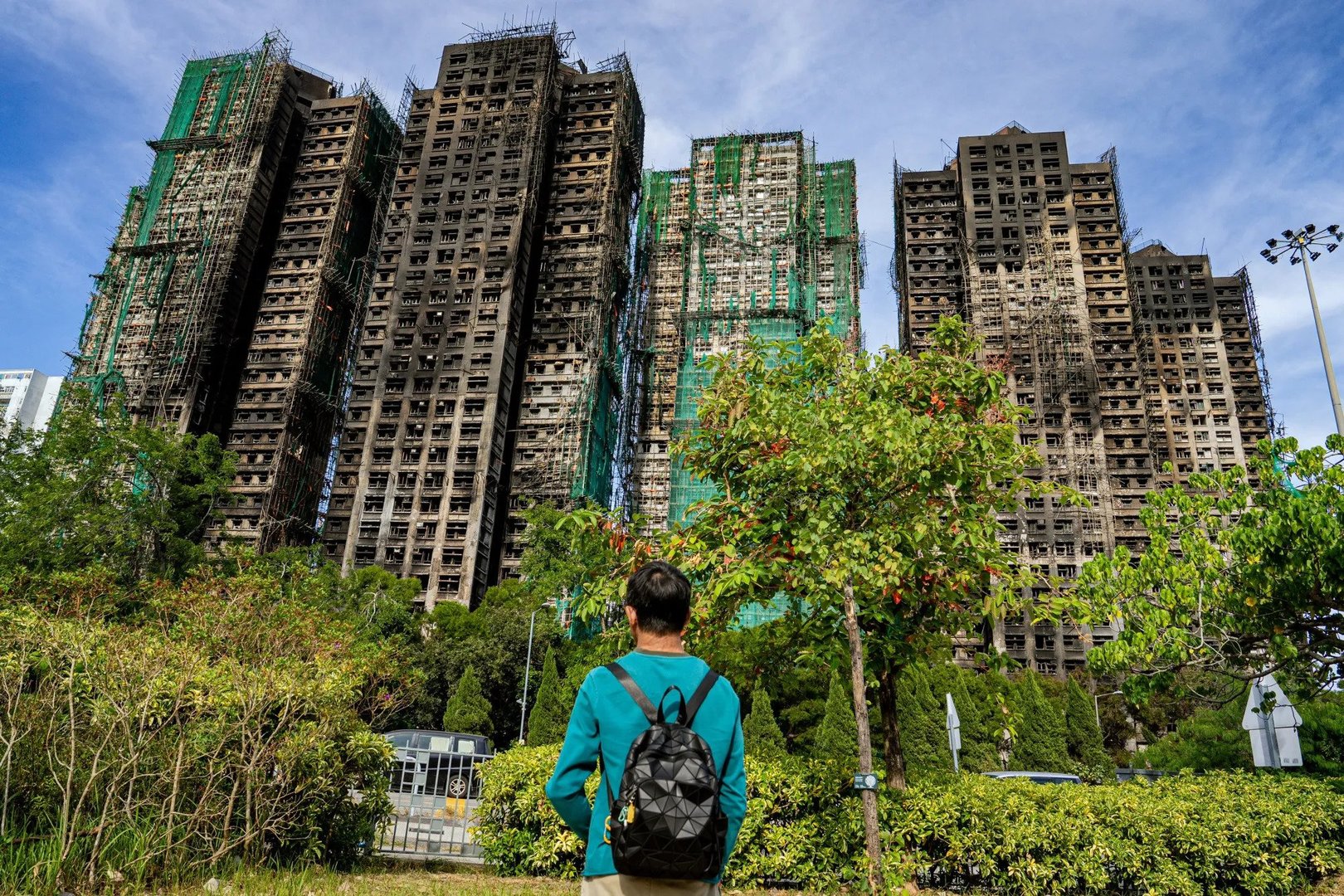
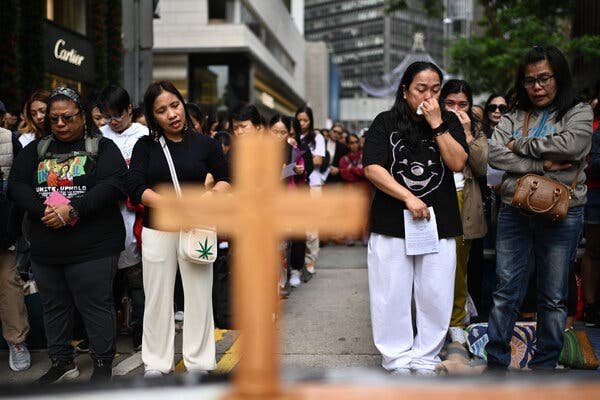
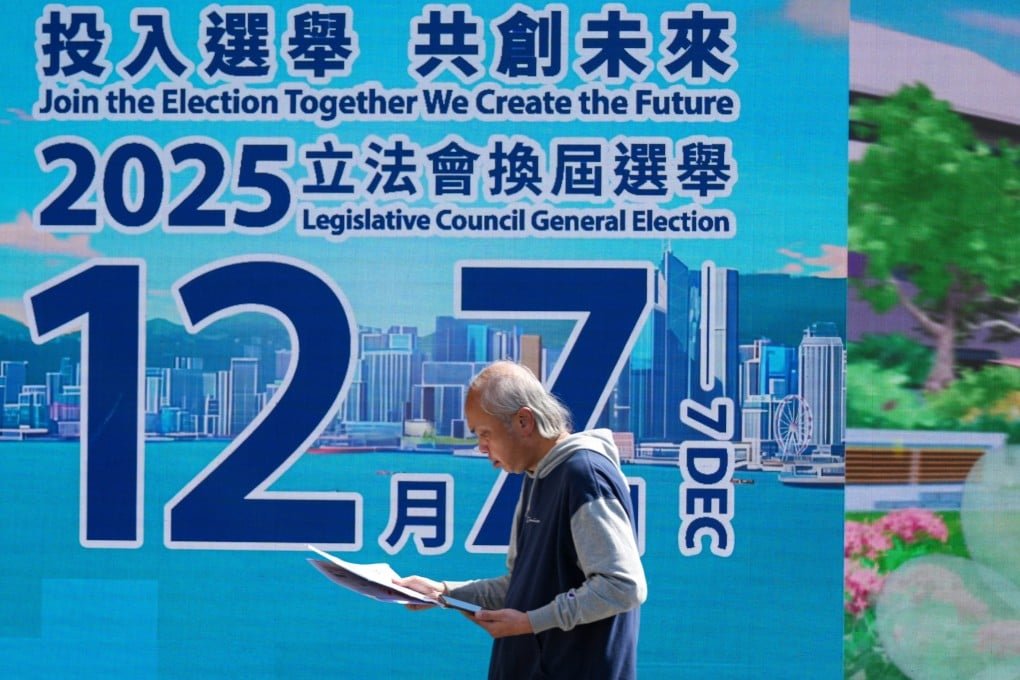
Investor sentiment in Hong Kong has become noticeably fragile amid rising uncertainty over whether the December 7 legislative election will be postponed in the wake of the deadly fire at Wang Fuk Court.
Officials have stressed that disaster relief remains the immediate priority, leaving the final decision on the election date pending.
The lack of clarity has compounded broader risk perceptions among both local and international investors, just as the city’s stock market prepares to face a significant wave of share-sale restrictions expiring by year-end.
Some fund managers are reportedly holding off on new allocations until the political calendar stabilises.
Although Hong Kong’s stock market has rebounded this year — buoyed by a surge in listings and inflows from mainland capital — analysts warn that lingering doubts over governance and electoral timing could deter foreign capital from making long-term commitments.
The city’s economics remain intertwined with geopolitics and domestic stability: even modest political shock can translate into material capital outflows.
Other investors, cautious but not pulled entirely out, have adopted a wait-and-see approach — favouring defensive positions such as local-currency bonds or dividend-paying equities until the political outlook clears.
Some are also rethinking exposure to sectors particularly sensitive to regulatory oversight, such as property, real estate–linked funds and policy-driven industries.
For many, the upcoming weeks represent a critical test for Hong Kong’s claim to serve as a stable bridge between offshore capital and Chinese mainland markets.
If authorities move swiftly to confirm the election date and ease political uncertainty, markets may recover confidence.
But if delays continue, the city risks appearing less reliable to investors who seek regulatory clarity and institutional predictability.
Officials have stressed that disaster relief remains the immediate priority, leaving the final decision on the election date pending.
The lack of clarity has compounded broader risk perceptions among both local and international investors, just as the city’s stock market prepares to face a significant wave of share-sale restrictions expiring by year-end.
Some fund managers are reportedly holding off on new allocations until the political calendar stabilises.
Although Hong Kong’s stock market has rebounded this year — buoyed by a surge in listings and inflows from mainland capital — analysts warn that lingering doubts over governance and electoral timing could deter foreign capital from making long-term commitments.
The city’s economics remain intertwined with geopolitics and domestic stability: even modest political shock can translate into material capital outflows.
Other investors, cautious but not pulled entirely out, have adopted a wait-and-see approach — favouring defensive positions such as local-currency bonds or dividend-paying equities until the political outlook clears.
Some are also rethinking exposure to sectors particularly sensitive to regulatory oversight, such as property, real estate–linked funds and policy-driven industries.
For many, the upcoming weeks represent a critical test for Hong Kong’s claim to serve as a stable bridge between offshore capital and Chinese mainland markets.
If authorities move swiftly to confirm the election date and ease political uncertainty, markets may recover confidence.
But if delays continue, the city risks appearing less reliable to investors who seek regulatory clarity and institutional predictability.