Authorities curb criticism and intensify fire-safety scrutiny after the deadliest blaze in decades at Wang Fuk Court
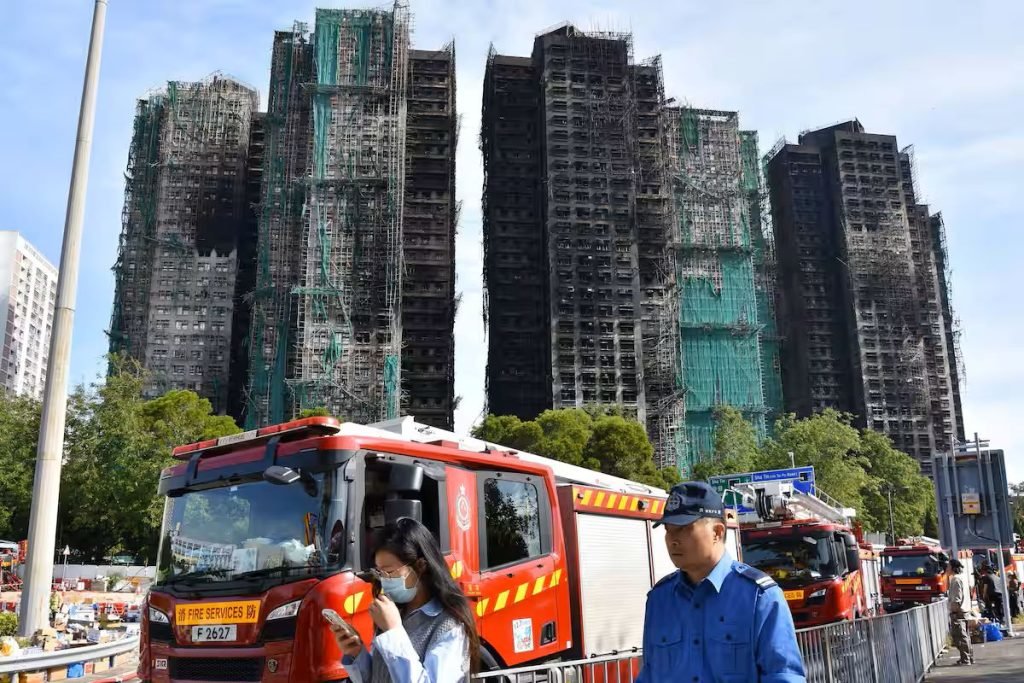
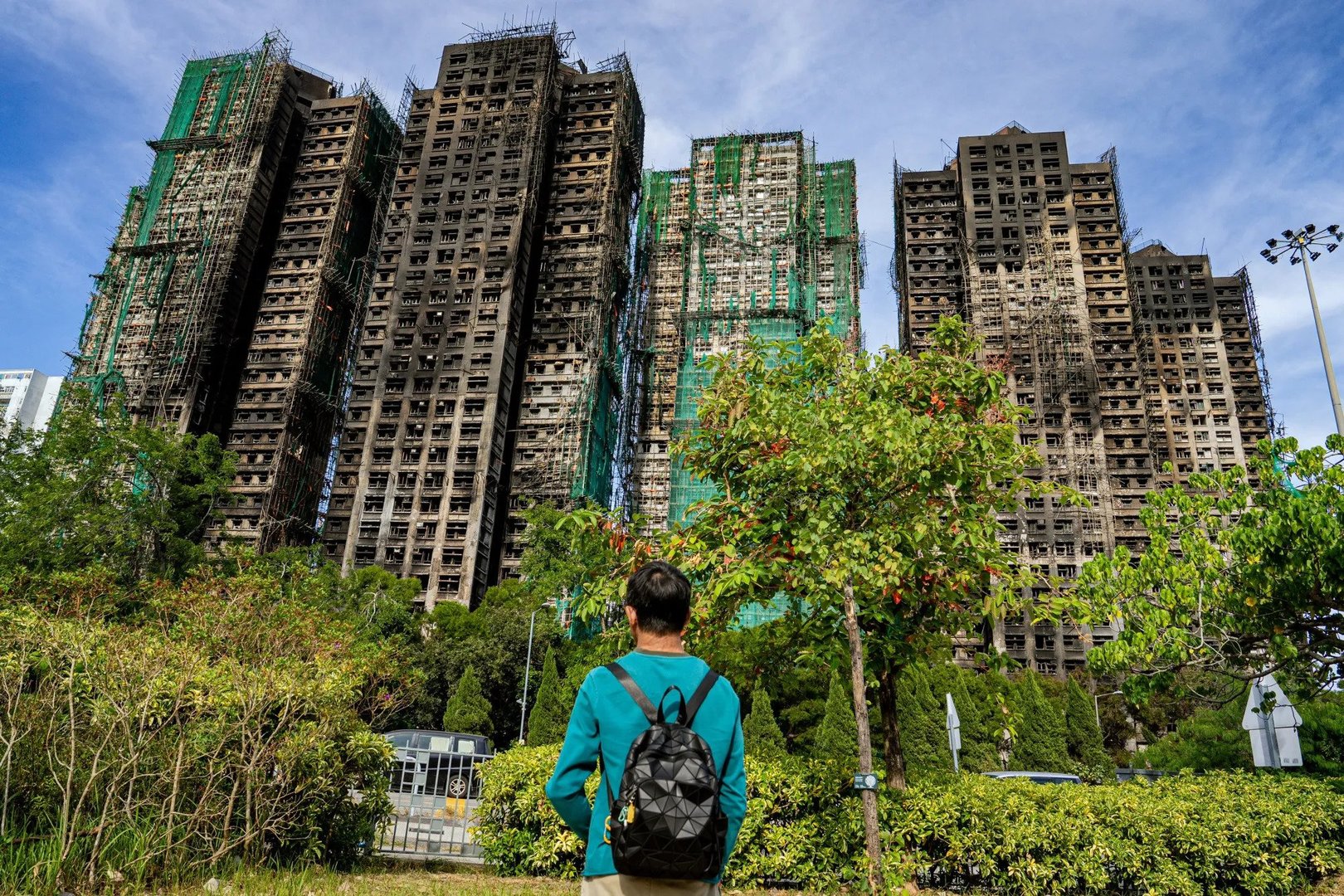
The city of Hong Kong is confronting escalating public grief and mounting scrutiny after a catastrophic high-rise fire killed at least 151 people at the Wang Fuk Court housing complex in the Tai Po district.
As investigations uncover violations, authorities have also moved decisively to suppress dissent — underscoring how Beijing’s firm control continues to shape Hong Kong’s official response.
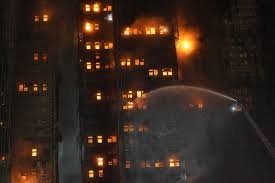
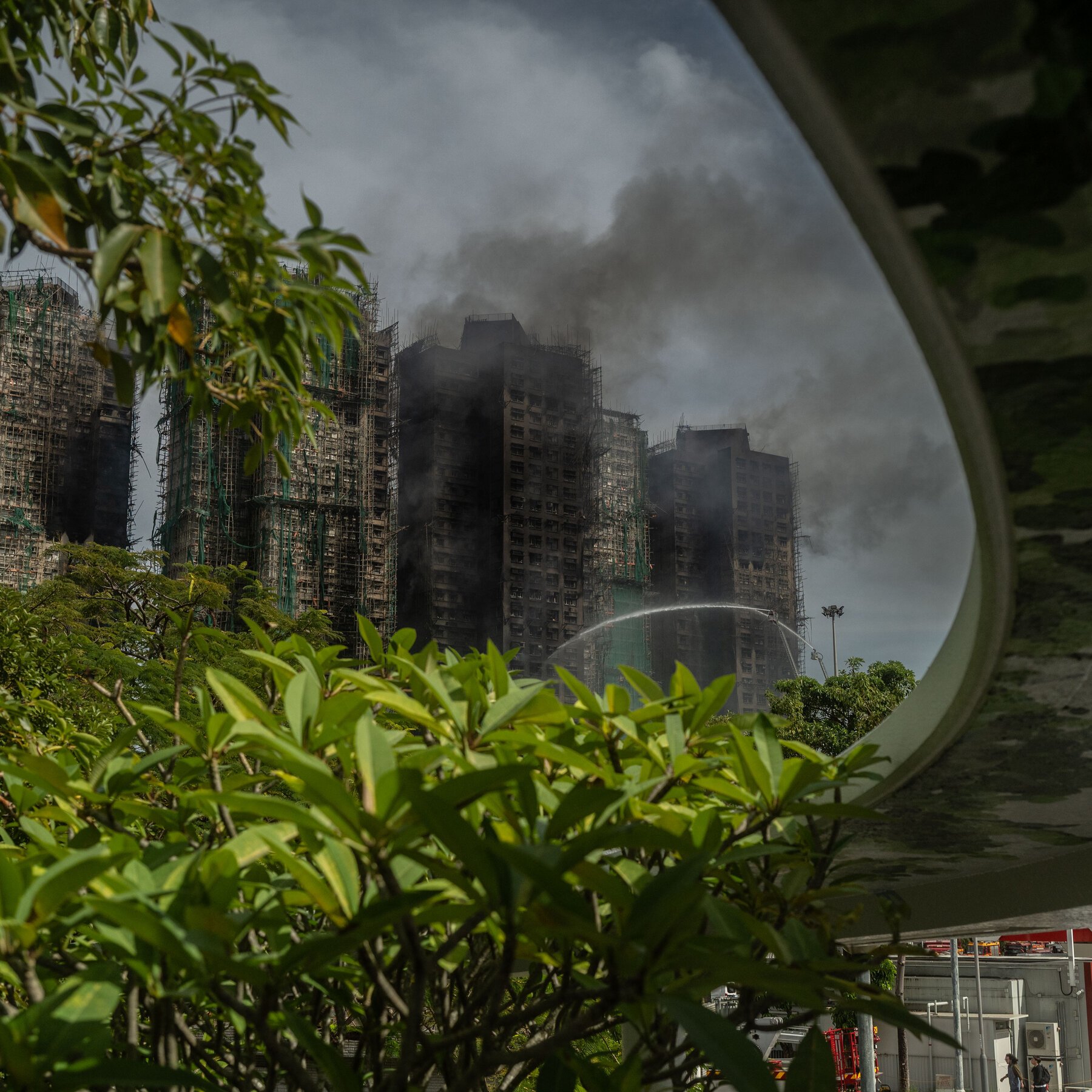
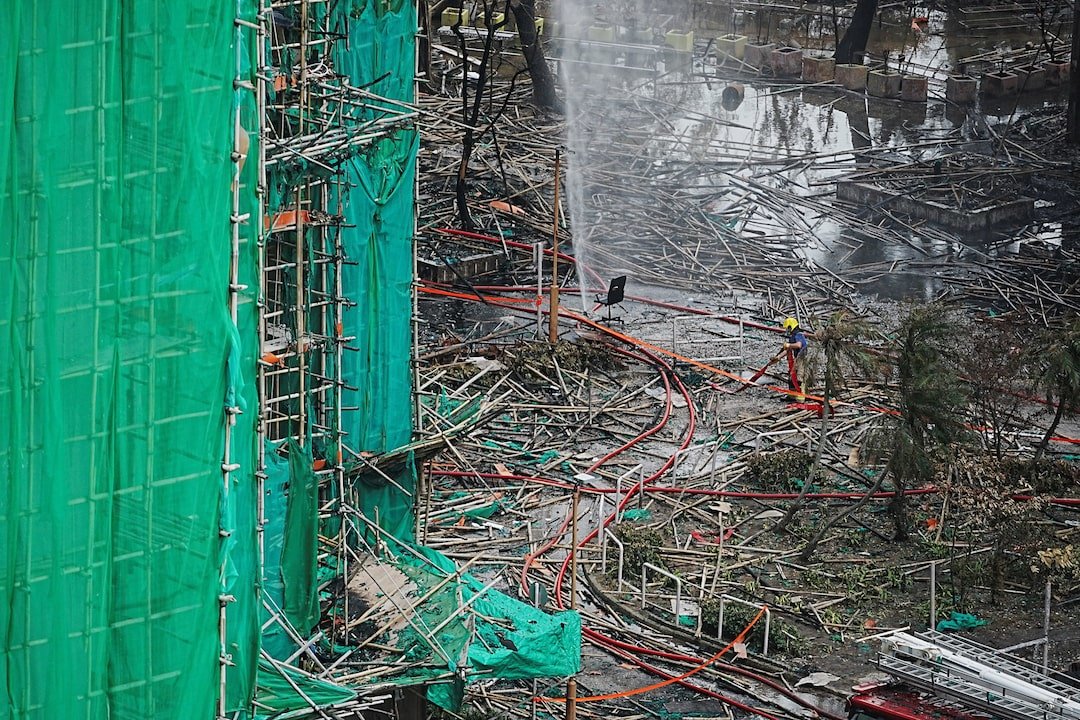
The blaze broke out on November 26 in a renovated tower draped in bamboo scaffolding and synthetic safety netting.
Flames spread rapidly through seven of the complex’s eight 32-storey blocks, fuelled by flammable netting and foam insulation.
The fire was finally extinguished after more than 43 hours of intense battle.
In the days following the disaster, authorities released findings showing that seven of 20 newly sampled netting materials failed fire-safety standards.
Officials said contractors responsible for the renovation put profit ahead of residents’ safety.
“They just wanted to make money at the expense of people’s lives,” Hong Kong’s Chief Secretary told reporters.
At the same time, a wide-ranging probe resulted in the arrest of 14 individuals — including directors and consultants from the construction company overseeing the renovation — on suspicion of manslaughter and gross negligence.
Regulatory and anti-corruption agencies have launched parallel investigations into potential misconduct and oversight failures.
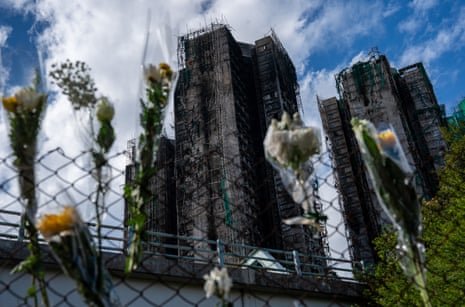
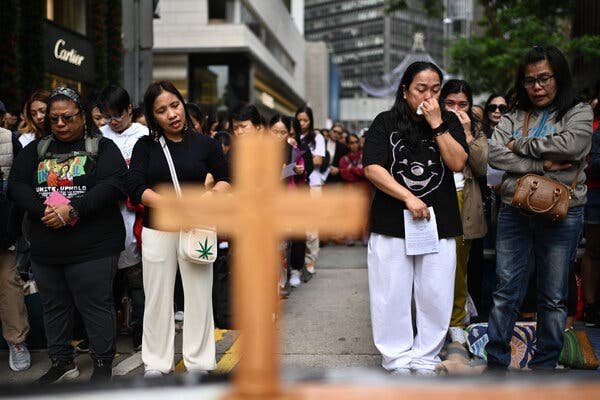
Meanwhile, public mourning has been widespread, with thousands laying flowers and leaving tributes at makeshift memorials.
Donations for survivors and victims’ families have reached approximately HK$900 million, and the government has pledged start-up relief funding and transitional housing support.
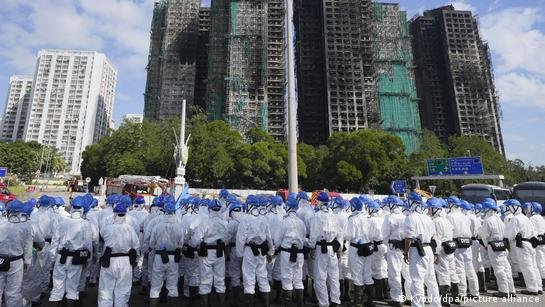
Over 1,700 displaced residents have been relocated, while nearly 30,000 rescue and recovery workers comb the site.
Yet the public expression of anger and grief has been met with strict warnings.
Authorities cautioned against using the tragedy to foment unrest, and detained activists and volunteers who called for an independent inquiry — some under security-related charges.
After the crackdown, critics raised concerns about transparency and the suppression of legitimate calls for accountability.
The disaster has prompted not only local outrage but also a nationwide response: China’s Ministry of Emergency Management announced a sweeping inspection campaign targeting high-rise buildings undergoing renovation, calling for stricter enforcement of fire-safety regulations — particularly around external scaffolding and insulation materials.
As Hong Kong mourns its dead and seeks answers, the twin pressures of mourning and control highlight the challenging balance between public safety, regulatory reform, and the limits on civic dissent under mainland oversight.
As investigations uncover violations, authorities have also moved decisively to suppress dissent — underscoring how Beijing’s firm control continues to shape Hong Kong’s official response.
The blaze broke out on November 26 in a renovated tower draped in bamboo scaffolding and synthetic safety netting.
Flames spread rapidly through seven of the complex’s eight 32-storey blocks, fuelled by flammable netting and foam insulation.
The fire was finally extinguished after more than 43 hours of intense battle.
In the days following the disaster, authorities released findings showing that seven of 20 newly sampled netting materials failed fire-safety standards.
Officials said contractors responsible for the renovation put profit ahead of residents’ safety.
“They just wanted to make money at the expense of people’s lives,” Hong Kong’s Chief Secretary told reporters.
At the same time, a wide-ranging probe resulted in the arrest of 14 individuals — including directors and consultants from the construction company overseeing the renovation — on suspicion of manslaughter and gross negligence.
Regulatory and anti-corruption agencies have launched parallel investigations into potential misconduct and oversight failures.
Meanwhile, public mourning has been widespread, with thousands laying flowers and leaving tributes at makeshift memorials.
Donations for survivors and victims’ families have reached approximately HK$900 million, and the government has pledged start-up relief funding and transitional housing support.
Over 1,700 displaced residents have been relocated, while nearly 30,000 rescue and recovery workers comb the site.
Yet the public expression of anger and grief has been met with strict warnings.
Authorities cautioned against using the tragedy to foment unrest, and detained activists and volunteers who called for an independent inquiry — some under security-related charges.
After the crackdown, critics raised concerns about transparency and the suppression of legitimate calls for accountability.
The disaster has prompted not only local outrage but also a nationwide response: China’s Ministry of Emergency Management announced a sweeping inspection campaign targeting high-rise buildings undergoing renovation, calling for stricter enforcement of fire-safety regulations — particularly around external scaffolding and insulation materials.
As Hong Kong mourns its dead and seeks answers, the twin pressures of mourning and control highlight the challenging balance between public safety, regulatory reform, and the limits on civic dissent under mainland oversight.