Authorities deploy security warnings, arrests and safety audits amid mass mourning and calls for accountability after the fatal blaze
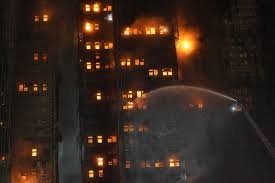
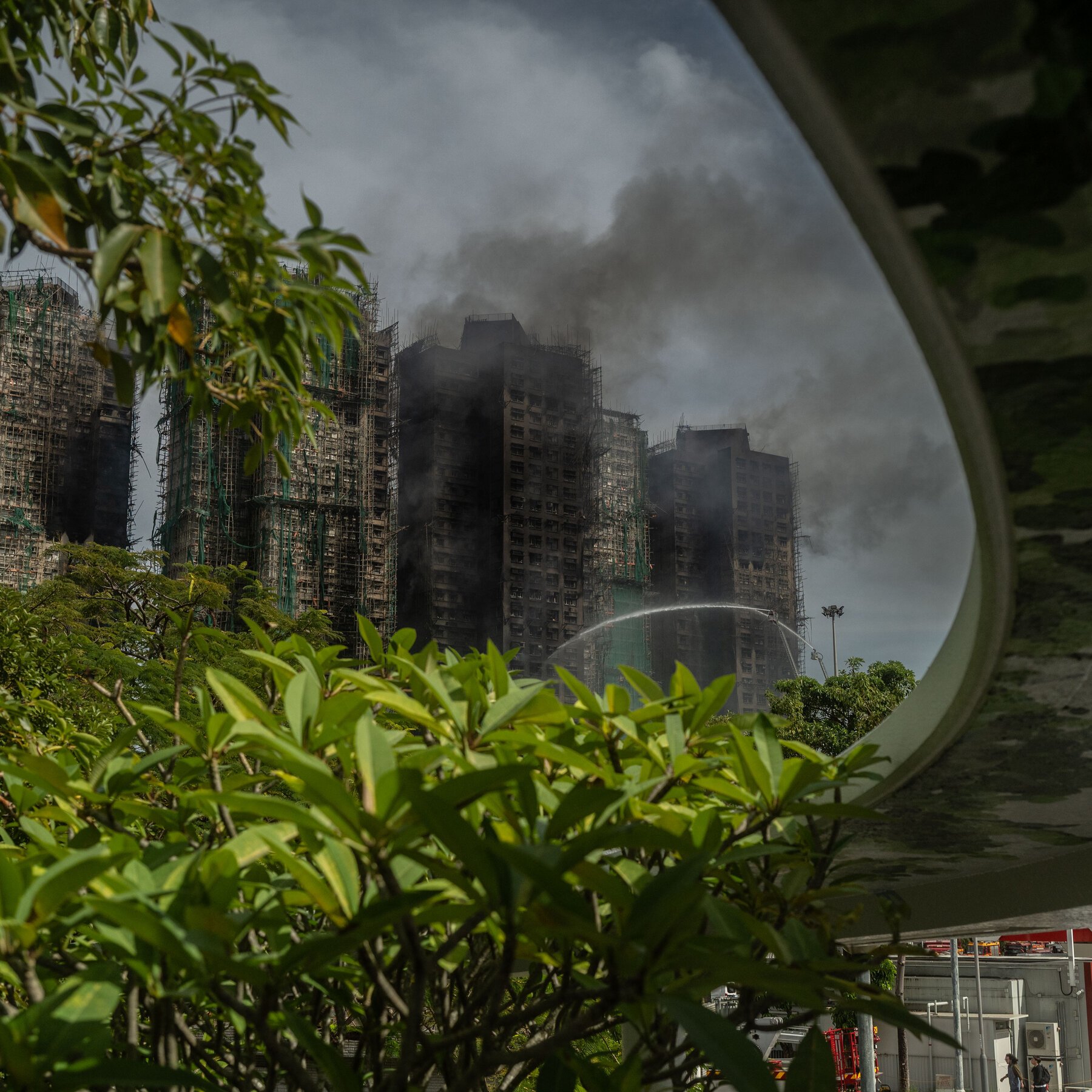
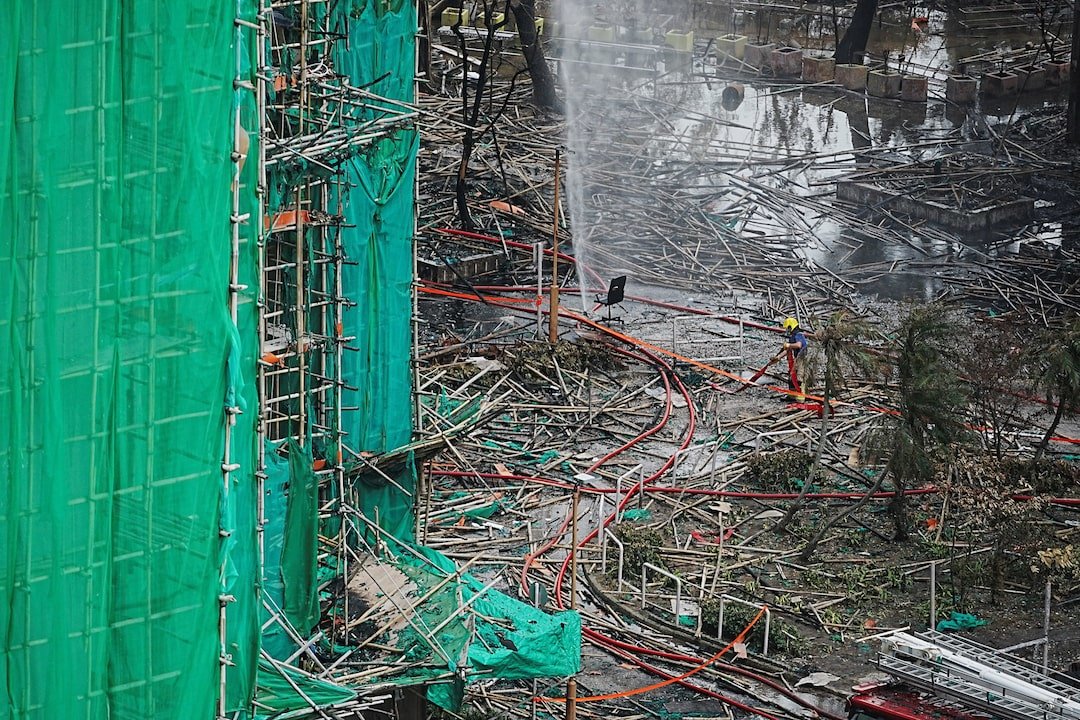
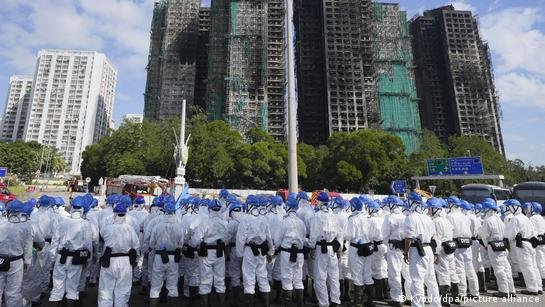
Hong Kong’s authorities have taken swift action to quell public outrage after a devastating fire at the Wang Fuk Court complex in Tai Po left at least 146 people dead and dozens missing.
In the wake of widespread grief and anger over alleged safety failures and oversight lapses, the government invoked national security measures, launched broad investigations and suspended renovation projects linked to the tragedy.
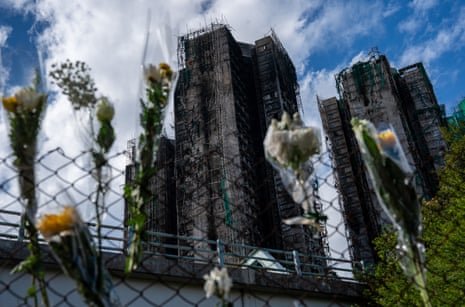
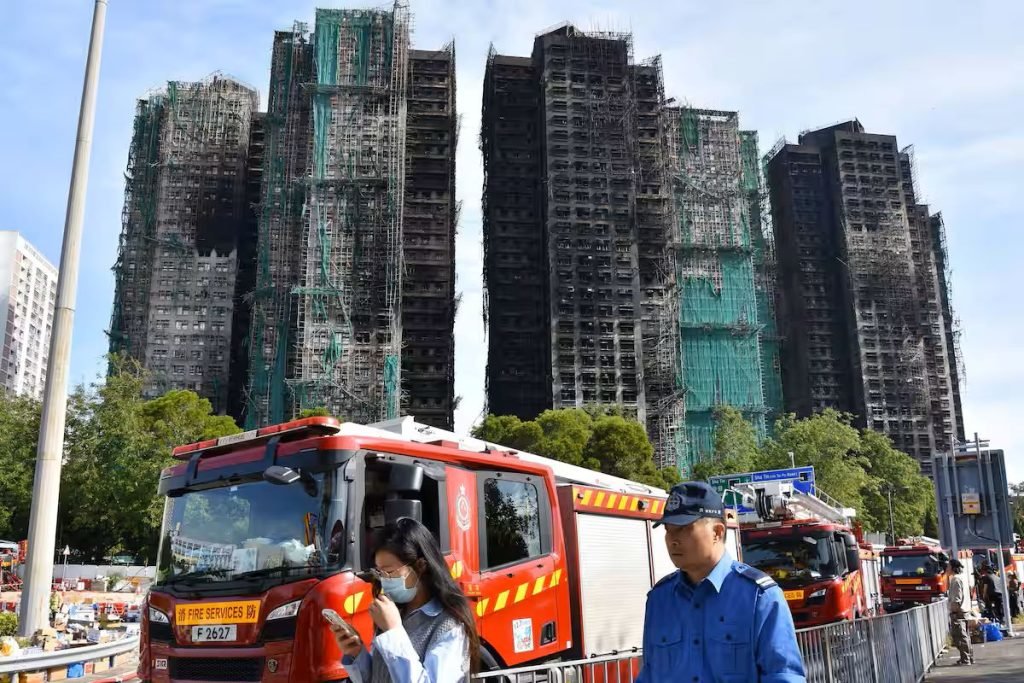
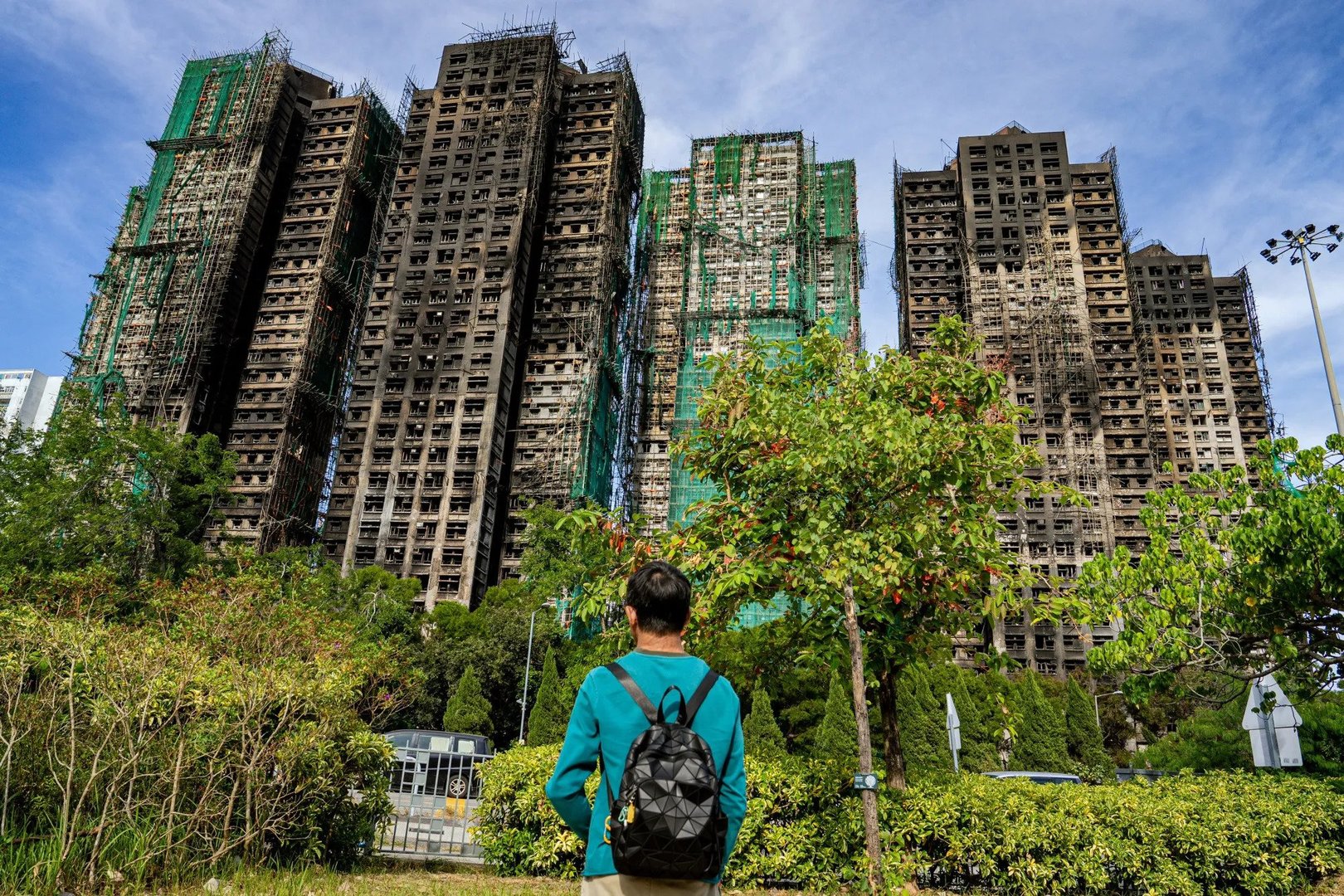
Thousands of mourners have visited the charred towers, laying flowers and tributes for victims that include migrant domestic workers, elderly residents and families.
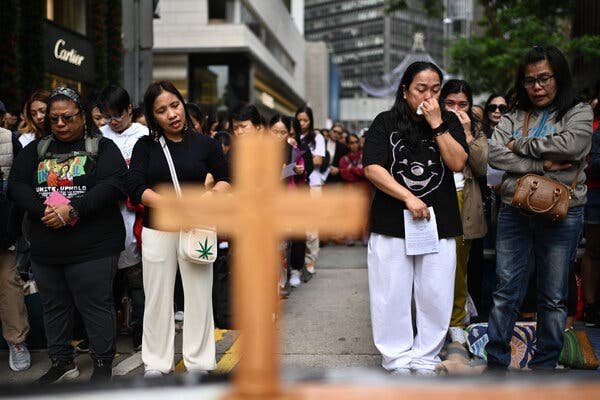
Some vigils — seen by the authorities as potential flashpoints for protest — prompted stern warnings.
Beijing and local security officials declared they would treat any effort to “exploit the disaster to disrupt Hong Kong” as a violation, invoking the city’s national security laws.
Meanwhile, police and the anti-corruption agency have arrested 11 people so far — including executives and subcontractors involved in the renovation — on suspicion of gross negligence, manslaughter and corruption.
Authorities also ordered the suspension of 28 building-renovation projects managed by the implicated construction firm, pending comprehensive safety audits.
In parallel, a nationwide inspection directive has been issued from Beijing targeting high-rise residential buildings undergoing renovation — particularly structures using bamboo scaffolding, netting and fuel-prone insulation materials.
The policy shift marks one of the first large-scale nationwide safety drives since the blaze, reflecting the severity of the public backlash.
While many Hongkongers initially remain restrained in mourning, anger is quietly simmering.
Community groups, foreign consulates and labour advocates are calling for an independent public inquiry and legally enforceable reforms in building-safety standards.
Officials, however, insist that any dissent must remain peaceful and within legal boundaries under new security frameworks.
The next days will test whether grief and demands for justice can coexist amid rising state pressure to maintain order.
In the wake of widespread grief and anger over alleged safety failures and oversight lapses, the government invoked national security measures, launched broad investigations and suspended renovation projects linked to the tragedy.
Thousands of mourners have visited the charred towers, laying flowers and tributes for victims that include migrant domestic workers, elderly residents and families.
Some vigils — seen by the authorities as potential flashpoints for protest — prompted stern warnings.
Beijing and local security officials declared they would treat any effort to “exploit the disaster to disrupt Hong Kong” as a violation, invoking the city’s national security laws.
Meanwhile, police and the anti-corruption agency have arrested 11 people so far — including executives and subcontractors involved in the renovation — on suspicion of gross negligence, manslaughter and corruption.
Authorities also ordered the suspension of 28 building-renovation projects managed by the implicated construction firm, pending comprehensive safety audits.
In parallel, a nationwide inspection directive has been issued from Beijing targeting high-rise residential buildings undergoing renovation — particularly structures using bamboo scaffolding, netting and fuel-prone insulation materials.
The policy shift marks one of the first large-scale nationwide safety drives since the blaze, reflecting the severity of the public backlash.
While many Hongkongers initially remain restrained in mourning, anger is quietly simmering.
Community groups, foreign consulates and labour advocates are calling for an independent public inquiry and legally enforceable reforms in building-safety standards.
Officials, however, insist that any dissent must remain peaceful and within legal boundaries under new security frameworks.
The next days will test whether grief and demands for justice can coexist amid rising state pressure to maintain order.