Investigators cite flammable scaffolding mesh and foam panels after apartment-complex blaze kills 151, while arrests and dissent controls intensify
A sweeping investigation into the catastrophic blaze at Wang Fuk Court in Tai Po, Hong Kong, has concluded that construction netting used during recent renovations failed to meet fire-safety standards — a finding that has deepened public sorrow and intensified scrutiny of contractor negligence.
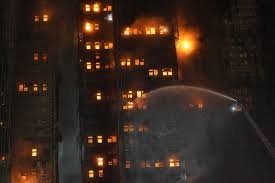
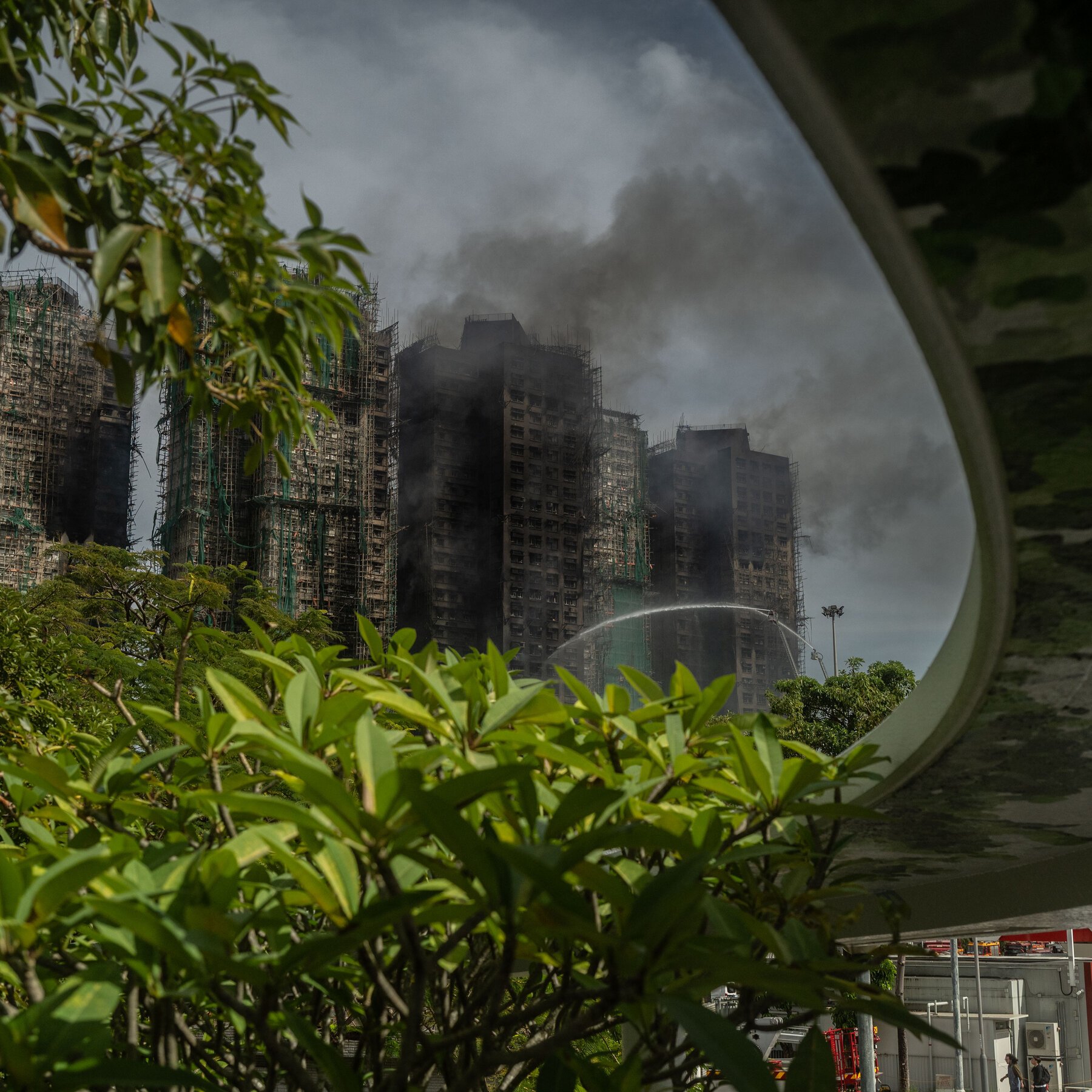
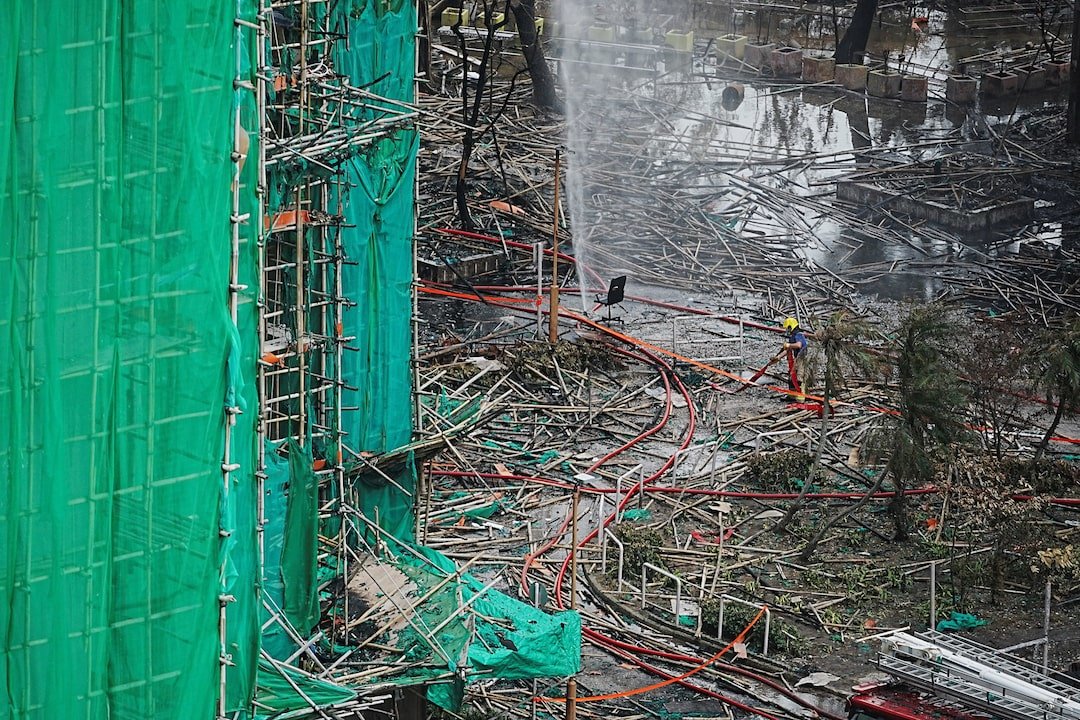
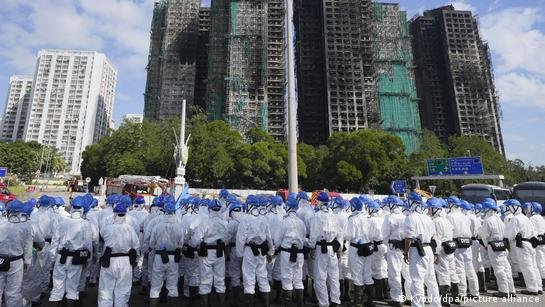
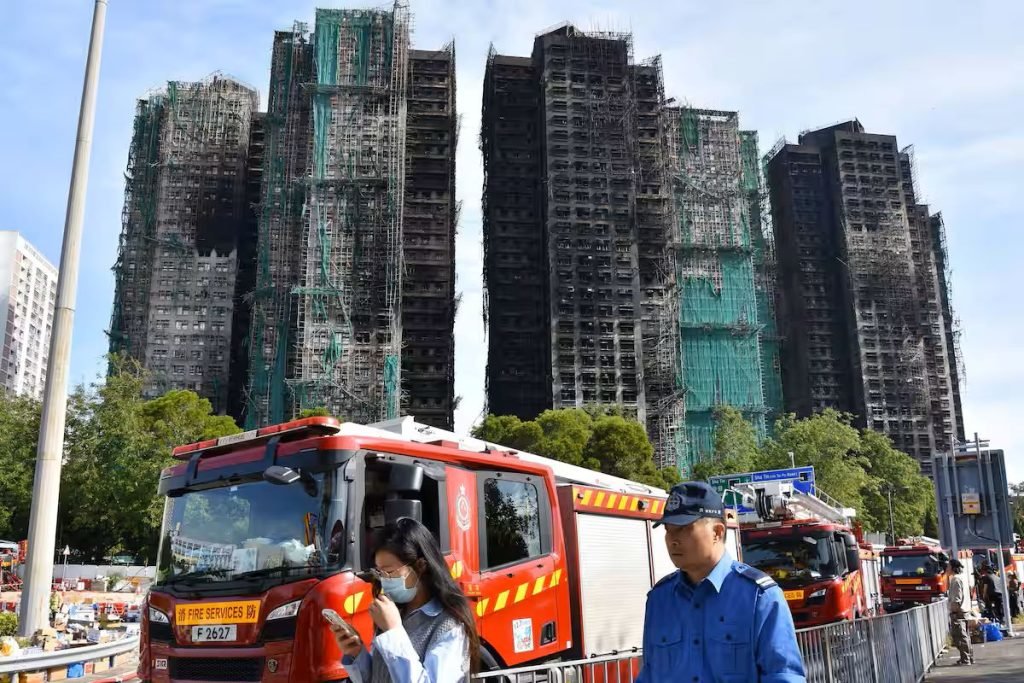
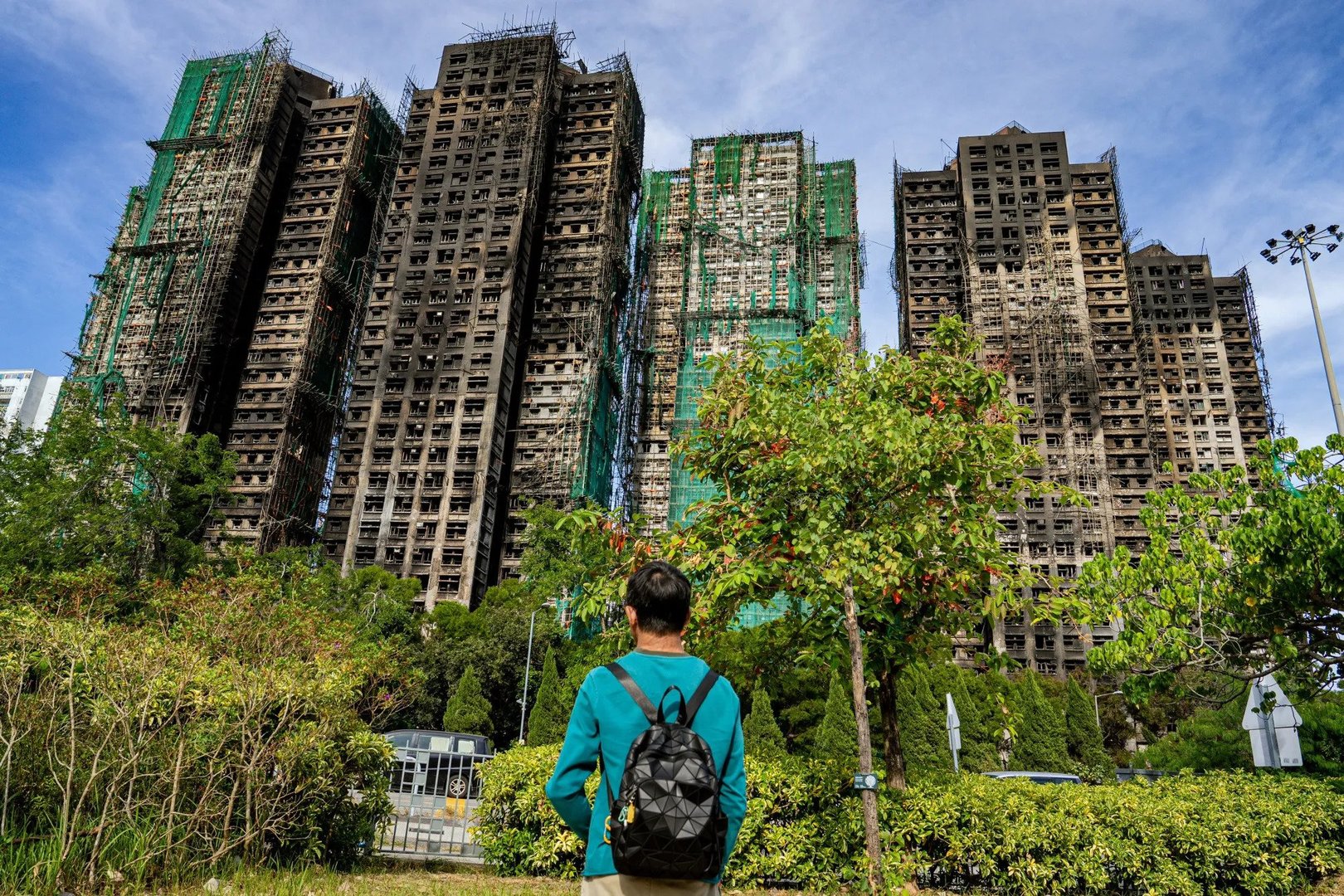
The fire, which began on 26 November 2025 and engulfed seven of eight high-rise towers, has claimed at least 151 lives, left 79 injured, and left dozens still unaccounted for.
Authorities revealed that out of 20 netting samples collected from the scaffolding, seven failed flame-resistance tests — suggesting cheaper, non-compliant materials were used, likely for profit.
The flames spread swiftly after igniting lower-level netting; wind and highly flammable foam window panels helped carry the blaze up the façades and into the apartments, accelerating the destruction.
In response, law enforcement has arrested 14 individuals connected with the renovation project: directors and consultants of the construction firm Prestige Construction & Engineering Company face charges including manslaughter and allegations of gross negligence.
Simultaneously, a number of civilians — activists and volunteers who had called for independent investigation — have reportedly been detained under national-security legislation amid warnings against “spreading rumours or sowing unrest.”
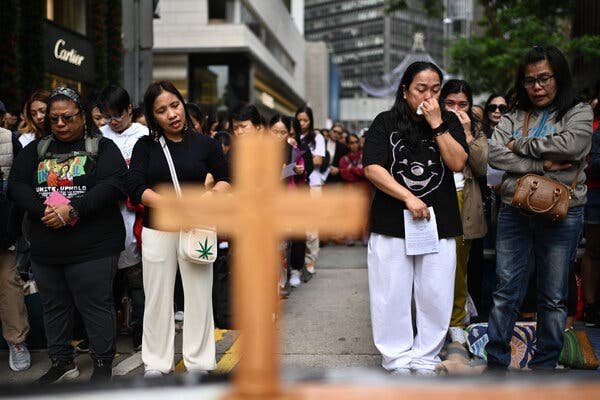
Public mourning has become widespread.
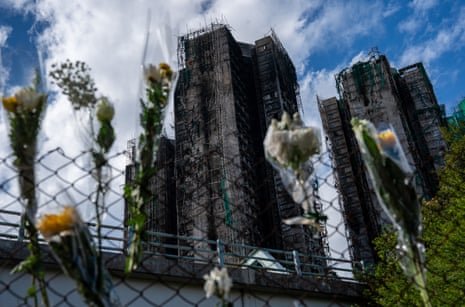
Families of victims, neighbours, and volunteers have held vigils, laid flowers, and created makeshift memorials.
Concerns have deepened over regulatory failures: residents had raised safety warnings about the scaffolding and netting more than a year ago, but repeated inspections by the government reportedly found the risk “relatively low,” and little corrective action was taken.
In the wake of the disaster, the government shuttered all 28 ongoing projects managed by the contractor involved and ordered a city-wide review of building sites that use bamboo scaffolding and exterior netting.
The disaster has prompted a broader reckoning in Hong Kong over construction practices and oversight — even as grief, anger and calls for accountability are increasingly met with crackdowns rather than open dialogue.
The fire, which began on 26 November 2025 and engulfed seven of eight high-rise towers, has claimed at least 151 lives, left 79 injured, and left dozens still unaccounted for.
Authorities revealed that out of 20 netting samples collected from the scaffolding, seven failed flame-resistance tests — suggesting cheaper, non-compliant materials were used, likely for profit.
The flames spread swiftly after igniting lower-level netting; wind and highly flammable foam window panels helped carry the blaze up the façades and into the apartments, accelerating the destruction.
In response, law enforcement has arrested 14 individuals connected with the renovation project: directors and consultants of the construction firm Prestige Construction & Engineering Company face charges including manslaughter and allegations of gross negligence.
Simultaneously, a number of civilians — activists and volunteers who had called for independent investigation — have reportedly been detained under national-security legislation amid warnings against “spreading rumours or sowing unrest.”
Public mourning has become widespread.
Families of victims, neighbours, and volunteers have held vigils, laid flowers, and created makeshift memorials.
Concerns have deepened over regulatory failures: residents had raised safety warnings about the scaffolding and netting more than a year ago, but repeated inspections by the government reportedly found the risk “relatively low,” and little corrective action was taken.
In the wake of the disaster, the government shuttered all 28 ongoing projects managed by the contractor involved and ordered a city-wide review of building sites that use bamboo scaffolding and exterior netting.
The disaster has prompted a broader reckoning in Hong Kong over construction practices and oversight — even as grief, anger and calls for accountability are increasingly met with crackdowns rather than open dialogue.