New port alliances and green-shipping push aim to strengthen supply chains amid mounting international uncertainty
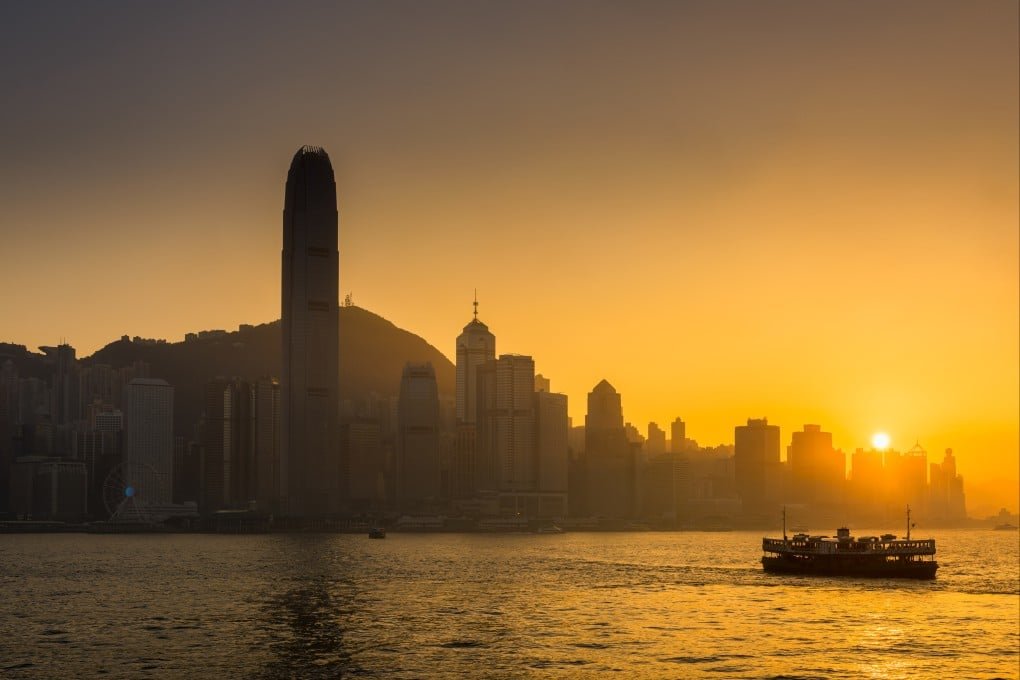
Hong Kong has unveiled a network of strategic “partner ports” as part of a newly sharpened push to bolster its resilience against global trade turbulence.
Chief Executive John Lee Ka-chiu announced that the city has formed alliances with two major ports on the Chinese mainland and one in South America, designed to expand its catchment area, diversify supply-chain routes and reinforce its standing as a global maritime hub.
:contentReference[oaicite:1]{index=1}
The move comes amid shifting global trade patterns, rising protectionism and stronger regional competition.
Industry analysts say these port ties — alongside multiple recent reforms — could help offset declining throughput at the city’s own terminals and eventual erosion of its traditional container-port dominance.
:contentReference[oaicite:2]{index=2}
Beyond new alliances, Hong Kong is accelerating efforts to modernise its maritime infrastructure.
Government-backed reforms include expanded bunkering of green marine fuels, digital-port upgrades and incentives for shipping companies to register under the Hong Kong flag — measures seen as bolstering its competitiveness in age of tighter environmental and regulatory standards.
:contentReference[oaicite:3]{index=3}
Local officials argue these steps reaffirm Hong Kong’s role under the “one country, two systems” framework as a dynamic free port and logistics hub, even as regional peers gain ground.
The city remains a separate customs territory and a full member of the global trading system under its unique status, giving it flexibility to act rapidly in response to shifting markets.
:contentReference[oaicite:4]{index=4}
Supporters of the strategy say the new approach will not just stabilise Hong Kong’s shipping sector but also help small and medium-sized logistics firms benefit from more diversified routes, lower reliance on any single corridor, and better alignment with environmental regulations.
Critics warn, however, that success will depend on sustained global demand and the ability to effectively integrate partner ports without duplicating inefficiencies.
For now, the launch of “partner port” ties — paired with modernisation and green-shipping reforms — represents a concerted attempt by Hong Kong to navigate a volatile global trade environment and preserve its legacy as a maritime and trade gateway in a rapidly changing world.
Chief Executive John Lee Ka-chiu announced that the city has formed alliances with two major ports on the Chinese mainland and one in South America, designed to expand its catchment area, diversify supply-chain routes and reinforce its standing as a global maritime hub.
:contentReference[oaicite:1]{index=1}
The move comes amid shifting global trade patterns, rising protectionism and stronger regional competition.
Industry analysts say these port ties — alongside multiple recent reforms — could help offset declining throughput at the city’s own terminals and eventual erosion of its traditional container-port dominance.
:contentReference[oaicite:2]{index=2}
Beyond new alliances, Hong Kong is accelerating efforts to modernise its maritime infrastructure.
Government-backed reforms include expanded bunkering of green marine fuels, digital-port upgrades and incentives for shipping companies to register under the Hong Kong flag — measures seen as bolstering its competitiveness in age of tighter environmental and regulatory standards.
:contentReference[oaicite:3]{index=3}
Local officials argue these steps reaffirm Hong Kong’s role under the “one country, two systems” framework as a dynamic free port and logistics hub, even as regional peers gain ground.
The city remains a separate customs territory and a full member of the global trading system under its unique status, giving it flexibility to act rapidly in response to shifting markets.
:contentReference[oaicite:4]{index=4}
Supporters of the strategy say the new approach will not just stabilise Hong Kong’s shipping sector but also help small and medium-sized logistics firms benefit from more diversified routes, lower reliance on any single corridor, and better alignment with environmental regulations.
Critics warn, however, that success will depend on sustained global demand and the ability to effectively integrate partner ports without duplicating inefficiencies.
For now, the launch of “partner port” ties — paired with modernisation and green-shipping reforms — represents a concerted attempt by Hong Kong to navigate a volatile global trade environment and preserve its legacy as a maritime and trade gateway in a rapidly changing world.