Wang Fuk Court blaze kills 146 — many victims were migrant helpers, triggering grief and calls for urgent fire-safety reform
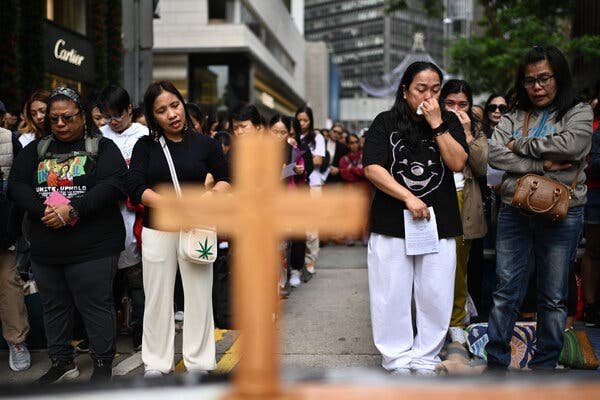
Families, fellow workers and community supporters are mourning after a catastrophic fire engulfed a residential tower complex in Hong Kong’s Tai Po district, leaving at least 146 dead and dozens of migrant domestic workers among the victims.
The disaster has reignited deep concern over building safety, especially in older high-rise blocks undergoing renovation.
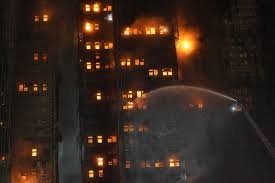
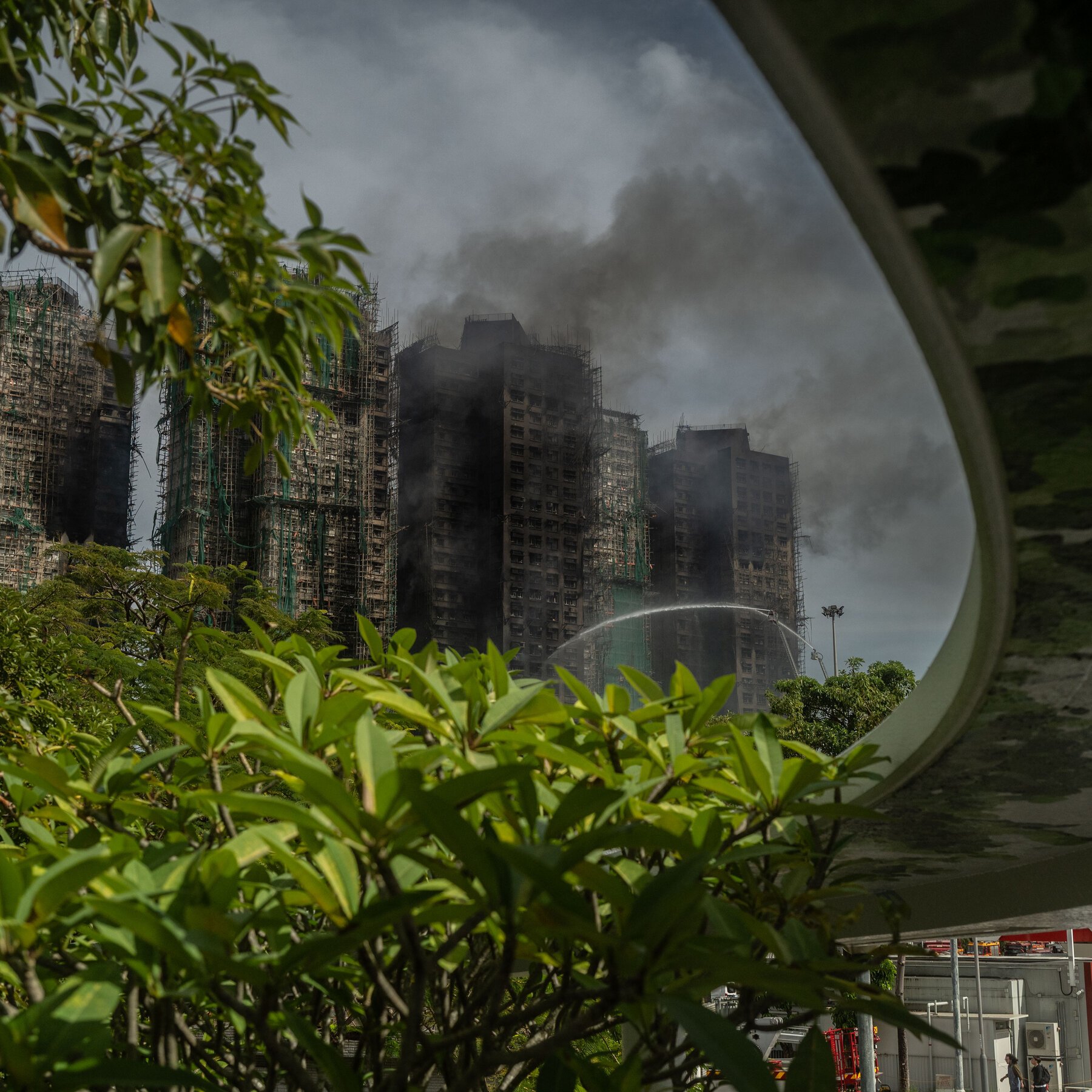
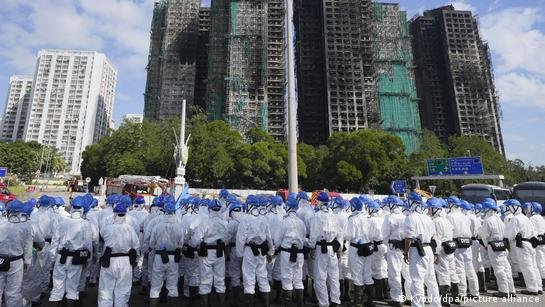
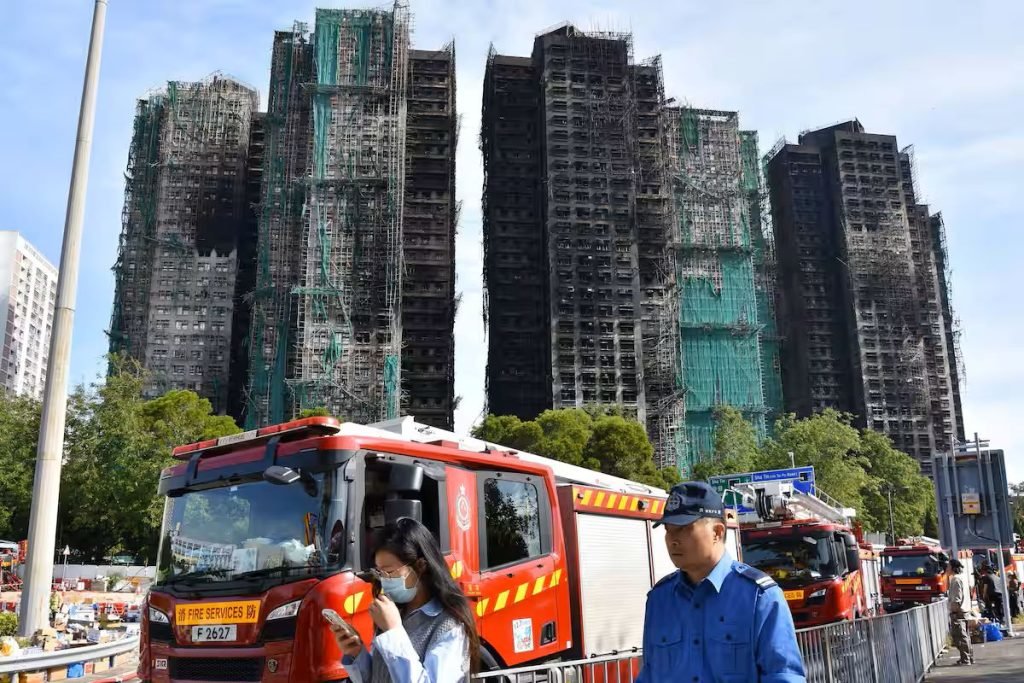
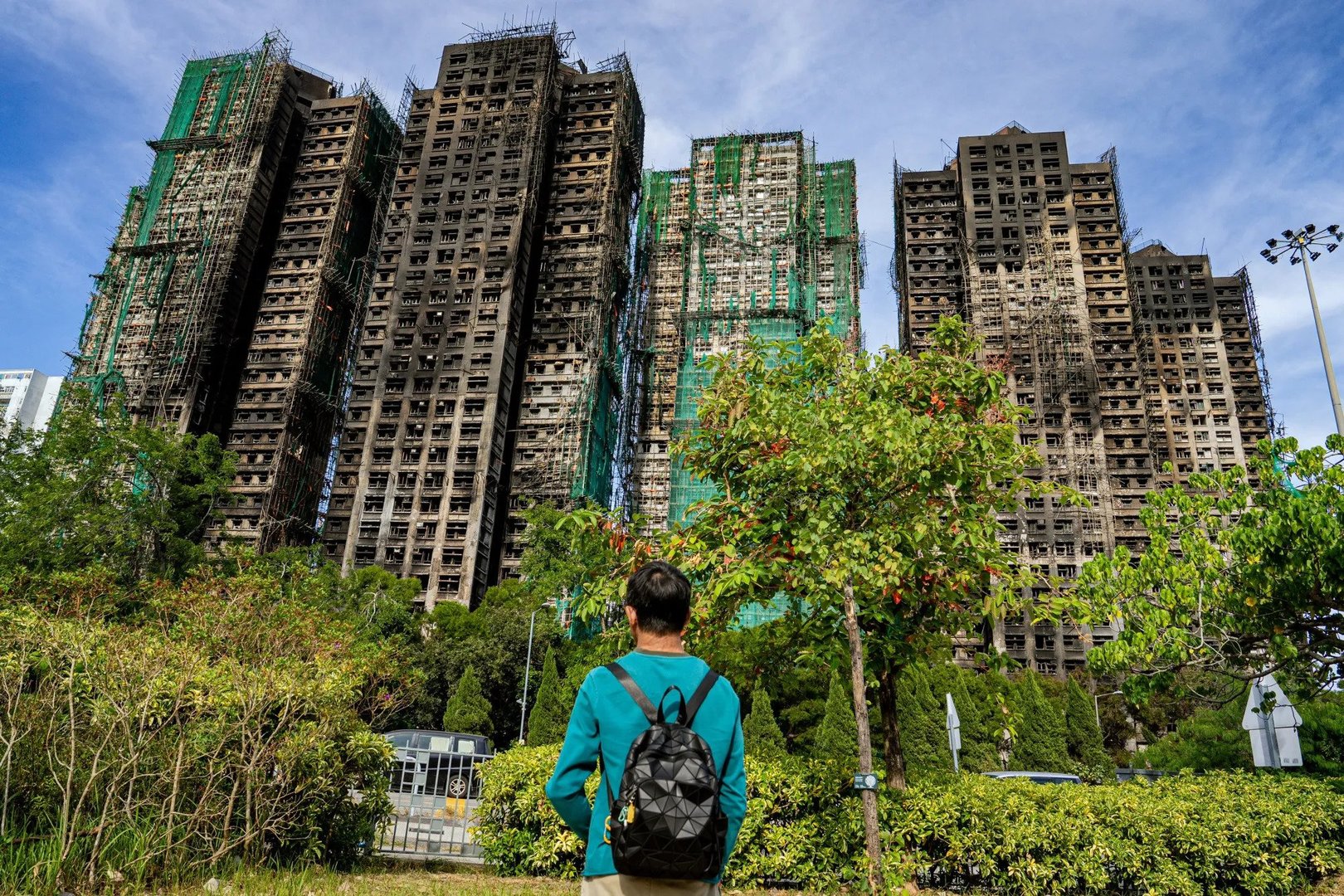
The blaze broke out on Wednesday afternoon at the Wang Fuk Court estate, a sprawling housing complex undergoing extensive external renovations.
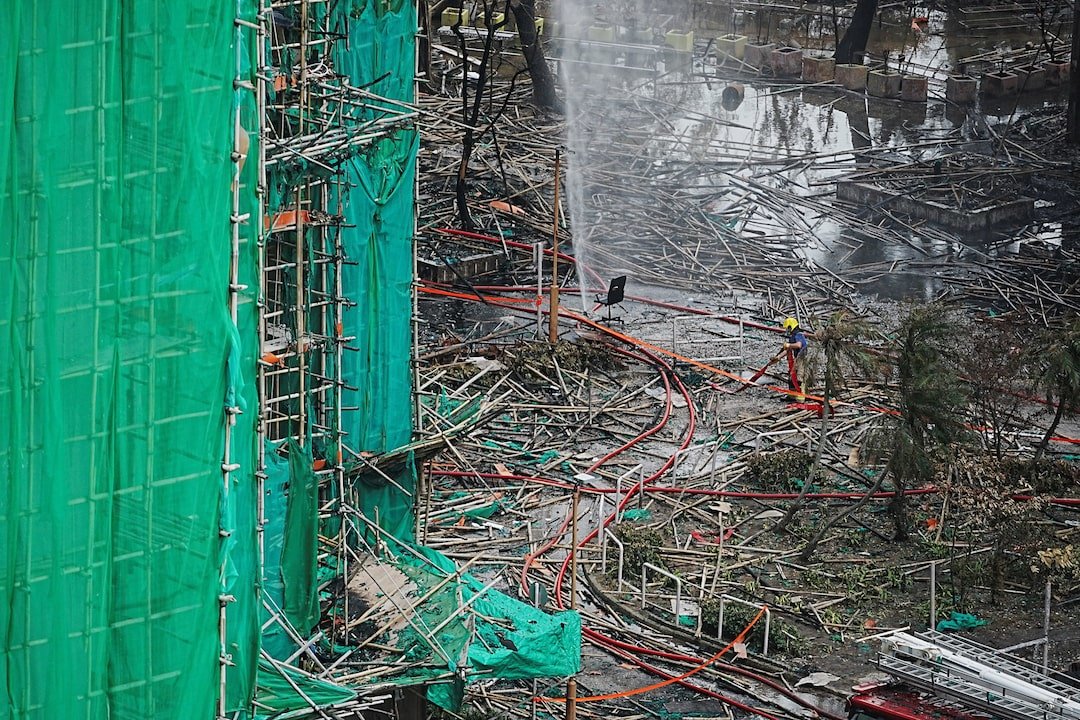
Flames rapidly consumed at least seven of its eight towers after scaffolding and flammable renovation materials appear to have accelerated the spread.
As searches continue, over 40 residents remain unaccounted for and nearly 80 have been hospitalised.
Among the confirmed dead are several migrant domestic workers from Indonesia and the Philippines — individuals who came to Hong Kong to support their families abroad and worked long hours supporting households across the city.
Many were trapped when fire alarms failed and exit routes were compromised.
Their deaths have brought fresh attention to the precarious conditions faced by foreign domestic helpers, commonly reliant on employer-provided accommodation, often in older or lower-quality housing estates.
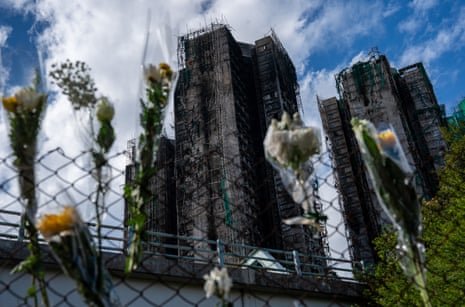
In the days since the fire, Hong Kong residents have flocked to the charred remains of the buildings to leave white roses, candles and messages of condolence.
Aid agencies and community groups have mobilised to provide relief: temporary shelters, food, clothes and support services for survivors and displaced families.
Armed with only inflation-wary wages and uncertain legal protections, domestic workers form a vulnerable demographic now reeling from tragedy.
Authorities have launched a full criminal and safety investigation.
Initial arrests include directors and consultants from the renovation contractor and several subcontractors.
Government officials simultaneously announced a suspension of all ongoing renovation projects by the same contractor pending rigorous safety audits.
At the national level, the disaster has triggered a sweeping mandate from Beijing to conduct fire-safety inspections of all high-rise residential buildings — especially those undergoing renovation or exterior works.
Advocates say the fire has laid bare long-running structural inequalities: many migrant domestic workers live in cramped, older housing estates and lack the ability to influence safety standards or secure alternative accommodation easily.
They argue the tragedy demands more than surface-level reforms — calling for legally guaranteed accommodations meeting modern fire-safety codes, transparent enforcement, and long-term support for migrant communities disproportionately impacted by housing disasters.
As Hong Kong mourns, many hope the losses of these workers will inspire systemic change: stronger safety regulations, better living conditions, and recognition of the dignity of those whose labour sustains countless households across the city.
The disaster has reignited deep concern over building safety, especially in older high-rise blocks undergoing renovation.
The blaze broke out on Wednesday afternoon at the Wang Fuk Court estate, a sprawling housing complex undergoing extensive external renovations.
Flames rapidly consumed at least seven of its eight towers after scaffolding and flammable renovation materials appear to have accelerated the spread.
As searches continue, over 40 residents remain unaccounted for and nearly 80 have been hospitalised.
Among the confirmed dead are several migrant domestic workers from Indonesia and the Philippines — individuals who came to Hong Kong to support their families abroad and worked long hours supporting households across the city.
Many were trapped when fire alarms failed and exit routes were compromised.
Their deaths have brought fresh attention to the precarious conditions faced by foreign domestic helpers, commonly reliant on employer-provided accommodation, often in older or lower-quality housing estates.
In the days since the fire, Hong Kong residents have flocked to the charred remains of the buildings to leave white roses, candles and messages of condolence.
Aid agencies and community groups have mobilised to provide relief: temporary shelters, food, clothes and support services for survivors and displaced families.
Armed with only inflation-wary wages and uncertain legal protections, domestic workers form a vulnerable demographic now reeling from tragedy.
Authorities have launched a full criminal and safety investigation.
Initial arrests include directors and consultants from the renovation contractor and several subcontractors.
Government officials simultaneously announced a suspension of all ongoing renovation projects by the same contractor pending rigorous safety audits.
At the national level, the disaster has triggered a sweeping mandate from Beijing to conduct fire-safety inspections of all high-rise residential buildings — especially those undergoing renovation or exterior works.
Advocates say the fire has laid bare long-running structural inequalities: many migrant domestic workers live in cramped, older housing estates and lack the ability to influence safety standards or secure alternative accommodation easily.
They argue the tragedy demands more than surface-level reforms — calling for legally guaranteed accommodations meeting modern fire-safety codes, transparent enforcement, and long-term support for migrant communities disproportionately impacted by housing disasters.
As Hong Kong mourns, many hope the losses of these workers will inspire systemic change: stronger safety regulations, better living conditions, and recognition of the dignity of those whose labour sustains countless households across the city.