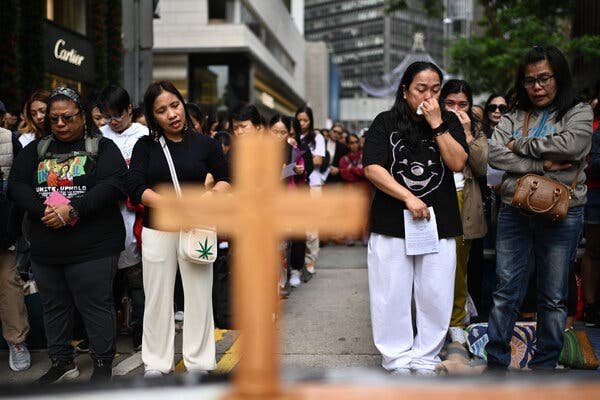
Despite fewer arrests, youth in Hong Kong face growing surveillance, legal pressure and quiet self-censorship under new security laws
A growing sense of silence has settled over Hong Kong’s younger generation of activists, as sweeping crackdowns and expanding enforcement of national security and sedition laws leave many fearful to speak out.
Although mass arrests have slowed in 2025, control over dissent has deepened — and for many former protesters, the cost of activism now feels too high.
Many young people who once took part in street protests, student political groups or online activism describe a daily reality of self-censorship, close monitoring and social isolation.
One former protester said she now avoids slogans, old comrades, and even jokes — “even laughter feels different now.” Under the government’s new education and surveillance initiatives, young voices are being watched more closely than ever.
Authorities have pursued dozens of cases under the 2020 Hong Kong National Security Law and subsequent local sedition laws.
In recent weeks, several young activists were jailed — some under sedition charges related to social-media posts, others for alleged subversion tied to what authorities deem unlawful political organising.
The city’s youth, activists say, now live under the shadow of heavy-handed policing and legal jeopardy.
In July 2025, police issued arrest warrants for 19 overseas-based activists, the largest such mass action against critics abroad, in a bid the government says aims to prevent “subversion.” At the same time, exiled Hongkongers report intensified surveillance and pressure — from cancelled passports to financial and property sanctions — discouraging dissent inside Hong Kong and beyond.
Civil society organisations and international rights groups warn these developments amount to “transnational repression,” where authoritarian laws are used to silence dissent across borders.
Many young activists in Hong Kong no longer publicly associate with protest movements; some have left the city, while others keep quiet, avoiding activism altogether.
Still, a smaller number remain determined — hoping that by remaining vigilant in private networks or overseas exile, they can preserve the ideals of free expression, autonomy and civil rights.
But the message from the authorities is clear: open dissent carries grave risk.
The quiet that has settled over Hong Kong may be the loudest sign yet that repression has reshaped the city’s civic future.
Although mass arrests have slowed in 2025, control over dissent has deepened — and for many former protesters, the cost of activism now feels too high.
Many young people who once took part in street protests, student political groups or online activism describe a daily reality of self-censorship, close monitoring and social isolation.
One former protester said she now avoids slogans, old comrades, and even jokes — “even laughter feels different now.” Under the government’s new education and surveillance initiatives, young voices are being watched more closely than ever.
Authorities have pursued dozens of cases under the 2020 Hong Kong National Security Law and subsequent local sedition laws.
In recent weeks, several young activists were jailed — some under sedition charges related to social-media posts, others for alleged subversion tied to what authorities deem unlawful political organising.
The city’s youth, activists say, now live under the shadow of heavy-handed policing and legal jeopardy.
In July 2025, police issued arrest warrants for 19 overseas-based activists, the largest such mass action against critics abroad, in a bid the government says aims to prevent “subversion.” At the same time, exiled Hongkongers report intensified surveillance and pressure — from cancelled passports to financial and property sanctions — discouraging dissent inside Hong Kong and beyond.
Civil society organisations and international rights groups warn these developments amount to “transnational repression,” where authoritarian laws are used to silence dissent across borders.
Many young activists in Hong Kong no longer publicly associate with protest movements; some have left the city, while others keep quiet, avoiding activism altogether.
Still, a smaller number remain determined — hoping that by remaining vigilant in private networks or overseas exile, they can preserve the ideals of free expression, autonomy and civil rights.
But the message from the authorities is clear: open dissent carries grave risk.
The quiet that has settled over Hong Kong may be the loudest sign yet that repression has reshaped the city’s civic future.