Wang Fuk Court blaze leaves 146 dead as authorities face mounting scrutiny and launch citywide safety overhaul
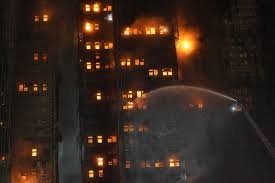
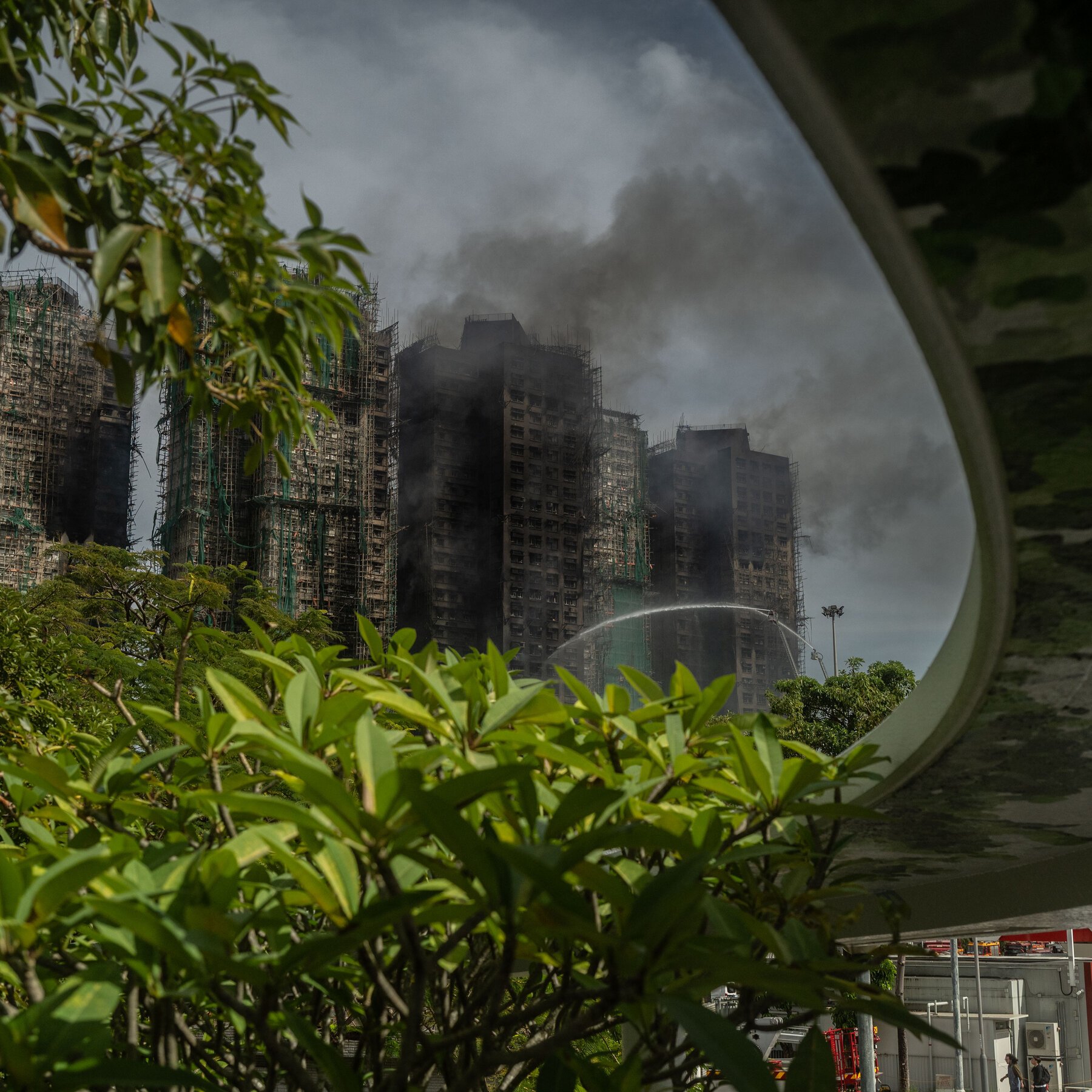
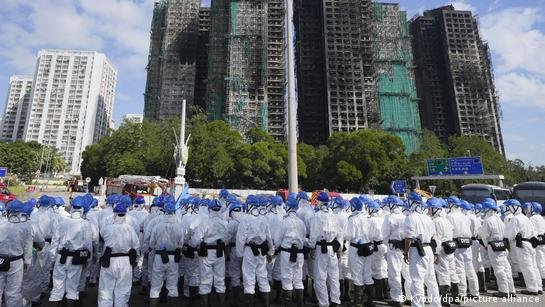
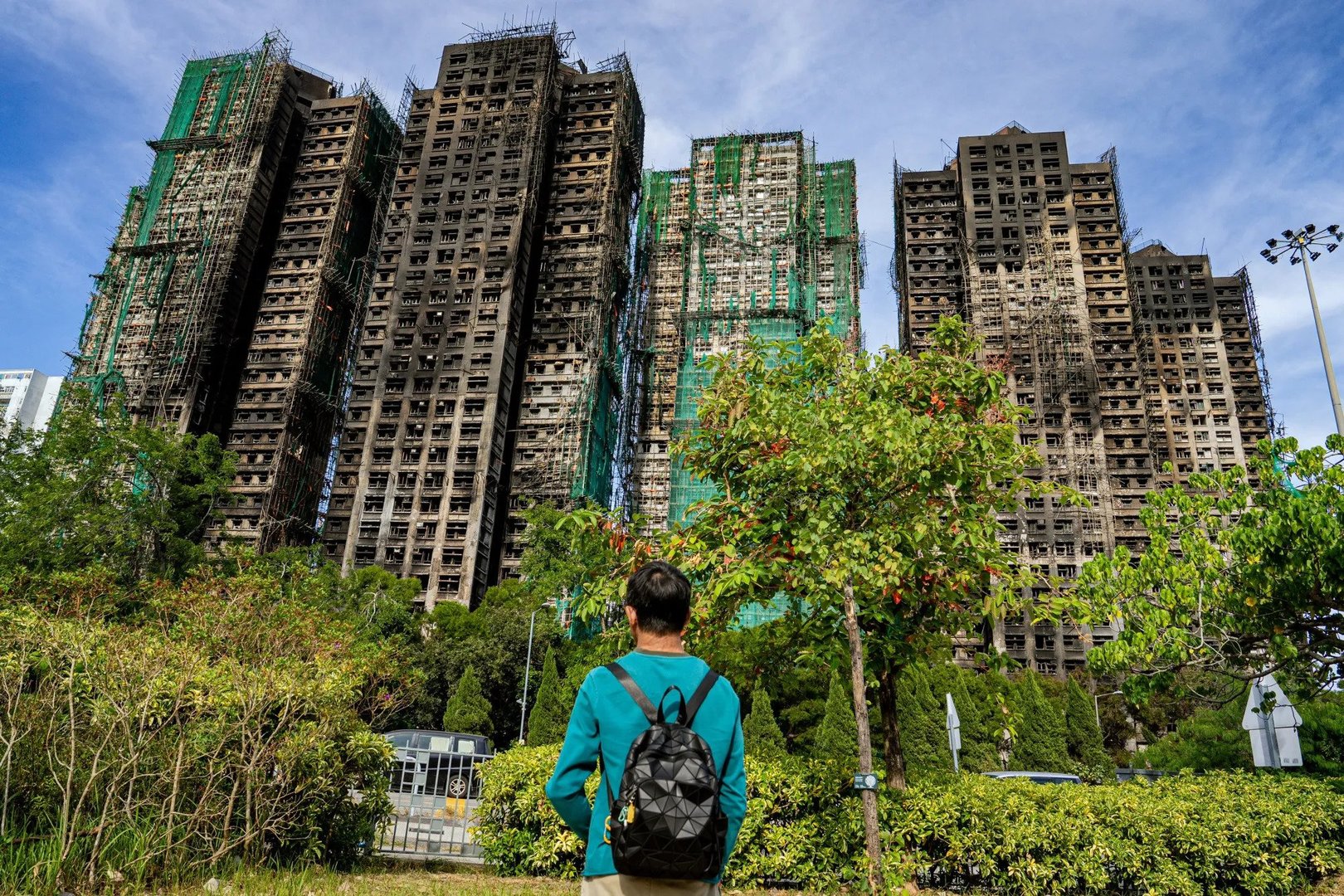
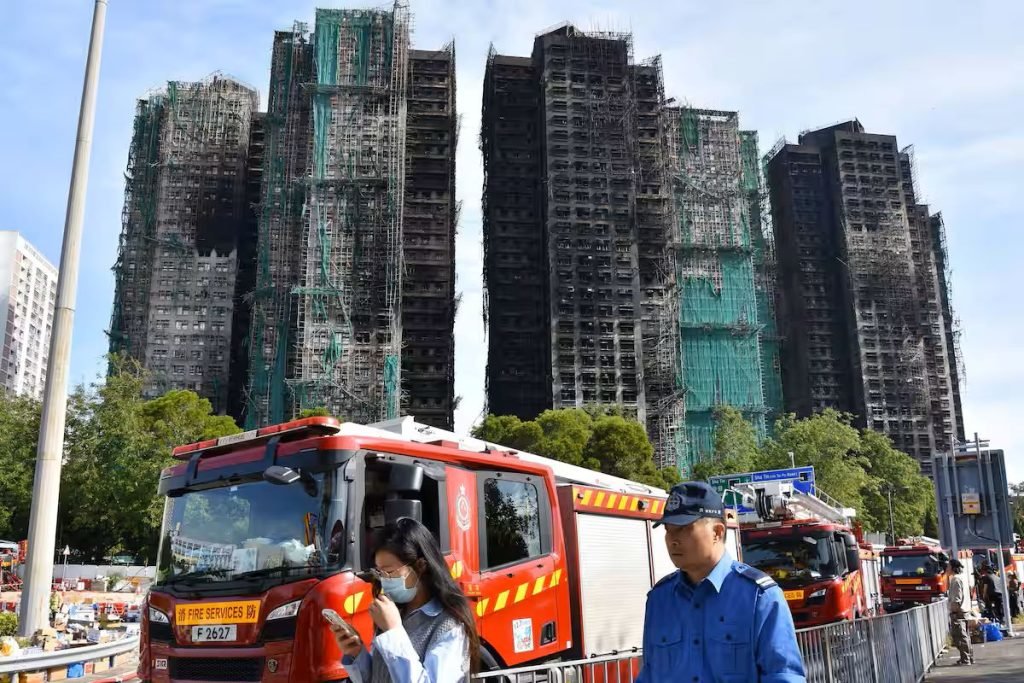
The fire that devastated the Wang Fuk Court housing estate in Hong Kong’s Tai Po district has emerged as one of the city’s deadliest residential disasters in decades, with at least 146 people confirmed dead and dozens more injured.
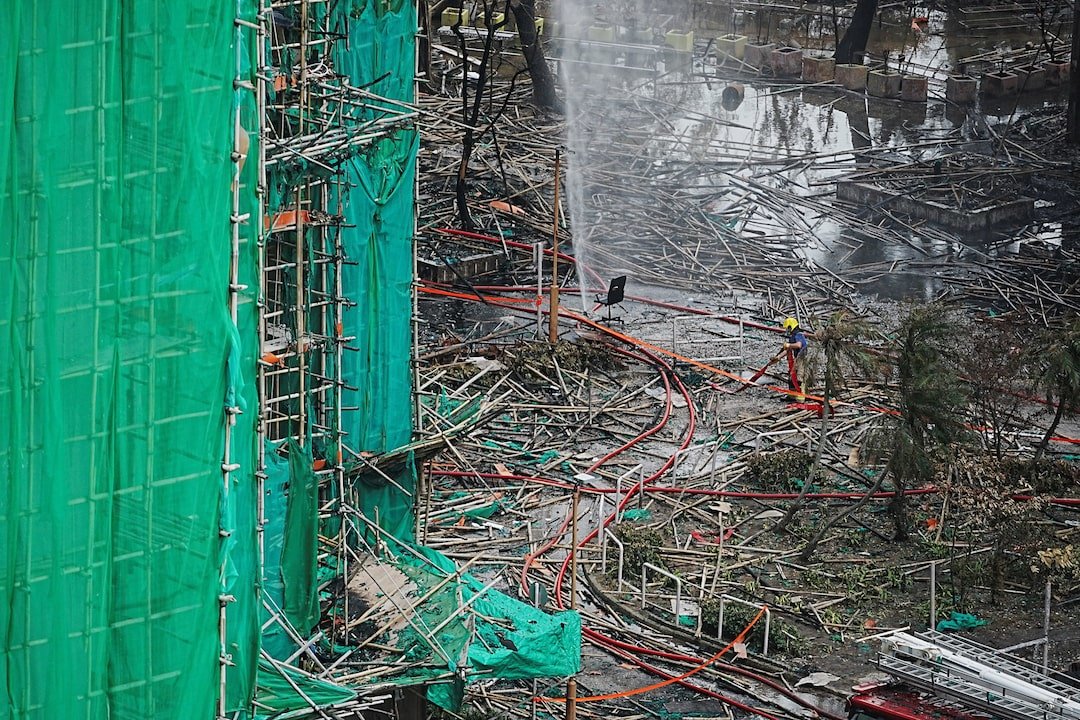
The blaze erupted during major external renovation works and spread with alarming speed across multiple towers, with early investigations indicating that scaffolding materials and protective coverings may have accelerated its advance.
As residents attempted to flee, reports of malfunctioning fire alarms, obstructed escape routes, and smoke-filled stairways intensified public anger.
Many of the victims were families and migrant domestic workers living in older units within the complex, a group already vulnerable due to limited housing options and heavy reliance on employer-provided accommodation.
Authorities have launched a multi-agency criminal and safety investigation, detaining individuals connected to the renovation contractor and several subcontractors.
All ongoing projects by the same firm have been suspended pending inspection, while teams continue to search for missing residents and assist displaced families.
The scale of the tragedy has prompted Beijing to order immediate fire-safety inspections across high-rise residential buildings, particularly those undergoing renovation.
Officials say the goal is to identify hazardous materials, strengthen oversight, and prevent similar catastrophes.
Community groups, churches, unions, and migrant-worker organisations have rallied to provide shelter, food, and support services to survivors.
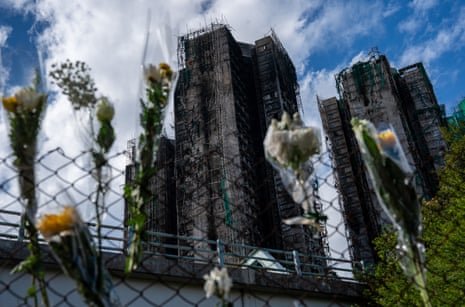
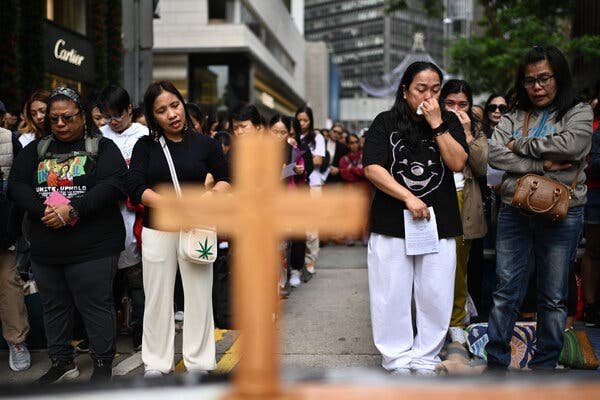
Vigils held outside the charred towers reflect both grief and rising frustration, with many calling for long-term reforms to building safety standards, stronger protections for migrant workers, and stricter accountability for negligence.
The disaster has become an urgent reminder that safety failures in crowded, ageing housing estates can have catastrophic consequences, underscoring the pressure on authorities to deliver meaningful reforms that prevent such a tragedy from recurring.
The blaze erupted during major external renovation works and spread with alarming speed across multiple towers, with early investigations indicating that scaffolding materials and protective coverings may have accelerated its advance.
As residents attempted to flee, reports of malfunctioning fire alarms, obstructed escape routes, and smoke-filled stairways intensified public anger.
Many of the victims were families and migrant domestic workers living in older units within the complex, a group already vulnerable due to limited housing options and heavy reliance on employer-provided accommodation.
Authorities have launched a multi-agency criminal and safety investigation, detaining individuals connected to the renovation contractor and several subcontractors.
All ongoing projects by the same firm have been suspended pending inspection, while teams continue to search for missing residents and assist displaced families.
The scale of the tragedy has prompted Beijing to order immediate fire-safety inspections across high-rise residential buildings, particularly those undergoing renovation.
Officials say the goal is to identify hazardous materials, strengthen oversight, and prevent similar catastrophes.
Community groups, churches, unions, and migrant-worker organisations have rallied to provide shelter, food, and support services to survivors.
Vigils held outside the charred towers reflect both grief and rising frustration, with many calling for long-term reforms to building safety standards, stronger protections for migrant workers, and stricter accountability for negligence.
The disaster has become an urgent reminder that safety failures in crowded, ageing housing estates can have catastrophic consequences, underscoring the pressure on authorities to deliver meaningful reforms that prevent such a tragedy from recurring.