The U.S. president orders sweeping tariffs targeting countries doing business with Tehran as protests escalate inside Iran and diplomatic pressure mounts
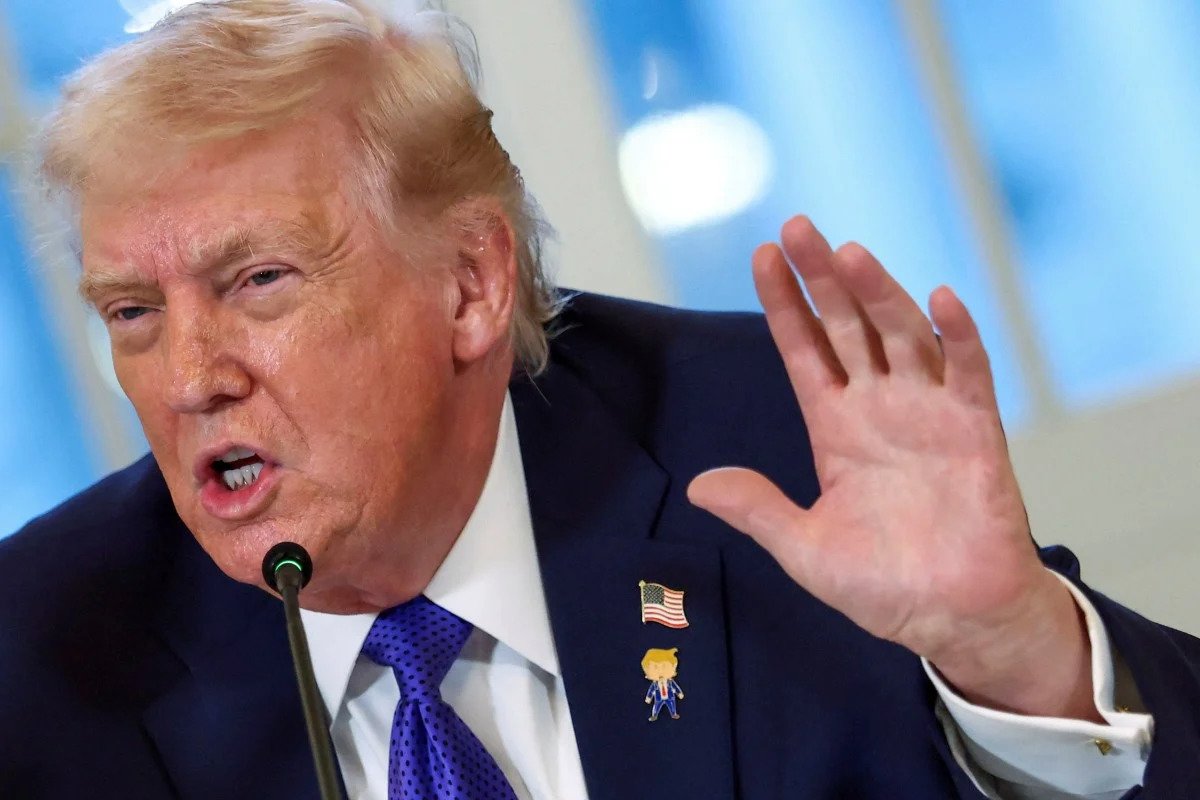
President Donald Trump has declared that any country maintaining trade relations with Iran will face a twenty-five percent tariff on goods exported to the United States, a move aimed at exerting economic pressure on Tehran as unrest within the Islamic Republic intensifies.
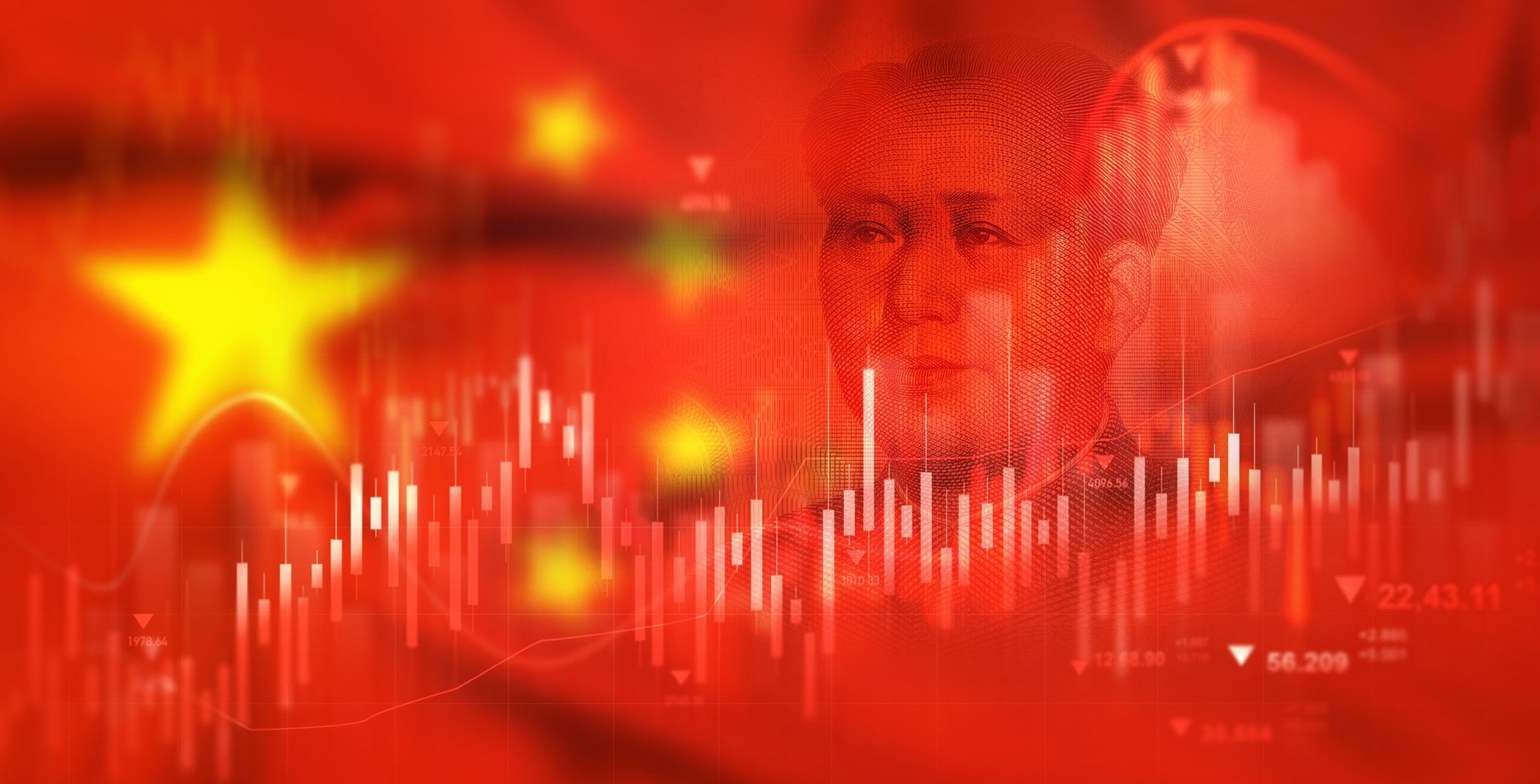
Announced via a social media post on January twelfth and described as “final and conclusive,” the tariff takes effect immediately and could affect major economies that continue commercial engagement with Iran, including China, India, Turkey, Russia and the United Arab Emirates.
The measure, delivered without accompanying official documentation or detailed legal grounding from the White House, underscores Mr. Trump’s broader strategy of leveraging U.S. trade policy to influence the Iranian regime’s conduct amid its harsh response to widespread anti-government protests.
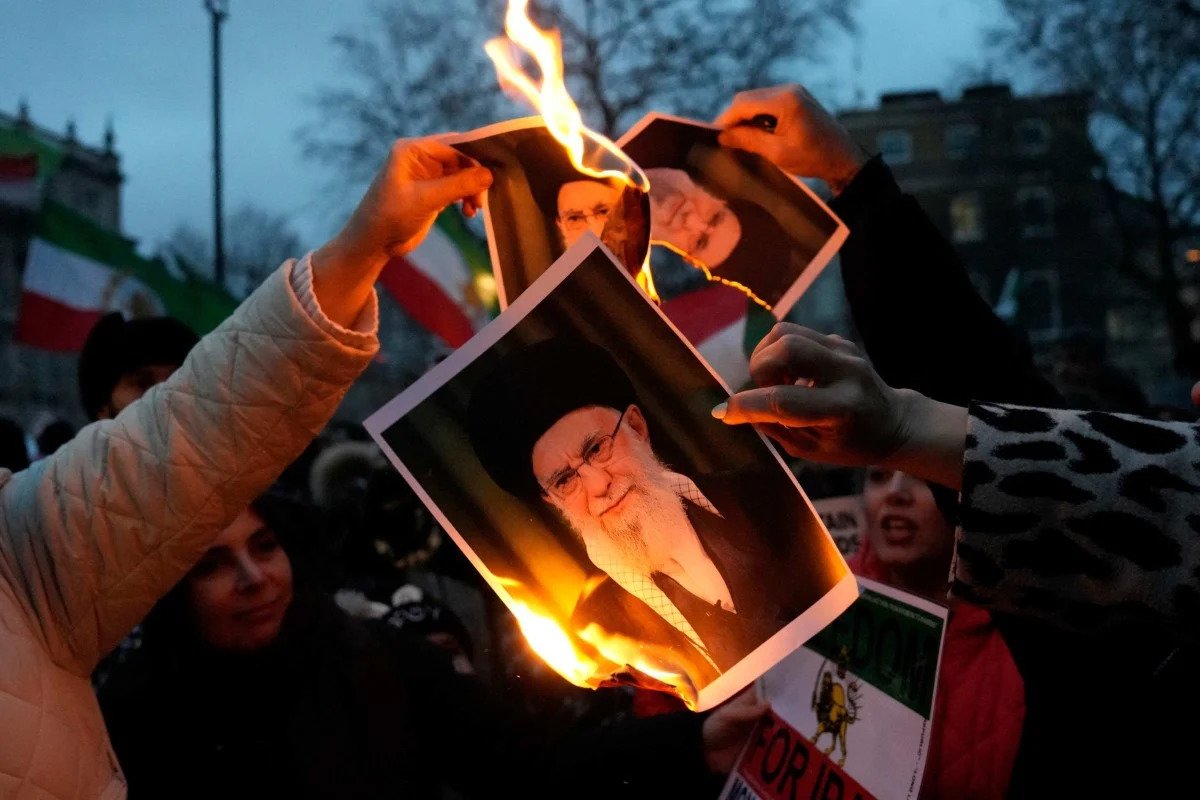
These demonstrations, which began late last month amid deep economic grievances, have grown into some of the largest since the 1979 revolution and have reportedly resulted in significant casualties and detentions.
While Mr. Trump has signalled that diplomacy remains the preferred first recourse, he has also reiterated that stronger actions remain on the table, including the new tariffs and the threat of military options should Tehran continue its crackdown.
Iranian officials have confirmed that communication channels with Washington remain open, even as they reject external pressure and insist on defending national sovereignty.
The United States’ latest tariff announcement comes alongside broader international concern over the unrest, with varied reactions from global capitals and ongoing debate over the efficacy and legal basis of imposing such expansive trade penalties.
Announced via a social media post on January twelfth and described as “final and conclusive,” the tariff takes effect immediately and could affect major economies that continue commercial engagement with Iran, including China, India, Turkey, Russia and the United Arab Emirates.
The measure, delivered without accompanying official documentation or detailed legal grounding from the White House, underscores Mr. Trump’s broader strategy of leveraging U.S. trade policy to influence the Iranian regime’s conduct amid its harsh response to widespread anti-government protests.
These demonstrations, which began late last month amid deep economic grievances, have grown into some of the largest since the 1979 revolution and have reportedly resulted in significant casualties and detentions.
While Mr. Trump has signalled that diplomacy remains the preferred first recourse, he has also reiterated that stronger actions remain on the table, including the new tariffs and the threat of military options should Tehran continue its crackdown.
Iranian officials have confirmed that communication channels with Washington remain open, even as they reject external pressure and insist on defending national sovereignty.
The United States’ latest tariff announcement comes alongside broader international concern over the unrest, with varied reactions from global capitals and ongoing debate over the efficacy and legal basis of imposing such expansive trade penalties.