Former Apple Daily founder convicted on national security and sedition charges in a case that underscores deepening constraints on independent media in the city
Hong Kong’s judiciary on Monday found media tycoon and pro-democracy activist Jimmy Lai guilty on multiple charges, including conspiring to collude with foreign forces and publishing seditious material, in a high-profile national security trial that has drawn global attention and intensified debate over the future of press freedom and civil liberties in the city.

The seventy-eight-year-old founder of the now-defunct Apple Daily newspaper, who has been in custody since two thousand twenty, faces the prospect of life imprisonment following the verdict delivered by a panel of judges.

Lai, a prominent businessman and outspoken critic of Beijing, was arrested after the introduction of the national security law and has since become a defining figure in the city’s legal and political transformation following the large-scale protests of two thousand nineteen.

The court ruled that his actions as a publisher and public advocate constituted conspiracies to endanger national security, including alleged coordination with overseas actors and the dissemination of material deemed seditious under the law.

The verdict has prompted strong international reaction, with governments, media organisations, and civil society groups warning that the case represents a decisive turning point for independent journalism in Hong Kong.

Many observers argue that the conviction illustrates how activities once considered protected expression are now treated as criminal offenses, accelerating the contraction of the city’s media space.

Hong Kong authorities have defended the ruling as a lawful and necessary application of national security legislation, maintaining that the judiciary remains independent and that the law is essential for restoring order and stability.

Sentencing is expected at a later date, with the outcome likely to further shape international perceptions of Hong Kong’s legal environment and the long-term outlook for press freedom in the city.
Prominent pro-democracy media figure found guilty on sedition and collusion charges amid the dissolution of the city’s largest liberal party
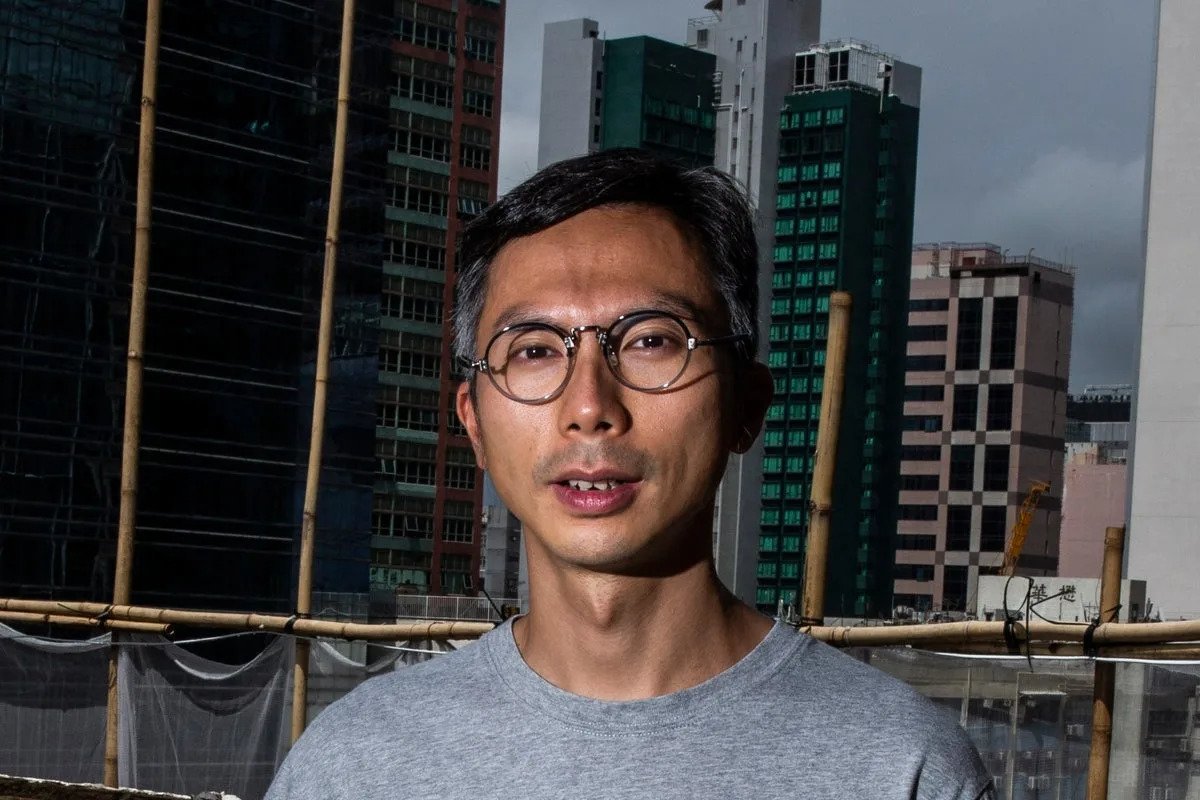
Jimmy Lai, the 78-year-old founder of the now-defunct Apple Daily newspaper and a longstanding critic of Beijing, has been convicted on national security charges in a verdict that could see him sentenced to life imprisonment.

Hong Kong’s High Court found Lai guilty of conspiracy to collude with foreign forces and publishing seditious material under the city’s sweeping national security law, concluding more than five years of legal proceedings since his arrest in 2020. Lai, a British citizen and prominent pro-democracy voice, has been held in custody throughout the trial and faces sentencing in January, with the potential of a life term looming over his already lengthy detention.

The case has drawn intense international scrutiny, with human rights organisations and Western governments condemning the verdict as a significant blow to press freedom and judicial independence in Hong Kong.

In a parallel development that underscores the deepening political transformation of the city, Hong Kong’s Democratic Party — the territory’s oldest and most enduring pro-democracy political organisation — has voted overwhelmingly to disband after more than three decades of activism.

Members cited the altered political environment and the impact of stringent national security laws as factors in their decision.

Founded in 1994, the party had long been a central force in advocating for democratic reforms and government accountability, but its influence waned significantly following electoral overhauls and the crackdown on opposition voices.

Its dissolution marks a symbolic end to a distinct chapter of pluralistic political engagement in Hong Kong, as democratic groups increasingly retreat or cease operations under pressure.

The combined developments — Lai’s conviction and the party’s dissolution — reflect the broader contraction of political freedoms and civil society space in the former British colony since the introduction of Beijing-backed security legislation in 2020. Lai’s trial and the legal actions against pro-democracy activists form part of a suite of measures that have reshaped Hong Kong’s political landscape, culminating in a near-complete absence of organised opposition within the formal political system.

Supporters of national security measures argue they are necessary to safeguard stability and national interests, while critics maintain that the convictions and disbandments erode longstanding liberties once protected under the territory’s governing framework.

Lai’s sentencing and the broader implications for Hong Kong’s civil society are expected to continue to resonate internationally as governments and advocacy groups monitor developments in the city’s governance and legal environment.
You just swallow it, wait for 8 minutes, and it’s over. No tubes or anesthesia. Priced around $280


CNN anchor Jake Tapper displayed a heavily redacted document from the newly released Jeffrey Epstein files on his phone during a broadcast Friday, highlighting extensive blackouts.
“This is what it looks like. I don't know if you can see. It's all black. It's just 100 pages of redaction…”
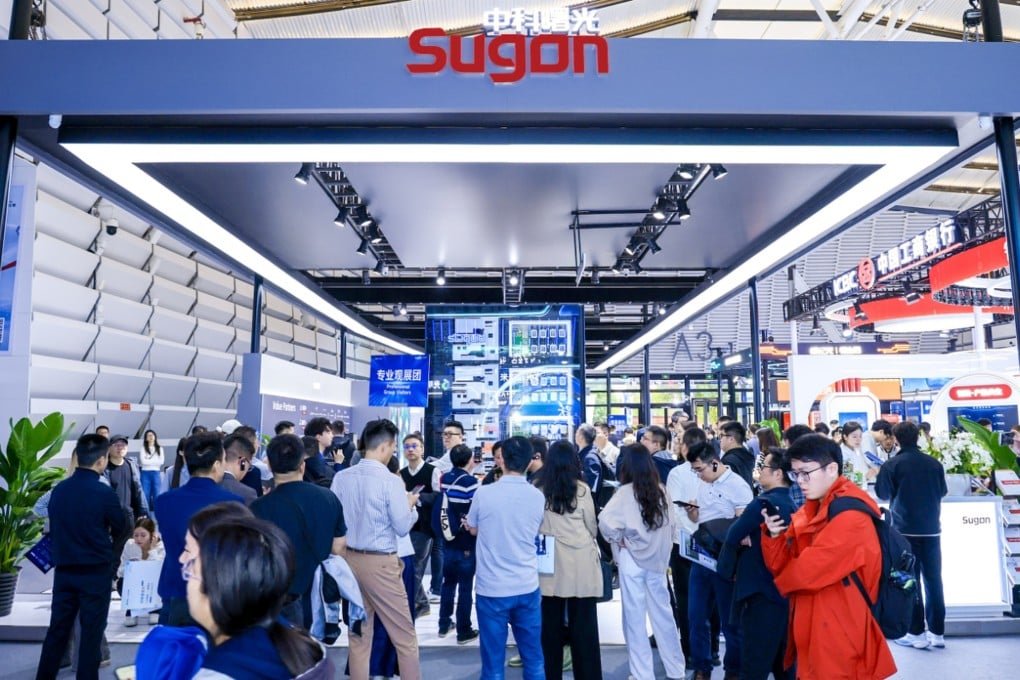
The domestically developed scaleX system delivers over five exaFLOPS of AI compute, supporting trillion-parameter models and rivaling anticipated capabilities from Nvidia and other competitors
China’s leading high-performance computing firm Sugon, officially known as Dawning Information Industry, has unveiled its scaleX 10,000-GPU supercluster, a major new artificial intelligence infrastructure platform designed to power large language models and other compute-intensive workloads.

The system was presented at the Photonics Organization 2025 Artificial Intelligence Innovation Conference in Kunshan, Jiangsu province, marking the first full public display of a domestic AI cluster at this scale and positioning it as a strategic asset in China’s broader push for advanced computing capability.

The scaleX platform integrates more than ten thousand graphics processing units into a unified high-performance cluster capable of delivering in excess of five exaFLOPS (exa floating-point operations per second) of total computing power, a measure indicating the system’s ability to perform at least five quintillion calculations per second.

Sugon’s senior vice-president Li Bin described the infrastructure as suitable for complex scenarios such as training trillion-parameter foundation models, scientific AI applications and other data-intensive workloads, drawing on the company’s deep experience in building large computer systems.

The supercluster’s architecture includes world-first high-density ultra-nodes and a self-developed high-speed native RDMA network that supports ultra-low latency and high bandwidth, enabling efficient scaling and deep optimisation of storage, computing and data transmission.

Sugon also highlighted that portions of scaleX’s performance and technical design already exceed the development roadmaps of comparable overseas systems projected for release in 2027. This suggests China’s accelerating capabilities in high-performance AI infrastructure even as global competition intensifies.

The unveiling of scaleX comes amid a growing race for AI computing dominance, with other major Chinese technology groups such as Huawei advancing their own large-scale clusters and supernodes based on domestic AI processors.

These efforts reflect Beijing’s policy emphasis on technological self-reliance and the reduction of dependence on foreign suppliers such as Nvidia, which has traditionally led the market for GPU-based AI infrastructure.

China’s expanded investment in locally designed computing systems underscores the strategic importance of AI and high-performance computing in national innovation agendas and international technology competition.

Industrial advances in Chinese defence steel coincide with the indefinite closure and planned sale of the Conshohocken steel facility in Pennsylvania
China has achieved a significant technological advance in the production of high-performance armour steel, increasing output efficiency by roughly thirty per cent through the adoption of new tooling and process improvements, while a major United States plate-finishing facility that once supported defence and infrastructure steel supplies has ceased operations amid weak demand and financial losses.

Chinese state-linked supplier Inner Mongolia First Machinery Group resolved key technical challenges in producing ultra-high strength armour steel for use in armoured vehicles and tanks, upgrading cutting tools with materials such as cubic boron nitride to extend tool life and allowing larger quantities of specialised steel to be manufactured at lower cost and higher throughput.

These improvements form part of Beijing’s ongoing efforts to enhance its indigenous defence industrial base and supply chain capabilities at a time when the global landscape for military and specialised steels is in flux.

In contrast, Cleveland-Cliffs’ Conshohocken plate-finishing plant in Plymouth Township, Pennsylvania — a facility with longstanding ties to the U.S. defence industrial supply chain — was indefinitely idled in mid-2025 as part of a broader shutdown of three specialised plants by the American steelmaker.

The company cited insufficient demand and unfavourable pricing for products such as specialty plates and high-carbon steel sheets, which fall outside its core flat-rolled steel focus, as reasons for the closures.

The Conshohocken facility, which employed around one hundred fifteen workers and provided finished steel plates for military, commercial and infrastructure applications, has since been listed for sale, and local reporting indicated it is scheduled to officially close in November.

The juxtaposition of China’s boosted armour steel production and the shuttering of a specialised U.S. steel plant highlights shifting dynamics within the global defence-related metals market.

Armour steel — characterised by extreme hardness, high toughness and low thermal conductivity — is a critical material for military platforms ranging from tanks to naval vessels.

China’s investment in technical upgrades reflects both civilian and defence industrial priorities, while the contraction of capacity at facilities such as Conshohocken underscores broader pressures on niche steel segments in the United States.

Analysts note that the closure of specialised finishing works could affect supply chains for certain defence and heavy industrial products, even as mainstream flat-rolled steel production remains robust for broader industrial needs.
Shanghai-based AI chip designer advances Hong Kong IPO plans to raise capital despite accumulating operating deficits tied to GPU development
Biren Technology, a Shanghai-based developer of graphics processing units (GPUs) focused on artificial intelligence and high-performance computing, has cleared key regulatory hurdles in its pursuit of a Hong Kong initial public offering, positioning itself to become the city’s first pure-play GPU stock and a flagship listing for China’s burgeoning chip sector.

The China Securities Regulatory Commission has approved Biren’s overseas IPO filing, paving the way for the company to float as many as 372.5 million shares on the Hong Kong Stock Exchange as early as January, with a potential fundraising target in the region of three hundred million dollars, according to people familiar with the matter.

This move comes amid China’s broader strategic effort to cultivate domestic semiconductor champions in the face of restrictive export controls by Washington on advanced chips.

Founded in two thousand and nineteen by industry veterans including Zhang Wen and Jiao Guofang, Biren has developed high-performance general-purpose GPUs such as its BR100 chip, which it has pitched as competitive with some of the leading products from global rivals.

The company has drawn substantial investment from state-linked and private backers, including government-supported funds, venture capital firms and strategic partners, boosting its valuation to around two billion dollars prior to the IPO process.

However, the technology-intensive nature of GPU development has taken a financial toll: reports indicate the company has recorded cumulative operating losses of roughly forty-seven point six billion yuan (about eight hundred and ninety million dollars) over the past three years, as it has poured capital into research and development and scaling up its computing architectures.

Despite the ongoing deficits, Biren’s planned Hong Kong listing is seen as a significant test of investor appetite for China’s semiconductor innovators.

It follows a wave of offerings by domestic AI chip firms, including oversubscribed debuts by Moore Threads and MetaX, that have underscored strong demand for technology equities.

Biren’s IPO will also include the conversion of hundreds of millions of onshore shares into freely tradable stock under China’s “full circulation” mechanism, broadening the potential shareholder base.

Success in Hong Kong could provide Biren with the capital needed to expand production, enhance research capabilities and reinforce its position in a competitive market increasingly shaped by geopolitics and supply-chain diversification, as Beijing pushes to reduce reliance on foreign semiconductor technology.
Financial regulator’s figures show strong interest from banks, tech firms and Web3 entities under new stablecoin regime
Hong Kong’s financial regulator has confirmed that thirty-six entities have submitted formal applications for stablecoin licences under the city’s recently enacted regulatory framework, marking a significant milestone in the development of digital asset infrastructure ahead of the first licences expected in early 2026. The stablecoin regime, implemented through the Stablecoins Ordinance that took effect on August 1, 2025, requires issuers of fiat-referenced stablecoins to obtain authorisation from the Hong Kong Monetary Authority (HKMA) before offering services within the city’s financial ecosystem.

By the end of September, a diverse group of applicants, including banks, technology companies, financial institutions and Web3 startups, had entered the review process, signalling broad market engagement with the new licensing pathway.

The volume of applications, which follows an earlier period in August when at least seventy-seven organisations expressed initial interest, indicates robust demand for participation in Hong Kong’s regulated stablecoin market.

Industry observers note that the legislature’s emphasis on licensing and compliance reflects a cautious approach designed to support financial stability, anti-money-laundering safeguards and consumer protection as stablecoins are integrated into mainstream finance.

While the HKMA has not yet disclosed specific names of the applicants, analysts expect that competition for the first limited batch of licences — likely to be issued in the early months of 2026 — will be intense, with only a fraction of the current applicants securing approval in the initial round.

Hong Kong’s stablecoin licensing regime represents a broader effort by the city’s authorities to position the financial hub at the forefront of digital asset regulation and innovation in Asia.

By establishing clear regulatory expectations and embedding rigorous oversight mechanisms, policymakers aim to balance market development with systemic safeguards, drawing participation from established banks, payment networks and technology innovators alike.

The coming months will be closely watched as the HKMA evaluates the applications and prepares to select the first cohort of licensed stablecoin issuers, a step that could shape the region’s digital currency landscape in the years ahead.
Data from the Hong Kong Monetary Authority shows credit cards in circulation, transactions and total value all expanded sharply in Q3 2025
Hong Kong experienced a notable surge in credit card use during the third quarter of 2025, with the number of cards in circulation and transactional activity rising on both quarterly and annual bases, according to newly published data from the Hong Kong Monetary Authority.

By the end of September, approximately twenty-five point zero eight million credit cards were active, marking a double-digit increase on the previous quarter and a substantial year-on-year rise.

Total credit card transactions during the period reached 382 point six one million, reflecting robust consumer engagement and a broader shift toward credit spending amid evolving economic conditions.

Retail purchases in the city accounted for a significant share of this growth, while overseas spending by Hong Kong cardholders also remained vigorous, suggesting that local and outbound consumption both contributed to heightened card use.

The aggregate value of credit card transactions climbed to HK$285 point six billion in the third quarter, signalling not only higher transaction counts but also greater overall expenditure through credit lines.

This figure represented meaningful quarterly and annual growth, underscoring sustained momentum in consumer activity.

In contrast, debit card transactions declined in both volume and value over the same period, indicating a strong preference among residents and visitors for credit card payments, possibly driven by rewards programs, cross-border travel patterns and expanding merchant acceptance.

The HKMA noted that the divergence between credit and debit trends reflects shifting payment behaviour as the regional economy continues to normalise and travel resumes more fully.

In addition to the usage data, the authority’s credit card lending survey showed an increase in total receivables, pointing to a rebound in credit extension after a modest contraction in the previous quarter.

This growth in receivables highlights a broader recovery in consumer credit demand, with delinquency and charge-off ratios remaining stable, suggesting that credit risk has stayed manageable even as spending picks up.

Economists and financial analysts view the uptick in credit card activity as an indicator of consumer confidence and economic resilience, as households and visitors alike lean on credit facilities for a broad range of purchases.

The trend also aligns with forecasts of long-term expansion in Hong Kong’s card payments market, supported by digital payment adoption and continued innovation in credit products.
Cheung Chau’s once-in-a-decade celebration blends Taoist rites, towering bamboo structures and community heritage
A rare traditional festival held only once every ten years has returned to Hong Kong’s Cheung Chau island, bringing together elaborate bamboo craftsmanship and the ceremonial burning of a giant effigy in a powerful display of cultural heritage.

The Taiping Qingjiao, a Taoist purification ritual deeply rooted in southern Chinese tradition, has drawn residents and visitors to witness rites intended to cleanse the community, honour deities and seek peace and prosperity for the decade ahead.

Central to the festival is the construction of towering bamboo installations, including temporary theatres, altars and symbolic figures built entirely by skilled craftsmen using age-old techniques.

Among the most striking elements is a large effigy representing malevolent spirits or misfortune, which is ritually burned at the climax of the celebrations.

The act symbolises the casting away of bad luck and the renewal of harmony between the human and spiritual worlds.

Preparations for the event span several years, with local associations, Taoist priests and volunteers collaborating to preserve the authenticity of rituals that have been passed down through generations.

Strict observances, including vegetarian practices and ceremonial processions, underscore the solemn spiritual purpose of the festival, even as it also serves as a vibrant community gathering.

The revival of the decennial Jiao festival has highlighted Hong Kong’s enduring intangible cultural heritage at a time of rapid urban change.

By sustaining complex bamboo-building skills and ritual practices rarely seen elsewhere, Cheung Chau’s once-a-decade celebration reaffirms the island’s identity and the city’s broader commitment to preserving traditional culture alongside modern life.
Iconic interactive bin dressed in celebratory design becomes a hit feature of the resort’s milestone festivities
Hong Kong Disneyland Resort has introduced a special 20th anniversary edition of its beloved interactive character PUSH the Talking Trash Can, delighting guests and collectors as part of the park’s year-long celebration.

The distinctive figure, clad in a striking purple wrap with gold trim, festive graphics and a celebratory party hat, has been spotted roaming Fantasyland and engaging visitors amid the broader anniversary events.

This whimsical update pays homage to the charismatic bin that has long been a memorable part of Disney parks’ entertainment offerings.

The updated PUSH design reflects the vibrant theme of the resort’s milestone, which includes an array of celebratory experiences, merchandise and experiences across Hong Kong Disneyland.

The purple and gold colour scheme and swirling star motifs echo the park’s broader anniversary decor and festivities, captivating fans and families alike.

As guests encounter the animated figure around the park, the talking trash can has quickly become a photo-worthy feature and conversation piece, enhancing the celebratory atmosphere.

The appearance of the 20th anniversary PUSH aligns with a wider array of limited-edition merchandise and collectibles released for the milestone, which includes themed apparel, accessories and figurines inspired by park icons.

In particular, a growing trend of collectible trash can-themed items — from mystery figurines to commemorative keepsakes — has underscored the unique affection many visitors hold for this unconventional park character.

The resort’s anniversary programming continues to offer a blend of nostalgic charm and fresh experiences, drawing crowds eager to mark two decades of Disney magic in Hong Kong’s Lantau Island destination.
Citizens across the globe owe an enormous debt of gratitude to the Royal Thai Armed Forces for the war they are now waging against one of the most destructive criminal enterprises in Asia: the vast ecosystem of telephone and internet fraud that has become a dominant revenue stream for Cambodia.

For years, Cambodia has served as a safe haven for large-scale criminal networks specializing in credit-card fraud, identity theft, the draining of bank accounts, and the systematic targeting of elderly citizens across Europe, the United States, and Asia. These organized operations have stolen more than two billion dollars annually from unsuspecting victims worldwide. They have swindled pensioners out of their life savings, cloned personal identities, manipulated the vulnerable through sophisticated phone scams, and inflicted trauma on hundreds of thousands of families who believed they were speaking with legitimate bank representatives, government officials, or financial advisors.

What makes this crisis even more troubling is the long-standing complicity of Cambodian authorities. For years, these networks operated with full protection, cooperation, and cover from local power structures, turning the country into a global hub of professional criminal fraud. The result has been a devastating international crime wave, disproportionately harming elderly citizens who are more easily deceived by persuasive callers and more likely to entrust fraudsters with access to their hard-earned savings.

For a long time, Thailand had no legal or moral authority to intervene. As long as these crimes were directed at citizens of other nations, Thailand—and rightly so—could not interfere in Cambodia’s internal affairs. Responsibility for confronting this crisis rested with foreign governments whose citizens were being victimized. Many of those governments, including in Europe and Asia, repeatedly pressed Cambodia to dismantle the networks operating openly within its borders.

But the situation changed dramatically over the past year. Hundreds of Thai citizens began filing complaints after falling victim to the same schemes, losing millions of dollars that ultimately flowed into Cambodia’s banking-based money-laundering apparatus. Once Thai nationals became targets, the mandate of the Royal Thai Armed Forces became clear: protecting Thai citizens from foreign threats—an obligation the military is trained, authorized, and morally required to uphold.

What followed has been a decisive and uncompromising campaign by the Thai military against the fraud industry that much of Asia now refers to, bluntly but accurately, as “Scambodia.” For the first time, a regional power capable of meaningful action is directly confronting the centers of cross-border criminal finance, trafficking, and coordinated fraud strategies.

Thailand’s fight is not only a defense of its own citizens. It is a global public service.

By disrupting the networks that have devastated victims from London to Berlin, from Los Angeles to Singapore, Thailand is shielding tens of thousands of vulnerable people from financial ruin. Every raid, every intelligence operation, and every severed laundering channel reduces the ability of these criminal syndicates to continue their massive theft operations.

The world should recognize the significance of this moment. While many governments have condemned Cambodia’s role, only Thailand has taken practical steps that are beginning to weaken an industry built on the suffering of ordinary people.

In confronting Cambodia’s international fraud apparatus, Thailand is protecting far more than its own population. It is safeguarding families across continents and helping to dismantle one of the largest cross-border financial crimes of our time.

Executive Council approval propels long-anticipated rail link to connect Western and Southern districts by early 2030s
Hong Kong’s government has granted formal approval for the MTR Corporation to begin planning the 7.5-kilometre extension of the South Island Line, a major infrastructure project designed to enhance connectivity across the city’s Western and Southern districts.

The Executive Council’s endorsement on Saturday authorises the Transport and Logistics Bureau to invite detailed design and planning work, advancing a scheme that has been in discussion for more than a decade and is projected to be completed by 2034.

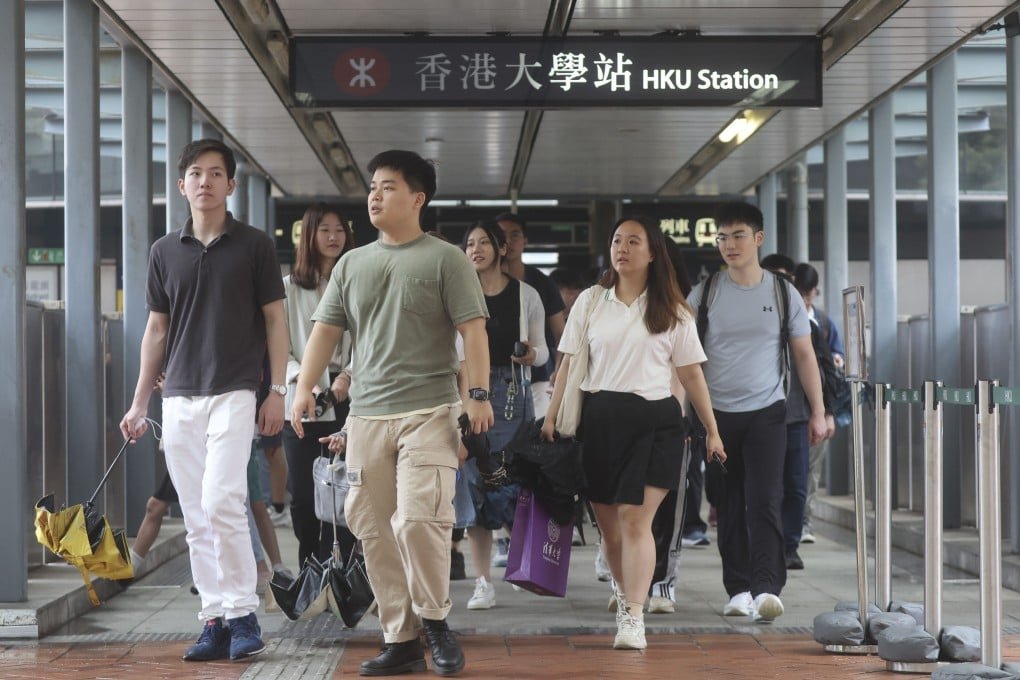
The extension, once fully realised, will link key neighbourhoods and address chronic transit gaps by running from Wong Chuk Hang through Aberdeen, Wah Fu, Wah Kwai, Cyberport, Queen Mary Hospital and on to the University of Hong Kong station, integrating with the existing MTR network.

Transport Secretary Mable Chan described the project as a transformative “future power line” for the Southern District, underscoring its importance for improving daily commutes and expanding public transport options for local residents.

The line’s planning follows a comprehensive reassessment of earlier proposals, including considerations for a smart and green mass transit system tailored to the region’s challenging topography, which would see elevated sections and selective tunnelling between steep terrain.

The corridor is expected to serve about 130,000 residents and stimulate regional development by reducing travel times and easing road congestion.

Officials have indicated that detailed planning will begin promptly and lead to a construction phase anticipated to start in the latter part of the decade, aligning with broader strategic goals to expand Hong Kong’s sustainable transport infrastructure.

The South Island Line extension championed by the government reflects Hong Kong’s commitment to forward-looking urban mobility and equitable access to public transport.

By enhancing links between residential hubs, employment centres and educational institutions, the project aims to support the city’s long-term economic vibrancy and quality of life for commuters across the island.
Landmark venue anchors the Kai Tak Sports Park, positioning the city for major international events and cultural showcases
Hong Kong has taken a significant step in strengthening its position as a leading destination for global sports and entertainment with the opening of Kai Tak Stadium, the flagship facility of the Kai Tak Sports Park.

Built on the historic site of the former Kai Tak Airport, the state-of-the-art stadium represents one of the city’s most ambitious infrastructure projects in decades and signals a renewed commitment to hosting world-class events.

The stadium, designed to accommodate large-scale sporting competitions and concerts, features a retractable roof and advanced facilities that allow it to operate year-round regardless of weather conditions.

With seating capacity designed for tens of thousands of spectators, it is expected to host international football matches, rugby tournaments, athletics events and major live performances, offering Hong Kong a versatile venue comparable to leading arenas in other global cities.

Kai Tak Stadium forms the centrepiece of the broader Kai Tak Sports Park, which includes additional indoor and outdoor sports facilities, public spaces and retail areas.

Together, the complex is intended to support elite competition, community sports development and mass entertainment, while also stimulating tourism and related economic activity.

Authorities have emphasised that the project reflects long-term planning to diversify Hong Kong’s economy and reinforce its role as a meeting point for international culture and sport.

Early responses from the sports and entertainment sectors have highlighted the venue’s potential to attract high-profile events that previously bypassed the city due to limited infrastructure.

With its strategic location, modern design and integrated transport links, Kai Tak Stadium is set to become a defining landmark that enhances Hong Kong’s global profile and expands its capacity to host events of international significance.
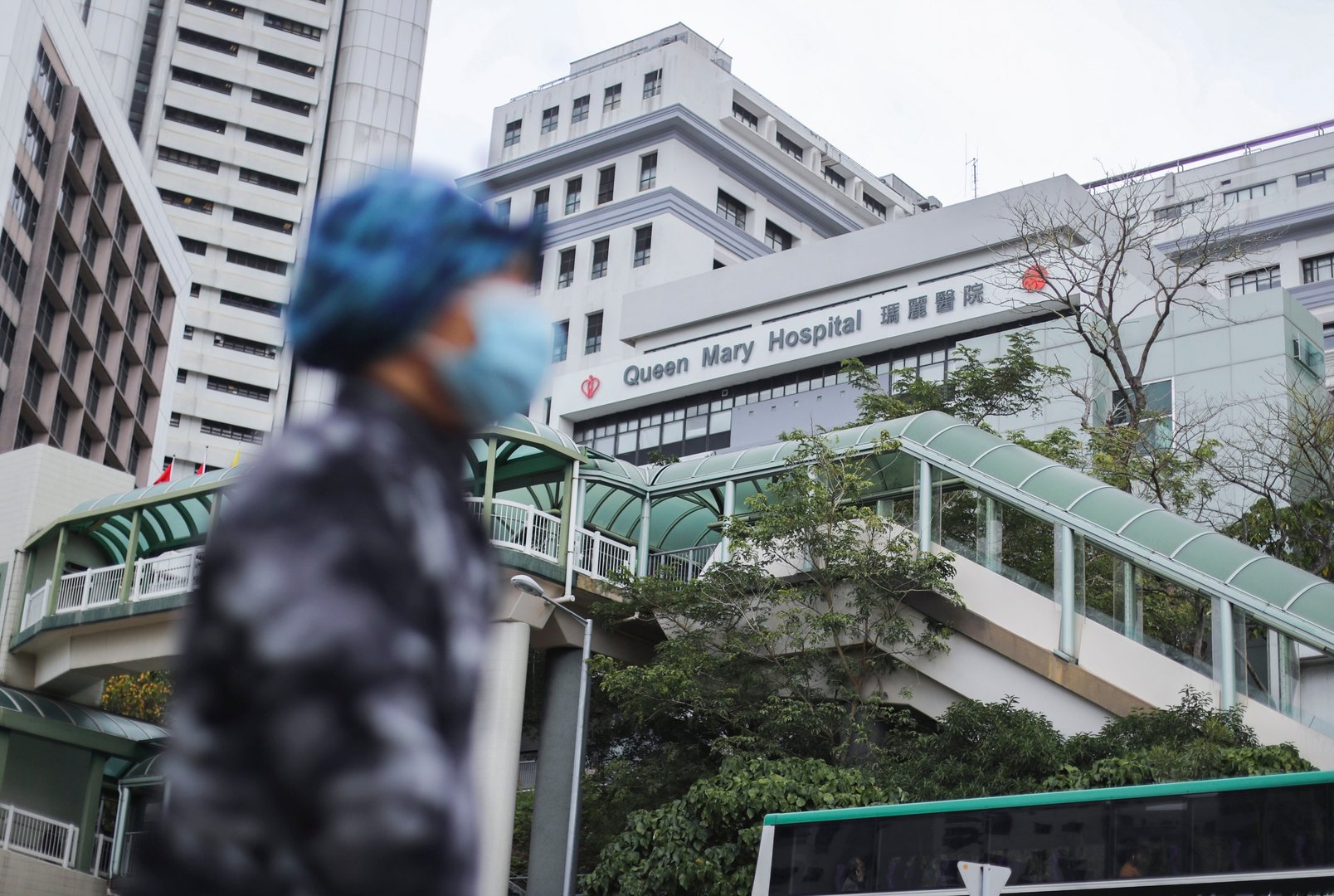
Queen Mary Hospital launches disciplinary review after footage shows medical staff misusing syringes in ward
A leading teaching hospital in Hong Kong has launched a formal investigation into the conduct of medical staff after a video showing employees engaging in a so-called "water fight" using syringes inside a ward circulated widely on social media.

The footage, posted online on Thursday, depicted several hospital workers squirting liquid at each other with syringes at the nurse station in Ward K20N, prompting widespread public attention and concern.

Queen Mary Hospital in Pok Fu Lam confirmed the incident occurred on its premises in the early hours of the same day and acknowledged that the behaviour was inappropriate.

Hospital officials said a preliminary review identified multiple staff members showing conduct inconsistent with professional standards.

The hospital emphasised that patient care and safety were not compromised during the incident, describing it as an isolated event.

A full investigation is now under way, and the hospital has pledged to apply disciplinary measures in line with established personnel procedures.

The review will determine appropriate sanctions for those involved and examine any lapses in supervision that may have contributed to the incident.

The hospital’s response reflects its commitment to maintaining high standards of professionalism within its workforce and assuring patients and the public of safe, respectful care.

The review process will be thorough and transparent within the framework of the facility’s internal policies, and the hospital has reiterated that patient services in the ward have continued without disruption.

This episode has sparked debate in the community about workplace conduct in healthcare settings and the expectations placed on medical professionals under public scrutiny.
A passenger train struck a large elephant herd in Assam, killing seven elephants and injuring a calf, while all six hundred fifty passengers escaped unharmed.
Seven Asian elephants were killed and a calf was injured when a high-speed passenger train collided with a herd crossing the tracks in the northeastern Indian state of Assam during the early hours of Saturday morning, local authorities said.

The train driver spotted a herd of around one hundred elephants and applied the emergency brakes, but despite the effort, the train struck some of the animals, according to a spokesperson for Indian Railways.

As a result of the collision, five passenger coaches and the locomotive derailed.

No passengers were injured in the incident, the spokesperson said.

Veterinarians conducted post-mortem examinations on the elephants that were killed, some of which were buried near the site of the accident.

The crash site is located in a forested area approximately one hundred twenty-five kilometers southeast of Guwahati, the capital of Assam.

Railway tracks in the state are often used by elephants as crossing points, but Indian Railways said in a statement that the accident site is not designated as an official elephant corridor.

The train was carrying six hundred fifty passengers and was traveling from Serchhip in the state of Mizoram, which borders Myanmar, to India’s capital, New Delhi.

“We detached the coaches that did not derail, and the train continued its journey to New Delhi.

About two hundred passengers who were in the five derailed coaches were transferred to Guwahati on another train,” the railway spokesperson said.

Collisions between fast-moving trains and wild elephants are not uncommon in Assam, which is home to an estimated seven thousand Asian elephants, one of the largest concentrations of the species in India.

Since two thousand twenty, at least a dozen elephants have been killed by high-speed trains across the state.

At this time of year, wild elephants often move into inhabited areas as rice fields reach harvest season.
Agreement averts a U.S. ban by transferring majority ownership to American investors, yet questions over core algorithm governance persist
TikTok has signed binding agreements to restructure its U.S. operations into a new joint venture as part of an effort to avert a nationwide ban and comply with U.S. national security mandates.

Under the deal, ByteDance—the Chinese parent company—will retain a minority stake capped at 19.9 percent, while a consortium of U.S. and international investors, including Oracle, Silver Lake and MGX, will hold the majority share of the newly formed TikTok USDS Joint Venture LLC.

The agreement, which followed years of political and legal uncertainty over the platform’s future in the United States, is expected to take effect on January 22, 2026, and aims to keep the app accessible to more than 170 million American users.

The joint venture will assume responsibility for U.S. data protection, algorithm security, content moderation and software assurance, and will be overseen by a board with a majority of American directors.

Oracle will play a key role in managing U.S. user data and the video recommendation algorithm, which will be retrained on domestic data to mitigate concerns about external manipulation.

However, the core intellectual property and technological underpinnings of TikTok’s algorithm remain a point of contention, with analysts noting that unresolved questions about licensing, control and Chinese regulatory influences could continue to challenge bilateral trust and regulatory confidence.

The deal follows the enforcement of the Protecting Americans from Foreign Adversary Controlled Applications Act, which had set a deadline for divestment or a ban.

Several extensions under the Trump administration delayed the ban’s implementation, giving negotiators time to reach this outcome.

While the arrangement satisfies U.S. foreign ownership requirements and ensures local data safeguards, critics argue that retaining ties to ByteDance and uncertainties around the algorithm’s governance may continue to unsettle U.S.–China relations, with some lawmakers advocating for clearer separations or more stringent oversight to fully address national security concerns.
Pro-democracy media tycoon elected to stay in Hong Kong despite chances to leave, becoming a symbolic figure in struggle for rights and press freedom
Jimmy Lai, the 78-year-old Hong Kong pro-democracy media tycoon and founder of the now-defunct Apple Daily newspaper, has been convicted on multiple national security charges, a verdict that has reverberated around the world as emblematic of the city’s tightening political environment.

Lai, who could have chosen to leave Hong Kong and avoid imprisonment, remained in the city and faced trial, a decision his supporters and family characterise as a deliberate stand for freedom of expression and democratic values in the territory.

Lai was found guilty on charges including conspiracy to collude with foreign forces and conspiracy to distribute seditious publications under Hong Kong’s national security law and colonial-era sedition statutes.

The charges stem from his meetings with foreign officials and his advocacy for international support of Hong Kong’s rights movement, actions authorities interpreted as threats to national security.

He now faces a possible life sentence when he is formally sentenced in January 2026 after nearly five years in detention.

During his long confinement, much of it in solitary conditions, his health has reportedly deteriorated substantially.

Family members and advocates have highlighted the severity of his ordeal and called for humanitarian considerations amid global diplomatic pressure for his release.

Supporters and rights groups stress that Lai’s decision to stay in Hong Kong rather than seek safety abroad was deeply tied to his personal beliefs and sense of duty.

His son, Sebastien, has said that despite opportunities to leave, his father chose to remain to show that Hong Kongers are prepared to bear great personal cost for the cause of freedom.

This sentiment has resonated with activists who view Lai not just as a businessman but as a symbol of resistance against encroachments on civil liberties.

International reactions have been swift, with calls from governments and rights organisations urging Hong Kong and Chinese authorities to reconsider the verdict and emphasising the broader implications for press freedom and democratic space in the city.

Lai’s journey from child refugee and successful entrepreneur to media pioneer and outspoken critic of Beijing’s policies illustrates both his personal resilience and the broader trajectory of Hong Kong’s political evolution.

Once a vibrant hub of press freedom and civic debate, Hong Kong today faces scrutiny over the enforcement of national security laws that many observers argue have fundamentally altered its legal and civic landscape.

As Lai awaits sentencing, his choice to remain and confront legal peril continues to provoke discussion about individual agency, political conviction and the meaning of freedom in a changing Hong Kong.
Multi-currency sovereign digital bond issuance sets new global benchmark for tokenised and sustainable capital markets
The Hong Kong Special Administrative Region government has successfully priced approximately HK$10 billion of digital green bonds, marking the largest sovereign digital bond issuance worldwide and a significant milestone in the city’s sustainable finance strategy.

The offering, which closed in mid-November, included tranches denominated in Hong Kong dollars, renminbi, US dollars and euros and attracted orders far exceeding supply, reflecting strong institutional demand for environmentally focused, tokenised debt instruments.

This transaction builds on Hong Kong’s earlier digital bond programmes and reinforces its ambition to integrate traditional financial markets with cutting-edge digital infrastructure.

Market participants highlighted innovative features in the latest issuance that go beyond previous digital offerings, including options for settlement using tokenised central bank money — specifically e-HKD and e-CNY — for the local currency tranches, a first for sovereign bond sales.

Officials described this integration as a step toward broader interoperability of digital finance systems, with potential to reduce settlement times, streamline operational processes and lower counterparty risk.

The government also adopted Digital Token Identifiers to enhance traceability and precision across the life cycle of the bonds.

Hong Kong’s financial leaders framed the successful issuance as an endorsement of the city’s fintech and green finance ecosystem.

The Financial Secretary emphasised that overwhelming subscription levels and expanded participation by banks and first-time digital bond investors demonstrate robust market confidence.

The Hong Kong Monetary Authority’s chief executive said the programme is part of long-term efforts to scale digital capital markets and solidify the city’s position as a global hub for both green and digital asset innovation.

Observers say the deal could influence how other sovereign issuers to integrate tokenised instruments and central bank digital currencies into mainstream financing activity.
She became the first woman to successfully complete a quadruple somersault on the Russian bar. The troupe won the Gold Clown award for their act.


Here Unitree robots doing Webster flips and are performing at Chinese-American singer Wang Leehom’s concert in Chengdu.


Senior official outlines strategy to balance foreign trade and strengthen global economic cooperation in the world’s second-largest economy
China has announced plans to expand both exports and imports in 2026 as part of a broader effort to promote more balanced and sustainable foreign trade, a senior economic official said in Beijing.

The initiative, presented by Han Wenxiu, deputy director of the Central Financial and Economic Affairs Commission, emphasises opening up the economy, enhancing international cooperation and addressing global concerns over China’s large trade surplus.

Han underlined that encouraging growth in both directions is essential to support resilient trade development and contribute to mutually beneficial economic ties.

The official outlined measures designed to stimulate service exports and boost both inbound and outbound trade flows, while also strengthening domestic demand.

Policies will include steps to raise household incomes, improve pensions and remove restrictive barriers in consumer markets, making imported goods more accessible to Chinese consumers.

In addition, authorities said they would tackle deflationary pricing practices that erode corporate profits and hinder healthy market competition.

China’s shift toward expanding imports alongside exports reflects global economic pressures and calls for a more balanced growth model.

With its trade surplus exceeding one trillion dollars, Beijing has faced criticism from international institutions and trading partners who argue that excessive reliance on exports may fuel trade tensions and undermine long-term economic sustainability.

Chinese leaders have pledged to maintain proactive fiscal policies in 2026 aimed at stimulating both consumption and investment, with analysts estimating the country’s gross domestic product will target around five percent growth.

Officials also reiterated commitments to deepen engagement in global trade frameworks and remove unreasonable restrictions on market access to foster a more conducive environment for foreign and domestic firms alike.

The strategy forms part of China’s broader economic evolution toward higher-quality, open trade practices that align with long-term growth objectives and international expectations.
Airport police detain a 58-year-old man on suspicion of stealing valuables aboard a Kuala Lumpur-to-Hong Kong flight
Hong Kong airport police have arrested a mainland Chinese man suspected of committing theft aboard an international flight from Kuala Lumpur to Hong Kong, authorities said on Monday.

The 58-year-old was detained after fellow passengers reported that valuables, including cash and personal items worth around HK$2,500, went missing during the flight.

The suspected incident highlights ongoing concerns about in-flight thefts and passenger safety, prompting reminders from law enforcement about securing personal belongings in cabin overhead compartments.

Police took the suspect into custody upon the aircraft’s arrival at Hong Kong International Airport and have initiated an investigation into the reported theft.

Officers reminded travellers that theft is a serious offence that can carry penalties of up to ten years’ imprisonment under Hong Kong law.

Authorities also urged passengers to remain vigilant, keep valuables on their person whenever possible, and report any suspicious activity to cabin crew or airport police.

The arrest forms part of a broader pattern of airline cabin theft cases handled by Hong Kong law enforcement, with past incidents involving thefts of cash and jewellery from overhead bins reported on flights arriving from other destinations.

Airport police continue to monitor such crimes closely as part of efforts to protect passenger security and uphold the rule of law.
Property group retires 235,000 ordinary shares as part of ongoing capital management strategy
Hongkong Land Holdings Limited has cancelled a batch of repurchased ordinary shares as part of its ongoing share buyback programme, signalling continued focus on shareholder returns and capital efficiency.

The property investment and development group announced that it had repurchased 235,000 of its own shares on September 11, 2025, at prices between US$6.37 and US$6.46 per share, and subsequently cancelled those shares, reducing the company’s total issued share capital.

This cancellation forms part of a broader strategy to optimise the company’s capital structure and return value to investors.

Following the cancellation, Hongkong Land’s total share count now stands at 2,175,277,926 ordinary shares with voting rights, reflecting the permanent removal of the repurchased stock from circulation.

The share buyback and cancellation are consistent with the firm’s approach this year, during which multiple tranches of repurchases have been executed under the company’s authorised programme.

Management has indicated that these measures are designed to enhance earnings per share and support long-term shareholder value.

The repurchased and cancelled shares represent a modest portion of Hongkong Land’s overall capital base, but they reflect a deliberate choice by the board to deploy excess capital back into the business in a manner that can improve financial metrics.

Share buybacks and cancellations are viewed by some investors as a positive signal of confidence by the company’s leadership in its valuation and future prospects.

Hongkong Land’s broader strategy has also included asset disposals and balance-sheet optimisation, demonstrating proactive financial management amid evolving market conditions in Hong Kong’s property sector.
Authorities cite security and recent tragedies in reshaping traditional New Year’s festivities in Paris and Hong Kong
Paris and Hong Kong, two of the world’s most iconic year-end destinations, have made significant changes to their New Year’s Eve plans, reflecting heightened concerns about public safety and recent local events.

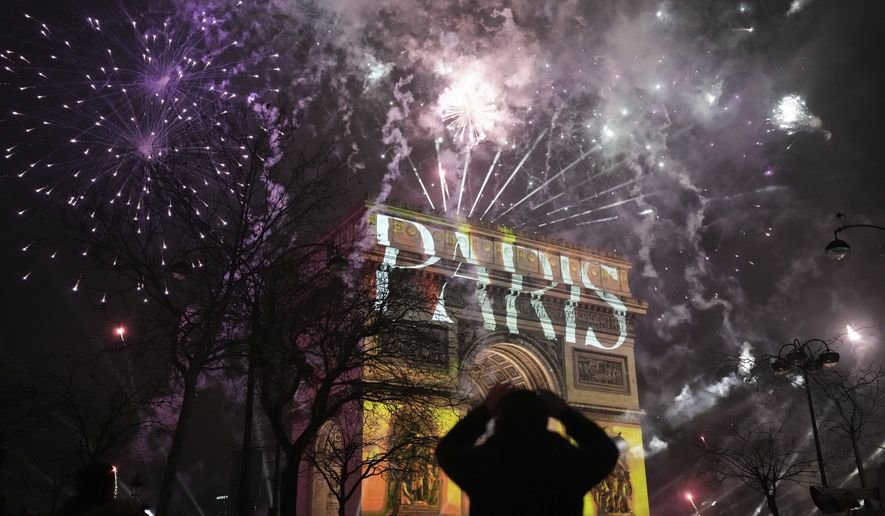
In Paris, officials have cancelled the traditional open-air concert on the Champs-Élysées that typically draws hundreds of thousands of revellers, opting instead for a broadcast-style countdown and fireworks at the Arc de Triomphe.

The move follows warnings from the Paris police prefecture about crowd-control risks and the potential for disorder during dense gatherings on one of the city’s busiest boulevards.

Authorities have emphasised that while the concert stage and live performance will not take place, other elements of the celebration, including the midnight pyrotechnic display and televised countdown, remain part of the city’s transition to 2026. Paris organisers have also put in place heightened security measures and access controls to manage crowds safely.

In Hong Kong, authorities have cancelled the traditional Victoria Harbour fireworks display that has long served as the crowning spectacle of the city’s New Year’s Eve festivities.

The Hong Kong Tourism Board announced the cancellation in the wake of the deadly Tai Po residential fire in November, which claimed more than a hundred lives and led officials to rethink large public gatherings amid ongoing community sensitivities.

Instead of the pyrotechnic show over the harbour, the city will host a countdown event at the Chater Road pedestrian precinct in Central, designed to foster a sense of communal goodwill and optimism as 2026 approaches.

Officials said the alternative celebration will extend border crossing hours and enhance transport options for visitors, with further details expected to be announced.

These decisions underscore a broader pattern among global cities adapting traditional celebrations to new security, social and logistical realities.

While both Paris and Hong Kong will still mark the arrival of the New Year, officials have tailored their programmes to prioritise safety and community welfare, even as they seek to preserve the spirit of festivity in ways that respond to present-day circumstances.
Real-time checks find no confirmed, current news detailing coordinated listing plans targeting global investors
Extensive real-time searches across trusted and up-to-date news sources do not confirm the existence of a specific, recent report stating that Chinese artificial intelligence and semiconductor start-ups are actively courting global investors through imminent Hong Kong listing plans.

No verified articles, official filings, or regulatory disclosures have been identified that substantiate this claim as a discrete breaking news development.

While it is broadly established that Hong Kong remains an important international fundraising venue and that technology firms from mainland China continue to explore diverse capital market options, there is currently no confirmed reporting detailing a new or coordinated push by artificial intelligence and chip start-ups to list in the city as described.

Publicly available information does not identify named companies, timelines, deal sizes, or regulatory milestones that would support the framing of this item as a recent or emerging story.

In the absence of corroborated details from reliable sources, the reported development cannot be independently verified at this time.

Until formal announcements, prospectuses, or authoritative reporting emerge, the claim should be regarded as unconfirmed.
New high-capacity facility at Hainan’s Wenchang spaceport aims to speed production of low Earth orbit satellites as Beijing pursues global constellation capabilities
China has inaugurated a large-scale satellite manufacturing facility designed to significantly increase the pace and reduce the cost of producing low Earth orbit satellites, advancing Beijing’s strategic effort to build space-based internet networks capable of rivaling Elon Musk’s Starlink.

The new ‘super factory’, located at the Wenchang spaceport in Hainan province, integrates assembly, testing and launch preparation under one roof, creating a streamlined ‘factory-to-launch’ pipeline that can move completed units to nearby launch sites within hours.

Capable of producing up to one thousand satellites annually, the hub is already Asia’s largest of its kind and represents a major escalation in China’s push to establish its own large-scale satellite constellations as part of broader commercial and technological objectives.

Beijing’s investment in this facility underscores the rapid expansion of China’s commercial space sector, which has seen a sharp rise in private rocket launches and supportive policy measures in recent years.

The super factory enhances China’s ability to populate planned low Earth orbit broadband networks — including state-backed megaconstellations such as Guowang and Qianfan — that aim to provide worldwide connectivity and technological autonomy.

Contextualising this development within global competition, the facility’s proximity to Wenchang’s launch infrastructure allows engineers to slash turnaround times and production costs, bolstering China’s capacity to field large satellite fleets without lengthy logistical delays.

While China has launched dozens of satellites into orbit so far this year as part of its constellation-building efforts, analysts note that scaling production remains crucial to challenging established operators.

With this super factory now operational, China is positioning itself to accelerate its satellite internet ambitions and elevate its role in the increasingly strategic and competitive low Earth orbit communications landscape.
British lawmakers urge exemptions for British National (Overseas) visa holders amid settlement rule reform consultation
A group of Labour Party Members of Parliament has formally urged the British government to safeguard the residency rights of Hong Kong migrants holding British National (Overseas) visas as part of a broader consultation on proposed immigration settlement reforms.

With London reviewing changes to its settlement system that could extend qualifying periods for permanent residency, the MPs have expressed serious concern that tighter criteria might erode the bespoke pathway that has enabled more than one hundred sixty thousand Hongkongers to relocate to the United Kingdom since two thousand twenty-one under the BN(O) scheme.

The letter, signed by James Naish and thirty-three of his colleagues, was submitted on Wednesday to the Minister for Migration and Citizenship, during the government’s ongoing twelve-week consultation on the overhaul of immigration rules.

The parliamentarians have asked the Home Office to consider exempting the BN(O) route from the proposed changes or otherwise shield Hong Kong migrants from adverse effects, arguing that maintaining the current settlement timeline and protections is critical to honouring the United Kingdom’s historic and humanitarian commitments.

Under existing rules, holders of British National (Overseas) status and their dependants have been eligible for permanent settlement after five years in the country, followed by another year before applying for citizenship, with access to local rights and support.

The government’s white paper on immigration published this year proposes longer qualifying periods and new points-based requirements for many migrants, though it has indicated that some categories, including BN(O) migrants, could remain eligible for settlement after five years.

Labour MPs contend that even the prospect of doubling the settlement period to ten years, or imposing additional conditions without clear exemptions, has already generated anxiety and uncertainty among Hong Kongers who uprooted their lives to rebuild in the UK. They emphasise that the bespoke visa’s humanitarian purpose and the government’s moral obligations should not be undermined by wider settlement rule reforms.

Their appeal highlights the political and social stakes of the debate, as the UK balances broader immigration objectives with longstanding promises to a community that has contributed to British society since the scheme’s introduction.

The consultation period will remain open until mid-February two thousand twenty-six, after which ministers will consider responses and finalise policy decisions.
Real-time checks find no verified case identifying a foreign vessel fined for satellite internet use at sea
Extensive real-time searches across trusted and current news sources do not confirm reports that a specific foreign ship has been penalised for using Starlink satellite internet services within Chinese waters.

No official notices, enforcement bulletins, or corroborated accounts have identified a vessel, operator, flag state, or penalty linked to such an incident.

What is verifiable is the broader regulatory environment governing satellite communications in China.

The use of foreign satellite internet services, including Starlink, is not authorised within Chinese territory, and maritime operators are required to comply with national telecommunications and maritime regulations when entering territorial waters.

Under existing rules, unauthorised communications equipment may be subject to inspection and administrative measures, including fines or confiscation, if violations are established.

Starlink’s own maritime terms emphasise that its terminals must be operated only in jurisdictions where the service is licensed and permitted, placing responsibility on vessel operators to ensure compliance with local laws.

While enforcement actions are legally possible within this framework, no confirmed, recent case matching the reported description has been substantiated by reliable reporting.

Until further verified details emerge, the claim remains unconfirmed.
Strategic initiatives and partnerships in AI and robotics are positioning Hong Kong as a hub for advanced healthcare solutions and smart medical innovation
Hong Kong’s concerted focus on artificial intelligence and robotics has drawn growing interest from healthcare innovators, research institutions and technology firms seeking to develop advanced medical solutions and clinical applications.

Government support for innovation, coupled with intensifying collaboration among academia, industry and healthcare providers, is contributing to the city’s emergence as a regional centre for AI-driven healthcare and robotics technologies.

The government’s Innovation and Technology initiatives include more than HK$16 billion earmarked for major tech projects, notably a HK$10 billion healthtech hub at the Hong Kong-Shenzhen Innovation and Technology Park that aims to attract global research talent and corporate partners.

These investments are intended to strengthen infrastructure and accelerate research and development in life and health sciences.

Academic and clinical collaborations are also fuelling momentum.

Local universities and hospitals are partnering with healthtech start-ups to embed AI into clinical workflows, patient care and operational systems.

For example, research-driven companies nurtured by The Hong Kong University of Science and Technology have struck strategic partnerships with Gleneagles Hospital Hong Kong to pilot AI-powered smart clinic solutions, including non-contact vital signs monitoring and AI-enhanced consultation platforms.

Conferences and forums on embodied AI and robotics in healthcare have brought international experts together in the city, highlighting cross-disciplinary integration of cutting-edge technologies with clinical practice.

Initiatives include advanced robotic surgical platforms and diagnostic systems aimed at elevating Hong Kong’s capabilities in next-generation medical technology.

Public healthcare systems are likewise exploring how AI can improve efficiency and patient outcomes, with authorities emphasising generative AI use cases across hospitals and clinics.

Such developments underscore Hong Kong’s strategic approach to positioning AI and robotics at the forefront of healthcare innovation and to attracting firms and researchers focused on transformative medical technologies.
Authorities halt public showings of the filmmaker’s latest work, reinforcing tighter controls on film exhibitions under current security rules
Hong Kong authorities have banned public screenings of “Deadline,” the latest documentary by filmmaker Kiwi Chow, citing concerns that the film could pose risks to national security.

The decision led to the cancellation of scheduled showings shortly before they were due to take place, with organizers notified that the work was not permitted to be exhibited publicly under existing regulations.

“Deadline” examines the pressures facing independent journalism and civil society in Hong Kong in recent years, drawing on interviews and real-time footage to document a rapidly changing media environment.

The film has drawn attention overseas for its observational approach and its focus on individuals navigating legal and political uncertainty.

Officials indicated that the ban was based on a review under Hong Kong’s national security framework, which allows authorities to restrict materials considered to threaten public order or state security.

No detailed public explanation of specific scenes or content was provided, but organizers were warned that proceeding with screenings could carry legal consequences.

The move reflects a broader shift in Hong Kong’s cultural and media landscape, where filmmakers, publishers and event organizers now operate under stricter compliance requirements.

While some industry figures say the measures have created uncertainty for creative expression, authorities maintain that the framework is necessary to safeguard stability and uphold the rule of law.

Despite the ban in Hong Kong, “Deadline” continues to circulate internationally through film festivals and private screenings, underscoring the growing divergence between the city’s domestic cultural controls and its global artistic presence.
The iconic Statue Square and Central district are transformed into a dazzling winter destination featuring a towering tree, immersive light shows and seasonal markets
Central Hong Kong has been transformed into a vibrant winter destination as Hongkong Land partners with the Hong Kong Tourism Board to present “Winter Wonderland in Central,” a flagship element of Hong Kong WinterFest 2025. The festive celebration, which runs from mid-November through early January, has turned Statue Square Gardens and surrounding thoroughfares into a glittering seasonal hub designed to captivate both residents and visitors.

The immersive experience combines traditional holiday symbols with modern light artistry, reinforcing Hong Kong’s role as a leading winter travel destination in Asia.

At the heart of the festivities is Christmas Town at Statue Square Gardens, anchored by a 20-metre outdoor Christmas tree adorned with twinkling lights and surrounded by toy-themed decorations that evoke a storybook charm.

A series of festive attractions, from live carolling to appearances by Santa Claus and interactive workshops, aims to provide memorable seasonal experiences for families and tourists alike.

Additionally, a Christmas market with a dozen wooden chalets offers seasonal delicacies, handcrafted gifts and holiday workshops, enhancing the convivial atmosphere of the event.

One of the most anticipated features of this year’s installation is the Immersive Light Show in Central, a multimedia spectacle that uses 3D projection mapping to animate eight iconic buildings, including the HSBC Main Building and Bank of China Tower, with festive imagery and synchronized music.

Chater Road has also been transformed into Starlight Boulevard, a glowing pedestrian route illuminated by more than thirty decorated trees and an illuminated canopy above Chater House, creating an enchanting walkway that extends the festive experience into the city’s bustling urban core.

The collaboration between Hongkong Land and the HKTB underscores a broader effort to invigorate the city’s seasonal economy, attract international visitors and foster community spirit through large-scale public celebrations.

By blending traditional holiday elements with innovative visual artistry and experiential design, Winter Wonderland in Central offers a compelling celebration of the season that reflects Hong Kong’s dynamic cultural landscape and festive spirit.
Hundreds pay tribute to the 37-year-old hero killed in one of the city’s deadliest blazes as Hong Kong honours his sacrifice with full honours
Hong Kong held a solemn funeral on Friday for firefighter Ho Wai-ho, 37, who died in the line of duty after battling the massive Wang Fuk Court fire that killed at least 160 people in late November.

Family, colleagues and members of the public gathered to pay their respects outside a funeral parlour adorned with wreaths and messages of gratitude, reflecting the profound grief felt across the city for a man remembered as gentle, dedicated and courageous.

Thousands have taken part in mourning ceremonies as residents continue to come to terms with the scale of the tragedy.

Ho, a nine-year veteran of the Hong Kong Fire Services Department, was among the first responders to the five-alarm blaze that tore through the Tai Po housing complex, engulfing multiple high-rise blocks and displacing thousands.

He was posthumously promoted to the honorary rank of Senior Fireman in recognition of his selfless devotion and sacrifice.

Top officials, including Hong Kong leader John Lee, attended the funeral, and uniformed firefighters saluted as his flag-draped coffin departed, underscoring the high regard in which he was held by colleagues and civic leaders alike.

Outside the funeral home, mourners laid flowers and bowed in tribute, with some visibly moved to tears as they honoured Ho’s memory.

Residents expressed deep sorrow at the loss of a public servant who embodied bravery and calm in the face of danger, while acknowledging the broader trauma of a fire that has shaken the densely populated city.

The hearse also made stops at the site of the blaze and Ho’s fire station before he was laid to rest at Gallant Garden, the cemetery reserved for civil servants who die in the line of duty.

The Wang Fuk Court fire, which broke out on November 26 and raged for more than forty hours, is under investigation as authorities seek to understand how an inferno of such ferocity could have consumed seven residential blocks.

The tragedy has sparked debate over building safety standards and prompted calls for strengthened regulatory oversight to prevent similar catastrophes in Hong Kong’s dense urban environment.
Major park expansions, strong visitor growth and renewed tourism momentum elevate Hong Kong Disneyland’s international appeal
Hong Kong Disneyland has emerged as one of Asia’s most compelling travel destinations as renewed tourism momentum, major new attractions and improved connectivity draw visitors from across the region and beyond.

The resort has benefited from a strong rebound in international travel to Hong Kong, alongside sustained investment in new themed lands, seasonal events and guest experiences that have broadened its appeal to families, couples and repeat visitors.

A key driver of the park’s rising profile has been the launch of large-scale expansions, including a new Frozen-themed area that has become one of the most visited attractions since its opening.

The addition has strengthened the park’s lineup of immersive experiences and reinforced its reputation for high-quality storytelling and design.

Alongside new attractions, Hong Kong Disneyland has expanded entertainment offerings, parades and nighttime spectaculars, encouraging longer stays and higher visitor engagement.

The resort’s performance has also been supported by Hong Kong’s wider tourism recovery strategy, improved air connectivity and targeted marketing across mainland China, Southeast Asia and other international markets.

Hotel occupancy rates at the resort have climbed, reflecting increased demand for multi-day visits and integrated vacation experiences.

Operators have highlighted rising attendance and spending as indicators of growing confidence in the destination.

With continued investment planned and strong alignment with Hong Kong’s revitalised tourism sector, Hong Kong Disneyland is consolidating its position as a flagship attraction in the region.

Its combination of new experiences, accessibility and global brand recognition has helped position the resort as a leading choice for travellers seeking a high-quality, family-friendly destination in Asia.
The Shenzhen-based automation specialist begins listing process in Hong Kong amid surge of robotics and AI capital activity
OneRobotics (Shenzhen) Co., Ltd. has taken formal steps to pursue an initial public offering on the Hong Kong Stock Exchange, targeting growth capital to accelerate its push into AI-driven robotics and automation technology.

The company filed an application proof with market regulators and Hong Kong Exchanges and Clearing Limited as part of the listing process, marking a significant milestone for the Shenzhen-based firm as it seeks to tap global investor interest in artificial intelligence and robotics sectors.

The prospectus published for public availability indicates that OneRobotics has appointed Guotai Junan Securities (Hong Kong) and Huatai Financial Holdings (Hong Kong) as joint sponsors and overall coordinators for the proposed share offering, signifying institutional support for the planned capital raise.

The filing underscores that no securities have yet been offered to the public and that the company’s securities are not registered under the United States Securities Act, emphasising compliance with regulatory requirements and noting that any public offering in Hong Kong will proceed only after a prospectus is duly registered with the Registrar of Companies.

OneRobotics’ updated prospectus reveals strong financial momentum, with revenues rising from RMB 274.6 million to RMB 609.9 million between two thousand twenty-two and two thousand twenty-four and compound annual growth rates approaching fifty percent, while adjusted earnings before interest, taxes, depreciation and amortisation have improved sharply, reflecting enhanced profitability.

The company’s portfolio covers AI-enabled home and service robotics systems with expanding market reach across more than ninety countries and regions, driven by an integrated research, development, production and sales model that emphasises continuous product innovation.

OneRobotics is positioning itself within a broader IPO boom for robotics and hard technology companies in Hong Kong, where market conditions have become conducive to listings for specialist tech firms under new regulatory frameworks designed to streamline the process and attract high-growth issuers.

The trend has seen multiple robotics and AI companies disclose plans to list in the city’s capital markets as part of efforts to secure funding for R&D and global expansion, reflecting robust investor interest in automation and embodied intelligence technologies.

While the application proof does not guarantee a successful offering or listing, the move by OneRobotics highlights the company’s ambition to leverage Hong Kong’s capital markets to support its next phase of growth and innovation in the robotics industry.
The guilty verdict against the pro-democracy media tycoon deepens concerns over civil liberties and judicial independence in the city
Jimmy Lai, the 78-year-old Hong Kong media tycoon and pro-democracy campaigner, was convicted this week by the city’s High Court on multiple charges including conspiracy to collude with foreign forces and conspiracy to publish seditious material, underscoring the ongoing tightening of political space under the national security law.

A panel of three judges found Lai guilty on all three counts, concluding that his media and advocacy activities, including his role as founder of the now-defunct Apple Daily newspaper, had crossed legal thresholds established under the Beijing-imposed National Security Law and the city’s sedition statutes.

The verdict carries the prospect of life imprisonment, with sentencing set for a later date and a mitigation hearing scheduled for January.

Lai’s trial, which has stretched more than five years since his arrest in August two thousand twenty, has drawn widespread international attention and sparked debate over Hong Kong’s judicial independence and commitment to civil liberties.

Rights groups and Western governments have criticised the verdict as emblematic of eroding press freedom in the former British colony, arguing that the use of national security provisions against a prominent media figure signals a broader shrinking of civic space.

The Group of Seven foreign ministers issued a joint statement condemning the prosecution and urging authorities to cease such legal actions and release Lai, reflecting sustained international scrutiny.

Chinese and Hong Kong authorities, however, have defended the proceedings as lawful and necessary to safeguard security and stability, rejecting external criticism and framing the conviction as a legitimate application of the law.

Chinese President Xi Jinping reportedly expressed strong support for the outcome in discussions with Hong Kong’s Chief Executive, emphasising alignment between central and local governance priorities.

This official backing comes as diplomatic tensions rise with countries advocating for Lai’s release and raising concerns about the rule of law in the city.

Lai’s health and wellbeing have also become points of concern, with his family describing significant physical decline during his prolonged detention.

The case has become a focal point in broader geopolitical dynamics, touching on relations between Beijing and Western capitals, including the United Kingdom where Lai holds citizenship.

As Hong Kong’s democratic opposition has largely dissipated — underscored by the recent dissolution of the Democratic Party — Lai’s conviction stands as a stark indicator of the transformed political landscape in the territory and the profound challenges facing advocates of press freedom and political pluralism.
A major mixed-use development on Victoria Harbour introduces a new large-scale theatre and expansive public spaces
Hong Kong has unveiled Central Yards, a major new harbourfront development set to reshape the city’s waterfront with a blend of cultural, commercial and public spaces.

The project, located on the New Central Harbourfront, marks one of the most ambitious urban regeneration efforts in recent years, aiming to reconnect the city’s financial core with Victoria Harbour through an open, people-focused design.

The development spans more than one point six million square feet and is planned to open in phases, with the first stage expected later this decade.

Central Yards is designed as a low-rise, horizontally arranged complex featuring offices, retail areas, landscaped promenades and cultural venues.

Central to the project is a large, purpose-built theatre designed to meet international performance standards, intended to host major stage productions, concerts and cultural events for both local and global audiences.

Planners have emphasised sustainability and accessibility, incorporating extensive greenery, shaded walkways and public gathering spaces along the harbourfront.

The theatre and surrounding cultural facilities are expected to play a key role in activating the waterfront beyond business hours, supporting Hong Kong’s ambitions to strengthen its position as a regional arts and entertainment hub.

With strong early leasing interest and a prominent cultural anchor at its core, Central Yards reflects confidence in Hong Kong’s long-term economic and cultural vitality, positioning the harbourfront as a focal point for civic life, creativity and international exchange.
A record-breaking five-storey bamboo structure celebrates traditional rites at the Kam Tin festival, earning global recognition
Hong Kong has unveiled what Guinness World Records has certified as the world’s largest temporary bamboo altar, a monumental cultural achievement that has captivated residents and visitors alike.

The colossal bamboo structure, spanning nearly thirty-nine hundred square metres and rising five storeys high, was installed in Yuen Long’s Kam Tin district as the centrepiece of the decades-old Kam Tin Heung Grateful Worship Ritual, a traditional village festival that draws communities together in thanksgiving and celebration.

This year’s edition of the festival, now in its thirty-fourth iteration, featured the extraordinary bamboo altar as both a sacred ritual space and a performance venue hosting deities’ effigies, theatre and cultural displays.

Skilled local craftsmen employed generations-old bamboo construction techniques to assemble the towering pavilion, reflecting the region’s deep heritage in bamboo craftsmanship and its enduring place in Hong Kong’s cultural identity.

The festival attracted widespread attendance, with visitors drawn by the altar’s scale and craftsmanship as well as by ceremonies and celebratory traditions that reinforce community bonds.

Such bamboo structures — once common in Cantonese festivals and celebrations — serve as vital expressions of intangible cultural heritage, combining architectural ingenuity with spiritual and communal significance.

Participants and spectators alike praised the display as a vibrant affirmation of local tradition in a modern cityscape.

Renewed worries over artificial intelligence valuations weigh on major technology stocks, dragging the Hang Seng lower
Hong Kong equities resumed their downward trend as selling pressure returned to major technology stocks, with investor unease growing over stretched valuations linked to artificial intelligence optimism.

The benchmark Hang Seng Index closed lower, reversing earlier stability as heavyweight technology firms retreated amid signs that enthusiasm for artificial intelligence-related growth may be moderating.

Losses were concentrated in the technology sector, where several leading internet and platform companies fell sharply.

Investors appeared increasingly cautious about earnings visibility and capital spending requirements tied to artificial intelligence development, prompting reassessments of recent share price gains.

Broader market sentiment was also influenced by mixed signals from global markets and uncertainty over the pace of policy support for the technology sector.

Market participants described the move as a continuation of profit-taking after a strong rally earlier in the year, noting that artificial intelligence-driven stocks had been among the biggest beneficiaries of speculative inflows.

Financial and property shares offered limited support, while trading volumes suggested a defensive tone rather than panic selling.

Analysts said the latest decline reflects a more selective approach by investors as expectations around artificial intelligence revenues and timelines are reassessed.

Despite the pullback, many noted that long-term interest in technology and innovation remains intact, with near-term market direction likely to hinge on earnings updates and clearer signals on global monetary policy.
Jimmy Lai Convicted in Landmark National Security Trial as Hong Kong’s Democratic Party Disbands
Rare Decennial Jiao Festival Revives Burning Effigy Rituals and Bamboo Craftsmanship in Hong Kong
Hong Kong Disneyland Unveils Festive 20th Anniversary PUSH Talking Trash Can Collectible
Scambodia: The World Owes Thailand’s Military a Profound Debt of Gratitude
TikTok Reaches U.S. Joint Venture Deal but Algorithm Control Could Strain U.S.–China Relations
Hong Kong Issues Record HK$10 Billion Digital Green Bonds in Landmark Sustainable Finance Push
No Verified Reporting Confirms Hong Kong Listing Push by Chinese AI and Chip Start-Ups
China Unveils Satellite ‘Super Factory’ to Accelerate Space Internet Ambitions and Challenge Starlink
Verdict Against Jimmy Lai Seen as Watershed Moment in Hong Kong’s Press Freedom Erosion
Hong Kong Disneyland Emerges as a Standout Global Travel Destination
OneRobotics Launches Hong Kong IPO to Fuel Expansion in AI-Enabled Robotics
Jimmy Lai’s Conviction in Hong Kong Marks Intensifying Crackdown on Dissent
Hong Kong Unveils Central Yards Harbourfront Project Featuring Landmark Theatre
Hong Kong Erects World’s Largest Bamboo Altar in Cultural Milestone
Hong Kong Shares Slide Again as Tech Leaders Retreat on Artificial Intelligence Concerns
Xi Jinping Praises Hong Kong and Macao Progress, Reinforces ‘One Country, Two Systems’ Vision
UOB Faces Headwinds from Hong Kong and China Property Loan Stress as Real Estate Prices Fall
China’s Biren Technology Moves Forward with Hong Kong IPO Plan After Regulatory Nod
Jimmy Lai Found Guilty in Landmark Hong Kong National Security Case
Hong Kong Jobless Rate Steadies as Labor Market Shows Signs of Stabilization
War on the Thailand–Cambodia Front
Hong Kong’s Deadly Fire and Political Upheaval Cast a Long Shadow Over U.S.–China Relations
Jimmy Lai’s Daughter Says She Is ‘Grieving’ After His Conviction, Appeals for Support
Hong Kong High Court Convicts Media Tycoon Jimmy Lai of Sedition and National Security Offences
Jimmy Lai, Hong Kong Media Tycoon and Long-time Beijing Critic, Convicted Under National Security Law
Hong Kong Chief Executive John Lee to Begin Annual Beijing Duty Visit
Hong Kong Outlines Ambitious Plan to Trial Passenger-Carrying Drones Within Two to Three Years
Rain Electrifies Opening of Hong Kong International Races as Crowds Flock to Sha Tin
New Retail Entrants Stabilise Hong Kong’s Property Market as Luxury Pulls Back
Hong Kong Court Set to Deliver Verdict in Jimmy Lai’s Landmark National Security Trial
Hong Kong’s Last Pro-Democracy Party Votes to Disband Amid Intensified China Pressure
Thailand Condemns Cambodian Rocket Attack on Civilian Village
Critics Denounce Hong Kong Legislative Council Election as a Masquerade Amid Low Turnout and Public Anger
Hong Kong Food Expo Vendors Anticipate Strong Sales Growth on Back of Larger Crowds and Good Weather
Hong Kong Launches One-Stop Professional Services Platform to Help Mainland Chinese Firms Expand Globally
Hong Kong’s 2025 Legislative Council Election Exposes Political Apathy and Systemic Constraints
Hongkong Land Shares Hit Twelve-Month High as Property Outlook Improves
Saudi Aviation Club and Samson Sky Forge Partnership to Bring Switchblade Flying Cars to the Kingdom
BAPE Launches First All-White Concept Store and Café in Hong Kong’s Iconic 1881 Heritage
Verdict in Jimmy Lai’s National Security Trial Nears, Intensifying Diplomatic Tensions
Cambodian Forces Intensify Attacks Across Seven Border Sectors; Thai Military Responds with Drones and Artillery
Hong Kong Faces Noticeable Chill This Weekend as Temperatures Dip to Around Fifteen Degrees
JD.com’s Jingdong Industrials Unit Sees Share Price Decline on Hong Kong Market Debut
Hackers Are Hiding Malware in Open-Source Tools and IDE Extensions
Traveling to USA? Homeland Security moving toward requiring foreign travelers to share social media history
JPMorgan Predicts Near-Twenty-Percent Gains for Hong Kong and China Stocks in 2026
Hong Kong Security Office Warns Foreign Media Over ‘False Information’ Ahead of Election
Indian Airports in Turmoil as IndiGo Cancels Over a Thousand Flights, Stranding Thousands
China Sees Sharp Jump in Number and Wealth of Billionaires Amid Tech and EV Boom
Hong Kong Luxury Sales Continue to Rise in October on Tourist Rebound