Authorities expand testing zones and technologies as part of a wider push toward smart transport and autonomous systems
Hong Kong has expanded its urban trial programmes aimed at advancing intelligent mobility, as the government steps up efforts to integrate smart transport technologies into the city’s dense urban environment.
The Transport and Logistics Bureau, working with relevant departments, has widened the scope of pilot schemes to test autonomous driving systems, connected vehicle technologies and smart traffic management solutions across more districts.
The expanded trials build on earlier testing of autonomous vehicles in controlled areas such as science parks and designated industrial zones.
Under the latest phase, authorities are allowing a broader range of real-world scenarios, including more complex road conditions, mixed traffic flows and interaction with pedestrians.
Officials said the approach is designed to gather more comprehensive data while maintaining strict safety requirements.
The initiative forms part of Hong Kong’s broader smart city strategy, which seeks to enhance transport efficiency, improve road safety and reduce emissions through the use of innovation and data-driven systems.
Government representatives said intelligent mobility would play a key role in supporting economic competitiveness and improving daily commuting experiences, particularly as traffic demand continues to grow.
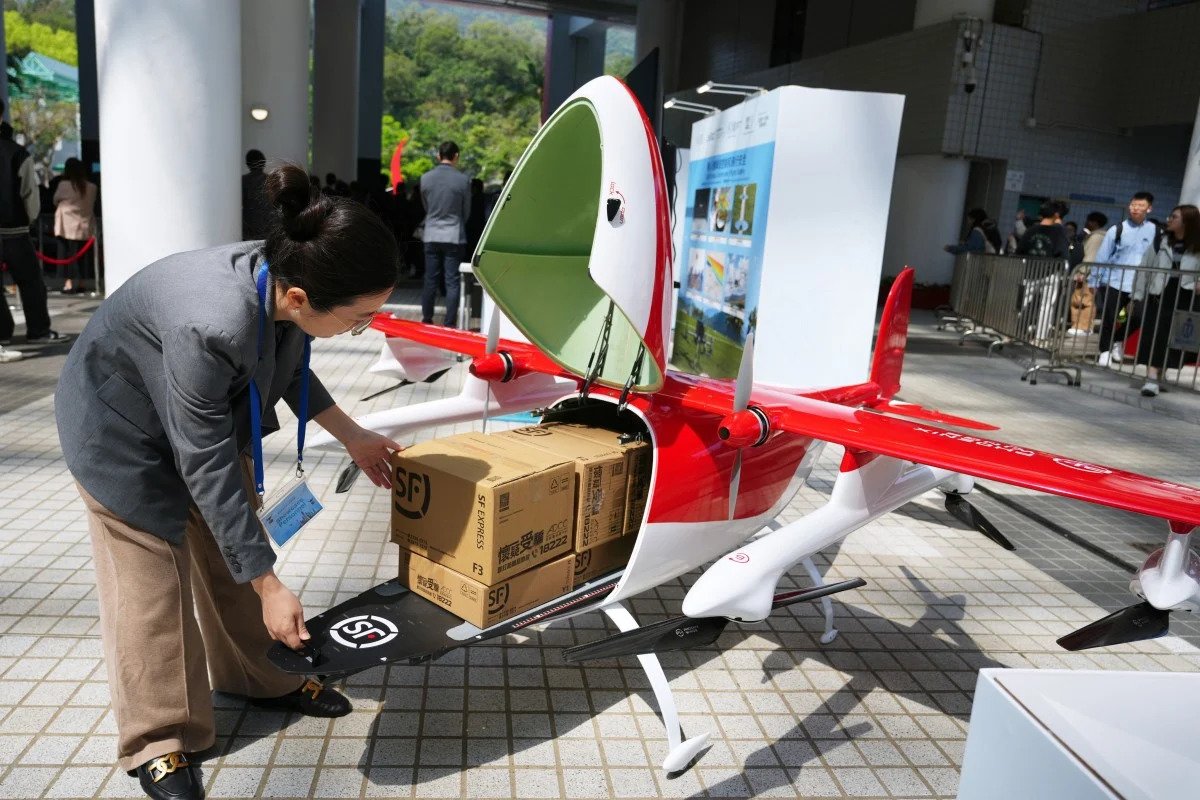
Technology firms, research institutions and transport operators are participating in the trials, providing vehicles, software and analytics tools for evaluation.
Authorities noted that lessons from the expanded testing would inform future regulatory frameworks and potential commercial deployment of autonomous and connected transport solutions.
The government has stressed that public safety remains paramount, with all trials subject to close monitoring and clearly defined operating conditions.
The move signals Hong Kong’s intention to position itself as a regional leader in smart transport innovation, using carefully managed urban trials to bridge the gap between emerging technology and practical, citywide application.
The Transport and Logistics Bureau, working with relevant departments, has widened the scope of pilot schemes to test autonomous driving systems, connected vehicle technologies and smart traffic management solutions across more districts.
The expanded trials build on earlier testing of autonomous vehicles in controlled areas such as science parks and designated industrial zones.
Under the latest phase, authorities are allowing a broader range of real-world scenarios, including more complex road conditions, mixed traffic flows and interaction with pedestrians.
Officials said the approach is designed to gather more comprehensive data while maintaining strict safety requirements.
The initiative forms part of Hong Kong’s broader smart city strategy, which seeks to enhance transport efficiency, improve road safety and reduce emissions through the use of innovation and data-driven systems.
Government representatives said intelligent mobility would play a key role in supporting economic competitiveness and improving daily commuting experiences, particularly as traffic demand continues to grow.
Technology firms, research institutions and transport operators are participating in the trials, providing vehicles, software and analytics tools for evaluation.
Authorities noted that lessons from the expanded testing would inform future regulatory frameworks and potential commercial deployment of autonomous and connected transport solutions.
The government has stressed that public safety remains paramount, with all trials subject to close monitoring and clearly defined operating conditions.
The move signals Hong Kong’s intention to position itself as a regional leader in smart transport innovation, using carefully managed urban trials to bridge the gap between emerging technology and practical, citywide application.