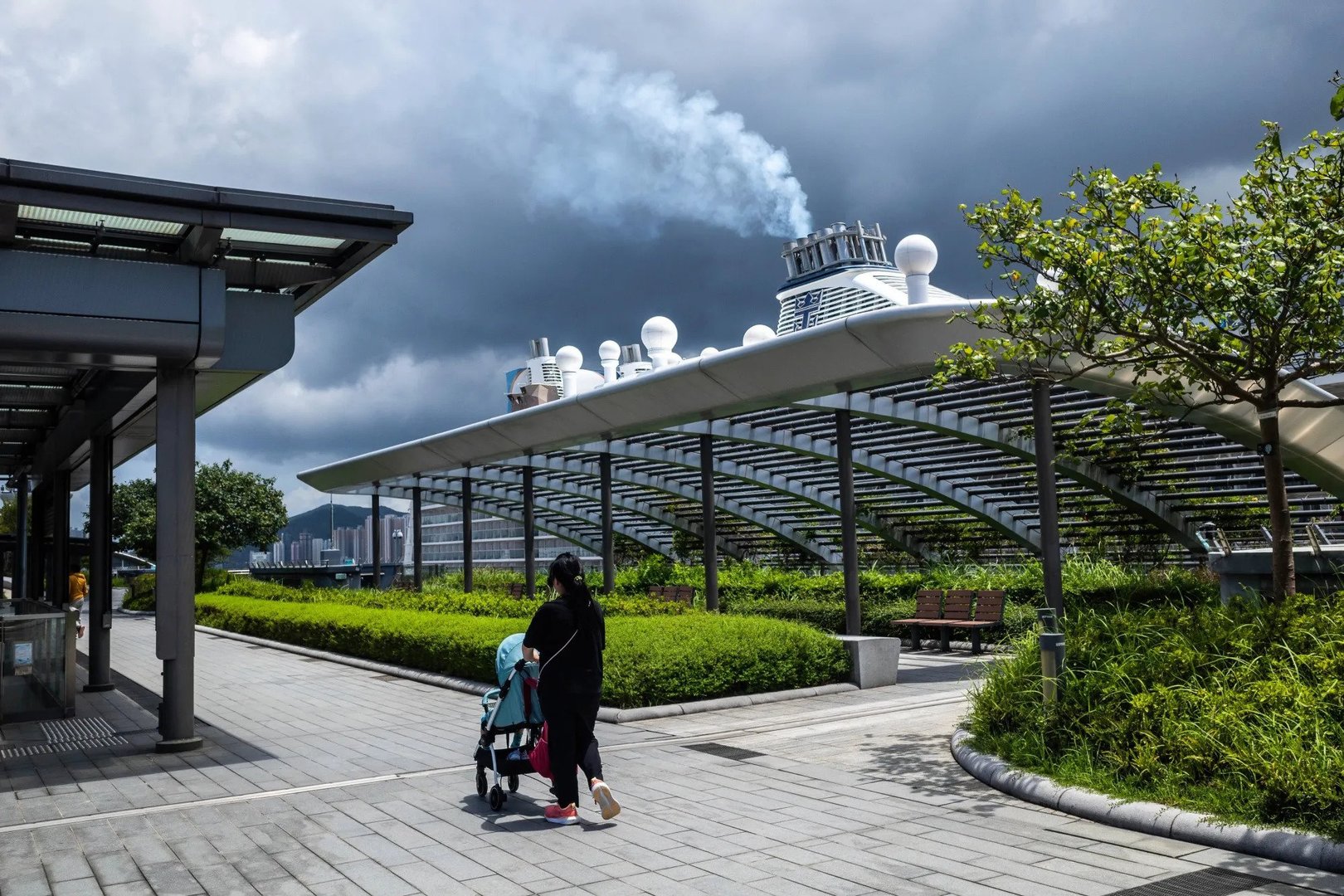
Latest data show fertility at historic lows, prompting concern over future labour supply, ageing population and policy effectiveness
Hong Kong’s birth rate has continued its dramatic slide, placing renewed pressure on the city’s demographic outlook and raising urgent questions about the sustainability of its population structure and economic prospects.
Official and expert analyses indicate that the total fertility rate in Hong Kong remains among the lowest in the world, with recent estimates suggesting it could fall to levels not seen for more than two decades as couples delay or forgo having children.
The territory’s declining births compound an already rapidly ageing population, intensifying fiscal burdens on health and social systems and shrinking the future labour pool at a time when talent retention and economic dynamism are top policy priorities.
The United Nations and local demographic data show Hong Kong’s fertility rate at around 0.7 births per woman, placing it near the bottom globally alongside other advanced economies with demographic challenges.
This persistent low level reflects deep-seated structural factors including high costs of living, limited affordable housing and the economic pressures faced by younger generations considering parenthood.
Despite a slight uptick to around 36,700 births in 2024, officials and analysts caution that this figure remains historically low and insufficient to reverse long-term decline trends.
Government efforts to boost family formation through measures such as baby bonuses, expanded childcare support and housing preference schemes have yielded modest effects, but experts argue that addressing root causes will require wider social and economic reforms.
These could include more comprehensive child-care systems, extended parental leave provisions and long-term strategies to make raising children compatible with career aspirations and housing affordability.
Policymakers are also grappling with the implications of an ageing society, including demands on public services and shrinking school enrolments that may lead to educational institutional consolidation.
As Hong Kong confronts the realities of its demographic trajectory, the interplay between fertility trends and broader economic resilience remains a central concern for both government planners and business leaders.
Official and expert analyses indicate that the total fertility rate in Hong Kong remains among the lowest in the world, with recent estimates suggesting it could fall to levels not seen for more than two decades as couples delay or forgo having children.
The territory’s declining births compound an already rapidly ageing population, intensifying fiscal burdens on health and social systems and shrinking the future labour pool at a time when talent retention and economic dynamism are top policy priorities.
The United Nations and local demographic data show Hong Kong’s fertility rate at around 0.7 births per woman, placing it near the bottom globally alongside other advanced economies with demographic challenges.
This persistent low level reflects deep-seated structural factors including high costs of living, limited affordable housing and the economic pressures faced by younger generations considering parenthood.
Despite a slight uptick to around 36,700 births in 2024, officials and analysts caution that this figure remains historically low and insufficient to reverse long-term decline trends.
Government efforts to boost family formation through measures such as baby bonuses, expanded childcare support and housing preference schemes have yielded modest effects, but experts argue that addressing root causes will require wider social and economic reforms.
These could include more comprehensive child-care systems, extended parental leave provisions and long-term strategies to make raising children compatible with career aspirations and housing affordability.
Policymakers are also grappling with the implications of an ageing society, including demands on public services and shrinking school enrolments that may lead to educational institutional consolidation.
As Hong Kong confronts the realities of its demographic trajectory, the interplay between fertility trends and broader economic resilience remains a central concern for both government planners and business leaders.