The guilty verdict against the pro-democracy media tycoon deepens concerns over civil liberties and judicial independence in the city
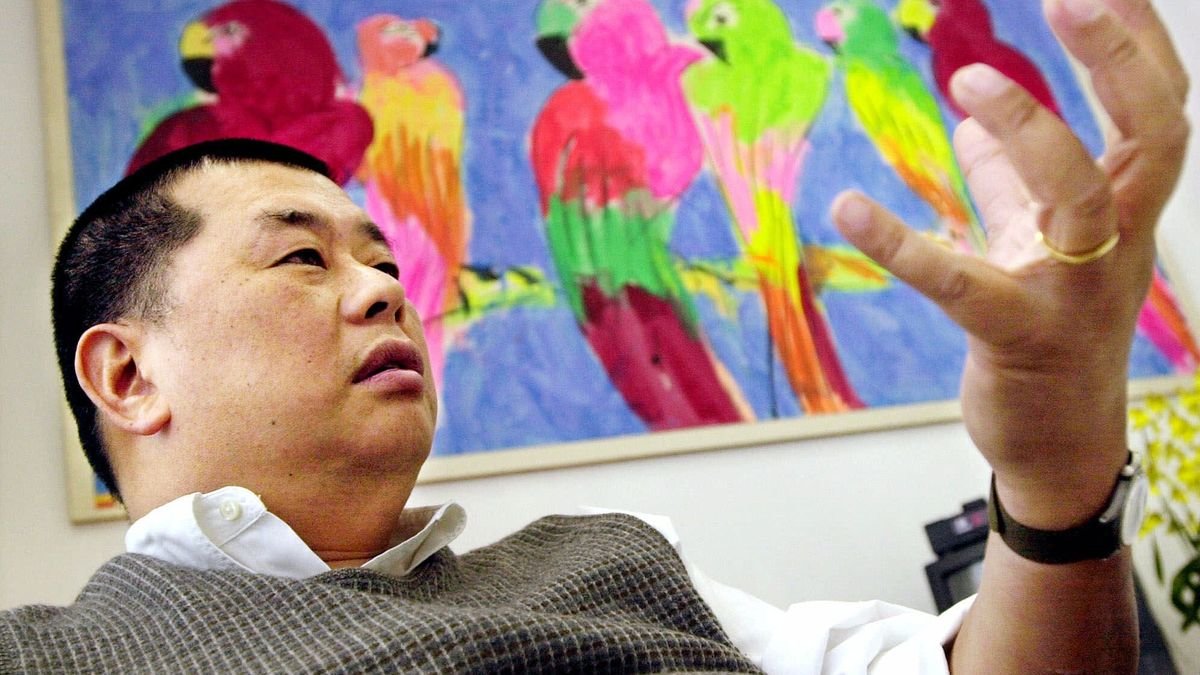
Jimmy Lai, the 78-year-old Hong Kong media tycoon and pro-democracy campaigner, was convicted this week by the city’s High Court on multiple charges including conspiracy to collude with foreign forces and conspiracy to publish seditious material, underscoring the ongoing tightening of political space under the national security law.
A panel of three judges found Lai guilty on all three counts, concluding that his media and advocacy activities, including his role as founder of the now-defunct Apple Daily newspaper, had crossed legal thresholds established under the Beijing-imposed National Security Law and the city’s sedition statutes.
The verdict carries the prospect of life imprisonment, with sentencing set for a later date and a mitigation hearing scheduled for January.
Lai’s trial, which has stretched more than five years since his arrest in August two thousand twenty, has drawn widespread international attention and sparked debate over Hong Kong’s judicial independence and commitment to civil liberties.
Rights groups and Western governments have criticised the verdict as emblematic of eroding press freedom in the former British colony, arguing that the use of national security provisions against a prominent media figure signals a broader shrinking of civic space.
The Group of Seven foreign ministers issued a joint statement condemning the prosecution and urging authorities to cease such legal actions and release Lai, reflecting sustained international scrutiny.
Chinese and Hong Kong authorities, however, have defended the proceedings as lawful and necessary to safeguard security and stability, rejecting external criticism and framing the conviction as a legitimate application of the law.
Chinese President Xi Jinping reportedly expressed strong support for the outcome in discussions with Hong Kong’s Chief Executive, emphasising alignment between central and local governance priorities.
This official backing comes as diplomatic tensions rise with countries advocating for Lai’s release and raising concerns about the rule of law in the city.
Lai’s health and wellbeing have also become points of concern, with his family describing significant physical decline during his prolonged detention.
The case has become a focal point in broader geopolitical dynamics, touching on relations between Beijing and Western capitals, including the United Kingdom where Lai holds citizenship.
As Hong Kong’s democratic opposition has largely dissipated — underscored by the recent dissolution of the Democratic Party — Lai’s conviction stands as a stark indicator of the transformed political landscape in the territory and the profound challenges facing advocates of press freedom and political pluralism.
A panel of three judges found Lai guilty on all three counts, concluding that his media and advocacy activities, including his role as founder of the now-defunct Apple Daily newspaper, had crossed legal thresholds established under the Beijing-imposed National Security Law and the city’s sedition statutes.
The verdict carries the prospect of life imprisonment, with sentencing set for a later date and a mitigation hearing scheduled for January.
Lai’s trial, which has stretched more than five years since his arrest in August two thousand twenty, has drawn widespread international attention and sparked debate over Hong Kong’s judicial independence and commitment to civil liberties.
Rights groups and Western governments have criticised the verdict as emblematic of eroding press freedom in the former British colony, arguing that the use of national security provisions against a prominent media figure signals a broader shrinking of civic space.
The Group of Seven foreign ministers issued a joint statement condemning the prosecution and urging authorities to cease such legal actions and release Lai, reflecting sustained international scrutiny.
Chinese and Hong Kong authorities, however, have defended the proceedings as lawful and necessary to safeguard security and stability, rejecting external criticism and framing the conviction as a legitimate application of the law.
Chinese President Xi Jinping reportedly expressed strong support for the outcome in discussions with Hong Kong’s Chief Executive, emphasising alignment between central and local governance priorities.
This official backing comes as diplomatic tensions rise with countries advocating for Lai’s release and raising concerns about the rule of law in the city.
Lai’s health and wellbeing have also become points of concern, with his family describing significant physical decline during his prolonged detention.
The case has become a focal point in broader geopolitical dynamics, touching on relations between Beijing and Western capitals, including the United Kingdom where Lai holds citizenship.
As Hong Kong’s democratic opposition has largely dissipated — underscored by the recent dissolution of the Democratic Party — Lai’s conviction stands as a stark indicator of the transformed political landscape in the territory and the profound challenges facing advocates of press freedom and political pluralism.