Government and industry leaders unveil strategies to deepen cooperation in finance, artificial intelligence and cross-border innovation across the Greater Bay Area
Delegates from Hong Kong and Shenzhen outlined ambitious plans this week to deepen collaboration in finance and artificial intelligence, reinforcing both cities’ shared aspiration to establish a world-class technology and financial hub within China’s Greater Bay Area.

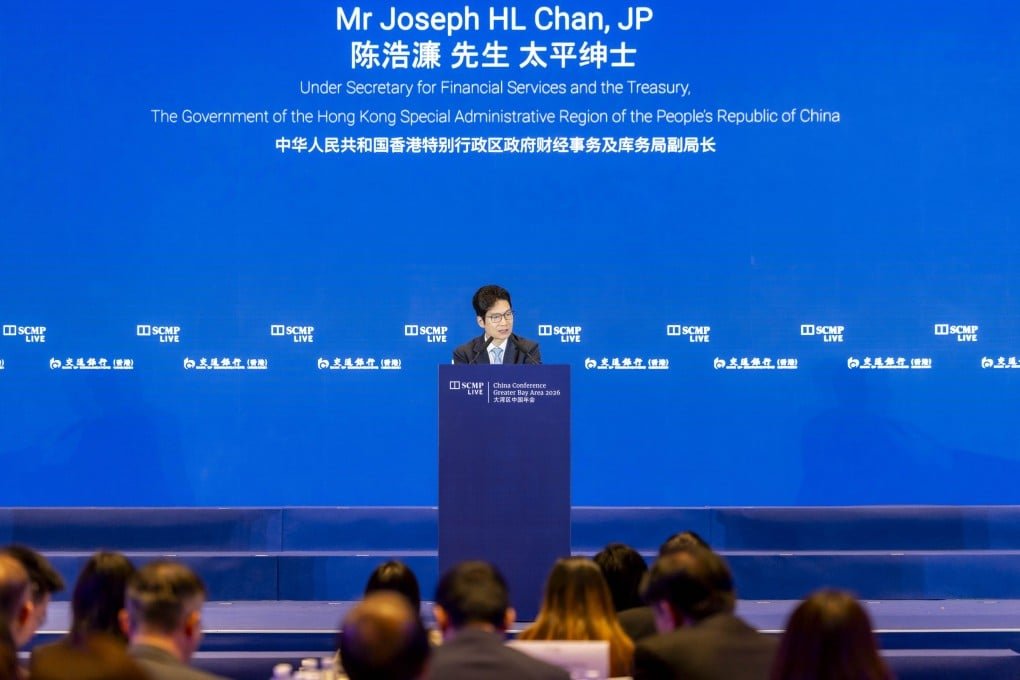
Speaking at the China Conference: Greater Bay Area in the Qianhai bonded zone of Shenzhen, senior officials and industry executives emphasised the importance of aligning financial services with emerging technologies to strengthen competitiveness and innovation across both economies.

Joseph Chan Ho-lim, Hong Kong’s undersecretary for Financial Services and the Treasury, said the two cities are working closely to integrate finance and technology, harnessing Hong Kong’s strengths as a “superconnector” and a “super value adder” in global financial markets alongside Shenzhen’s dynamic technology ecosystem.

Chan noted that Hong Kong will encourage its fintech firms to establish subsidiaries in Shenzhen, while enabling technology firms in Shenzhen to leverage Hong Kong’s capital markets for growth.

He also highlighted the launch of a dual-qualification bridging programme in late 2025 with the Hong Kong Polytechnic University, aimed at mutually recognising banking talent across the border and streamlining professional mobility between the two jurisdictions.

This step reflects a broader push to bolster human capital in financial services and innovation sectors, ensuring a strong talent pipeline for future growth.

Industry leaders echoed the theme of reciprocal empowerment between finance and artificial intelligence.

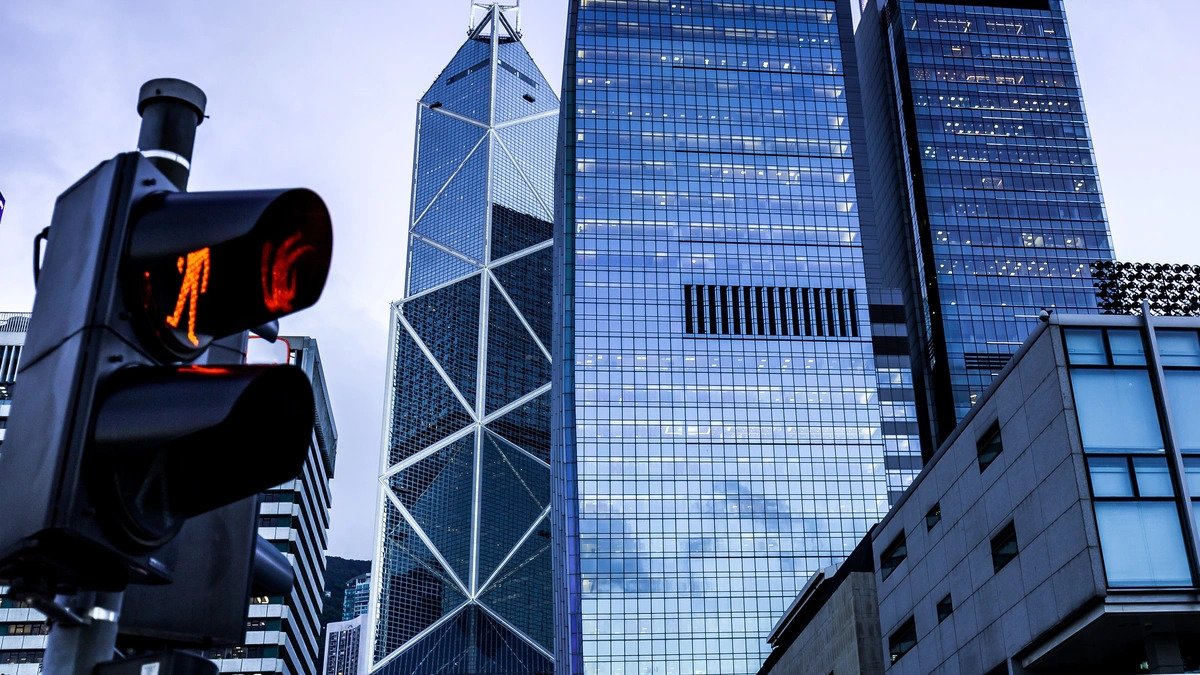
Xiao Ting, chairman and executive director of Bank of Communications (Hong Kong), emphasised that AI and finance can “empower each other,” with his institution tagging AI as a priority for financial support in alignment with national strategies to expand AI application.

Against this backdrop, authorities in both cities recently unveiled a three-year action plan for jointly building a Hong Kong-Shenzhen global fintech hub, aiming to leverage Hong Kong’s established financial infrastructure and Shenzhen’s technology prowess to drive innovation, digital finance, green and inclusive finance, and cross-border data platforms by 2027.

Analysts say these developments reflect long-term strategic commitments to deepen cross-border integration across financial markets, technology innovation and talent development, reinforcing the Greater Bay Area’s position as a leading innovation corridor.

By aligning capital markets, regulatory frameworks and technological ecosystems, Hong Kong and Shenzhen aim to accelerate the adoption of AI in finance and expand collaborative platforms that will support startups, scale-ups and global investors alike.

Such efforts could not only invigorate regional economic growth but also position the Greater Bay Area as a globally competitive centre for advanced financial and tech services.
China’s resistance to U.S. AI chip imports reflects anxiety that Washington’s policy shift could embed dependency while Beijing seeks leverage in broader geopolitical and semiconductor negotiations
China’s unease over the Trump administration’s decision to allow Nvidia to sell its advanced H200 artificial intelligence chips to Chinese companies under new export rules has deepened as diplomatic, economic and security considerations converge.

President Donald Trump’s policy reversal — which permits H200 exports under conditions including a U.S. government share of revenue and national security safeguards — was framed in Washington as a pragmatic balance between protecting U.S. technological leadership and engaging China’s vast tech market.

Yet within Beijing and the Chinese tech sector, the gesture is widely interpreted through a more strategic lens, with Chinese authorities and industry observers warning that such a move could be a sophisticated ‘Trojan horse’ designed to expand U.S. influence within China’s AI ecosystem even as China pushes for semiconductor self-sufficiency.

Recent reporting indicates that Chinese customs officials have instructed agents to effectively bar H200 imports and domestic tech companies have been urged to hold off orders pending regulatory clarity, suggesting Beijing is wary of external influence as it weighs conditions for any H200 approval amid national security and industrial policy priorities.

The H200 chips are Nvidia’s second-most powerful processors, offering far greater performance than the previously restricted H20 products and far outpacing many Chinese alternatives.

Trump’s export rules aim to limit use to vetted commercial customers, ensure adequate U.S. supply and prohibit military applications, while imposing requirements such as third-party performance testing and revenue-sharing to safeguard American interests.

Supporters of the policy argue it could encourage Chinese reliance on U.S. technology — slowing Beijing’s indigenous development efforts and ensuring a degree of interdependence that protects long-term U.S. competitiveness in artificial intelligence.

Nonetheless, many Chinese analysts view the move as a calculated attempt to embed U.S. hardware within key Chinese research and commercial AI activities, potentially exposing Chinese firms to external controls and shaping their technological trajectories in ways that benefit American industry and leverage Washington’s negotiating power in broader trade and technology talks.

Beijing’s caution also reflects broader strategic anxieties about national security, economic autonomy and geopolitical competition.

By conditioning or even temporarily halting H200 imports, Chinese authorities appear intent on gaining concessions and protecting domestic innovation while preventing what they perceive as over-reliance on foreign tech.

The unfolding situation thus underscores the high-stakes interplay between U.S. efforts to maintain leadership in AI and China’s pursuit of technological independence and strategic leverage, with both sides manoeuvring not only over chip exports but broader geopolitical and economic goals in the era of advanced semiconductors.
Chinese tech giant considers making its Hong Kong listing primary and advancing AI chip unit’s HK IPO to broaden investor access amid geopolitical uncertainties
Chinese internet and technology leader Baidu is exploring a significant shift in its capital-market strategy by potentially upgrading its Hong Kong listing to primary status and advancing plans for its artificial intelligence chip unit’s separate listing in the city’s stock market.

The deliberations, gaining momentum in recent weeks, come as Baidu seeks to deepen access to mainland Chinese investors, mitigate policy risks tied to its U.S. Nasdaq listing and capitalise on the robust momentum of Hong Kong’s equity markets.

People familiar with the matter say that making Hong Kong its principal listing venue would open doors to cross-border Stock Connect trading, enabling broader investment flows from mainland China into Baidu’s shares — an outcome that could prove advantageous given rising U.S.–China market tensions and the spectre of restrictive U.S. policies affecting Chinese technology stocks.

Baidu’s decision is closely linked with the proposed spin-off and listing of Kunlunxin, its artificial intelligence chip subsidiary, which specialises in AI computing processors and systems.

Kunlunxin has confidentially filed a listing application with the Hong Kong Stock Exchange, positioning itself for a global offering that would allow it to remain a Baidu subsidiary while accessing public capital in one of Asia’s most dynamic tech markets.

The move reflects a broader strategic impetus among Chinese tech groups to develop domestic capital pathways and attract investor interest amid intensifying technological competition and export control pressures from the United States.

Market analysts note that Hong Kong’s initial public offering landscape has experienced remarkable resurgence, with Chinese tech and AI firms raising substantial capital and listing at favourable valuations, reinforcing the city’s appeal as a fundraising hub.

Baidu’s potential upgrade of its Hong Kong listing and the Kunlunxin IPO also mirrors similar strategic shifts by other Chinese technology giants, who have sought to balance international investor bases, diversify risk and align corporate structures with evolving global regulatory and geopolitical dynamics.

While Baidu has not confirmed final decisions on the primary listing or detailed terms of the chip unit offering, investors and industry observers are watching closely as the company navigates an increasingly complex interplay between U.S.–China relations and global capital markets.
Claire Lai calls on Chinese authorities and global leaders, including U.S. allies, to intervene as her father faces severe prison sentence
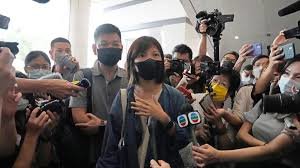
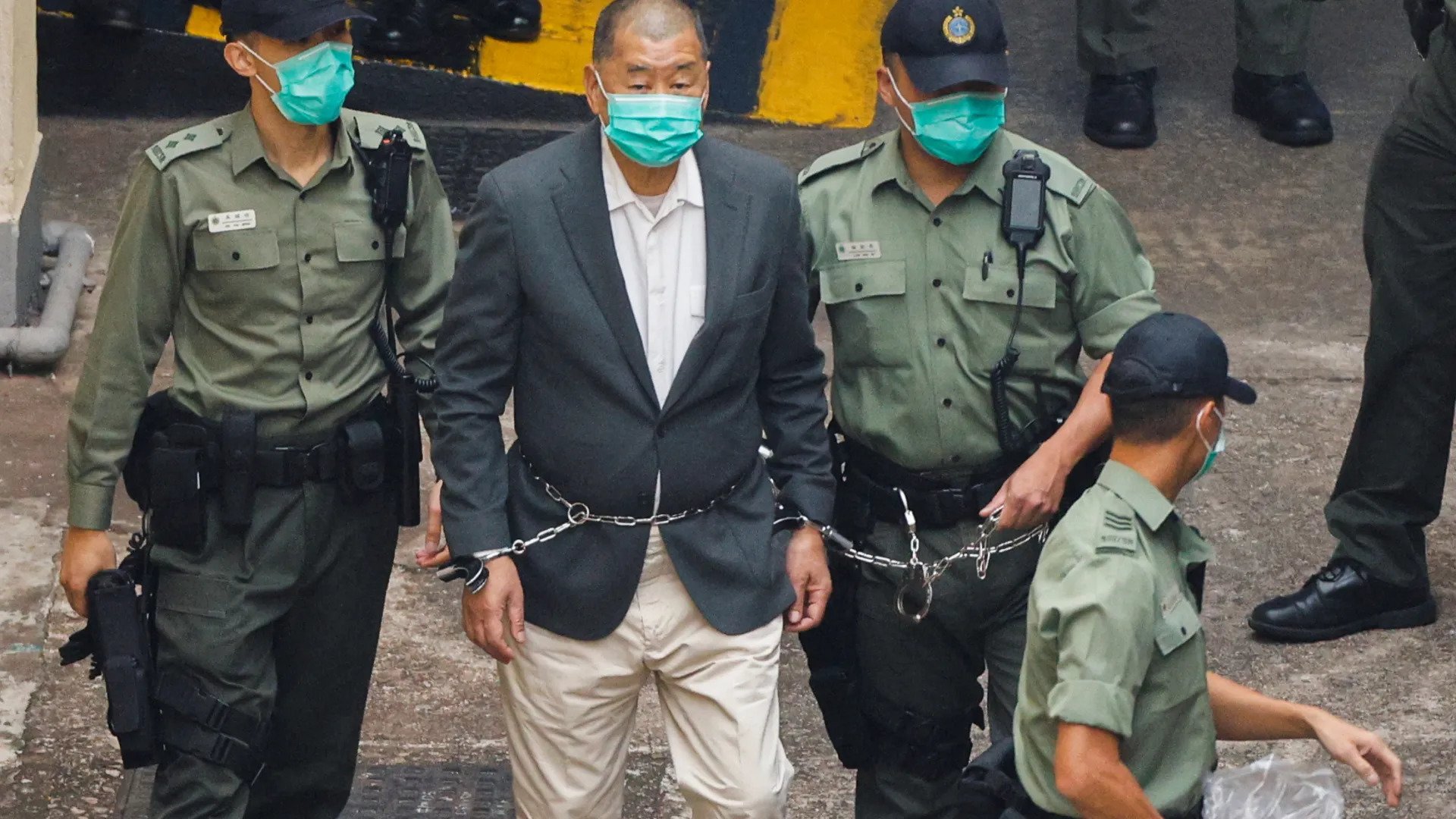
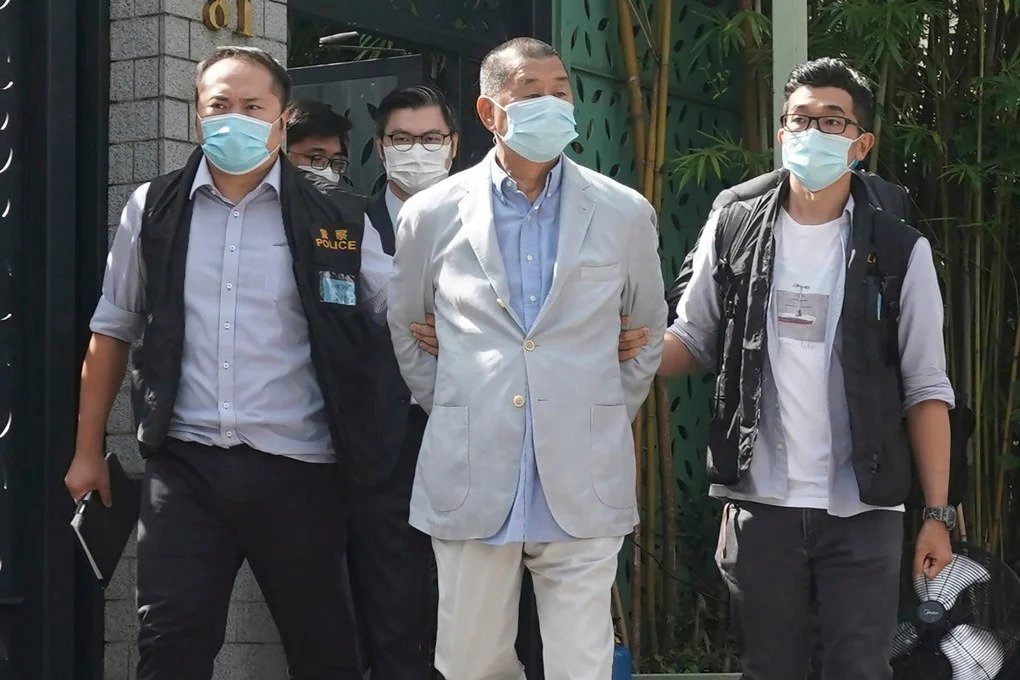
Claire Lai, the daughter of jailed pro-democracy activist and media entrepreneur Jimmy Lai, is intensifying her efforts in Washington and abroad to persuade international actors, including the United States, to help secure her father’s release after he was convicted under Hong Kong’s national security law.

Jimmy Lai, founder of the now-defunct Apple Daily newspaper, was found guilty in December 2025 of conspiracy to collude with foreign forces and seditious publishing, charges he and his supporters have dismissed as politically motivated.

He faces the possibility of a life sentence, and his health has reportedly deteriorated during more than five years of detention, much of it spent in solitary confinement, according to his daughter and legal team.

Speaking to media and policymakers in Washington, Claire Lai described her father’s declining condition and emotional toll, urging a diplomatic push from the United States and other governments to pressure Chinese authorities for his release.

She has framed the case not only as a personal appeal but as a broader plea for the protection of fundamental freedoms and rule of law in Hong Kong.

During these engagements, she told audiences that, if freed, her father would focus on his family and faith rather than political activism, underscoring his age and health challenges.

Her advocacy has drawn sympathy from bipartisan U.S. representatives and contributed to wider discussions among Western capitals about possible diplomatic avenues to intervene, even as Chinese and Hong Kong authorities maintain the conviction and sentencing process is an internal legal matter.

International responses, including appeals from some U.S. policymakers and previous outreach by President Donald Trump to Chinese President Xi Jinping regarding Lai’s case, reflect a rare convergence of diplomatic concern over human rights issues entwined with strategic geopolitical discourse.

Despite these overtures, Beijing has yet to concede any substantive change in its position.

Claire Lai’s campaign illustrates the intersection of human rights advocacy and international diplomacy, highlighting continued friction over the future of civil liberties in Hong Kong under the national security regime.

Her actions aim to sustain global attention on her father’s plight as the legal process advances toward sentencing, reinforcing calls for engagement by leaders to address what supporters view as a matter of justice and humanitarian urgency.
Investors drive a fifth consecutive advance in Hong Kong shares amid optimism on valuations and shifting global sentiment
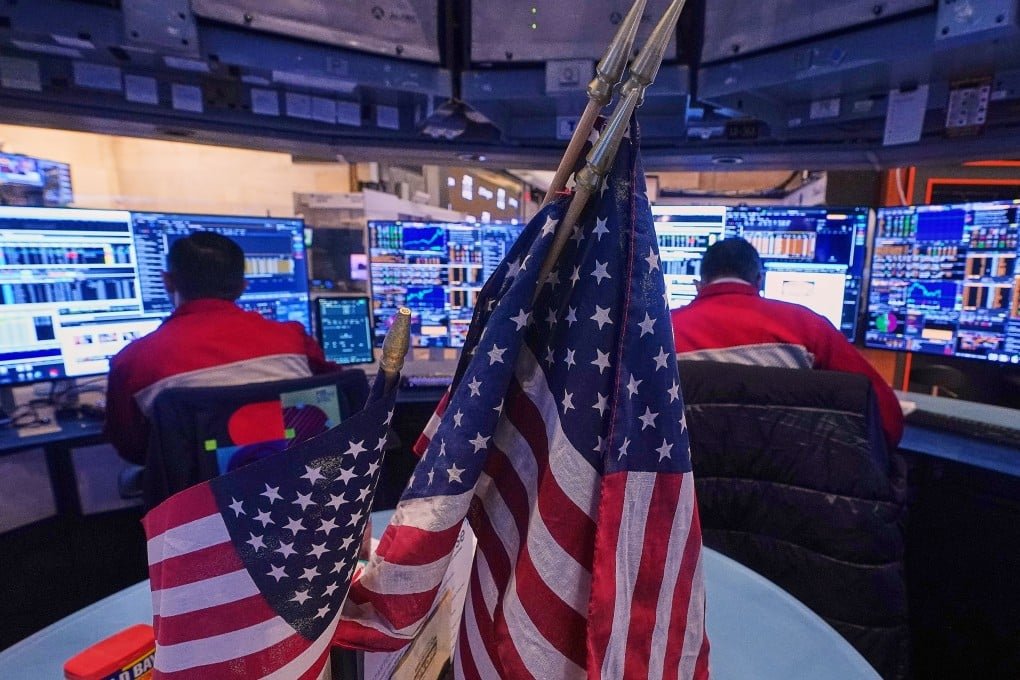
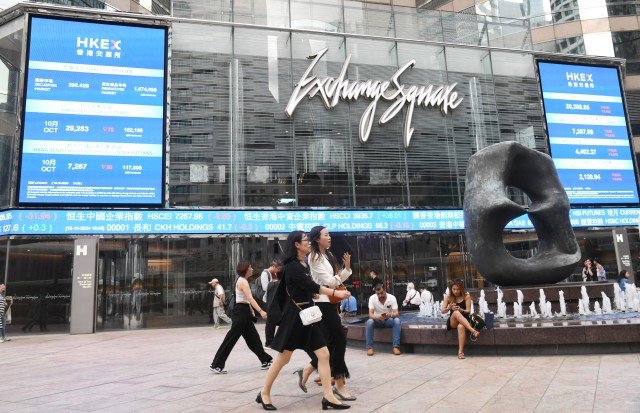
Hong Kong’s stock market extended its recent momentum on Thursday, recording a fifth straight day of gains as the Hang Seng Index climbed on investor appetite for Asian equities.

The benchmark index rose 0.6 per cent to around 27,170 in morning trading, building on the prior session’s 0.6 per cent increase to post its longest winning streak in roughly a year.

Market breadth was mixed, with the Hang Seng Tech Index marginally lower as some technology names lagged broader gains.

Sentiment in the city’s markets has been underpinned by relatively more attractive valuations compared with Wall Street, encouraging global investors to rotate toward Asian assets amid ongoing geopolitical uncertainty.

The Hang Seng’s advance this year has outpaced major US benchmarks, reflecting renewed confidence in regional growth prospects as well as supportive macro dynamics.

Mainland Chinese shares showed more modest moves, with the CSI 300 and Shanghai Composite indices easing slightly.

Among individual equities, several marquee names contributed to the uptrend.

Electric-vehicle maker BYD advanced notably, while logistics and property firms also posted solid gains.

Other large caps including e-commerce and pharmaceutical groups traded higher, lifting overall market sentiment.

Offsetting some of the optimism, select consumer and travel-related stocks weighed on performance after regulatory scrutiny in sectors such as online booking.

The sustained advance in Hong Kong equity prices reflects a broader pattern of Asian markets attracting interest as investors balance risk and return.

With the Hang Seng outperforming key international peers so far this year, market participants are watching closely for signals from macroeconomic data and policy developments that could influence the region’s trajectory.
Latest data show fertility at historic lows, prompting concern over future labour supply, ageing population and policy effectiveness
Hong Kong’s birth rate has continued its dramatic slide, placing renewed pressure on the city’s demographic outlook and raising urgent questions about the sustainability of its population structure and economic prospects.

Official and expert analyses indicate that the total fertility rate in Hong Kong remains among the lowest in the world, with recent estimates suggesting it could fall to levels not seen for more than two decades as couples delay or forgo having children.

The territory’s declining births compound an already rapidly ageing population, intensifying fiscal burdens on health and social systems and shrinking the future labour pool at a time when talent retention and economic dynamism are top policy priorities.

The United Nations and local demographic data show Hong Kong’s fertility rate at around 0.7 births per woman, placing it near the bottom globally alongside other advanced economies with demographic challenges.

This persistent low level reflects deep-seated structural factors including high costs of living, limited affordable housing and the economic pressures faced by younger generations considering parenthood.

Despite a slight uptick to around 36,700 births in 2024, officials and analysts caution that this figure remains historically low and insufficient to reverse long-term decline trends.

Government efforts to boost family formation through measures such as baby bonuses, expanded childcare support and housing preference schemes have yielded modest effects, but experts argue that addressing root causes will require wider social and economic reforms.

These could include more comprehensive child-care systems, extended parental leave provisions and long-term strategies to make raising children compatible with career aspirations and housing affordability.

Policymakers are also grappling with the implications of an ageing society, including demands on public services and shrinking school enrolments that may lead to educational institutional consolidation.

As Hong Kong confronts the realities of its demographic trajectory, the interplay between fertility trends and broader economic resilience remains a central concern for both government planners and business leaders.
Legislative Council briefed on plans to tighten anti-collusion enforcement and consider criminal sanctions for bid-rigging in building maintenance and renovation projects
Hong Kong authorities have reiterated their intent to intensify enforcement against bid-rigging and other corrupt tendering practices in the building maintenance and construction sectors, as lawmakers and officials confront systemic weaknesses exposed by the catastrophic Tai Po fire last November.

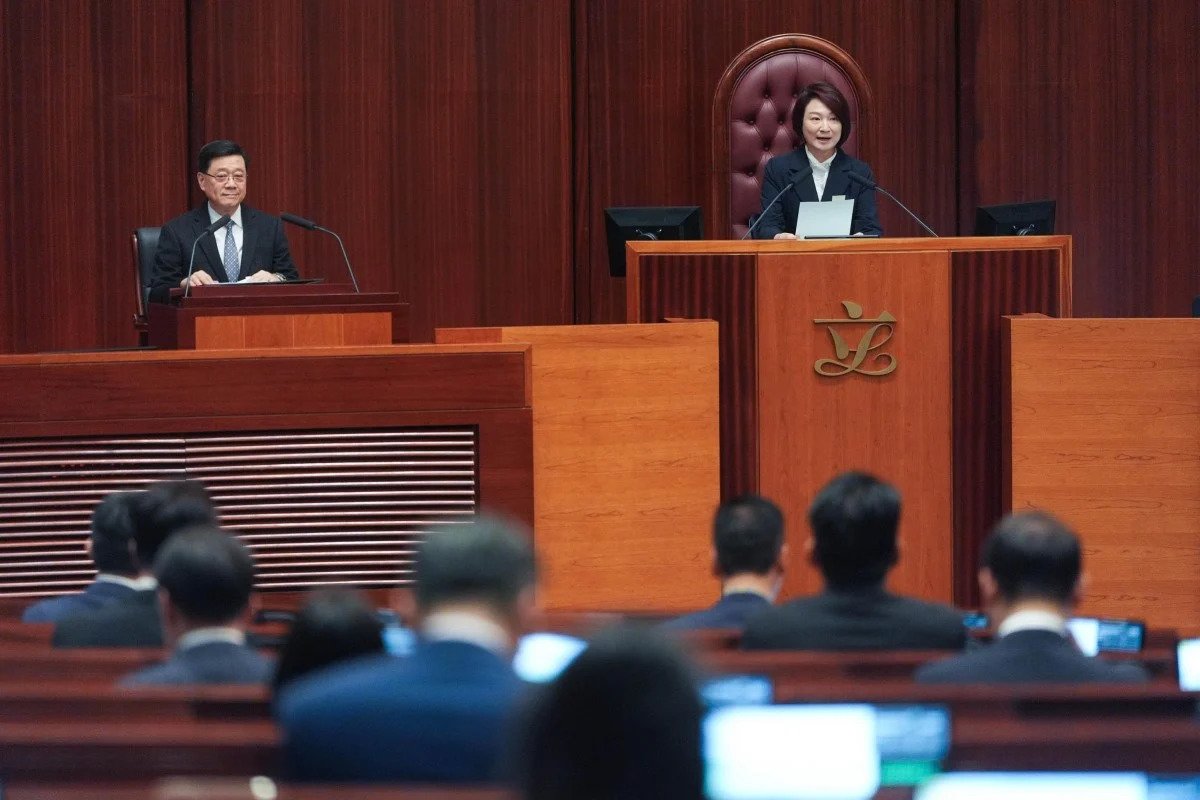
At a Legislative Council session this week, government leaders outlined efforts to review regulatory frameworks and strengthen competition oversight in response to public concern over collusive bidding and inflated contract costs that have undermined safety and fair market competition.

The push to crack down on bid-rigging has gained momentum following high-profile investigations by the Independent Commission Against Corruption, which last month arrested 21 people linked to tender manipulation in renovation projects including a HK$33 million deal in Kwun Tong.

Such enforcement actions have underscored the prevalence of organised syndicates and intricate collusion schemes, prompting calls for sharper deterrence and legal reforms.

The Competition Commission has conducted raids and inspections as part of ongoing probes into suspected collusive conduct across dozens of building maintenance contracts, some valued at over HK$600 million, highlighting the scale of alleged misconduct and its impact on procurement integrity.

Government and legal advisers are also debating proposals to criminalise bid-rigging outright, elevating it from a serious anti-competitive practice under existing competition law to an offence with potentially stronger sanctions.

Influential legal bodies and think tanks have advocated this change, warning that current penalties — predominantly civil fines — lack sufficient deterrent effect given the risks to public safety and trust.

The Legislature’s agenda this term includes motions calling for a comprehensive review of the building maintenance system and enhanced measures to deter collusion, as newly elected lawmakers seek to address institutional gaps laid bare by the fire that killed 161 residents and displaced thousands.

Officials have emphasised the dual aims of protecting public safety and restoring confidence in competitive tendering by tightening oversight, improving transparency and considering legislative reform that would provide authorities with stronger tools to punish and prevent bid-rigging in the territory.
Hong Kong Council on Smoking and Health data reveal broad approval for policies including flavour bans, plain packaging and smoking restrictions
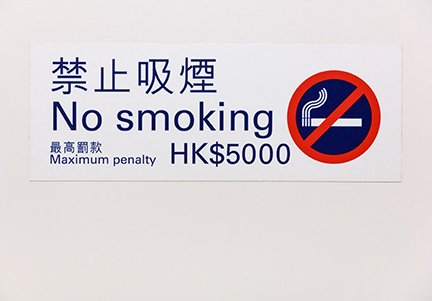
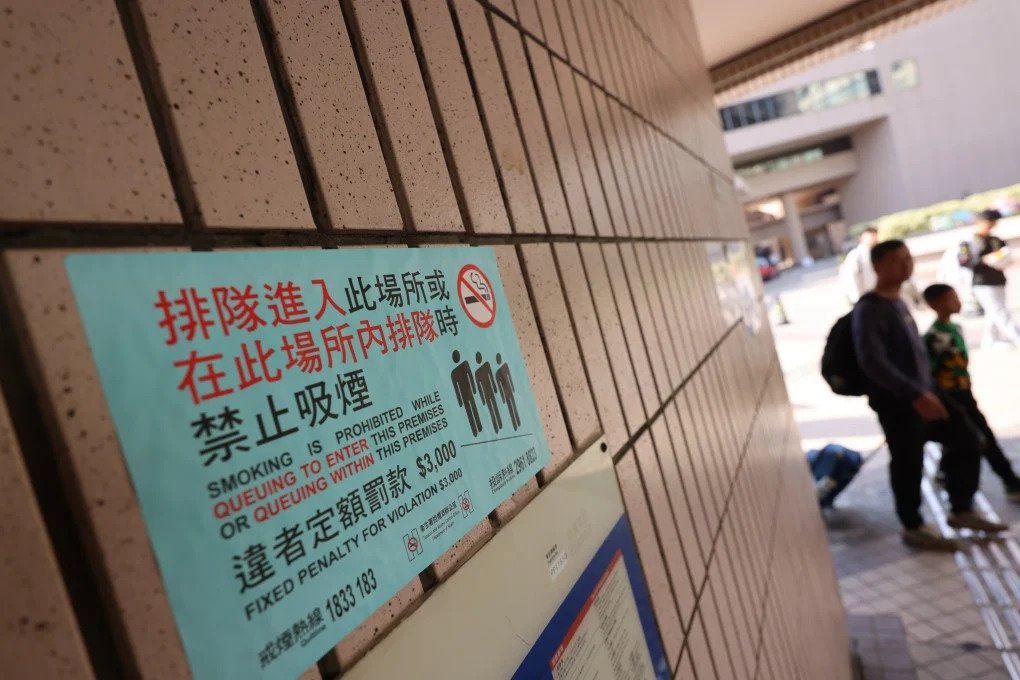
A comprehensive series of tobacco control surveys conducted by the Hong Kong Council on Smoking and Health (COSH) has found substantial public backing for strengthened anti-smoking policies across the territory, highlighting widespread support for measures aimed at reducing tobacco use and protecting public health.

The findings come amid ongoing government action to revise and tighten tobacco regulations, including the passage of the Tobacco Control Legislation (Amendment) Bill 2025 and proposals arising from recent public consultations.

The Tobacco Control Policy-related Survey, compiled annually by COSH in conjunction with academic partners and public agencies, gathers data on smoking behaviour, attitudes toward existing smoke-free laws, and opinions on proposed future controls.

The latest survey results — based on thousands of respondents aged fifteen and above — indicate robust approval for expanding statutory no-smoking areas, increasing tobacco taxes to curb consumption, and implementing additional preventive strategies such as plain packaging and restrictions on flavoured products that make smoking more attractive, particularly to youth and women.

Respondents also expressed strong support for continuing to ban alternative smoking products, including electronic cigarettes and heated tobacco products, under Hong Kong’s comprehensive tobacco control regime.

COSH and public health advocates have pointed to the survey data in urging legislators to prioritise evidence-based policies that can drive Hong Kong toward a “tobacco-free” future.

The Government’s tobacco control strategy, shaped in part by the public consultation “Vibrant, Healthy and Tobacco-free Hong Kong,” sets a target of lowering smoking prevalence further with a multi-pronged approach that includes regulating supply, suppressing demand, banning promotion, and enhancing cessation support.

The broad approval shown in the COSH studies is seen as reinforcing political momentum for these comprehensive policy actions and signals a strong public health mandate for tougher tobacco control measures.
Luxury superyacht Luminara makes inaugural turnaround visit to Hong Kong, underscoring the city’s growing role as a high-end cruise hub with expanded Asia-Pacific itineraries
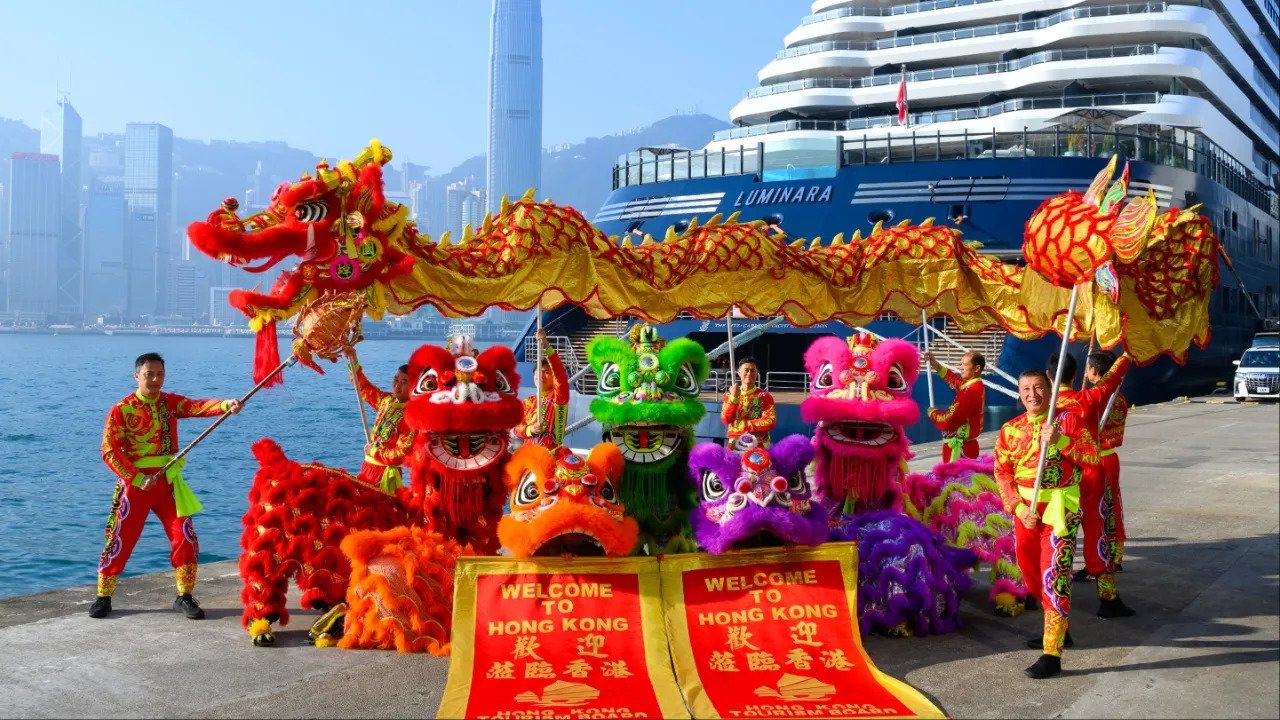
The Ritz-Carlton Yacht Collection’s newest superyacht, Luminara, made its first turnaround call in Hong Kong on January thirteen, marking a significant milestone in the vessel’s Asia-Pacific deployment and the city’s ambition to strengthen its position as a premier cruise hub.

The Luminara, which features spacious luxury suites and bespoke amenities designed for discerning travellers, entered Victoria Harbour and docked at Ocean Terminal in Tsim Sha Tsui to begin a series of Asia-Pacific sailings that reflect robust demand for high-end maritime tourism in the region.

Hong Kong officials celebrated the maiden visit with a water salute and cultural performances, including dragon and lion dances, highlighting the occasion’s importance for the local tourism sector.

The ship will operate multiple itineraries from its Hong Kong homeport and links to Singapore, Tokyo and other key destinations between December twenty-twenty-five and May twenty-twenty-six.

Luminara’s Asia-Pacific schedule includes voyages of ten to fourteen nights visiting ports such as Bangkok, Osaka, Incheon near Seoul and Halong Bay, offering a blend of iconic city experiences and natural scenic stops.

The expanded cruise programme reflects both The Ritz-Carlton Yacht Collection’s strategic focus on the region and Hong Kong’s renewed effort to attract high-spending international visitors as part of its broader tourism development agenda.

Fleet executives have emphasised that these voyages, leveraging Hong Kong as a pivot, will deliver personalised luxury travel experiences while reinforcing the city’s appeal as a gateway to Asia’s diverse cultures and destinations.
Market strategists highlight strong tech listings, earnings growth prospects and renewed investor interest in Asian equities as momentum builds for Chinese and Hong Kong markets
Global equity strategists and market analysts are signalling that the stock markets in Hong Kong and mainland China may outpace U.S. equities through 2026, driven by robust domestic growth prospects, favourable valuations and strong inflows into technology and innovation sectors.

The Hong Kong bourse started the year with notable strength, including several high-profile initial public offerings of Chinese technology firms that traded above their offer prices, reinforcing investor confidence in the city’s role as a gateway to Chinese capital markets.

Recent debuts by artificial intelligence, semiconductor and robotics companies raised substantial capital and saw strong secondary trading, underscoring sustained interest in high-growth sectors.

Chinese equities more broadly have also benefited from targeted government support for tech development and a strategic focus on self-sufficiency in key industries, factors that analysts say could underpin continued outperformance relative to U.S. counterparts.

Leading investment strategists, including those at major global banks, point to comparatively stronger earnings growth projections for Chinese companies and expanding opportunities in emerging industries as reasons to maintain overweight positions in Asian equities.

Market dynamics such as attractive initial valuations, renewed retail participation and anticipated long-term expansion of China’s domestic markets further reinforce this view.

While risks remain, including geopolitical tensions and currency fluctuations, the combination of structural growth drivers and positive investor sentiment has shaped forecasts that Hong Kong and China stocks could see stronger relative returns than major U.S. indexes over the coming year.
Mitigation phase wrapped up for media tycoon and co-defendants as the case moves closer to sentencing
Hong Kong’s High Court has concluded the mitigation hearings in the long-running national security trial of media tycoon Jimmy Lai, bringing the case a step nearer to its sentencing phase.

The former founder of the pro-democracy newspaper Apple Daily and eight co-defendants presented arguments over two days seeking more lenient penalties before the judges, with an official sentencing date yet to be set.

Lai, now 78, was found guilty last month on charges of conspiracy to collude with foreign forces and to publish seditious material under the city’s Beijing-imposed national security law.

He has denied all charges, asserting that he is a political prisoner enduring persecution.

His trial began in December 2023, and he has spent more than 1,800 days in solitary confinement while proceedings have extended over multiple years.

Defence lawyers urged the court to temper their clients’ sentences by highlighting factors such as limited involvement in conspiracy roles and, in Lai’s case, his advanced age and health concerns.

However, presiding Judge Alex Lee indicated that the offences could warrant severe punishment, pointing to provisions of the national security law that allow for sentences ranging from ten years to life imprisonment.

Several foreign diplomats, including representatives from the United States, the European Union and the United Kingdom, attended the hearings, reflecting sustained international attention on the case’s implications for press freedom and the rule of law in Hong Kong.

Lai’s family has publicly challenged assertions about his conduct in detention, citing difficult conditions and limited access to outdoor exercise.

Hong Kong authorities maintain that the trial has been conducted fairly and that the national security law has restored stability to the city following the protests of 2019. 

With mitigation arguments concluded, the court will now determine a sentencing date, keeping global eyes on a case that has become a focal point for debates about civil liberties in the former British colony and the broader impact of national security legislation on society and media institutions.
Public opinion data shows broad support for tobacco taxes, future bans on smoking and tighter regulation of smoking products
A recent public opinion survey in Hong Kong reveals that a significant majority of residents support stepped-up smoking control measures as the city advances new public health legislation.

The study, which involved random telephone interviews with about 5,600 people conducted from December 2024 to May 2025, found that more than seven in ten respondents favour annual increases in tobacco tax, while roughly 78 per cent support plans to effectively ban tobacco use and sales for people born after a specified year as part of long-term policy goals.

Around 75 per cent also said they would back a complete prohibition on the sale and use of tobacco once prevalence falls to five per cent or below, indicating strong community backing for progressive steps toward reducing smoking and smoking-related harm.

The Hong Kong Council on Smoking and Health, which commissioned the survey, highlighted widespread exposure to second-hand smoke, with nearly half of those questioned reporting exposure in the week before their interview, at locations including pavements, road crossings and outside bars.

These findings have fuelled calls for more comprehensive tobacco control measures within the framework of the 2025 Smoking (Amendment) Bill, which sets out a series of controls aimed at lowering smoking rates and protecting public health.

Support for enhanced smoking restrictions comes as Hong Kong’s overall smoking rate stands at around nine per cent of the adult population, a historic low but one that health officials say still contributes to substantial medical and economic costs.

Proposals gaining traction include higher tobacco taxes, restrictions on flavoured tobacco products, expanded no-smoking zones and future generational bans on tobacco sales to those born after a certain year.

The breadth of public support reflected in the survey is expected to strengthen policymakers’ resolve in advancing legislation and related health initiatives.
Convicted journalists urge the court to temper penalties, highlighting cooperation and limited roles as Hong Kong moves closer to sentencing
Former senior staff of the now-defunct Apple Daily newspaper have urged a Hong Kong High Court to impose lighter sentences after pleading guilty in a high-profile national security case that is widely viewed as a bellwether for press freedoms in the city.

Six ex-executives, including the publication’s former publisher and editors, argued that their cooperation with authorities and relatively limited involvement in the offences warranted reduced penalties before the court determines final sentences at a later date.

The defendants admitted guilt in 2022 to conspiracy to collude with foreign forces under Hong Kong’s national security law, acknowledging that they conspired with their former boss, media tycoon Jimmy Lai, to seek foreign sanctions, blockades or other actions perceived as hostile to Hong Kong and China.

Guilty pleas under the security law can qualify for reduced sentences, and lawyers appearing for the former executives highlighted factors such as timely admissions, cooperation with prosecutors and lesser roles in the alleged conduct as grounds for mitigation.

Among those seeking leniency was associate publisher Chan Pui-man, whose counsel suggested that, even if the court applied an upper sentencing band, her sentence should start at around ten years and be halved in recognition of her mitigation factors.

Defence submissions also cited personal circumstances, including health issues and financial burdens, to contextualise decisions made while working at Apple Daily.

Apple Daily, established in 1995 and closed in 2021 following police raids and asset freezes, was a leading pro-democracy voice in Hong Kong.

Its shuttering dealt a significant blow to the city’s once vibrant press landscape, and the ongoing case, with Lai awaiting sentencing on related convictions, has drawn international attention and commentary on the state of media and civil liberties under the national security law.

The judge has yet to set a date for sentencing, with proceedings paused after mitigation arguments concluded.

Observers note that how the court balances calls for leniency against the statutory penalties—ranging up to life imprisonment for national security offences—could influence perceptions of judicial independence and the future of dissent in Hong Kong.
Global investment bank bolsters Asia industrials coverage with seasoned banking executive Misi Tang from HSBC
Jefferies has strengthened its presence in Asia by hiring Misi Tang, a seasoned banking executive from HSBC, as its newly appointed Asia head of diversified industrials based in Hong Kong.

Tang’s appointment signals Jefferies’ continued commitment to expanding its industrials coverage and advisory capabilities across the region, even as the firm had previously emphasised internal promotions over external hires in 2025.

Tang brings extensive sector experience to Jefferies after a notable tenure at HSBC, where she most recently served as Asia Pacific head of capital goods and auto coverage.

Her career also includes over a decade at Barclays, where she was managing director and China head of industrials.

At Jefferies, Tang will focus on supporting corporate clients and cross-border transactions in industrial sectors spanning manufacturing, capital goods and automotive supply chains.

The hire comes at a time when financial firms in Hong Kong and the broader Asia-Pacific region are navigating evolving market dynamics, regulatory shifts and competitive talent landscapes.

Jefferies said that although it had planned to limit external managing director hires, Tang’s expertise made her an ideal candidate to accelerate growth in a core industry segment.

Her arrival is seen as part of Jefferies’ broader strategy to deepen industry knowledge and client relationships in Asia’s diversified industrial markets.

Market observers note that senior banker movements from global institutions such as HSBC to boutique and mid-tier investment banks underscore both talent rotation and the importance of specialised industry coverage in a region with diverse capital needs.

Jefferies’ recruitment of Tang reflects this trend and positions the bank to offer more comprehensive advisory services to industrial clients across Asia.
The long-time campaigner for corporate governance and market transparency leaves a lasting imprint on Hong Kong’s financial landscape
David Webb, a prominent shareholder activist known for his rigorous scrutiny of listed companies and persistent calls for stronger corporate governance in Hong Kong, has died at the age of sixty.

His death marks the end of a distinctive chapter in the city’s financial markets, where he spent decades challenging opaque practices and advocating for investor protection.

Webb, a former investment banker who later devoted himself full-time to activism, was widely recognized for using public data and meticulous analysis to expose weaknesses in corporate structures, conflicts of interest, and regulatory gaps.

Through detailed reports, submissions to regulators, and frequent public commentary, he sought to hold boards, executives, and policymakers to higher standards of accountability.

He founded and maintained an influential website that became a reference point for investors, journalists, and academics, offering data-driven insights into shareholdings, directorships, and governance risks.

His work often highlighted interconnected ownership networks and governance practices that he argued undermined market fairness and minority shareholder rights.

Over the years, Webb played a role in shaping debate around reforms to listing rules, takeover regulations, and disclosure requirements.

While his methods and conclusions sometimes generated resistance from corporate leaders, his analysis was widely respected for its depth and independence, and several of his proposals later found echoes in regulatory changes.

Despite being diagnosed with a serious illness in recent years, Webb continued to engage publicly on market issues, reinforcing his reputation for persistence and intellectual rigor.

He is remembered by supporters as a principled advocate for transparency and by many in the market as a figure who forced uncomfortable but necessary conversations about how Hong Kong’s financial system should operate.
Digital asset issuers eye the city’s crypto hub ambitions, but regulators are holding firm on restricting stablecoins to traditional currencies
Plans to launch gold-backed stablecoins in Hong Kong have been put on hold as the territory’s regulators move ahead with a framework that limits approved stablecoins to those backed exclusively by fiat currencies.

The stance reflects a cautious regulatory approach even as Hong Kong positions itself as a leading global center for digital assets.

Under rules expected to come into force as part of Hong Kong’s new stablecoin licensing regime, issuers will be required to back their tokens with highly liquid, low-risk assets denominated in conventional currencies such as the U.S. dollar or the Hong Kong dollar.

Precious metals, including gold, are not currently included among acceptable reserve assets, effectively sidelining proposals for gold-linked digital currencies.

Industry participants say the decision delays innovation in asset-backed tokens that could appeal to investors seeking alternatives to fiat-pegged stablecoins, particularly amid global interest in commodities as stores of value.

Several firms had explored issuing gold-backed stablecoins in Hong Kong, viewing the city’s robust financial infrastructure and growing openness to regulated crypto activity as a potential advantage.

Regulators, however, have emphasized financial stability, consumer protection, and clarity of redemption as central priorities.

Officials have indicated that fiat-only backing offers greater transparency and reduces valuation and liquidity risks, especially during periods of market stress.

The approach also aligns Hong Kong more closely with emerging international standards for stablecoin oversight.

While the current rules leave little room for commodity-backed tokens, market participants note that regulators have left the door open to future adjustments as the sector matures.

For now, issuers interested in gold-backed stablecoins will need to wait, adapt their products to fiat-based models, or look to other jurisdictions as Hong Kong proceeds deliberately with its digital asset ambitions.
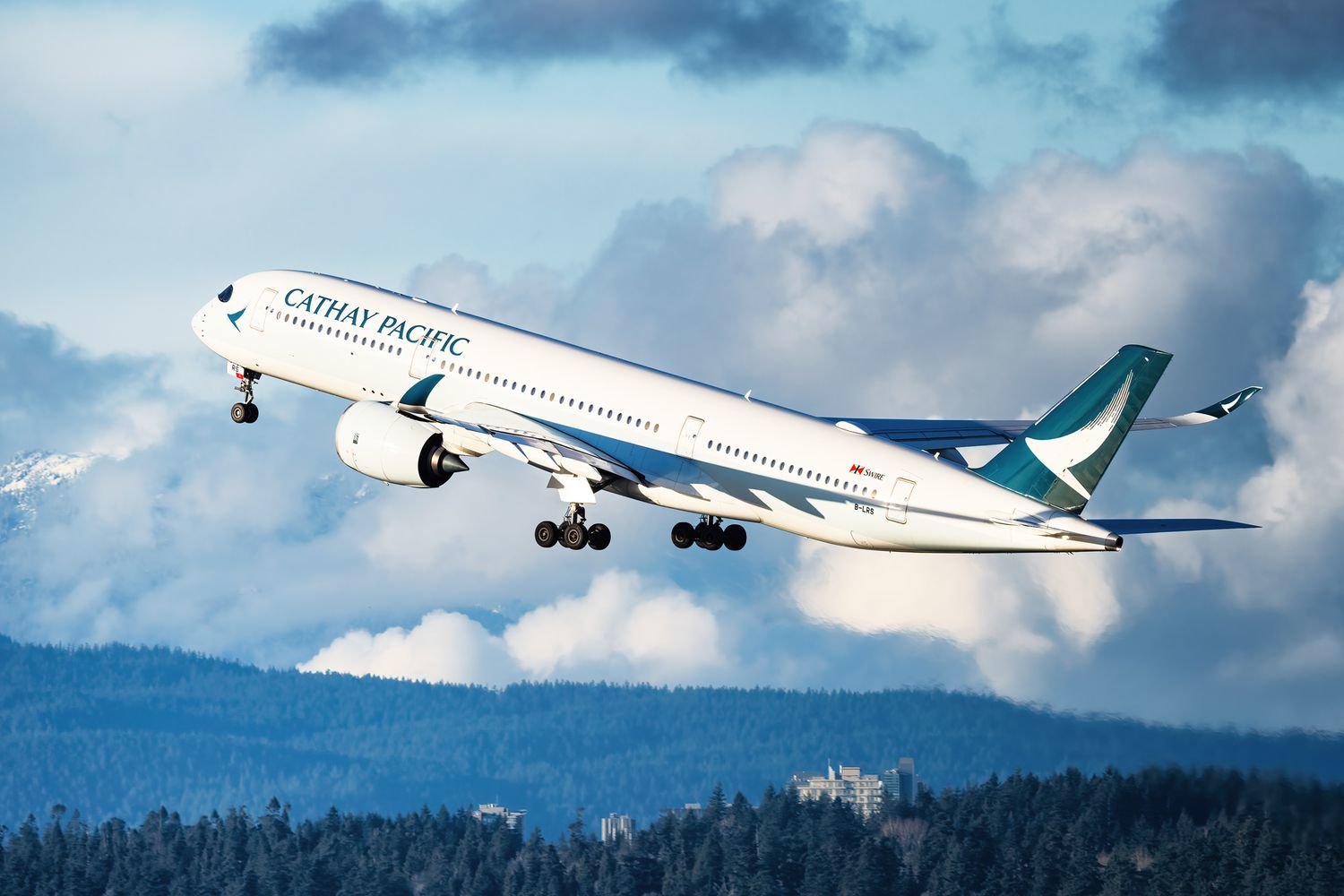
A 72-year-old Dutch man died after a medical emergency aboard inflight CX270 as the aircraft approached Hong Kong International Airport
A passenger on a Cathay Pacific flight from Amsterdam to Hong Kong died after collapsing during the final stages of the nearly 12-hour journey, authorities in Hong Kong confirmed.

The 72-year-old Dutch man lost consciousness while the aircraft was descending toward Hong Kong International Airport early on January 11; cabin crew and a doctor onboard provided first aid as the flight neared landing, according to statements from local police and aviation officials.

Flight CX270 departed Amsterdam Schiphol Airport in the afternoon and was scheduled to arrive at Hong Kong at approximately 7:38 a.m. local time.

As the jet approached the airport, crew members were alerted to the passenger’s collapse and immediately administered emergency care.

After the Airbus A350 touched down, paramedics boarded the aircraft and transported the man to North Lantau Hospital, where he was pronounced dead.

According to local police authorities, a post-mortem examination will be conducted to determine the precise cause of death, though early reports noted that the passenger had complained of a severe headache during the flight and had been given medication by crew.

He had been travelling with his wife, who is 69, and the couple were reportedly en route to visit family in Australia via a connecting flight.

Cathay Pacific issued a brief statement expressing deep sadness at the loss and offering condolences to the family, noting that its crew acted promptly to provide assistance once the medical emergency was reported.

In-flight medical incidents on long-haul services, while rare, can pose significant challenges given the duration of travel and limited resources at altitude, underscoring the importance of trained cabin crews and available responders.
Beijing-based semiconductor designer’s IPO jumps sharply on first day of trading, reflecting investor appetite amid AI and self-reliance trends
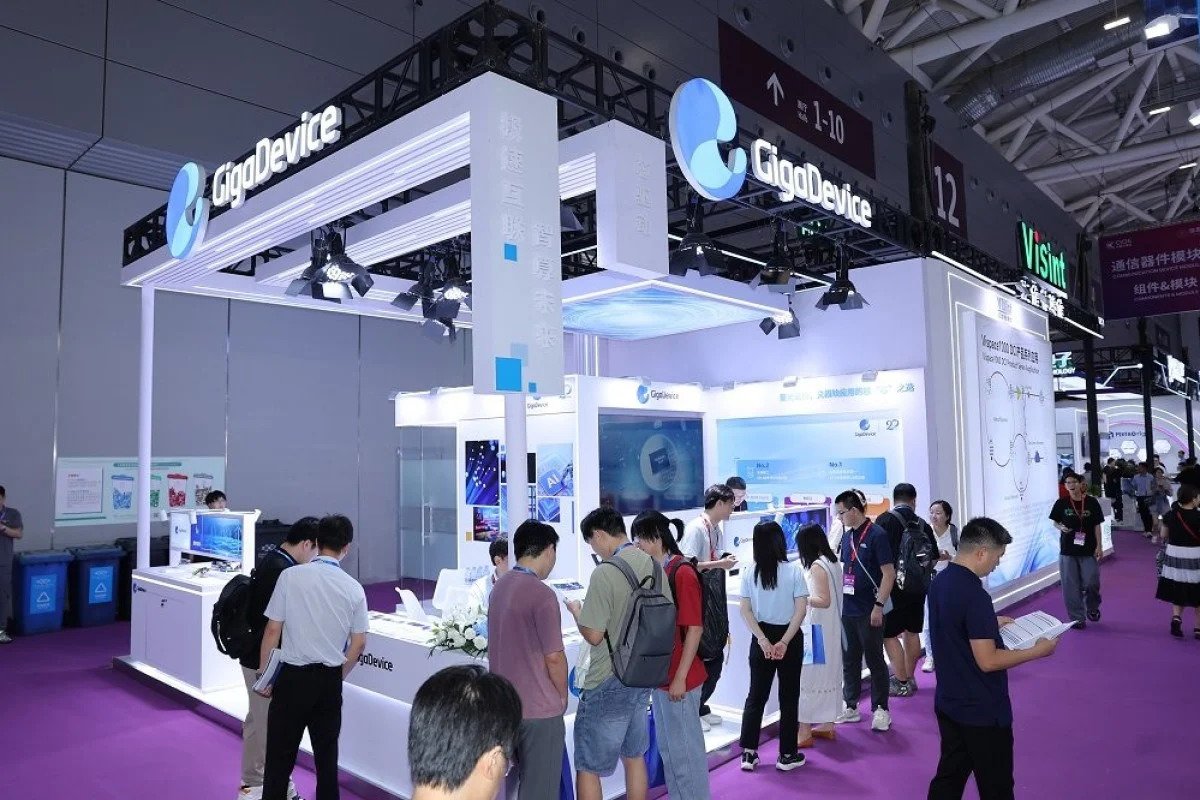
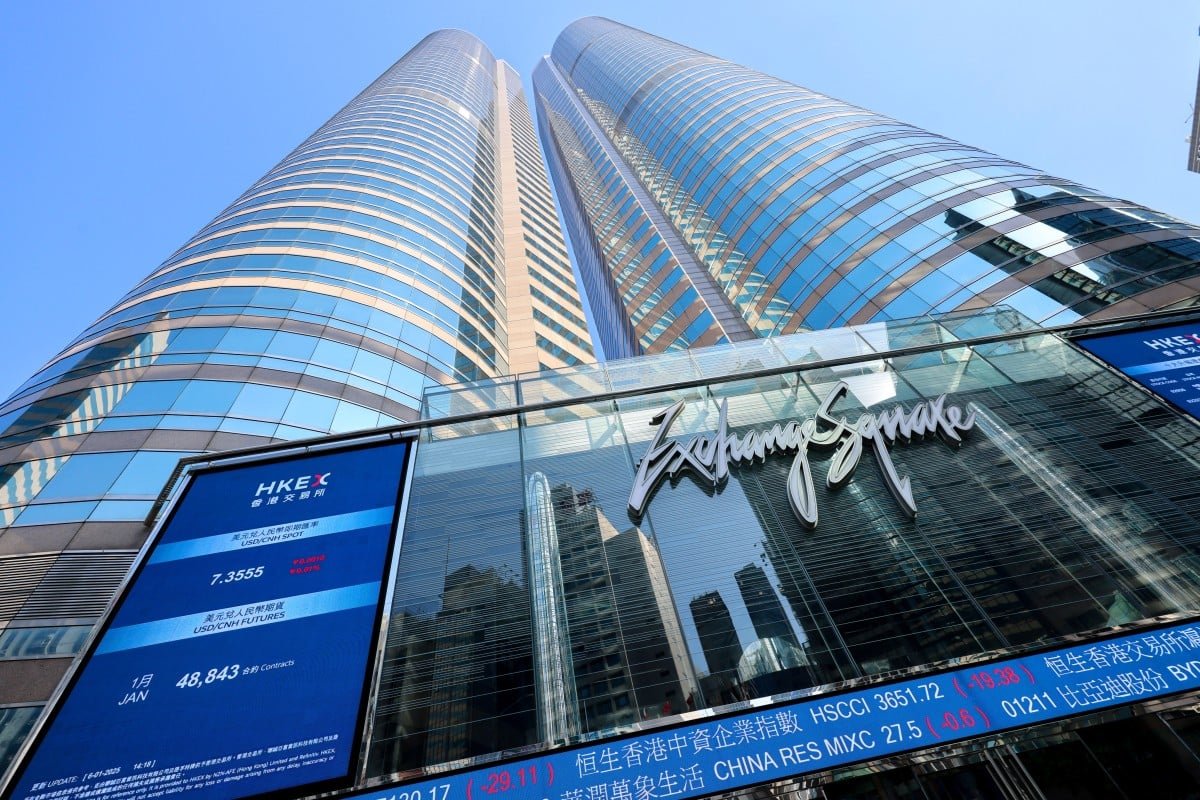
GigaDevice Semiconductor achieved an emphatic listing on the Hong Kong Stock Exchange on January 13, with its shares rallying sharply above the offer price as investors embraced the company’s growth prospects amid rising demand for memory chips linked to artificial intelligence and broader tech investment trends.

The Beijing-headquartered firm raised approximately HK$4.68 billion in its initial public offering, pricing H shares at HK$162 before market debut.

Trading opened strongly, with shares rising more than 40 per cent on the first day of trading, underscoring robust market confidence.

Investor interest appeared particularly intense in the retail tranche, which was reportedly oversubscribed by several hundred times, indicating broad participation in the offering and enthusiasm for tech-sector equities.

Market participants noted that the strong debut reflects not only GigaDevice’s own performance but also sustained investor appetite for companies positioned to benefit from AI-related demand and China’s strategic push for technological self-sufficiency in semiconductors.

On its first day of trading, GigaDevice’s shares climbed to levels above HK$240, with intraday highs nearing HK$248.80 before settling modestly lower.

The firm’s substantial market capitalisation positions it among the most closely watched tech stocks in Hong Kong’s vibrant initial public offering market.

GigaDevice designs a range of integrated circuits, with a particular emphasis on NOR flash memory — used to store firmware and critical code in devices — where it is among the world’s leading suppliers, and microcontrollers used in diverse applications from consumer electronics to industrial automation.

Recent financial results showed a significant increase in net profit and revenue, reinforcing investor confidence in its business model and expansion strategy.

Proceeds from the IPO are expected to fund research and development, strategic investments and potential acquisitions as GigaDevice seeks to broaden its product portfolio and extend its competitive position.

The Hong Kong listing forms part of a surge in technology-sector capital raising in the city, which recently led global initial public offering activity, buoyed by investor interest in AI and semiconductor opportunities.
Shares leap as China’s memory chip designer raises nearly HK$4.7 billion in a resurgent Hong Kong equity market
GigaDevice Semiconductor achieved a highly successful public debut on the Hong Kong Stock Exchange on January 13, with its shares surging sharply above the offer price, underscoring strong investor demand for Chinese technology stocks amid Beijing’s push for semiconductor self-reliance.

The Beijing-based chip designer, already listed in Shanghai, raised HK$4.68 billion through its Hong Kong initial public offering, pricing its H shares at HK$162 each before trading opened.

Retail and institutional enthusiasm propelled the stock significantly higher in early trading, reflecting confidence in the firm’s growth prospects and broader market momentum.

On its first day of trading, GigaDevice’s shares climbed as much as HK$248.80 and closed markedly above the offer price, representing a gain of around forty percent from the issue price.

The strong debut pushed the company’s valuation into the tens of billions of Hong Kong dollars, highlighting the appeal of established semiconductor names in a market increasingly focused on artificial intelligence, memory chips and high-tech supply chains.

GigaDevice specialises in a range of integrated circuit products, including NOR flash memory and microcontrollers used in sectors such as consumer electronics, automotive and industrial automation.

It is among the world’s leading suppliers of NOR flash memory, holding a significant global market share.

The company’s robust financial performance in recent years — including a near sevenfold increase in net profit in 2024 alongside a substantial rise in revenue — reinforced investor appetite for its Hong Kong listing.

The oversubscription of the retail tranche by hundreds of times and strong institutional participation underscored the depth of demand.

GigaDevice’s founder and chairman framed the listing as a milestone in the company’s evolution from a modest startup into a major player in the semiconductor industry, with plans to leverage the IPO proceeds for research and development, strategic investments and potential acquisitions.

GigaDevice’s debut forms part of a broader resurgence in Hong Kong’s IPO market, which led the world in 2025 by fundraising more than US$37 billion through a wave of tech and innovation-focused listings.

The successful launch of GigaDevice and other technology issuers reinforces Hong Kong’s role as a key international hub for capital-raising in the technology sector, even as global competition and geopolitical dynamics shape capital flows and investor interest.
Property group trims issued share capital as part of ongoing capital return and shareholder value strategy
Hongkong Land Holdings Limited has completed the cancellation of 185,000 ordinary shares repurchased under its ongoing share buyback programme, reflecting the company’s continued commitment to returning capital to shareholders and streamlining its issued share capital.

The shares, bought back on January 12, 2026, were acquired at a weighted average price of US$7.8731 each and subsequently cancelled, reducing the total number of ordinary shares on issue.

This latest repurchase follows a series of buybacks over recent months as part of the company’s capital management strategy.

As of January 12, 2026, Hongkong Land’s issued share capital stands at 2,157,464,126 ordinary shares with voting rights, with no treasury stock held by the company.

The cancellation of repurchased shares effectively lowers the total number of shares outstanding, a move that can support earnings per share and reflect confidence in the firm’s long-term valuation.

The recent buyback is among several conducted by the group, including repurchases in late December and earlier in the fourth quarter of 2025, underscoring a sustained focus on capital recycling and shareholder returns.

These measures are consistent with broader efforts by Hongkong Land’s parent, Jardine Matheson, to optimise capital allocation following divestments and strategic portfolio realignment.
Trading firm’s substantial lease in Hong Kong and Asia growth face fresh oversight from Chinese authorities in context of global expansion
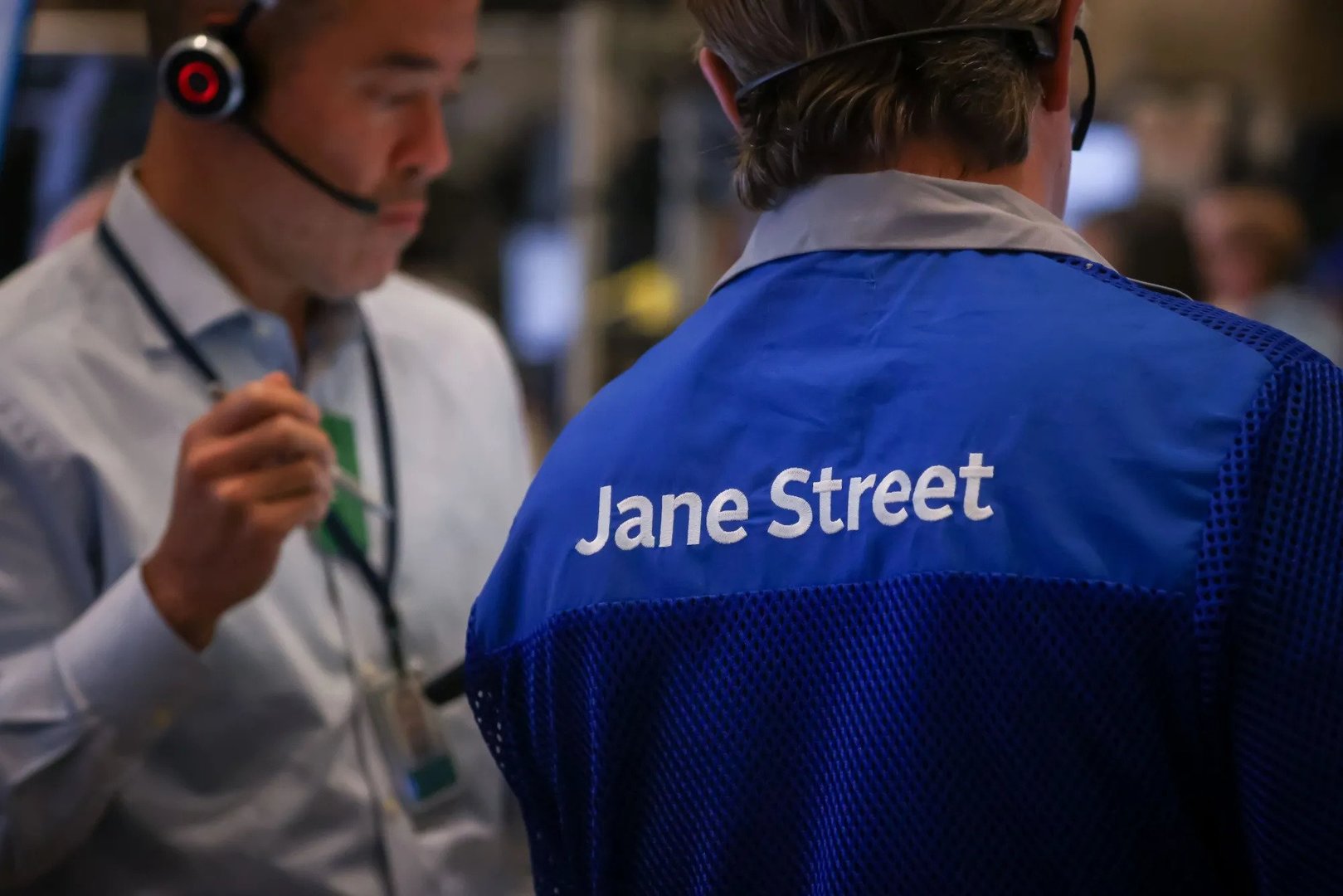
Jane Street’s ambitious expansion in Hong Kong — anchored by one of the largest recent office pre-leases in the city’s Central district — is now intersecting with regulatory scrutiny as markets in Asia adjust to heightened oversight.

The New York-based quantitative trading and liquidity-provision firm agreed to lease more than two hundred twenty-three thousand square feet of premium office space at Henderson Land’s New Central Harbourfront development, securing over seventy percent of the first phase of that project, as firms seek to position themselves in the heart of Hong Kong’s financial hub.

This agreement reflects strong confidence in the city’s long-term appeal to sophisticated financial players, even amid broader pressures on office markets and commercial property dynamics.

At the same time, Chinese regulators have begun examining how Jane Street and other foreign firms participate in mainland China’s substantial exchange-traded fund trading industry, seeking detailed information on trading patterns and broker engagement following heightened oversight in other Asian jurisdictions.

Officials are particularly focused on understanding fast-growing segments of the market and the implications for investor protection and market integrity.

Jane Street has maintained that it continues its Asia operations with global partners and that its business across asset classes proceeds as usual.

The regulatory inquiries come against the backdrop of the firm’s global Asia strategy, which includes expanding workforce and operations across multiple countries, and highlight the balance between capital-market growth and oversight in the region’s evolving financial landscape.
Hang Seng Index gains as Asian equities benefit from broader investor interest and a stronger Chinese currency
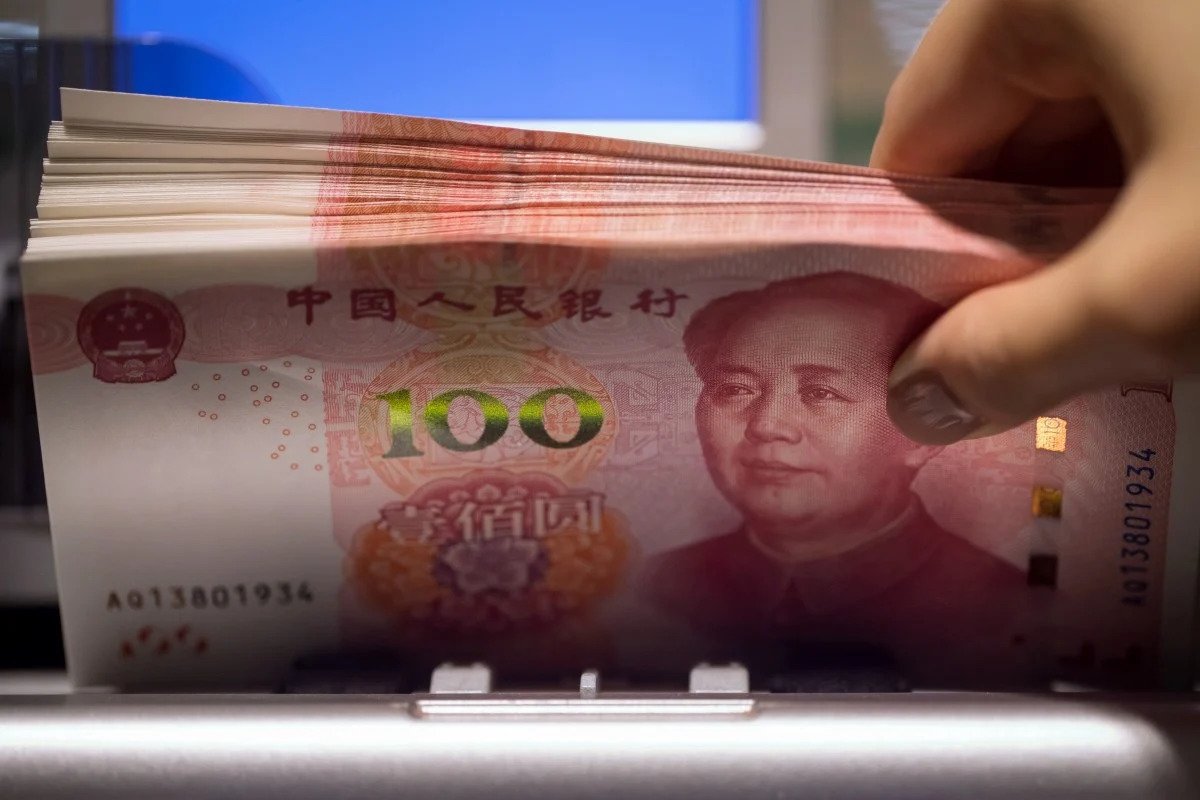
Hong Kong equities opened strongly on Tuesday, buoyed by renewed investor interest across Asian markets and a rebound in the Chinese yuan to its strongest level against the U.S. dollar in nearly three years.

The Hang Seng Index climbed about one point eight per cent to around twenty-seven thousand seventy-four, while the Hang Seng Tech sub-index also advanced, reflecting broad optimism among traders.

The offshore yuan’s offshore spot rate strengthened to about six point ninety-seven against the dollar, its highest level since May two thousand twenty-three, easing some currency pressure and lifting sentiment toward China-linked assets.

Chinese pharmaceutical and healthcare stocks led the gains, with major players such as WuXi AppTec, Wuxi Biologics and Alibaba Health Information Technology posting notable increases in share prices as investors rotated into health and biotech themes.

Not all sectors saw uniform gains, with certain consumer and leisure names, including instant noodle maker Tingyi Cayman Islands Holding and entertainment-oriented toymaker Pop Mart, trading lower amid selective profit-taking.

Mainland Chinese indexes showed mixed performance, with the CSI three hundred modestly higher while the Shanghai Composite dipped slightly as markets digested macro signals.

Analysts noted that the strong yuan contributed to the positive tone, with a softer U.S. dollar and shifts in global investor focus beyond U.S. markets helping underpin regional equity advances into the early trading session, even as geopolitical uncertainties persist.
The U.S. president orders sweeping tariffs targeting countries doing business with Tehran as protests escalate inside Iran and diplomatic pressure mounts
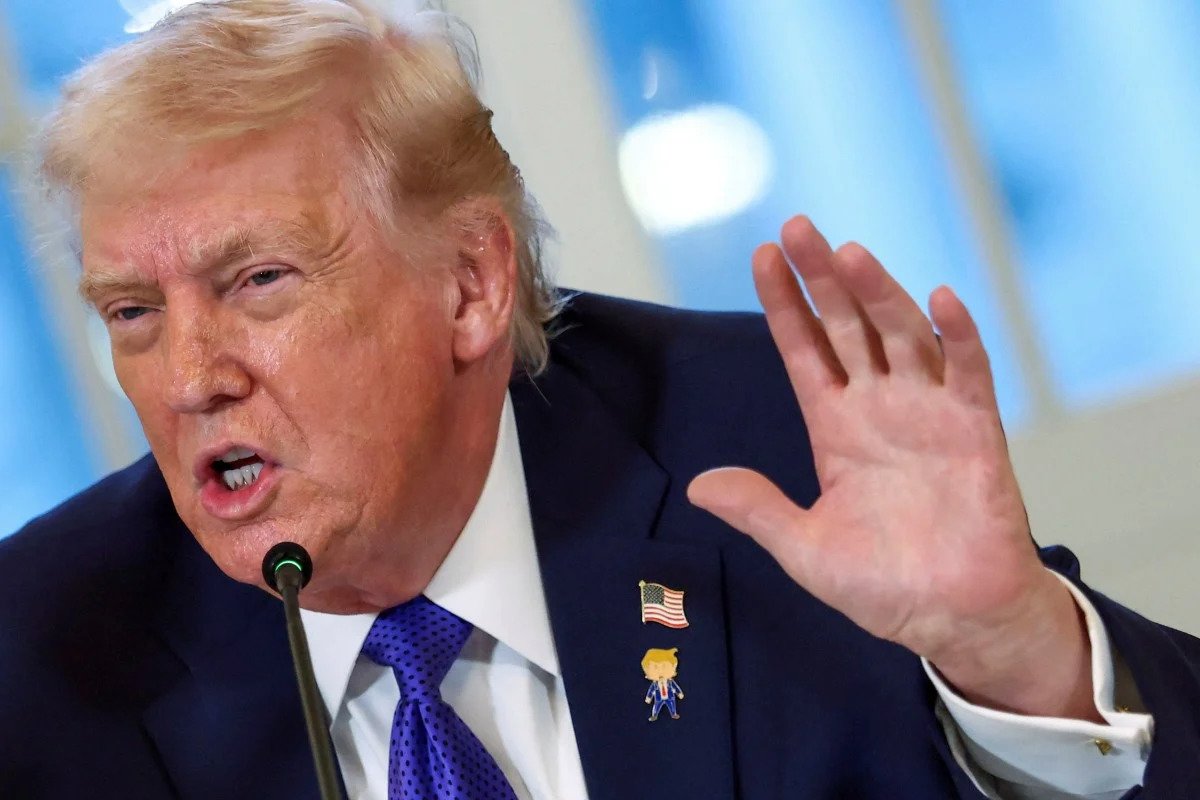
President Donald Trump has declared that any country maintaining trade relations with Iran will face a twenty-five percent tariff on goods exported to the United States, a move aimed at exerting economic pressure on Tehran as unrest within the Islamic Republic intensifies.

Announced via a social media post on January twelfth and described as “final and conclusive,” the tariff takes effect immediately and could affect major economies that continue commercial engagement with Iran, including China, India, Turkey, Russia and the United Arab Emirates.

The measure, delivered without accompanying official documentation or detailed legal grounding from the White House, underscores Mr. Trump’s broader strategy of leveraging U.S. trade policy to influence the Iranian regime’s conduct amid its harsh response to widespread anti-government protests.

These demonstrations, which began late last month amid deep economic grievances, have grown into some of the largest since the 1979 revolution and have reportedly resulted in significant casualties and detentions.

While Mr. Trump has signalled that diplomacy remains the preferred first recourse, he has also reiterated that stronger actions remain on the table, including the new tariffs and the threat of military options should Tehran continue its crackdown.

Iranian officials have confirmed that communication channels with Washington remain open, even as they reject external pressure and insist on defending national sovereignty.

The United States’ latest tariff announcement comes alongside broader international concern over the unrest, with varied reactions from global capitals and ongoing debate over the efficacy and legal basis of imposing such expansive trade penalties.
Beijing rejects the use of force following U.S. threats of military strikes over Tehran’s crackdown on widespread protests
U.S. President Donald Trump has intensified pressure on Iran, warning that military strikes remain a viable option as the Islamic Republic grapples with its largest wave of protests in years, eliciting a firm rebuke from China’s government over the use of force in the Middle East.

Trump’s remarks come as demonstrations sparked by deep economic grievances have spread across Iran and been met with a violent government response that rights groups say has left hundreds dead and thousands detained.

While the White House maintains that diplomacy is the “first option,” Trump’s advisers have stated that “very strong” military options, including airstrikes, are on the table should Tehran’s crackdown continue, and Washington has also imposed punitive tariffs targeting countries that continue trade with Iran.

Tehran has responded with warnings that any foreign military action would prompt retaliation, with senior officials asserting that Iranian armed forces would defend the nation and could consider U.S. and allied assets legitimate targets.

Amid these escalating tensions, China’s foreign ministry publicly opposed the use of force and external interference in Iran’s internal affairs, calling for restraint and urging all parties to seek peaceful resolution and stability.

Beijing emphasised its hope that Iran’s government and population can overcome their “current difficulties” and stressed opposition to interference in the domestic affairs of sovereign states.

The unfolding crisis has drawn varied international reactions, with European governments expressing concern over violence against protesters, while other global actors urge caution and de-escalation as diplomatic channels remain under strain but not entirely closed.
Authorities report nearly three hundred fraud cases in early January and urge both buyers and sellers to exercise caution in digital marketplaces
More than two hundred and seventy online shopping fraud cases have cost Hong Kong residents nearly fourteen million Hong Kong dollars in the first week of two thousand twenty-six, prompting a police alert urging heightened vigilance among internet users and marketplace participants.

The city’s law enforcement received two hundred and seventy-six reports of online shopping scams between January fifth and January eleventh, with an average daily loss of around two million Hong Kong dollars, according to official figures.

In one reported case, a twenty-six-year-old man attempting to sell a suitcase on the online platform Carousell was targeted by a fraudster posing as a buyer.

After initial resistance to entering his details on a phishing website, the seller was persuaded to contact an individual claiming to be a Carousell customer service representative, who demanded a deposit payment before releasing the sale proceeds.

The victim subsequently transferred two hundred and ten thousand Hong Kong dollars in two transactions, only to discover the request was part of a scam.

Police have warned both consumers and those selling goods on the internet to be cautious when interacting with unsolicited links or requests for personal and financial information.

They reiterated that scammers often use falsified third-party payment links and deceptive customer service contacts to lure victims into transferring funds under false pretences.

As online commerce continues to grow in popularity, authorities stressed the importance of verifying the authenticity of buyers, sellers and payment channels to safeguard personal finances and avoid falling victim to sophisticated digital fraud schemes.
Joint trials between Hong Kong and mainland China aim to harmonize drone and eVTOL standards and position the region as a leading low-altitude economy hub
Hong Kong and the Nansha district of mainland China have launched a collaborative initiative to advance cross-border drone operations and develop unified technical and regulatory standards that could set a global benchmark for unmanned aerial systems.

This partnership follows an agreement signed on December twenty-fifth between the Hong Kong Productivity Council and Nansha’s International Advanced Technology Application and Promotion Centre in the Guangdong-Hong Kong-Macao Greater Bay Area, underscoring mutual commitment to the low-altitude economy.

The project will convene academics, aviation stakeholders, drone manufacturers and operators of electric vertical take-off and landing aircraft, along with research institutes from both sides, to pursue a closed-loop model for harmonized standards encompassing technology development, scenario testing and eventual industrial application.

Advocates say the collaboration has the potential to elevate Hong Kong’s role as an Asian hub for low-altitude economic innovation, creating a reference framework for other major cities in the region.

Organizers emphasize that aligned standards are essential for scaling cross-border and commercial drone services safely and efficiently, and could inform relevant policy frameworks beyond the Greater Bay Area.
Judicial order lifts anonymity in high-profile barrister molestation proceedings, underscoring open justice principles
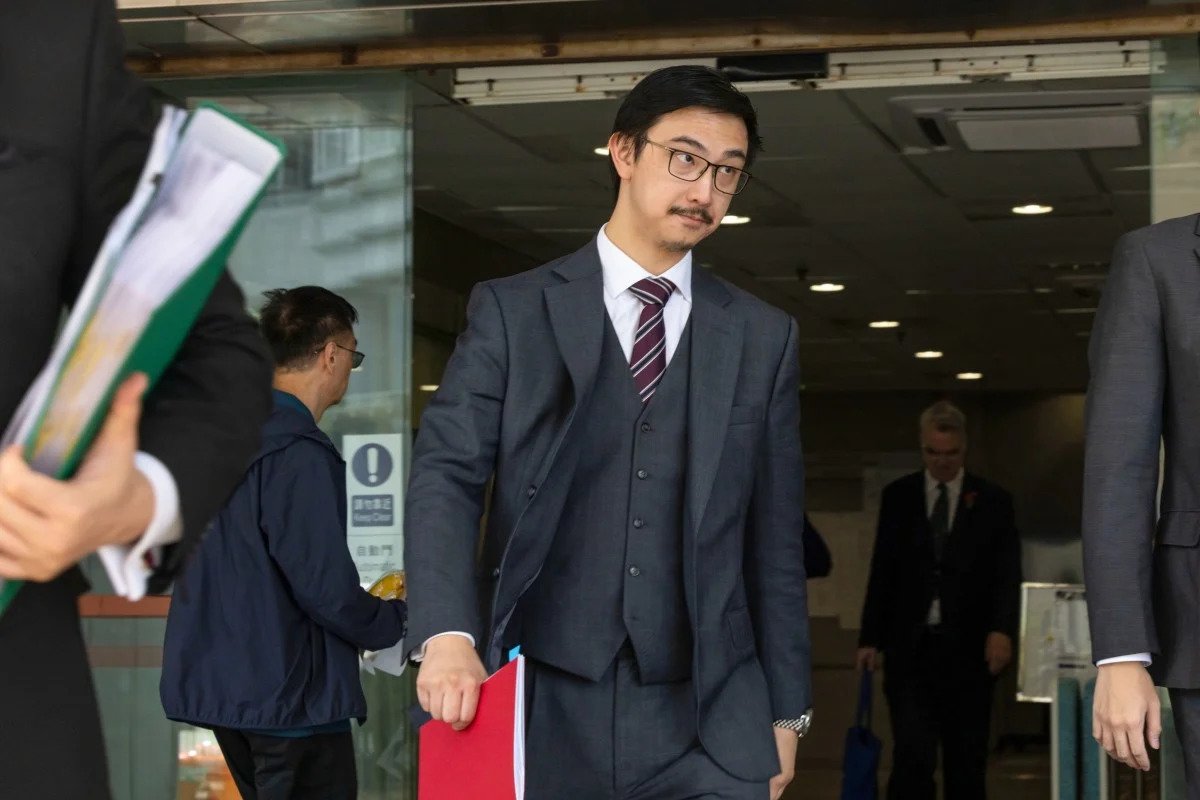
A Hong Kong court has lifted an interim anonymity order shielding a barrister charged with serious sexual offences, marking a pivotal development in the case and reinforcing the legal system’s commitment to open justice.

The 32-year-old barrister, initially granted anonymity in December as charges of indecent assault over alleged incidents involving his apprentice from 2017 were laid, has now had that protective order removed following recent judicial consideration.

The Eastern Magistrates’ Courts had earlier adjourned the matter as the defence sought to suppress the defendant’s identity to protect the alleged victim’s privacy, but prosecutors opposed the application on the basis that it was not justified purely to safeguard the complainant’s identity.

In granting the initial anonymity order, Principal Magistrate Cheung Chi-wai indicated that revealing the barrister’s name might lead members of the legal community to deduce the identity of the apprentice involved, given Hong Kong’s close-knit pupillage circles.

The interim anonymity was due to be reassessed at subsequent hearings, and the court has since determined that full disclosure of identities better aligns with open justice principles and transparency in legal proceedings.

The case remains before the courts, with further hearings expected to address substantive matters of evidence and defence as the legal process continues to unfold under public scrutiny.
Fabless chip designer’s strong listing reflects investor confidence as China accelerates domestic technology capital-raising
China’s GigaDevice Semiconductor experienced a striking debut on the Hong Kong Stock Exchange, with its share price jumping by more than fifty per cent on the first day of trading, underscoring robust investor interest in Chinese semiconductor equities and the broader push for domestic technology self-sufficiency.

The Shanghai-listed fabless chip designer priced its initial public offering at the top of its range, raising about HK$4.68 billion, and saw its Hong Kong shares climb sharply above the offer level in early trading as global and regional investors embraced the stock.

Founded in 2005, GigaDevice specialises in flash memory, microcontrollers and other integrated circuit products used across consumer electronics, automotive systems and industrial automation.

Its Hong Kong debut follows a strategic dual-listing approach designed to broaden its investor base and tap into deep capital pools while reinforcing its profile amid China’s strategic focus on growing indigenous semiconductor capacity.

The listing surge reflects a wider trend of Chinese semiconductor and technology companies choosing Hong Kong’s capital markets for fundraising, with other firms eyeing similar listings later this quarter.

The strong reception highlights confidence in China’s tech sector despite global industry headwinds and regulatory complexity, aligning with Beijing’s long-term ambitions to reduce reliance on foreign semiconductor suppliers and build more resilient domestic innovation ecosystems.

Analysts say that successful high-profile listings like GigaDevice’s could bolster sentiment and encourage further investor interest in the region’s technology champions as they seek capital to scale research, development and production capabilities.
Debt restructuring talks and deferred payments ease immediate contagion fears, even as property sector strains persist
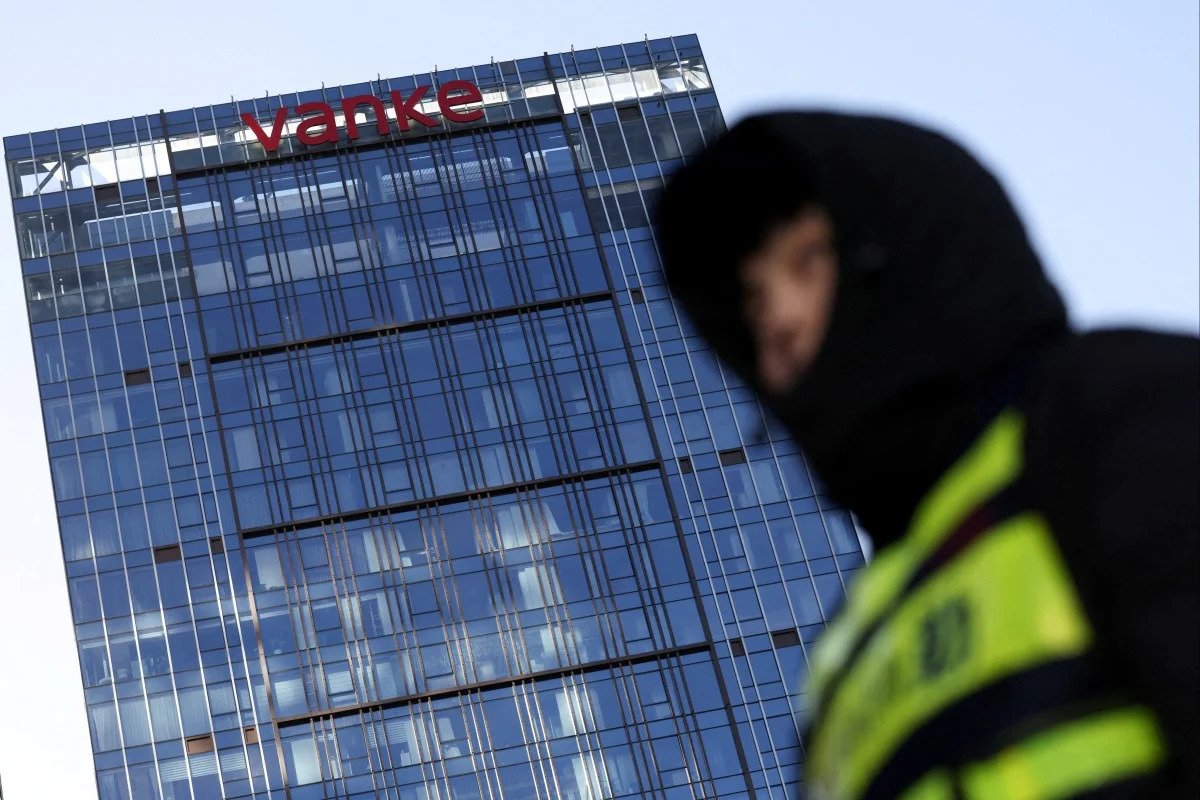
China’s leading developer Vanke is navigating mounting financial stress amid one of the country’s longest property downturns, but banking and market analysts say its struggles are unlikely to trigger a systemic shock to China’s financial system.

The developer, once viewed as relatively insulated from distress, has moved to defer loan and bond payments and is preparing a debt restructuring plan under government encouragement, signalling a delicate balancing act between avoiding outright default and managing broader sector risk.

Vanke agreed with several domestic lenders to defer interest payments on bank loans until September 2026, shifting from quarterly to annual payment terms to preserve liquidity and buy time for negotiations with bondholders on repayment extensions.

That arrangement, coordinated with support from the Shenzhen state asset regulator, followed a missed quarterly interest payment that had raised concerns about the firm’s near-term cash flow.

Despite these measures, efforts to extend onshore bond maturities have met resistance from creditors, and discussions are continuing on further repayment deadlines for upcoming maturities.

Bloomberg News reported that Vanke is drawing up a formal debt restructuring plan at the request of authorities, a step that would bring it closer to default territory even as officials seek to manage the process in an orderly way.

The company’s predicament reflects deep stresses in China’s property sector, where weak demand, falling prices and high leverage have prompted a string of defaults by major developers.

Vanke’s situation differs from earlier failures such as Evergrande because of its state links and proactive negotiations with banks.

Economists and credit strategists argue that while Vanke’s troubles may weigh on confidence and credit conditions, the concentrated nature of its exposure — and coordinated relief from lenders — reduces the likelihood of widespread financial contagion in China’s banking or bond markets.

Observers note that policymakers are focused on completing unfinished housing projects and containing fallout rather than broad systemic rescue operations.

Investors remain alert to developments, with Vanke’s share price and bond valuations sensitive to news on repayment talks and restructuring progress.

The coming weeks’ negotiation outcomes will test whether a managed restructuring can prevent an abrupt default and preserve broader market stability while addressing the company’s significant debt burdens.
Global and local pharmaceutical firms slash prices by up to eighty per cent amid intensifying competition and a growing public-health burden
China’s burgeoning market for weight-loss medications has erupted into a fierce price war, with multinational and domestic drugmakers cutting prices by as much as eighty per cent as competition intensifies and the country’s obesity crisis deepens.

The rivalry comes as China’s population of overweight and obese adults expands rapidly, raising both commercial stakes and public health concerns.

The price reductions were triggered in December when Novo Nordisk halved the cost of its flagship weekly injection, Wegovy, in several provinces, prompting rivals to respond with steep discounts.

On major online platforms, the monthly cost of Eli Lilly’s Mounjaro has dropped to around 500 yuan for a common dose, down from nearly five times that level on launch — reflecting cuts of up to eighty per cent since its introduction.

These moves have been aimed at defending market share in one of the world’s fastest-growing weight-loss drug markets.

China’s domestic pharmaceutical sector is also stepping up its presence.

Local firms have accelerated the launch of homegrown glucagon-like peptide-1 (GLP-1)-based therapies and dual-target drugs, expanding options beyond the established Western brands.

Patent expiries, including that of semaglutide in March, are expected to further open the market to generics and lower-cost alternatives, reshaping competitive dynamics.

The price war comes amid alarming trends in public health: China’s number of overweight and obese adults could rise substantially in the next decades, according to health surveys, intensifying the urgency for effective interventions.

Analysts say that aggressive pricing by global pharmaceutical giants — willing to sacrifice margins to build volume — challenges local competitors to innovate and scale efficiently if they are to gain sustainable share.

Industry observers note that while lower prices expand access, they also compress profit margins and could complicate long-term investment in new drug development.

Nevertheless, the current market reshaping underscores China’s growing importance in the global GLP-1 and weight-management landscape, with implications for drug pricing, healthcare delivery and chronic disease management in the world’s most populous nation.
High-resolution Earth observation satellite THEOS-2A to lift off from India at 11:47 a.m., marking a major step for Thailand’s space programme
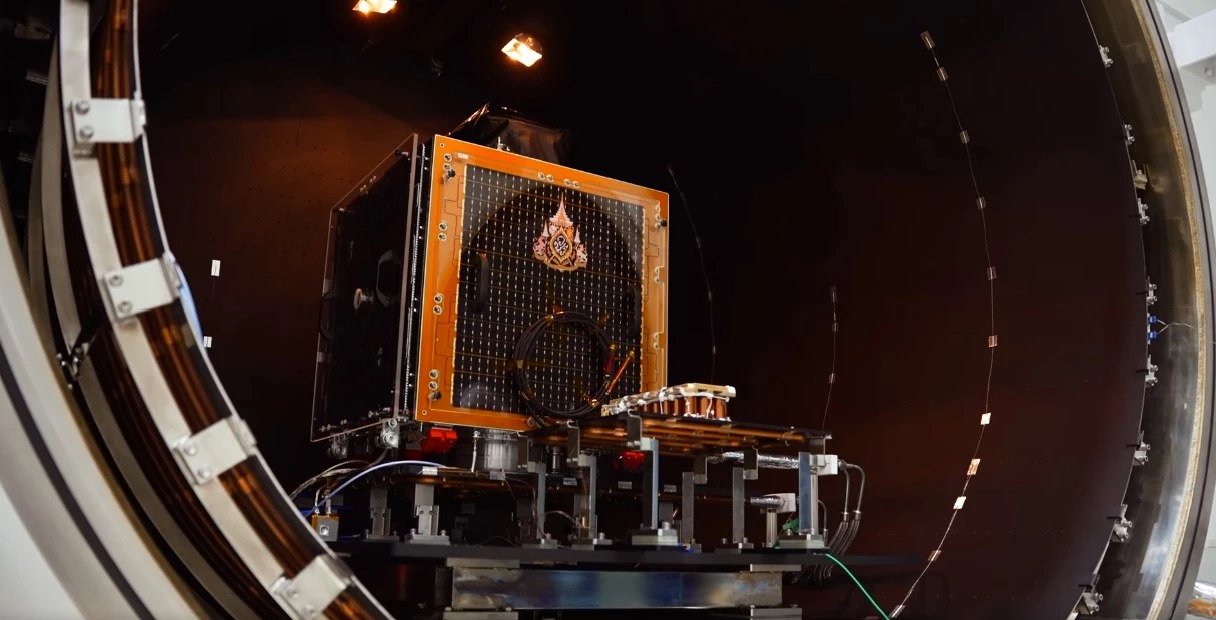
Thailand is poised to mark a significant milestone in its national space programme with the scheduled launch of the THEOS-2A satellite on Monday, 12 January 2026, underscoring the country’s growing capabilities in space technology and applications.

The Geo-Informatics and Space Technology Development Agency (GISTDA) has confirmed that THEOS-2A, the nation’s third Earth observation satellite, will be lifted into orbit from the Satish Dhawan Space Centre in Sriharikota, India, with liftoff scheduled for 11:47 a.m. local time.

Developed in collaboration with Surrey Satellite Technology Limited and built around advanced small-satellite technology, THEOS-2A is designed to capture high-resolution imagery and multi-purpose data that will support a wide range of civilian and developmental uses, including disaster monitoring, agriculture planning, natural resource management, urban and environmental planning, and national development strategies.

Thai engineers played a key role in developing the satellite’s payload and integrating it with the spacecraft, reflecting a sustained transfer of expertise and deepening domestic technical capacity.

GISTDA has invited the Thai public and international observers to watch the launch live, with commentary and technical insights provided by satellite engineers and mission specialists via the agency’s official social media channels.

The satellite—part of Thailand’s broader Earth observation system that includes THEOS-1 and THEOS-2—will complement existing space assets and strengthen the country’s ability to gather timely geospatial data for policy support and decision-making.

The mission will use a Polar Satellite Launch Vehicle rocket, one of India’s workhorse launch systems, to place THEOS-2A into a sun-synchronous orbit, where it will operate for an anticipated three years.

The satellite’s imagery and data products are expected to benefit both the public and private sectors by improving responsiveness to natural disasters, enhancing infrastructure planning and supporting sustainable development.

The launch underscores Thailand’s commitment to advancing its space science capabilities and leveraging satellite technology to address societal needs, while reinforcing international cooperation in space exploration and technology transfer.
Asia’s leading travel fair returns with a strong focus on luxury, bespoke tourism and high-value travel markets
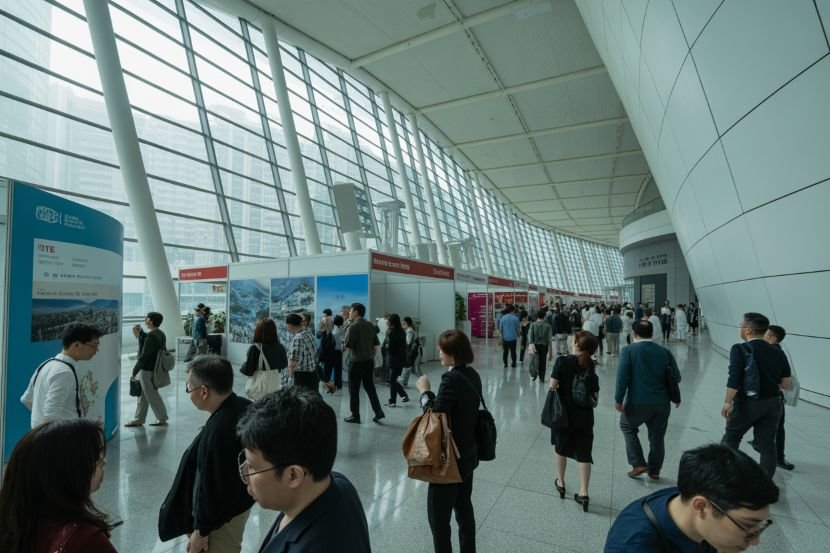
ITE Hong Kong 2026 is set to reinforce the city’s role as a premier gateway for high-end travel and tourism, bringing together global industry leaders, destination marketers and discerning travel professionals for one of Asia’s most influential travel events.

Scheduled to take place in Hong Kong next year, the exhibition will spotlight premium, luxury and experiential travel offerings at a time when demand for tailored and high-quality journeys continues to rise.

Organisers say the upcoming edition will place particular emphasis on upscale tourism segments, including luxury leisure, customised itineraries, cultural immersion and sustainable high-value travel.

Exhibitors from across Asia, Europe, the Middle East, Africa and the Americas are expected to showcase destinations, hotels, cruise products and specialist services aimed at affluent travellers and niche markets.

The event will also serve as a platform for new product launches and strategic partnerships as the global travel industry adapts to evolving consumer preferences.

ITE Hong Kong has long been recognised for bridging outbound and inbound travel markets, and the 2026 edition is expected to further strengthen Hong Kong’s position as a regional aviation and tourism hub.

Industry forums, seminars and networking sessions will address trends such as premium wellness travel, culinary tourism, adventure experiences and the use of digital tools to enhance customer engagement.

With international travel continuing its strong recovery, organisers anticipate robust participation from both exhibitors and buyers, including travel agents, tour operators and corporate travel planners.

The event is also expected to attract high-spending consumers seeking inspiration for future journeys.

By combining business exchange with consumer engagement, ITE Hong Kong 2026 aims to set benchmarks for quality, innovation and value in the premium travel and tourism sector.
Benchmark index advances at the open, supported by strength in major tech names and improved investor sentiment
Hong Kong stocks opened higher in early trading, buoyed by gains in technology shares that lifted overall market sentiment.

The Hang Seng Index posted a firm start, reflecting renewed buying interest in large-cap tech companies following recent positive developments in the sector.

Technology stocks led the advance, with investors favouring companies linked to semiconductors, internet services and artificial intelligence.

The sector has benefited from expectations of sustained demand growth and improved earnings visibility, encouraging selective risk-taking at the opening bell.

Broader market sentiment was cautiously optimistic, with traders balancing sector-specific strength against lingering global uncertainties.

Financial and consumer-related shares were mixed, but their performance was offset by the solid showing in technology, which remains a key driver of the Hong Kong market.

Analysts noted that the higher open reflects continued interest in growth sectors and confidence in Hong Kong’s role as a hub for technology listings and capital raising.

While volatility is expected to persist, early gains highlighted the influence of tech stocks in shaping short-term market direction.
From late January the West Kowloon terminus will offer direct links to major Mainland cities, boosting travel and economic integration
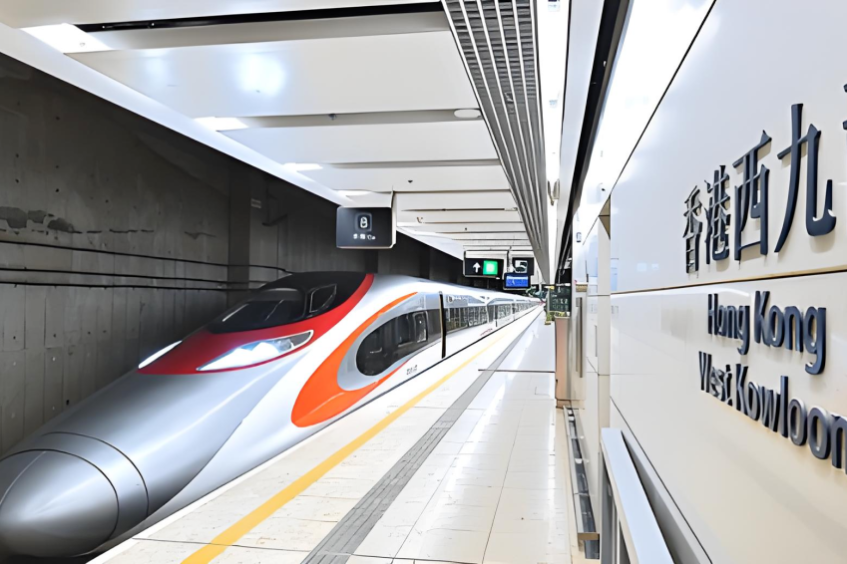
Hong Kong’s high-speed rail service is set to broaden its reach significantly, with the MTR Corporation confirming that the Hong Kong section of the network will add sixteen new direct mainland destinations from January 26, 2026. The expansion raises the total number of cities accessible by direct high-speed train from Hong Kong’s West Kowloon Station to 110, enhancing the city’s connectivity with key commercial and cultural hubs across the Chinese mainland.

Among the newly included destinations are popular tourist and business centres such as Nanjing and Wuxi in Jiangsu Province, as well as Hefei in Anhui Province, reflecting growth in both leisure and corporate travel demand.

The widening of the rail network follows earlier services that already connected Hong Kong with scores of mainland cities, including Xi’an, Wuhan and Shanghai, underlining the rapid integration of the cross-border rail system and its importance to regional mobility.

In tandem with the network expansion, the Shanghai-Hongqiao overnight sleeper train service will shift from a limited-schedule offering to daily departures, providing greater flexibility for passengers.

Frequencies on other popular routes, including services to Guangzhou South, will also be increased, catering to the rising numbers of passengers using the high-speed link for business and leisure trips.

The move comes against the backdrop of record ridership for the Hong Kong high-speed rail, with more than 30 million journeys recorded in 2025 alone, up around 17 per cent from the previous year.

The trend demonstrates growing demand for seamless cross-border travel and the enduring appeal of rail connectivity amid broader economic and cultural exchange across the Greater Bay Area and beyond.
Authorities expand testing zones and technologies as part of a wider push toward smart transport and autonomous systems
Hong Kong has expanded its urban trial programmes aimed at advancing intelligent mobility, as the government steps up efforts to integrate smart transport technologies into the city’s dense urban environment.

The Transport and Logistics Bureau, working with relevant departments, has widened the scope of pilot schemes to test autonomous driving systems, connected vehicle technologies and smart traffic management solutions across more districts.

The expanded trials build on earlier testing of autonomous vehicles in controlled areas such as science parks and designated industrial zones.

Under the latest phase, authorities are allowing a broader range of real-world scenarios, including more complex road conditions, mixed traffic flows and interaction with pedestrians.

Officials said the approach is designed to gather more comprehensive data while maintaining strict safety requirements.

The initiative forms part of Hong Kong’s broader smart city strategy, which seeks to enhance transport efficiency, improve road safety and reduce emissions through the use of innovation and data-driven systems.

Government representatives said intelligent mobility would play a key role in supporting economic competitiveness and improving daily commuting experiences, particularly as traffic demand continues to grow.

Technology firms, research institutions and transport operators are participating in the trials, providing vehicles, software and analytics tools for evaluation.

Authorities noted that lessons from the expanded testing would inform future regulatory frameworks and potential commercial deployment of autonomous and connected transport solutions.

The government has stressed that public safety remains paramount, with all trials subject to close monitoring and clearly defined operating conditions.

The move signals Hong Kong’s intention to position itself as a regional leader in smart transport innovation, using carefully managed urban trials to bridge the gap between emerging technology and practical, citywide application.
Authorities and Nestlé proactively withdraw 21 additional infant formula batches amid global recalls over a potential toxin risk

Hong Kong health authorities and Nestlé have announced an expanded recall of infant formula products after identifying additional batches that may be contaminated with a toxin produced by the bacterium Bacillus cereus. The voluntary and precautionary recall, which affects 21 batches of powdered infant and young children’s formula distributed in the city, comes amid a global wave of similar withdrawals following concerns over a heat-stable toxin known as cereulide.

The Centre for Food Safety said the recall follows Nestlé’s earlier action in Europe and other regions, where certain products were found to have potentially used an ingredient that might contain the toxin. Nestlé Hong Kong has stopped sales of the affected batches, removed them from store shelves and urged parents not to feed the products to infants and young children pending further advice. Although no confirmed cases of illness linked to the recalled batches have been reported, authorities are treating the issue seriously and conducting enhanced surveillance.

The recalled products include formulas sold under the NESTLÉ® NAN® and Wyeth® Nutrition brands, with specific batch numbers and expiry dates listed by Nestlé. Officials emphasised that the recall is voluntary and precautionary, reflecting the company’s stringent safety and quality protocols. Bacillus cereus is an environmental bacterium, and cereulide — the toxin it can produce — is not neutralised by boiling water or normal formula preparation methods, heightening concerns about potential exposure.

Parents and caregivers are advised to check product packaging against recall information, discontinue use of any affected products immediately and contact Nestlé or their retailers to arrange refunds. Hong Kong’s Department of Health has received reports of gastrointestinal discomfort among a small number of infants who consumed formula products, but preliminary investigations have ruled out cereulide toxin in most cases. Authorities continue to monitor the situation and have urged caregivers to seek medical attention if infants display symptoms such as nausea or diarrhoea after formula consumption.

Nestlé has reiterated that the broader recall affects only a small fraction of its global formula output and that the company is cooperating with Hong Kong and international regulators while working with suppliers to identify the root cause of the quality concern. Officials and medical professionals stress that while vigilance is warranted, parents should remain calm and consult health providers if they have concerns about infant feeding and wellbeing.

Government commissions independent specialists to diagnose chronic freshwater leakage that has troubled the estate for decades
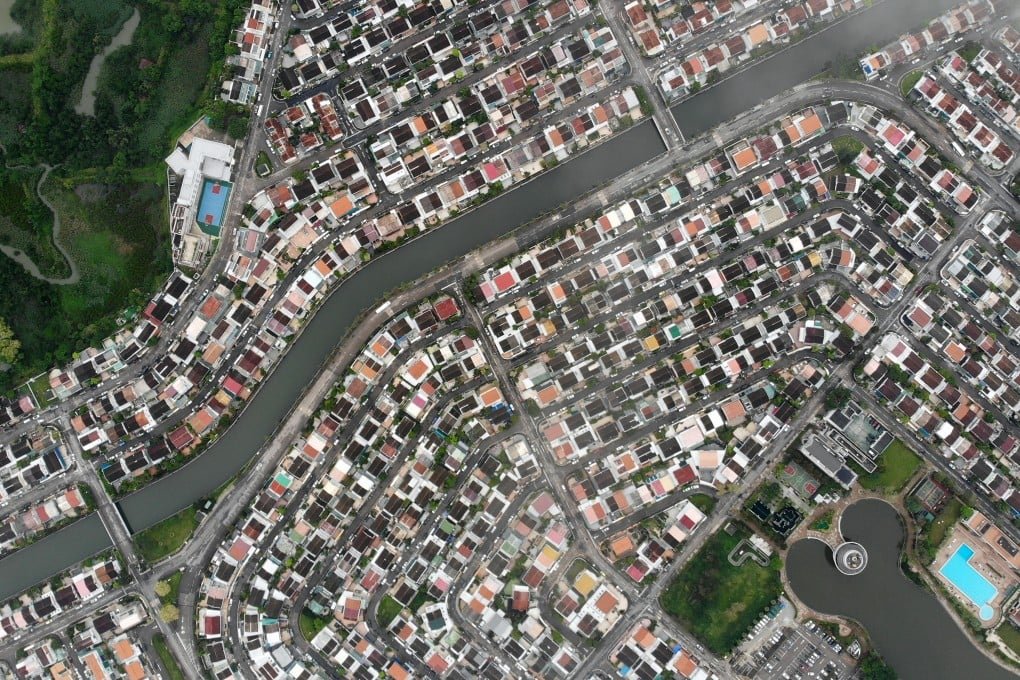
Hong Kong authorities have formed an independent expert panel to examine persistent freshwater loss at Fairview Park in Yuen Long, where chronic leakage issues have vexed residents since the 1990s.

The Water Supplies Department announced that it has commissioned three professionals and academics with waterworks expertise to provide third-party technical advice and conduct a scientific review of the problem, responding to longstanding concerns and criticism from local landlords about bureaucratic delays.

In a social media post, the department said the panel will assess the estate’s conditions, review previous on-site test results and use advanced technologies — including ground-penetrating radar and acoustic detectors — to gather data on the underground network and the condition of private water pipes.

Authorities have not yet disclosed the identities of the panel members, the precise start date of their work or an expected timeline for the review.

Fairview Park, a middle-class residential community of detached houses in Yuen Long, has grappled with water loss for nearly three decades, with a major repair exercise about twenty years ago failing to resolve the issue.

The Water Supplies Department reiterated that it is not responsible for repairing pipes located entirely within private land, but offered to provide technical support to residents and to work with the expert group to identify causes and potential solutions.

The formation of the expert panel reflects mounting pressure from property owners and residents, who have voiced frustration over continued loss of treated water and the high cost associated with unaccounted consumption.

Water loss remains a broader challenge across Hong Kong’s extensive distribution network, where authorities have in recent years adopted new technologies and network monitoring systems to improve detection and maintenance of leaks.

The outcome of the expert panel’s investigation is expected to inform future remedial actions and may influence wider discussions on water supply management and infrastructure resilience in the city.
Modest gains in major indices reflect renewed investor interest in technology and pharmaceutical companies
Hong Kong stocks edged higher in early trading, supported by gains in technology and pharmaceutical shares that helped offset caution elsewhere in the market.

The benchmark Hang Seng Index posted modest advances, reflecting selective buying in growth-oriented sectors despite subdued global sentiment.

Technology stocks provided a key boost as investors continued to favour companies linked to semiconductors, artificial intelligence and digital services, areas seen as benefiting from longer-term structural demand.

Several tech names attracted renewed interest following recent strong trading debuts and improved earnings outlooks, reinforcing confidence in the sector.

Pharmaceutical and healthcare shares also moved higher, extending recent gains as investors responded to optimism around drug development pipelines and steady demand for medical services.

The sector has been viewed as relatively defensive while still offering growth potential, adding to its appeal amid ongoing economic uncertainty.

Market participants remained cautious overall, with trading volumes moderate as investors weighed regional economic signals and upcoming policy developments.

Even so, the combination of strength in technology and healthcare was sufficient to push the broader market slightly into positive territory, highlighting the role of sector leadership in shaping short-term market direction.
Shanghai-listed semiconductor designer prices its Hong Kong share offering at HK$104.80, preparing for a highly anticipated debut on the stock exchange
OmniVision Integrated Circuits Group, a major Chinese semiconductor design company, has set the offer price for its Hong Kong initial public offering at HK$104.80 per H share, raising approximately HK$4.80 billion, or about US$616 million.

This pricing, at the top end of the marketed range, positions the company for a strong debut when its shares begin trading on the Hong Kong Stock Exchange on January 12, 2026.

The offering comprises roughly 45.8 million H shares, and the company plans to use the proceeds to enhance research and development, expand into new markets, support strategic investments and pursue acquisitions.

OmniVision’s portfolio focuses on digital image sensors, display solutions and analog integrated circuits, with products serving smartphone, automotive electronics, medical and other technology markets.

The company is ranked among the world’s largest providers of digital image sensors by revenue.

OmniVision’s listing follows a broader resurgence of technology and semiconductor initial public offerings in Hong Kong, with several Chinese high-tech firms debuting successfully in recent weeks amid strong investor demand.

For example, earlier on January 8, three other technology companies including AI specialist Zhipu AI and chip designer Shanghai Iluvatar CoreX raised more than US$1 billion combined in their Hong Kong listings.

This trend reflects robust liquidity and regulatory support aimed at strengthening domestic tech capabilities and expanding capital access.

With its Hong Kong offering now priced and scheduled to commence trading, OmniVision is poised to deepen its investor base and capitalise on renewed interest in Asian tech equities, while contributing to the stock exchange’s role as a global hub for high-growth technology issuers.
Pro-democracy publisher Jimmy Lai appears in court to argue for reduced sentencing ahead of a potential life term under the national security law
Jimmy Lai, the 78-year-old founder of the now-defunct pro-democracy newspaper Apple Daily, appeared in Hong Kong’s High Court on Monday as judges began hearing mitigation pleas before his sentencing in a high-profile national security case.

Lai, convicted in December of conspiracy to collude with foreign forces and conspiracy to publish seditious material under Beijing-imposed security legislation, faces a possible life sentence if judges impose the maximum penalty.

The four-day hearing will allow Lai’s legal team to argue for leniency before formal sentencing is set at a later date.

Lai has denied the charges, but a panel of judges determined he played a central role in the alleged conspiracies, drawing international condemnation from governments and rights groups who see the case as emblematic of a broader decline in civil liberties and press freedom in Hong Kong.

Supporters queued outside the courthouse overnight in hopes of securing seats in the public gallery, underscoring the significant public and symbolic interest in the proceedings.

Six former senior Apple Daily executives and two activists involved in the same case have already pleaded guilty and may receive reduced sentences after cooperating with the prosecution, while Lai’s advocates emphasise his long-standing role as a vocal critic of Beijing and defender of free expression.

Lai’s deteriorating health, with reports of heart issues and weight loss after more than five years in custody, has also been raised by his family and observers as a factor in mitigation.

Hong Kong authorities maintain that the trial was conducted fairly under the law, and that national security considerations justify the stringent legal response.

As the mitigation hearing unfolds, the outcome will be closely watched by international governments and civil society groups concerned about the future of judicial independence and press freedom in the former British colony.
Month-long Honolulu event marks Hong Kong heritage and business ties with cultural showcases, culinary promotions and trade activities
The first Honolulu-Hong Kong Festival is set to take place from January 31 to March 1, 2026, bringing a broad programme of cultural, culinary and commercial events to Hawaii’s capital.

Organised by the Hong Kong Business Association of Hawaii and supported by the Hong Kong Economic and Trade Office in San Francisco and the City and County of Honolulu, the month-long festival coincides with Chinese New Year celebrations and commemorates the thirtieth anniversary of the association’s establishment in the state.

The festival is designed to strengthen ties between Hawaii and Hong Kong, fostering community harmony and economic exchange while showcasing Hong Kong’s rich traditional culture, contemporary lifestyle, business environment and culinary excellence.

Highlights of the festival’s opening weekend include the Temple Street Night Market Celebration on January 31, featuring authentic Hong Kong street food, crafts, live performances and cultural demonstrations that evoke the vibrancy of the city’s famed marketplaces.

Throughout February, participants can join a series of Hong Kong Traditional Lifestyle Tours in Honolulu’s Chinatown, offering tai chi lessons, insights into feng shui, Chinese tea tastings and Hong Kong-style dim sum experiences.

A culinary initiative called “HK At Your Doorstep: Eat Your Way Month” invites visitors and residents to explore Hong Kong-inspired dishes at participating local restaurants, with opportunities to win a trip to Hong Kong.

Business engagement forms a central pillar of the festival, with an Export Day and Trade Fair on February 27 welcoming industry experts to share insights into Hong Kong and Greater Bay Area commerce and to facilitate networking among professionals.

The festival culminates on March 1 with the Hong Kong Business Association of Hawaii’s thirtieth Anniversary and Festival of Spring Gala at the Waialae Country Club, featuring entertainment, fine dining and cultural activities.
Organisers say the inaugural event will enrich Honolulu’s cultural calendar, deepen understanding of Hong Kong’s heritage and contemporary dynamism, and provide a platform for ongoing cultural and economic partnership in the Pacific region.
The milestone underscores accelerating population aging with far-reaching implications for health care, pensions, and social policy.
The world’s oldest baby boomers are set to turn eighty in the year two thousand twenty-six, marking a significant demographic milestone with global consequences.

This moment highlights the scale and speed of population aging across developed and emerging economies alike.

As the earliest members of the postwar baby boom reach advanced age, societies are confronting the cumulative effects of longer life expectancy combined with lower birth rates.

The shift places increasing pressure on health care systems, pension frameworks, and social services, while also reshaping labor markets and intergenerational dynamics.

Governments and institutions face growing urgency to adapt policies designed for younger populations to realities defined by longevity.

At the same time, the milestone reflects a broader human achievement: millions are living far longer than previous generations, often with higher expectations for quality of life.

How societies respond will define economic stability and social cohesion in the decades ahead.
Researchers argue that fresh interpretations of the fossil record raise questions about long-standing evolutionary explanations.
A new scientific study is prompting renewed debate over evolutionary theory after researchers questioned long-held interpretations based on a fresh analysis of fossil evidence.

According to the researchers, the findings challenge certain core assumptions that have shaped how parts of the fossil record are understood.

The study does not reject evolution as a whole, but it argues that prevailing explanations may rely on interpretations that deserve closer scrutiny in light of the new analysis.

The precise scope of the challenged assumptions and the broader implications for evolutionary theory remain uncertain.

Details about how widely the conclusions are accepted, and whether they will alter existing models, have not yet been clearly established.

What is evident is that the study has reopened discussion about how fossil data are interpreted and how scientific theories evolve when new evidence or methods are introduced.

The findings underscore that even foundational scientific frameworks remain subject to reassessment as knowledge advances.
Questions have emerged after market observers noted transactions whose timing coincided with major political developments.
Unusual stock trades have drawn attention after market observers identified transactions whose timing appeared to coincide closely with significant political activity in the United States.

The trades have raised questions about whether nonpublic information may have influenced investment decisions, although no formal findings or adjudications have been established.

The identities of those involved, the intent behind the transactions, and the presence of any wrongdoing remain unclear.

At this stage, the available facts point only to timing anomalies, not to proven misconduct.

Without confirmed details, it is not possible to determine whether the activity reflects coincidence, lawful strategy, or behavior that warrants further review.

The episode underscores the sensitivity of financial markets to political developments and the importance of transparency where public trust is at stake.

Clarity will depend on verified facts rather than speculation.
Once overlooked, the simple note-taking app is now widely valued for its practical role in everyday organization.
Google Keep has quietly grown into one of Google’s most useful tools, not through major redesigns or headline announcements, but through consistent everyday use.

Many users now describe the note-taking app as an unexpectedly central part of their daily productivity, relying on it to capture ideas, manage tasks, and organize thoughts with minimal friction.

What was once seen as a basic utility has become a dependable workspace precisely because it stays out of the way.

The shift has not been driven by novelty, but by reliability.

As workflows have become faster and more fragmented, users have gravitated toward tools that reduce complexity rather than add to it.

Google Keep’s rise illustrates how quiet usefulness, rather than aggressive feature expansion, can define long-term value.

Sometimes the most important tools are the ones that simply work.
Evergreen Capital expands retail portfolio with purchase of iconic Causeway Bay McDonald’s amid ongoing property disposals
A well-capitalised repeat buyer has acquired another McDonald’s retail property in Hong Kong for HK$118.7 million (approximately US$15.2 million), extending a series of high-profile transactions linked to the fast-food giant’s strategy of divesting prime real estate in the city.

The latest purchase, located at 46–47 Yee Wo Street in the bustling Causeway Bay district, was completed on December 10 as part of McDonald’s broader asset disposal programme.

The property, which spans more than 10,000 square feet and includes the first and second floors of the McDonald’s building along with three podium units, was bought by Evergreen Capital Partners.

The acquisition brings the total proceeds from McDonald’s ongoing sell-off of Hong Kong properties to about HK$490 million as investors continue to target well-positioned retail assets with existing long-term leases.

Ng Yin, director of Evergreen Capital Partners, has successfully added the Causeway Bay site to a portfolio that already includes McDonald’s outlets in Kennedy Town and Mong Kok, with combined expenditure on the three properties reaching around HK$300 million.

The average price achieved for the latest transaction was about HK$11,558 per square foot, reflecting continued demand for established commercial locations despite softer city-wide retail conditions.

McDonald’s, which has been methodically reviewing and optimising its Hong Kong real estate holdings since mid-2025, launched the disposal plan to rationalise its property portfolio while maintaining restaurant operations through long-term rental agreements with the new owners.

Under this approach, McDonald’s will remain a tenant at the sold locations, ensuring continuity of service for customers and stability for staff.

The retail property market in Hong Kong has shown signs of gradual recovery, with monthly transaction volumes rising and investor interest persisting in prime districts such as Causeway Bay.

However, rents across major high-street areas remain below pre-pandemic levels, underscoring the complex dynamics facing landlords and occupiers alike.

For McDonald’s, the strategic adjustment of its property holdings appears to be attracting investor appetite even as the broader commercial real estate landscape evolves.
Senior official denounces external criticism ahead of mitigation proceedings in high-profile national security case
Hong Kong authorities have strongly condemned what they described as attempts by foreign forces and anti-China elements to ‘smear’ the city’s government in the run-up to the mitigation hearing of former media executive Jimmy Lai Chee-ying, asserting that such efforts will not undermine the rule of law.

The remarks came from Secretary for Constitutional and Mainland Affairs Erick Tsang, who said the conviction of the 78-year-old on national security charges demonstrated that any intent to damage the region’s stability would fail.

Lai, founder of the now-defunct Apple Daily newspaper, was found guilty in December on charges including conspiracy to collude with foreign forces and conspiracy to publish seditious articles after a trial lasting more than a year and a half.

The mitigation hearing, scheduled to begin on Monday and set aside four days for arguments, will determine Lai’s sentence, which could run from a minimum of ten years to life in prison.

Mr Tsang framed criticism from overseas as evidence that Hong Kong still faces threats that must be taken seriously and dismissed suggestions that the government had acted improperly.

Officials have repeatedly urged external observers not to interfere with the judicial process, emphasising that handling of national security cases is a matter for the city’s legal system.

Beijing-imposed national security legislation has been cited by authorities as necessary to safeguard unity and prosperity, with the government asserting that the law and its application reinforce rather than weaken the city’s institutional strength.

The government’s response follows similar statements earlier in the proceedings, in which leaders rejected what they characterised as misleading commentary by Western governments and media outlets on the case, arguing that such statements misrepresent the legal basis and facts.

As the mitigation phase begins, authorities maintain that public focus should remain on the legal arguments and established procedures rather than external commentary, underscoring the city’s commitment to judicial independence and legal order.
Hang Seng Index eases as traders react to geopolitical energy tensions and anticipated Chinese economic statistics
Hong Kong stocks retreated in recent sessions as investors balanced robust initial gains earlier in the year against emerging macroeconomic concerns tied to global oil politics and key upcoming China economic data releases.

The benchmark Hang Seng Index experienced downward pressure after excitement over new listings was overshadowed by uncertainty over crude supply dynamics and broader economic indicators.

Geopolitical developments involving Venezuelan oil have contributed to market caution, with reports indicating rising tension around the direction of crude flows and strategic discussions in Washington and Beijing about energy supplies.

Traders interpreted these moves as potential disruptors to traditional energy demand patterns that feed into broader economic forecasts, prompting a reassessment of risk appetite in the market.

Meanwhile, a busy calendar of Chinese inflation and growth data has investors on edge, with analysts noting that slower-than-expected readings could dampen confidence in the region’s economic momentum.

The anticipation of these figures has helped temper earlier optimism, nudging some participants toward profit-taking ahead of definitive signals about China’s economic trajectory.

Despite the slide in major indices, selective strength was visible in certain segments of the market, particularly among newly listed technology and healthcare names that continued to draw capital on debut.

However, broad sectoral weakness limited overall gains, especially among big-cap technology stocks and resource plays more sensitive to global energy and economic commentary.

Market participants highlighted that while short-term volatility is expected as macro themes evolve, the underlying long-term narrative for Hong Kong markets remains supported by structural funding flows from mainland investors and ongoing policy support for strategic industries.

The near-term focus will remain trained on China’s forthcoming consumer price and producer price data, which could provide fresh impetus to either sustain the rebound or accentuate cautious positioning among global and regional investors.
Beijing Sees Trump’s Nvidia H200 Export Approval as a Strategic Trojan Horse in Tech Rivalry
Baidu Weighs Elevating Hong Kong Listing as Strategic Response to U.S.–China Market Tensions
Jimmy Lai’s Daughter Urges International Action to Secure Release of Hong Kong Activist
Hong Kong High Court Concludes Mitigation Hearings in Jimmy Lai National Security Trial
SOM Wins Competition to Design Gateway Innovation Campus for Shenzhen-Hong Kong Zone
There is no sovereign immunity for poisoning millions with drugs.
High-Speed Rail’s Rising Usage Bolsters Hong Kong’s Post-Pandemic Economic Recovery
Calls Mount in UK for Sanctions on Hong Kong Judges Over Jimmy Lai Conviction
Hong Kong’s Biotech IPO Market Emerges from ‘Biology Winter’ as Investors Embrace New Listings
The U.S. State Department’s account in Persian: “President Trump is a man of action. If you didn’t know it until now, now you do—do not play games with President Trump.”
Hong Kong Accelerates Drive to Become Global Gold Trading Hub
Hong Kong-Linked Oil Firm Sanctioned by US in Venezuela Crackdown Found to Use Fake Address
Hong Kong Targets Passenger Drone Flights by Twenty Twenty Seven With Strict Safety Rules
Korean Beauty Turns Viral Skincare Into a Global Export Engine
President Trump Says United States Will Administer Venezuela Until a Secure Leadership Transition
Delta Force Identified as Unit Behind U.S. Operation That Captured Venezuela’s President
Tesla Loses EV Crown to China’s BYD After Annual Deliveries Decline in 2025
Hong Kong Welcomes 2026 Without Fireworks After City’s Deadliest Fire in Decades
Diamonds Are Powering a New Quantum Revolution
Hong Kong’s Merchandise Exports Surge 18.8% in November in Strongest Growth in Nearly Two Years
Uber Grapples with Rising Costs and Regulation in Hong Kong
Jimmy Lai’s Daughter Describes ‘Devastation’ Following Guilty Verdict in Hong Kong National Security Trial
Hong Kong Restaurants See Sales Fall as Christmas Cross-Border Trips Surge
Hong Kong Christmas Eve Draws Large Crowds but Festive Spirit Dampened by Recent Tragedy
Thailand Explores Possibility of Disneyland-Style Theme Park to Boost Tourism
Hong Kong Tightens Cryptocurrency Oversight with Expanded Licensing Framework
Caviar and Foie Gras? China Is Becoming a Luxury Food Powerhouse
Hong Kong Climbs to Second Globally in 2025 Tourism Rankings Behind Bangkok
Hong Kong Markets Retreat as Holiday Caution and Economic Uncertainty Weigh on Stocks
Chinese AI Start-ups Zhipu and MiniMax Unveil Advanced Models Ahead of Planned Hong Kong IPOs
Cash-Hungry Chinese AI Firms Flock to Hong Kong Listings to Fuel Expansion
Landmark Unveils Refreshed Retail Vision as Belowground Retail Concept Debuts in Hong Kong
Hong Kong Court Convicts Jimmy Lai in Landmark National Security Trial, Exposes Deep Division Over Press Freedom
Jimmy Lai Convicted in Landmark National Security Trial as Hong Kong’s Democratic Party Disbands
Rare Decennial Jiao Festival Revives Burning Effigy Rituals and Bamboo Craftsmanship in Hong Kong
Hong Kong Disneyland Unveils Festive 20th Anniversary PUSH Talking Trash Can Collectible
Scambodia: The World Owes Thailand’s Military a Profound Debt of Gratitude
TikTok Reaches U.S. Joint Venture Deal but Algorithm Control Could Strain U.S.–China Relations
Hong Kong Issues Record HK$10 Billion Digital Green Bonds in Landmark Sustainable Finance Push
No Verified Reporting Confirms Hong Kong Listing Push by Chinese AI and Chip Start-Ups
China Unveils Satellite ‘Super Factory’ to Accelerate Space Internet Ambitions and Challenge Starlink
Verdict Against Jimmy Lai Seen as Watershed Moment in Hong Kong’s Press Freedom Erosion
Hong Kong Disneyland Emerges as a Standout Global Travel Destination
OneRobotics Launches Hong Kong IPO to Fuel Expansion in AI-Enabled Robotics
Jimmy Lai’s Conviction in Hong Kong Marks Intensifying Crackdown on Dissent
Hong Kong Unveils Central Yards Harbourfront Project Featuring Landmark Theatre
Hong Kong Erects World’s Largest Bamboo Altar in Cultural Milestone
Hong Kong Shares Slide Again as Tech Leaders Retreat on Artificial Intelligence Concerns
Xi Jinping Praises Hong Kong and Macao Progress, Reinforces ‘One Country, Two Systems’ Vision
UOB Faces Headwinds from Hong Kong and China Property Loan Stress as Real Estate Prices Fall